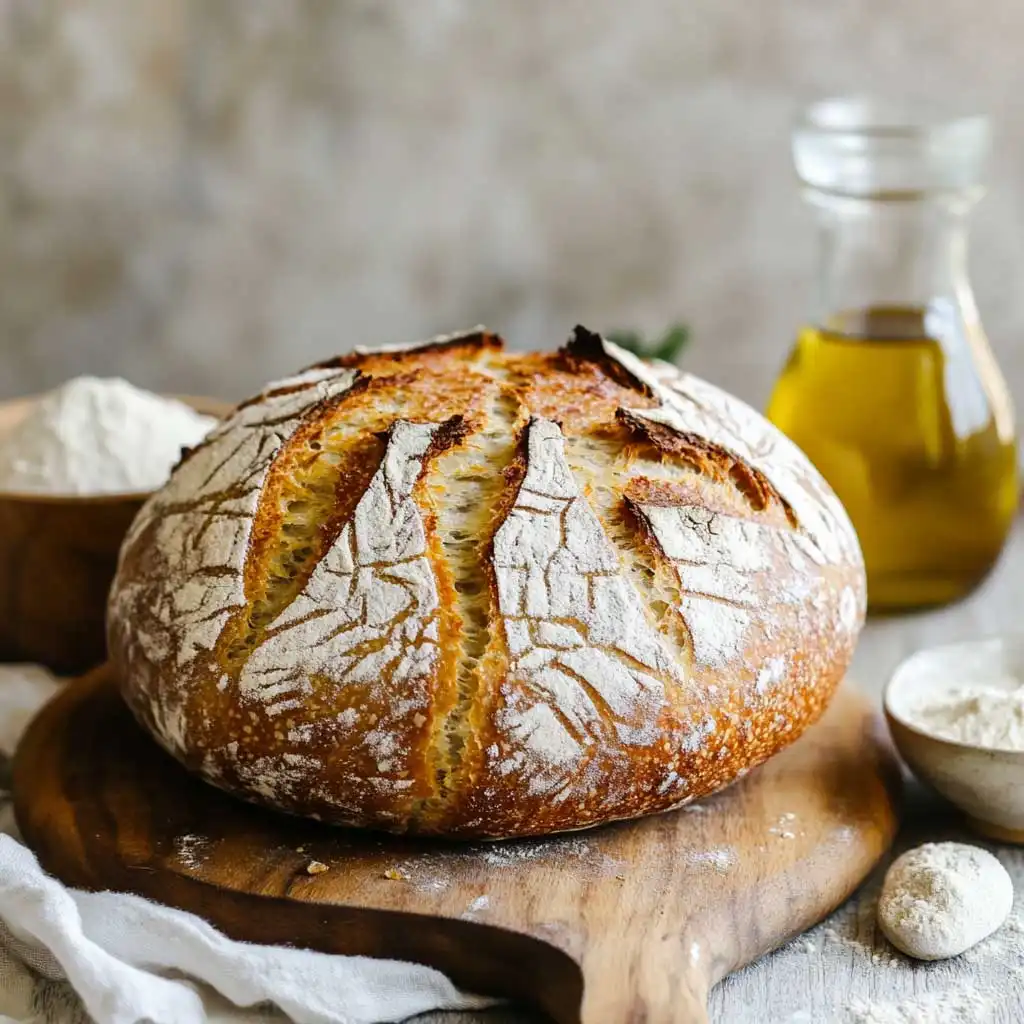

Baking your own sourdough bread can seem like a daunting task, but with the right guidance, it’s incredibly rewarding.
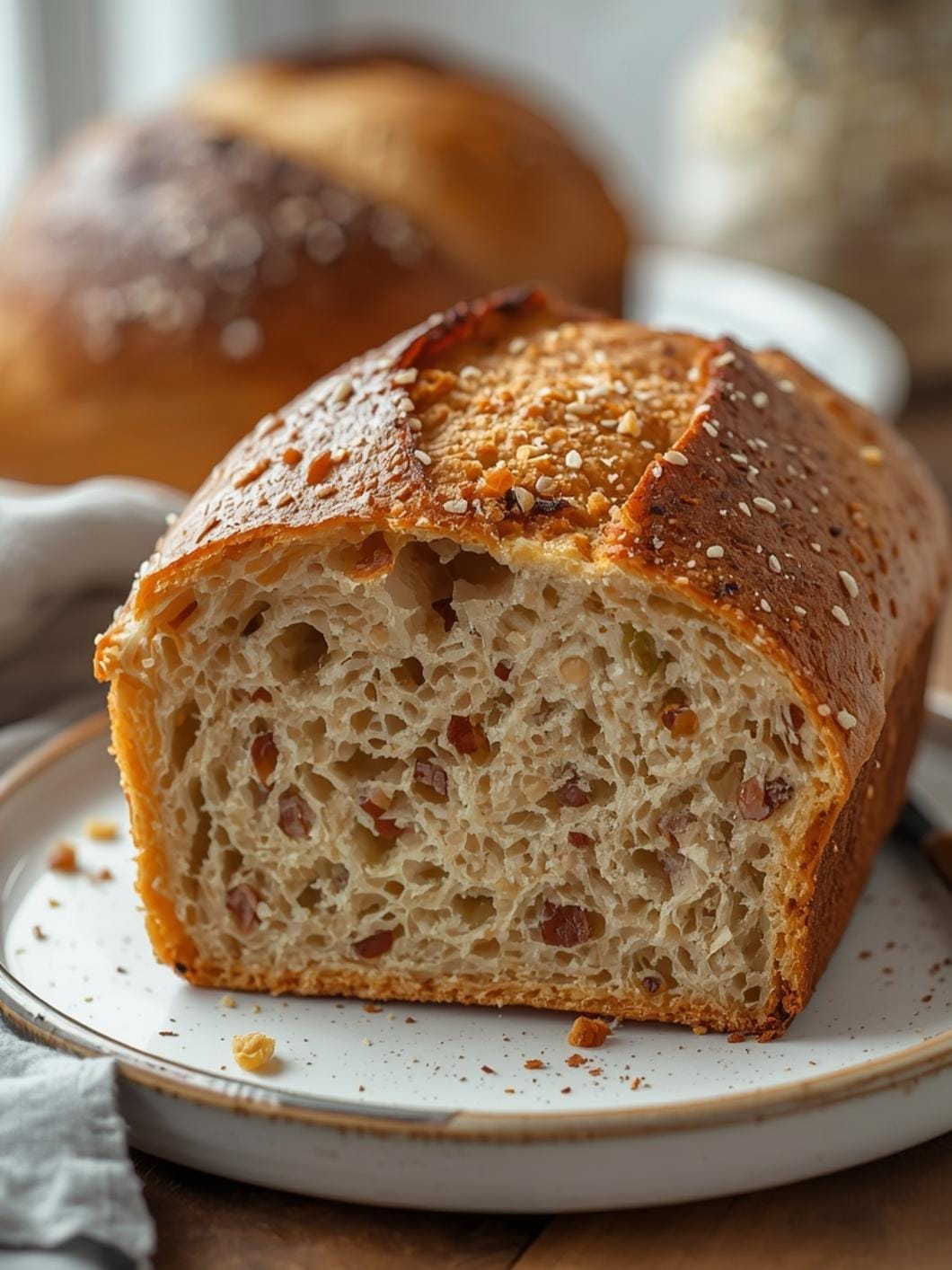
This recipe focuses on einkorn flour, an ancient grain known for its unique flavor and digestibility. If you’ve been wanting to dive into the world of homemade bread, especially with a sourdough starter, this is the perfect place to begin.
This guide will walk you through creating a beautiful and flavorful artisan einkorn sourdough loaf from scratch. It’s designed to be straightforward and beginner-friendly, ensuring you can achieve a delicious result perfect for slicing, toasting, or making your favorite sandwiches. Get ready to impress yourself and your family with this rustic, wholesome bread.

Artisan Einkorn Sourdough Loaf
- Total Time: 16-24 hours
- Yield: 1 loaf 1x
Description
This recipe guides you through baking a delicious and wholesome artisan einkorn sourdough loaf from scratch. Perfect for beginners, it uses einkorn flour for a unique flavor and digestibility, resulting in a rustic bread ideal for slicing, toasting, or sandwiches.
Ingredients
Instructions
1. 1. Combine Starter and Water: In a large mixing bowl, gently whisk together the active einkorn sourdough starter and the warm water until the starter is mostly dissolved. The mixture should look milky and slightly frothy.
2. 2. Add Flour and Salt: Add the einkorn flour and salt to the starter mixture. Use your hands or a sturdy spoon to mix until all the flour is hydrated and a shaggy dough forms. It will be sticky. Cover the bowl with a damp cloth or plastic wrap and let it rest for 30 minutes (this is called autolyse, allowing the flour to fully absorb the water).
3. 3. Perform Stretch and Folds: Over the next 2-3 hours, perform 3-4 sets of stretch and folds every 30-45 minutes. To do this, lightly wet your hands, grab a portion of the dough from one side, stretch it upwards, and fold it over to the opposite side of the bowl. Rotate the bowl a quarter turn and repeat until you’ve gone all the way around. This builds strength in the dough. After the last fold, the dough should feel more elastic and cohesive.
4. 4. Bulk Fermentation: After the stretch and folds, cover the bowl and let the dough bulk ferment at room temperature (around 70-75 F) for 6-8 hours, or until it has visibly increased in volume by about 30-50% and looks bubbly. If your kitchen is cooler, this could take longer, or you can place it in a slightly warmer spot.
5. 5. Shape the Loaf: Gently turn the dough out onto a lightly floured surface (use extra einkorn flour). Gently shape it into a round or oval. Avoid deflating the dough too much. If using a banneton, dust it generously with einkorn flour. Place the shaped dough seam-side up into the banneton.
6. 6. Cold Proof: Cover the banneton with plastic wrap or a clean kitchen towel and place it in the refrigerator for 8-12 hours (or up to 24 hours). This slow, cold proof develops flavor and makes the dough easier to handle. Alternatively, you can proof at room temperature for 2-4 hours until slightly puffy.
7. 7. Preheat Oven and Bake: About an hour before baking, place your Dutch oven with its lid into your oven and preheat to 450 F (232 C). Once preheated, carefully remove the hot Dutch oven. Gently invert the cold dough from the banneton into the hot Dutch oven. Score the top of the dough with a sharp knife or razor blade (a simple cross or a single slash works well).
8. 8. Bake with Lid On, Then Off: Cover the Dutch oven and bake for 30 minutes. Then, remove the lid and continue baking for another 10-15 minutes, or until the crust is deeply golden brown and the internal temperature reaches 200-210 F (93-99 C). Carefully remove the bread from the Dutch oven and let it cool completely on a wire rack for at least 1-2 hours before slicing. This cooling step is crucial for the crumb to set properly.
- Prep Time: 20-30 minutes
- Cook Time: 40-45 minutes
- Category: bread
- Method: baking
- Cuisine: american
Nutrition
- Serving Size: 1 slice
Keywords: sourdough, einkorn, bread, artisan, homemade, baking, whole grain, starter, rustic, easy
What You’ll Love About This Quick And Easy Recipe
This einkorn sourdough loaf recipe is a true gem for anyone looking to bake wholesome bread at home without feeling overwhelmed. It’s perfect for the beginner baker who has a sourdough starter and wants to put it to good use. You’ll love the simplicity of the steps, which break down the process into manageable parts, making it accessible even if you’ve never baked sourdough before. The use of einkorn flour adds a wonderful nutty flavor and a slightly different texture compared to traditional wheat, offering a delightful change of pace. This bread is fantastic served warm with butter, alongside a hearty soup, or as the base for your favorite open-faced sandwiches. It’s a versatile loaf that fits perfectly into everyday meals and special occasions alike.
Everything You Need To Make This Recipe Without Stress
Gathering your ingredients before you start baking is key to a smooth and enjoyable process. This recipe uses common pantry staples along with einkorn flour and your active sourdough starter. No fancy equipment is strictly necessary, but a Dutch oven will help you achieve that perfect crust.
INGREDIENTS:
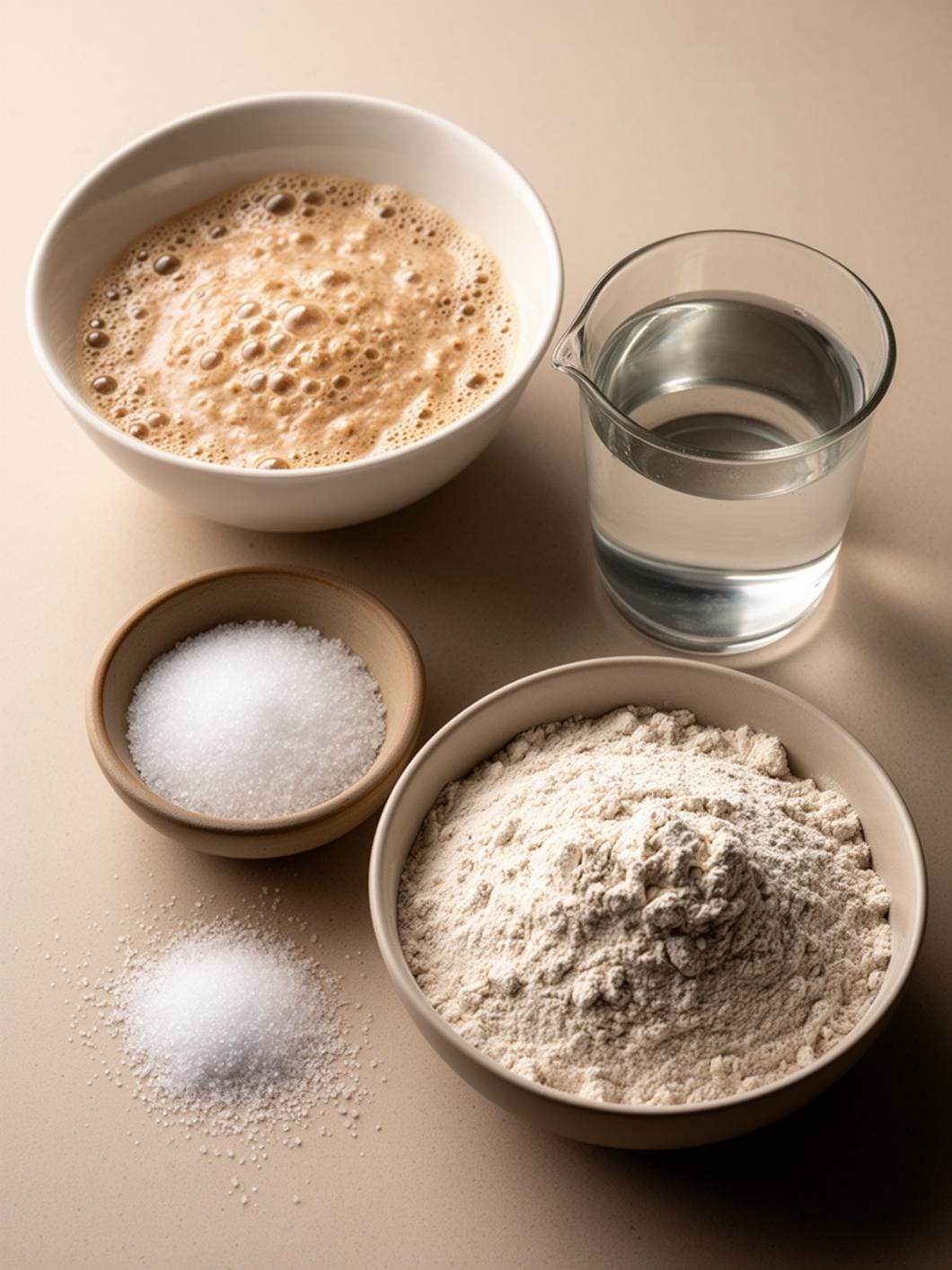
- 150 grams active einkorn sourdough starter (fed and bubbly)
- 350 grams warm water (around 90-95°F)
- 500 grams whole grain einkorn flour
- 10 grams fine sea salt
- Extra einkorn flour for dusting
For simple substitutions, you can experiment with different types of einkorn flour, such as all-purpose einkorn, though whole grain will give you a heartier loaf. If you don’t have fine sea salt, regular table salt can be used, but you might want to reduce the amount slightly as it can be saltier by volume. Ensure your sourdough starter is truly active and bubbly; this is crucial for a good rise. If your starter isn’t quite ready, give it another feeding and wait a few hours until it shows signs of activity.
Time Needed From Start To Finish
While the actual hands-on time for making this einkorn sourdough loaf is quite minimal, the entire process, including fermentation, requires patience.
- Prep Time: 20-30 minutes (for mixing, folding, and shaping)
- Bulk Fermentation Time: 6-8 hours (or overnight in a cooler spot)
- Proofing Time: 2-4 hours at room temperature, or 8-12 hours in the refrigerator
- Bake Time: 40-45 minutes
- Total Time: Approximately 16-24 hours (including fermentation and proofing)
Remember, much of this time is inactive, allowing the dough to develop its flavor and structure. Your active involvement is only for short bursts throughout the process.
How To Make It Step By Step With Visual Cues
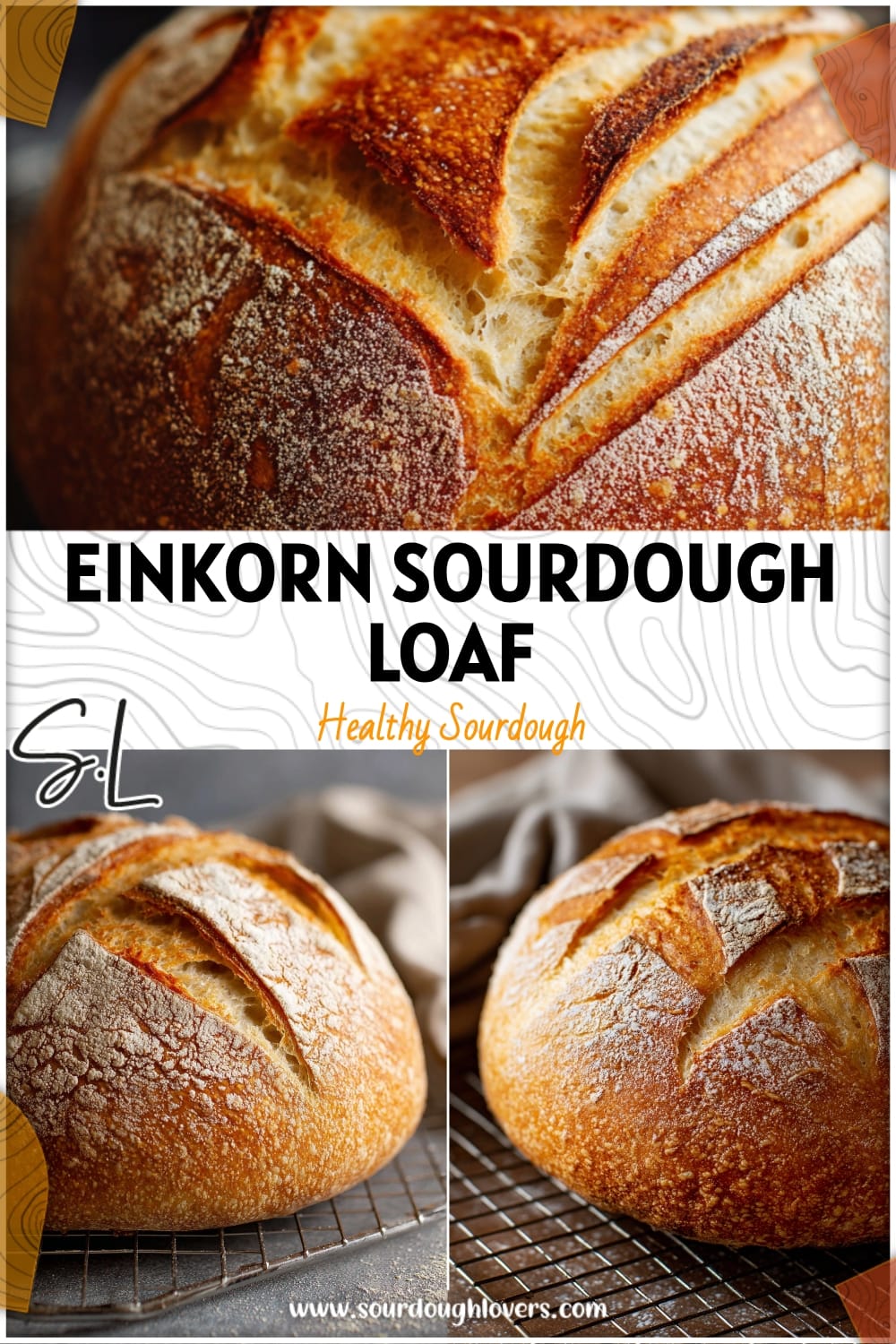
Follow these steps carefully to create a beautiful einkorn sourdough loaf. Paying attention to the dough’s feel and appearance will guide you to success.
- Combine Starter and Water: In a large mixing bowl, gently whisk together the active einkorn sourdough starter and the warm water until the starter is mostly dissolved. The mixture should look milky and slightly frothy.
- Add Flour and Salt: Add the einkorn flour and salt to the starter mixture. Use your hands or a sturdy spoon to mix until all the flour is hydrated and a shaggy dough forms. It will be sticky. Cover the bowl with a damp cloth or plastic wrap and let it rest for 30 minutes (this is called autolyse, allowing the flour to fully absorb the water).
- Perform Stretch and Folds: Over the next 2-3 hours, perform 3-4 sets of stretch and folds every 30-45 minutes. To do this, lightly wet your hands, grab a portion of the dough from one side, stretch it upwards, and fold it over to the opposite side of the bowl. Rotate the bowl a quarter turn and repeat until you’ve gone all the way around. This builds strength in the dough. After the last fold, the dough should feel more elastic and cohesive.
- Bulk Fermentation: After the stretch and folds, cover the bowl and let the dough bulk ferment at room temperature (around 70-75°F) for 6-8 hours, or until it has visibly increased in volume by about 30-50% and looks bubbly. If your kitchen is cooler, this could take longer, or you can place it in a slightly warmer spot.
- Shape the Loaf: Gently turn the dough out onto a lightly floured surface (use extra einkorn flour). Gently shape it into a round or oval. Avoid deflating the dough too much. If using a banneton, dust it generously with einkorn flour. Place the shaped dough seam-side up into the banneton.
- Cold Proof: Cover the banneton with plastic wrap or a clean kitchen towel and place it in the refrigerator for 8-12 hours (or up to 24 hours). This slow, cold proof develops flavor and makes the dough easier to handle. Alternatively, you can proof at room temperature for 2-4 hours until slightly puffy.
- Preheat Oven and Bake: About an hour before baking, place your Dutch oven with its lid into your oven and preheat to 450°F (232°C). Once preheated, carefully remove the hot Dutch oven. Gently invert the cold dough from the banneton into the hot Dutch oven. Score the top of the dough with a sharp knife or razor blade (a simple cross or a single slash works well).
- Bake with Lid On, Then Off: Cover the Dutch oven and bake for 30 minutes. Then, remove the lid and continue baking for another 10-15 minutes, or until the crust is deeply golden brown and the internal temperature reaches 200-210°F (93-99°C). Carefully remove the bread from the Dutch oven and let it cool completely on a wire rack for at least 1-2 hours before slicing. This cooling step is crucial for the crumb to set properly.
Easy Variations And Serving Ideas That Fit Real Life
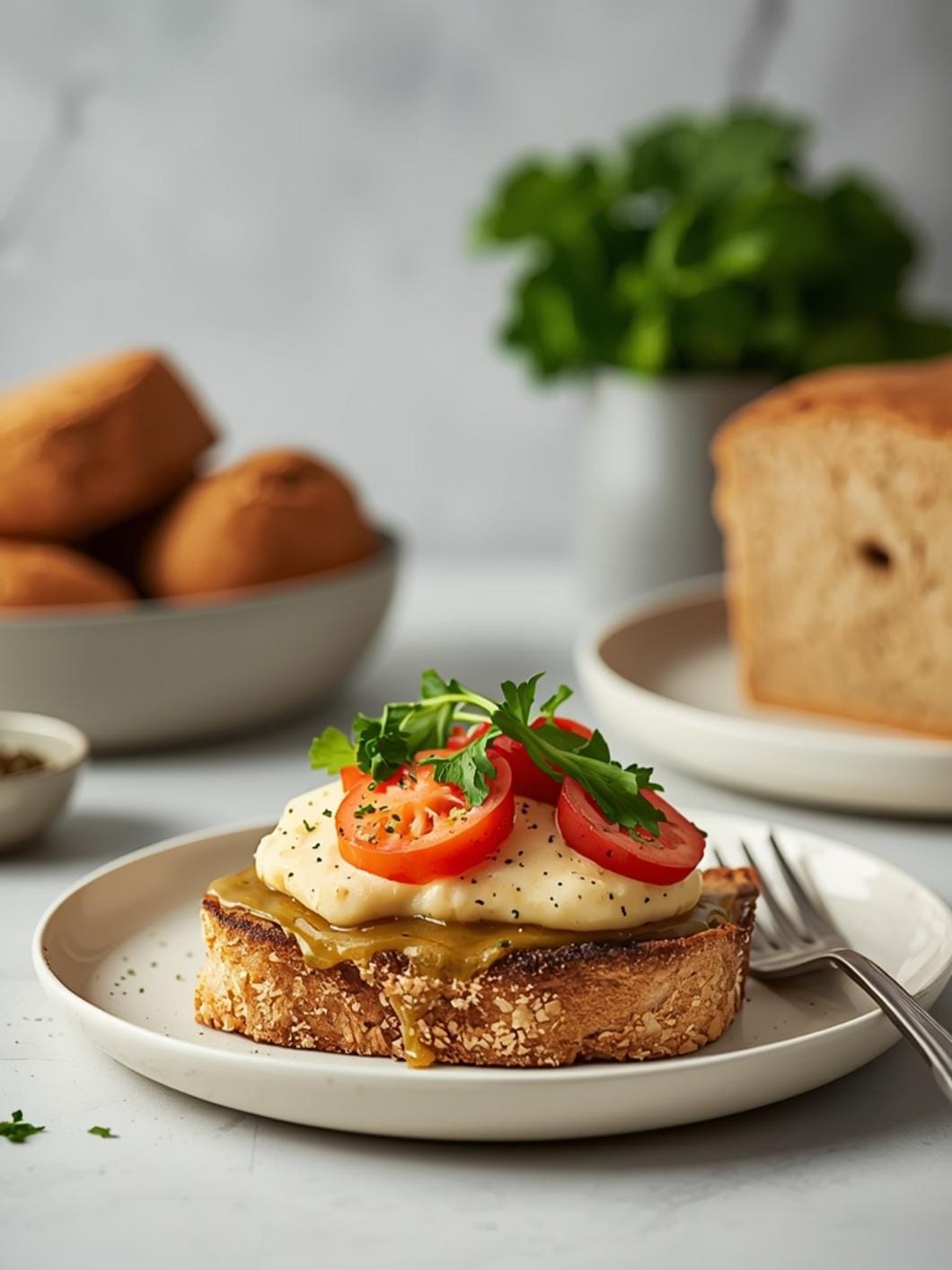
This artisan einkorn sourdough loaf is incredibly versatile, making it a fantastic addition to any meal. For a simple and satisfying breakfast, slice it thick and toast it, then spread with butter and your favorite jam, or avocado and a sprinkle of everything bagel seasoning. It makes an excellent base for open-faced sandwiches with turkey, cheese, and fresh greens.
To add some extra flavor to the dough, consider mixing in a handful of chopped walnuts or dried cranberries during the final stretch and fold. For a savory twist, incorporate some fresh rosemary and grated Parmesan cheese. Kids often love this bread simply toasted with a little honey or as a side to their favorite pasta dish. For a party or buffet, slice the loaf thinly and serve with a platter of cheeses, charcuterie, and olives. You can also make delicious croutons by cubing stale bread, tossing with olive oil and spices, and baking until crispy.
Common Slip-Ups And How To Avoid Them
Even experienced bakers can encounter challenges, and sourdough is no exception. Here are some common beginner mistakes and how to steer clear of them:
- Not using an active starter: If your starter isn’t bubbly and active, your bread won’t rise properly. Always feed your starter 4-12 hours before you plan to mix your dough, ensuring it’s at its peak activity. You should see plenty of bubbles and it should float in water.
- Under-proofing or over-proofing: This is often the trickiest part. Under-proofed dough will be dense and gummy with large, irregular holes, while over-proofed dough will spread out, be difficult to handle, and have a very weak structure. Pay attention to the dough’s volume increase (30-50% for bulk fermentation) and its jiggle when gently shaken. When cold proofing, it should feel light and airy but still hold its shape.
- Not letting the bread cool completely: Slicing into hot bread is tempting, but it can lead to a gummy texture. The internal structure of the bread is still setting as it cools. Always allow your loaf to cool on a wire rack for at least 1-2 hours, or even longer, before cutting into it.
- Not using enough flour for dusting: Einkorn dough can be stickier than traditional wheat dough. Don’t be shy with dusting your work surface and banneton with extra einkorn flour to prevent sticking.
- **Not
FAQs
- Can I make these ahead? Yes—prep ahead, refrigerate, then serve when ready.
- How long do leftovers last? Store covered in the fridge for 3–4 days for best texture.
- Can I adjust sweetness? Yes—add more or less sweetener to taste.
- Can I change the fruit? Yes—swap strawberries for blueberries, raspberries, or sliced banana.