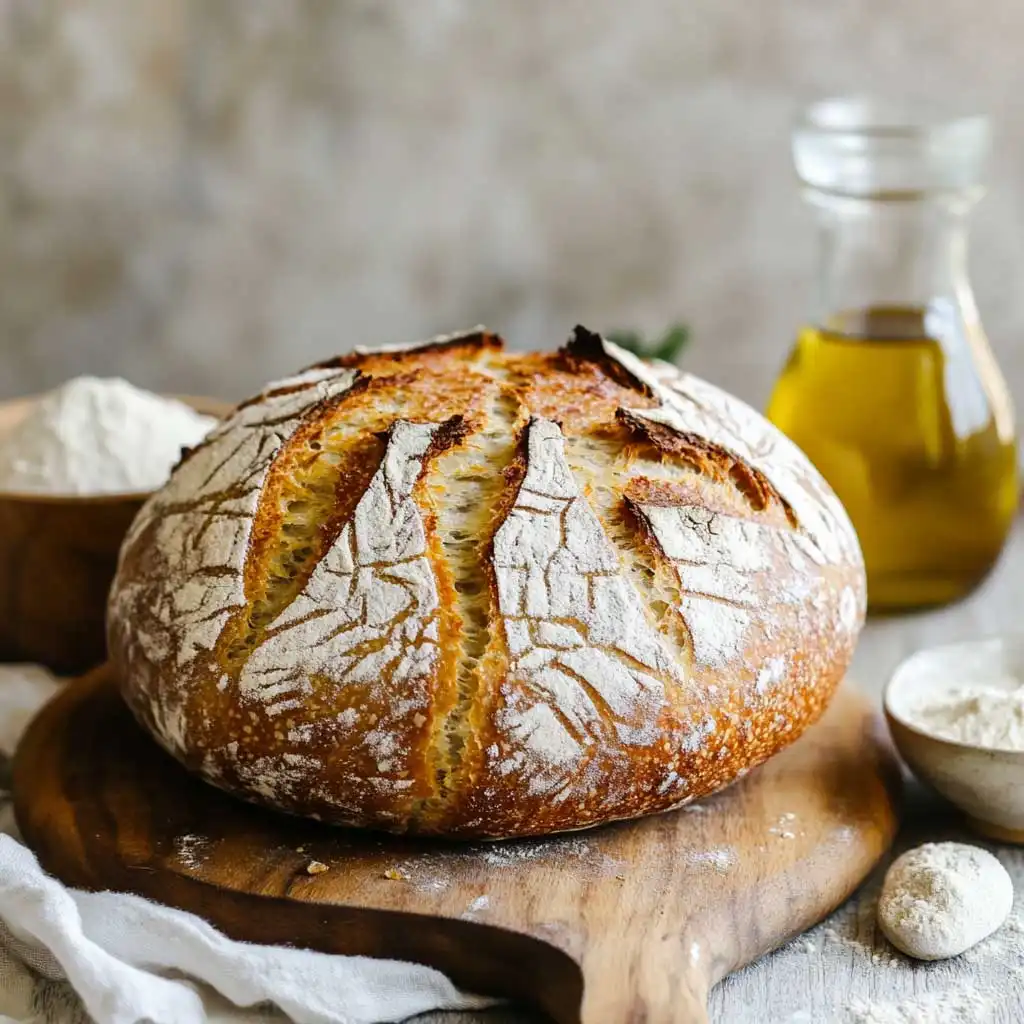

Sourdough bread has captured the hearts of home bakers everywhere, and for good reason.
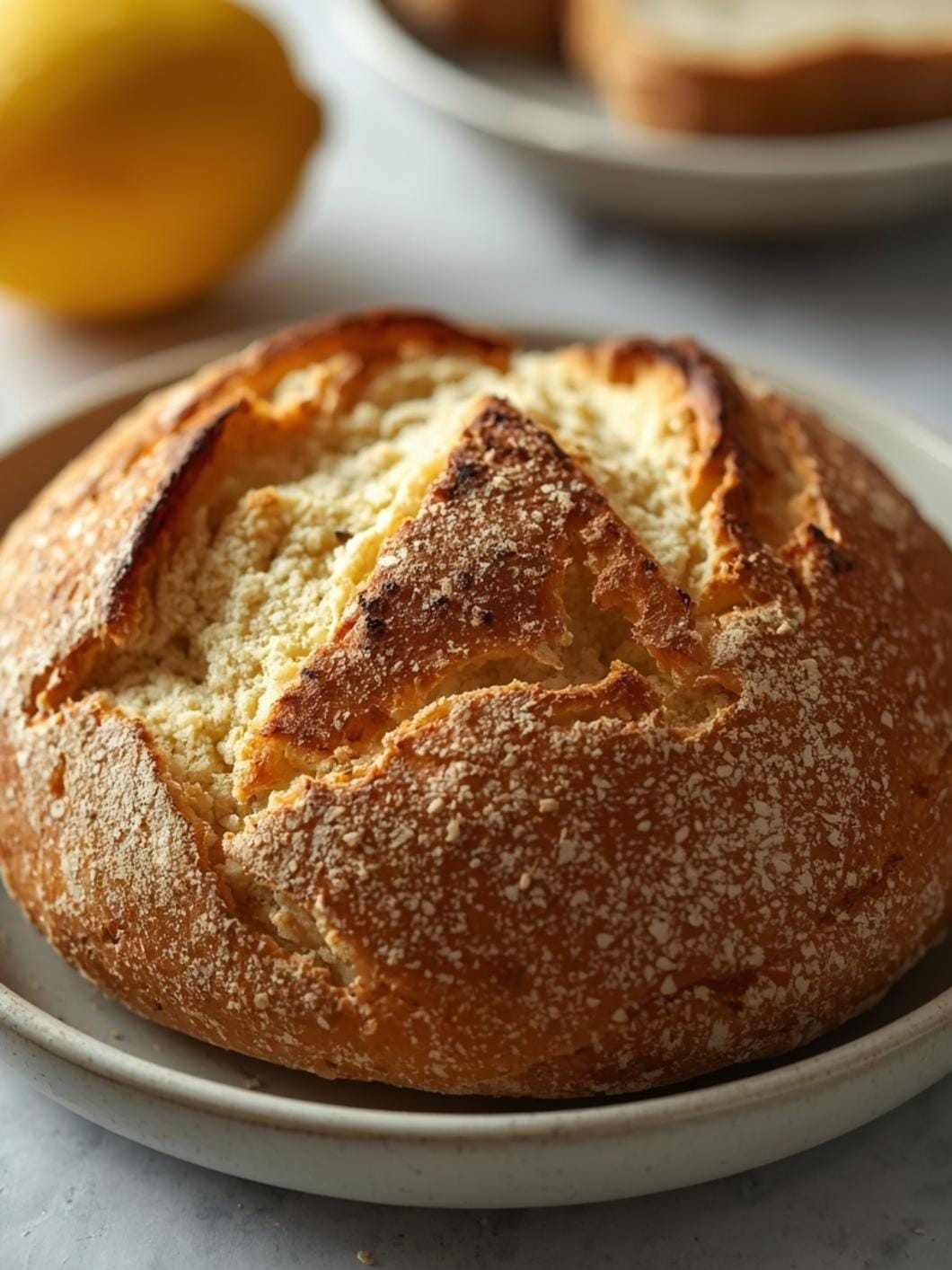
There’s something incredibly satisfying about transforming simple ingredients into a beautiful, crusty loaf. While the baking process itself is rewarding, adding a touch of artistry through scoring can elevate your bread from delicious to truly stunning.
This guide will walk you through various beautiful sourdough scoring designs, helping you add a unique flourish to your homemade loaves. Whether you’re aiming for intricate patterns or elegant simplicity, these techniques will impress your family and friends and make every slice feel like a special occasion.
Table of Contents
- What You’ll Love About This Quick And Easy Recipe
- Everything You Need To Make This Recipe Without Stress
- Time Needed From Start To Finish
- How To Make It Step By Step With Visual Cues
- Easy Variations And Serving Ideas That Fit Real Life
- Common Slip-Ups And How To Avoid Them
- How To Store It And Make It Ahead Without Ruining Texture

Sourdough Scoring Designs
- Total Time: 35-55 minutes
- Yield: 1 loaf
Description
Elevate your homemade sourdough loaves with beautiful and functional scoring designs. This guide provides step-by-step instructions for various patterns, from simple ears to intricate floral motifs, enhancing both the appearance and texture of your bread.
Ingredients
Instructions
1. Prepare Your Loaf: Ensure your sourdough loaf is fully proofed and gently transferred to your baking vessel (Dutch oven, baking stone, etc.). Lightly dust the top with a little flour if you want the scores to stand out more.
2. Hold Your Scoring Tool Correctly: For most designs, hold your lame or knife at a shallow angle (about 30-45 degrees) to the surface of the dough. This angle helps create a “lip” or “ear” as the bread bakes and expands. For deeper, more structural cuts, you might hold the blade more vertically (90 degrees).
3. Basic Single Slash (The “Ear”): Make one long, curved slash across the top of the loaf, from one end to the other. Aim for a depth of about 1/2 inch to 3/4 inch. The curve helps direct the expansion, creating a beautiful “ear.
4. Crosshatch or Grid Pattern: For a rustic look, make several parallel cuts across the loaf, then rotate it 90 degrees and make another set of parallel cuts perpendicular to the first. This creates a checkerboard effect. Hold the blade vertically for these cuts, about 1/4 to 1/2 inch deep.
5. Wheat Stalk Design: This elegant pattern involves a central curved slash, similar to the single ear. Then, make small, short, diagonal slashes branching off from both sides of the main cut, mimicking wheat grains. Use a shallow angle for these smaller cuts.
6. Leaf or Floral Pattern: Start with a central “stem” slash. Then, make several curved, leaf-like slashes branching out from the stem. You can add smaller veins within the leaves for more detail. For a floral design, make several curved cuts radiating from a central point.
7. Geometric Shapes: Experiment with triangles, squares, or even abstract patterns. Use a ruler or guide if you want perfect symmetry, but freehand designs can be just as charming. Remember to consider how the cuts will open up during baking.
8. Practice and Experiment: Don’t be afraid to try different depths and angles. The more you score, the more comfortable you’ll become with your tool and understanding how the dough responds.
- Prep Time: 2-5 minutes
- Cook Time: 30-50 minutes
- Category: baking
- Method: baking
- Cuisine: european
Nutrition
- Serving Size: 1 slice
Keywords: sourdough, scoring, bread, baking, design, artisan, homemade, crusty, loaves, technique
What You’ll Love About This Quick And Easy Recipe
This guide isn’t about a specific recipe, but rather how to enhance any sourdough loaf you bake with beautiful scoring designs. What you’ll love is the immediate visual impact and the creative outlet it provides without adding significant time or complexity to your existing baking routine. It’s perfect for any home baker, from beginners looking to add a professional touch to their first successful loaf, to seasoned pros wanting to experiment with new artistic expressions. These scoring techniques are ideal for making everyday bread feel a little more special, or for creating a show-stopping centerpiece for a dinner party or potluck. It’s a simple way to personalize your baking and showcase your efforts.
Everything You Need To Make This Recipe Without Stress
The beauty of sourdough scoring is that it requires very few specialized tools beyond what you likely already have for baking bread. The key is having the right instrument for making clean, precise cuts.
INGREDIENTS:
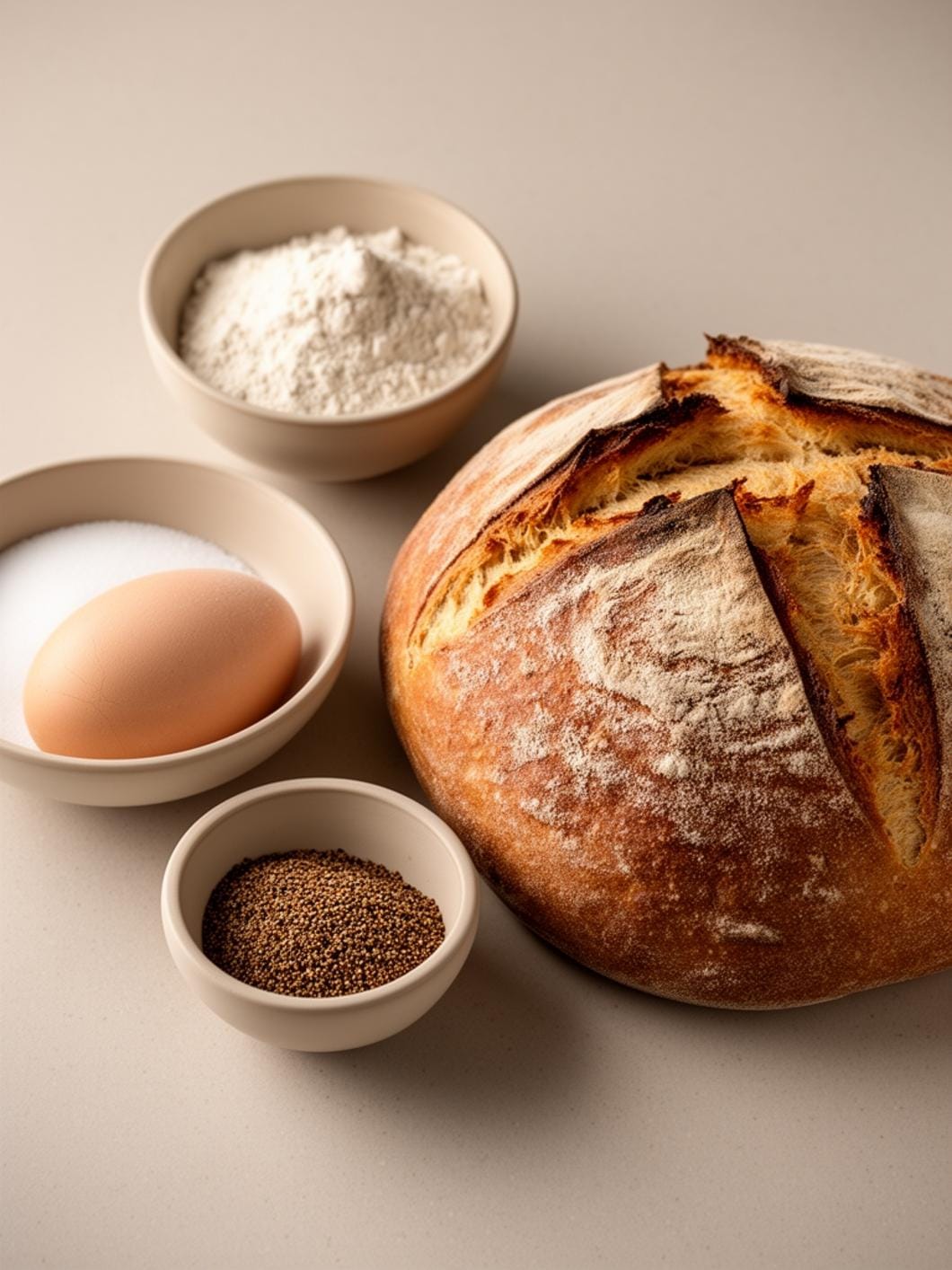
- Your prepared sourdough loaf, proofed and ready for baking
For scoring, you’ll need one of the following tools:
- Lame (pronounced “lahm”): This is a traditional bread scoring tool, essentially a razor blade mounted on a handle. It offers the sharpest, cleanest cuts.
- Very sharp knife: A small, sharp paring knife or an X-Acto knife can work in a pinch, though the blade might drag slightly more than a lame.
- Scissors: For certain designs, especially “wheat” patterns or leaf shapes, kitchen shears can be surprisingly effective.
Beyond the scoring tool, ensure your sourdough loaf is properly proofed. An under-proofed loaf might not open up as beautifully, and an over-proofed loaf might deflate when scored. Having a light dusting of flour on your loaf can also help the scoring lines stand out and prevent the blade from sticking.
Time Needed From Start To Finish
The actual act of scoring your sourdough loaf is incredibly quick. Once your dough is proofed and ready for the oven, the scoring process typically takes:
Prep time: 2-5 minutes (to decide on your design and make the cuts) Cook time: This refers to the baking time of your sourdough loaf, which varies by recipe (typically 30-50 minutes). The scoring itself doesn’t add to this. Total time: The scoring process adds a negligible amount of time to your overall bread-making schedule, making it a fast way to elevate your final product.
How To Make It Step By Step With Visual Cues
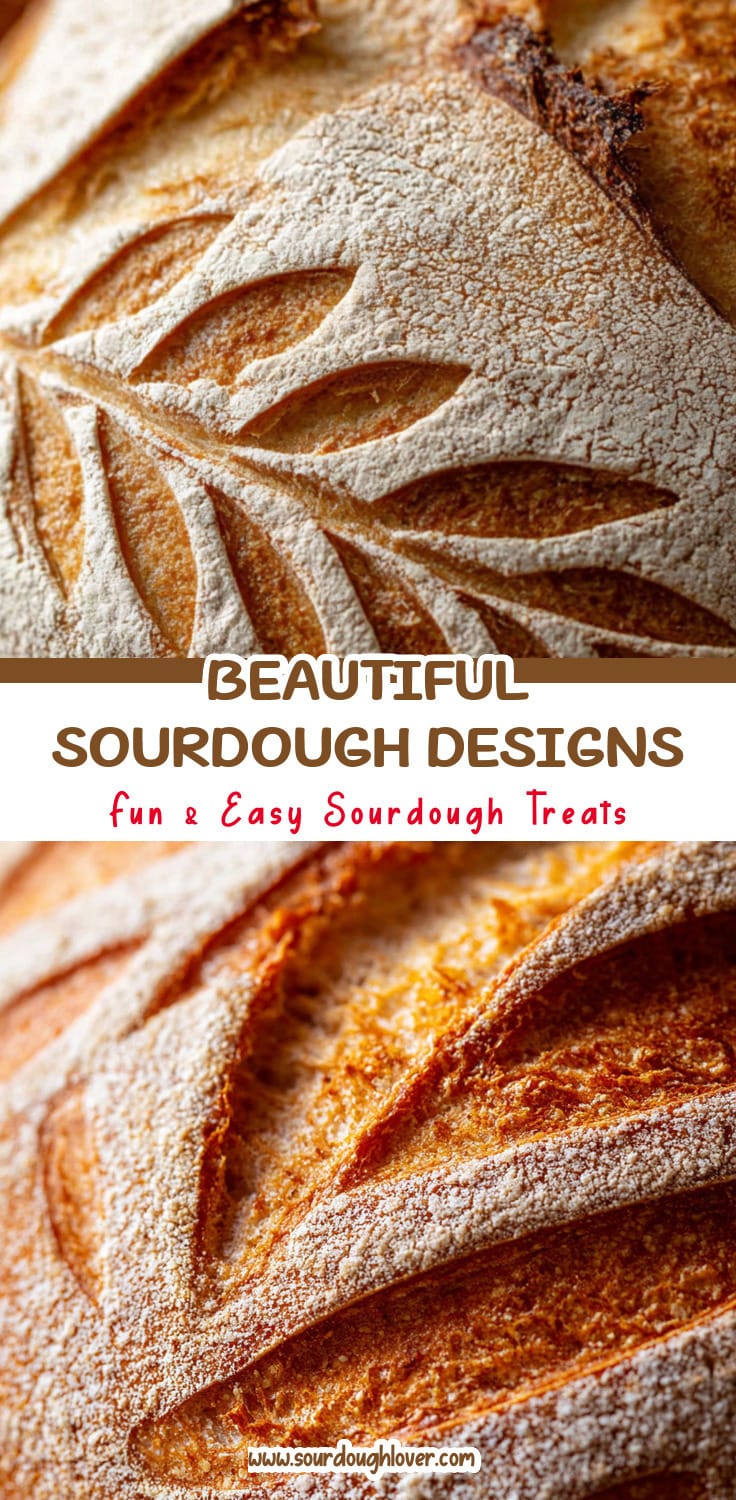
Scoring sourdough is about both artistry and function. The cuts allow the bread to expand in a controlled way during baking, preventing uncontrolled cracks. Here’s how to approach different designs:
- Prepare Your Loaf: Ensure your sourdough loaf is fully proofed and gently transferred to your baking vessel (Dutch oven, baking stone, etc.). Lightly dust the top with a little flour if you want the scores to stand out more.
- Hold Your Scoring Tool Correctly: For most designs, hold your lame or knife at a shallow angle (about 30-45 degrees) to the surface of the dough. This angle helps create a “lip” or “ear” as the bread bakes and expands. For deeper, more structural cuts, you might hold the blade more vertically (90 degrees).
- Basic Single Slash (The “Ear”): This is the most common and functional score. Make one long, curved slash across the top of the loaf, from one end to the other. Aim for a depth of about 1/2 inch to 3/4 inch. The curve helps direct the expansion, creating a beautiful “ear.”
- Crosshatch or Grid Pattern: For a rustic look, make several parallel cuts across the loaf, then rotate it 90 degrees and make another set of parallel cuts perpendicular to the first. This creates a checkerboard effect. Hold the blade vertically for these cuts, about 1/4 to 1/2 inch deep.
- Wheat Stalk Design: This elegant pattern involves a central curved slash, similar to the single ear. Then, make small, short, diagonal slashes branching off from both sides of the main cut, mimicking wheat grains. Use a shallow angle for these smaller cuts.
- Leaf or Floral Pattern: Start with a central “stem” slash. Then, make several curved, leaf-like slashes branching out from the stem. You can add smaller veins within the leaves for more detail. For a floral design, make several curved cuts radiating from a central point.
- Geometric Shapes: Experiment with triangles, squares, or even abstract patterns. Use a ruler or guide if you want perfect symmetry, but freehand designs can be just as charming. Remember to consider how the cuts will open up during baking.
- Practice and Experiment: Don’t be afraid to try different depths and angles. The more you score, the more comfortable you’ll become with your tool and understanding how the dough responds.
Easy Variations And Serving Ideas That Fit Real Life
Scoring is all about personalizing your bread, and there are endless variations to explore. Beyond the visual appeal, the way you score can subtly influence the texture of your crust.
- Kid-Friendly Designs: Simple shapes like a star, a smiley face, or even just initials can be fun. Let older kids help decide on the design.
- Themed Scoring: For specific occasions, you can try scoring a heart for Valentine’s Day, a simple tree shape for winter, or a sunburst for summer.
- Multiple Small Scores: Instead of one large slash, try several smaller, overlapping cuts. This can create a more intricate, almost crackled appearance on the crust.
- Serving Suggestions: Beautifully scored sourdough is a treat on its own. Serve it with a good quality olive oil for dipping, a pat of artisanal butter, or alongside a hearty soup or stew. It’s also fantastic for open-faced sandwiches or as a base for bruschetta.
- Dusting Variations: Instead of plain flour, try dusting your loaf with rice flour for a whiter contrast against the baked crust. You can also use a stencil and cocoa powder or cinnamon to create a pattern before scoring for an extra layer of design.
Common Slip-Ups And How To Avoid Them
Even experienced bakers can encounter challenges with sourdough scoring. Here are some common issues and how to sidestep them:
- Blade Dragging: If your blade isn’t sharp enough or is sticking to the dough, your cuts will be jagged and messy. Always use a very sharp lame or knife. You can also lightly oil the blade (or dip it in water) between cuts to prevent sticking, especially with wetter doughs.
- Cuts Not Opening Up: This often happens if the dough is under-proofed. The dough needs enough gas built up to expand through the scores. Ensure your final proof is adequate. Alternatively, if your cuts are too shallow, they might not allow for proper expansion.
- Loaf Deflating When Scored: This is a sign of over-proofing. The dough has relaxed too much and can’t hold its structure once cut. Be mindful of your proofing times, especially in warmer environments. A very gentle touch is crucial when handling an over-proofed loaf.
- Inconsistent Depth: Some parts of your design might open beautifully, while others remain shallow. Practice maintaining a consistent depth for each type of cut you’re making. Deeper cuts (1/2-3/4 inch) are usually for structural expansion, while shallower cuts (1/4 inch) are for decorative elements.
- Forgetting to Score: It sounds simple, but in the rush of baking, it’s easy to forget this crucial step! Scoring isn’t just for aesthetics; it’s essential for controlled oven spring. Without it, your loaf might burst unpredictably in the oven.
How To Store It And Make It Ahead Without Ruining Texture
Since scoring is done just before baking, there’s no “make-ahead” aspect to the scoring itself. However, the finished, beautifully scored sourdough loaf needs proper storage to maintain its texture and flavor.
- Storing Baked Sourdough: Once your sourdough loaf has cooled completely (this is crucial for texture!), store it at room temperature. The best way is to place it cut-side down on a cutting board, or wrap it loosely in a clean linen towel. This allows the crust to breathe and prevents it from becoming soggy. A bread box is also an excellent option. Avoid plastic bags for the first day or two, as they can soften the crust.
- Longevity: A well-baked sourdough loaf will stay fresh for 2-3 days at room temperature. After that, it’s still good for toast
FAQs
- Can I make these ahead? Yes—prep ahead, refrigerate, then serve when ready.
- How long do leftovers last? Store covered in the fridge for 3–4 days for best texture.
- Can I adjust sweetness? Yes—add more or less sweetener to taste.
- Can I change the fruit? Yes—swap strawberries for blueberries, raspberries, or sliced banana.