
Creating beautiful, rustic sourdough bread doesn’t have to be an intimidating task, especially when you’re just starting out.
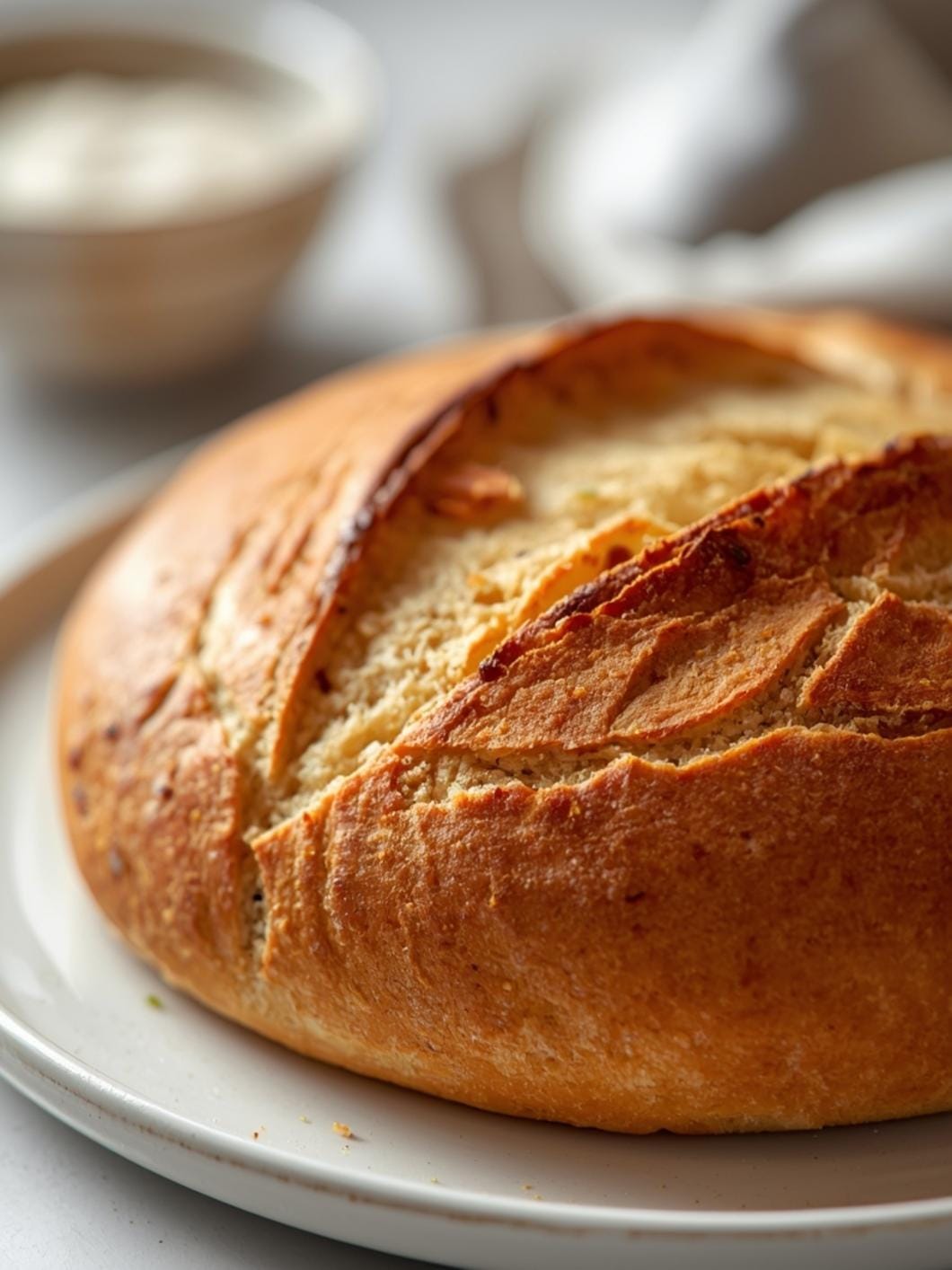
This guide focuses on simplifying the essential steps of shaping and scoring your no-knead sourdough, ensuring you get a lovely loaf with minimal fuss. We’ll walk through techniques that are perfect for beginners, helping you achieve that desirable round shape and impressive crust.
Get ready to transform your simple no-knead dough into a bakery-worthy masterpiece. With a few straightforward movements and a bit of confidence, you’ll be shaping and scoring like a pro in no time, setting you up for consistently delicious results.
Table of Contents
- What You’ll Love About This Quick And Easy Recipe
- Everything You Need To Make This Recipe Without Stress
- Time Needed From Start To Finish
- How To Make It Step By Step With Visual Cues
- Easy Variations And Serving Ideas That Fit Real Life
- Common Slip-Ups And How To Avoid Them
- How To Store It And Make It Ahead Without Ruining Texture
- Questions People Always Ask Before Making This Recipe

Shaping and Scoring No-Knead Sourdough
- Total Time: 10-15 minutes (hands-on shaping and scoring)
- Yield: 1 loaf
Description
This guide simplifies the essential steps of shaping and scoring no-knead sourdough, helping beginners achieve a beautiful, rustic loaf with a desirable round shape and impressive crust. It focuses on approachable techniques for transforming bulk-fermented dough into a bakery-worthy masterpiece.
Ingredients
Instructions
1. 1. Prepare Your Work Surface and Proofing Basket: Lightly dust your clean work surface with rice flour or all-purpose flour. If using a proofing basket (banneton), dust it generously with rice flour to prevent sticking. If using a bowl with a tea towel, flour the tea towel well.
2. 2. Gently Release the Dough: Carefully tip your bulk-fermented sourdough dough out of its container onto the floured work surface. Try to disturb it as little as possible to retain the air bubbles. It will likely be a shaggy, somewhat sticky mass.
3. 3. First Shaping (Pre-shape): Using a bench scraper or your floured hands, gently fold the edges of the dough towards the center, working your way around the perimeter. This helps to build some initial tension. Flip the dough over so the seam side is down. Cup your hands around the dough and gently pull it towards you, creating a round shape with some surface tension. Let it rest for 10-15 minutes. This rest allows the gluten to relax, making the final shaping easier.
4. 4. Final Shaping for a Round Loaf (Batard or Boule): After the rest, dust the dough lightly again. For a round loaf (boule), gently cup your hands around the dough and rotate it, pulling it slightly towards you in a circular motion. This action creates surface tension, forming a tight skin on top. For an oval loaf (batard), gently stretch the dough into an oval, then fold the top third down, the bottom third up, and then fold it in half lengthwise, sealing the seam. Roll it gently to create an even oval. The key is to create a tight “skin” on the outside of the dough.
5. 5. Transfer to Proofing Basket: Carefully transfer your shaped dough, seam-side up, into the generously floured proofing basket. The seam-side up placement means the smooth, taut surface will be on the bottom during proofing and will become the top crust when baked.
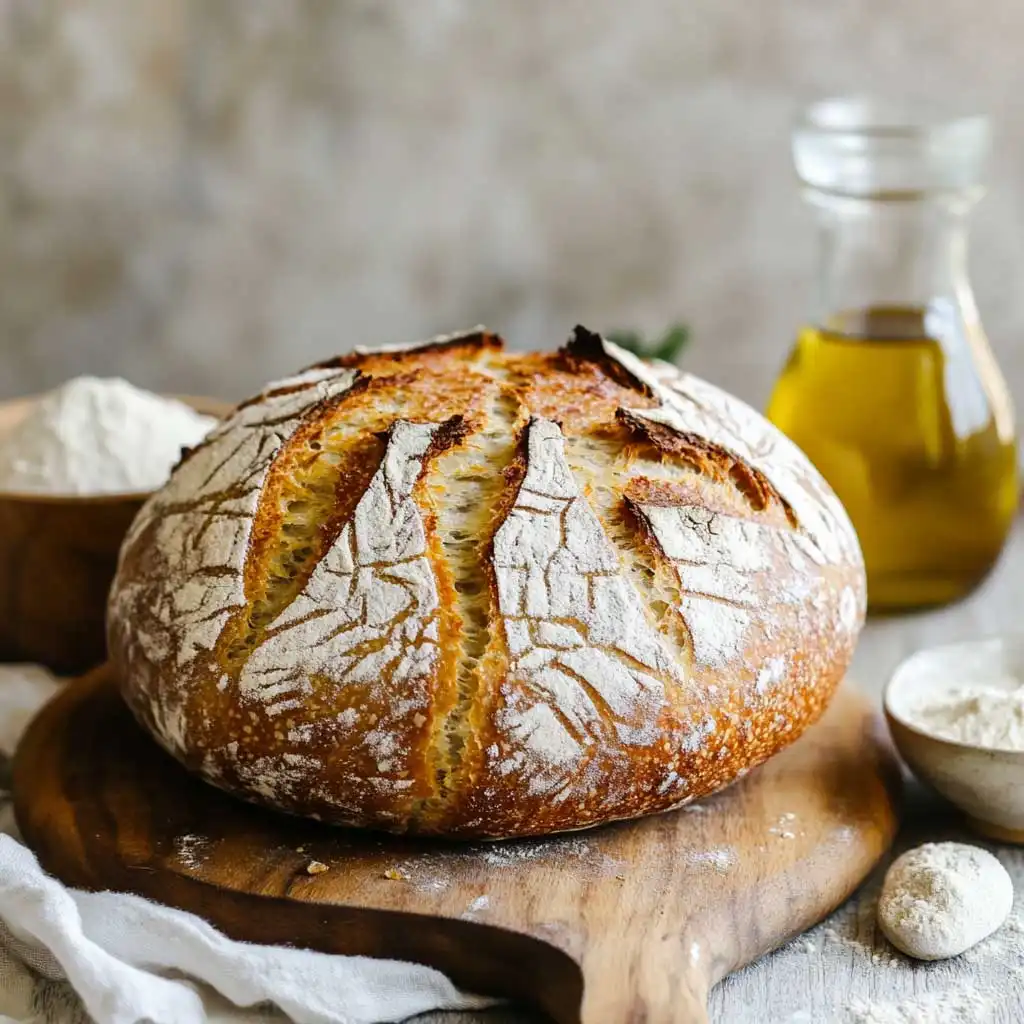
6. 6. Scoring Your Loaf: Once your dough has completed its final proof (it should feel light and airy, but still have some spring when gently poked), carefully invert it onto a piece of parchment paper or directly into your preheated Dutch oven. Using a sharp lame or a very sharp razor blade, make quick, confident cuts on the surface of the dough. A simple cross, a single long slash, or a few parallel lines are great for beginners. The cuts should be about 1/2 inch deep. This scoring allows the bread to expand predictably in the oven, creating a beautiful “ear” and preventing uncontrolled cracking.
- Prep Time: 10-15 minutes
- Cook Time: 30-45 minutes
- Category: bread
- Method: baking
- Cuisine: american
Nutrition
- Serving Size: 1 slice
Keywords: sourdough, no-knead, shaping, scoring, bread, baking, rustic, homemade, beginner, crusty
What You’ll Love About This Quick And Easy Recipe
This guide is designed for anyone new to baking sourdough or those looking to refine their shaping and scoring techniques without getting bogged down in complex instructions. You’ll love how approachable these methods are, turning what might seem like a daunting step into an enjoyable part of your baking routine. It’s perfect for home bakers who want to achieve a professional-looking loaf with a satisfying crust and crumb, making it ideal for everyday meals, impressing guests, or simply enjoying a fresh slice with your morning coffee. This approach prioritizes clarity and practicality, ensuring successful results every time you bake your no-knead sourdough.
Everything You Need To Make This Recipe Without Stress
This section outlines the basic tools and ingredients you’ll need to successfully shape and score your no-knead sourdough. Since this guide focuses on the shaping and scoring aspects, we’ll assume you already have your no-knead sourdough dough prepared and ready for these final steps. The emphasis here is on simplicity and using common kitchen items to achieve excellent results.
INGREDIENTS:
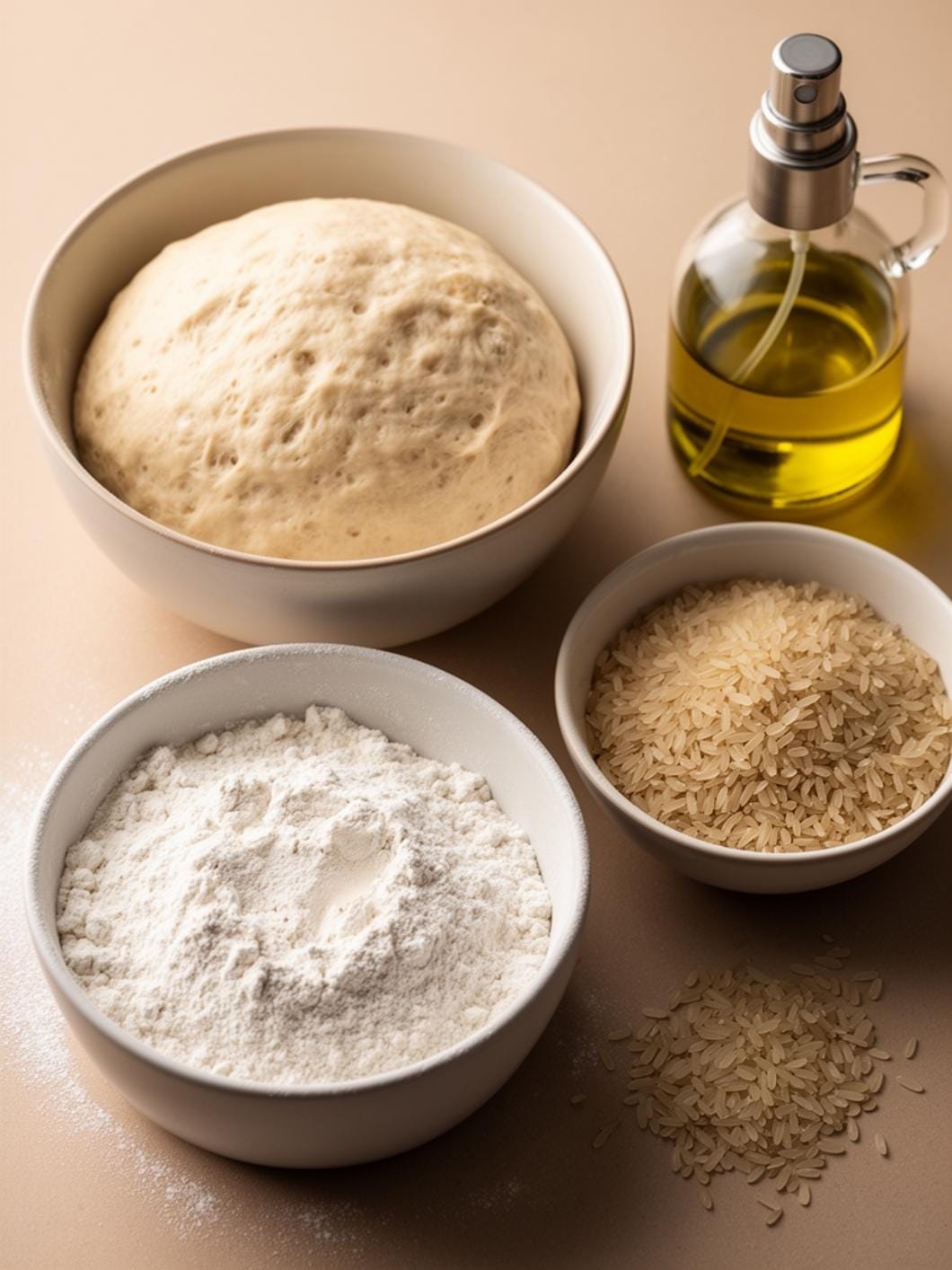
- Prepared no-knead sourdough dough (after bulk fermentation)
- Rice flour or all-purpose flour for dusting
- Olive oil or cooking spray (optional, for proofing basket)
For simple substitutions, if you don’t have rice flour, all-purpose flour works perfectly well for dusting your work surface and proofing basket. The goal is to prevent sticking, and either option will do the trick. A proofing basket (banneton) is ideal for shaping, but a bowl lined with a floured tea towel can serve as a great alternative.
Time Needed From Start To Finish
- Prep Time: 10-15 minutes (for shaping and scoring)
- Proofing Time: 30 minutes to 4 hours (depending on ambient temperature and desired final proof)
- Cook Time: Varies based on your sourdough recipe (typically 30-45 minutes)
- Total Time: This guide focuses on the hands-on shaping and scoring, which takes about 10-15 minutes before the final proof and baking.
How To Make It Step By Step With Visual Cues
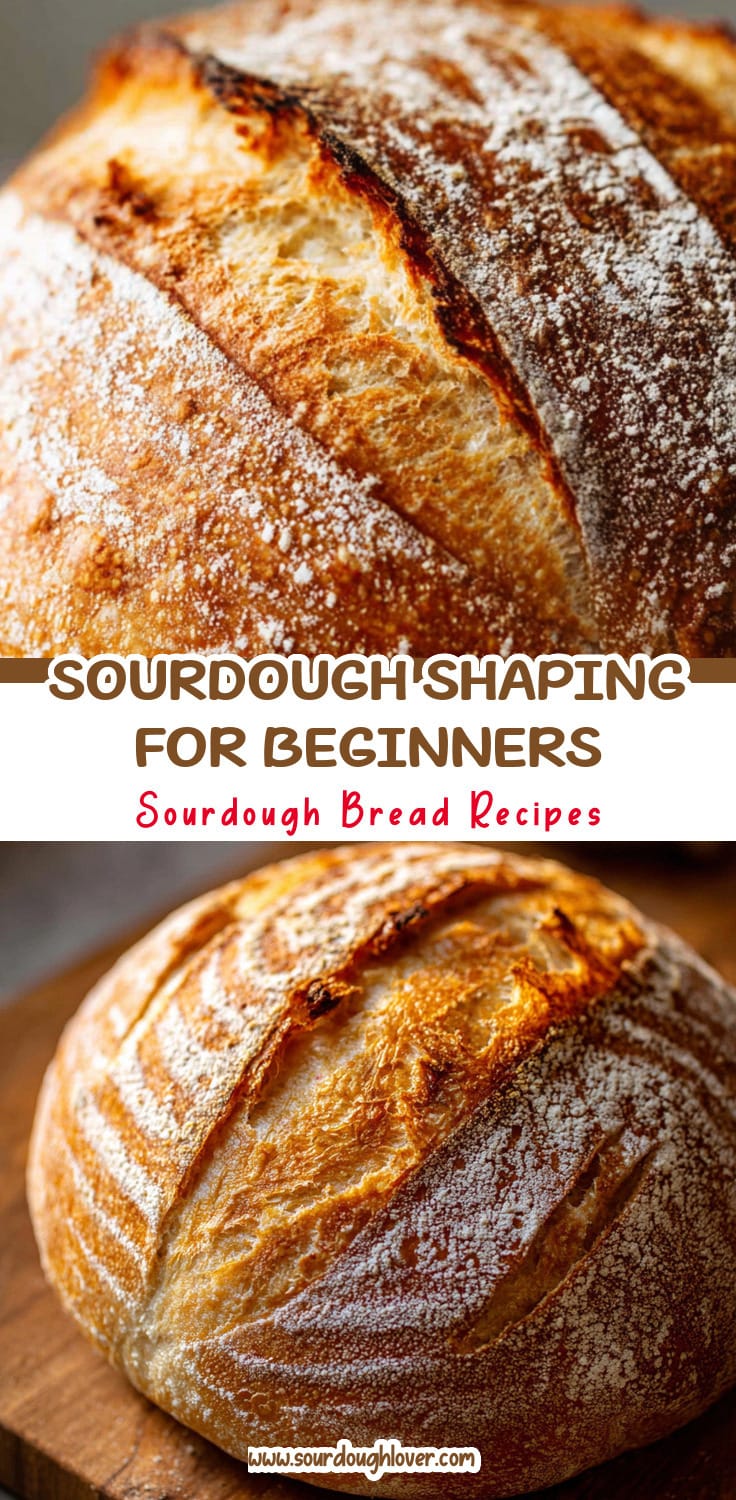
This section will guide you through the process of shaping and scoring your no-knead sourdough dough, focusing on clear, actionable steps for beginners.
- Prepare Your Work Surface and Proofing Basket: Lightly dust your clean work surface with rice flour or all-purpose flour. If using a proofing basket (banneton), dust it generously with rice flour to prevent sticking. If using a bowl with a tea towel, flour the tea towel well.
- Gently Release the Dough: Carefully tip your bulk-fermented sourdough dough out of its container onto the floured work surface. Try to disturb it as little as possible to retain the air bubbles. It will likely be a shaggy, somewhat sticky mass.
- First Shaping (Pre-shape): Using a bench scraper or your floured hands, gently fold the edges of the dough towards the center, working your way around the perimeter. This helps to build some initial tension. Flip the dough over so the seam side is down. Cup your hands around the dough and gently pull it towards you, creating a round shape with some surface tension. Let it rest for 10-15 minutes. This rest allows the gluten to relax, making the final shaping easier.
- Final Shaping for a Round Loaf (Bâtard or Boule): After the rest, dust the dough lightly again. For a round loaf (boule), gently cup your hands around the dough and rotate it, pulling it slightly towards you in a circular motion. This action creates surface tension, forming a tight skin on top. For an oval loaf (bâtard), gently stretch the dough into an oval, then fold the top third down, the bottom third up, and then fold it in half lengthwise, sealing the seam. Roll it gently to create an even oval. The key is to create a tight “skin” on the outside of the dough.
- Transfer to Proofing Basket: Carefully transfer your shaped dough, seam-side up, into the generously floured proofing basket. The seam-side up placement means the smooth, taut surface will be on the bottom during proofing and will become the top crust when baked.
- Scoring Your Loaf: Once your dough has completed its final proof (it should feel light and airy, but still have some spring when gently poked), carefully invert it onto a piece of parchment paper or directly into your preheated Dutch oven. Using a sharp lame or a very sharp razor blade, make quick, confident cuts on the surface of the dough. A simple cross, a single long slash, or a few parallel lines are great for beginners. The cuts should be about 1/2 inch deep. This scoring allows the bread to expand predictably in the oven, creating a beautiful “ear” and preventing uncontrolled cracking.
Easy Variations And Serving Ideas That Fit Real Life
Once you’ve mastered the basic shaping and scoring, you can easily add simple variations to your no-knead sourdough. For a savory twist, try sprinkling some everything bagel seasoning, sesame seeds, or poppy seeds on top of the dough just before scoring. You can also mix in dried herbs like rosemary or thyme into the dough during the initial mixing stage for an aromatic loaf.
This versatile bread is fantastic served warm with a pat of butter, alongside a hearty soup or stew, or as the base for delicious sandwiches. For a quick appetizer, slice it, toast it lightly, and top with bruschetta, avocado, or a simple olive tapenade. Kids often love it simply with butter or toasted with a sprinkle of cinnamon sugar for a sweet treat. It’s also perfect for making homemade croutons or breadcrumbs from any leftover pieces.
Common Slip-Ups And How To Avoid Them
Even experienced bakers encounter challenges, and sourdough is no exception. One common mistake is over-handling the dough during shaping. Too much manipulation can deflate the precious air bubbles you’ve worked hard to create during fermentation, leading to a dense loaf. To avoid this, be gentle and work quickly, using minimal flour on your hands and surface.
Another frequent issue is insufficient surface tension during shaping. If your dough feels too loose or spreads out quickly after shaping, it likely doesn’t have enough tension. This results in a flat loaf rather than a tall, airy one. The fix is to ensure you’re creating a tight skin on the outside of the dough during the final shaping step, using the technique of pulling it towards you or folding it securely.
Lastly, scoring too shallowly or with a dull blade can lead to uncontrolled tearing of the crust during baking. The score needs to be deep enough (about 1/2 inch) to allow for proper expansion. Always use a very sharp lame or razor blade for clean, decisive cuts. If your blade is dragging, it’s time for a new one. Don’t be afraid to make confident, swift cuts.
How To Store It And Make It Ahead Without Ruining Texture
Proper storage is key to enjoying your delicious no-knead sourdough for as long as possible. Once your bread has cooled completely (this is crucial to prevent steam from making the crust soggy), store it at room temperature. For a whole loaf, simply place it cut-side down on a cutting board, or wrap it loosely in a clean linen towel. This helps maintain the crust’s crispness while keeping the interior soft.
If you’ve sliced the loaf, store the remaining pieces in an airtight container or a resealable plastic bag. It will stay fresh for 2-3 days. For longer storage, you can freeze sliced bread. Place individual slices in a freezer-safe bag, separating them with parchment paper if desired, and freeze for up to 3 months. To enjoy, simply toast directly from frozen.
To make ahead, the beauty of no-knead sourdough is that the dough itself can often be refrigerated for a day or two after bulk fermentation, allowing you to bake it when it’s most convenient. Just remember to let it come to room temperature for about an hour before shaping and scoring, or adjust your final proofing time accordingly.
Questions People Always Ask Before Making This Recipe
What if my dough is too sticky to shape? If your dough is excessively sticky, lightly dust your hands and work surface with a bit more flour (rice flour is excellent for this). Work quickly and confidently, as hesitation can make it stick more. A bench scraper is also incredibly helpful for managing sticky dough.
How do I know when my dough is ready for scoring? After its final proof
FAQs
- Can I make these ahead? Yes—prep ahead, refrigerate, then serve when ready.
- How long do leftovers last? Store covered in the fridge for 3–4 days for best texture.
- Can I adjust sweetness? Yes—add more or less sweetener to taste.
- Can I change the fruit? Yes—swap strawberries for blueberries, raspberries, or sliced banana.