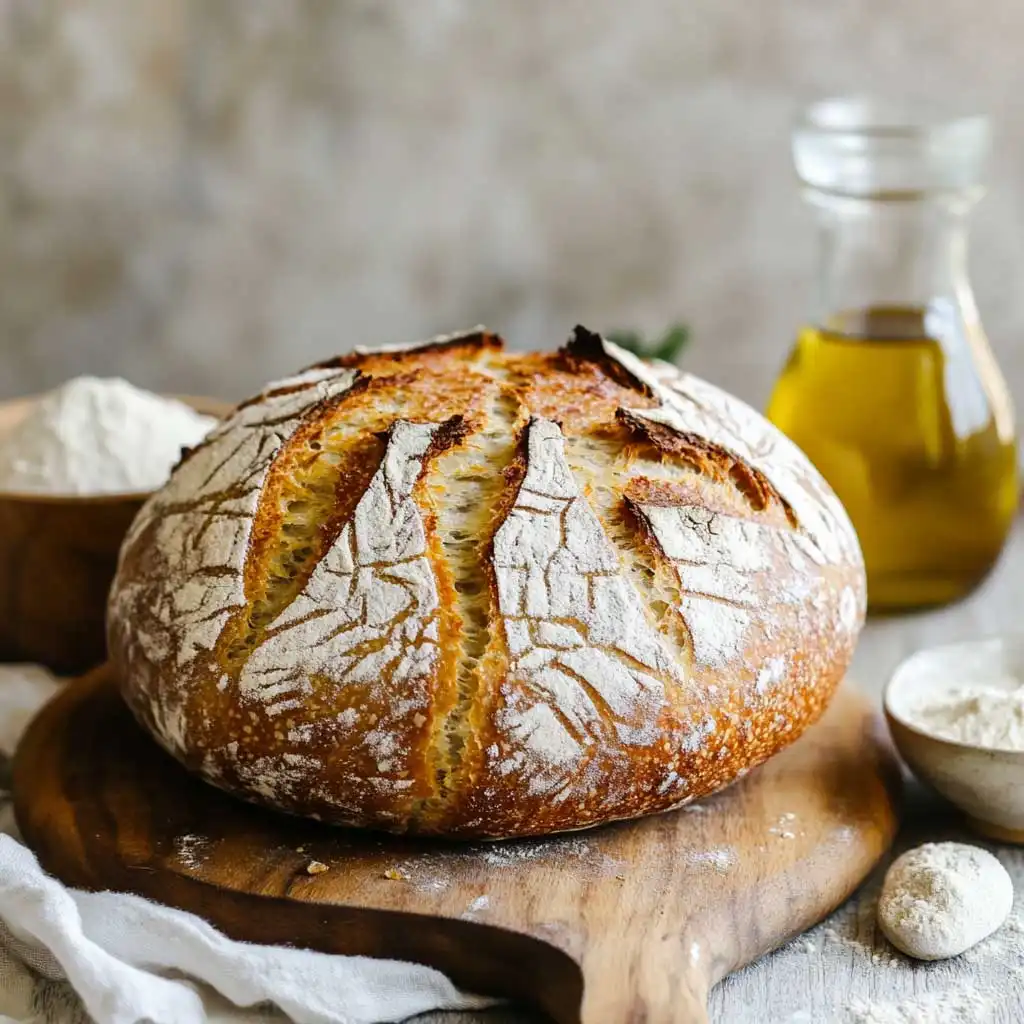

Learning to score sourdough bread can feel intimidating, but it’s a fantastic way to add a personal touch and professional finish to your homemade loaves.
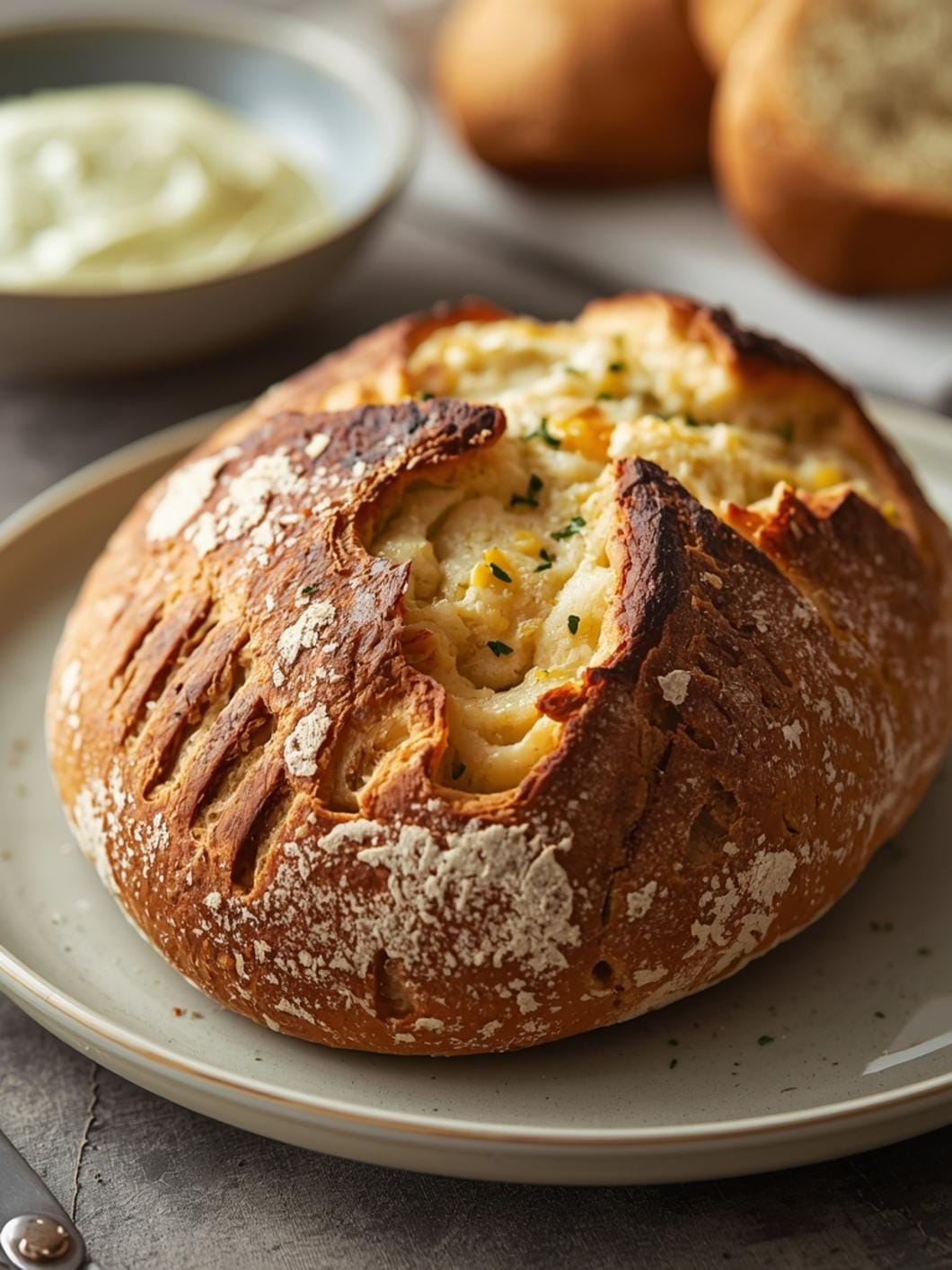
Beyond aesthetics, scoring serves a crucial purpose: it guides the expansion of your dough in the oven, preventing uncontrolled cracks and ensuring a beautiful, even rise.
This guide will walk you through simple, beginner-friendly scoring patterns that are easy to master, helping you achieve those stunning artisan bread looks right in your home kitchen. Get ready to transform your sourdough from simple to spectacular!
Table of Contents
- What You’ll Love About This Quick And Easy Recipe
- Everything You Need To Make This Recipe Without Stress
- Time Needed From Start To Finish
- How To Make It Step By Step With Visual Cues
- Easy Variations And Serving Ideas That Fit Real Life
- Common Slip-Ups And How To Avoid Them
- How To Store It And Make It Ahead Without Ruining Texture
- Questions People Always Ask Before Making This Recipe

Sourdough Scoring Techniques
- Total Time: 2 minutes
- Yield: 1 loaf
Description
Learn how to score sourdough bread with simple, beginner-friendly patterns to achieve a professional finish and guide dough expansion for a beautiful, even rise. This guide covers essential tools, techniques, and tips for creating stunning artisan loaves at home.
Ingredients
Instructions
1. Prepare Your Blade: If using a lame, ensure a fresh, sharp blade is inserted. If using a razor blade, hold it carefully between your thumb and forefinger. A sharp paring knife should also be ready. You can dip the blade in a little water to help prevent sticking, especially with higher hydration doughs.
2. Position Your Dough: Gently transfer your proofed sourdough loaf onto a piece of parchment paper or directly into your Dutch oven, depending on your baking method. Ensure it’s stable and won’t shift while you score.
3. Hold the Blade Correctly: For most patterns, hold the blade at about a 30-45 degree angle to the surface of the dough. This angle helps create a “ear” – a flap of crust that peels back beautifully during baking. For deeper, more structural cuts, you might hold it closer to a 90-degree angle.
4. Execute a Single, Confident Cut (Basic Ear): For a classic “ear,” make one long, curved cut across the top of the loaf, from one end to the other. Start about 1/2 to 3/4 inch deep. Be confident and swift; hesitation can lead to a jagged cut.
5. Try a Simple Cross Pattern: For a symmetrical look, make two intersecting cuts across the top of the loaf. You can make them straight or slightly curved. Again, aim for about 1/2 inch deep. This allows for even expansion in four directions.
6. Experiment with a Box or Square Pattern: Make four straight cuts to form a square or rectangle on the top surface. You can angle these cuts slightly for a more rustic look, or keep them straight for defined edges.
7. Consider a Wheat Stalk Design: For a more decorative touch, make a long, central cut down the middle of the loaf. Then, make several smaller, diagonal cuts branching off from the central line, alternating sides, to mimic a wheat stalk. These smaller cuts should be shallower.
8. Bake Immediately: Once scored, place your loaf into your preheated oven or Dutch oven without delay. The scoring helps the dough expand as it bakes.
- Prep Time: 2 minutes
- Cook Time: unknown
- Category: baking
- Method: baking
- Cuisine: european
Nutrition
- Serving Size: 1 slice
Keywords: sourdough, scoring, bread, baking, technique, artisan, homemade, dough, lame, ear
What You’ll Love About This Quick And Easy Recipe
This guide is perfect for anyone who has started baking sourdough and wants to elevate their bread’s appearance and oven spring. It’s designed for home bakers of all skill levels, especially beginners who are just getting comfortable with handling sourdough dough. You’ll love how these simple techniques make your loaves look incredibly professional without requiring advanced artistic skills. Mastering scoring is a satisfying step in your baking journey, allowing you to personalize each loaf and impress friends and family with truly artisan-quality bread. This isn’t about a specific recipe, but rather a technique you can apply to any of your favorite sourdough bread recipes.
Everything You Need To Make This Recipe Without Stress
The beauty of sourdough scoring is that it requires very few specialized tools. Most of what you need you might already have in your kitchen, or they are easily accessible. The key is having a sharp instrument to make clean cuts in your dough.
INGREDIENTS:
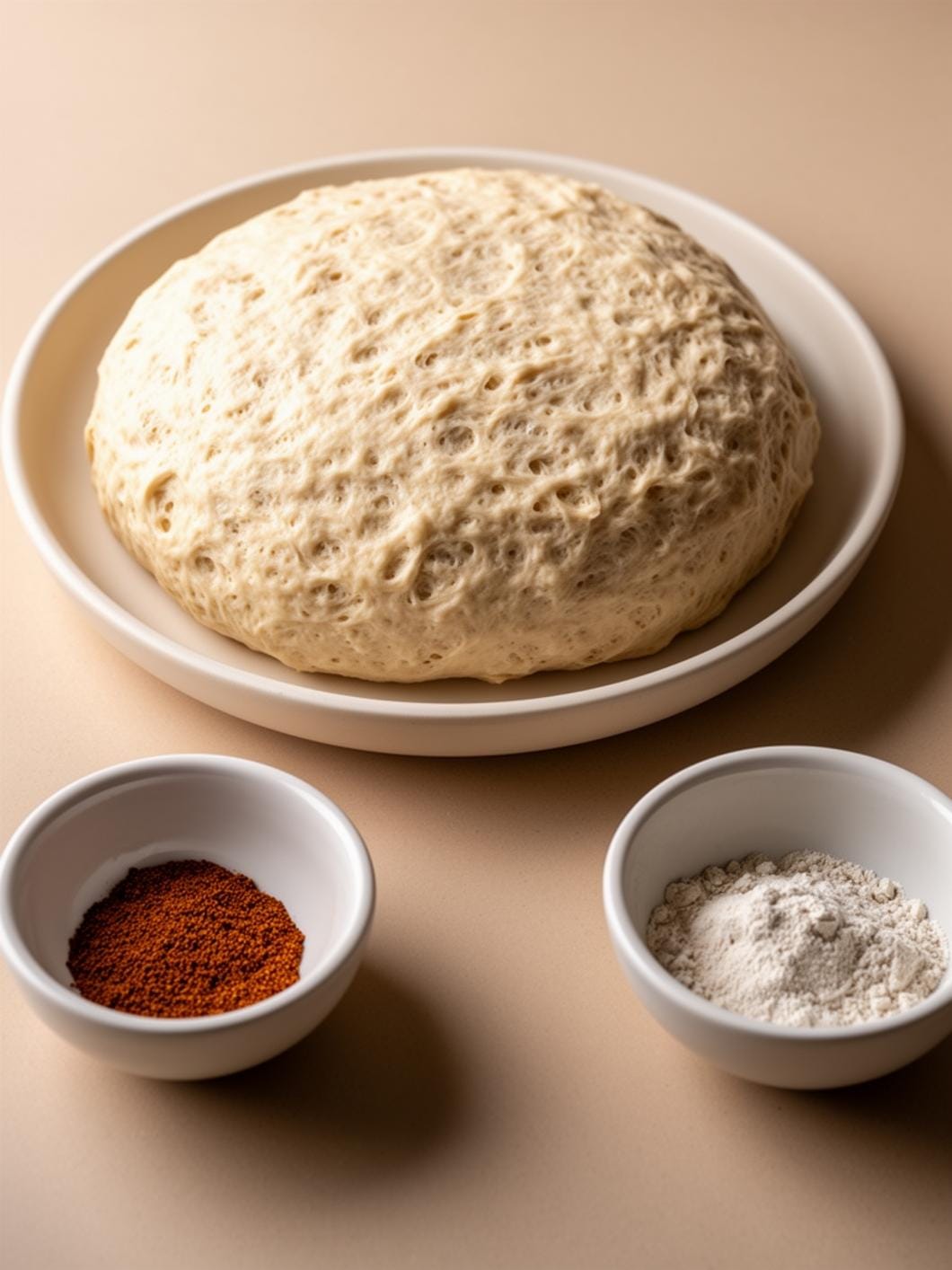
- Your prepared sourdough dough, proofed and ready for baking
You won’t need any additional food ingredients for scoring itself, as the focus is on the technique applied to your existing dough. For tools, a good quality lame (a razor blade holder specifically designed for scoring bread) is highly recommended. If you don’t have a lame, a very sharp razor blade or a sharp paring knife can work in a pinch. Just ensure whatever you use is exceptionally sharp to avoid dragging the dough. A small bowl of water can also be helpful for dipping your blade to prevent sticking, especially with stickier doughs.
Time Needed From Start To Finish
The actual act of scoring your sourdough loaf is incredibly quick. Once your dough is proofed and ready to go into the oven, the scoring process itself should only take about 30 seconds to 2 minutes, depending on the complexity of your chosen pattern and your comfort level. This is a very small but impactful step in your overall bread-making timeline.
How To Make It Step By Step With Visual Cues
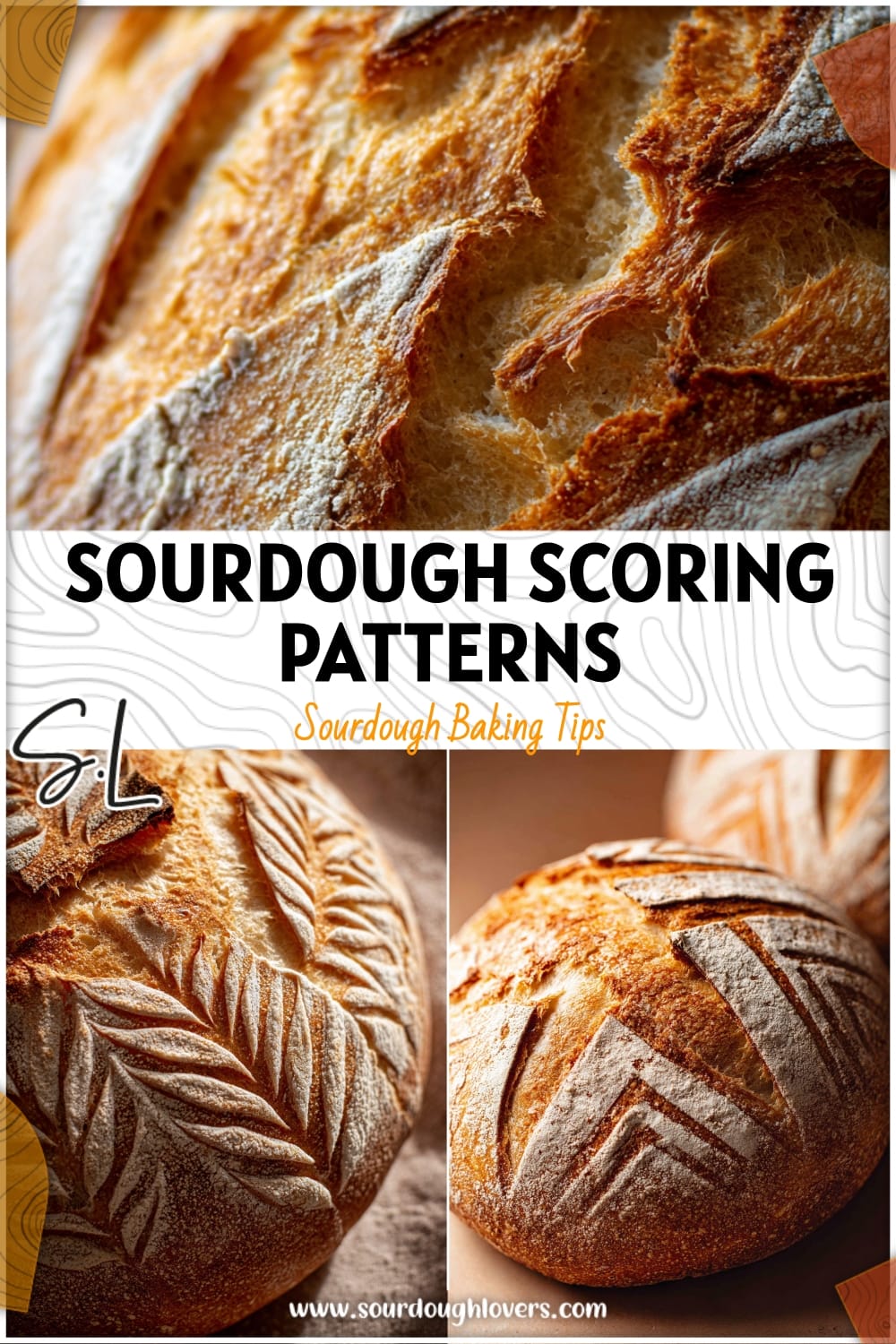
Scoring your sourdough is the last step before it goes into the oven. Ensure your dough is well-proofed and chilled (if you’ve cold-proofed it) as this makes scoring easier.
- Prepare Your Blade: If using a lame, ensure a fresh, sharp blade is inserted. If using a razor blade, hold it carefully between your thumb and forefinger. A sharp paring knife should also be ready. You can dip the blade in a little water to help prevent sticking, especially with higher hydration doughs.
- Position Your Dough: Gently transfer your proofed sourdough loaf onto a piece of parchment paper or directly into your Dutch oven, depending on your baking method. Ensure it’s stable and won’t shift while you score.
- Hold the Blade Correctly: For most patterns, hold the blade at about a 30-45 degree angle to the surface of the dough. This angle helps create a “ear” – a flap of crust that peels back beautifully during baking. For deeper, more structural cuts, you might hold it closer to a 90-degree angle.
- Execute a Single, Confident Cut (Basic Ear): For a classic “ear,” make one long, curved cut across the top of the loaf, from one end to the other. Start about 1/2 to 3/4 inch deep. Be confident and swift; hesitation can lead to a jagged cut.
- Try a Simple Cross Pattern: For a symmetrical look, make two intersecting cuts across the top of the loaf. You can make them straight or slightly curved. Again, aim for about 1/2 inch deep. This allows for even expansion in four directions.
- Experiment with a Box or Square Pattern: Make four straight cuts to form a square or rectangle on the top surface. You can angle these cuts slightly for a more rustic look, or keep them straight for defined edges.
- Consider a Wheat Stalk Design: For a more decorative touch, make a long, central cut down the middle of the loaf. Then, make several smaller, diagonal cuts branching off from the central line, alternating sides, to mimic a wheat stalk. These smaller cuts should be shallower.
- Bake Immediately: Once scored, place your loaf into your preheated oven or Dutch oven without delay. The scoring helps the dough expand as it bakes.
Easy Variations And Serving Ideas That Fit Real Life
Scoring is all about personalizing your bread, so feel free to get creative! Beyond the basic patterns, you can combine elements. For instance, you could make a large central ear cut and then add a few smaller, decorative cuts around it. For a truly unique look, use stencils or even natural leaves to imprint patterns onto your dough before scoring – just place them on the dough, dust with flour, remove the stencil/leaf, then score around the imprinted design.
When it comes to serving, a beautifully scored loaf is a centerpiece in itself. Serve it alongside a hearty soup or stew, with a simple olive oil and balsamic vinegar dip, or as part of a cheese board. The impressive appearance makes it perfect for family dinners or casual gatherings with friends.
Common Slip-Ups And How To Avoid Them
One of the most common issues beginners face is a blade that drags rather than cuts cleanly. This usually happens if your blade isn’t sharp enough or if your dough is too warm and sticky. Always use the sharpest blade possible, and consider chilling your dough in the refrigerator for 30-60 minutes before scoring to firm it up.
Another mistake is not cutting deep enough. If your cuts are too shallow, the dough won’t have enough space to expand properly, leading to uncontrolled bursting elsewhere on the crust. Aim for at least 1/2 inch deep for primary cuts. Conversely, cutting too deep can cause the loaf to spread too much and lose its structure. Practice will help you find the right depth.
Finally, hesitation can lead to uneven, jagged scores. Try to be confident and make each cut swiftly and deliberately. It’s better to make one quick, imperfect cut than several hesitant, messy ones.
How To Store It And Make It Ahead Without Ruining Texture
Scoring is a technique applied just before baking, so there’s no “making it ahead” in terms of the scoring itself. However, you can certainly prepare your sourdough dough in advance and cold-proof it in the refrigerator for 12-48 hours. This not only develops flavor but also makes the dough firmer and easier to score when you’re ready to bake.
Once your beautifully scored and baked sourdough bread has cooled completely, store it properly to maintain its texture. For immediate consumption, a cut loaf can be stored cut-side down on a cutting board for a day. For longer storage, place the cooled loaf in a paper bag inside a plastic bag, or wrap it tightly in beeswax wrap or plastic wrap. It will stay fresh for 2-3 days at room temperature. For longer storage, slice the cooled bread and freeze the slices in an airtight freezer bag for up to 3 months. Thaw individual slices as needed and toast for a fresh-from-the-oven experience.
Questions People Always Ask Before Making This Recipe
What is a bread lame, and do I really need one? A bread lame is a specialized tool that holds a razor blade, often with a slight curve, designed specifically for scoring bread dough. While you can use a very sharp razor blade or paring knife, a lame provides better control and allows for more precise, angled cuts, which are crucial for creating a good “ear.” It’s a worthwhile investment if you bake sourdough regularly.
Why is scoring important for sourdough bread? Scoring serves two main purposes: it provides a weak point for the dough to expand predictably in the hot oven, preventing uncontrolled cracking, and it allows steam to escape, contributing to a crispier crust. It also adds an artistic and professional touch to your loaves.
How deep should I cut when scoring? For primary cuts that encourage a good “ear” or significant expansion, aim for about 1/2 to 3/4 inch deep. For decorative cuts that don’t need to open as much, a shallower depth of about 1/4 inch is sufficient.
What angle should I hold the blade at? To create a beautiful “ear,” hold your blade at a 30-45 degree angle to the surface of the dough. For cuts that need to open more dramatically, like a cross or box pattern, you can hold the blade closer to a 90-degree angle.
My blade keeps sticking to the dough. What can I do? This often happens with high-hydration or very warm dough. Try dipping your blade in a small bowl of water between cuts. Chilling your dough for 30-60 minutes before scoring can also firm it up and reduce stickiness
FAQs
- Can I make these ahead? Yes—prep ahead, refrigerate, then serve when ready.
- How long do leftovers last? Store covered in the fridge for 3–4 days for best texture.
- Can I adjust sweetness? Yes—add more or less sweetener to taste.
- Can I change the fruit? Yes—swap strawberries for blueberries, raspberries, or sliced banana.