
Starting your sourdough journey can seem daunting, but it’s truly a rewarding experience.
This beginner-friendly guide will walk you through creating your very own active sourdough starter from scratch, making the process simple and stress-free.
Forget complicated steps and endless waiting; we’re focusing on a straightforward method that will have you on your way to baking delicious sourdough bread in no time. Let’s get started on building a vibrant, bubbly starter that’s ready to bring your homemade bread to life!
Table of Contents
- What You’ll Love About This Quick And Easy Recipe
- Everything You Need To Make This Recipe Without Stress
- Time Needed From Start To Finish
- How To Make It Step By Step With Visual Cues
- Easy Variations And Serving Ideas That Fit Real Life
- Common Slip-Ups And How To Avoid Them
- How To Store It And Make It Ahead Without Ruining Texture
- Questions People Always Ask Before Making This Recipe

Beginner-Friendly Sourdough Starter
- Total Time: 7-10 days
- Yield: 1 active sourdough starter 1x
Description
This guide provides a simple, stress-free method for creating an active sourdough starter from scratch, perfect for beginners. It focuses on consistency and simplicity to cultivate a vibrant, bubbly starter ready for baking delicious homemade bread.
Ingredients
Instructions
1. Day 1: Initial Mix. In a medium-sized glass jar or container (at least 1-quart capacity), combine 1/2 cup (113g) unbleached all-purpose flour and 1/2 cup (113g) filtered water. Stir well with a spoon or spatula until no dry flour spots remain and the mixture is smooth. It will be thick, like a paste. Scrape down the sides of the jar. Loosely cover the jar with a lid, plastic wrap, or a clean kitchen towel (allowing air circulation). Place it in a warm spot (70-75 F / 21-24 C) in your kitchen.
2. Day 2: Rest Day. Do nothing! Just let your mixture sit in its warm spot. You might see a few tiny bubbles starting to form, or nothing at all. Both are normal.
3. Day 3: First Feeding. Discard half of your starter (about 1/2 cup) from the jar. This step is crucial for managing the volume and concentrating the yeast activity. To the remaining starter, add 1/2 cup (113g) unbleached all-purpose flour and 1/2 cup (113g) filtered water. Stir thoroughly until smooth. Cover loosely and return to its warm spot. You should start to see more activity today or tomorrow.
4. Days 4-7 (or longer): Daily Feedings. Continue the process from Day 3: discard half of the starter, then feed it with 1/2 cup (113g) flour and 1/2 cup (113g) water. Stir, cover, and return to its warm spot. You should notice increasing activity each day: more bubbles, a slightly sour but pleasant smell, and the starter should rise significantly after feeding and then fall back down.
5. Look for the Peak. Your starter is ready when it consistently doubles in size within 4-8 hours after feeding, is very bubbly, and smells yeasty and slightly sour. It should also pass the “float test”: drop a small spoonful into a glass of water; if it floats, it’s ready to bake with! This usually happens between Day 7 and Day 10.
6. Maintain Your Active Starter. Once your starter is active, you can continue to feed it daily if you plan to bake frequently. If not, you can store it in the refrigerator and feed it once a week. We’ll cover more on maintenance later.
- Prep Time: 5 minutes daily
- Cook Time: N/A
- Category: main dish
- Method: fermentation
- Cuisine: american
Nutrition
- Serving Size: N/A
Keywords: sourdough, starter, baking, bread, fermentation, homemade, beginner, easy, yeast, flour
What You’ll Love About This Quick And Easy Recipe
This recipe is perfect for anyone who has ever wanted to dive into sourdough baking but felt intimidated by the process. It’s designed specifically for beginners, breaking down each step into manageable, easy-to-understand instructions. You’ll love how straightforward it is to cultivate a living, breathing starter right in your own kitchen. This method works because it focuses on consistency and simplicity, which are key when nurturing a new starter. It’s ideal for home bakers looking for a rewarding project that yields delicious results, and it’s a fantastic foundation for countless sourdough recipes, from rustic loaves to fluffy pancakes.
Everything You Need To Make This Recipe Without Stress
Making a sourdough starter requires just a few basic ingredients and tools, most of which you likely already have on hand. The key is using unbleached flour and filtered water to give your wild yeasts the best chance to thrive.
INGREDIENTS:
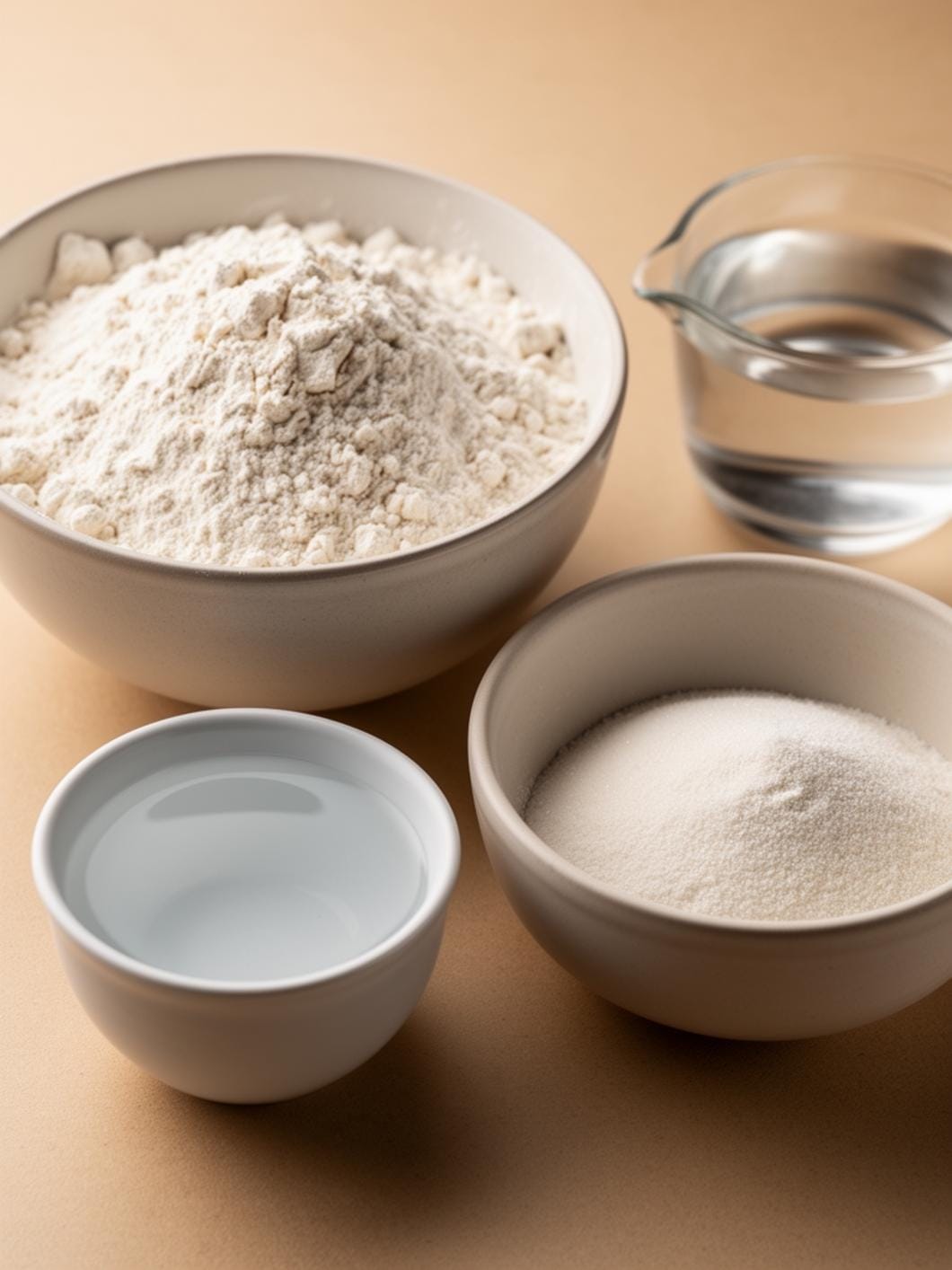
- 1 cup unbleached all-purpose flour (or bread flour)
- 1 cup filtered water (room temperature)
You’ll want to use unbleached flour because it contains more of the natural microbes that help kickstart your starter’s fermentation process. Bleached flour has been stripped of these beneficial elements. For water, filtered or dechlorinated water is best, as chlorine can inhibit yeast activity. If you don’t have filtered water, you can leave tap water out in an open container for 24 hours to allow the chlorine to dissipate.
Time Needed From Start To Finish
While the active “hands-on” time for making a sourdough starter is minimal each day, the overall process takes about 7-10 days to establish a strong, active starter.
- Prep Time (daily): 5 minutes
- Total Time (overall): 7-10 days (with daily feeding)
How To Make It Step By Step With Visual Cues
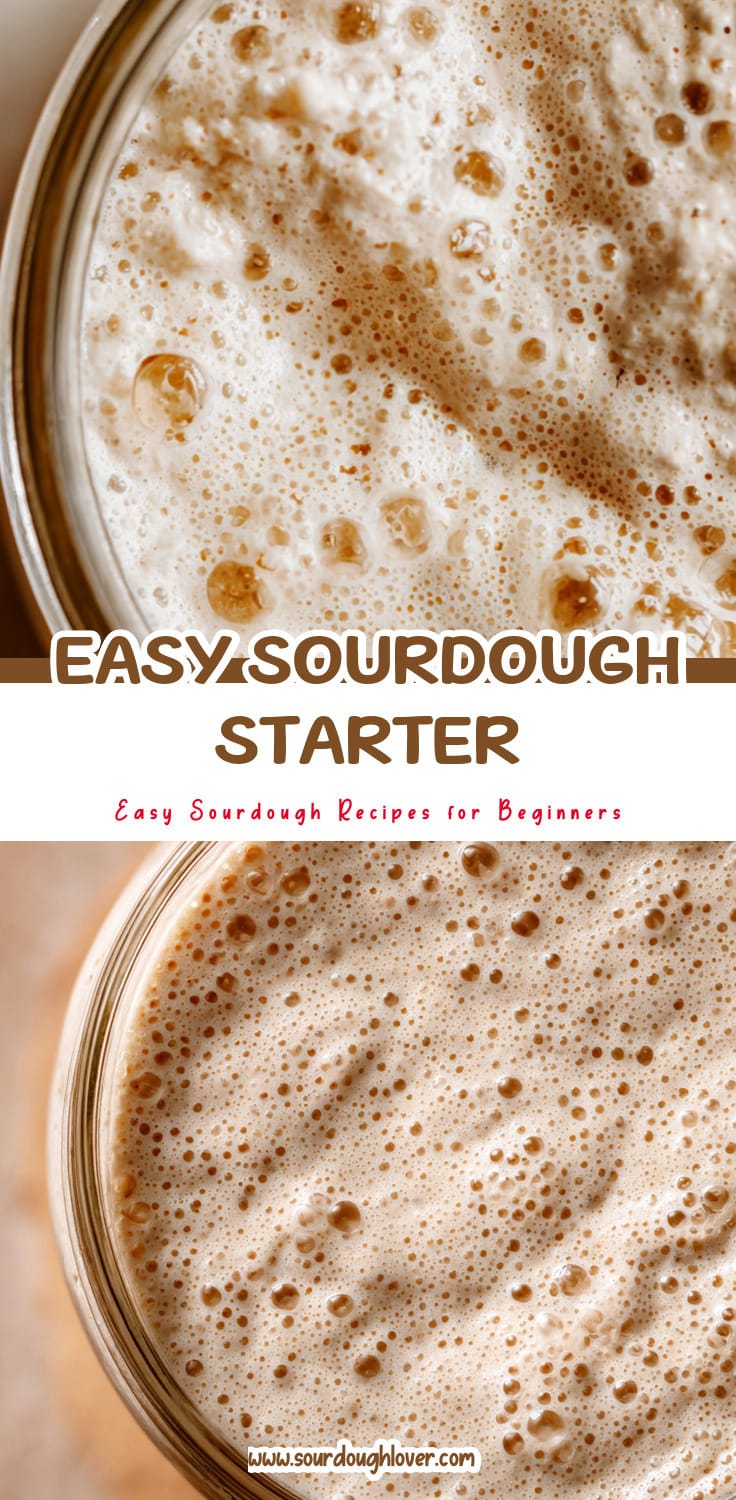
Creating your sourdough starter is a daily commitment, but each step is quick and simple. Here’s how to get your starter bubbling:
- Day 1: Initial Mix. In a medium-sized glass jar or container (at least 1-quart capacity), combine 1/2 cup (113g) unbleached all-purpose flour and 1/2 cup (113g) filtered water. Stir well with a spoon or spatula until no dry flour spots remain and the mixture is smooth. It will be thick, like a paste. Scrape down the sides of the jar. Loosely cover the jar with a lid, plastic wrap, or a clean kitchen towel (allowing air circulation). Place it in a warm spot (70-75°F / 21-24°C) in your kitchen.
- Day 2: Rest Day. Do nothing! Just let your mixture sit in its warm spot. You might see a few tiny bubbles starting to form, or nothing at all. Both are normal.
- Day 3: First Feeding. Discard half of your starter (about 1/2 cup) from the jar. This step is crucial for managing the volume and concentrating the yeast activity. To the remaining starter, add 1/2 cup (113g) unbleached all-purpose flour and 1/2 cup (113g) filtered water. Stir thoroughly until smooth. Cover loosely and return to its warm spot. You should start to see more activity today or tomorrow.
- Days 4-7 (or longer): Daily Feedings. Continue the process from Day 3: discard half of the starter, then feed it with 1/2 cup (113g) flour and 1/2 cup (113g) water. Stir, cover, and return to its warm spot. You should notice increasing activity each day: more bubbles, a slightly sour but pleasant smell, and the starter should rise significantly after feeding and then fall back down.
- Look for the Peak. Your starter is ready when it consistently doubles in size within 4-8 hours after feeding, is very bubbly, and smells yeasty and slightly sour. It should also pass the “float test”: drop a small spoonful into a glass of water; if it floats, it’s ready to bake with! This usually happens between Day 7 and Day 10.
- Maintain Your Active Starter. Once your starter is active, you can continue to feed it daily if you plan to bake frequently. If not, you can store it in the refrigerator and feed it once a week. We’ll cover more on maintenance later.
Easy Variations And Serving Ideas That Fit Real Life
While a sourdough starter isn’t a “recipe” in the traditional sense that you serve immediately, it’s the foundation for countless delicious baked goods. Once your starter is active and ready, the possibilities are endless for family-friendly meals and treats.
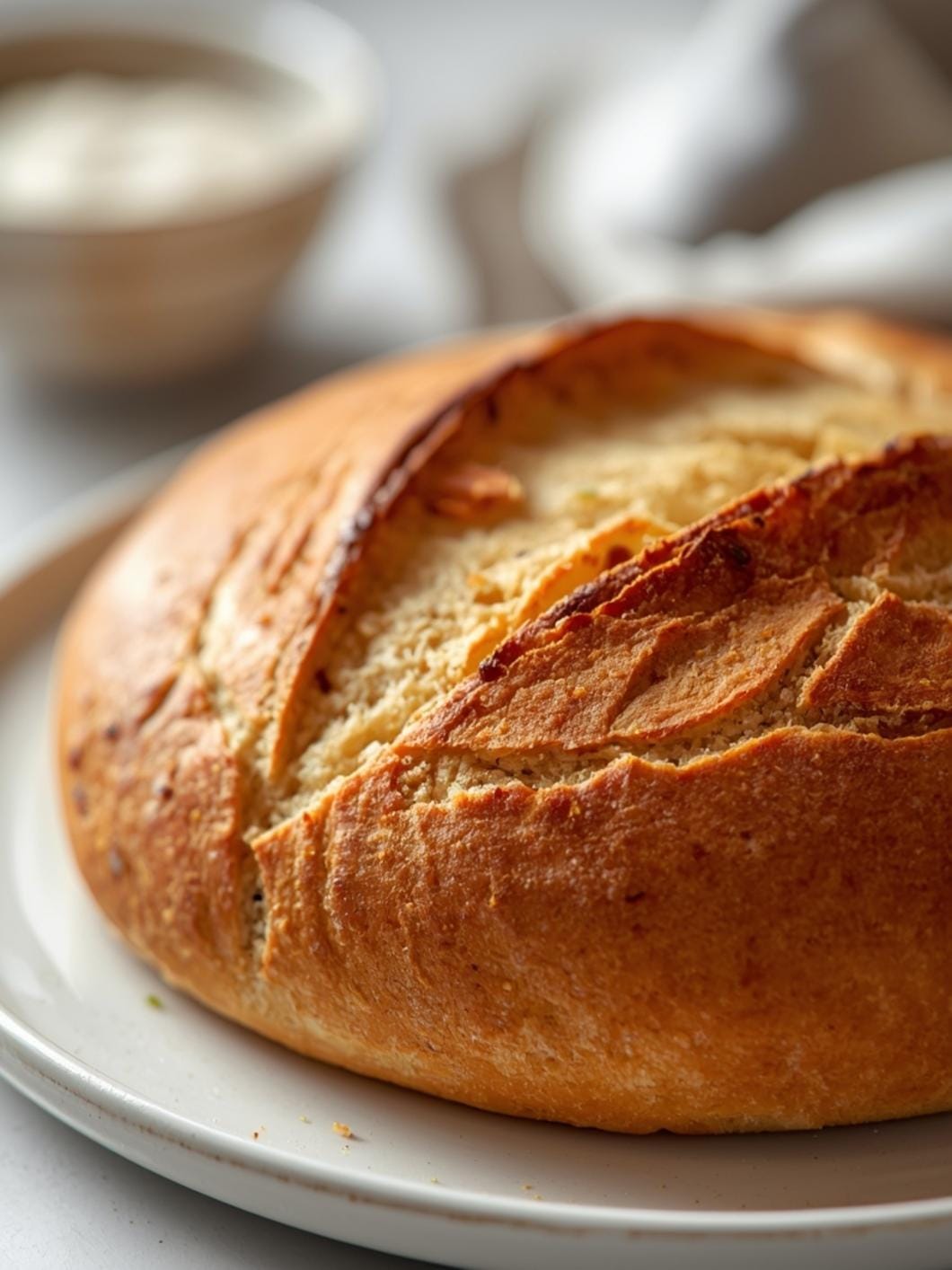
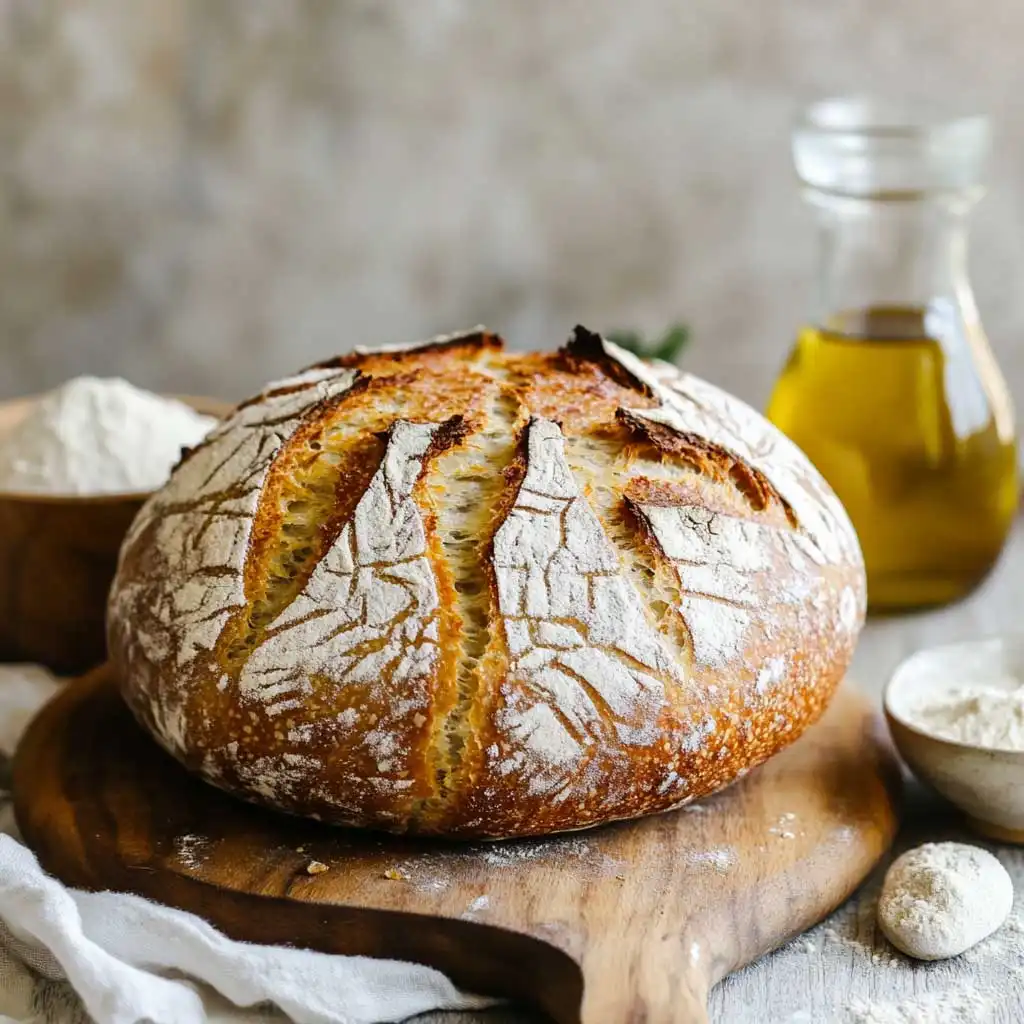
- Classic Sourdough Bread: The most obvious use! Bake a beautiful, crusty loaf for sandwiches, toast, or alongside dinner.
- Sourdough Pancakes or Waffles: Use your discard (the portion you remove before feeding) or a fed starter to make incredibly light and tangy breakfast favorites. Kids especially love these!
- Sourdough Pizza Dough: Create a flavorful, chewy pizza crust that elevates your homemade pizza night.
- Sourdough Biscuits: A touch of tang makes biscuits extra special, perfect with butter and jam or as a side for savory dishes.
- Sourdough Crackers: A great way to use up discard, these crispy crackers are wonderful with cheese and dips.
Common Slip-Ups And How To Avoid Them
Even with a simple process, a few common mistakes can hinder your sourdough starter’s progress. Knowing what to watch for will help you succeed.
- Using Bleached Flour: Bleached flour lacks the natural microorganisms necessary for a robust starter. Always opt for unbleached flour.
- Using Chlorinated Water: Chlorine can kill off the beneficial bacteria and yeast. Filtered or dechlorinated tap water is essential.
- Not Feeding Consistently: Your starter is a living organism that needs regular nourishment. Skipping feedings or feeding irregularly can weaken it. Stick to a daily schedule during the initial activation phase.
- Keeping it Too Cold or Too Hot: Extreme temperatures can slow down or kill your starter. Aim for a consistent room temperature between 70-75°F (21-24°C) for optimal activity.
- Not Discarding Enough: Discarding half your starter before feeding might seem wasteful, but it’s crucial. It ensures there’s enough food for the remaining microbes and prevents your starter from becoming too acidic or too large to manage.
- Sealing the Jar Tightly: Your starter needs to breathe! Always cover it loosely to allow gases to escape and air to circulate. A tight lid can cause pressure to build up or suffocate the microbes.
- Giving Up Too Soon: Sometimes a starter takes a little longer to become active, especially in cooler environments. Don’t get discouraged if you don’t see immediate results. Keep feeding consistently, and it will eventually come alive.
How To Store It And Make It Ahead Without Ruining Texture
Once your sourdough starter is active and consistently doubling after feeding, you have a few options for storage and maintenance, depending on how often you plan to bake.
- Room Temperature (Daily Baking): If you plan to bake every day or every other day, you can keep your starter on the counter and feed it once or twice a day. This keeps it very active and ready to use.
- Refrigerator Storage (Weekly Baking): For less frequent baking (once a week or less), storing your starter in the refrigerator is ideal. Once your starter is active, feed it, let it sit on the counter for 1-2 hours to start fermenting, then place it in the fridge. The cold temperature slows down fermentation significantly. When you want to bake, take it out, feed it, and let it sit at room temperature for 12-24 hours (or until it’s active and bubbly again) before using. This is often called “waking up” your starter.
- Long-Term Storage (Drying): For very long-term storage or if you need to travel, you can dry your sourdough starter. Spread a thin layer of active starter onto parchment paper and let it dry completely until brittle. Break it into pieces and store in an airtight container. To reactivate, rehydrate with water and begin a feeding schedule.
Questions People Always Ask Before Making This Recipe
What kind of flour is best for a sourdough starter?
Unbleached all-purpose flour or bread flour works best. Avoid bleached flour as it lacks the natural microbes needed for a healthy starter.Can I use

FAQs
- Can I make these ahead? Yes—prep ahead, refrigerate, then serve when ready.
- How long do leftovers last? Store covered in the fridge for 3–4 days for best texture.
- Can I adjust sweetness? Yes—add more or less sweetener to taste.
- Can I change the fruit? Yes—swap strawberries for blueberries, raspberries, or sliced banana.