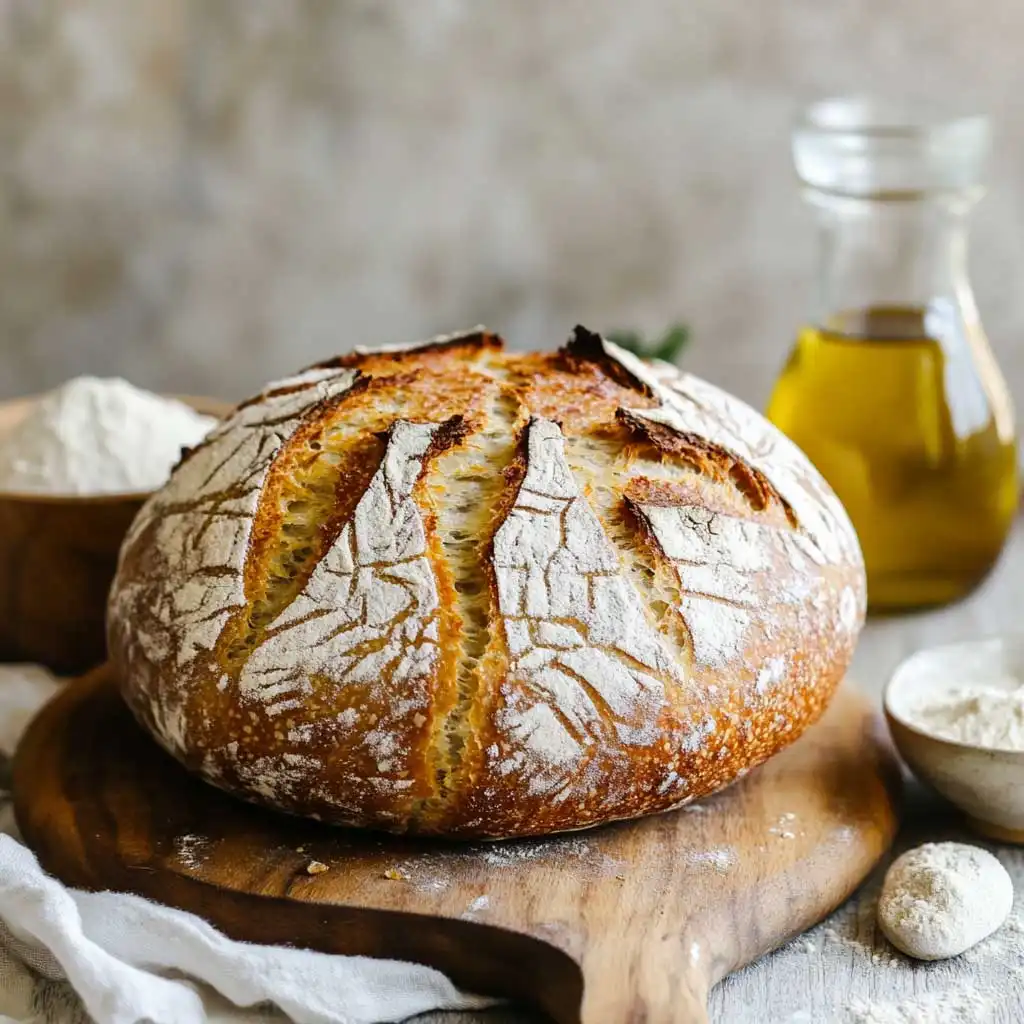

Achieving that coveted open crumb in sourdough bread might seem like a baker’s dream, but it’s entirely within reach for home bakers.
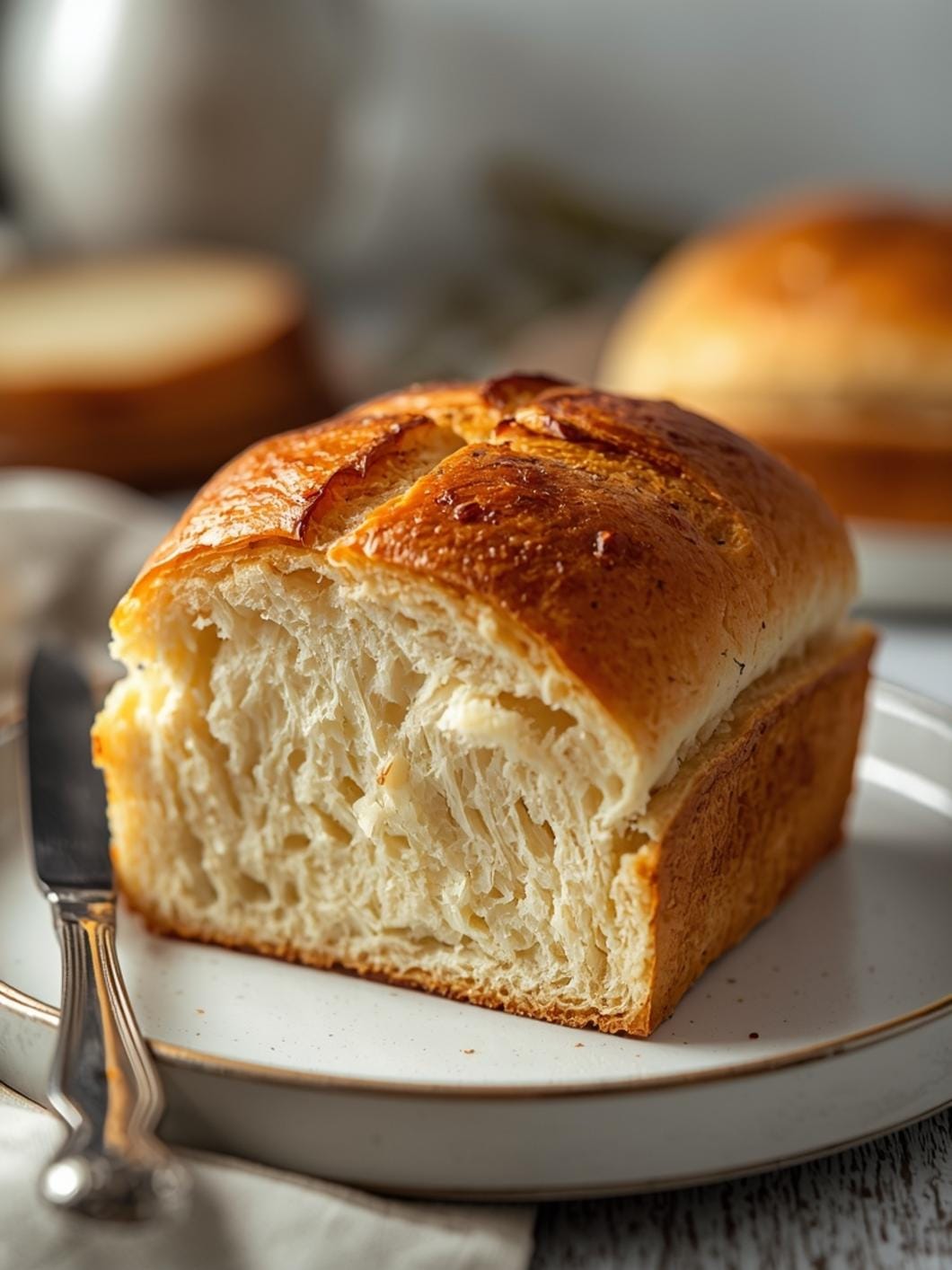
This traditional sourdough recipe focuses on the core principles that lead to a beautiful, airy interior, making it perfect for anyone looking to elevate their bread-making skills.
This guide will walk you through each step, ensuring you understand the process and can confidently create a loaf that’s not only delicious but also visually stunning. Get ready to impress yourself and your family with homemade sourdough that boasts a perfect open crumb every time.
Table of Contents
- What You’ll Love About This Quick And Easy Recipe
- Everything You Need To Make This Recipe Without Stress
- Time Needed From Start To Finish
- How To Make It Step By Step With Visual Cues
- Easy Variations And Serving Ideas That Fit Real Life
- Common Slip-Ups And How To Avoid Them
- How To Store It And Make It Ahead Without Ruining Texture

Open Crumb Sourdough Bread
- Total Time: 13-20 hours (including inactive time)
- Yield: 1 loaf 1x
Description
Achieving that coveted open crumb in sourdough bread might seem like a baker’s dream, but it’s entirely within reach for home bakers. This traditional sourdough recipe focuses on the core principles that lead to a beautiful, airy interior, making it perfect for anyone looking to elevate their bread-making skills. This guide will walk you through each step, ensuring you understand the process and can confidently create a loaf that’s not only delicious but also visually stunning. Get ready to impress yourself and your family with homemade sourdough that boasts a perfect open crumb every time.
Ingredients
Instructions
1. 1. Combine Starter and Water: In a large mixing bowl, gently combine your active sourdough starter with the warm water. Use your hands or a Danish dough whisk to break up the starter and mix it until mostly dissolved in the water. The mixture should look milky and slightly frothy.
2. 2. Add Flour and Salt: Add the bread flour to the bowl, followed by the salt. Mix everything together with your hands until no dry flour remains and a shaggy dough forms. It will be sticky at this stage. Cover the bowl with a damp cloth or plastic wrap and let it rest for 30 minutes. This is called autolyse, and it helps the flour hydrate.
3. 3. Perform Stretch and Folds (First Set): After the rest, uncover the dough. With wet hands, grab a portion of the dough from one side, stretch it upwards, and fold it over to the opposite side of the bowl. Rotate the bowl a quarter turn and repeat this process three more times, completing one full set of stretch and folds. The dough will become smoother and more elastic. Cover and rest for 30 minutes.
4. 4. Perform Stretch and Folds (Subsequent Sets): Repeat the stretch and fold process three more times, with 30-minute rests in between each set. By the final set, the dough should be noticeably stronger, smoother, and more cohesive, holding its shape better. It should also feel lighter and more airy.
5. 5. Bulk Fermentation: After the last set of stretch and folds, cover the bowl and let the dough ferment at room temperature for 2-4 hours (after the folds, total bulk fermentation time will be 4-6 hours). The dough should increase in volume by about 30-50%, look bubbly, and feel soft and airy. This is a critical stage for flavor development and crumb structure.
6. 6. Shape the Dough: Gently turn the dough out onto a lightly floured surface. Avoid deflating it too much. Gently pre-shape the dough into a round or oval, letting it rest for 20 minutes. Then, perform your final shaping, creating tension on the surface of the dough. Place the shaped dough seam-side up into a floured banneton or a bowl lined with a floured cloth.
7. 7. Cold Proofing: Cover the banneton with plastic wrap or a plastic bag and refrigerate for 8-12 hours, or up to 24 hours. Cold proofing slows down fermentation, develops flavor, and makes the dough easier to handle.
8. 8. Bake the Bread: Preheat your oven to 450 F (232 C) with a Dutch oven inside for at least 30 minutes. Carefully remove the hot Dutch oven, invert the cold dough into it, score the top with a sharp blade, and bake with the lid on for 30 minutes. Remove the lid and bake for another 10-15 minutes, or until the crust is deeply golden brown and the internal temperature reaches 200-210 F (93-99 C). Let it cool completely on a wire rack before slicing.
- Prep Time: 20-30 minutes active
- Cook Time: 40-45 minutes
- Category: bread
- Method: baking
- Cuisine: european
Nutrition
- Serving Size: 1 slice
Keywords: sourdough, bread, open crumb, baking, homemade, artisan, fermented, yeast-free, crusty, traditional
What You’ll Love About This Quick And Easy Recipe
This sourdough bread recipe is a true game-changer for home bakers because it demystifies the process of achieving an open crumb. It’s designed for those who appreciate the art of traditional baking but also need clear, actionable steps to succeed. You’ll love the satisfaction of pulling a beautifully risen, crusty loaf from your oven, knowing you created that airy interior yourself. This recipe is perfect for weekend baking projects, a thoughtful gift for friends, or simply to have fresh, wholesome bread on hand for daily meals. It’s a wonderful addition to any breakfast spread, a hearty accompaniment to soups and stews, or the star of a simple sandwich.
Everything You Need To Make This Recipe Without Stress
Gathering your ingredients before you begin ensures a smooth and enjoyable baking experience. This recipe uses fundamental baking items, making it accessible for most home kitchens.
INGREDIENTS:
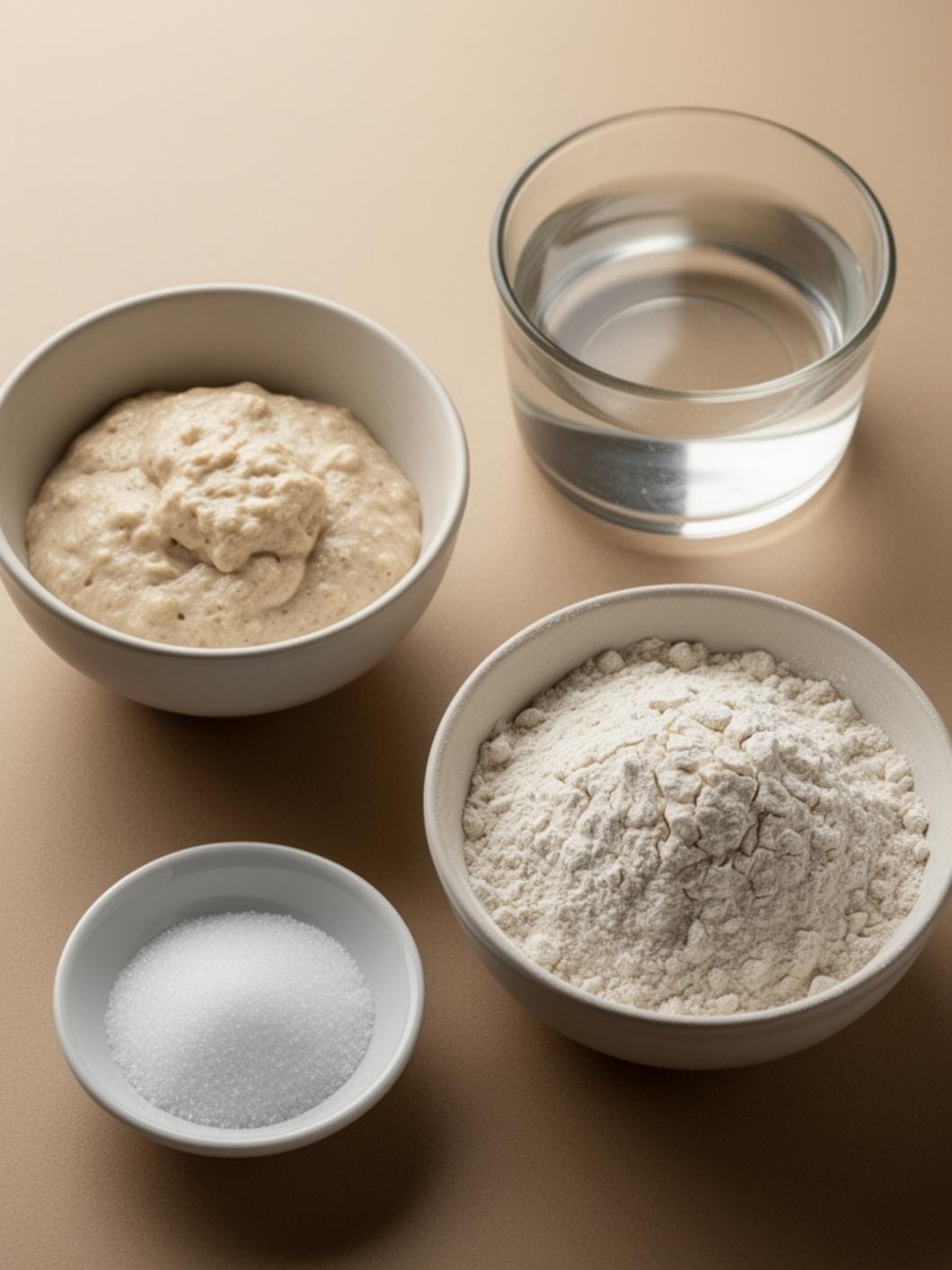
- 150 grams active sourdough starter (fed and bubbly)
- 350 grams warm water (around 90-95°F / 32-35°C)
- 500 grams bread flour (high protein content is key)
- 10 grams fine sea salt
For the bread flour, opting for a high-quality, unbleached bread flour with a protein content of 12-14% will significantly help with gluten development and, consequently, the open crumb structure. While not strictly necessary, a good quality flour makes a noticeable difference. For salt, fine sea salt or kosher salt works best, as it dissolves easily and distributes evenly. Avoid iodized table salt, which can sometimes impart an off-flavor.
Time Needed From Start To Finish
While sourdough baking involves several stages, the active hands-on time is surprisingly minimal. The bulk of the process is waiting for the dough to ferment and rise.
- Active Prep Time: 20-30 minutes (mixing, folding)
- Bulk Fermentation: 4-6 hours (depending on ambient temperature and starter activity)
- Cold Proofing: 8-12 hours (or up to 24 hours)
- Baking Time: 40-45 minutes
- Total Time (including inactive time): Approximately 13-20 hours
How To Make It Step By Step With Visual Cues

Follow these steps carefully to achieve a beautiful loaf with a perfect open crumb. Pay attention to the dough’s texture and feel at each stage.
- Combine Starter and Water: In a large mixing bowl, gently combine your active sourdough starter with the warm water. Use your hands or a Danish dough whisk to break up the starter and mix it until mostly dissolved in the water. The mixture should look milky and slightly frothy.
- Add Flour and Salt: Add the bread flour to the bowl, followed by the salt. Mix everything together with your hands until no dry flour remains and a shaggy dough forms. It will be sticky at this stage. Cover the bowl with a damp cloth or plastic wrap and let it rest for 30 minutes. This is called autolyse, and it helps the flour hydrate.
- Perform Stretch and Folds (First Set): After the rest, uncover the dough. With wet hands, grab a portion of the dough from one side, stretch it upwards, and fold it over to the opposite side of the bowl. Rotate the bowl a quarter turn and repeat this process three more times, completing one full set of stretch and folds. The dough will become smoother and more elastic. Cover and rest for 30 minutes.
- Perform Stretch and Folds (Subsequent Sets): Repeat the stretch and fold process three more times, with 30-minute rests in between each set. By the final set, the dough should be noticeably stronger, smoother, and more cohesive, holding its shape better. It should also feel lighter and more airy.
- Bulk Fermentation: After the last set of stretch and folds, cover the bowl and let the dough ferment at room temperature for 2-4 hours (after the folds, total bulk fermentation time will be 4-6 hours). The dough should increase in volume by about 30-50%, look bubbly, and feel soft and airy. This is a critical stage for flavor development and crumb structure.
- Shape the Dough: Gently turn the dough out onto a lightly floured surface. Avoid deflating it too much. Gently pre-shape the dough into a round or oval, letting it rest for 20 minutes. Then, perform your final shaping, creating tension on the surface of the dough. Place the shaped dough seam-side up into a floured banneton or a bowl lined with a floured cloth.
- Cold Proofing: Cover the banneton with plastic wrap or a plastic bag and refrigerate for 8-12 hours, or up to 24 hours. Cold proofing slows down fermentation, develops flavor, and makes the dough easier to handle.
- Bake the Bread: Preheat your oven to 450°F (232°C) with a Dutch oven inside for at least 30 minutes. Carefully remove the hot Dutch oven, invert the cold dough into it, score the top with a sharp blade, and bake with the lid on for 30 minutes. Remove the lid and bake for another 10-15 minutes, or until the crust is deeply golden brown and the internal temperature reaches 200-210°F (93-99°C). Let it cool completely on a wire rack before slicing.
Easy Variations And Serving Ideas That Fit Real Life
This traditional sourdough is fantastic on its own, but it also lends itself well to various additions and serving styles. For a kid-friendly twist, you can incorporate cheese cubes (like cheddar or Gruyère) or a handful of dried cranberries during the first stretch and fold. For adults, try adding roasted garlic cloves and fresh rosemary for an aromatic loaf, or a mix of black olives and sun-dried tomatoes.
This bread is incredibly versatile for serving. It’s perfect for dipping into olive oil with balsamic vinegar, alongside a hearty bowl of soup or chili, or as the foundation for gourmet sandwiches. For a party or buffet, slice it thinly and serve with a cheese board, charcuterie, or a variety of spreads like hummus, tapenade, or a simple bruschetta topping. Toasted slices make excellent avocado toast or a base for eggs Benedict.
Common Slip-Ups And How To Avoid Them
Even experienced bakers encounter challenges, and sourdough is no exception. Here are some common issues and how to navigate them:
- Flat Loaf: This is often due to an under-active starter, under-proofing, or insufficient gluten development. Ensure your starter is consistently fed and bubbly before use. Pay close attention to the dough’s volume increase during bulk fermentation, and don’t skip the stretch and folds.
- Dense Crumb (No Openness): This usually points to a lack of proper fermentation or gentle handling. Over-mixing can also lead to a dense crumb. Make sure your bulk fermentation is long enough, and handle the dough gently during shaping to preserve the air bubbles.
- Crust Too Hard or Too Pale: If your crust is too hard, you might be baking it too long with the lid on, or your oven temperature might be too high. If it’s too pale, it needs more time baking uncovered to develop that deep color and flavor. Ensure your Dutch oven is fully preheated.
- Dough Sticking to Banneton: This happens if the banneton isn’t floured enough. Use a generous amount of rice flour (it’s less absorbent than wheat flour) to dust your banneton, or line your bowl with a well-floured linen cloth.
- Difficulty Scoring: If your dough is too sticky or too soft, scoring can be tricky. Ensure your dough is properly cold-proofed, which firms it up. Use a very sharp razor blade or lame, and make quick, confident cuts.
How To Store It And Make It Ahead Without Ruining Texture
Proper storage is key to enjoying your sourdough for days. Once cooled completely, store your sourdough bread at room temperature in a paper bag for the first day to maintain its crust. For longer storage, a bread box or a clean linen bag works well for up to 3-4 days. Avoid airtight plastic bags or containers at room temperature, as they can soften the crust and encourage mold.
To make it ahead, the cold proofing stage is your best friend. You can leave the shaped dough in the refrigerator for up to 24 hours. This flexibility allows you to bake fresh bread whenever you’re ready. For longer-term storage, you can freeze whole or sliced

FAQs
- Can I make these ahead? Yes—prep ahead, refrigerate, then serve when ready.
- How long do leftovers last? Store covered in the fridge for 3–4 days for best texture.
- Can I adjust sweetness? Yes—add more or less sweetener to taste.
- Can I change the fruit? Yes—swap strawberries for blueberries, raspberries, or sliced banana.