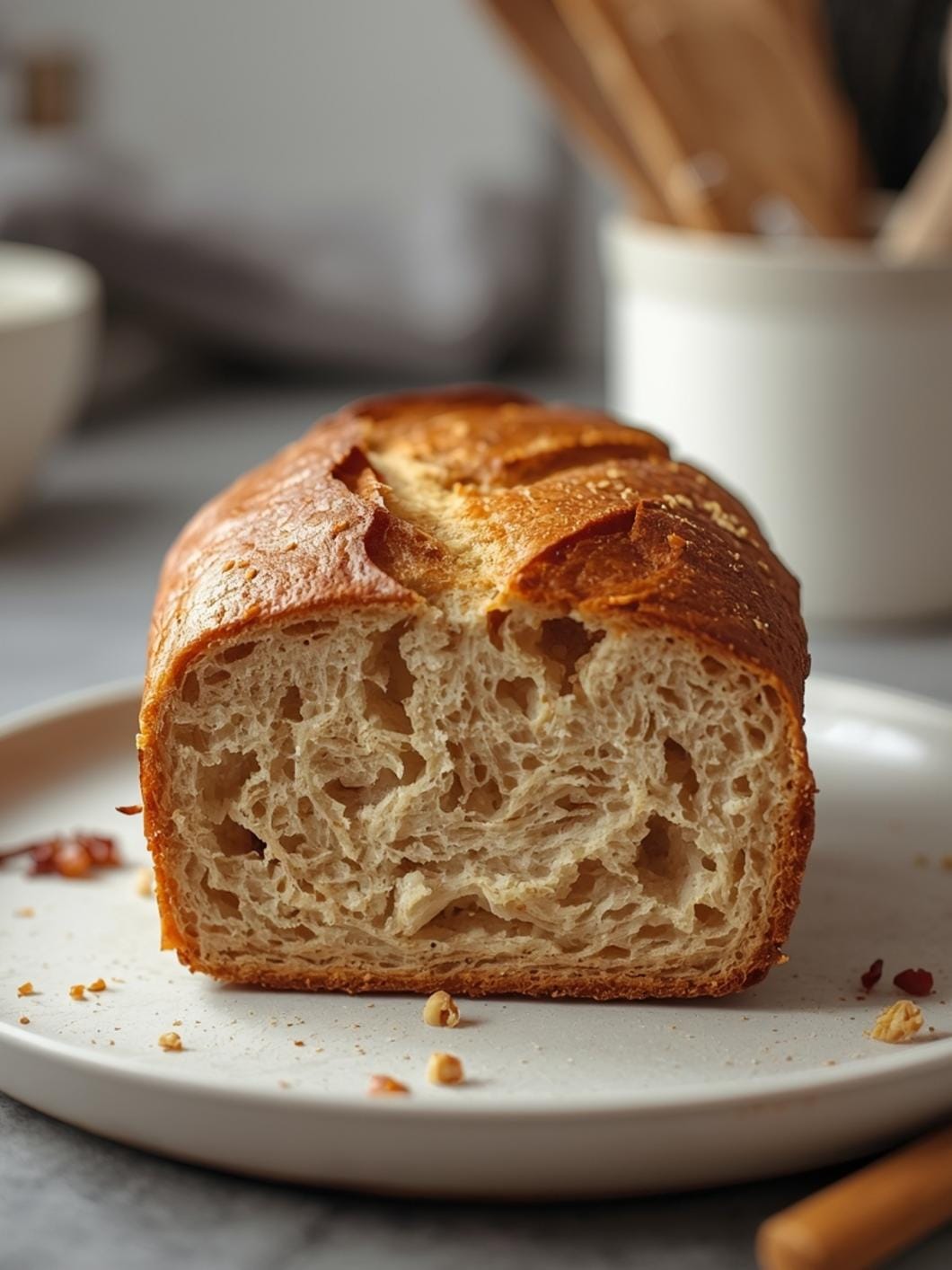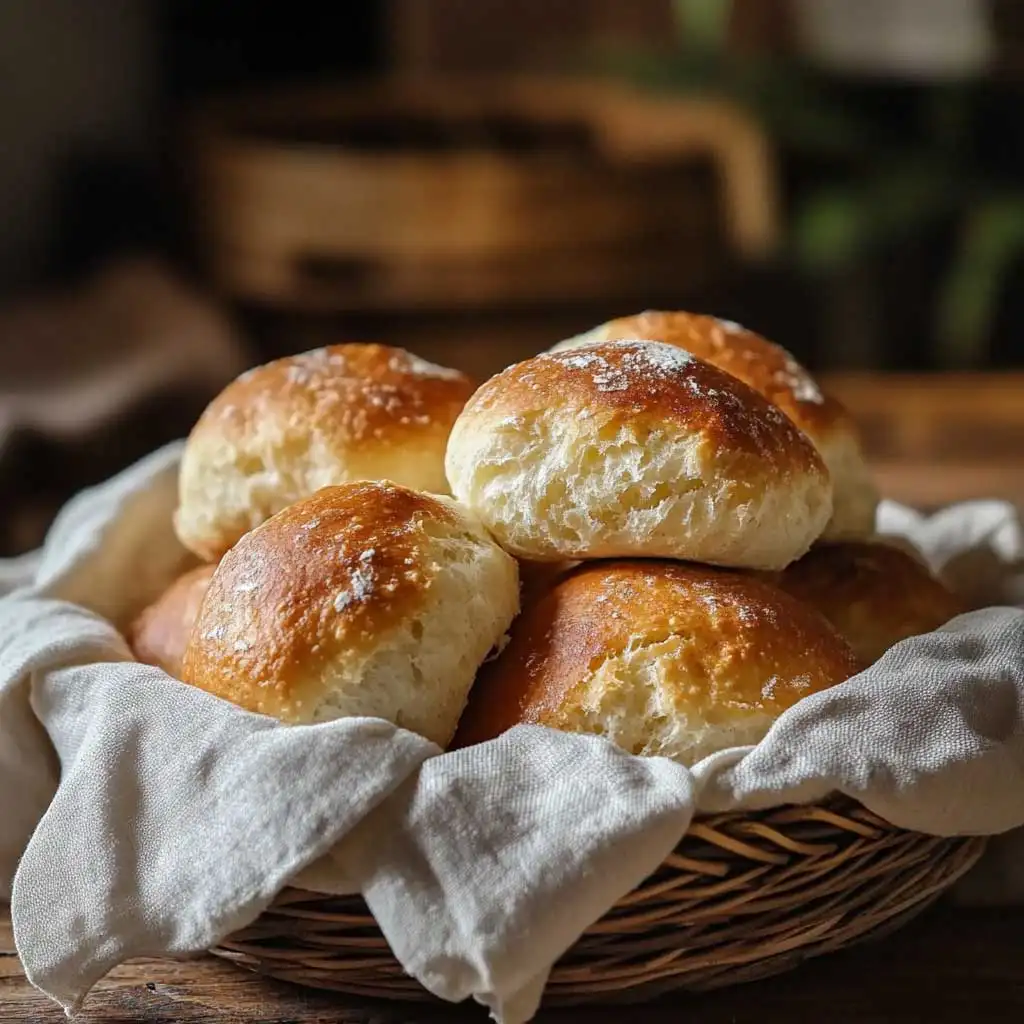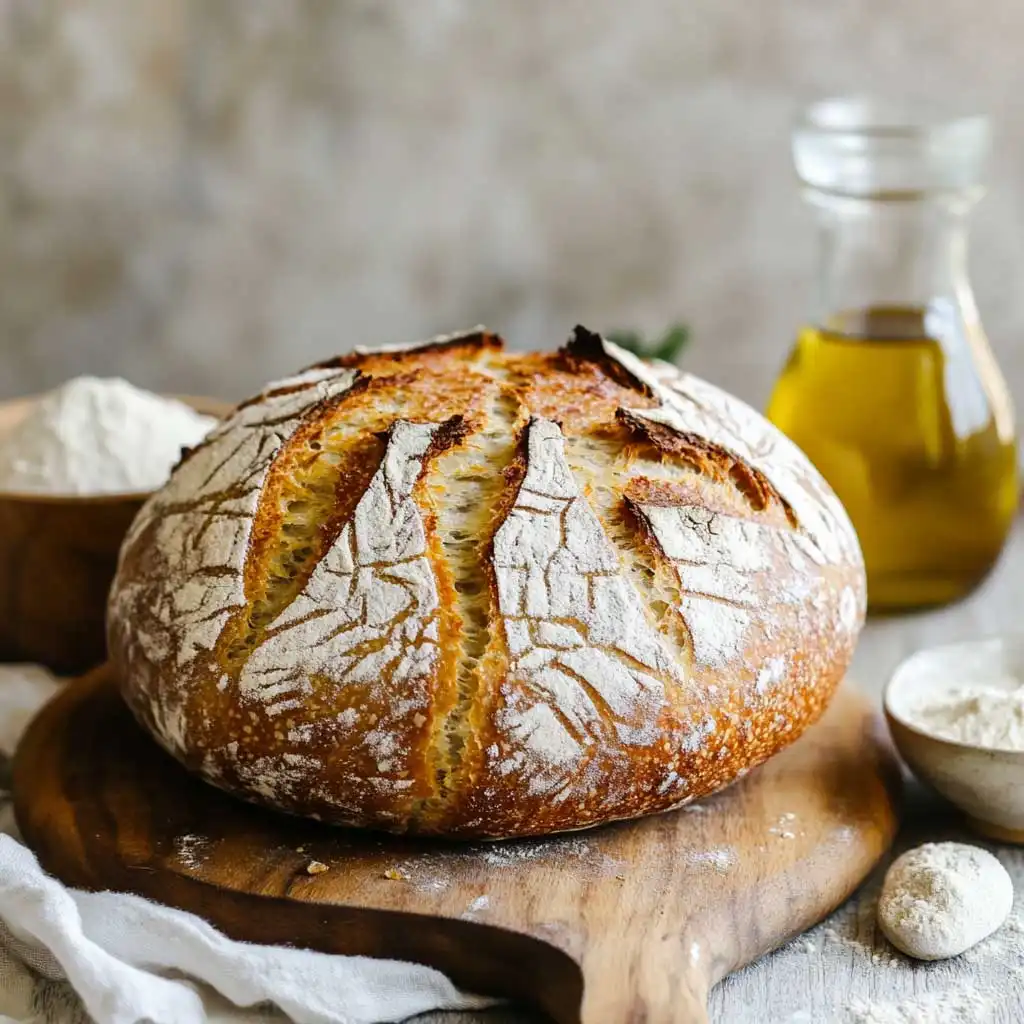

Elevate your homemade sourdough bread with these creative and delicious sourdough inclusion ideas, perfect for adding unique flavors and textures.
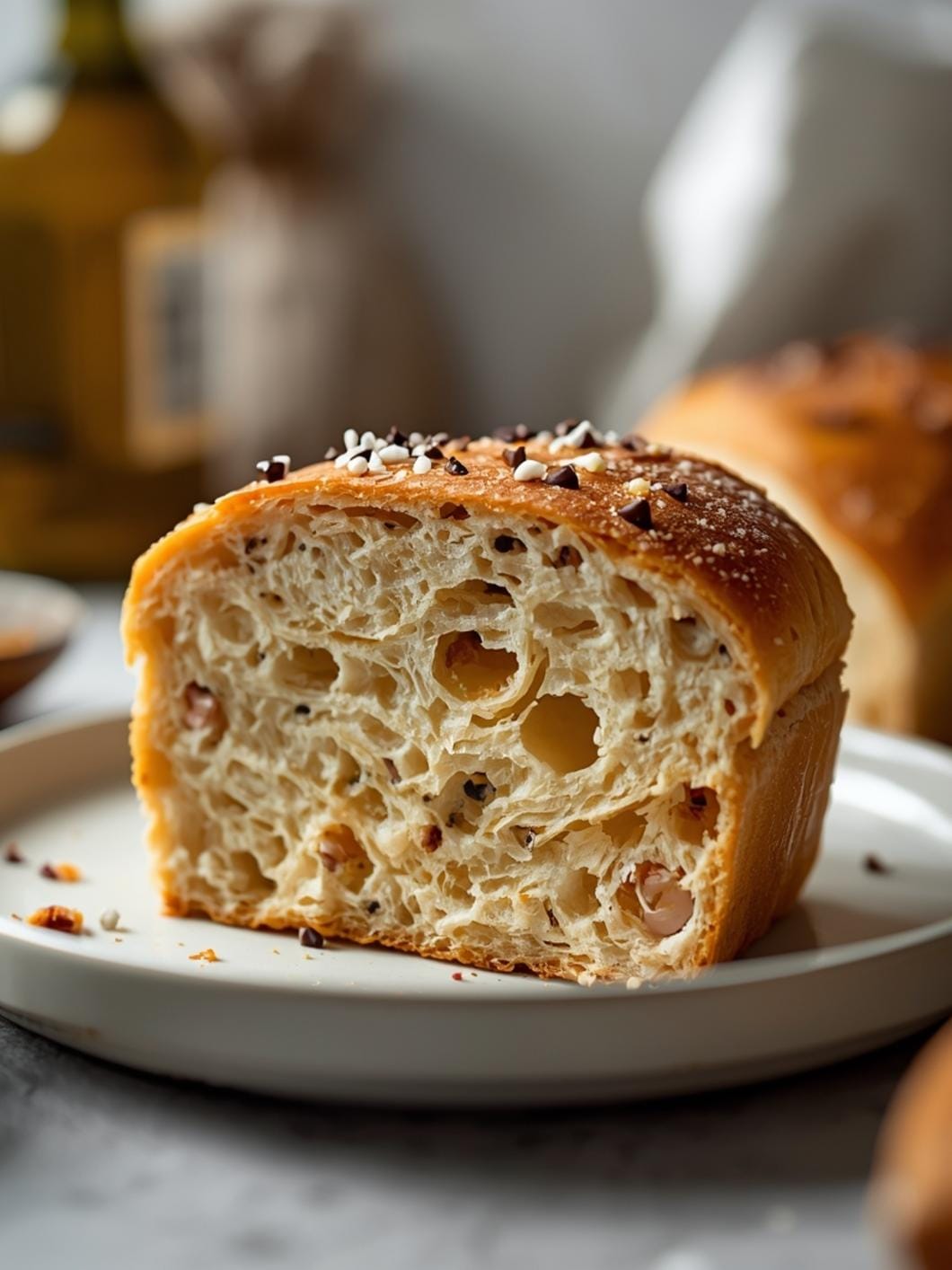
Whether you’re a seasoned sourdough baker or just starting out, incorporating these simple additions can transform your loaves into something truly special. Get ready to discover how easy it is to customize your bread for any occasion or craving.
These ideas focus on enhancing your existing sourdough recipe with minimal fuss, ensuring you get maximum flavor with straightforward techniques. From sweet to savory, there’s an inclusion here to inspire your next baking adventure, making every slice a delightful surprise.
Table of Contents
- What You’ll Love About This Quick And Easy Recipe
- Everything You Need To Make This Recipe Without Stress
- Time Needed From Start To Finish
- How To Make It Step By Step With Visual Cues
- Easy Variations And Serving Ideas That Fit Real Life
- Common Slip-Ups And How To Avoid Them
- How To Store It And Make It Ahead Without Ruining Texture

Sourdough Inclusion Ideas: Elevate Your Loaf
- Total Time: 40-60 minutes (plus sourdough bake time)
- Yield: 1 loaf
Description
Transform your homemade sourdough bread with these creative and delicious inclusion ideas. From sweet to savory, learn how to easily customize your loaves for any occasion, adding unique flavors and textures with minimal fuss. Perfect for home bakers looking to experiment and make every slice a delightful surprise.
Ingredients
Instructions
1. Prepare Your Sourdough Dough: Ensure your sourdough dough has completed its bulk fermentation and is ready for shaping. It should be bubbly, elastic, and have increased significantly in volume.
2. Choose Your Inclusion(s): Decide which flavor combination you want to use. For example, if making chocolate chip sourdough, have your chocolate chips ready. For savory, have your herbs, cheese, and garlic prepped.
3. Gently Stretch or Laminate the Dough: On a lightly floured surface, gently stretch your dough into a large rectangle. Aim for a thickness of about 1/2 to 3/4 inch. This creates a large surface area for distributing your inclusions.
4. Evenly Distribute Inclusions: Sprinkle your chosen inclusions evenly over the stretched dough. For chocolate chips, spread them across the surface. For savory options like rosemary, garlic, and Parmesan, scatter them generously. Don’t overload it, but ensure good coverage.
5. Fold and Incorporate: Carefully fold the dough over itself in thirds, like a letter. Then, gently stretch it again and fold it in thirds once more. This helps to distribute the inclusions throughout the dough without tearing it. You might need to do a few gentle folds and stretches. The goal is to get the inclusions mixed in without deflating the dough too much.
6. Shape Your Loaf: Once the inclusions are well distributed, proceed with your usual final shaping technique for your sourdough loaf (e.g., boule or batard).
7. Proof and Bake: Place your shaped dough into a proofing basket (banneton) for its final proof, then bake according to your standard sourdough recipe instructions. Look for a deep golden-brown crust and a hollow sound when tapped on the bottom.
- Prep Time: 10-15 minutes
- Cook Time: 30-45 minutes
- Category: bread
- Method: baking
- Cuisine: american
Nutrition
- Serving Size: 1 slice
Keywords: sourdough, bread, inclusions, baking, homemade, savory, sweet, easy, customizable, flavorful
What You’ll Love About This Quick And Easy Recipe
What’s not to love about taking something already fantastic, like sourdough, and making it even better with minimal effort? This approach to sourdough inclusions is all about simplicity and flavor impact. It’s perfect for home bakers who want to experiment without overcomplicating their process. If you enjoy surprising your family with new tastes or bringing a unique loaf to a potluck, these ideas are for you. They’re designed for anyone looking to add a little flair to their regular baking routine, making everyday bread feel gourmet. Serve these enhanced loaves for breakfast, alongside dinner, or as a delightful snack – they fit into almost any mealtime.
Everything You Need To Make This Recipe Without Stress
The beauty of sourdough inclusions is that they often use ingredients you might already have on hand or can easily pick up at any grocery store. The key is to think about complementary flavors and textures that will bake well within your sourdough.
INGREDIENTS:

- Your favorite sourdough bread dough (ready for its final shaping or bulk ferment)
- Chocolate chips (milk, dark, or white)
- Dried cranberries
- Chopped walnuts
- Fresh rosemary, finely chopped
- Garlic cloves, minced
- Shredded Parmesan cheese
- Sun-dried tomatoes, oil-packed and drained, chopped
- Kalamata olives, pitted and roughly chopped
- Everything bagel seasoning
- Jalapeño, finely diced (optional, for a spicy kick)
- Cheddar cheese, shredded
For the chocolate chip inclusion, you can use any variety of chocolate chips you prefer – milk chocolate for a sweeter profile, dark chocolate for a richer, less sweet option, or even white chocolate for a different flavor dimension. When it comes to nuts, walnuts are a classic choice, but pecans or even almonds could work well. For savory options, fresh herbs like thyme or oregano can be swapped for rosemary, and different hard cheeses can replace Parmesan or cheddar based on your preference. Always opt for good quality sun-dried tomatoes and olives for the best flavor.
Time Needed From Start To Finish
The beauty of adding inclusions is that they don’t significantly extend your overall sourdough baking time. The main time commitment comes from preparing your sourdough dough itself.
- Preparation Time for Inclusions: 5-10 minutes (depending on how many ingredients you’re chopping or measuring)
- Incorporation Time: 2-3 minutes (during the shaping or lamination phase)
- Baking Time: This will remain consistent with your usual sourdough recipe, typically 30-45 minutes.
- Total Active Time: Approximately 10-15 minutes (plus your standard sourdough bake time).
How To Make It Step By Step With Visual Cues
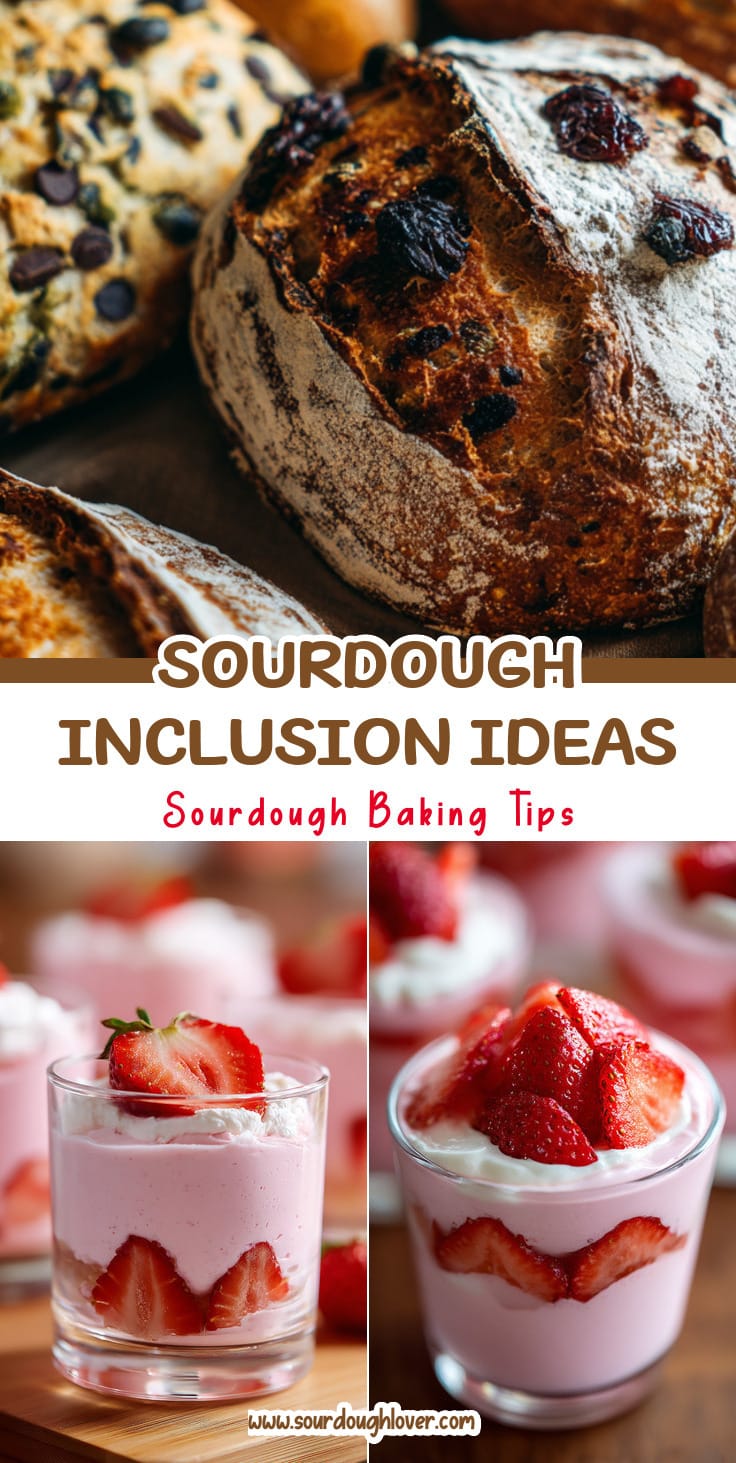
Incorporating inclusions into your sourdough is a straightforward process that usually happens during the shaping or lamination stage of your dough. This ensures even distribution without compromising the dough’s structure.
- Prepare Your Sourdough Dough: Ensure your sourdough dough has completed its bulk fermentation and is ready for shaping. It should be bubbly, elastic, and have increased significantly in volume.
- Choose Your Inclusion(s): Decide which flavor combination you want to use. For example, if making chocolate chip sourdough, have your chocolate chips ready. For savory, have your herbs, cheese, and garlic prepped.
- Gently Stretch or Laminate the Dough: On a lightly floured surface, gently stretch your dough into a large rectangle. Aim for a thickness of about 1/2 to 3/4 inch. This creates a large surface area for distributing your inclusions.
- Evenly Distribute Inclusions: Sprinkle your chosen inclusions evenly over the stretched dough. For chocolate chips, spread them across the surface. For savory options like rosemary, garlic, and Parmesan, scatter them generously. Don’t overload it, but ensure good coverage.
- Fold and Incorporate: Carefully fold the dough over itself in thirds, like a letter. Then, gently stretch it again and fold it in thirds once more. This helps to distribute the inclusions throughout the dough without tearing it. You might need to do a few gentle folds and stretches. The goal is to get the inclusions mixed in without deflating the dough too much.
- Shape Your Loaf: Once the inclusions are well distributed, proceed with your usual final shaping technique for your sourdough loaf (e.g., boule or batard).
- Proof and Bake: Place your shaped dough into a proofing basket (banneton) for its final proof, then bake according to your standard sourdough recipe instructions. Look for a deep golden-brown crust and a hollow sound when tapped on the bottom.
Easy Variations And Serving Ideas That Fit Real Life
The beauty of sourdough inclusions is the endless possibilities for customization, making your bread perfect for any meal or mood.
- Sweet Sensations:
- Chocolate Chip & Orange Zest: Add finely grated orange zest along with chocolate chips for a bright, citrusy note that complements the chocolate beautifully. Perfect for breakfast or a sweet snack.
- Cinnamon Raisin Swirl: Mix plump raisins and a generous swirl of cinnamon sugar into the dough during the lamination phase. This makes an incredible toast or French toast base.
- Dried Fruit & Nut Medley: Combine dried cranberries, chopped apricots, and toasted pecans or walnuts for a hearty, wholesome loaf. Great with cheese or a cup of tea.
- Savory Delights:
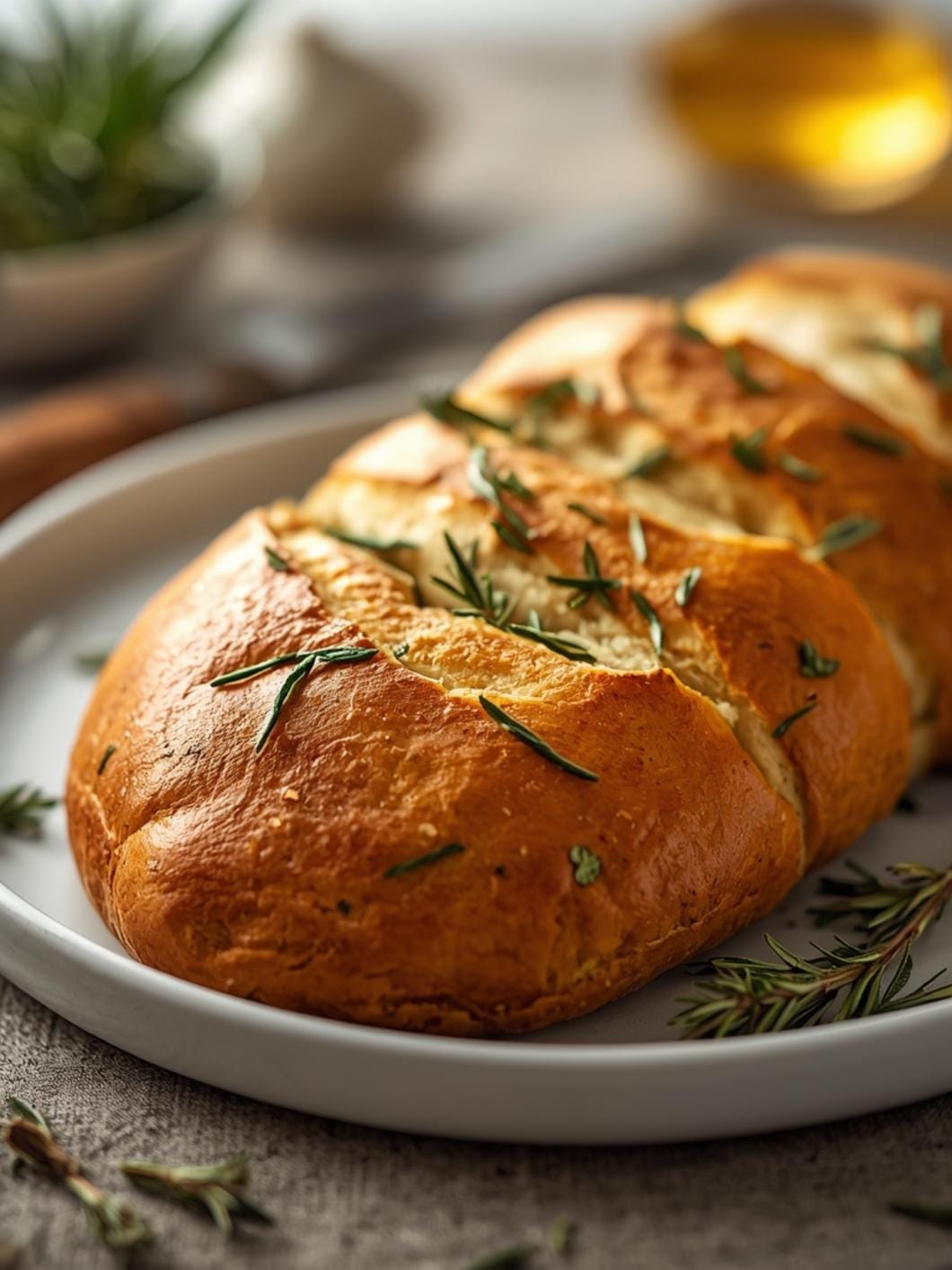
- Garlic, Rosemary & Parmesan: This classic combination is fantastic with Italian meals or as a flavorful side for soups and stews.
- Jalapeño Cheddar: For a bit of a kick, add finely diced fresh jalapeños (deseeded for less heat) and shredded sharp cheddar cheese. Excellent with chili or as a grilled cheese sandwich.
- Sun-Dried Tomato & Olive: A Mediterranean-inspired loaf that pairs wonderfully with hummus, feta, or as part of an antipasto platter.
- Everything Bagel Sourdough: Sprinkle everything bagel seasoning generously over the dough during shaping, and even on the outside before baking, for a savory, textural crust. Fantastic for sandwiches or alongside eggs.
- Serving Suggestions:
- Breakfast Bliss: Sweet loaves are amazing toasted with butter, cream cheese, or jam.
- Soup & Salad Companion: Savory loaves are ideal for dipping into olive oil, accompanying a hearty soup, or as a side for a fresh salad.
- Sandwich Upgrade: Use any of the savory loaves as the base for an elevated sandwich experience.
- Cheese Board Star: A beautiful inclusion loaf can be the centerpiece of a cheese and charcuterie board.
Common Slip-Ups And How To Avoid Them
Even with simple inclusions, a few common mistakes can impact your sourdough. Knowing what to watch out for can help ensure a perfect loaf every time.
- Overloading the Dough: Adding too many inclusions can disrupt the dough’s gluten structure, making it harder to rise and potentially leading to a dense loaf. Aim for a balanced amount – enough for flavor, but not so much that the dough struggles to hold together.
- Uneven Distribution: If inclusions are clumped in one area, you’ll end up with inconsistent flavor and texture throughout the loaf. Take the time to gently stretch and fold the dough multiple times to ensure an even spread.
- Using Wet Inclusions: Ingredients with too much moisture (like fresh, undrained sun-dried tomatoes or very wet herbs) can introduce excess water into your dough, making it sticky and difficult to handle. Always drain oil-packed items thoroughly and pat dry fresh ingredients if they seem overly moist.
- Adding Inclusions Too Early: While some bakers add inclusions during the initial mix, for beginners, it’s often easier and safer to add them during the lamination or shaping phase after bulk fermentation. This prevents the inclusions from interfering with the initial gluten development.
- Not Adjusting Hydration (Rare but Possible): If you’re adding a large quantity of very dry inclusions (like a lot of dried fruit), they might absorb some moisture from your dough. While usually not necessary for typical amounts, if you notice your dough becoming unusually stiff, you might consider adding a tiny splash more water during the initial mix for future bakes.
How To Store It And Make It Ahead Without Ruining Texture
Proper storage is key to enjoying your delicious inclusion sourdough for as long as possible. The good news is that the storage methods for inclusion loaves are generally the same as for plain sourdough.
- Room Temperature (1-2 Days): For optimal freshness and crust texture, store your cooled loaf cut-side down on a clean cutting board, or in a bread box. A linen bread

FAQs
- Can I make these ahead? Yes—prep ahead, refrigerate, then serve when ready.
- How long do leftovers last? Store covered in the fridge for 3–4 days for best texture.
- Can I adjust sweetness? Yes—add more or less sweetener to taste.
- Can I change the fruit? Yes—swap strawberries for blueberries, raspberries, or sliced banana.