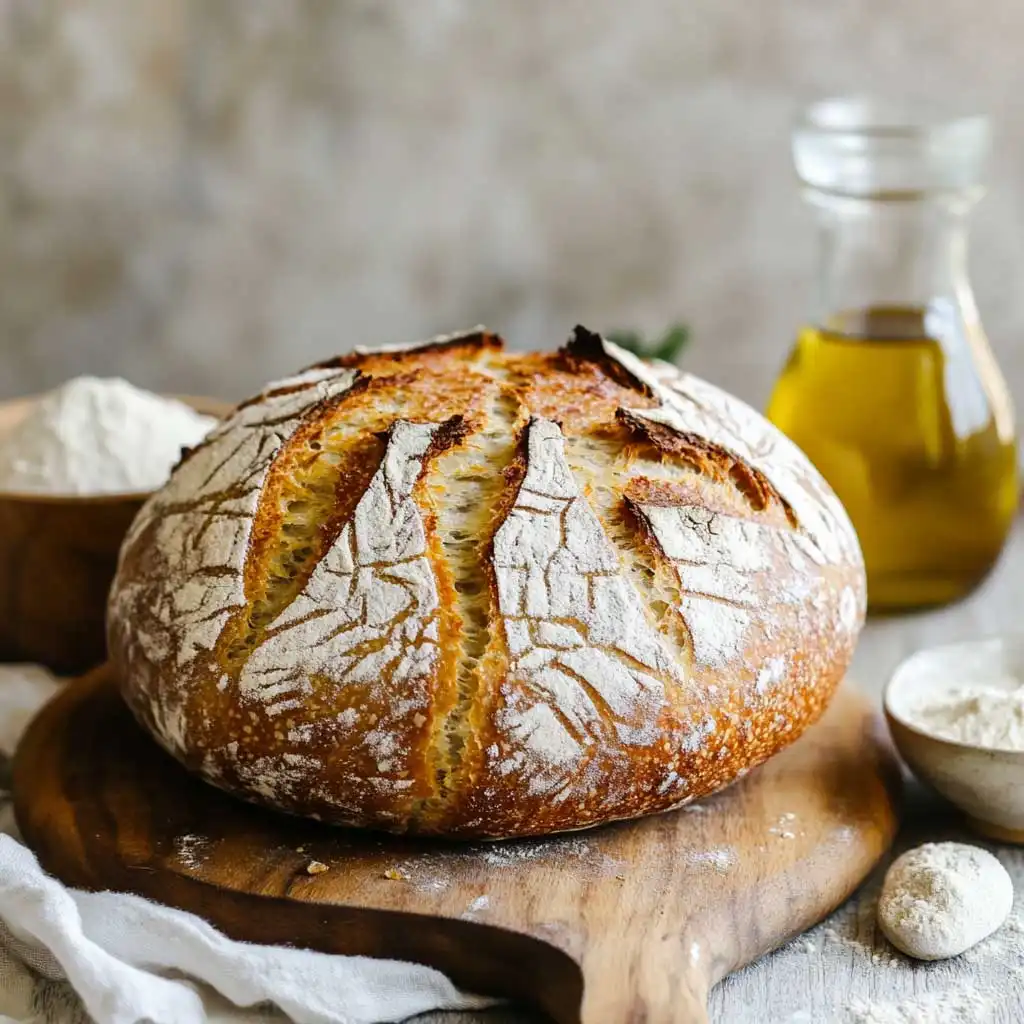

Elevate your homemade sourdough loaf with this delightful blueberry lemon sourdough bread recipe.

This recipe focuses on simple inclusions, making it easy to infuse bright flavors into your bread without complicated steps. It’s perfect for anyone looking to add a little something extra to their sourdough routine.
This easy sourdough discard lemon blueberry loaf is a fantastic way to use up sourdough discard, transforming it into a sweet and tangy treat. Whether you’re serving it for breakfast with a cup of coffee or as a sweet snack in the afternoon, its vibrant flavors are sure to impress.
Table of Contents
- What You’ll Love About This Quick And Easy Recipe
- Everything You Need To Make This Recipe Without Stress
- Time Needed From Start To Finish
- How To Make It Step By Step With Visual Cues
- Easy Variations And Serving Ideas That Fit Real Life
- Common Slip-Ups And How To Avoid Them
- How To Store It And Make It Ahead Without Ruining Texture

Blueberry Lemon Sourdough Bread
- Total Time: 7-16 hours (including fermentation and cooling)
- Yield: 1 loaf 1x
Description
Elevate your homemade sourdough loaf with this delightful blueberry lemon sourdough bread recipe. This recipe focuses on simple inclusions, making it easy to infuse bright flavors into your bread without complicated steps. It’s perfect for anyone looking to add a little something extra to their sourdough routine.
Ingredients
Instructions
1. 1. Combine Wet Ingredients and Starter: In a large mixing bowl, gently whisk together the active sourdough starter (or discard) with the warm water until well combined. The mixture should look milky and slightly bubbly if your starter is active.
2. 2. Add Dry Ingredients: To the wet mixture, add the all-purpose flour, granulated sugar, and salt. Use a sturdy spoon or your hands to mix until a shaggy dough forms and no dry flour remains. It doesn’t need to be perfectly smooth at this stage.
3. 3. First Fermentation (Bulk Rise): Cover the bowl with a damp kitchen towel or plastic wrap. Let the dough rest at room temperature (ideally 70-75 F) for 4-8 hours. During this time, the dough should noticeably increase in volume and become bubbly. If your kitchen is cooler, it might take longer.
4. 4. Incorporate Inclusions: After the bulk rise, gently turn the dough out onto a lightly floured surface. Flatten it slightly into a rectangle. Sprinkle the blueberries, lemon zest, and lemon juice evenly over the dough. Gently fold the dough over itself a few times, kneading lightly for about 1-2 minutes, just enough to distribute the inclusions without crushing the blueberries too much.
5. 5. Shape the Loaf: Form the dough into a round or oval loaf. If you have a banneton basket, lightly flour it and place the dough seam-side up. If not, place the shaped dough on a piece of parchment paper.
6. 6. Second Fermentation (Proofing): Cover the shaped dough with a damp towel or plastic wrap. Let it proof at room temperature for 1-3 hours, or for a deeper flavor development, place it in the refrigerator overnight (8-12 hours). The dough should look slightly puffy and pass the “poke test” (if you gently poke it, it should slowly spring back).
7. 7. Preheat Oven and Bake: About 30 minutes before baking, preheat your oven to 450 F (230 C) with a Dutch oven or baking stone inside. Carefully remove the hot Dutch oven. Score the top of the dough with a sharp knife or razor blade (a simple cross or a few slashes works well).
8. 8. Bake the Bread: Carefully transfer the dough into the hot Dutch oven (or onto the baking stone). Cover the Dutch oven and bake for 30 minutes. Remove the lid and continue baking for another 15-20 minutes, or until the crust is deeply golden brown and the internal temperature reaches 200-210 F (93-99 C).
9. 9. Cool Completely: Transfer the baked bread to a wire rack and let it cool completely for at least 1-2 hours before slicing. This step is crucial for the crumb to set properly and for the flavors to fully develop.
- Prep Time: 15-20 minutes
- Cook Time: 40-50 minutes
- Category: bread
- Method: baking
- Cuisine: american
Nutrition
- Serving Size: 1 slice
Keywords: sourdough, blueberry, lemon, bread, homemade, baking, discard, fruit, breakfast, snack
What You’ll Love About This Quick And Easy Recipe
This recipe is a game-changer for anyone who enjoys sourdough but wants to add a burst of flavor without a lot of fuss. It’s designed for home bakers of all skill levels, especially those who might be new to working with sourdough inclusions or who want a reliable way to use their sourdough discard. You’ll love how the bright, zesty lemon perfectly complements the sweet, juicy blueberries, creating a harmonious taste in every slice. This bread is ideal for a leisurely weekend breakfast, a thoughtful brunch contribution, or simply as a comforting snack with tea. It’s a practical recipe that delivers impressive results, making your sourdough baking even more rewarding and delicious.
Everything You Need To Make This Recipe Without Stress
Gathering your ingredients ahead of time makes the baking process smooth and enjoyable. This recipe uses common pantry staples and fresh produce, ensuring you can whip up a delicious loaf without a special trip to the store. The focus here is on simplicity and maximizing flavor with minimal effort.
INGREDIENTS:
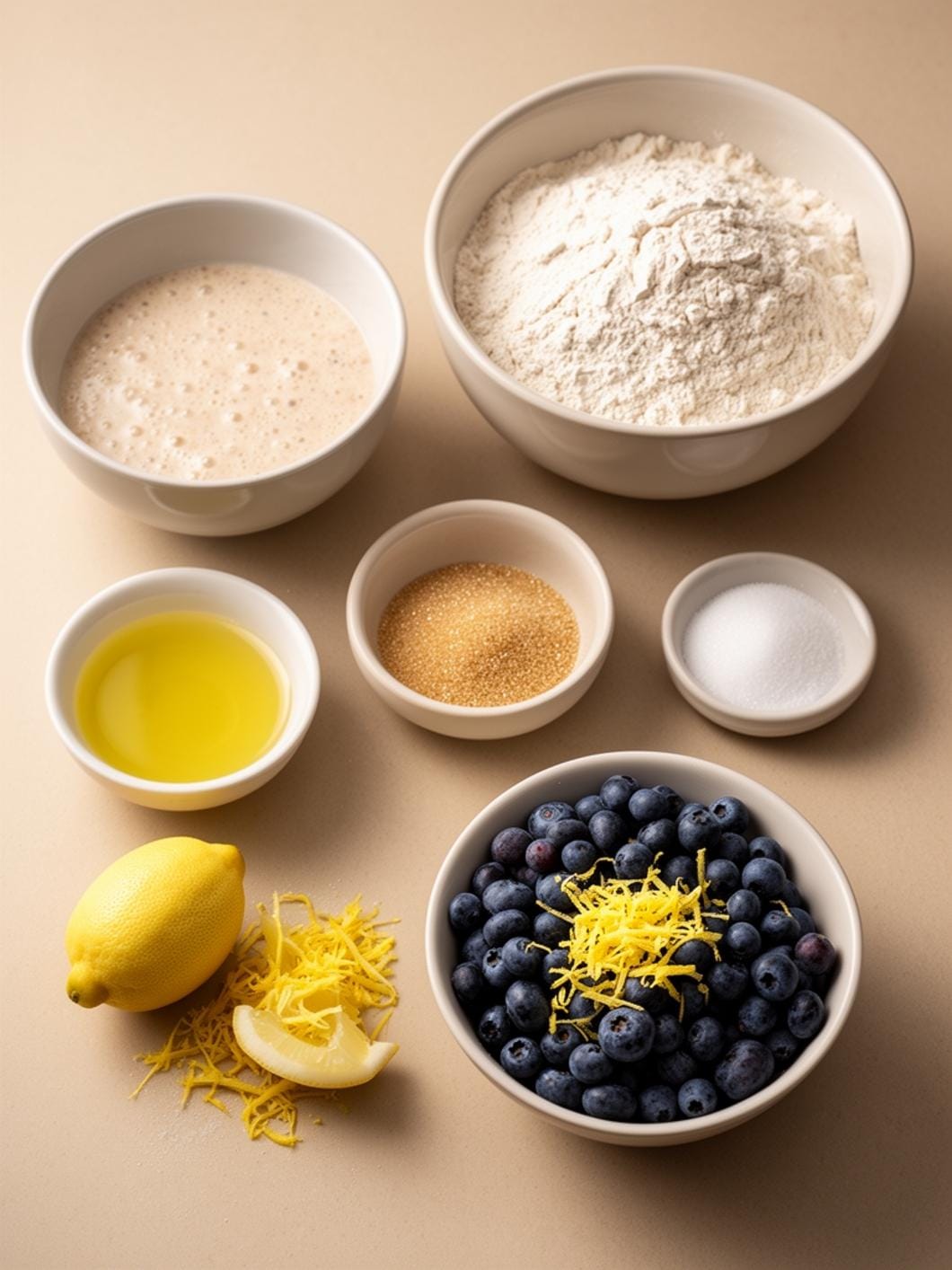
- 1 cup active sourdough starter or sourdough discard
- 1 cup warm water (around 90-100°F)
- 3 cups all-purpose flour
- 2 teaspoons granulated sugar
- 1 teaspoon salt
- 1 cup fresh or frozen blueberries
- Zest of 1 large lemon
- 2 tablespoons fresh lemon juice
- 1 tablespoon olive oil (for greasing the bowl)
- Extra flour for dusting
For the blueberries, fresh is always wonderful, but frozen blueberries work just as well. If using frozen, there’s no need to thaw them beforehand; you can add them directly to the dough. For the lemon, a fresh lemon will give you the best zest and juice, providing that bright, essential citrus flavor. If you don’t have all-purpose flour, bread flour can be used, though it might result in a slightly chewier texture. Granulated sugar adds a touch of sweetness that balances the tartness of the lemon and blueberries, but you could use a light brown sugar for a slightly different flavor profile if preferred.
Time Needed From Start To Finish
This recipe is designed to be straightforward, but sourdough always requires a bit of patience for the fermentation process. Here’s a realistic breakdown of the time you’ll need:
- Active Prep Time: 15-20 minutes (mixing dough, adding inclusions)
- Bulk Fermentation (First Rise): 4-8 hours (depending on starter activity and room temperature)
- Shaping Time: 10 minutes
- Proofing (Second Rise): 1-3 hours (or overnight in the fridge)
- Bake Time: 40-50 minutes
- Cooling Time: At least 1-2 hours (crucial for texture)
While the hands-on time is minimal, the total process spans several hours due to the nature of sourdough. This makes it a great project to start in the morning for an evening bake, or to prepare the dough the day before for baking the next morning.
How To Make It Step By Step With Visual Cues

Follow these simple steps to create your delicious blueberry lemon sourdough bread. Patience is key, especially during the fermentation stages, but the process itself is quite forgiving.
- Combine Wet Ingredients and Starter: In a large mixing bowl, gently whisk together the active sourdough starter (or discard) with the warm water until well combined. The mixture should look milky and slightly bubbly if your starter is active.
- Add Dry Ingredients: To the wet mixture, add the all-purpose flour, granulated sugar, and salt. Use a sturdy spoon or your hands to mix until a shaggy dough forms and no dry flour remains. It doesn’t need to be perfectly smooth at this stage.
- First Fermentation (Bulk Rise): Cover the bowl with a damp kitchen towel or plastic wrap. Let the dough rest at room temperature (ideally 70-75°F) for 4-8 hours. During this time, the dough should noticeably increase in volume and become bubbly. If your kitchen is cooler, it might take longer.
- Incorporate Inclusions: After the bulk rise, gently turn the dough out onto a lightly floured surface. Flatten it slightly into a rectangle. Sprinkle the blueberries, lemon zest, and lemon juice evenly over the dough. Gently fold the dough over itself a few times, kneading lightly for about 1-2 minutes, just enough to distribute the inclusions without crushing the blueberries too much.
- Shape the Loaf: Form the dough into a round or oval loaf. If you have a banneton basket, lightly flour it and place the dough seam-side up. If not, place the shaped dough on a piece of parchment paper.
- Second Fermentation (Proofing): Cover the shaped dough with a damp towel or plastic wrap. Let it proof at room temperature for 1-3 hours, or for a deeper flavor development, place it in the refrigerator overnight (8-12 hours). The dough should look slightly puffy and pass the “poke test” (if you gently poke it, it should slowly spring back).
- Preheat Oven and Bake: About 30 minutes before baking, preheat your oven to 450°F (230°C) with a Dutch oven or baking stone inside. Carefully remove the hot Dutch oven. Score the top of the dough with a sharp knife or razor blade (a simple cross or a few slashes works well).
- Bake the Bread: Carefully transfer the dough into the hot Dutch oven (or onto the baking stone). Cover the Dutch oven and bake for 30 minutes. Remove the lid and continue baking for another 15-20 minutes, or until the crust is deeply golden brown and the internal temperature reaches 200-210°F (93-99°C).
- Cool Completely: Transfer the baked bread to a wire rack and let it cool completely for at least 1-2 hours before slicing. This step is crucial for the crumb to set properly and for the flavors to fully develop.
Easy Variations And Serving Ideas That Fit Real Life
This blueberry lemon sourdough bread is delicious on its own, but there are many ways to enjoy and adapt it. For a delightful breakfast, serve slices lightly toasted with a smear of butter or cream cheese. It’s also fantastic alongside a yogurt parfait or a fresh fruit salad.
For a kid-friendly twist, you can reduce the amount of lemon zest slightly if they prefer a less pronounced citrus flavor. You could also mix in a handful of white chocolate chips along with the blueberries for an extra sweet treat. This bread makes an excellent addition to a brunch spread or a casual afternoon tea party. For an extra touch of elegance, consider drizzling a simple lemon glaze (powdered sugar mixed with a little lemon juice) over the cooled loaf. You can also experiment with other berries, such as raspberries or mixed berries, for different flavor profiles.
Common Slip-Ups And How To Avoid Them
Even experienced bakers can encounter small issues, but knowing what to watch for can help you achieve perfect results every time.
- Over-mixing the Inclusions: When adding blueberries and lemon, be gentle. Over-mixing can crush the blueberries, turning your dough purple and potentially making it too wet. Fold them in just until evenly distributed.
- Not Letting the Dough Rise Enough: Sourdough relies on fermentation, which can be slower than yeast-based breads. If your dough isn’t showing significant volume increase during bulk fermentation or proofing, give it more time. A warmer spot in your kitchen can help speed things up.
- Slicing Too Soon: It’s tempting to cut into a warm loaf, but cooling is essential. Slicing hot sourdough can result in a gummy texture because the internal structure hasn’t fully set. Always let it cool completely on a wire rack.
- Not Using a Hot Enough Oven: Sourdough benefits from a high initial oven temperature to create a good “oven spring” and a crispy crust. Make sure your oven is fully preheated, especially if using a Dutch oven, which needs time to get thoroughly hot.
- Forgetting to Score: Scoring the top of your loaf before baking isn’t just for aesthetics; it allows the bread to expand in a controlled way, preventing blowouts on the sides and promoting an even rise.
How To Store It And Make It Ahead Without Ruining Texture
Proper storage is key to keeping your blueberry lemon sourdough bread fresh and delicious. Once completely cooled, store the loaf at room temperature in an airtight container or a bread bag. It will stay fresh for 2-3 days. For longer storage, you can slice the bread and freeze the slices in a freezer-safe bag or

FAQs
- Can I make these ahead? Yes—prep ahead, refrigerate, then serve when ready.
- How long do leftovers last? Store covered in the fridge for 3–4 days for best texture.
- Can I adjust sweetness? Yes—add more or less sweetener to taste.
- Can I change the fruit? Yes—swap strawberries for blueberries, raspberries, or sliced banana.