
Creating your own sourdough starter from scratch might sound like a daunting task, but it’s actually a straightforward process that anyone can master.

This guide will walk you through the essential steps of bulk fermentation, a critical stage in developing a robust and active starter. You’ll learn how to combine simple ingredients and nurture them into a living culture that will become the heart of your homemade sourdough bread.
Forget complicated techniques or specialized equipment. We’re focusing on a beginner-friendly approach that emphasizes consistency and observation. By understanding the basics of bulk fermentation, you’ll be well on your way to baking delicious, tangy sourdough loaves right in your own kitchen. Let’s get started on this rewarding culinary journey!

Homemade Sourdough Starter
- Total Time: 5-7 days
- Yield: 1 active sourdough starter 1x
Description
Learn how to create your own active sourdough starter from scratch with this beginner-friendly guide. This recipe focuses on simple ingredients and consistent feeding to develop a robust living culture for baking delicious sourdough bread and other treats.
Ingredients
Instructions
1. Day 1: Initial Mixing. In a clean, clear glass jar, combine 1/2 cup (120g) unbleached all-purpose or whole wheat flour with 1/2 cup (120g) filtered water. Mix thoroughly with a spoon until there are no dry spots and the mixture is smooth, like a thick pancake batter. Scrape down the sides of the jar. Loosely cover the jar with a lid, plastic wrap, or a clean kitchen towel. Do not seal it tightly, as the starter needs to breathe. Place the jar in a warm spot in your kitchen, ideally between 70-78 F (21-26 C).
2. Day 2: Rest and Observe. Do not feed your starter today. Simply observe it. You might not see much activity yet, but look for any small bubbles forming on the surface or along the sides of the jar. You might also notice a slight change in smell, perhaps a faint sour or yeasty aroma. Keep it in the same warm spot.
3. Day 3: First Feeding. By now, you might see some small bubbles, and the starter might smell slightly sour or vinegary. It’s time for the first feeding. Discard about half of the starter (approximately 60g or 1/4 cup). To the remaining starter, add 1/2 cup (120g) fresh flour and 1/2 cup (120g) fresh filtered water. Mix well until smooth. Loosely cover and return to its warm spot. Discarding part of the starter ensures that the active microbes have enough food to thrive without being overcrowded.
4. Day 4-7 (and beyond): Consistent Feeding. Continue the daily feeding routine. Each day, discard about half of the starter, then feed it with 1/2 cup (120g) fresh flour and 1/2 cup (120g) fresh filtered water. Mix thoroughly and loosely cover. You should start to see more vigorous activity: the starter will rise significantly after feeding (often doubling in size), become very bubbly, and smell pleasantly yeasty and sour. It should fall back down between feedings.
5. Look for Peak Activity. Your starter is considered “active” and ready for baking when it consistently doubles in size within 4-8 hours after feeding, shows many bubbles, and has a pleasant, tangy aroma. This usually takes 5-7 days, but can take longer depending on your environment and flour. A good way to test if it’s ready is the “float test”: drop a small spoonful of starter into a glass of water; if it floats, it’s ready to bake with.
6. Maintain Your Starter. Once your starter is active, you can maintain it by feeding it daily if you keep it at room temperature, or once a week if you store it in the refrigerator (feeding it 4-12 hours before refrigerating). Always feed it before baking.
- Prep Time: 5-10 minutes daily
- Cook Time: N/A
- Category: baking
- Method: fermentation
- Cuisine: american
Nutrition
- Serving Size: N/A
Keywords: sourdough, starter, baking, fermentation, bread, homemade, yeast, culture, natural, easy
What You’ll Love About This Quick And Easy Recipe
This method for creating a sourdough starter is perfect for anyone looking to dive into the world of homemade bread without feeling overwhelmed. It’s designed for busy individuals and families who appreciate the satisfaction of making something from scratch but need a process that fits into a real-life schedule. You won’t need to spend hours hovering over your ingredients; instead, this approach focuses on simple, consistent feeding and observation. This recipe is ideal for those who want to understand the fundamental principles of fermentation in a practical way, building confidence with each successful feeding. It’s also fantastic for teaching kids about science in the kitchen, as they can watch the starter come to life over several days. Ultimately, you’ll love the sense of accomplishment and the delicious, unique flavor that a homemade starter brings to your baking.
Everything You Need To Make This Recipe Without Stress
Gathering your supplies before you begin will make the process smooth and enjoyable. You don’t need anything fancy, just a few basic kitchen items and ingredients that are easy to find. The quality of your flour and water will play a role in the health of your starter, so opt for unbleached flour and filtered water if possible.
INGREDIENTS:
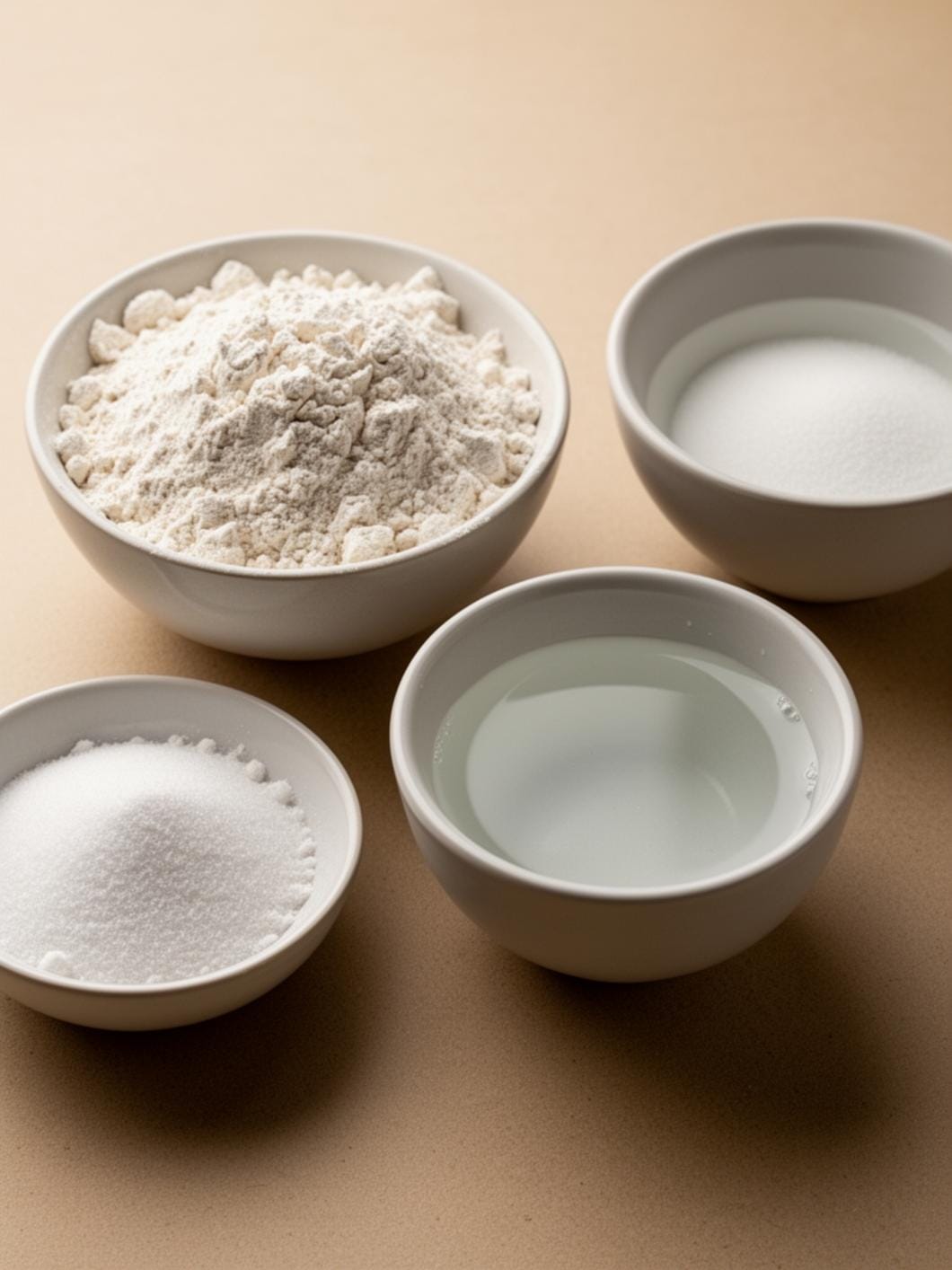
- 1/2 cup (120g) unbleached all-purpose flour or whole wheat flour
- 1/2 cup (120g) filtered water, room temperature
For the flour, unbleached all-purpose flour works wonderfully for a mild starter, while whole wheat flour can give your starter a more vigorous start due to its higher nutrient content. You can even combine them, using whole wheat for the first few days and then switching to all-purpose. When it comes to water, filtered water is preferred over tap water, as chlorine in tap water can sometimes inhibit the beneficial microbes we want to cultivate. If you only have tap water, you can let it sit out in an open container for a few hours to allow the chlorine to dissipate.
Time Needed From Start To Finish
While the active preparation time for making a sourdough starter is minimal, the overall process requires patience and consistency over several days.
Daily Active Prep Time: 5-10 minutes Total Fermentation Time (Initial Build): 5-7 days (or more, depending on ambient temperature and flour type) Overall Time Commitment: Daily feeding for about a week until the starter is consistently active.
Remember, this isn’t a quick bake; it’s a living culture you’re nurturing. The “total time” refers to the period until your starter is robust and ready for baking, not a single session.
How To Make It Step By Step With Visual Cues

Creating your sourdough starter involves a daily feeding routine that encourages the growth of natural yeasts and bacteria. Follow these steps carefully, observing the changes each day.
- Day 1: Initial Mixing. In a clean, clear glass jar (a quart-sized mason jar works well), combine 1/2 cup (120g) unbleached all-purpose or whole wheat flour with 1/2 cup (120g) filtered water. Mix thoroughly with a spoon until there are no dry spots and the mixture is smooth, like a thick pancake batter. Scrape down the sides of the jar. Loosely cover the jar with a lid, plastic wrap, or a clean kitchen towel. Do not seal it tightly, as the starter needs to breathe. Place the jar in a warm spot in your kitchen, ideally between 70-78°F (21-26°C).
- Day 2: Rest and Observe. Do not feed your starter today. Simply observe it. You might not see much activity yet, but look for any small bubbles forming on the surface or along the sides of the jar. You might also notice a slight change in smell, perhaps a faint sour or yeasty aroma. Keep it in the same warm spot.
- Day 3: First Feeding. By now, you might see some small bubbles, and the starter might smell slightly sour or vinegary. It’s time for the first feeding. Discard about half of the starter (approximately 60g or 1/4 cup). To the remaining starter, add 1/2 cup (120g) fresh flour and 1/2 cup (120g) fresh filtered water. Mix well until smooth. Loosely cover and return to its warm spot. Discarding part of the starter ensures that the active microbes have enough food to thrive without being overcrowded.
- Day 4-7 (and beyond): Consistent Feeding. Continue the daily feeding routine. Each day, discard about half of the starter, then feed it with 1/2 cup (120g) fresh flour and 1/2 cup (120g) fresh filtered water. Mix thoroughly and loosely cover. You should start to see more vigorous activity: the starter will rise significantly after feeding (often doubling in size), become very bubbly, and smell pleasantly yeasty and sour. It should fall back down between feedings.
- Look for Peak Activity. Your starter is considered “active” and ready for baking when it consistently doubles in size within 4-8 hours after feeding, shows many bubbles, and has a pleasant, tangy aroma. This usually takes 5-7 days, but can take longer depending on your environment and flour. A good way to test if it’s ready is the “float test”: drop a small spoonful of starter into a glass of water; if it floats, it’s ready to bake with.
- Maintain Your Starter. Once your starter is active, you can maintain it by feeding it daily if you keep it at room temperature, or once a week if you store it in the refrigerator (feeding it 4-12 hours before refrigerating). Always feed it before baking.
Easy Variations And Serving Ideas That Fit Real Life
While a sourdough starter isn’t a recipe you “serve” in the traditional sense, its purpose is to create delicious baked goods. Once your starter is active, the possibilities are endless for family-friendly meals and treats.
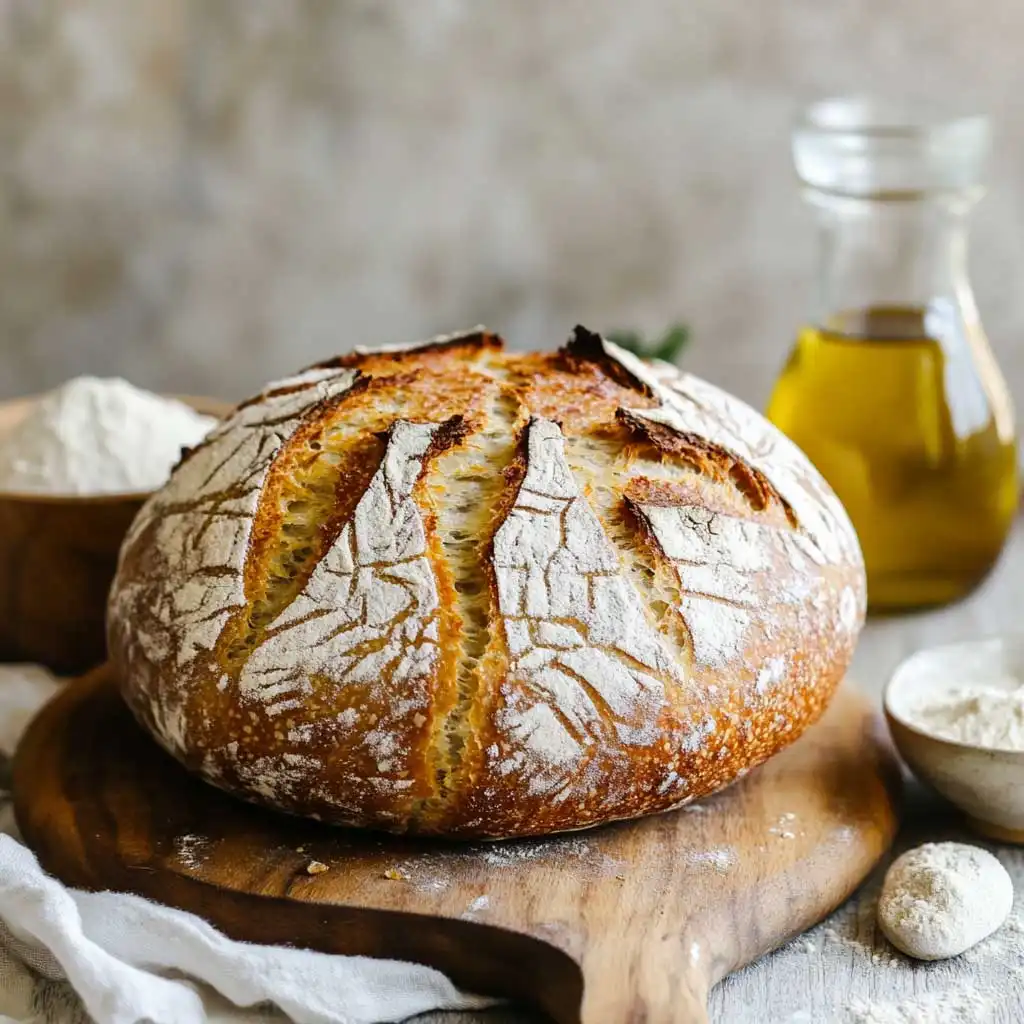
- Classic Sourdough Bread: The most obvious use! A homemade loaf of sourdough bread is fantastic with dinner, for sandwiches, or toasted with butter and jam for breakfast.
- Sourdough Pancakes or Waffles: Use your discard (the portion you remove before feeding) to make incredibly light and fluffy pancakes or waffles. This is a great way to avoid waste and add a tangy depth to breakfast. Just substitute the liquid in your favorite recipe with an equal amount of sourdough discard.
- Sourdough Pizza Dough: A sourdough base elevates homemade pizza night. The slight tang pairs beautifully with classic toppings.
- Sourdough Crackers: Another excellent use for discard. Roll it thin, sprinkle with salt and herbs, and bake for a crispy snack that kids and adults will love.
- Sourdough Biscuits: Flaky, tender biscuits with a hint of tang are perfect alongside a hearty stew or for breakfast sandwiches.
- Sourdough Pretzels: A fun project for a weekend afternoon, these chewy pretzels are a delicious snack.
Think of your starter as an ingredient that adds unique flavor and leavening power to almost any baked good that calls for yeast.
Common Slip-Ups And How To Avoid Them
Even though making a sourdough starter is simple, there are a few common pitfalls that beginners often encounter. Knowing what to look for can help you troubleshoot and keep your starter healthy.
- Not Enough Warmth: Sourdough starters thrive in warm environments. If your kitchen is too cold (below 68°F/20°C), your starter will be sluggish and take much longer to become active. Find a consistently warm spot, like on top of the refrigerator, near a warm appliance, or even in an oven with just the light on (but remember to turn it off before preheating!).
- Sealing the Jar Too Tightly: Your starter is a living organism that produces gases. If you seal the jar airtight, pressure can build up, and the starter won’t be able to breathe. Always use a loose lid, plastic wrap with a small vent, or a breathable cloth.
- Inconsistent Feeding Schedule: Skipping feedings or feeding at irregular intervals can weaken your starter. Try to feed it around the same time each day, especially in the initial active phase. Consistency is key to building a strong culture.
- Using Chlorinated Water: Chlorine can kill the beneficial microbes in your starter. Always use filtered water or tap water that has been left out for several hours to allow the chlorine to evaporate. *

FAQs
- Can I make these ahead? Yes—prep ahead, refrigerate, then serve when ready.
- How long do leftovers last? Store covered in the fridge for 3–4 days for best texture.
- Can I adjust sweetness? Yes—add more or less sweetener to taste.
- Can I change the fruit? Yes—swap strawberries for blueberries, raspberries, or sliced banana.