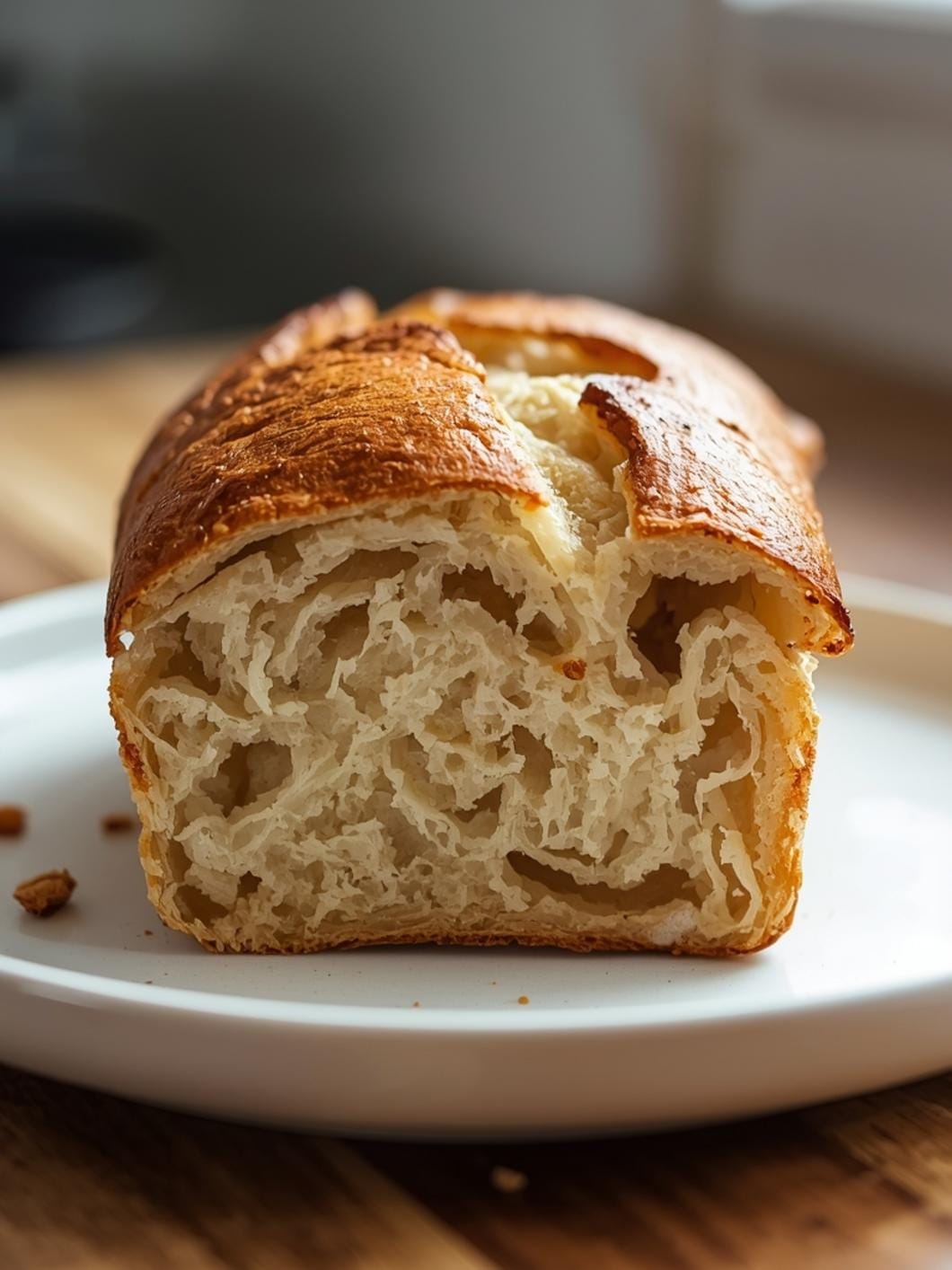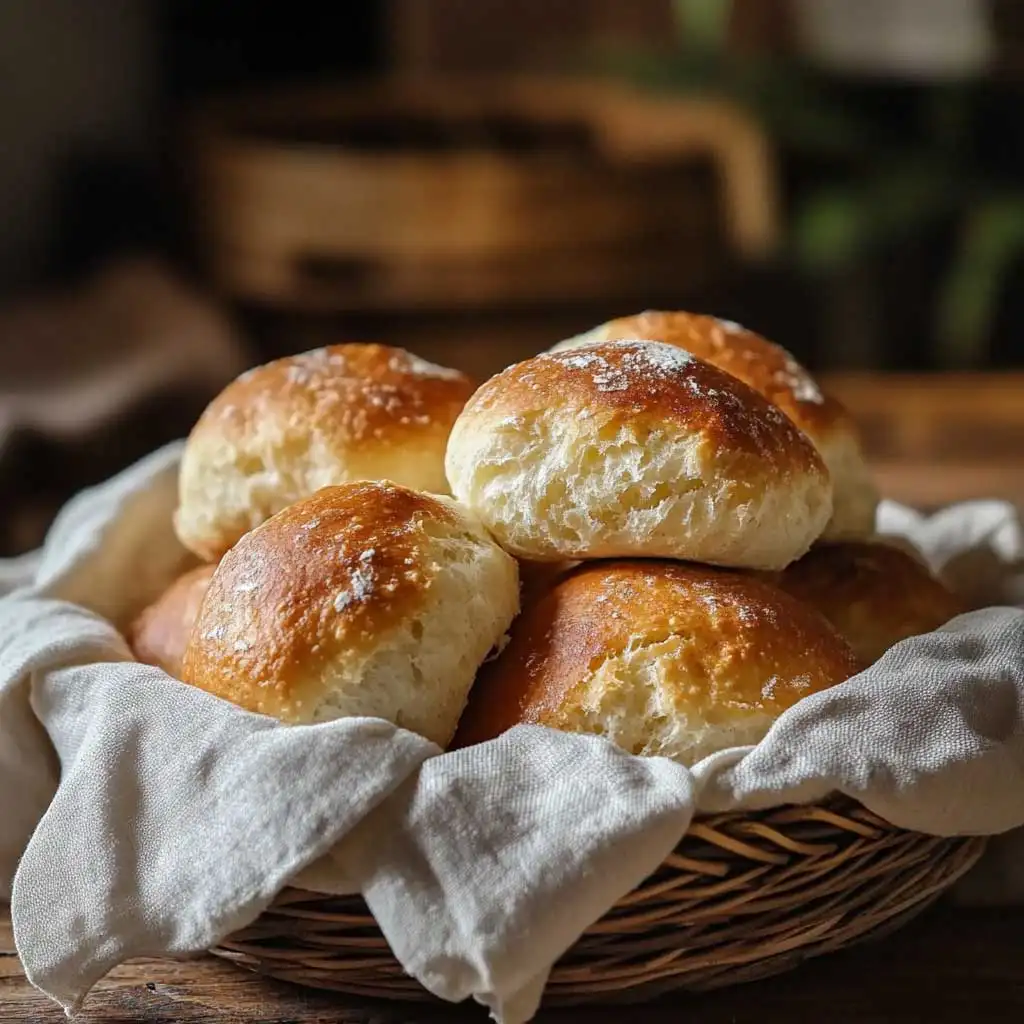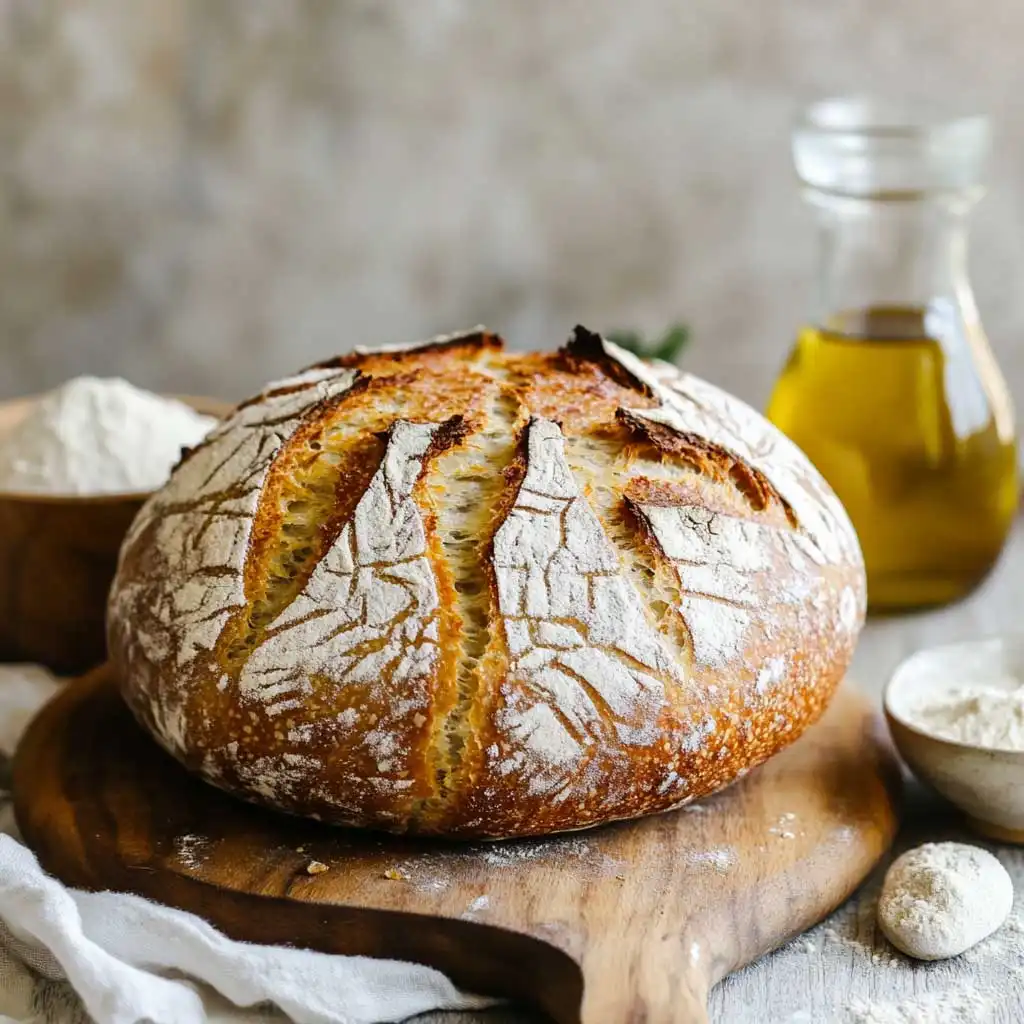

Get ready to transform your soup nights with these incredible chewy sourdough bread bowls! You might think making sourdough bread bowls at home requires fancy equipment, but I’m here to show you how to achieve that perfect chewy texture and rustic charm without a Dutch oven.
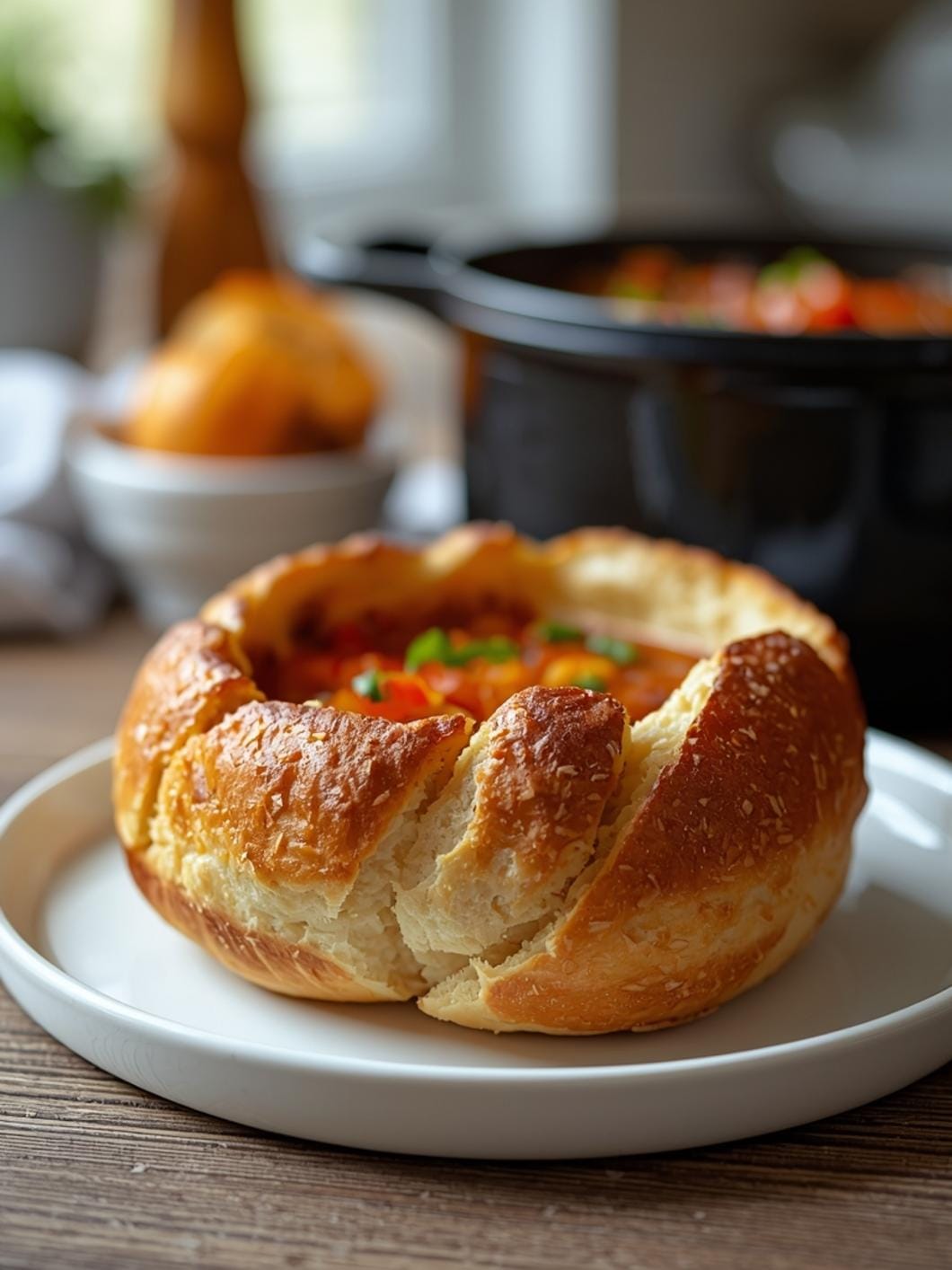
This recipe is all about bringing that bakery-quality experience right into your kitchen, making it super accessible for anyone who loves hearty soups and delicious bread. It’s a game-changer for family dinners or when you want to impress guests with minimal fuss.
Table of Contents
- What You’ll Love About This Quick And Easy Recipe
- Everything You Need To Make This Recipe Without Stress
- Time Needed From Start To Finish
- How To Make It Step By Step With Visual Cues
- Easy Variations And Serving Ideas That Fit Real Life
- Common Slip-Ups And How To Avoid Them
- How To Store It And Make It Ahead Without Ruining Texture

Chewy Sourdough Bread Bowls (No Dutch Oven)
- Total Time: 2 hours 15 minutes - 2 hours 50 minutes
- Yield: 4-6 bread bowls 1x
Description
Transform your soup nights with these incredible chewy sourdough bread bowls! This recipe shows you how to achieve that perfect chewy texture and rustic charm without a Dutch oven, bringing bakery-quality experience right into your kitchen. It’s a game-changer for family dinners or when you want to impress guests with minimal fuss, making it super accessible for anyone who loves hearty soups and delicious bread.
Ingredients
Instructions
1. Activate the Yeast: In a large mixing bowl, combine the warm water, active dry yeast, and sugar. Stir gently and let it sit for 5-10 minutes until the mixture becomes foamy. This foaminess is your visual cue that the yeast is alive and ready to work.
2. Combine Wet and Dry Ingredients: Add the salt and 2 tablespoons of olive oil to the yeast mixture. Gradually add the bread flour, one cup at a time, mixing with a wooden spoon or a stand mixer with a dough hook until a shaggy dough forms.
3. Knead the Dough: Turn the dough out onto a lightly floured surface and knead for 8-10 minutes until it’s smooth and elastic. If using a stand mixer, knead on medium speed for 6-8 minutes. The dough should spring back when lightly poked.
4. First Rise: Lightly grease a clean large bowl with olive oil. Place the dough in the bowl, turning it once to coat. Cover the bowl with plastic wrap or a clean kitchen towel and let it rise in a warm place for 1.5 to 2 hours, or until doubled in size. This is a crucial step for developing flavor and texture; look for a noticeable increase in volume.
5. Shape the Bread Bowls: Gently punch down the risen dough to release the air. Divide the dough into 4-6 equal portions, depending on your desired bread bowl size. Shape each portion into a tight, round ball. Place the shaped dough balls on a baking sheet lined with parchment paper and lightly dusted with cornmeal. Leave ample space between each ball.
6. Second Rise and Preheat Oven: Cover the shaped dough balls loosely with plastic wrap or a clean towel and let them rise again for 30-45 minutes, or until visibly puffy. During the last 15 minutes of this rise, preheat your oven to 400F (200C).
7. Bake the Bread Bowls: Score the top of each bread bowl with a sharp knife or razor blade (an “X” or a few parallel lines work well). This helps the bread expand evenly. Bake for 25-30 minutes, or until the crust is golden brown and the internal temperature reaches 200-210F (93-99C). The bottoms should sound hollow when tapped.
8. Cool and Serve: Transfer the baked bread bowls to a wire rack to cool completely before hollowing them out and serving. Cooling prevents them from becoming gummy inside.
- Prep Time: 20 minutes
- Cook Time: 25-30 minutes
- Category: main dish
- Method: baking
- Cuisine: american
Nutrition
- Serving Size: 1 bread bowl
Keywords: sourdough, bread bowls, chewy, homemade, soup, easy, no dutch oven, comfort food, baking, dinner
What You’ll Love About This Quick And Easy Recipe
This recipe is a true winner because it demystifies sourdough bread bowls, making them achievable for the everyday home cook. You don’t need to be an experienced baker or own specialized equipment like a Dutch oven to create these wonderfully chewy vessels. It’s perfect for busy parents, new cooks, or anyone looking for a comforting and impressive meal solution. These bread bowls are fantastic for serving almost any soup or stew, from classic chili to creamy tomato soup, turning a simple meal into a fun and interactive dining experience. They’re especially great for cozy evenings, casual gatherings, or when you simply want to elevate your weeknight dinner. The process is straightforward, focusing on simple techniques that yield fantastic results every time.
Everything You Need To Make This Recipe Without Stress
Making these chewy sourdough bread bowls is surprisingly simple, requiring just a few common ingredients you likely already have or can easily find at any grocery store. The beauty of this recipe lies in its simplicity and the ability to achieve a fantastic result without any complicated or hard-to-find items.
INGREDIENTS:
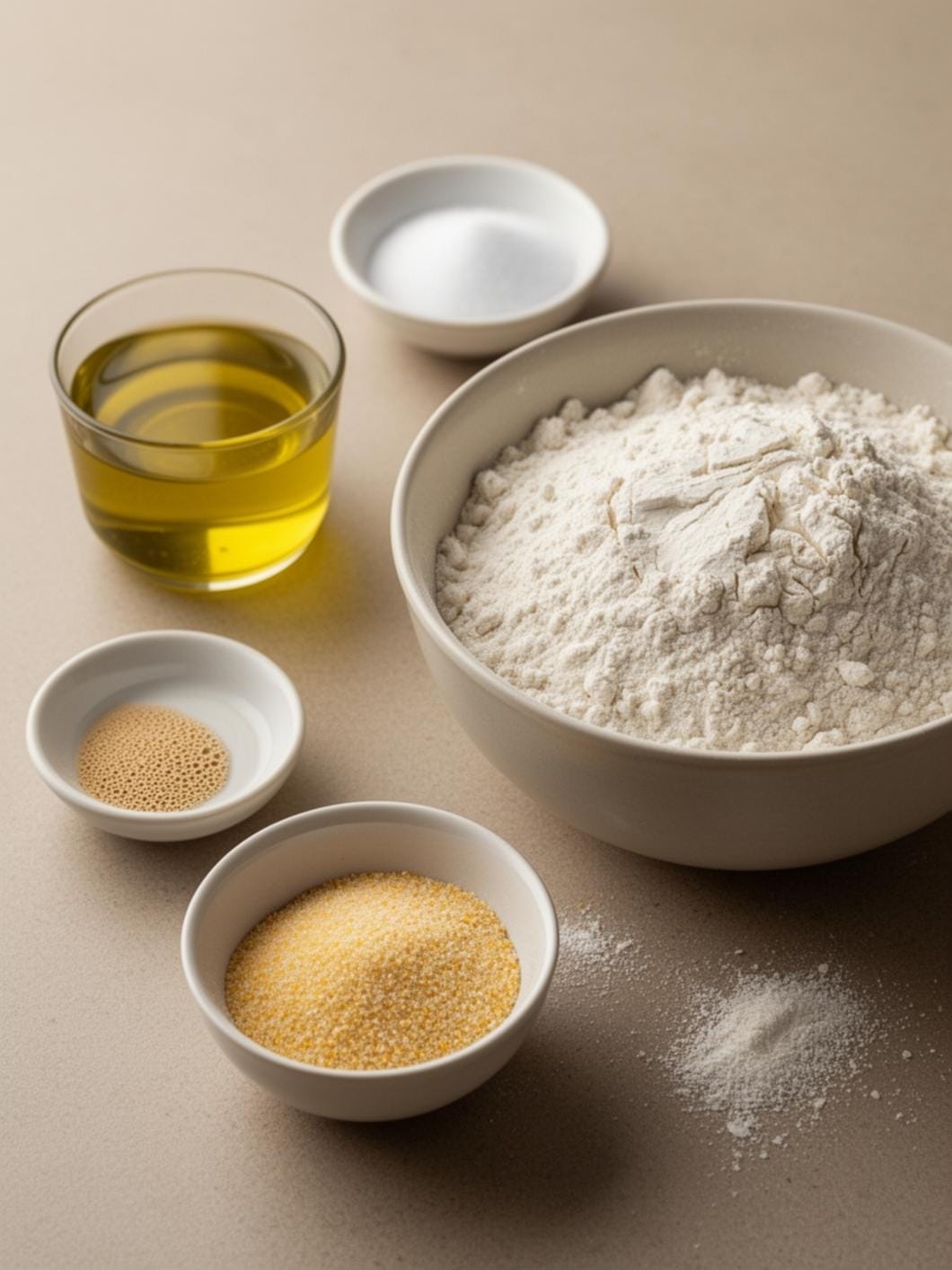
- 1 ½ cups warm water (105-115°F)
- 1 teaspoon active dry yeast
- 1 teaspoon granulated sugar
- 1 ½ teaspoons salt
- 4 cups bread flour, plus more for dusting
- 2 tablespoons olive oil, plus more for greasing
- Cornmeal, for dusting
For the bread flour, while bread flour is recommended for its higher protein content which contributes to the chewiness, you can use all-purpose flour in a pinch. Just be aware that the texture might be slightly less chewy. The olive oil is crucial for both flavor and preventing sticking, so I don’t recommend skipping it. If you don’t have active dry yeast, instant yeast can be used; you won’t need to proof it in warm water with sugar first, just add it directly to the dry ingredients.
Time Needed From Start To Finish
This recipe is designed to be manageable within a reasonable timeframe, allowing you to enjoy fresh, homemade bread bowls without spending all day in the kitchen.
- Prep time: 20 minutes
- Rise time: 1.5 – 2 hours
- Cook time: 25-30 minutes
- Total time: Approximately 2 hours 15 minutes – 2 hours 50 minutes
The bulk of the time is dedicated to the dough rising, which is mostly hands-off. The active preparation and baking time are quite quick, making this a perfect project for a weekend afternoon or even a relaxed weeknight.
How To Make It Step By Step With Visual Cues

Creating these sourdough bread bowls is a rewarding process, and following these steps will ensure you get that perfect chewy texture and golden crust.
- Activate the Yeast: In a large mixing bowl, combine the warm water, active dry yeast, and sugar. Stir gently and let it sit for 5-10 minutes until the mixture becomes foamy. This foaminess is your visual cue that the yeast is alive and ready to work.
- Combine Wet and Dry Ingredients: Add the salt and 2 tablespoons of olive oil to the yeast mixture. Gradually add the bread flour, one cup at a time, mixing with a wooden spoon or a stand mixer with a dough hook until a shaggy dough forms.
- Knead the Dough: Turn the dough out onto a lightly floured surface and knead for 8-10 minutes until it’s smooth and elastic. If using a stand mixer, knead on medium speed for 6-8 minutes. The dough should spring back when lightly poked.
- First Rise: Lightly grease a clean large bowl with olive oil. Place the dough in the bowl, turning it once to coat. Cover the bowl with plastic wrap or a clean kitchen towel and let it rise in a warm place for 1.5 to 2 hours, or until doubled in size. This is a crucial step for developing flavor and texture; look for a noticeable increase in volume.
- Shape the Bread Bowls: Gently punch down the risen dough to release the air. Divide the dough into 4-6 equal portions, depending on your desired bread bowl size. Shape each portion into a tight, round ball. Place the shaped dough balls on a baking sheet lined with parchment paper and lightly dusted with cornmeal. Leave ample space between each ball.
- Second Rise and Preheat Oven: Cover the shaped dough balls loosely with plastic wrap or a clean towel and let them rise again for 30-45 minutes, or until visibly puffy. During the last 15 minutes of this rise, preheat your oven to 400°F (200°C).
- Bake the Bread Bowls: Score the top of each bread bowl with a sharp knife or razor blade (an “X” or a few parallel lines work well). This helps the bread expand evenly. Bake for 25-30 minutes, or until the crust is golden brown and the internal temperature reaches 200-210°F (93-99°C). The bottoms should sound hollow when tapped.
- Cool and Serve: Transfer the baked bread bowls to a wire rack to cool completely before hollowing them out and serving. Cooling prevents them from becoming gummy inside.
Easy Variations And Serving Ideas That Fit Real Life
These sourdough bread bowls are incredibly versatile, making them perfect for various meals and occasions. For a kid-friendly twist, you can make smaller bread bowls, which are easier for little hands to manage, and fill them with milder soups like creamy tomato or macaroni and cheese soup. You can also sprinkle a little grated Parmesan cheese on top of the dough before baking for an extra savory crust.
Beyond traditional soups, consider filling these with hearty stews, chili, or even a creamy chicken pot pie filling for a unique and comforting meal. For a party or buffet, offer a variety of fillings in smaller bread bowls, allowing guests to choose their favorite. Don’t forget the optional toppings! A swirl of sour cream, a sprinkle of fresh herbs like chives or parsley, or a dash of hot sauce can elevate any soup served in these bowls. You can also serve them alongside a fresh green salad for a complete and satisfying meal.
Common Slip-Ups And How To Avoid Them
Even experienced bakers can encounter small challenges, but knowing what to look out for can save your sourdough bread bowls.
- Not Activating the Yeast Properly: If your yeast mixture doesn’t get foamy, it means your yeast is likely dead or the water temperature was too hot or too cold. Always check the water temperature with a thermometer (105-115°F is ideal). If it doesn’t foam, discard and start with fresh yeast.
- Over-flouring the Dough: Adding too much flour can result in dense, dry bread bowls. Add flour gradually and stop when the dough is still slightly tacky but no longer sticky. The dough should be elastic, not stiff.
- Not Kneading Enough: Under-kneaded dough won’t develop enough gluten, leading to a less chewy texture. Knead until the dough is smooth and passes the “windowpane test” (you can stretch a small piece thin enough to see light through it without tearing).
- Rushing the Rise Times: Both the first and second rises are crucial for flavor development and a light, airy texture. Don’t shorten these times, even if you’re in a hurry. A warm, draft-free spot helps the dough rise efficiently.
- Not Cooling Completely Before Hollowing: If you cut into the bread bowls while they are still hot, the steam trapped inside will escape too quickly, potentially making the interior gummy or dense. Always let them cool on a wire rack for at least 30 minutes to an hour.
How To Store It And Make It Ahead Without Ruining Texture
These sourdough bread bowls are best enjoyed fresh, but you can certainly store them or prepare them ahead of time with a few tips to maintain their delicious texture.
Storage: Once baked and cooled, store the bread bowls in an airtight container or a large zip-top bag at room temperature for up to 2-3 days. If you’ve already hollowed them out, store the removed bread “lids” and interiors separately in their own airtight containers to prevent them from drying out.
Reheating: To bring back some of their freshness, you can lightly mist the bread bowls with water and reheat them in a preheated oven at 350°F (175°C) for 5-10 minutes, or until warmed through and the crust is slightly crisp again.
Make-Ahead Guidance: You can prepare the dough up to the first rise, then punch it down, shape it into balls, and place
FAQs
- Can I make these ahead? Yes—prep ahead, refrigerate, then serve when ready.
- How long do leftovers last? Store covered in the fridge for 3–4 days for best texture.
- Can I adjust sweetness? Yes—add more or less sweetener to taste.
- Can I change the fruit? Yes—swap strawberries for blueberries, raspberries, or sliced banana.