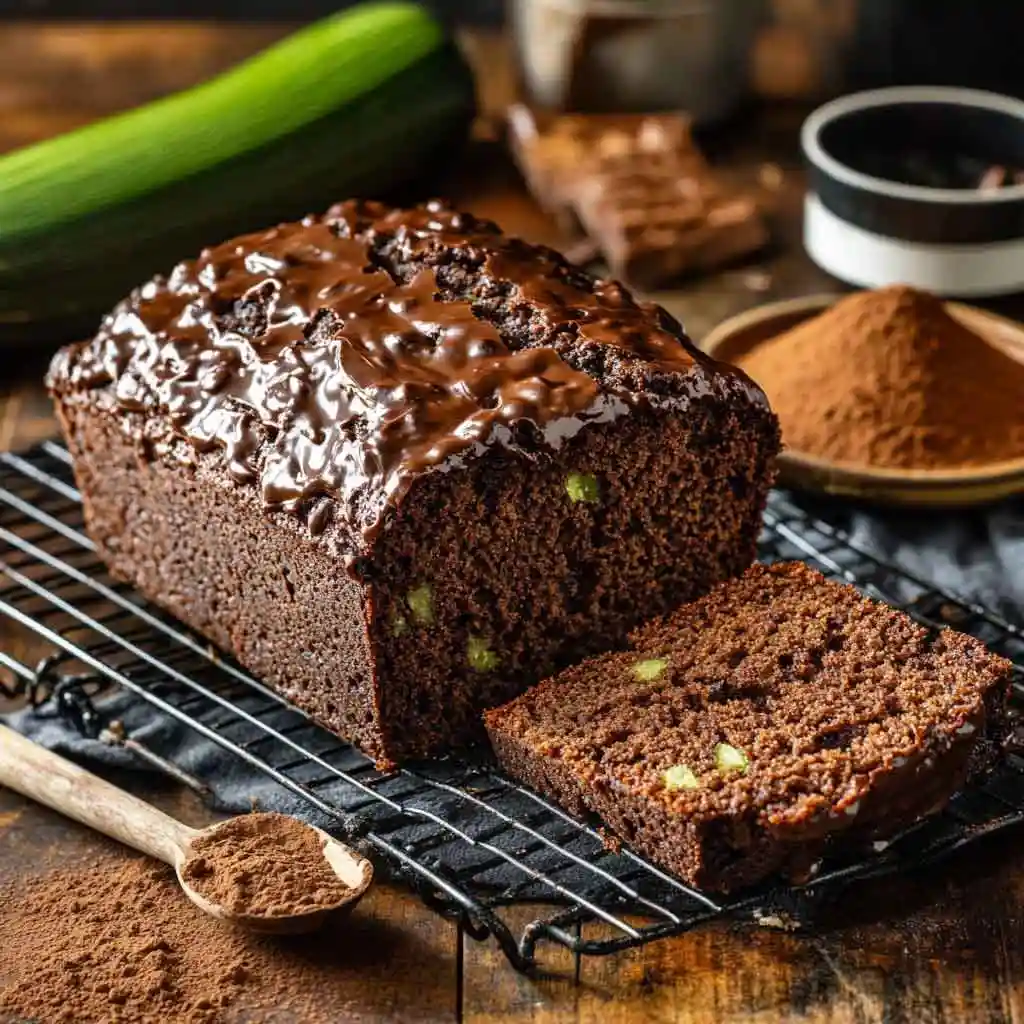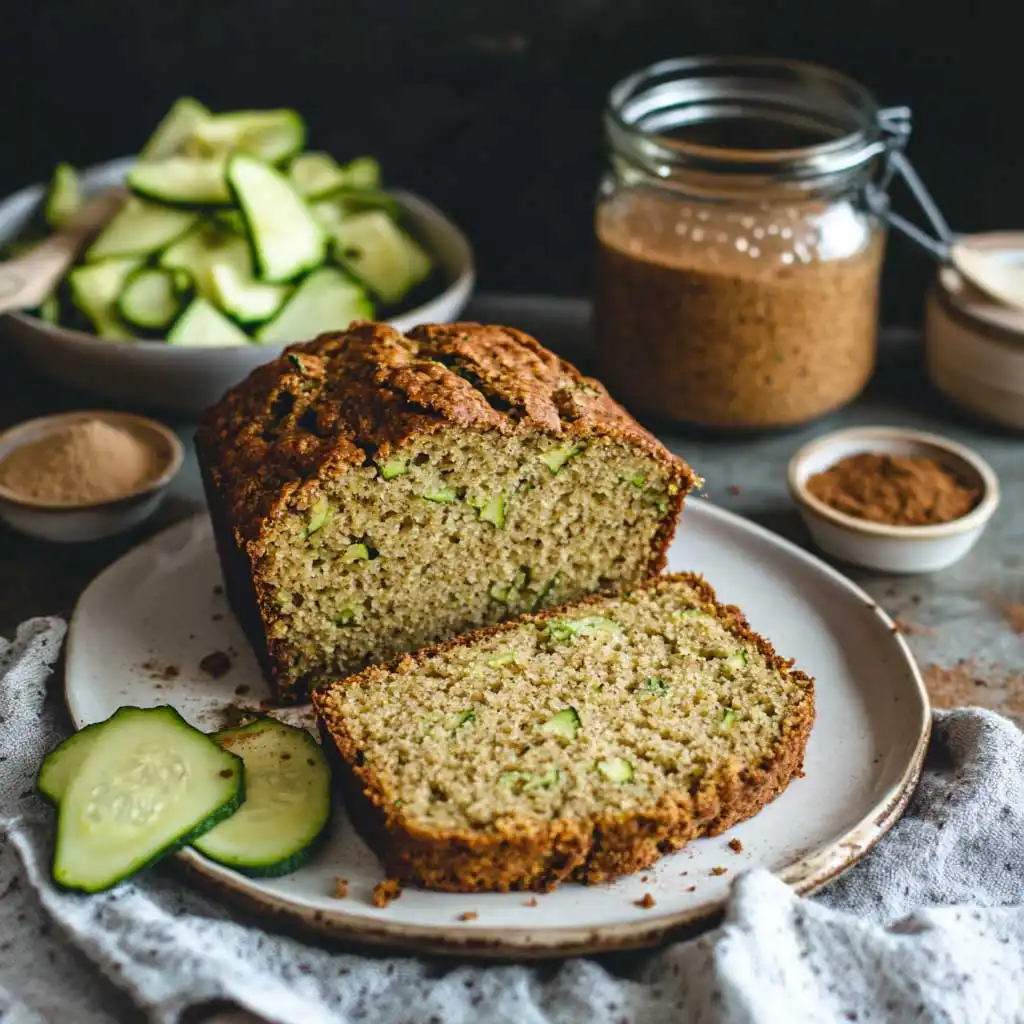

This amazing chocolate sourdough loaf combines the rich flavors of chocolate and hazelnut for a treat that tastes just like a brownie.

If you’ve been looking for a way to use your sourdough starter that’s a little different from your everyday loaf, this recipe is a game-changer. It’s surprisingly simple to make and delivers an incredibly decadent result that will have everyone asking for more.
Get ready to transform your kitchen into a bakery with the irresistible aroma of chocolate and toasted hazelnuts. This recipe walks you through how to make chocolate sourdough bread from scratch, using your active sourdough starter to create a loaf that’s rich, moist, and utterly delicious. Discover all the details to bake this brownie-like sourdough bread right in your own home.

Chocolate Hazelnut Sourdough Loaf
- Total Time: 7-12 hours
- Yield: 1 loaf 1x
Description
This amazing chocolate sourdough loaf combines the rich flavors of chocolate and hazelnut for a treat that tastes just like a brownie. If you’ve been looking for a way to use your sourdough starter that’s a little different from your everyday loaf, this recipe is a game-changer. It’s surprisingly simple to make and delivers an incredibly decadent result that will have everyone asking for more.
Ingredients
Instructions
1. 1. Combine Starter and Water: In a large mixing bowl, gently whisk together your active sourdough starter and warm water until the starter is mostly dissolved and bubbly. This ensures even distribution throughout the dough.
2. 2. Mix Dry Ingredients: In a separate bowl, whisk together the bread flour, unsweetened cocoa powder, granulated sugar, and fine sea salt. Make sure there are no lumps in the cocoa powder.
3. 3. Form the Dough: Add the dry ingredient mixture to the wet starter mixture. Use your hands or a sturdy spatula to mix until all the flour is hydrated and a shaggy dough forms. Cover the bowl with a clean kitchen towel or plastic wrap and let it rest for 30 minutes (this is called autolyse, and it helps the flour absorb water).
4. 4. Incorporate Inclusions: After the rest, sprinkle the chocolate chips and toasted chopped hazelnuts over the dough. Gently fold them in, ensuring they are evenly distributed. This might take a few minutes of squeezing and folding the dough.
5. 5. Perform Stretch and Folds: Over the next 2-3 hours, perform 3-4 sets of stretch and folds every 30-45 minutes. To do this, lightly dampen your hands, grab a portion of the dough from the edge, stretch it upwards, and fold it over the center. Rotate the bowl and repeat 3-4 times per set. This builds strength in the dough.
6. 6. Bulk Fermentation: After the stretch and folds, cover the bowl and let the dough bulk ferment at room temperature (around 70-75 F) for 4-6 hours, or until it has visibly increased in volume by about 30-50% and looks bubbly. The exact time will depend on the strength of your starter and your room temperature.
7. 7. Shape the Loaf: Gently turn the dough out onto a lightly floured surface. Shape it into a round or oblong loaf, being careful not to degas it too much. Place the shaped dough into a floured banneton or a bowl lined with a floured kitchen towel, seam-side up.
8. 8. Proofing and Baking: Cover the banneton/bowl and place it in the refrigerator for 2-4 hours for a shorter cold proof, or 8-12 hours (or overnight) for a deeper flavor development. Preheat your oven to 450 F (232 C) with a Dutch oven inside for at least 30 minutes. Carefully transfer the cold dough from the banneton into the hot Dutch oven, score the top with a sharp blade, and bake covered for 25 minutes. Remove the lid, reduce the temperature to 425 F (218 C), and bake for another 20-25 minutes, or until the crust is deep golden brown and the internal temperature reaches 200-210 F (93-99 C). Let it cool completely on a wire rack before slicing.
- Prep Time: 20 minutes
- Cook Time: 45-50 minutes
- Category: bread
- Method: baking
- Cuisine: american
Nutrition
- Serving Size: 1 slice
Keywords: sourdough, chocolate, hazelnut, bread, dessert, baking, sweet, loaf, homemade, comfort food
What You’ll Love About This Quick And Easy Recipe
This chocolate hazelnut sourdough loaf is truly a special treat that feels gourmet but is entirely approachable for home bakers. You’ll love how it transforms your active sourdough starter into something completely new and exciting, moving beyond traditional savory loaves. It’s perfect for anyone who enjoys baking with sourdough and wants to experiment with sweeter, more dessert-like applications. This recipe is fantastic for weekend baking projects, a delightful addition to brunch spreads, or even as a unique dessert after dinner. Imagine slicing into a warm piece, the chocolate melting slightly, and the hazelnuts adding a delightful crunch – it’s pure comfort.
Everything You Need To Make This Recipe Without Stress
Gathering your ingredients for this chocolate hazelnut sourdough loaf is straightforward, and many items you likely already have in your pantry. The key is using good quality chocolate and fresh hazelnuts to really make those flavors shine. Don’t worry about sourcing anything too exotic; simplicity is part of the charm of this recipe.
INGREDIENTS:

- 100 grams active sourdough starter
- 300 grams warm water (around 90-95°F)
- 500 grams bread flour
- 50 grams unsweetened cocoa powder
- 100 grams granulated sugar
- 10 grams fine sea salt
- 100 grams chocolate chips (dark or semi-sweet)
- 75 grams chopped hazelnuts, toasted
- 2 tablespoons olive oil (for greasing)
For the bread flour, a good quality unbleached bread flour will give you the best structure, but all-purpose flour can work in a pinch if that’s what you have on hand. When it comes to chocolate chips, feel free to use your favorite – dark chocolate chips will give a more intense brownie-like flavor, while semi-sweet offers a classic balance. If you don’t have hazelnuts, walnuts or pecans can be a decent substitute, though the hazelnut flavor is really what makes this loaf special. Toasting the hazelnuts before adding them is a small step that makes a big difference in flavor, bringing out their nutty aroma.
Time Needed From Start To Finish
While sourdough baking does involve some waiting for fermentation, the active hands-on time for this chocolate hazelnut loaf is quite manageable.
- Prep Time: 20 minutes (mixing dough, folding)
- Bulk Fermentation: 4-6 hours (depending on starter activity and room temperature)
- Proofing: 2-4 hours (cold proofing can extend to 8-12 hours)
- Bake Time: 45-50 minutes
- Total Time: Approximately 7-12 hours (including fermentation and proofing, but much of this is hands-off waiting)
How To Make It Step By Step With Visual Cues

Making this chocolate hazelnut sourdough loaf is a rewarding process. Follow these steps for a delicious, brownie-like bread.
- Combine Starter and Water: In a large mixing bowl, gently whisk together your active sourdough starter and warm water until the starter is mostly dissolved and bubbly. This ensures even distribution throughout the dough.
- Mix Dry Ingredients: In a separate bowl, whisk together the bread flour, unsweetened cocoa powder, granulated sugar, and fine sea salt. Make sure there are no lumps in the cocoa powder.
- Form the Dough: Add the dry ingredient mixture to the wet starter mixture. Use your hands or a sturdy spatula to mix until all the flour is hydrated and a shaggy dough forms. Cover the bowl with a clean kitchen towel or plastic wrap and let it rest for 30 minutes (this is called autolyse, and it helps the flour absorb water).
- Incorporate Inclusions: After the rest, sprinkle the chocolate chips and toasted chopped hazelnuts over the dough. Gently fold them in, ensuring they are evenly distributed. This might take a few minutes of squeezing and folding the dough.
- Perform Stretch and Folds: Over the next 2-3 hours, perform 3-4 sets of stretch and folds every 30-45 minutes. To do this, lightly dampen your hands, grab a portion of the dough from the edge, stretch it upwards, and fold it over the center. Rotate the bowl and repeat 3-4 times per set. This builds strength in the dough.
- Bulk Fermentation: After the stretch and folds, cover the bowl and let the dough bulk ferment at room temperature (around 70-75°F) for 4-6 hours, or until it has visibly increased in volume by about 30-50% and looks bubbly. The exact time will depend on the strength of your starter and your room temperature.
- Shape the Loaf: Gently turn the dough out onto a lightly floured surface. Shape it into a round or oblong loaf, being careful not to degas it too much. Place the shaped dough into a floured banneton or a bowl lined with a floured kitchen towel, seam-side up.
- Proofing and Baking: Cover the banneton/bowl and place it in the refrigerator for 2-4 hours for a shorter cold proof, or 8-12 hours (or overnight) for a deeper flavor development. Preheat your oven to 450°F (232°C) with a Dutch oven inside for at least 30 minutes. Carefully transfer the cold dough from the banneton into the hot Dutch oven, score the top with a sharp blade, and bake covered for 25 minutes. Remove the lid, reduce the temperature to 425°F (218°C), and bake for another 20-25 minutes, or until the crust is deep golden brown and the internal temperature reaches 200-210°F (93-99°C). Let it cool completely on a wire rack before slicing.
Easy Variations And Serving Ideas That Fit Real Life
This chocolate hazelnut sourdough loaf is fantastic on its own, but there are many ways to enjoy and adapt it to your family’s preferences. For a richer chocolate experience, you could add a handful of white chocolate chips along with the dark or semi-sweet ones. If you’re not a fan of hazelnuts, toasted pecans or walnuts would also be delicious, or you could omit nuts entirely for a pure chocolate sourdough.
Serving this loaf is where the fun truly begins. It’s incredible sliced and toasted, then spread with a little butter or a dollop of cream cheese. For an extra decadent treat, try it with a smear of Nutella – doubling down on that chocolate hazelnut goodness! It also makes a wonderful base for a unique French toast, soaking up the egg mixture and creating a breakfast that feels truly special. Kids often love this bread simply sliced, especially if you warm it slightly so the chocolate chips are gooey. It’s also a fantastic addition to a dessert platter or a coffee break with friends.
Common Slip-Ups And How To Avoid Them
Even experienced bakers can make small mistakes, and sourdough has its own quirks. Here are a few common slip-ups to watch out for with this chocolate hazelnut loaf:
- Under-proofing the Dough: This is a very common issue. If your dough hasn’t fermented enough during bulk fermentation or proofing, your loaf will be dense with a tight crumb. Look for visible bubbles and a noticeable increase in volume (30-50% for bulk, and the dough should feel light and airy when gently poked before baking).
- Over-proofing: On the flip side, over-proofed dough can collapse in the oven, resulting in a flat, gummy loaf. This often happens if the dough is left too long at a warm temperature. Pay attention to the visual cues and timing, and remember that cold proofing slows things down significantly.
- Not Activating Your Starter: Your sourdough starter needs to be active and bubbly before you use it. If it’s weak, your dough won’t rise properly. Feed your starter 4-12 hours before you plan to mix your dough, ensuring it’s at its peak activity.
- Adding Inclusions Too Early: While not disastrous, adding chocolate chips and nuts too early in the mixing process can sometimes hinder gluten development. It’s best to add them after the initial autolyse and before or during the first few stretch and folds.
- Slicing While Hot: It’s tempting to cut into a warm, fragrant loaf right out of the oven, but resist! Slicing hot sourdough can result in a gummy texture inside.

FAQs
- Can I make these ahead? Yes—prep ahead, refrigerate, then serve when ready.
- How long do leftovers last? Store covered in the fridge for 3–4 days for best texture.
- Can I adjust sweetness? Yes—add more or less sweetener to taste.
- Can I change the fruit? Yes—swap strawberries for blueberries, raspberries, or sliced banana.