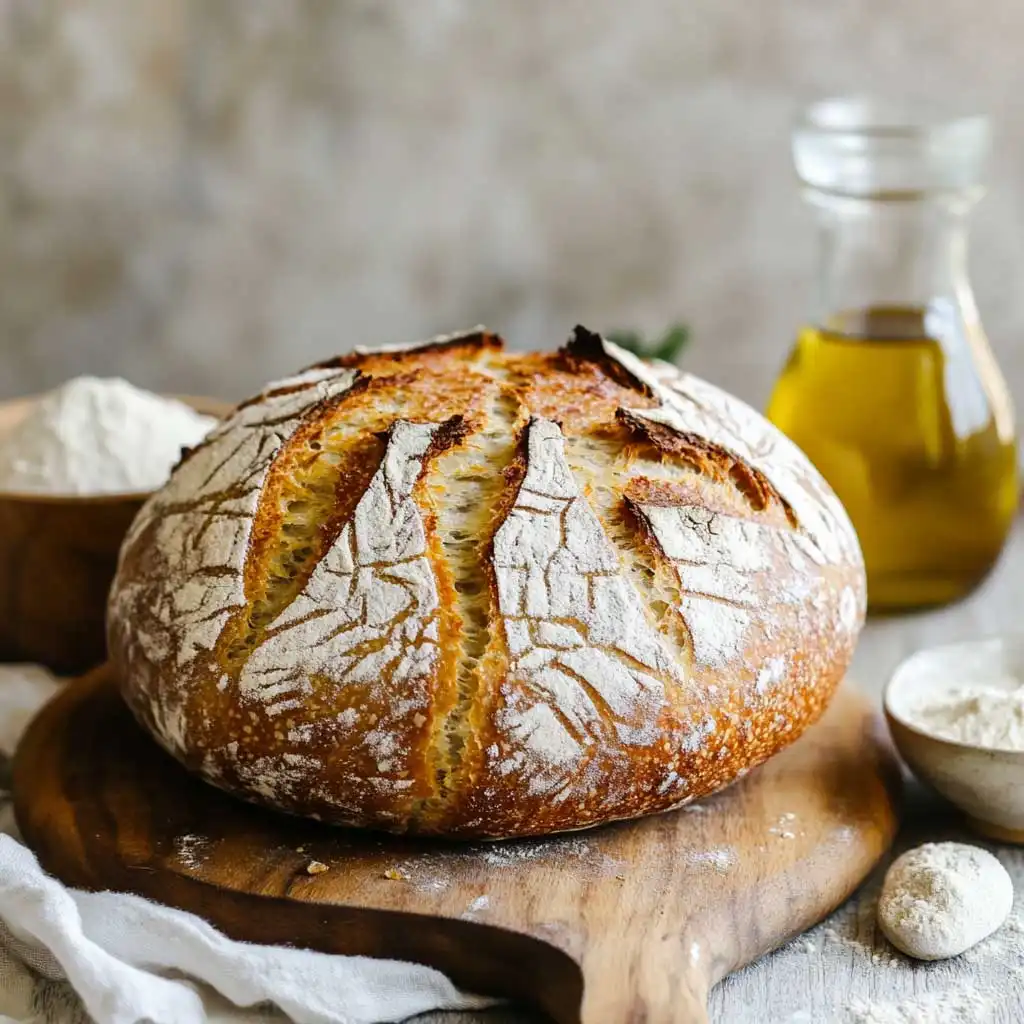

There’s nothing quite like the aroma of freshly baked bread filling your home, especially when it carries the comforting scents of cinnamon and sweet raisins.
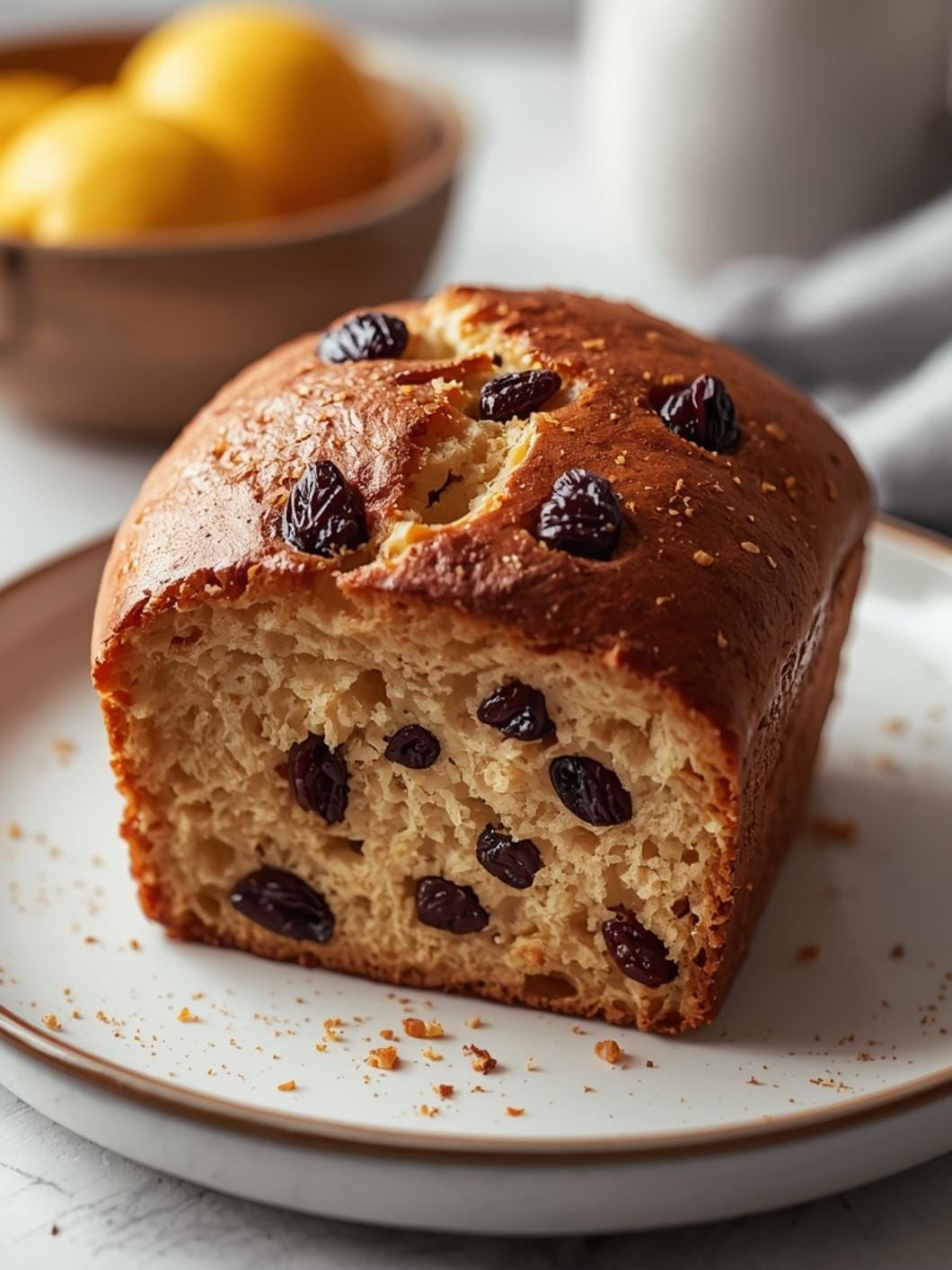
This recipe for Cinnamon Raisin Sourdough Bread, baked right in your Dutch oven, brings that cozy bakery experience straight to your kitchen with surprising ease. It’s a rustic, flavorful loaf that’s perfect for breakfast, brunch, or a delightful snack any time of day.
This Dutch oven method creates a beautiful, crusty exterior while keeping the inside wonderfully soft and chewy. The combination of tangy sourdough, warm cinnamon, and plump raisins makes every slice a treat. If you’ve been looking for a way to elevate your homemade bread game without a lot of fuss, this recipe is about to become your new favorite.

Cinnamon Raisin Sourdough Bread (Dutch Oven)
- Total Time: 14-17 hours (mostly inactive proofing time)
- Yield: 1 loaf 1x
Description
This recipe for Cinnamon Raisin Sourdough Bread, baked in a Dutch oven, brings a cozy bakery experience to your kitchen. It’s a rustic, flavorful loaf with a crusty exterior and soft, chewy interior, perfect for breakfast, brunch, or a delightful snack. The combination of tangy sourdough, warm cinnamon, and plump raisins makes every slice a treat, and the Dutch oven method ensures consistent results.
Ingredients
Instructions
1. Combine the Wet Ingredients: In a large mixing bowl, gently combine your active sourdough starter with the warm water. Stir until the starter is mostly dissolved. This ensures even distribution of the starter throughout the dough.
2. Add Dry Ingredients (Except Raisins): To the starter mixture, add the granulated sugar, salt, bread flour, and ground cinnamon. Mix with a wooden spoon or your hands until a shaggy dough forms and no dry spots of flour remain. The dough will be sticky at this stage.
3. Incorporate the Raisins: Turn the dough out onto a lightly floured surface. Gently knead for about 5 minutes, then flatten the dough slightly and sprinkle the raisins over the surface. Fold the dough over itself and continue to knead for another 2-3 minutes until the raisins are evenly distributed. Be careful not to over-knead, as this can tear the raisins.
4. First Rise (Bulk Fermentation): Place the dough back into the large, lightly oiled bowl. Cover the bowl with plastic wrap or a damp kitchen towel. Let it rise at room temperature (around 70-75 F) for 8-12 hours, or until it has nearly doubled in size and looks bubbly. This long, slow rise develops the sourdough’s characteristic flavor.
5. Shape the Loaf and Second Rise (Proofing): Gently turn the dough out onto a lightly floured surface. Shape it into a round or oval loaf. If you have a banneton basket, dust it with flour and place the dough seam-side up. Otherwise, place it seam-side down on a piece of parchment paper. Cover loosely with plastic wrap and let it proof for another 2-4 hours at room temperature, or until it looks puffy and springs back slowly when gently poked.
6. Preheat Dutch Oven and Bake: About 30 minutes before baking, place your Dutch oven with its lid into your oven and preheat to 450 F (230 C). Carefully remove the hot Dutch oven. If using parchment paper, lift the dough by the paper and carefully lower it into the hot Dutch oven. Score the top of the dough with a sharp knife or razor blade (a simple cross or a few parallel lines work well).
7. Bake Covered and Uncovered: Cover the Dutch oven with its lid and bake for 30 minutes. Remove the lid and continue to bake for another 15-25 minutes, or until the crust is deeply golden brown and the internal temperature reaches 200-210 F (93-99 C).
8. Cool Completely: Carefully remove the bread from the Dutch oven and transfer it to a wire rack. Let it cool completely for at least 1-2 hours before slicing. Slicing too early can result in a gummy texture. If desired, brush the warm loaf with melted butter for a softer crust and added flavor.
- Prep Time: 20 minutes
- Cook Time: 45-55 minutes
- Category: bread
- Method: baking
- Cuisine: american
Nutrition
- Serving Size: 1 slice
Keywords: sourdough, cinnamon, raisins, dutch oven, bread, breakfast, brunch, homemade, comfort food, baking
What You’ll Love About This Quick And Easy Recipe
This Cinnamon Raisin Sourdough Bread recipe is a true gem for several reasons. First, it harnesses the magic of a Dutch oven, which creates a steamy environment that mimics a professional bread oven, resulting in an incredible crust and a perfectly risen loaf. This means less guesswork and more consistent results, even for beginner bakers. It’s perfect for anyone who loves the idea of homemade bread but might be intimidated by complex techniques. Families will adore this bread; the sweet raisins and fragrant cinnamon make it a kid-friendly favorite, ideal for a weekend breakfast, a special brunch, or even as an after-school snack. Serving it warm with a pat of butter or a smear of cream cheese transforms a simple meal into a comforting experience.
Everything You Need To Make This Recipe Without Stress
Gathering your ingredients before you begin ensures a smooth and enjoyable baking process. You’ll find that most of these items are likely already in your pantry, making this a convenient recipe to whip up whenever the craving strikes.
INGREDIENTS:
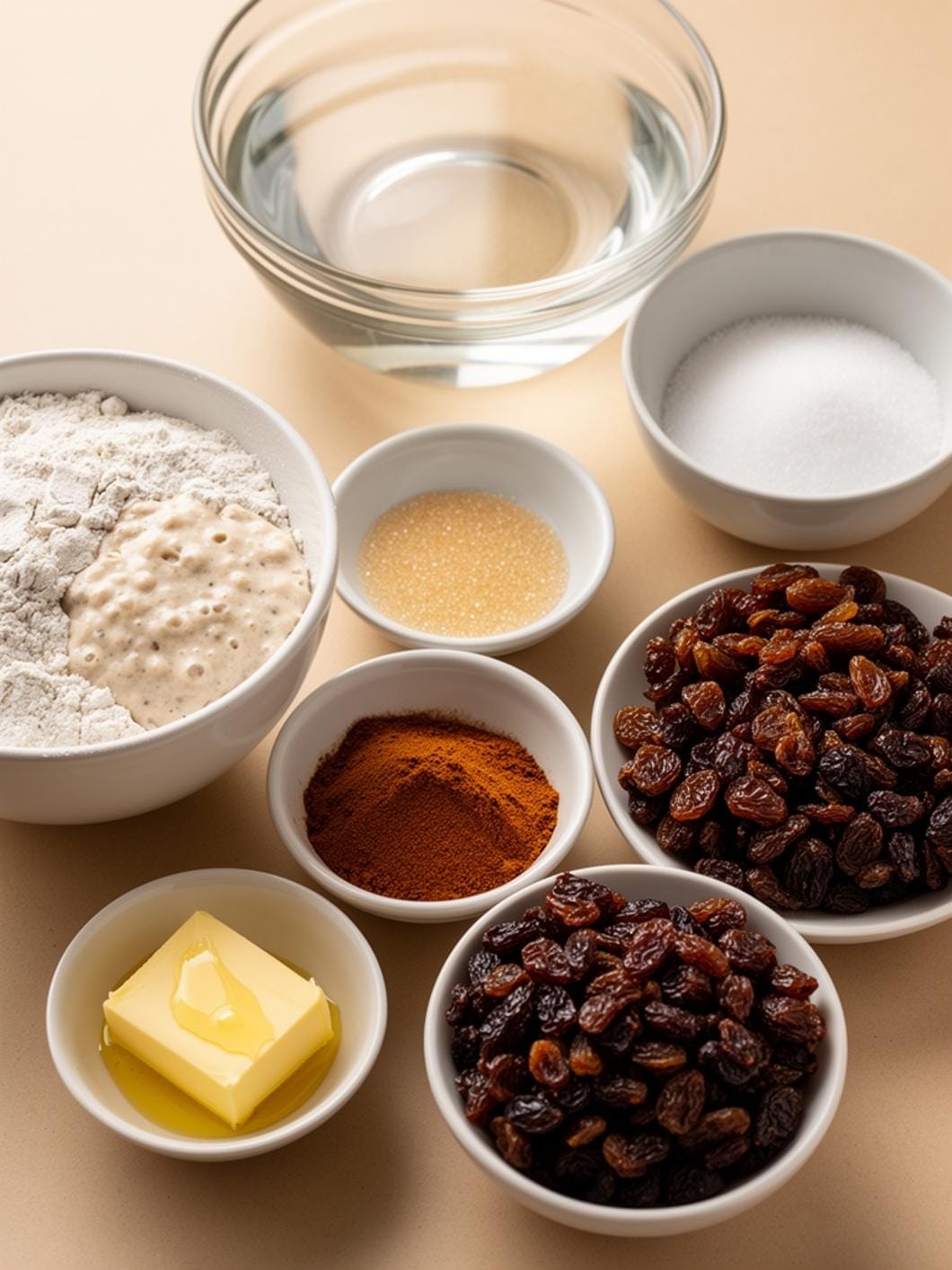
- 1 cup active sourdough starter, fed and bubbly
- 1 ½ cups warm water (around 95-105°F)
- 1 tablespoon granulated sugar
- 2 teaspoons salt
- 4 cups bread flour, plus more for dusting
- 1 tablespoon ground cinnamon
- 1 cup raisins
- 1 tablespoon unsalted butter, melted (for brushing, optional)
For the bread flour, while all-purpose flour can work in a pinch, bread flour has a higher protein content which contributes to a chewier texture and better structure, especially important for sourdough. When choosing raisins, any variety will do, but golden raisins can add a lovely visual contrast. Ensure your sourdough starter is active and bubbly; this is crucial for a good rise. If your starter isn’t quite ready, give it a few more hours after feeding until it’s showing signs of life.
Time Needed From Start To Finish
This recipe does require some waiting time for the dough to rise, which is typical for sourdough, but the active hands-on time is quite manageable.
- Prep Time: 20 minutes (mixing ingredients, folding)
- Proofing Time: 8-12 hours (first rise), 2-4 hours (second rise)
- Cook Time: 45-55 minutes
- Total Time: Approximately 14-17 hours (mostly inactive proofing time)
While the total time looks long, remember that most of it is hands-off, allowing the sourdough to develop its flavor and texture. You can easily fit the proofing stages around your daily schedule.
How To Make It Step By Step With Visual Cues
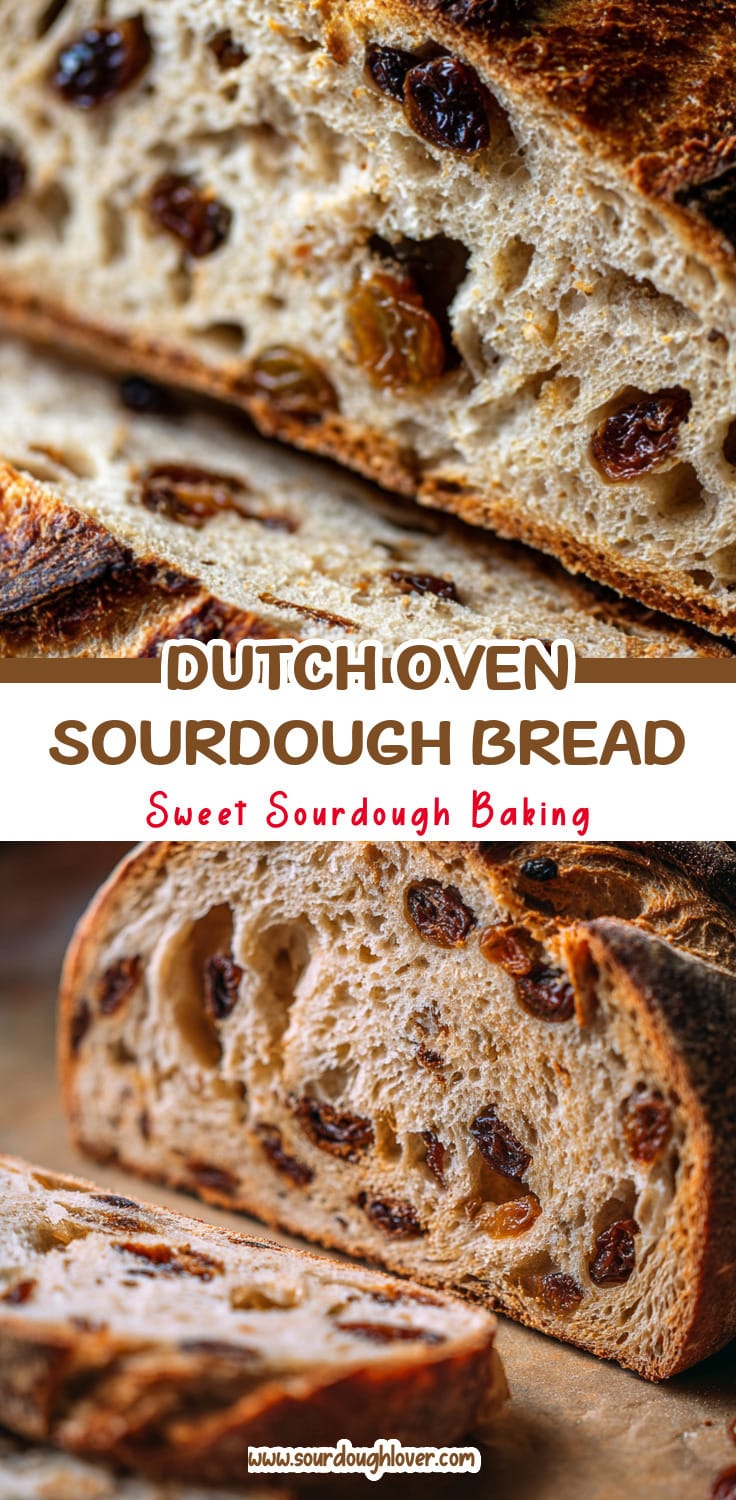
Follow these steps carefully to achieve a beautiful and delicious loaf of Cinnamon Raisin Sourdough Bread.
- Combine the Wet Ingredients: In a large mixing bowl, gently combine your active sourdough starter with the warm water. Stir until the starter is mostly dissolved. This ensures even distribution of the starter throughout the dough.
- Add Dry Ingredients (Except Raisins): To the starter mixture, add the granulated sugar, salt, bread flour, and ground cinnamon. Mix with a wooden spoon or your hands until a shaggy dough forms and no dry spots of flour remain. The dough will be sticky at this stage.
- Incorporate the Raisins: Turn the dough out onto a lightly floured surface. Gently knead for about 5 minutes, then flatten the dough slightly and sprinkle the raisins over the surface. Fold the dough over itself and continue to knead for another 2-3 minutes until the raisins are evenly distributed. Be careful not to over-knead, as this can tear the raisins.
- First Rise (Bulk Fermentation): Place the dough back into the large, lightly oiled bowl. Cover the bowl with plastic wrap or a damp kitchen towel. Let it rise at room temperature (around 70-75°F) for 8-12 hours, or until it has nearly doubled in size and looks bubbly. This long, slow rise develops the sourdough’s characteristic flavor.
- Shape the Loaf and Second Rise (Proofing): Gently turn the dough out onto a lightly floured surface. Shape it into a round or oval loaf. If you have a banneton basket, dust it with flour and place the dough seam-side up. Otherwise, place it seam-side down on a piece of parchment paper. Cover loosely with plastic wrap and let it proof for another 2-4 hours at room temperature, or until it looks puffy and springs back slowly when gently poked.
- Preheat Dutch Oven and Bake: About 30 minutes before baking, place your Dutch oven with its lid into your oven and preheat to 450°F (230°C). Carefully remove the hot Dutch oven. If using parchment paper, lift the dough by the paper and carefully lower it into the hot Dutch oven. Score the top of the dough with a sharp knife or razor blade (a simple cross or a few parallel lines work well).
- Bake Covered and Uncovered: Cover the Dutch oven with its lid and bake for 30 minutes. Remove the lid and continue to bake for another 15-25 minutes, or until the crust is deeply golden brown and the internal temperature reaches 200-210°F (93-99°C).
- Cool Completely: Carefully remove the bread from the Dutch oven and transfer it to a wire rack. Let it cool completely for at least 1-2 hours before slicing. Slicing too early can result in a gummy texture. If desired, brush the warm loaf with melted butter for a softer crust and added flavor.
Easy Variations And Serving Ideas That Fit Real Life
This Cinnamon Raisin Sourdough Bread is fantastic on its own, but there are many ways to customize it or serve it to make it even more special.
- Nutty Addition: For extra texture and flavor, add ½ cup of chopped walnuts or pecans along with the raisins in step 3.
- Citrus Zest: A teaspoon of orange or lemon zest added to the dough mixture can brighten the flavor profile beautifully.
- Sweet Glaze: For a sweeter treat, whisk together ½ cup powdered sugar with 1-2 tablespoons of milk or orange juice to create a simple glaze. Drizzle it over the cooled bread before serving.
- Breakfast Staple: Serve thick slices toasted with butter, cream cheese, or a dollop of fruit jam. It’s also wonderful alongside scrambled eggs or bacon.
- Snack Time: Enjoy a slice with your afternoon coffee or tea. Kids will love it plain or with a spread of their favorite nut butter.
- French Toast: Day-old slices make incredible French toast! The sourdough tang combined with cinnamon and raisins elevates this breakfast classic.
- Bread Pudding: Use leftover slices to make a comforting bread pudding. The flavors are already perfectly matched.
Common Slip-Ups And How To Avoid Them
Even experienced bakers can make mistakes, but knowing what to look out for can save your loaf.
- Inactive Sourdough Starter: If your starter isn’t active and bubbly, your bread won’t rise properly. Ensure it’s been fed recently and is at its peak activity before using. A simple float test (a small piece of starter floats in water) can confirm its readiness.
- Under-Proofing or Over-Proofing: This is a common issue. Under-proofed dough will be dense and have a tight crumb, while over-proofed dough might collapse in the oven. Look for visual cues: the dough should be noticeably larger, bubbly, and when gently poked, it should spring back slowly, leaving a slight indentation.
- Not Preheating the Dutch Oven: A hot Dutch oven is crucial for achieving a good oven spring and a crispy crust. Don’t skip the preheating step; it needs to be screaming hot when the dough goes in.
- Slicing Too Soon: It’s tempting to cut into a warm loaf, but resist! Slicing hot bread can lead to a gummy texture because the internal starches haven’t fully set. Let it cool completely on a wire rack for at least 1-2 hours.
- Over-Kneading with Raisins: While you want the raisins distributed, over-kneading after adding them can tear them apart and stain your dough. Fold them in gently and knead just enough to incorporate. *

FAQs
- Can I make these ahead? Yes—prep ahead, refrigerate, then serve when ready.
- How long do leftovers last? Store covered in the fridge for 3–4 days for best texture.
- Can I adjust sweetness? Yes—add more or less sweetener to taste.
- Can I change the fruit? Yes—swap strawberries for blueberries, raspberries, or sliced banana.