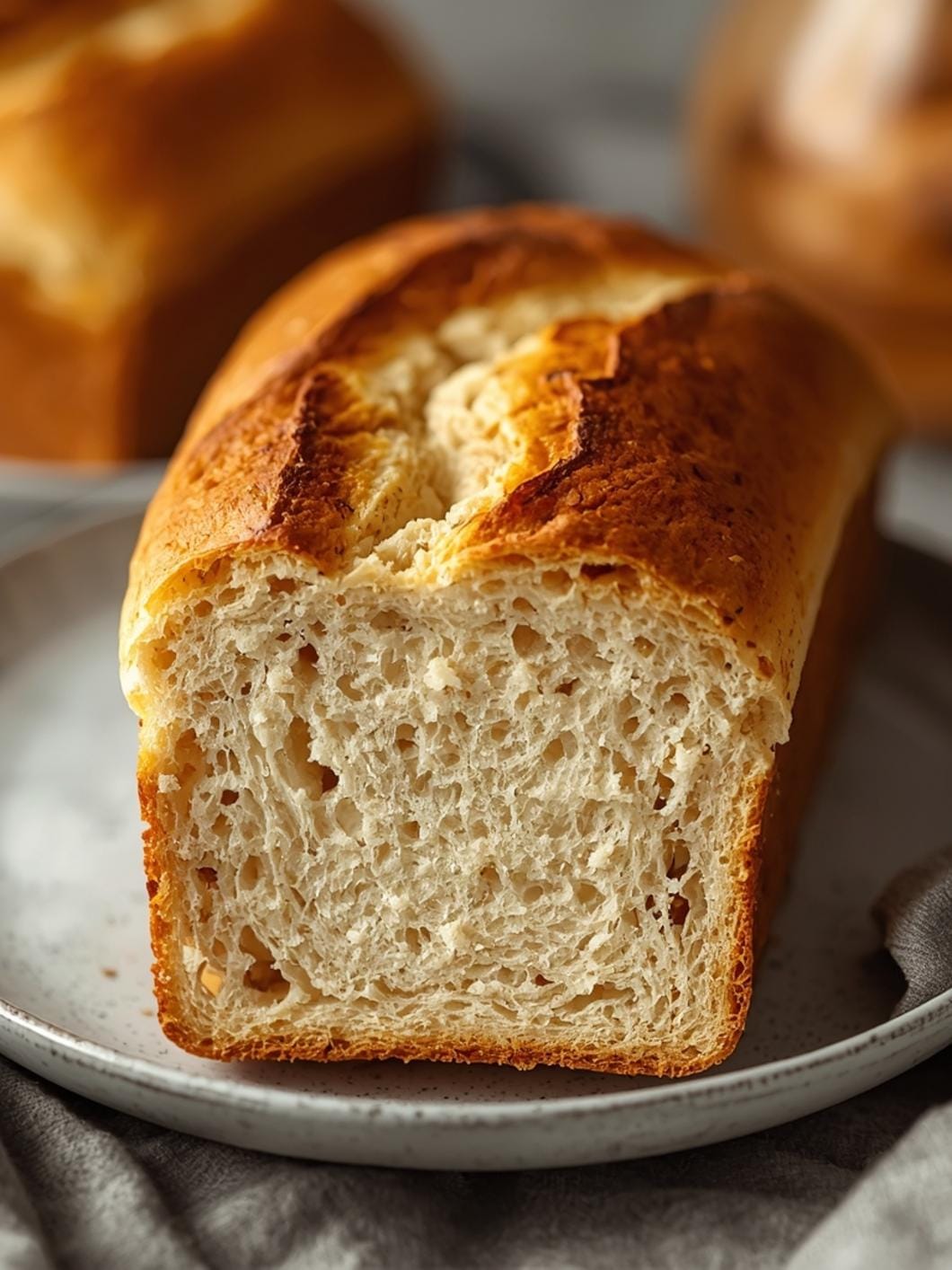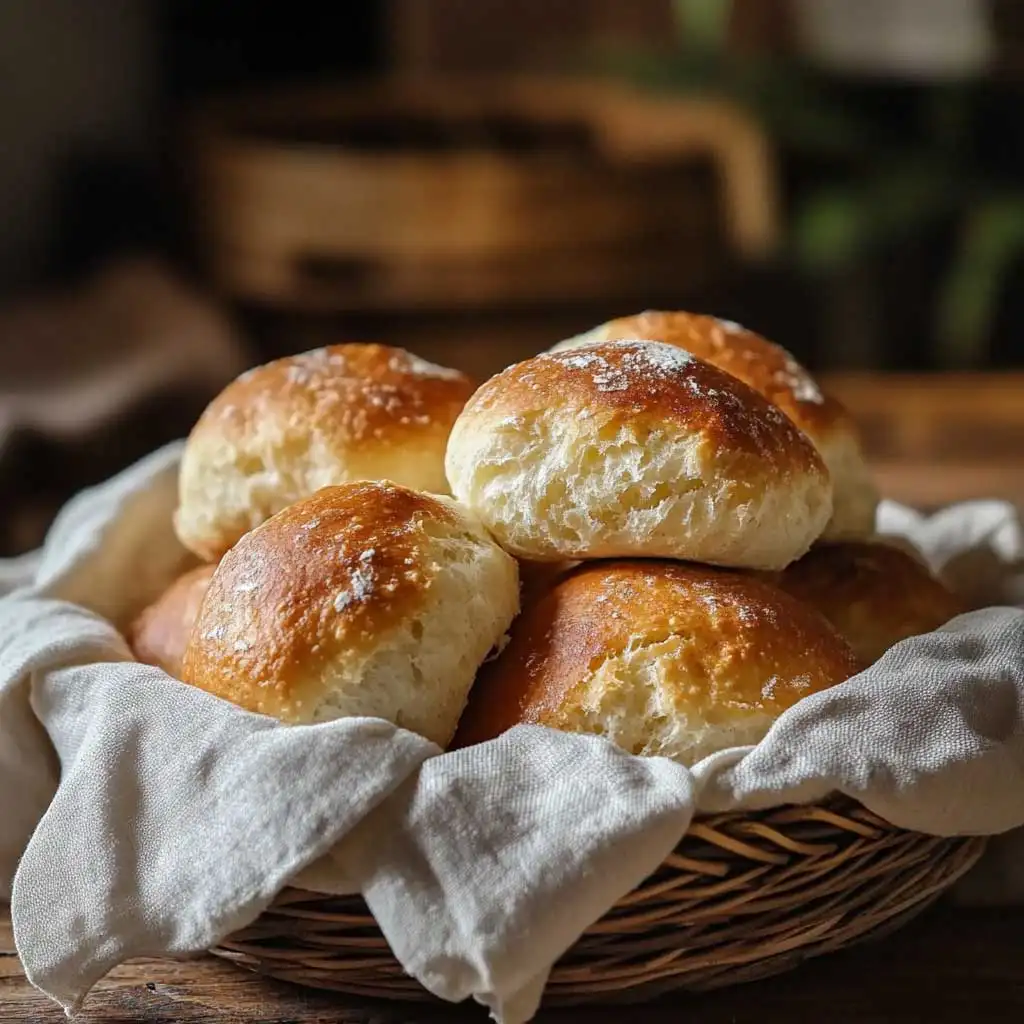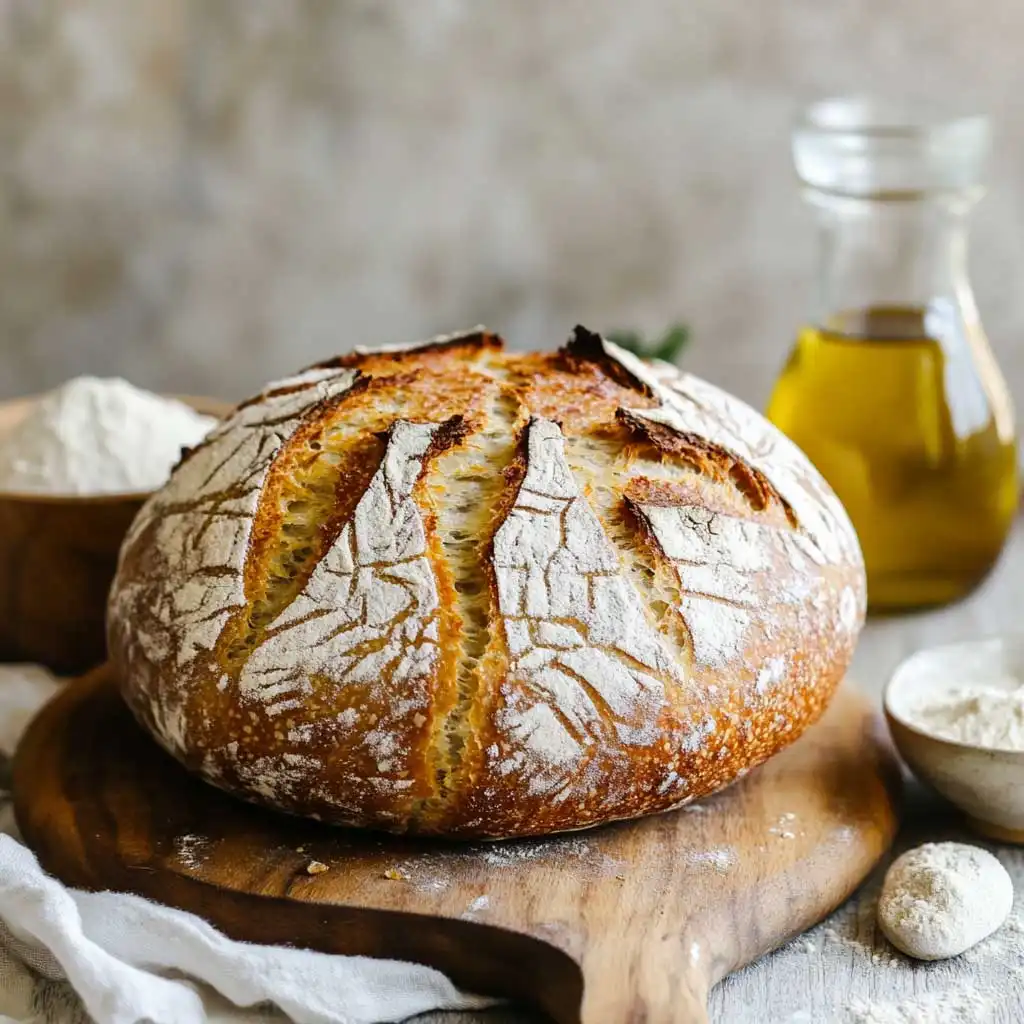

Craving that irresistible aroma and satisfying crunch of a fresh baguette, but think it’s too complicated to make at home? Think again! This classic French sourdough bread recipe brings the bakery experience right into your kitchen with surprising ease. You don’t need to be a seasoned baker to achieve a beautiful, golden-crusted loaf that will impress everyone at your table.
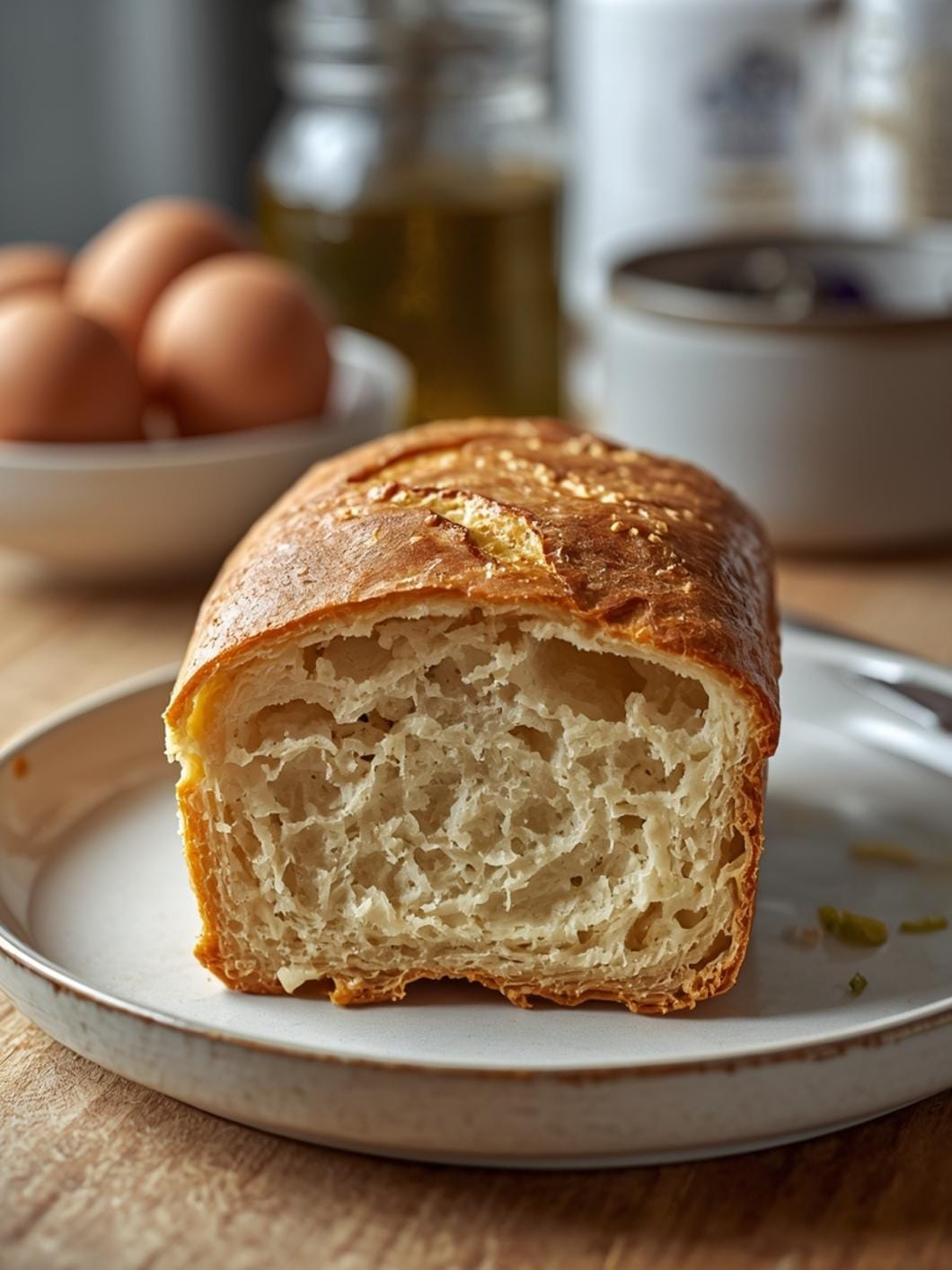
This recipe focuses on simplicity and delicious results, making homemade baguettes accessible for any home cook. We’ll walk through each step, ensuring you get that perfect texture and flavor every time. Get ready to enjoy warm, crusty bread that tastes like it came straight from a Parisian boulangerie, all from the comfort of your own home.

Classic Sourdough Baguettes
- Total Time: 5-7 hours
- Yield: 2-3 baguettes 1x
Description
This recipe makes homemade sourdough baguettes accessible for any home cook, delivering authentic sourdough flavor and texture without requiring an advanced degree in baking. It’s perfect for elevating weeknight meals or weekend brunches with minimal fuss.
Ingredients
Instructions
1. Combine Starter, Water, and Salt: In a large mixing bowl, gently whisk together the active sourdough starter, warm water, and salt until the salt is fully dissolved and the starter is mostly dispersed. The mixture will look milky and slightly bubbly.
2. Add Flour and Mix the Dough: Gradually add the all-purpose flour to the wet ingredients. Use a sturdy spoon or your hands to mix until a shaggy dough forms and no dry streaks of flour remain. Avoid overmixing at this stage; just ensure everything is incorporated. The dough will be sticky.
3. Perform Stretch and Folds for Strength: Cover the bowl with a clean kitchen towel or plastic wrap. Let the dough rest for 30 minutes. After resting, perform your first set of “stretch and folds.” With wet hands, grab a portion of the dough from the edge, stretch it upwards, and fold it over the center. Rotate the bowl a quarter turn and repeat this process 3-4 more times until you’ve gone around the entire dough. Repeat this stretch and fold process every 30 minutes for a total of 3-4 times over the next 1.5 to 2 hours. You’ll notice the dough becoming smoother and more elastic with each set.
4. Bulk Fermentation (First Rise): After the stretch and folds, cover the bowl again and let the dough rest at room temperature (ideally around 70-75 F) for 2-3 hours, or until it has visibly increased in volume by about 30-50% and looks bubbly. The dough should feel light and airy.
5. Shape the Baguettes: Gently turn the dough out onto a lightly floured surface. Divide the dough into 2 or 3 equal portions, depending on your desired baguette size. Gently pre-shape each portion into a loose cylinder or rectangle, then let them rest for 15-20 minutes, covered, to relax the gluten. To form the baguettes, take one piece of dough, gently flatten it into a rectangle. Fold the top edge down to the center and press to seal. Fold the bottom edge up to meet the top, and press to seal again. Then, fold the entire dough in half lengthwise and seal the seam firmly with the heel of your hand. Gently roll the dough back and forth to lengthen it into a baguette shape, tapering the ends slightly. Aim for a length that fits your baking sheet.
6. Proof the Baguettes: Carefully transfer the shaped baguettes to a floured couche (a linen cloth designed for proofing baguettes) or a baking sheet lined with parchment paper and floured kitchen towels folded to create “flutes” between the loaves. Dust the baguettes lightly with flour. Cover them loosely with plastic wrap or a clean towel and let them proof at room temperature for 1-2 hours, or until they look puffy and slightly larger. They should pass the “poke test” – when gently poked with a floured finger, the indentation should spring back slowly.
7. Prepare for Baking and Score: Preheat your oven to 450 F (230 C) with a baking stone or heavy baking sheet inside. If you have a Dutch oven or a steam tray, place it in the oven to preheat as well. Just before baking, carefully transfer the baguettes to the hot baking stone/sheet. Using a very sharp knife or a razor blade (lame), make 3-5 diagonal slashes across the top of each baguette, about 1/4 to 1/2 inch deep. This allows the bread to expand properly.
8. Bake with Steam: If using a steam tray, pour about 1/2 cup of hot water into it immediately after placing the baguettes in the oven (be careful of steam!). Bake for 25-30 minutes, or until the baguettes are deep golden brown and sound hollow when tapped on the bottom. If your oven has a convection setting, you can use it for the last 5-10 minutes for extra crispiness. Let cool on a wire rack before slicing and serving.
- Prep Time: 15 minutes
- Cook Time: 25-30 minutes
- Category: main dish
- Method: baking
- Cuisine: french
Nutrition
- Serving Size: 1 baguette
Keywords: sourdough, baguette, bread, french, baking, homemade, artisan, crusty, easy, starter
What You’ll Love About This Quick And Easy Recipe
This sourdough baguette recipe is a true game-changer for anyone who loves fresh bread but feels intimidated by traditional baking. It works because it streamlines the process, focusing on essential steps without unnecessary complications. This recipe is perfect for busy parents, new bakers, or anyone looking to elevate their weeknight meals or weekend brunches with minimal fuss. Imagine serving warm, crusty baguettes alongside a hearty soup, a fresh salad, or simply with some good butter and cheese. It transforms an ordinary meal into something special and memorable. The beauty of this recipe lies in its ability to deliver authentic sourdough flavor and texture without requiring an advanced degree in baking. It’s designed for real life, making it possible to enjoy artisan-quality bread even on a tight schedule.
Everything You Need To Make This Recipe Without Stress
Gathering your ingredients before you start baking is key to a smooth and enjoyable process. This recipe uses straightforward items that are easily found in most grocery stores, ensuring you won’t have to hunt for obscure specialty products. The quality of your ingredients will contribute to the final flavor, so opt for good quality flour if possible.
INGREDIENTS:
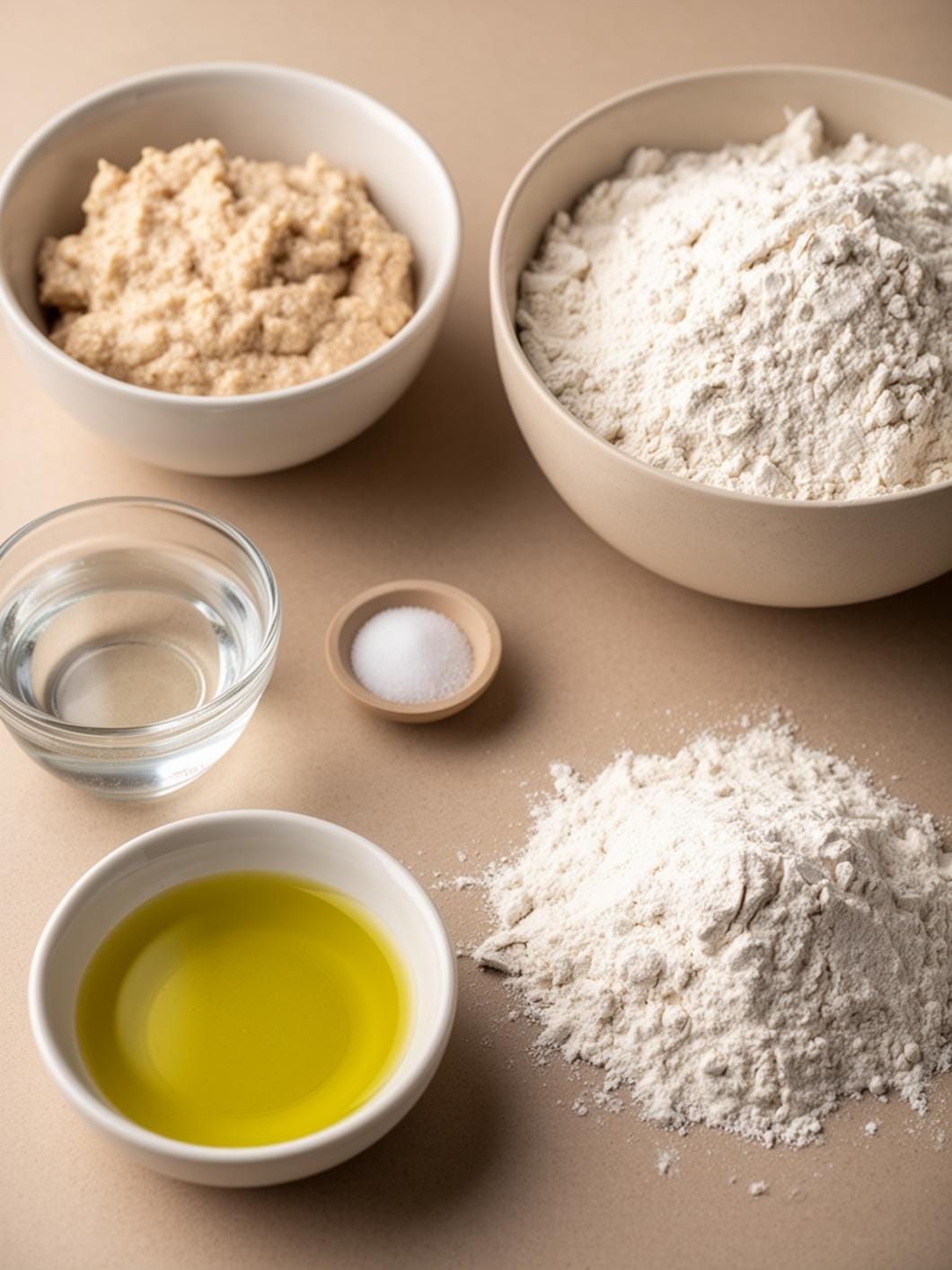
- 1 cup active sourdough starter
- 1 ½ cups warm water (about 95-105°F)
- 1 teaspoon salt
- 4 cups all-purpose flour, plus more for dusting
- Olive oil, for greasing
- Rice flour, for dusting (optional, but helps prevent sticking)
For the flour, while all-purpose works wonderfully, you can experiment with bread flour for a slightly chewier texture, though it’s not necessary for a fantastic result. Ensure your sourdough starter is active and bubbly; this is crucial for the bread’s rise and flavor. If your starter isn’t quite ready, feed it 4-12 hours before you plan to bake. The salt is essential for flavor and controlling the fermentation, so don’t be tempted to skip it. A little olive oil helps with handling the dough and preventing sticking, and rice flour is a baker’s secret for dusting proofing baskets or surfaces, as it’s less likely to absorb moisture and stick to the dough than wheat flour.
Time Needed From Start To Finish
Understanding the timeline for this recipe will help you plan your baking day effectively, even though much of the time is hands-off.
- Prep Time: 15 minutes
- Bulk Fermentation (First Rise): 3-4 hours (hands-off)
- Shaping & Proofing (Second Rise): 1-2 hours (mostly hands-off)
- Bake Time: 25-30 minutes
- Total Time: Approximately 5 to 7 hours, with only about 40-50 minutes of active work.
While the total time might seem long, remember that most of it is waiting for the dough to do its thing. This makes it a perfect project to start in the morning and have fresh baguettes ready for dinner.
How To Make It Step By Step With Visual Cues

Creating beautiful sourdough baguettes is a rewarding process. Follow these steps carefully for the best results, paying attention to the feel and appearance of the dough.
- Combine Starter, Water, and Salt: In a large mixing bowl, gently whisk together the active sourdough starter, warm water, and salt until the salt is fully dissolved and the starter is mostly dispersed. The mixture will look milky and slightly bubbly.
- Add Flour and Mix the Dough: Gradually add the all-purpose flour to the wet ingredients. Use a sturdy spoon or your hands to mix until a shaggy dough forms and no dry streaks of flour remain. Avoid overmixing at this stage; just ensure everything is incorporated. The dough will be sticky.
- Perform Stretch and Folds for Strength: Cover the bowl with a clean kitchen towel or plastic wrap. Let the dough rest for 30 minutes. After resting, perform your first set of “stretch and folds.” With wet hands, grab a portion of the dough from the edge, stretch it upwards, and fold it over the center. Rotate the bowl a quarter turn and repeat this process 3-4 more times until you’ve gone around the entire dough. Repeat this stretch and fold process every 30 minutes for a total of 3-4 times over the next 1.5 to 2 hours. You’ll notice the dough becoming smoother and more elastic with each set.
- Bulk Fermentation (First Rise): After the stretch and folds, cover the bowl again and let the dough rest at room temperature (ideally around 70-75°F) for 2-3 hours, or until it has visibly increased in volume by about 30-50% and looks bubbly. The dough should feel light and airy.
- Shape the Baguettes: Gently turn the dough out onto a lightly floured surface. Divide the dough into 2 or 3 equal portions, depending on your desired baguette size. Gently pre-shape each portion into a loose cylinder or rectangle, then let them rest for 15-20 minutes, covered, to relax the gluten. To form the baguettes, take one piece of dough, gently flatten it into a rectangle. Fold the top edge down to the center and press to seal. Fold the bottom edge up to meet the top, and press to seal again. Then, fold the entire dough in half lengthwise and seal the seam firmly with the heel of your hand. Gently roll the dough back and forth to lengthen it into a baguette shape, tapering the ends slightly. Aim for a length that fits your baking sheet.
- Proof the Baguettes: Carefully transfer the shaped baguettes to a floured couche (a linen cloth designed for proofing baguettes) or a baking sheet lined with parchment paper and floured kitchen towels folded to create “flutes” between the loaves. Dust the baguettes lightly with flour. Cover them loosely with plastic wrap or a clean towel and let them proof at room temperature for 1-2 hours, or until they look puffy and slightly larger. They should pass the “poke test” – when gently poked with a floured finger, the indentation should spring back slowly.
- Prepare for Baking and Score: Preheat your oven to 450°F (230°C) with a baking stone or heavy baking sheet inside. If you have a Dutch oven or a steam tray, place it in the oven to preheat as well. Just before baking, carefully transfer the baguettes to the hot baking stone/sheet. Using a very sharp knife or a razor blade (lame), make 3-5 diagonal slashes across the top of each baguette, about ¼ to ½ inch deep. This allows the bread to expand properly.
- Bake with Steam: If using a steam tray, pour about ½ cup of hot water into it immediately after placing the baguettes in the oven (be careful of steam!). Bake for 25-30 minutes, or until the baguettes are deep golden brown and sound hollow when tapped on the bottom. If your oven has a convection setting, you can use it for the last 5-10 minutes for extra crispiness. Let cool on a wire rack before slicing and serving.
Easy Variations And Serving Ideas That Fit Real Life
This classic sourdough baguette is incredibly versatile and can be enjoyed in countless ways. For a quick snack, slice it and serve with good quality olive oil and balsamic vinegar for dipping. It’s also fantastic alongside a hearty bowl of soup, like a French onion or tomato bisque, perfect for soaking up every last drop.
To make it kid-friendly, simply slice the baguette into smaller pieces and serve with butter, jam, or even a simple cheese spread. For a more adventurous option, turn it into mini pizzas by adding a dollop of tomato sauce, shredded mozzarella, and their favorite toppings, then bake until golden.
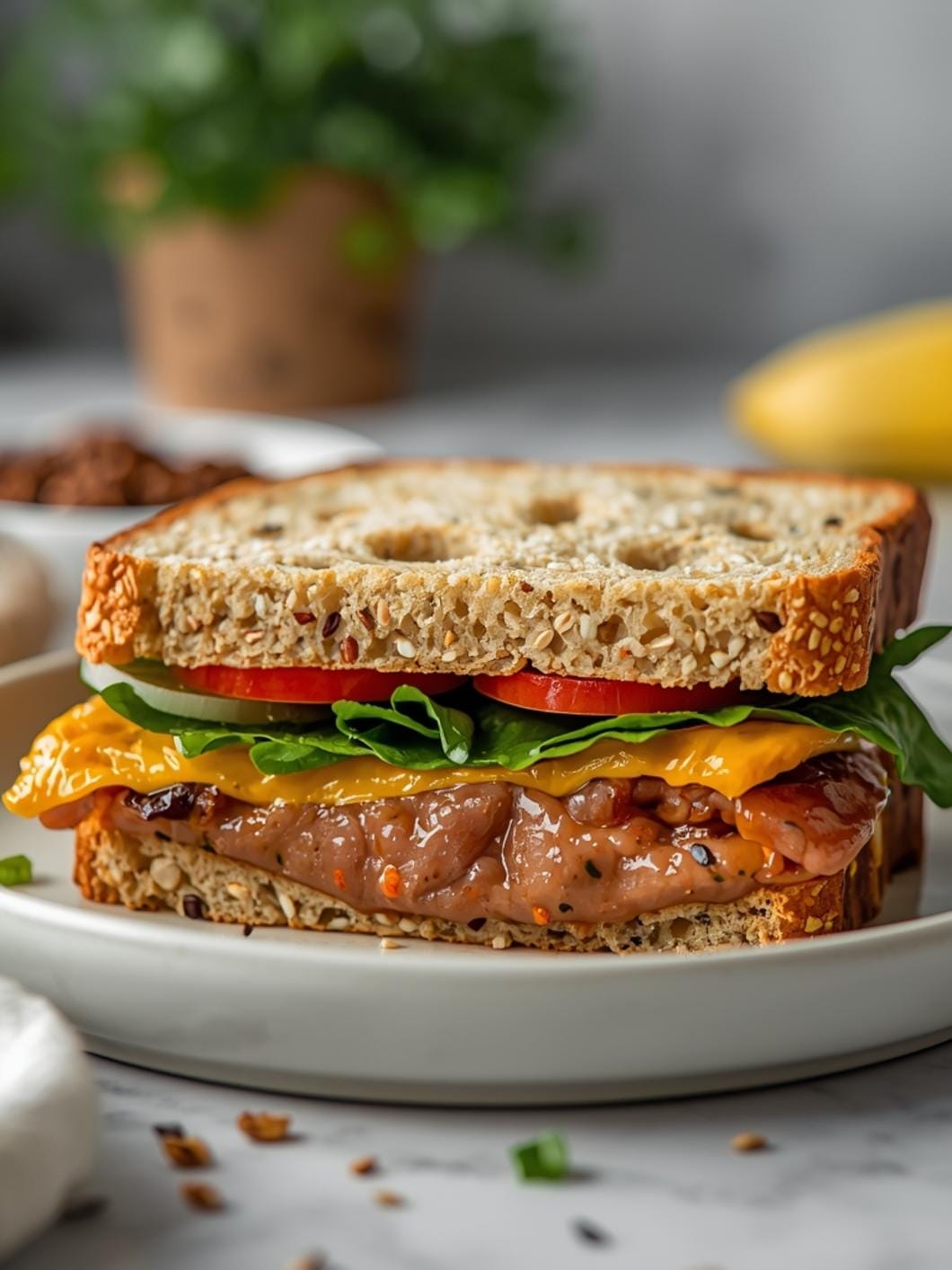
Consider making garlic bread by spreading softened butter mixed with minced garlic and parsley over slices, then toasting them in the oven. For a party or buffet, a platter of sliced baguettes with various toppings like bruschetta, tapenade, or a simple cheese and charcuterie spread is always a hit. You can also make delicious sandwiches or crostini with these baguettes. The possibilities are endless!
Common Slip-Ups And How To Avoid Them
Even experienced bakers can encounter small challenges, but knowing what to look out for can save your loaf. One common mistake is using an inactive sourdough starter. If your starter isn’t bubbly and active, your bread won’t rise properly. Always feed your starter 4-12 hours before you plan to bake and ensure it’s

FAQs
- Can I make these ahead? Yes—prep ahead, refrigerate, then serve when ready.
- How long do leftovers last? Store covered in the fridge for 3–4 days for best texture.
- Can I adjust sweetness? Yes—add more or less sweetener to taste.
- Can I change the fruit? Yes—swap strawberries for blueberries, raspberries, or sliced banana.