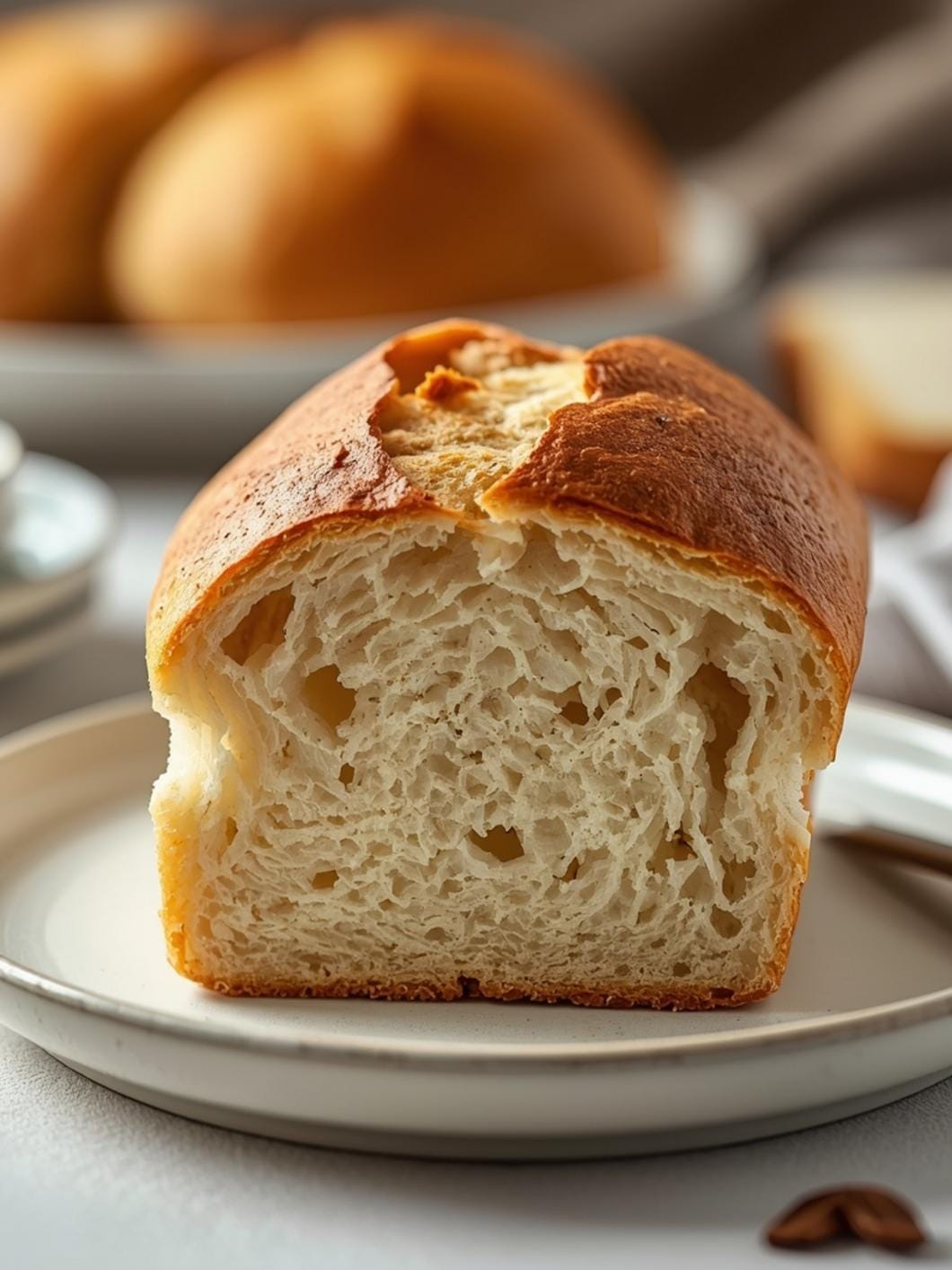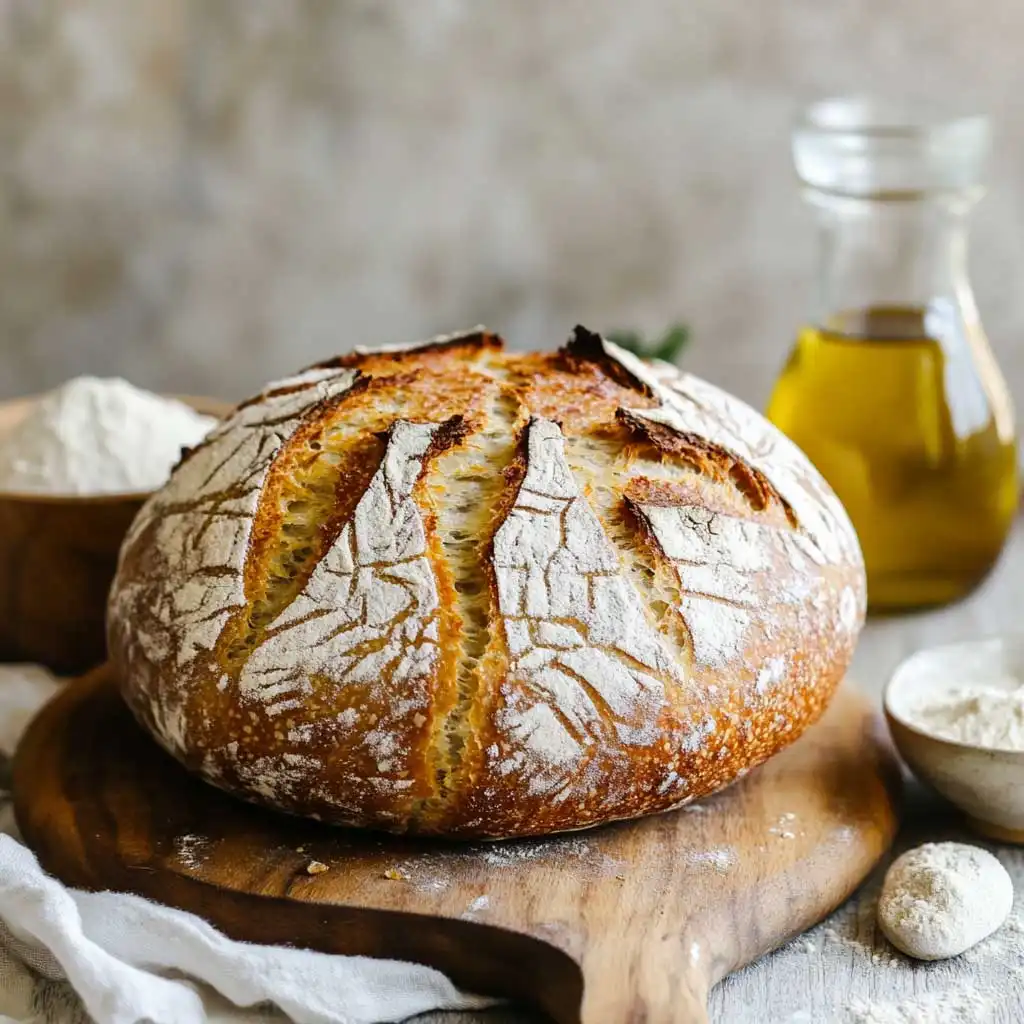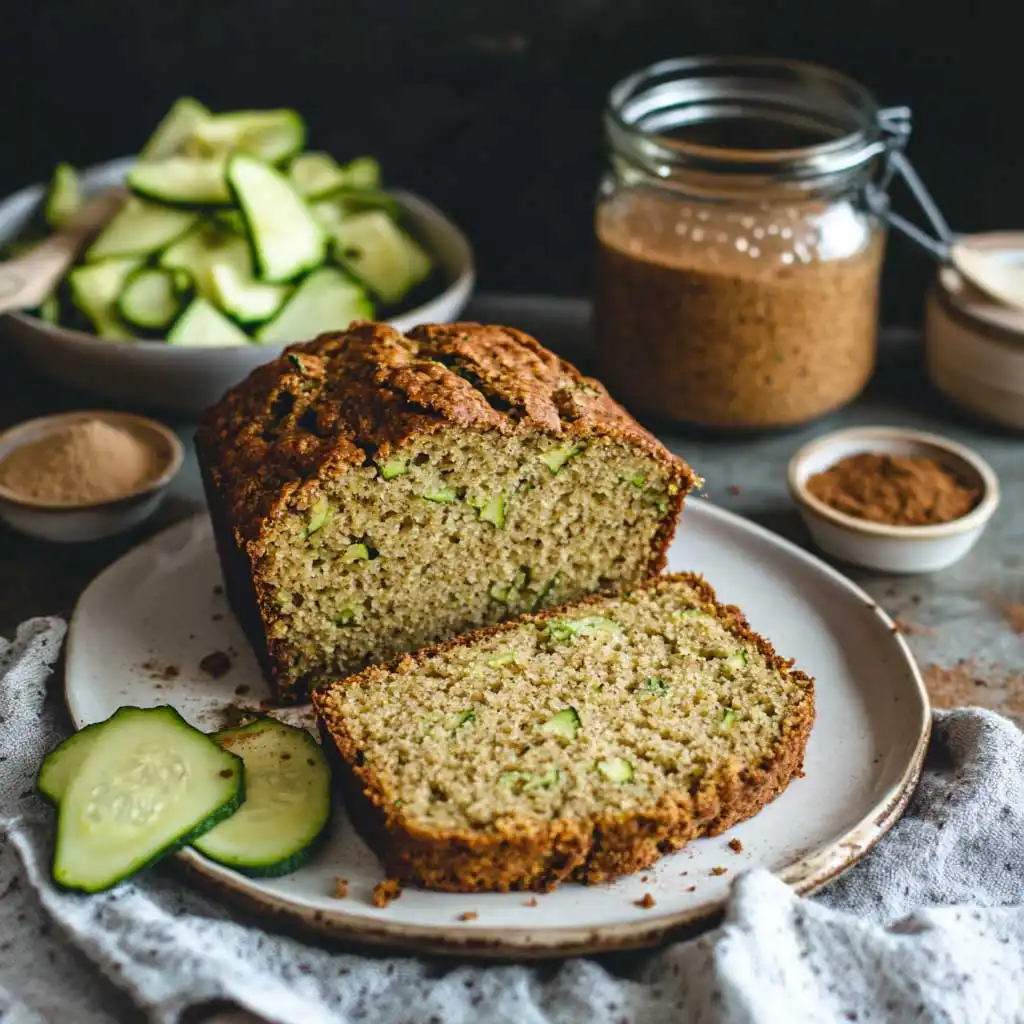

Bake a beautiful, rustic cranberry orange sourdough loaf with this simple no-knead recipe, perfect for a delicious homemade treat.

This artisan bread features a delightful citrus and berry flavor with a wonderfully crusty exterior. You’ll love how easy it is to achieve bakery-quality results right in your own kitchen with minimal effort.
This recipe is designed for home bakers of all skill levels, especially those new to sourdough or looking for a hands-off approach to bread making. The long fermentation time does most of the work, developing deep flavors and a fantastic texture without the need for extensive kneading.

Cranberry Orange Sourdough Loaf (No-Knead)
- Total Time: 20-28 hours (mostly inactive)
- Yield: 1 loaf 1x
Description
Bake a beautiful, rustic cranberry orange sourdough loaf with this simple no-knead recipe, perfect for a delicious homemade treat. This artisan bread features a delightful citrus and berry flavor with a wonderfully crusty exterior. You’ll love how easy it is to achieve bakery-quality results right in your own kitchen with minimal effort.
Ingredients
Instructions
1. 1. Combine the Wet Ingredients: In a large mixing bowl, gently whisk together your active sourdough starter and the warm water until the starter is mostly dissolved. The mixture should look milky and slightly bubbly.
2. 2. Add Dry Ingredients (Except Salt, Cranberries, and Zest): Add the all-purpose flour to the wet mixture. Use a wooden spoon or your hands to mix until no dry flour remains and a shaggy dough forms. Do not knead. Cover the bowl with a damp cloth or plastic wrap and let it rest for 30 minutes. This is called autolyse, and it helps the flour fully hydrate.
3. 3. Incorporate Salt, Cranberries, and Orange Zest: After the rest, sprinkle the salt, dried cranberries, and orange zest over the dough. With wet hands, gently fold the dough over itself several times in the bowl, ensuring the salt and additions are evenly distributed. The dough will still be sticky.
4. 4. Perform Stretch and Folds (Bulk Fermentation): Cover the bowl again. Over the next 2-3 hours, perform a series of “stretch and folds” every 30 minutes. To do this, lightly wet your hands, grab a portion of the dough from the edge, stretch it upwards, and fold it over to the center. Rotate the bowl a quarter turn and repeat 3-4 times. This builds strength in the dough. After these initial folds, let the dough continue to ferment at room temperature (around 70-75F or 21-24C) for another 8-11 hours, or until it has visibly increased in volume by about 50-75% and looks bubbly.
5. 5. Shape the Loaf and Cold Proof: Gently turn the dough out onto a lightly floured surface. Shape it into a round or oval loaf, being careful not to deflate it too much. Transfer the shaped dough, seam-side up, into a floured banneton basket or a bowl lined with a floured kitchen towel. Cover and refrigerate for 8-12 hours (or up to 24 hours). This cold proof slows fermentation and develops deeper flavors.
6. 6. Preheat Oven and Dutch Oven: About 45 minutes before baking, place a Dutch oven with its lid into your oven and preheat to 450F (232C). This ensures the Dutch oven is scorching hot, creating a perfect steamy environment for the crust.
7. 7. Bake the Loaf: Carefully remove the hot Dutch oven from the oven. Gently invert the cold dough into the hot Dutch oven. Score the top of the dough with a sharp knife or razor blade (a simple cross or a single slash works well). Cover with the lid and bake for 30 minutes.
8. 8. Finish Baking for a Golden Crust: Remove the lid from the Dutch oven and continue baking for another 15-25 minutes, or until the crust is deeply golden brown and the internal temperature reaches 200-210F (93-99C). Carefully remove the loaf from the Dutch oven and transfer it to a wire rack to cool completely for at least 1-2 hours before slicing. Slicing too early can result in a gummy texture.
- Prep Time: 15 minutes
- Cook Time: 45-55 minutes
- Category: bread
- Method: baking
- Cuisine: american
Nutrition
- Serving Size: 1 slice
Keywords: sourdough, cranberry, orange, no-knead, bread, artisan, homemade, baking, breakfast, easy
What You’ll Love About This Quick And Easy Recipe
This no-knead cranberry orange sourdough loaf is a true game-changer for anyone who loves homemade bread but shies away from complex baking processes. It’s incredibly forgiving and requires very little active time, making it perfect for busy weekdays or relaxed weekends. You simply mix the ingredients, let time do its magic, and then bake. The result is a beautifully crusty exterior, a soft and chewy interior, and a delightful burst of sweet-tart cranberries and bright orange zest in every slice. It’s ideal for breakfast toasted with butter, as a side with a hearty soup, or simply enjoyed on its own as a satisfying snack. This recipe is for anyone who wants to impress with minimal fuss.
Everything You Need To Make This Recipe Without Stress
Gathering your ingredients for this rustic loaf is straightforward. The beauty of no-knead bread lies in its simplicity, relying on just a few basic pantry staples combined with your active sourdough starter. The cranberries and orange zest add a vibrant flavor profile that truly elevates this bread from good to extraordinary.
INGREDIENTS:

- 100 grams active sourdough starter (fed and bubbly)
- 350 grams warm water (about 90-95°F or 32-35°C)
- 500 grams unbleached all-purpose flour
- 10 grams fine sea salt
- 1 cup dried cranberries
- Zest of 1 large orange
For the flour, unbleached all-purpose flour works wonderfully, providing a good balance of structure and tenderness. If you prefer a slightly chewier crumb, you can substitute up to 100 grams of the all-purpose flour with bread flour. When choosing dried cranberries, look for ones that are plump and moist. If yours seem a bit dry, you can rehydrate them briefly in warm water for about 10-15 minutes, then drain them well before adding to the dough. The orange zest should be finely grated to distribute its flavor evenly throughout the loaf. Always opt for an organic orange if possible, as you’ll be using the peel.
Time Needed From Start To Finish
While this recipe is incredibly hands-off, it does require patience due to the long fermentation times that develop its signature flavor and texture.
Active Prep Time: 15 minutes First Fermentation (Bulk Rise): 10-14 hours (at room temperature, depending on starter activity and ambient temperature) Second Fermentation (Cold Proof): 8-12 hours (in the refrigerator) Baking Time: 45-55 minutes Cooling Time: 1-2 hours (essential for best texture) Total Time: Approximately 20-28 hours (mostly inactive, waiting for the dough to work its magic)
How To Make It Step By Step With Visual Cues

Creating this beautiful cranberry orange sourdough loaf is a rewarding process, made simple by the no-knead method. Follow these steps for a perfect bake every time.
- Combine the Wet Ingredients: In a large mixing bowl, gently whisk together your active sourdough starter and the warm water until the starter is mostly dissolved. The mixture should look milky and slightly bubbly.
- Add Dry Ingredients (Except Salt, Cranberries, and Zest): Add the all-purpose flour to the wet mixture. Use a wooden spoon or your hands to mix until no dry flour remains and a shaggy dough forms. Do not knead. Cover the bowl with a damp cloth or plastic wrap and let it rest for 30 minutes. This is called autolyse, and it helps the flour fully hydrate.
- Incorporate Salt, Cranberries, and Orange Zest: After the rest, sprinkle the salt, dried cranberries, and orange zest over the dough. With wet hands, gently fold the dough over itself several times in the bowl, ensuring the salt and additions are evenly distributed. The dough will still be sticky.
- Perform Stretch and Folds (Bulk Fermentation): Cover the bowl again. Over the next 2-3 hours, perform a series of “stretch and folds” every 30 minutes. To do this, lightly wet your hands, grab a portion of the dough from the edge, stretch it upwards, and fold it over to the center. Rotate the bowl a quarter turn and repeat 3-4 times. This builds strength in the dough. After these initial folds, let the dough continue to ferment at room temperature (around 70-75°F or 21-24°C) for another 8-11 hours, or until it has visibly increased in volume by about 50-75% and looks bubbly.
- Shape the Loaf and Cold Proof: Gently turn the dough out onto a lightly floured surface. Shape it into a round or oval loaf, being careful not to deflate it too much. Transfer the shaped dough, seam-side up, into a floured banneton basket or a bowl lined with a floured kitchen towel. Cover and refrigerate for 8-12 hours (or up to 24 hours). This cold proof slows fermentation and develops deeper flavors.
- Preheat Oven and Dutch Oven: About 45 minutes before baking, place a Dutch oven with its lid into your oven and preheat to 450°F (232°C). This ensures the Dutch oven is scorching hot, creating a perfect steamy environment for the crust.
- Bake the Loaf: Carefully remove the hot Dutch oven from the oven. Gently invert the cold dough into the hot Dutch oven. Score the top of the dough with a sharp knife or razor blade (a simple cross or a single slash works well). Cover with the lid and bake for 30 minutes.
- Finish Baking for a Golden Crust: Remove the lid from the Dutch oven and continue baking for another 15-25 minutes, or until the crust is deeply golden brown and the internal temperature reaches 200-210°F (93-99°C). Carefully remove the loaf from the Dutch oven and transfer it to a wire rack to cool completely for at least 1-2 hours before slicing. Slicing too early can result in a gummy texture.
Easy Variations And Serving Ideas That Fit Real Life
This cranberry orange sourdough loaf is fantastic on its own, but there are many ways to adapt it and serve it to fit any occasion.
For a slightly sweeter bread, you can add 1-2 tablespoons of granulated sugar or honey to the dough along with the salt. If you’re not a fan of cranberries, try swapping them for other dried fruits like chopped apricots, golden raisins, or even dried cherries. For an extra textural element, a handful of chopped walnuts or pecans can be added along with the cranberries and zest. You could also experiment with different citrus zests, such as lemon or lime, for a different flavor profile.
This bread makes an incredible breakfast toast, especially when slathered with butter, cream cheese, or a dollop of orange marmalade. It pairs beautifully with a strong cup of coffee or tea. For lunch, it’s a sturdy base for open-faced sandwiches with turkey and a hint of cranberry sauce, or a sharp cheddar cheese. It also makes an excellent accompaniment to a light salad or a hearty bowl of soup, adding a touch of sweetness and tang. Don’t forget to try it toasted and crumbled over yogurt or oatmeal for a unique topping!
Common Slip-Ups And How To Avoid Them
Even with a simple no-knead recipe, a few common mistakes can impact your final loaf. Being aware of these can help you achieve perfect results every time.
One frequent issue is an inactive sourdough starter. If your starter isn’t bubbly and active when you use it, your dough won’t rise properly. Always feed your starter 4-12 hours before you plan to mix your dough, ensuring it’s at its peak activity. Another common mistake is not allowing enough bulk fermentation time. The dough needs to double in size and show signs of activity (bubbles) before shaping. If your kitchen is cool, this can take longer than the recipe suggests. Conversely, over-fermentation can lead to a dense, sticky dough that doesn’t hold its shape. Keep an eye on the dough, not just the clock.
Not preheating your Dutch oven long enough is another error. A scorching hot Dutch oven is crucial for creating that signature crispy crust and achieving good oven spring. Make sure it preheats for at least 30-45 minutes with the oven. Finally, slicing the bread too soon is a mistake many eager bakers make. The bread continues to cook and set as it cools. S

FAQs
- Can I make these ahead? Yes—prep ahead, refrigerate, then serve when ready.
- How long do leftovers last? Store covered in the fridge for 3–4 days for best texture.
- Can I adjust sweetness? Yes—add more or less sweetener to taste.
- Can I change the fruit? Yes—swap strawberries for blueberries, raspberries, or sliced banana.