
Bake a delicious Cranberry Orange Sourdough Loaf with this easy-to-follow recipe, perfect for a sweet sourdough bread treat.
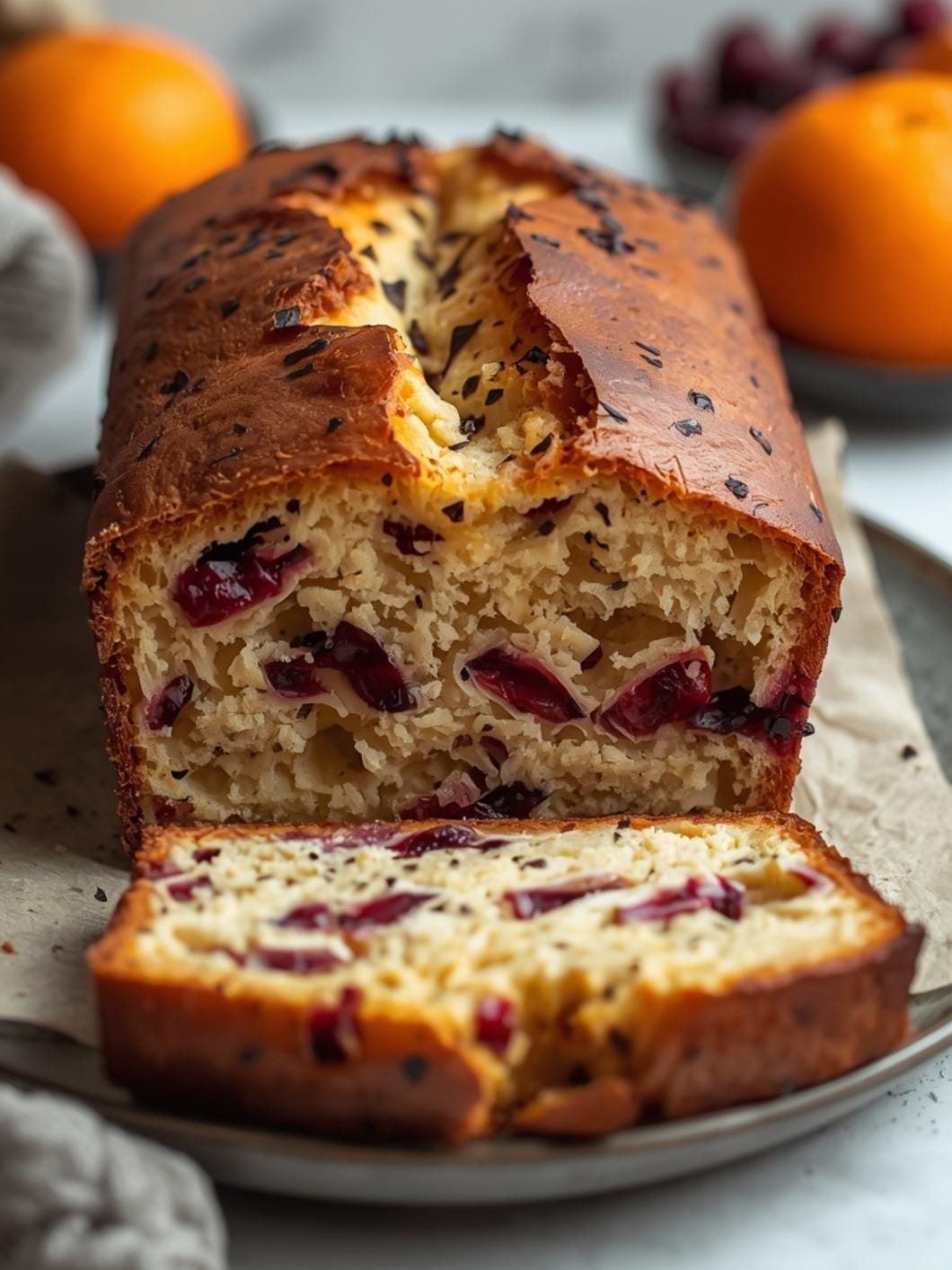
This recipe brings together the tangy depth of sourdough with the bright, festive flavors of cranberry and orange, creating a truly artisan bread experience right in your own kitchen. It’s a wonderful way to enjoy the benefits of sourdough without needing years of baking experience.
Whether you’re new to sourdough baking or looking for a delightful new flavor combination, this Cranberry Orange Sourdough Loaf is sure to become a favorite. It’s comforting, flavorful, and makes your home smell absolutely incredible while it bakes.

Cranberry Orange Sourdough Loaf
- Total Time: 7-12 hours
- Yield: 1 loaf 1x
Description
Bake a delicious Cranberry Orange Sourdough Loaf with this easy-to-follow recipe, perfect for a sweet sourdough bread treat. This recipe brings together the tangy depth of sourdough with the bright, festive flavors of cranberry and orange, creating a truly artisan bread experience right in your own kitchen. It’s a wonderful way to enjoy the benefits of sourdough without needing years of baking experience.
Ingredients
Instructions
1. Combine Starter and Water: In a large mixing bowl, gently whisk together the active sourdough starter and the warm water until the starter is mostly dissolved. The mixture should look milky and slightly bubbly.
2. Mix Dry Ingredients: Add the bread flour, granulated sugar, and fine sea salt to the bowl. Mix with a wooden spoon or your hands until a shaggy dough forms and no dry spots of flour remain. Cover the bowl with a damp towel or plastic wrap and let it rest for 30 minutes (this is called autolyse, which helps gluten development).
3. Incorporate Add-ins: After the rest, gently knead the dough in the bowl for a minute or two. Then, add the dried cranberries and orange zest. Fold them into the dough until they are evenly distributed. Be careful not to overmix, as this can tear the gluten strands.
4. Bulk Fermentation with Folds: Cover the bowl again. Over the next 4-6 hours (or longer if your kitchen is cool), perform 3-4 sets of “stretch and folds” every 30-60 minutes. To do this, lightly wet your hand, grab a portion of the dough from the edge, stretch it upwards, and fold it over the center. Rotate the bowl and repeat 3-4 times. This builds strength in the dough. The dough should become noticeably smoother and more elastic. Alternatively, you can place the covered dough in the refrigerator for 8-12 hours for a slower, cold bulk fermentation.
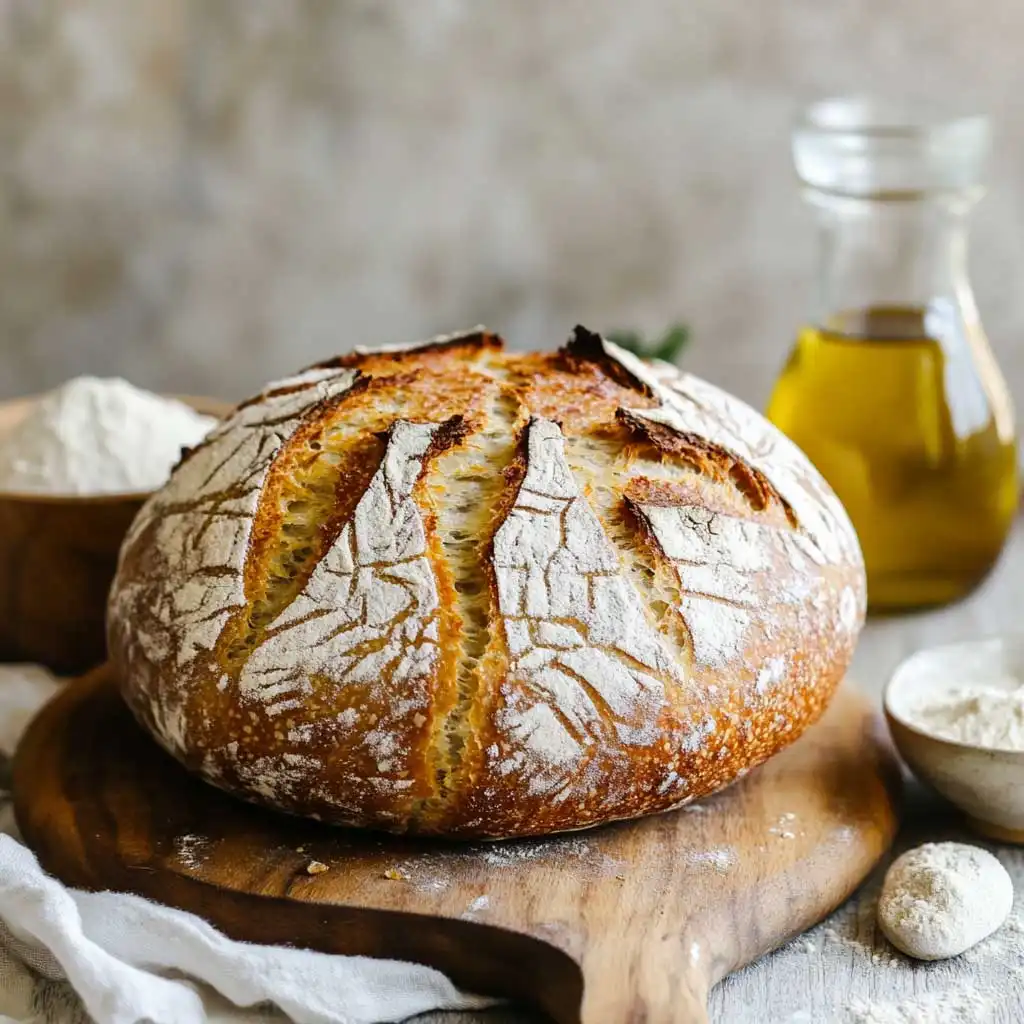
5. Shape the Loaf: Gently turn the dough out onto a lightly floured surface. Shape it into a round or oval loaf. For a round loaf, gently pull the edges towards the center, then flip it over and use the tension of the surface to create a tight ball. For an oval, gently roll and tuck the sides.
6. Final Proofing: Place the shaped dough into a floured banneton basket or a bowl lined with a floured kitchen towel, seam-side up. Cover it loosely with plastic wrap or a clean towel. Let it proof at room temperature for 1-3 hours, or refrigerate for 8-12 hours. The dough should look visibly puffy and feel soft but still have some resistance when gently poked.
7. Bake the Bread: Preheat your oven to 450F (232C) with a Dutch oven inside for at least 30 minutes. Carefully remove the hot Dutch oven, invert the dough into it (seam-side down), and score the top with a sharp knife or razor blade. Cover the Dutch oven and bake for 30 minutes.
8. Finish Baking and Cool: Remove the lid from the Dutch oven, reduce the oven temperature to 400F (200C), and continue baking for another 10-15 minutes, or until the crust is deep golden brown and the internal temperature reaches 200-210F (93-99C). Carefully remove the loaf from the Dutch oven and transfer it to a wire rack to cool completely for at least 1-2 hours before slicing. This cooling time is crucial for the crumb to set properly.
- Prep Time: 20 minutes
- Cook Time: 40-45 minutes
- Category: bread
- Method: baking
- Cuisine: american
Nutrition
- Serving Size: 12 slices
Keywords: sourdough, cranberry, orange, bread, artisan, baking, sweet, breakfast, brunch, homemade
What You’ll Love About This Quick And Easy Recipe
This Cranberry Orange Sourdough Loaf recipe is designed for home bakers who want to create something truly special without a lot of fuss. It’s perfect for those who appreciate the complex flavors of sourdough but need a recipe that fits into a busy family schedule. You’ll love how the natural tang of the sourdough starter beautifully complements the sweet-tart cranberries and the zesty orange, creating a balanced and incredibly satisfying bread. This loaf is fantastic for a weekend breakfast, a holiday brunch, or even as a unique addition to your everyday toast rotation. It’s also a wonderful bread to share with friends and family, making it ideal for potlucks or as a thoughtful homemade gift.
Everything You Need To Make This Recipe Without Stress
Gathering your ingredients before you start baking will make the process smooth and enjoyable. This recipe uses readily available items, ensuring you can whip up this delightful loaf without a special trip to a gourmet store.
INGREDIENTS:
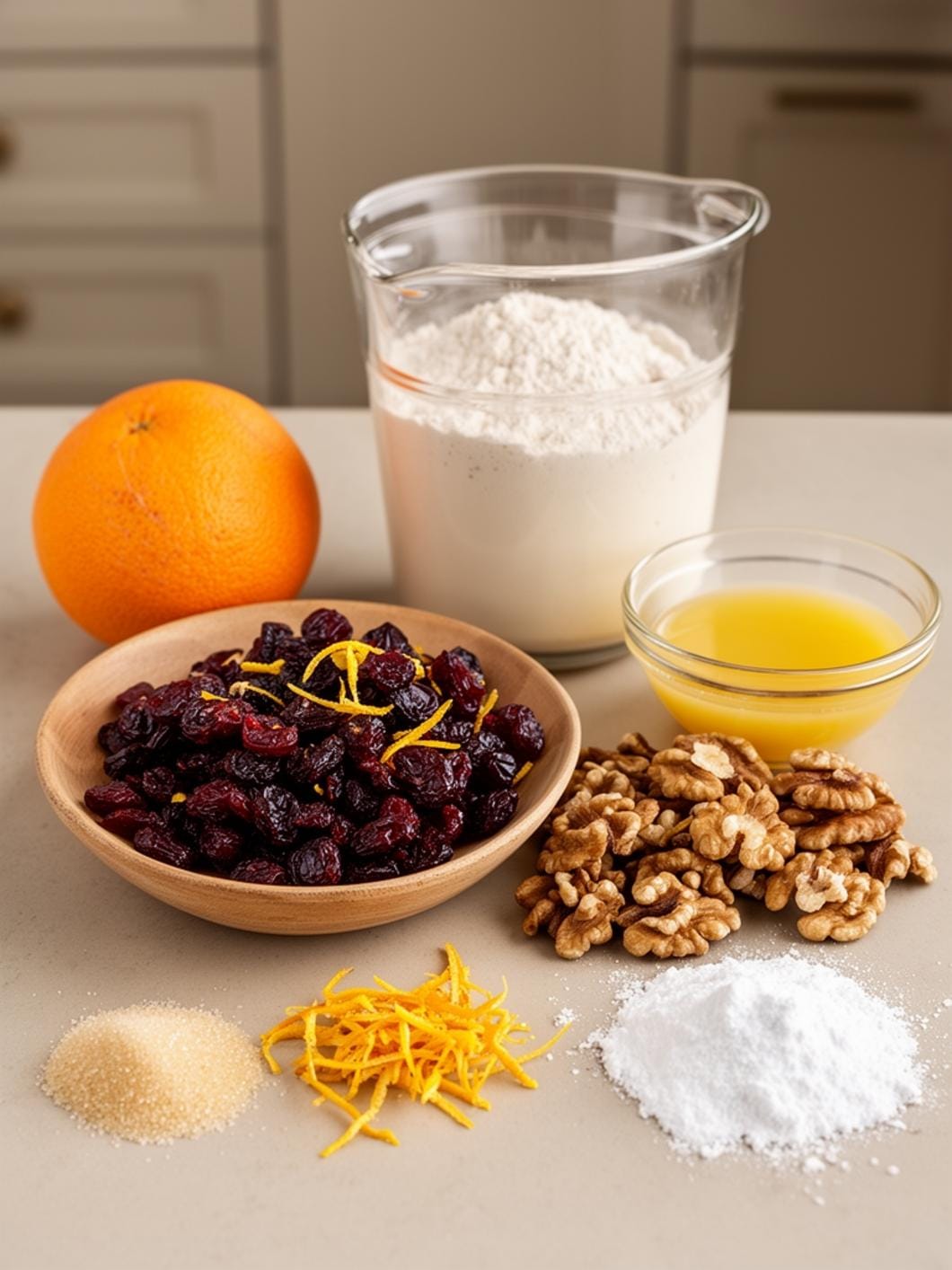
- 150 grams active sourdough starter
- 300 grams warm water (around 90-95°F / 32-35°C)
- 500 grams bread flour
- 10 grams fine sea salt
- 50 grams granulated sugar
- 100 grams dried cranberries
- Zest of 1 large orange
For the bread flour, a good quality unbleached bread flour will give you the best texture, but all-purpose flour can work in a pinch if that’s what you have on hand. When choosing dried cranberries, look for ones that are plump and not overly dry. You can also use unsweetened cranberries if you prefer a less sweet loaf, though you might want to slightly increase the sugar in the recipe. For the orange zest, a fresh orange will provide the most vibrant flavor, so avoid using dried orange peel if possible.
Time Needed From Start To Finish
This recipe requires a bit of patience due to the sourdough fermentation, but the active hands-on time is quite manageable.
- Prep Time: 20 minutes (mixing and initial shaping)
- Bulk Fermentation: 4-6 hours (or overnight in the fridge for 8-12 hours)
- Proofing: 1-3 hours (after shaping)
- Bake Time: 40-45 minutes
- Cooling Time: 1-2 hours (crucial for best texture)
- Total Time: Approximately 7-12 hours (depending on fermentation method)
How To Make It Step By Step With Visual Cues

Creating this Cranberry Orange Sourdough Loaf is a rewarding process. Follow these steps carefully for a perfect bake.
- Combine Starter and Water: In a large mixing bowl, gently whisk together the active sourdough starter and the warm water until the starter is mostly dissolved. The mixture should look milky and slightly bubbly.
- Mix Dry Ingredients: Add the bread flour, granulated sugar, and fine sea salt to the bowl. Mix with a wooden spoon or your hands until a shaggy dough forms and no dry spots of flour remain. Cover the bowl with a damp towel or plastic wrap and let it rest for 30 minutes (this is called autolyse, which helps gluten development).
- Incorporate Add-ins: After the rest, gently knead the dough in the bowl for a minute or two. Then, add the dried cranberries and orange zest. Fold them into the dough until they are evenly distributed. Be careful not to overmix, as this can tear the gluten strands.
- Bulk Fermentation with Folds: Cover the bowl again. Over the next 4-6 hours (or longer if your kitchen is cool), perform 3-4 sets of “stretch and folds” every 30-60 minutes. To do this, lightly wet your hand, grab a portion of the dough from the edge, stretch it upwards, and fold it over the center. Rotate the bowl and repeat 3-4 times. This builds strength in the dough. The dough should become noticeably smoother and more elastic. Alternatively, you can place the covered dough in the refrigerator for 8-12 hours for a slower, cold bulk fermentation.
- Shape the Loaf: Gently turn the dough out onto a lightly floured surface. Shape it into a round or oval loaf. For a round loaf, gently pull the edges towards the center, then flip it over and use the tension of the surface to create a tight ball. For an oval, gently roll and tuck the sides.
- Final Proofing: Place the shaped dough into a floured banneton basket or a bowl lined with a floured kitchen towel, seam-side up. Cover it loosely with plastic wrap or a clean towel. Let it proof at room temperature for 1-3 hours, or refrigerate for 8-12 hours. The dough should look visibly puffy and feel soft but still have some resistance when gently poked.
- Bake the Bread: Preheat your oven to 450°F (232°C) with a Dutch oven inside for at least 30 minutes. Carefully remove the hot Dutch oven, invert the dough into it (seam-side down), and score the top with a sharp knife or razor blade. Cover the Dutch oven and bake for 30 minutes.
- Finish Baking and Cool: Remove the lid from the Dutch oven, reduce the oven temperature to 400°F (200°C), and continue baking for another 10-15 minutes, or until the crust is deep golden brown and the internal temperature reaches 200-210°F (93-99°C). Carefully remove the loaf from the Dutch oven and transfer it to a wire rack to cool completely for at least 1-2 hours before slicing. This cooling time is crucial for the crumb to set properly.
Easy Variations And Serving Ideas That Fit Real Life
This Cranberry Orange Sourdough Loaf is delicious on its own, but there are many ways to enjoy it and adapt it to your family’s tastes.
- Kid-Friendly Swaps: If your kids aren’t keen on cranberries, you can swap them for chocolate chips (dark or milk), or even a mix of dried blueberries and a touch of lemon zest for a different citrus twist.
- Optional Toppings: Before baking, you can sprinkle the top of the loaf with a little coarse sugar for a sparkling, crunchy crust. A light egg wash can also give it a beautiful shine.
- Serving Suggestions: This bread is phenomenal toasted with a pat of butter, cream cheese, or even a dollop of orange marmalade. It makes an excellent base for a special breakfast or brunch. You can also slice it thin and serve it alongside a cheese board for a sophisticated appetizer. For a sweet treat, try making French toast with slightly stale slices.
- Nutty Addition: For extra texture and flavor, add 1/4 cup of chopped walnuts or pecans along with the cranberries and orange zest.
- Glaze It: For an extra sweet touch, whisk together 1/2 cup powdered sugar with 1-2 tablespoons of fresh orange juice and drizzle over the cooled loaf.
Common Slip-Ups And How To Avoid Them
Even experienced bakers can encounter small issues. Here are some common beginner mistakes and how to steer clear of them.
- Using an Inactive Starter: The most crucial element for sourdough success is an active, bubbly starter. If your starter isn’t consistently doubling or tripling after feeding, it won’t have the strength to properly leaven your bread. Feed your starter regularly and ensure it’s at its peak activity before using.
- Under-Proofing or Over-Proofing: This is a common challenge. Under-proofed dough will result in a dense loaf with a tight crumb and can sometimes burst unevenly in the oven. Over-proofed dough will be very slack, difficult to handle, and may collapse in the oven, leading to a flat loaf. Learn to recognize the “poke test”: gently poke the dough with a floured finger. If it springs back immediately, it needs more time. If it leaves a slight indentation that slowly springs back, it’s ready. If the indentation stays and the dough feels very slack, it might be over-proofed.
- Not Cooling Completely: It’s tempting to slice into a warm loaf, but cooling is essential. The internal structure of the bread is still setting as it cools. Slicing too early can result in a gummy texture. Always let your loaf cool on a wire rack for at least 1-2 hours.
FAQs
- Can I make these ahead? Yes—prep ahead, refrigerate, then serve when ready.
- How long do leftovers last? Store covered in the fridge for 3–4 days for best texture.
- Can I adjust sweetness? Yes—add more or less sweetener to taste.
- Can I change the fruit? Yes—swap strawberries for blueberries, raspberries, or sliced banana.