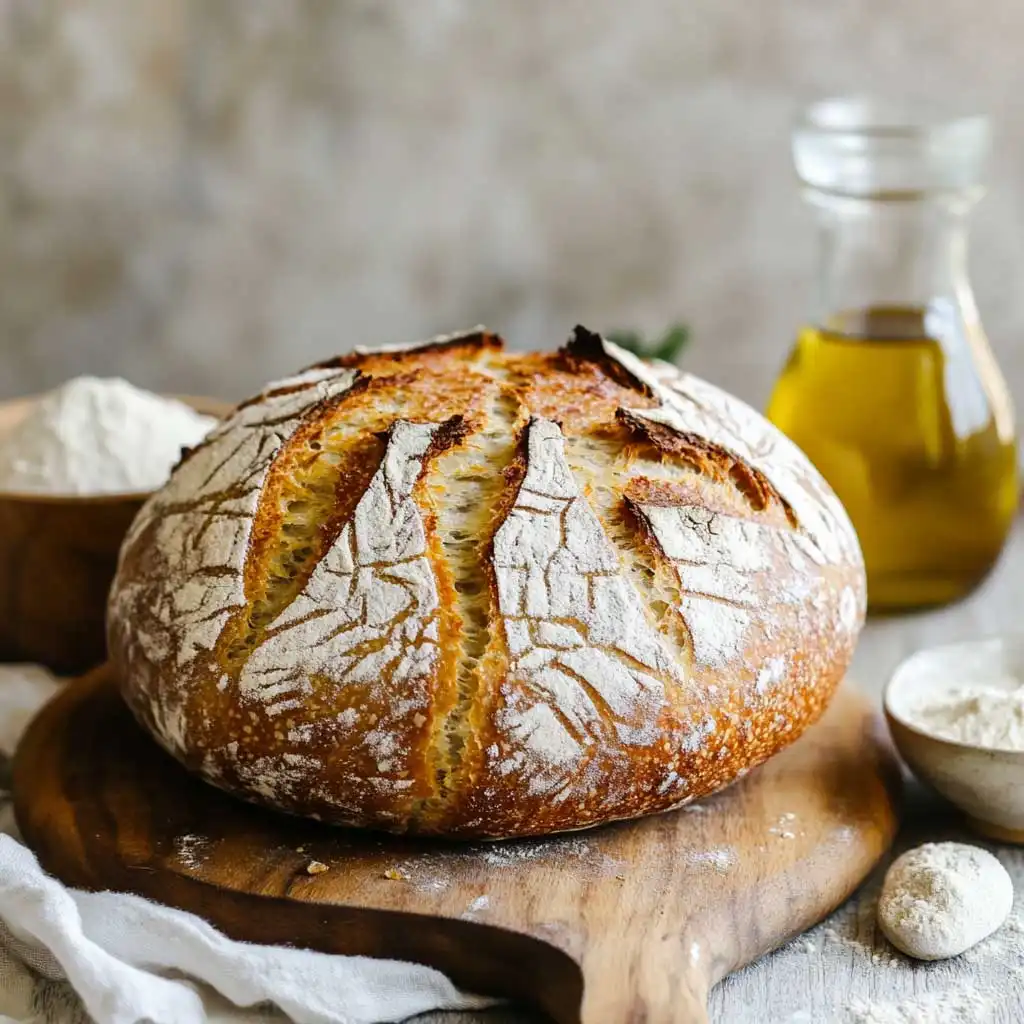

Baking homemade bread can seem intimidating, but this Cranberry Orange Sourdough Loaf recipe makes it accessible and incredibly rewarding.
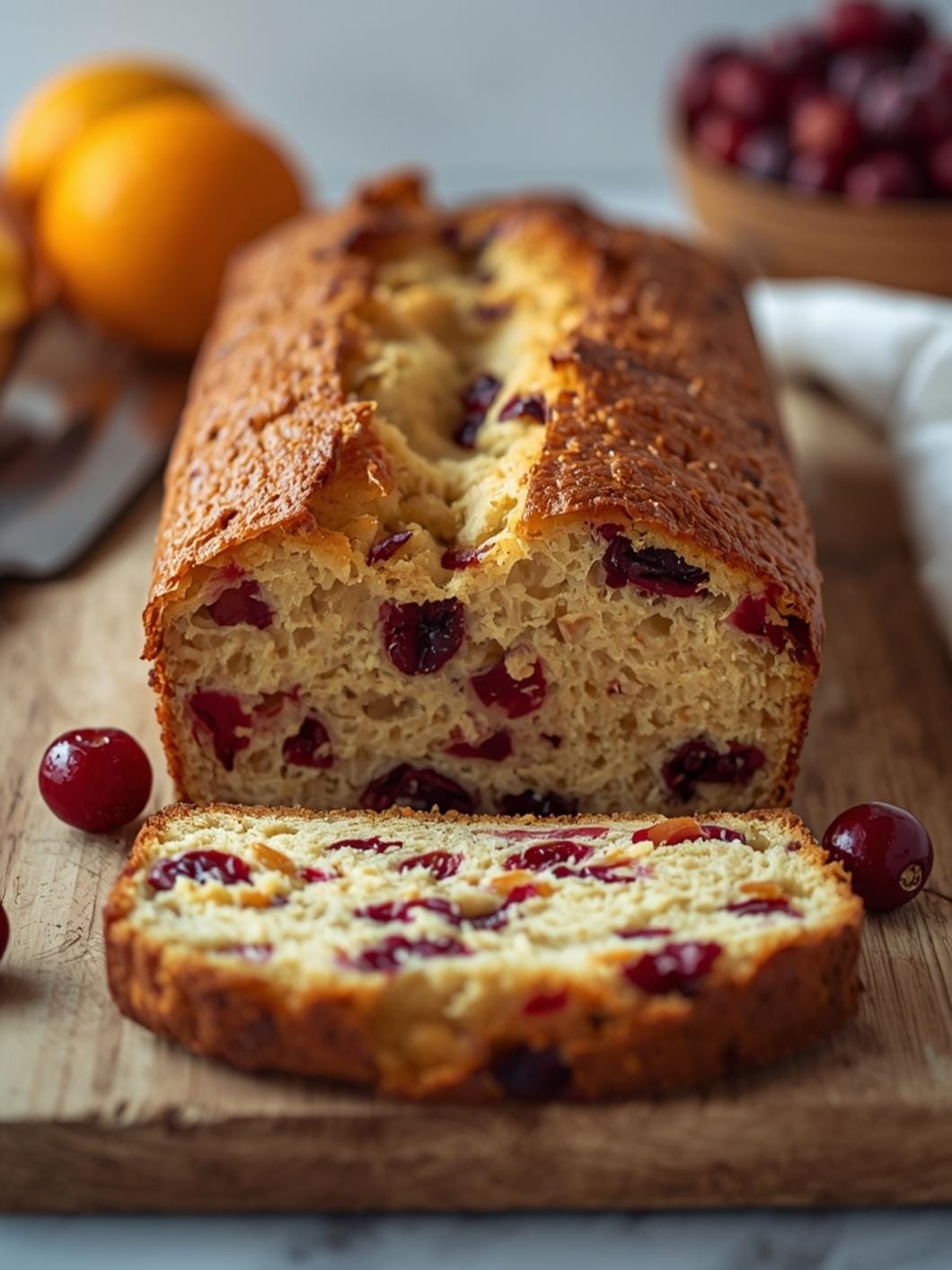
You’ll achieve a beautiful artisan-style bread with a delightful balance of sweet and tangy flavors, perfect for any home baker looking for a new favorite.
This recipe focuses on bringing those delicious bakery flavors right into your kitchen with straightforward steps, ensuring a successful bake even if you’re new to sourdough or bread making in general. Get ready to enjoy a truly special loaf.
Table of Contents
- What You’ll Love About This Quick And Easy Recipe
- Everything You Need To Make This Recipe Without Stress
- Time Needed From Start To Finish
- How To Make It Step By Step With Visual Cues
- Easy Variations And Serving Ideas That Fit Real Life
- Common Slip-Ups And How To Avoid Them
- How To Store It And Make It Ahead Without Ruining Texture

Cranberry Orange Sourdough Loaf
- Total Time: 14-24 hours (mostly hands-off)
- Yield: 1 loaf 1x
Description
This Cranberry Orange Sourdough Loaf recipe makes baking homemade artisan-style bread accessible and rewarding, offering a delightful balance of sweet and tangy flavors. It’s a true crowd-pleaser with bright citrus and sweet-tart cranberries in a wonderfully textured sourdough bread, perfect for any home baker looking for a new favorite.
Ingredients
Instructions
1. Combine Starter and Water: In a large mixing bowl, gently whisk together your active sourdough starter and the warm water until the starter is mostly dissolved and the mixture is milky. This ensures your starter is well-distributed.
2. Mix Dry Ingredients and Form Dough: Add the bread flour and salt to the starter mixture. If using, also add the granulated sugar. Mix with a wooden spoon or your hands until a shaggy dough forms and no dry flour remains. Cover the bowl with a damp cloth or plastic wrap and let it rest for 30 minutes (this is called autolyse, which helps gluten develop).
3. Incorporate Cranberries and Orange Zest: After the rest, turn the dough out onto a lightly floured surface. Gently flatten it into a rough rectangle. Sprinkle the dried cranberries and orange zest evenly over the dough. Fold the dough over itself several times, gently kneading for about 2-3 minutes to distribute the inclusions without tearing the dough too much.
4. Bulk Fermentation with Folds: Return the dough to the clean bowl. Over the next 2-3 hours, perform a series of “stretch and folds.” Every 30-45 minutes, gently grab a portion of the dough from the edge, stretch it upwards, and fold it over the center. Rotate the bowl and repeat 3-4 times until all sides have been folded. This builds strength in the dough. After these folds, let the dough continue to bulk ferment at room temperature until it has visibly increased in size (about 30-50%) and looks bubbly, typically 4-8 hours total from when you first mixed.
5. Shape the Loaf and Cold Proof: Gently turn the dough out onto a lightly floured surface. Shape it into a round or oval loaf, creating tension on the surface. Place the shaped dough seam-side up into a floured banneton or a bowl lined with a floured tea towel. Cover and refrigerate for 8-12 hours, or up to 24 hours. This cold proof develops flavor and makes the dough easier to handle.
6. Preheat Oven and Bake: About 45 minutes before baking, place a Dutch oven with its lid into your oven and preheat to 450F (230C). Once preheated, carefully remove the hot Dutch oven. Gently invert the cold dough into the hot Dutch oven. Score the top of the dough with a sharp knife or razor blade (a simple cross or a single slash works well). Cover with the lid and bake for 30 minutes.
7. Final Bake and Cool: Remove the lid from the Dutch oven and continue baking for another 15-20 minutes, or until the crust is deeply golden brown and sounds hollow when tapped on the bottom. Carefully remove the loaf from the Dutch oven and transfer it to a wire rack to cool completely for at least 1-2 hours before slicing. Slicing too early can result in a gummy texture.
- Prep Time: 20 minutes
- Cook Time: 45-50 minutes
- Category: bread
- Method: baking
- Cuisine: american
Nutrition
- Serving Size: 1 slice
Keywords: sourdough, bread, cranberry, orange, artisan, homemade, baking, sweet, tangy, breakfast
What You’ll Love About This Quick And Easy Recipe
This Cranberry Orange Sourdough Loaf is a true crowd-pleaser, offering a fantastic blend of bright citrus and sweet-tart cranberries within a wonderfully textured sourdough bread. It’s perfect for anyone who appreciates the unique tang of sourdough but also loves a touch of sweetness in their baked goods. This recipe is designed to be approachable, making it ideal for busy families who want to enjoy homemade artisan bread without spending an entire day in the kitchen. It’s a fantastic choice for a weekend breakfast, a special brunch, or even as a delightful accompaniment to an afternoon tea. The vibrant flavors make it suitable for serving year-round, bringing a burst of freshness to any meal.
Everything You Need To Make This Recipe Without Stress
Gathering your ingredients before you start baking will make the process smooth and enjoyable. This recipe uses readily available items, ensuring you won’t need to hunt for obscure specialty products.
INGREDIENTS:

- 1 cup active sourdough starter, fed and bubbly
- 1 ½ cups warm water (about 90-100°F)
- 4 cups bread flour, plus more for dusting
- 2 teaspoons fine sea salt
- ½ cup dried cranberries
- Zest of 1 large orange
- 2 tablespoons granulated sugar (optional, for a sweeter loaf)
For simple substitutions, you can easily swap dried cranberries for other dried fruits like chopped apricots or golden raisins, though the cranberry-orange combination is truly special. If you don’t have bread flour, all-purpose flour can be used, but the bread’s texture might be slightly less chewy. For the orange zest, you can use lemon zest for a different citrus note, but the orange provides a classic pairing with cranberries. The granulated sugar is entirely optional; if you prefer a less sweet, more traditional sourdough, feel free to omit it.
Time Needed From Start To Finish
While sourdough baking does involve some waiting for the dough to ferment, the active hands-on time for this recipe is surprisingly minimal.
- Prep Time: 20 minutes (mixing, kneading, adding inclusions)
- Bulk Fermentation: 4-8 hours (depending on starter activity and room temperature)
- Proofing (Cold Ferment): 8-12 hours (or up to 24 hours in the refrigerator)
- Bake Time: 45-50 minutes
- Cooling Time: 1-2 hours (essential for best texture and flavor)
- Total Time: Approximately 14-24 hours (mostly hands-off waiting)
How To Make It Step By Step With Visual Cues

Creating this beautiful Cranberry Orange Sourdough Loaf is a rewarding process. Follow these steps for a perfect bake.
- Combine Starter and Water: In a large mixing bowl, gently whisk together your active sourdough starter and the warm water until the starter is mostly dissolved and the mixture is milky. This ensures your starter is well-distributed.
- Mix Dry Ingredients and Form Dough: Add the bread flour and salt to the starter mixture. If using, also add the granulated sugar. Mix with a wooden spoon or your hands until a shaggy dough forms and no dry flour remains. Cover the bowl with a damp cloth or plastic wrap and let it rest for 30 minutes (this is called autolyse, which helps gluten develop).
- Incorporate Cranberries and Orange Zest: After the rest, turn the dough out onto a lightly floured surface. Gently flatten it into a rough rectangle. Sprinkle the dried cranberries and orange zest evenly over the dough. Fold the dough over itself several times, gently kneading for about 2-3 minutes to distribute the inclusions without tearing the dough too much.
- Bulk Fermentation with Folds: Return the dough to the clean bowl. Over the next 2-3 hours, perform a series of “stretch and folds.” Every 30-45 minutes, gently grab a portion of the dough from the edge, stretch it upwards, and fold it over the center. Rotate the bowl and repeat 3-4 times until all sides have been folded. This builds strength in the dough. After these folds, let the dough continue to bulk ferment at room temperature until it has visibly increased in size (about 30-50%) and looks bubbly, typically 4-8 hours total from when you first mixed.
- Shape the Loaf and Cold Proof: Gently turn the dough out onto a lightly floured surface. Shape it into a round or oval loaf, creating tension on the surface. Place the shaped dough seam-side up into a floured banneton or a bowl lined with a floured tea towel. Cover and refrigerate for 8-12 hours, or up to 24 hours. This cold proof develops flavor and makes the dough easier to handle.
- Preheat Oven and Bake: About 45 minutes before baking, place a Dutch oven with its lid into your oven and preheat to 450°F (230°C). Once preheated, carefully remove the hot Dutch oven. Gently invert the cold dough into the hot Dutch oven. Score the top of the dough with a sharp knife or razor blade (a simple cross or a single slash works well). Cover with the lid and bake for 30 minutes.
- Final Bake and Cool: Remove the lid from the Dutch oven and continue baking for another 15-20 minutes, or until the crust is deeply golden brown and sounds hollow when tapped on the bottom. Carefully remove the loaf from the Dutch oven and transfer it to a wire rack to cool completely for at least 1-2 hours before slicing. Slicing too early can result in a gummy texture.
Easy Variations And Serving Ideas That Fit Real Life
This Cranberry Orange Sourdough Loaf is incredibly versatile and can be enjoyed in many ways. For a simple breakfast, toast a slice and spread it with butter or cream cheese. It makes fantastic sandwiches, especially with turkey or chicken salad, where the sweet and tangy notes complement savory fillings beautifully.
For a delightful treat, try making French toast with slices of this bread; the flavors will be incredible. You can also serve it alongside a cheese board, as the cranberries and orange pair wonderfully with a variety of cheeses. For a kid-friendly option, simply slice and serve with a dollop of plain Greek yogurt or a drizzle of honey.
To vary the flavor profile, consider adding a teaspoon of ground cinnamon or cardamom to the dough along with the flour for a warmer spice note. You could also experiment with different dried fruits, like chopped dried cherries or blueberries, though the cranberry-orange combination is a classic for a reason.
Common Slip-Ups And How To Avoid Them
Even experienced bakers can encounter small issues, but knowing how to prevent them makes all the difference.
- Dough is too sticky to handle: This often happens if your starter is very wet or if you haven’t developed enough gluten. Don’t be afraid to use a light dusting of flour on your hands and work surface. Performing enough stretch and folds during bulk fermentation will also help build strength.
- Loaf is flat or doesn’t rise much: This could be due to an inactive starter, under-proofing, or over-proofing. Ensure your starter is active and bubbly before you begin. For under-proofing, the dough hasn’t built enough gas. For over-proofing, the gluten structure has collapsed. Pay attention to the visual cues of your dough’s expansion during bulk fermentation.
- Crust is too hard or burnt: If your crust is too dark too quickly, your oven might be running hot, or the Dutch oven was too close to the heating element. Try lowering the oven temperature slightly or moving the Dutch oven to a lower rack. Removing the lid for the last 15-20 minutes helps achieve a perfect crust without burning.
- Gummy texture inside: The most common cause of a gummy interior is slicing the bread before it has fully cooled. The internal structure needs time to set. Always allow the loaf to cool on a wire rack for at least 1-2 hours, or even longer, before cutting into it.
How To Store It And Make It Ahead Without Ruining Texture
Proper storage is key to enjoying your homemade Cranberry Orange Sourdough Loaf for as long as possible. Once completely cooled, store the loaf at room temperature in a breathable bread bag, a clean linen towel, or a large airtight container. Avoid refrigerating it, as this can dry out the bread and make it stale faster. Stored this way, it will stay fresh for 3-4 days.
For longer storage, this sourdough loaf freezes beautifully. Once completely cooled, slice the bread and place the slices in a freezer-safe bag or wrap the whole loaf tightly in plastic wrap, then aluminum foil. It can be frozen for

FAQs
- Can I make these ahead? Yes—prep ahead, refrigerate, then serve when ready.
- How long do leftovers last? Store covered in the fridge for 3–4 days for best texture.
- Can I adjust sweetness? Yes—add more or less sweetener to taste.
- Can I change the fruit? Yes—swap strawberries for blueberries, raspberries, or sliced banana.