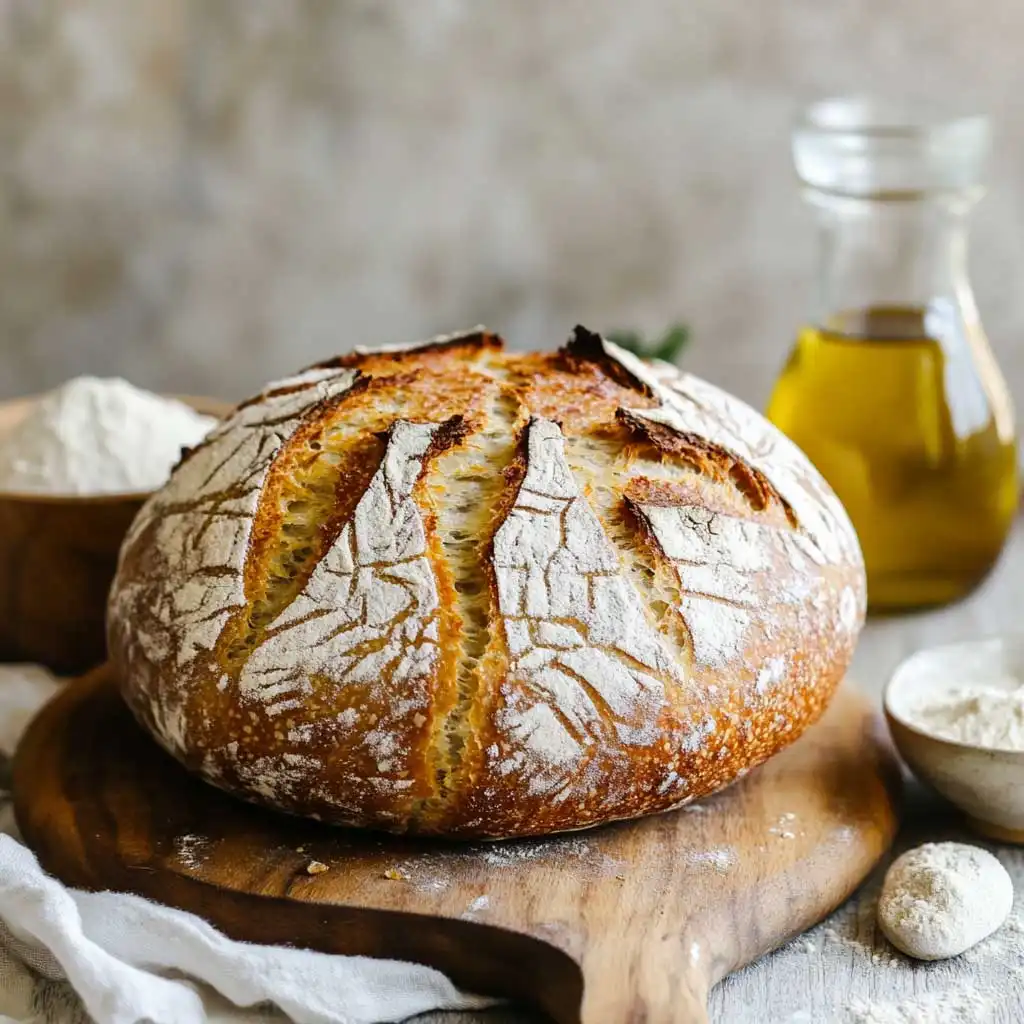

Creating your own sourdough starter from scratch might sound intimidating, but it’s a surprisingly simple and rewarding process.
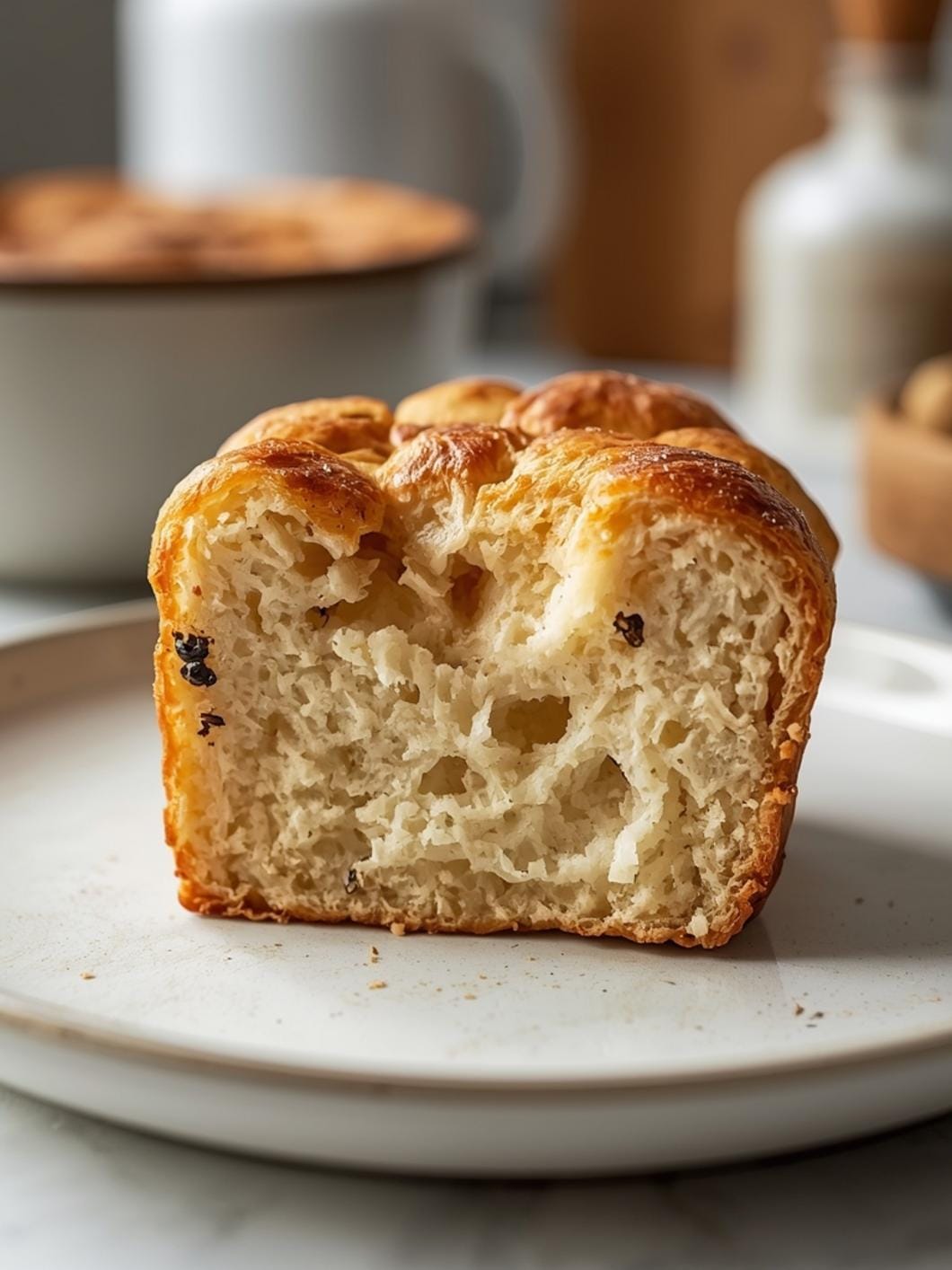
This beginner-friendly guide breaks down each step, making it easy for anyone to cultivate a robust and active starter right in their own kitchen. Forget complex techniques; we’re focusing on consistency and basic care to get you baking with your very own homemade starter in no time.
This method is designed to demystify sourdough, proving that you don’t need a science degree to nurture a thriving culture. With just a few common ingredients and a little patience, you’ll soon have a bubbly, fragrant starter ready to elevate your bread, pancakes, and more. Let’s get started on this exciting culinary adventure!
Table of Contents
- What You’ll Love About This Quick And Easy Recipe
- Everything You Need To Make This Recipe Without Stress
- Time Needed From Start To Finish
- How To Make It Step By Step With Visual Cues
- Easy Variations And Serving Ideas That Fit Real Life
- Common Slip-Ups And How To Avoid Them
- How To Store It And Make It Ahead Without Ruining Texture

Beginner Sourdough Starter
- Total Time: 7-14 days
- Yield: 1 active sourdough starter 1x
Description
Learn how to create your own robust and active sourdough starter from scratch with this beginner-friendly guide. This simple method focuses on consistency and basic care, making it easy to cultivate a thriving culture for all your baking needs.
Ingredients
Instructions
1. Day 1: The Beginning Mix: In a medium-sized glass jar or container (at least 1-quart capacity), combine 1/2 cup (60g) unbleached flour and 1/2 cup (120ml) filtered water. Stir well with a spoon or spatula until there are no dry spots and it forms a thick, paste-like batter. Scrape down the sides of the jar. Cover the jar loosely with a lid, plastic wrap, or a clean kitchen towel. The covering should allow for airflow but prevent the starter from drying out. Place it in a warm spot (ideally 70-75 F / 21-24 C) in your kitchen, away from direct sunlight.
2. Day 2: First Observation: Today, simply observe your starter. You might not see much activity yet, and that’s perfectly normal. It might look a bit thicker or have a few tiny bubbles. Do not feed it today. Just let it rest and continue to develop. Maintain its warm location.
3. Day 3: First Feeding: You might start to see some small bubbles on the surface or along the sides of the jar, and it might smell slightly yeasty or like fermented fruit. Discard about half of the starter (approximately 1/2 cup). To the remaining starter, add 1/2 cup (60g) unbleached flour and 1/2 cup (120ml) filtered water. Stir thoroughly until smooth. Cover loosely and return to its warm spot.
4. Day 4-6: Regular Feedings and Observing Activity: From day 4 onward, you will feed your starter once every 24 hours. Each day, repeat the Day 3 process: discard about half of the starter, then feed it with 1/2 cup (60g) unbleached flour and 1/2 cup (120ml) filtered water. Stir well, cover loosely, and return to its warm spot. During these days, you should start to see more significant activity. Look for consistent bubbling, a noticeable rise after feeding (it might double in size), and a pleasant, slightly sour, yeasty smell. The starter should become more elastic and less like a simple paste.
5. Day 7-14: Reaching Peak Activity: Continue the daily feeding routine. By now, your starter should be consistently doubling or even tripling in size within 4-8 hours after feeding, showing many bubbles, and having a strong, tangy aroma. It should look light and airy. To test if it’s ready, perform the “float test”: drop a small spoonful of starter into a glass of water. If it floats, it’s active and ready for baking! If it sinks, continue feeding it daily until it consistently floats. Once your starter is consistently active, you can transition to storing it in the refrigerator and feeding it once a week if you’re not baking frequently.
- Prep Time: 5-10 minutes daily
- Cook Time: 7-14 days (total development time)
- Category: baking
- Method: fermentation
- Cuisine: american
Nutrition
- Serving Size: 1 starter
Keywords: sourdough, starter, baking, fermentation, homemade, bread, yeast, culture, easy, beginner
What You’ll Love About This Quick And Easy Recipe
This guide is perfect for anyone eager to dive into the world of sourdough baking but unsure where to begin. It’s designed for the absolute beginner, providing clear, concise instructions that eliminate guesswork and build confidence. You’ll love how straightforward the process is, requiring minimal active time each day, making it ideal for busy individuals and families. This method focuses on creating a strong, resilient starter that can withstand minor inconsistencies, ensuring your efforts lead to a successful, active culture. Once established, your starter will be ready to use for all sorts of baking projects, from rustic loaves to fluffy pancakes, bringing a unique depth of flavor that only sourdough can provide. It’s an excellent foundation for anyone looking to incorporate more homemade goodness into their kitchen routine.
Everything You Need To Make This Recipe Without Stress
Starting a sourdough culture requires just a few basic ingredients and simple kitchen tools. You don’t need any special equipment, which keeps the initial investment low and the process accessible. The key is using unbleached flour, as the bleaching process can strip away some of the natural microbes essential for fermentation. Filtered water is also recommended to avoid chlorine, which can inhibit yeast activity.
INGREDIENTS:
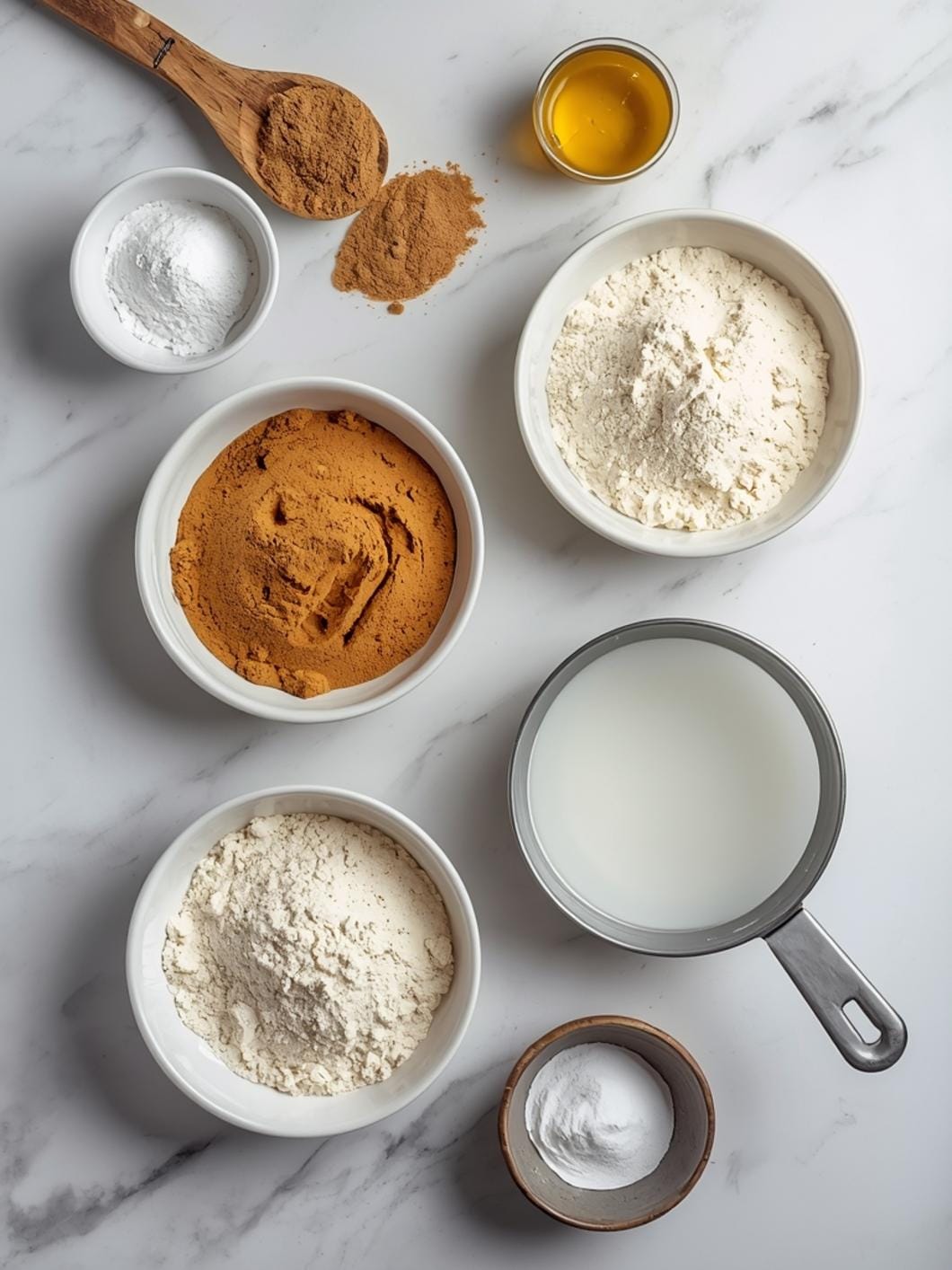
- 1 cup (120g) unbleached all-purpose flour or unbleached bread flour
- 1 cup (240ml) filtered water, room temperature
For the flour, while unbleached all-purpose works wonderfully, unbleached bread flour can sometimes give your starter an extra boost due to its higher protein content. Avoid bleached flours at all costs. As for water, if you don’t have a filter, you can let tap water sit out in an open container for 24 hours to allow the chlorine to dissipate. The most crucial aspect is consistency in your feeding schedule and ratios, which we’ll cover in detail.
Time Needed From Start To Finish
Creating a robust sourdough starter is a journey, not a sprint. The active “prep” time each day is minimal, typically just 5-10 minutes for feeding. However, the total time for your starter to become truly active and ready for baking usually spans about 7 to 14 days. This period allows the natural yeasts and bacteria to colonize and strengthen. While you’ll see activity much sooner, waiting for a consistently strong rise and fall ensures your starter is mature enough to leaven bread effectively. Patience during this initial phase is key to a successful, long-lasting starter.
How To Make It Step By Step With Visual Cues
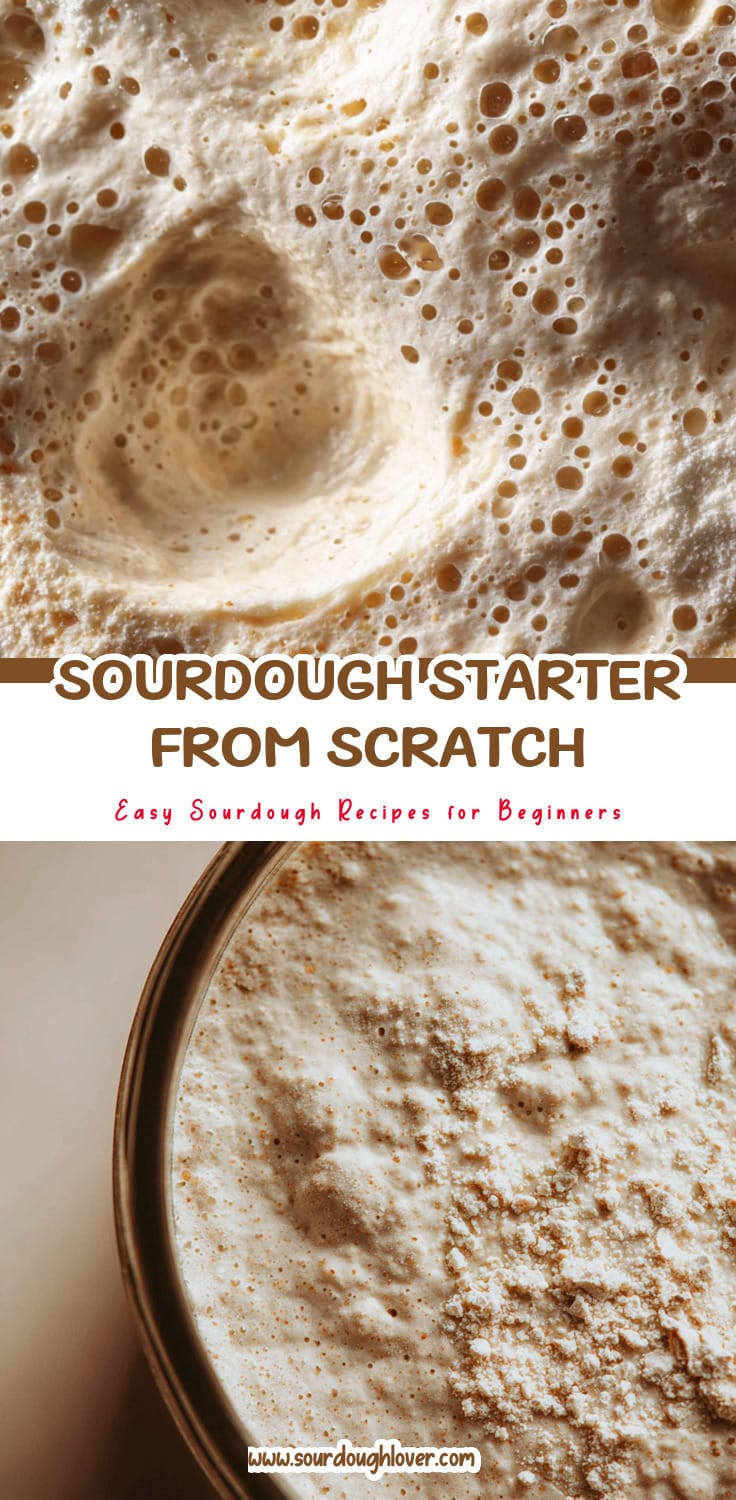
Follow these daily steps to cultivate your vibrant sourdough starter. Consistency is more important than perfection, so don’t stress if a day is slightly off.
Day 1: The Beginning Mix
In a medium-sized glass jar or container (at least 1-quart capacity), combine 1/2 cup (60g) unbleached flour and 1/2 cup (120ml) filtered water. Stir well with a spoon or spatula until there are no dry spots and it forms a thick, paste-like batter. Scrape down the sides of the jar. Cover the jar loosely with a lid, plastic wrap, or a clean kitchen towel. The covering should allow for airflow but prevent the starter from drying out. Place it in a warm spot (ideally 70-75°F / 21-24°C) in your kitchen, away from direct sunlight.
Day 2: First Observation
Today, simply observe your starter. You might not see much activity yet, and that’s perfectly normal. It might look a bit thicker or have a few tiny bubbles. Do not feed it today. Just let it rest and continue to develop. Maintain its warm location.
Day 3: First Feeding
You might start to see some small bubbles on the surface or along the sides of the jar, and it might smell slightly yeasty or like fermented fruit. Discard about half of the starter (approximately 1/2 cup). This step is crucial for managing the volume and concentrating the yeast and bacteria. To the remaining starter, add 1/2 cup (60g) unbleached flour and 1/2 cup (120ml) filtered water. Stir thoroughly until smooth. Cover loosely and return to its warm spot.
Day 4-6: Regular Feedings and Observing Activity
From day 4 onward, you will feed your starter once every 24 hours. Each day, repeat the Day 3 process: discard about half of the starter, then feed it with 1/2 cup (60g) unbleached flour and 1/2 cup (120ml) filtered water. Stir well, cover loosely, and return to its warm spot. During these days, you should start to see more significant activity. Look for consistent bubbling, a noticeable rise after feeding (it might double in size), and a pleasant, slightly sour, yeasty smell. The starter should become more elastic and less like a simple paste.
Day 7-14: Reaching Peak Activity
Continue the daily feeding routine. By now, your starter should be consistently doubling or even tripling in size within 4-8 hours after feeding, showing many bubbles, and having a strong, tangy aroma. It should look light and airy. To test if it’s ready, perform the “float test”: drop a small spoonful of starter into a glass of water. If it floats, it’s active and ready for baking! If it sinks, continue feeding it daily until it consistently floats. Once your starter is consistently active, you can transition to storing it in the refrigerator and feeding it once a week if you’re not baking frequently.
Easy Variations And Serving Ideas That Fit Real Life
While a sourdough starter isn’t a dish to be served, its variations come in the type of flour you use, which can influence its flavor and activity. You can experiment with different flours once your starter is well-established. For instance, feeding with rye flour can create a very robust and active starter with a deeper, earthier flavor profile. Whole wheat flour also adds complexity and can boost activity due to its higher nutrient content.
Once your starter is active, the serving possibilities are endless! It’s the foundation for countless delicious recipes. Use it to make classic sourdough bread, of course, but don’t stop there. It’s fantastic for sourdough pancakes or waffles, adding a delightful tang and lightness. Sourdough discard (the portion you remove before feeding) can be used in recipes like crackers, flatbreads, muffins, or even pizza dough, ensuring nothing goes to waste. Think about making sourdough pretzels for a fun snack, or incorporating it into quick breads for an added layer of flavor.
Common Slip-Ups And How To Avoid Them
One of the most common mistakes beginners make is not feeding their starter consistently or on time. Irregular feeding can weaken the culture, making it sluggish or prone to mold. To avoid this, try to feed your starter around the same time each day, especially during the initial activation phase. Another frequent issue is using chlorinated water, which can kill off the beneficial microbes. Always use filtered or dechlorinated water.
Not discarding enough starter before feeding is another pitfall. If you don’t discard, you’ll end up with an overwhelming amount of starter, and the food source (flour) will be too diluted to properly feed the entire culture, leading to a weak or inactive starter. Always discard roughly half before each feeding. Lastly, don’t get discouraged if your starter doesn’t show much activity in the first few days. It’s a living thing, and sometimes it takes a little longer to wake up. Patience is truly a virtue here. If it seems slow, try moving it to a slightly warmer spot.
How To Store It And Make It Ahead Without Ruining Texture
Once your sourdough starter is consistently active and passes the float test, you can transition to storing it in the refrigerator if you don’t plan to bake every day. This slows down its metabolism, meaning it needs less frequent feeding. To store, feed your starter as usual, let it sit at room temperature for 1-2 hours until you see some initial signs of activity, then place it in a clean jar with a loose-fitting lid in the refrigerator.
When storing in the fridge, you typically only need to feed it once a week. The day before you plan to bake, take your starter out of the refrigerator, let it come to room temperature for an hour, then feed it as you normally would (discard half, feed with equal parts flour and water). Repeat this feeding 1-2 times, 8-12 hours apart, until it’s bubbly and active again, passing the float test. This process is called “w
FAQs
- Can I make these ahead? Yes—prep ahead, refrigerate, then serve when ready.
- How long do leftovers last? Store covered in the fridge for 3–4 days for best texture.
- Can I adjust sweetness? Yes—add more or less sweetener to taste.
- Can I change the fruit? Yes—swap strawberries for blueberries, raspberries, or sliced banana.