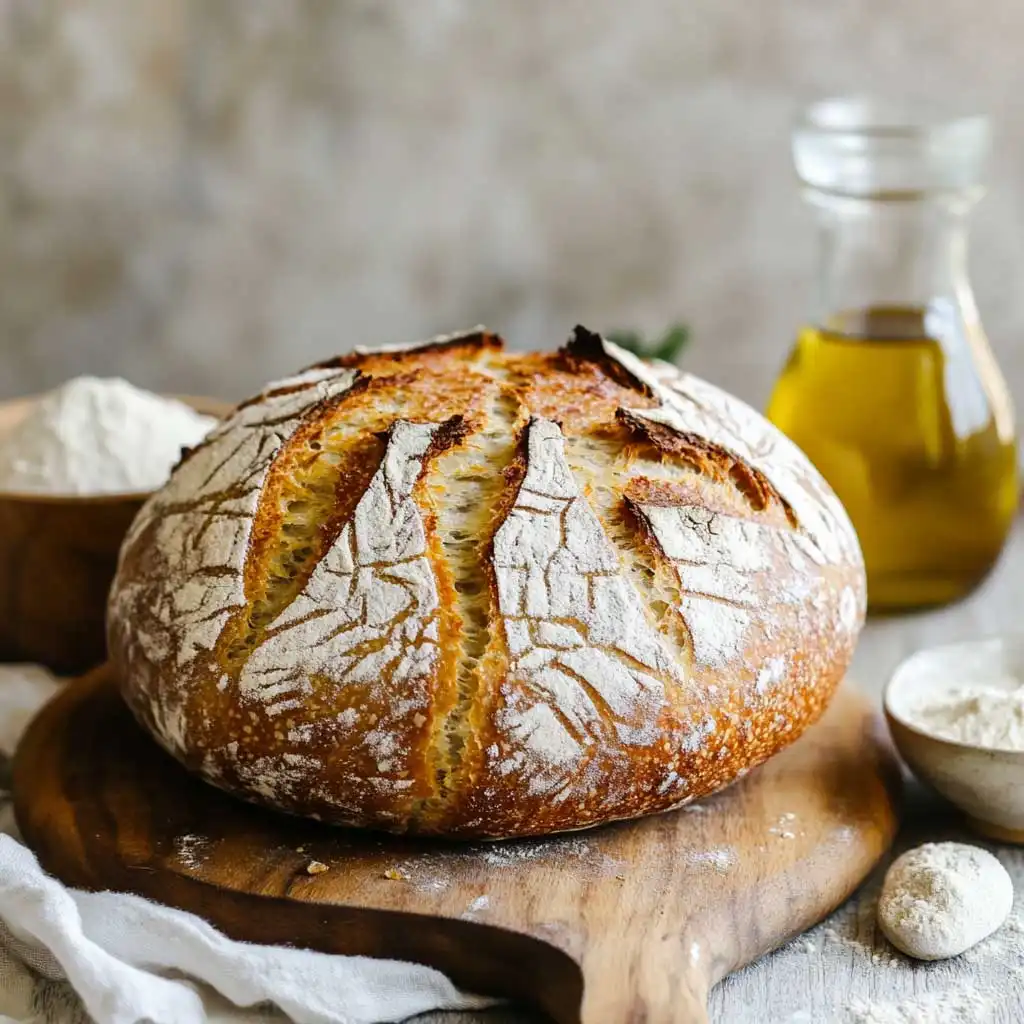

Elevate your homemade sourdough with these beautiful sourdough designs, perfect for adding a decorative touch to your bread.
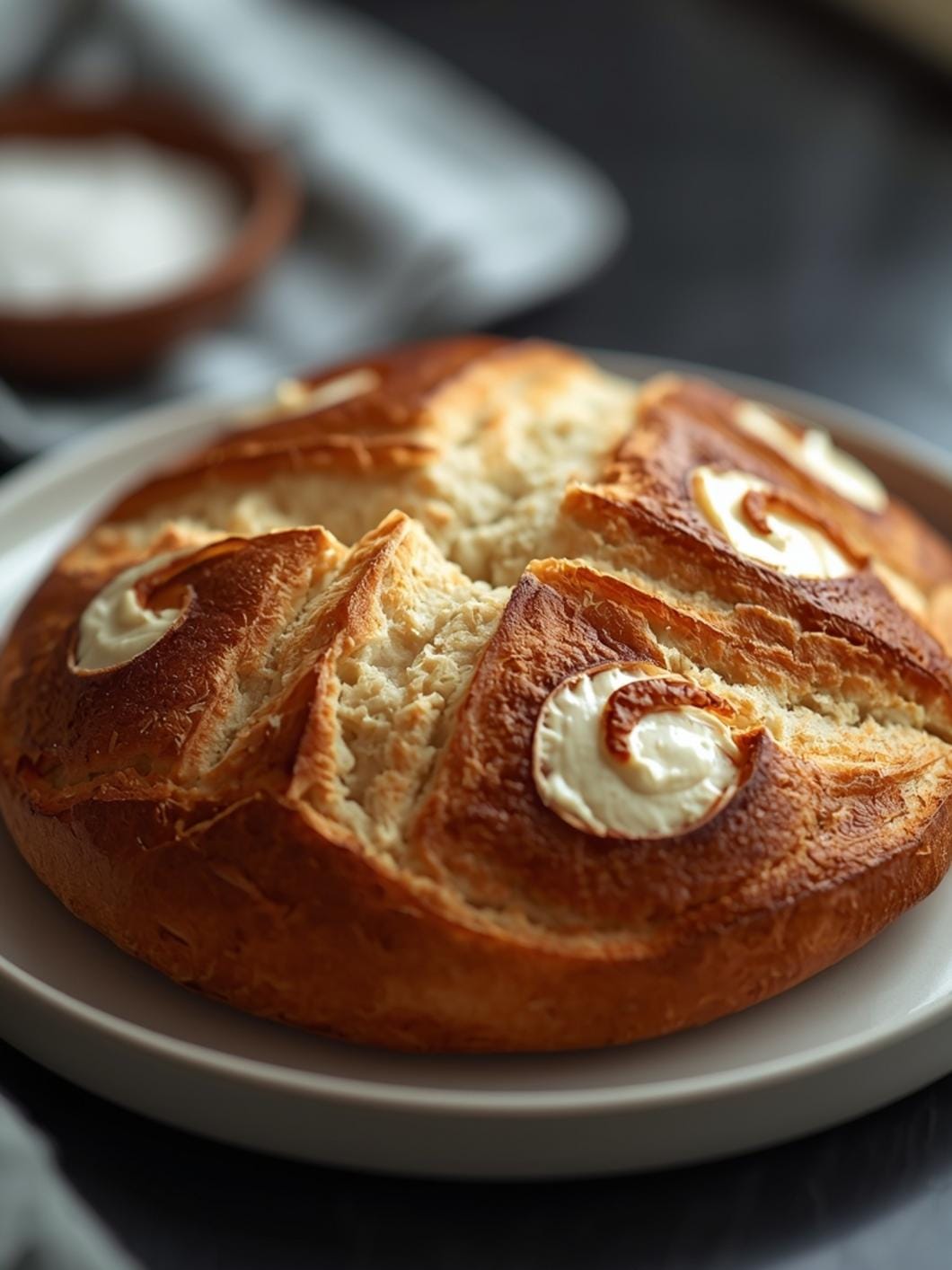
Learning how to create stunning and fancy sourdough bread patterns is easier than you think, even for beginners. These simple techniques will make your loaves look professionally baked and are sure to impress anyone who sees them.
This guide focuses on practical, beginner-friendly ideas to transform your sourdough from a simple loaf into a work of art. You don’t need advanced skills or special tools to achieve gorgeous results. We’ll explore various patterns that are both easy to execute and visually striking, ensuring your bread not only tastes amazing but looks incredible too.
Table of Contents
- What You’ll Love About This Quick And Easy Recipe
- Everything You Need To Make This Recipe Without Stress
- Time Needed From Start To Finish
- How To Make It Step By Step With Visual Cues
- Easy Variations And Serving Ideas That Fit Real Life
- Common Slip-Ups And How To Avoid Them
- How To Store It And Make It Ahead Without Ruining Texture

Sourdough Scoring Designs: Elevate Your Loaf
- Total Time: 2-5 minutes (added to baking time)
- Yield: 1 loaf
Description
Learn how to create stunning and fancy sourdough bread patterns with these easy, beginner-friendly techniques. This guide focuses on artistic flair for your already prepared sourdough, transforming a simple loaf into a work of art with minimal extra time and basic tools.
Ingredients
Instructions
1. Prepare Your Loaf: Once your sourdough loaf has completed its final proof and is ready to bake, gently turn it out onto parchment paper or directly onto your baking surface. Ensure the surface you’re scoring is stable.
2. Lightly Dust with Flour: Using a small sieve or your fingers, lightly dust the top surface of your proofed sourdough loaf with a thin, even layer of flour. This dusting helps the score lines stand out beautifully against the darker crust once baked.
3. Choose Your Lame or Blade: For precise cuts, use a bread lame (a razor blade holder) or a very sharp razor blade. A super sharp knife can also work in a pinch, but a lame offers better control and a cleaner cut.
4. Angle Your Blade Correctly: For most decorative scores, hold your blade at a shallow angle, typically around 30-45 degrees to the surface of the dough. This angle helps create a “flap” that opens up nicely during baking, defining your design. For a deeper, more structural cut (like an ear), you might use a slightly steeper angle.
5. Execute Your Primary Score (If Applicable): If your design includes a main “ear” or a deep, structural cut, make this first. This cut is usually deeper (about 1/2 to 3/4 inch deep) and guides the expansion of the loaf. For a simple ear, make one long, curved cut along the side of the loaf.
6. Add Decorative Cuts: Now, with a lighter touch and often a shallower angle (around 1/4 inch deep), add your decorative patterns. Think about symmetry and repetition. Common beginner-friendly patterns include parallel lines, cross-hatch patterns, leaf shapes, or simple geometric designs. Practice light, confident strokes.
7. Consider Depth and Consistency: The key to a beautiful design is consistent depth and pressure for your decorative cuts. Avoid sawing motions; aim for smooth, continuous lines. The flour dusting will make your cuts more visible as you go.
8. Bake Immediately: Once scored, transfer your loaf to your preheated oven or Dutch oven as quickly as possible. The scoring process should be done just before baking to prevent the dough from deflating.
- Prep Time: 2-5 minutes
- Cook Time: Varies by sourdough recipe
- Category: bread
- Method: scoring
- Cuisine: european
Nutrition
- Serving Size: 1 slice
Keywords: sourdough, scoring, bread art, decorative, baking, patterns, homemade, artisan, design, easy
What You’ll Love About This Quick And Easy Recipe
This guide isn’t about baking the sourdough itself, but rather about the artistic flair you can add to your already prepared dough. What you’ll love is how accessible and rewarding these decorative scoring techniques are. They work for anyone who bakes sourdough, from seasoned pros to those just starting their sourdough journey. This isn’t a complex recipe; it’s a creative enhancement that turns your regular bake into something special. It’s perfect for when you want to bring a visually appealing loaf to a potluck, share a beautiful gift, or simply enjoy a more aesthetically pleasing bread at home. The beauty of these designs is that they require minimal extra time but yield maximum visual impact, making your bread feel truly artisanal.
Everything You Need To Make This Recipe Without Stress
The best part about creating beautiful sourdough designs is that you don’t need a pantry full of ingredients or specialized equipment. The focus is on technique and a few basic tools you likely already have if you’re baking sourdough.
INGREDIENTS:
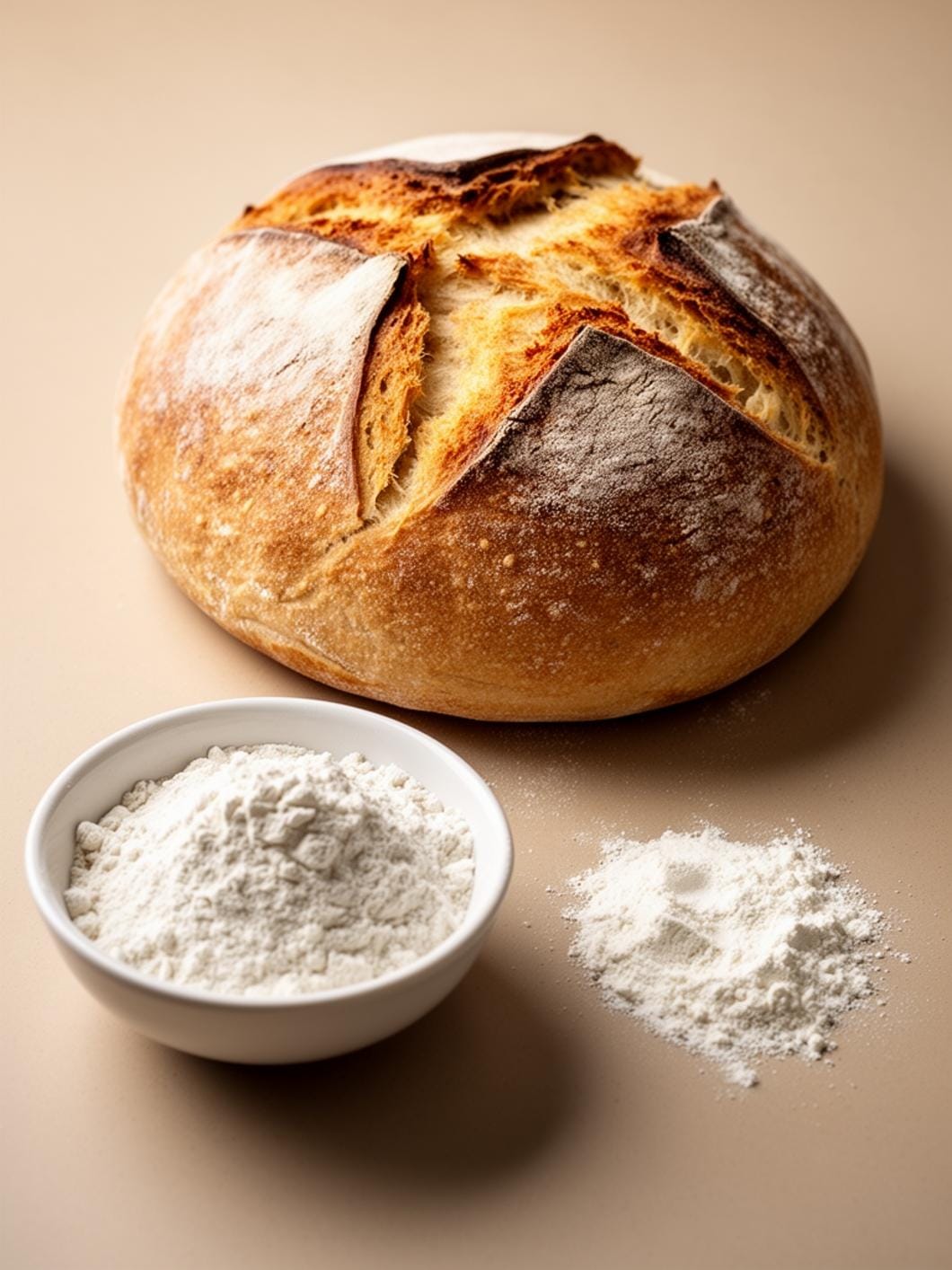
- Your prepared sourdough loaf (proofed and ready for scoring)
- A small amount of flour (all-purpose or rice flour works well)
For simple substitutions, rice flour is often preferred for dusting as it doesn’t absorb into the dough as readily as wheat flour, creating a clearer contrast for your designs. However, regular all-purpose flour will work just fine for dusting if that’s what you have on hand. The “ingredients” here are truly minimal, highlighting that the art comes from your hands and a sharp blade.
Time Needed From Start To Finish
The beauty of sourdough scoring is that it adds very little to your overall baking timeline. The actual act of scoring is quite quick, usually taking just a few minutes.
Prep Time: 2-5 minutes (for dusting and scoring) Cook Time: This is the baking time for your sourdough loaf, not for the scoring itself. Total Time: The added time for scoring is negligible, typically just a few extra minutes before your loaf goes into the oven.
How To Make It Step By Step With Visual Cues
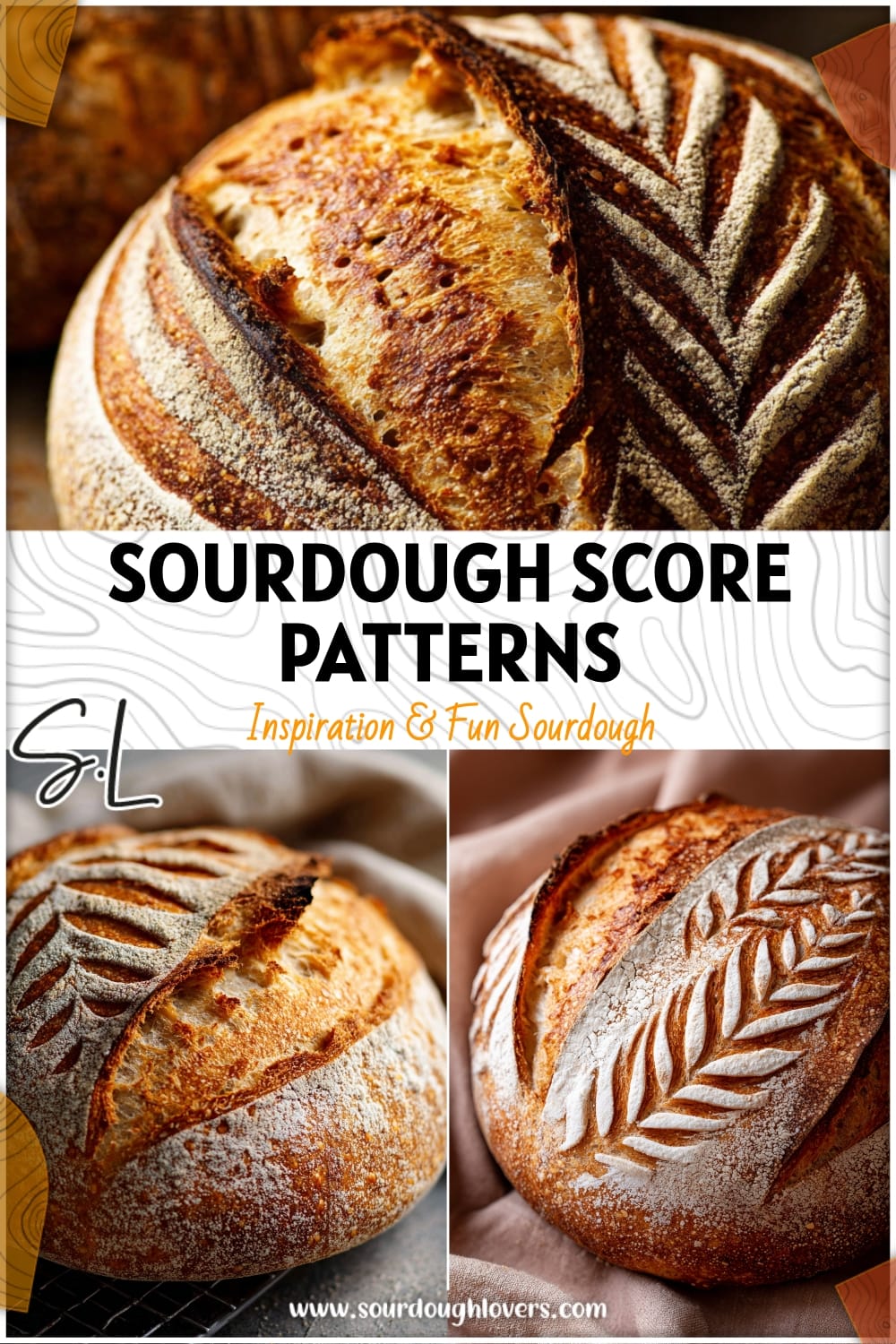
Creating beautiful sourdough patterns is a delicate art that requires a steady hand and a sharp blade. Here’s how to achieve stunning designs on your proofed sourdough loaf.
- Prepare Your Loaf: Once your sourdough loaf has completed its final proof and is ready to bake, gently turn it out onto parchment paper or directly onto your baking surface. Ensure the surface you’re scoring is stable.
- Lightly Dust with Flour: Using a small sieve or your fingers, lightly dust the top surface of your proofed sourdough loaf with a thin, even layer of flour. This dusting helps the score lines stand out beautifully against the darker crust once baked.
- Choose Your Lame or Blade: For precise cuts, use a bread lame (a razor blade holder) or a very sharp razor blade. A super sharp knife can also work in a pinch, but a lame offers better control and a cleaner cut.
- Angle Your Blade Correctly: For most decorative scores, hold your blade at a shallow angle, typically around 30-45 degrees to the surface of the dough. This angle helps create a “flap” that opens up nicely during baking, defining your design. For a deeper, more structural cut (like an ear), you might use a slightly steeper angle.
- Execute Your Primary Score (If Applicable): If your design includes a main “ear” or a deep, structural cut, make this first. This cut is usually deeper (about 1/2 to 3/4 inch deep) and guides the expansion of the loaf. For a simple ear, make one long, curved cut along the side of the loaf.
- Add Decorative Cuts: Now, with a lighter touch and often a shallower angle (around 1/4 inch deep), add your decorative patterns. Think about symmetry and repetition. Common beginner-friendly patterns include parallel lines, cross-hatch patterns, leaf shapes, or simple geometric designs. Practice light, confident strokes.
- Consider Depth and Consistency: The key to a beautiful design is consistent depth and pressure for your decorative cuts. Avoid sawing motions; aim for smooth, continuous lines. The flour dusting will make your cuts more visible as you go.
- Bake Immediately: Once scored, transfer your loaf to your preheated oven or Dutch oven as quickly as possible. The scoring process should be done just before baking to prevent the dough from deflating.
Easy Variations And Serving Ideas That Fit Real Life
Once you master basic scoring, a world of creative possibilities opens up. These variations are simple to execute and can make your sourdough loaf a true centerpiece.
- Simple Leaf Pattern: After your main ear cut (if desired), make several small, curved cuts branching off the main cut, resembling veins on a leaf. Or, without a main ear, make a central line and then small, angled cuts on either side.
- Wheat Stalk Design: Dust your loaf, then make one long, slightly curved central score down the middle. On either side of this central line, make short, diagonal cuts that alternate direction, creating a wheat-like appearance.
- Geometric Grids: For a modern look, make parallel lines across the loaf, then rotate it 90 degrees and make another set of parallel lines perpendicular to the first, creating a grid or cross-hatch pattern. You can vary the spacing for different effects.
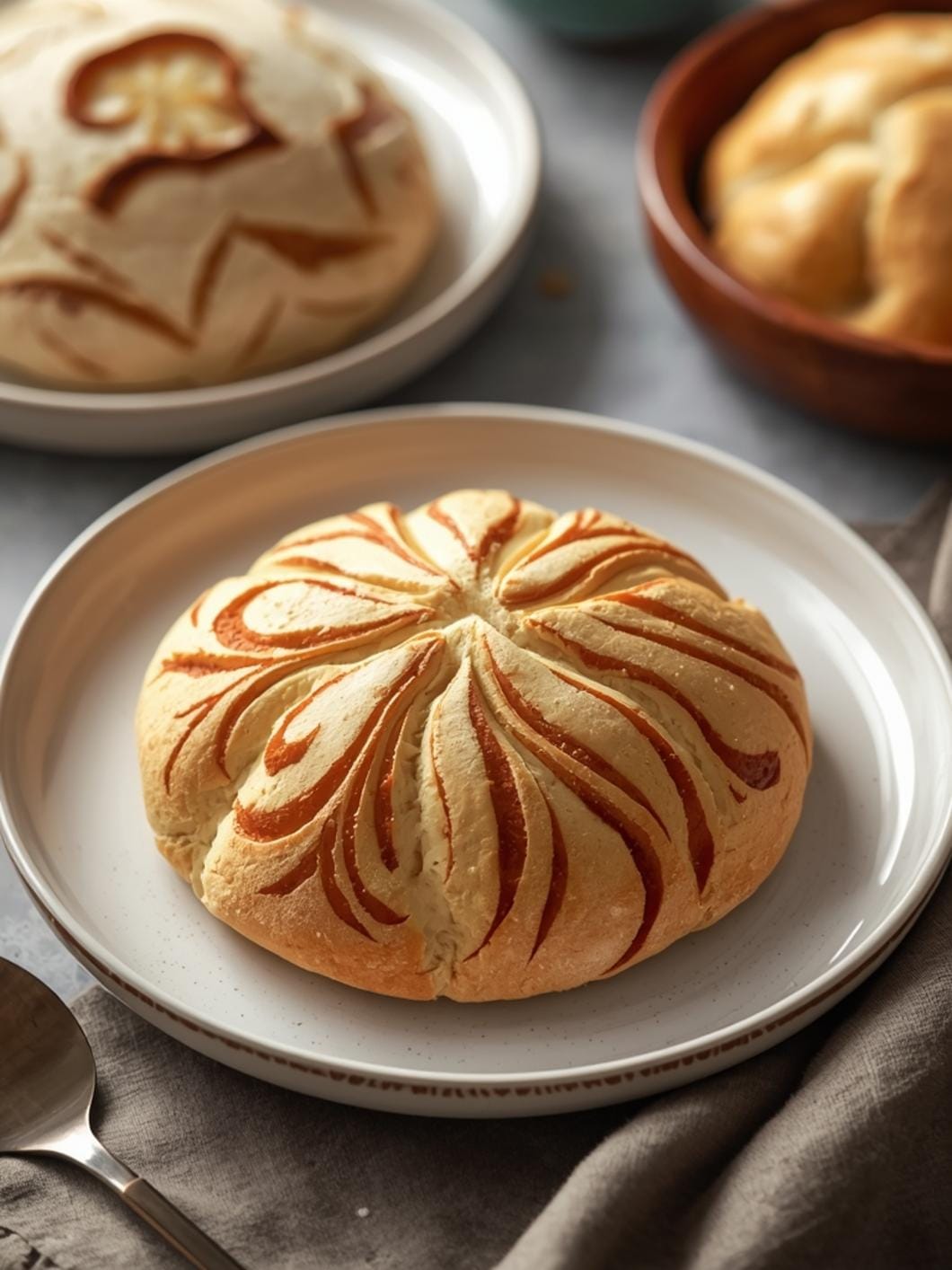
- Swirl or Spiral: Start from the center of your loaf and make a continuous, shallow spiral cut outwards. This creates a beautiful, mesmerizing pattern as the bread bakes and expands.
- Stenciled Flour Designs: Before scoring, you can place a simple stencil (like a leaf, star, or heart) on your floured dough and dust a contrasting color of flour (e.g., cocoa powder or rye flour) over it for an added layer of design. Then, score around or through the stenciled image.
- Serving Suggestions: A beautifully scored sourdough loaf is a showstopper on its own. Serve it simply with good quality olive oil for dipping, a pat of artisanal butter, or alongside a hearty soup or stew. It also makes an impressive base for bruschetta or open-faced sandwiches. For a party, slice it thickly and arrange it on a board with cheeses and charcuterie.
Common Slip-Ups And How To Avoid Them
Even experienced bakers can make mistakes when it comes to scoring. Here are some common pitfalls and how to steer clear of them for perfect designs every time.
- Dull Blade: Using a dull blade is the most common mistake. It tears the dough instead of cutting cleanly, leading to ragged, undefined scores that don’t open up well. Always use a brand-new, very sharp razor blade or a fresh blade in your lame.
- Scoring Too Early: If you score your dough too far in advance of baking, the dough can start to deflate, and your cuts might lose their definition. Score just before the loaf goes into the oven.
- Scoring Too Deep or Too Shallow: Cuts that are too deep can cause the loaf to spread excessively and lose its shape. Cuts that are too shallow won’t open up enough, making your design less visible. Practice finding the right depth – generally, 1/2 to 3/4 inch for structural cuts and 1/4 inch for decorative ones.
- Lack of Confidence: Hesitant, short strokes can lead to choppy, uneven lines. Approach each cut with confidence and make smooth, continuous movements. It’s better to commit to a cut than to hesitate.
- Over-Dusting with Flour: While flour dusting helps define the scores, too much can create a pasty layer on your crust that doesn’t look appealing. A light, even dusting is all you need.
- Forgetting the Angle: The angle of your blade is crucial. A shallow angle creates a beautiful “ear” or flap, while a straight-down cut will simply create a deep gash. Experiment with angles to see how they affect the final look.
How To Store It And Make It Ahead Without Ruining Texture
The scoring process itself isn’t something you “store” or “make ahead.” It’s the final artistic touch applied to your proofed dough just before it enters the oven. Therefore, the storage and make-ahead considerations apply to your sourdough dough, not the scoring.
- Storing Proofed Dough: If your dough is fully proofed and you’re not ready to bake, you can often retard its proofing by placing it in the refrigerator. This slows down fermentation and can buy you several hours, or even overnight, allowing you to score and bake
FAQs
- Can I make these ahead? Yes—prep ahead, refrigerate, then serve when ready.
- How long do leftovers last? Store covered in the fridge for 3–4 days for best texture.
- Can I adjust sweetness? Yes—add more or less sweetener to taste.
- Can I change the fruit? Yes—swap strawberries for blueberries, raspberries, or sliced banana.