
Elevate your homemade sourdough with stunning scoring patterns using stencils and simple techniques for a professional finish.
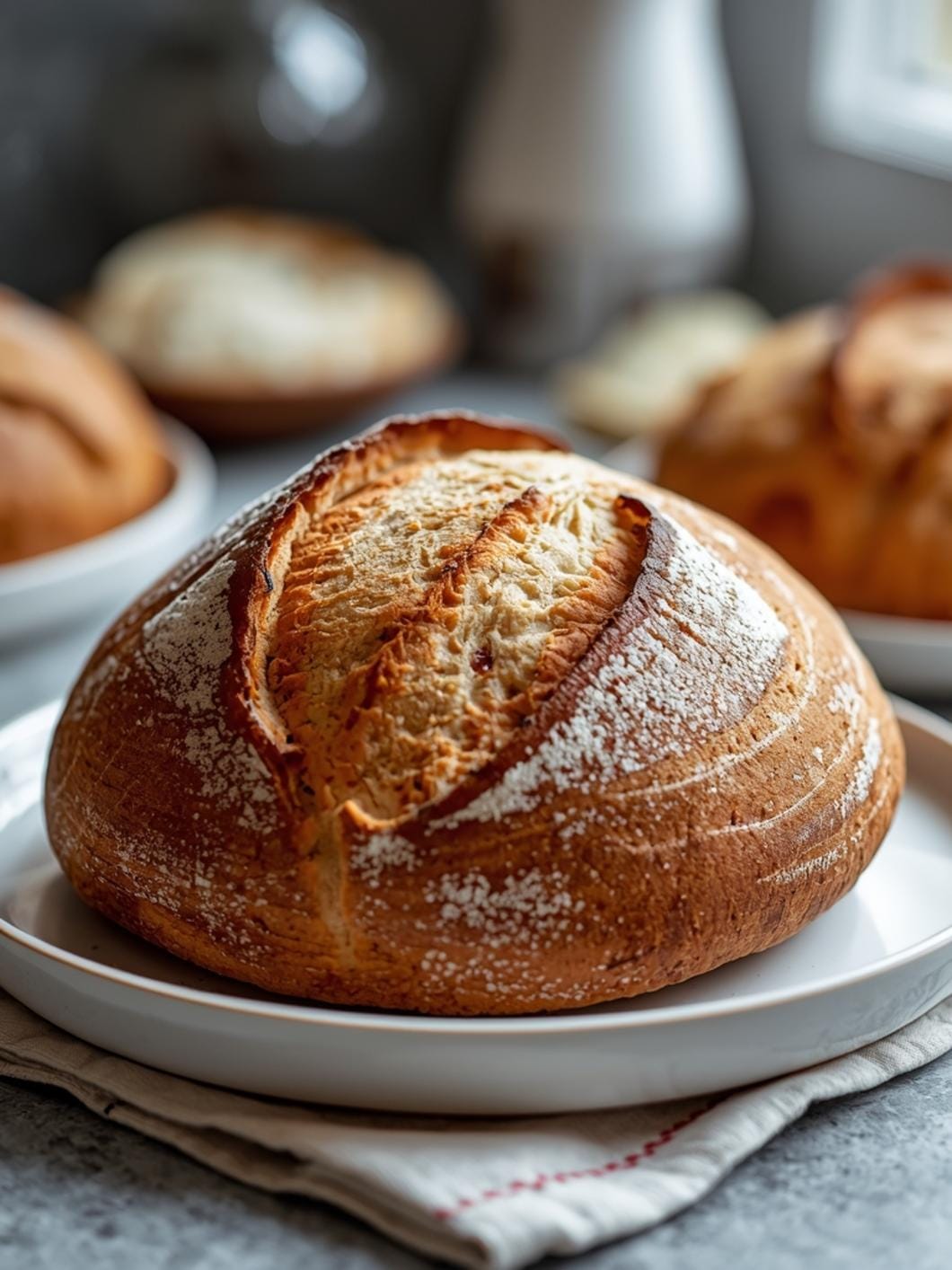
This guide will walk you through creating beautiful sourdough bread designs that will impress everyone, transforming a simple loaf into a work of art.
Discover the details and unlock the secrets to achieving bakery-worthy aesthetics right in your own kitchen. You’ll learn practical methods to enhance your bread’s appearance, making every bake a masterpiece.
Table of Contents
- What You’ll Love About This Quick And Easy Recipe
- Everything You Need To Make This Recipe Without Stress
- Time Needed From Start To Finish
- How To Make It Step By Step With Visual Cues
- Easy Variations And Serving Ideas That Fit Real Life
- Common Slip-Ups And How To Avoid Them
- How To Store It And Make It Ahead Without Ruining Texture

Sourdough Scoring Patterns and Techniques
- Total Time: 35-60 minutes
- Yield: 1 loaf 1x
Description
Elevate your homemade sourdough with stunning scoring patterns using stencils and simple techniques for a professional finish. This guide will walk you through creating beautiful sourdough bread designs that will impress everyone, transforming a simple loaf into a work of art.
Ingredients
Instructions
1. Prepare Your Loaf for Scoring: Once your sourdough loaf has completed its final proof and is ready to bake, gently turn it out onto a piece of parchment paper or directly onto your baking surface (like a Dutch oven or baking stone). Ensure the surface is stable and you have good lighting.
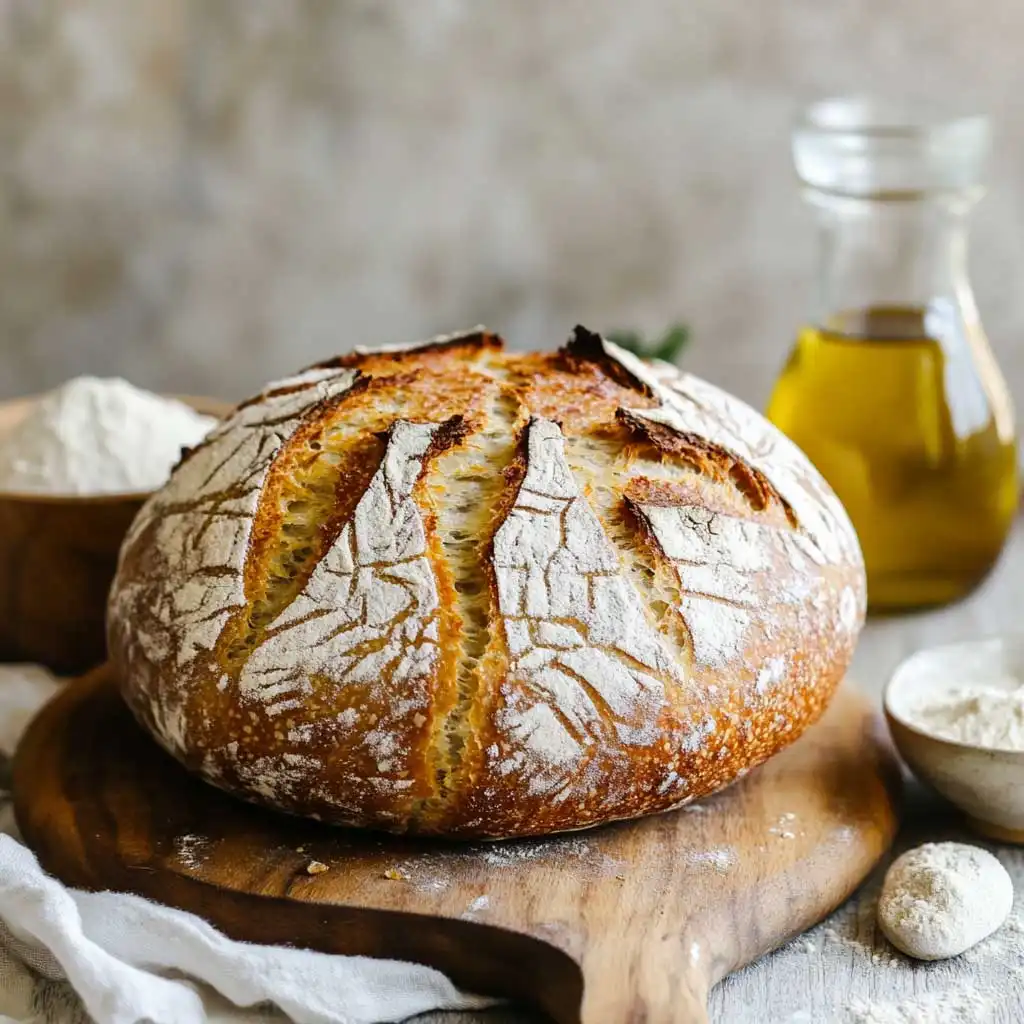
2. Dust the Surface Lightly: Using a fine-mesh sieve, lightly dust the top surface of your sourdough loaf with all-purpose flour or rice flour. This not only helps the scoring stand out but also prevents your lame from sticking and provides a beautiful contrast once baked. Aim for an even, thin layer.
3. Position Your Stencil (Optional): If using a stencil, carefully place it on top of the floured dough. Gently press it down so it adheres slightly to the flour. You can then dust a contrasting flour (like cocoa powder for a dark design on a light flour base, or more rice flour for a bolder effect) over the stencil, or simply use the stencil as a guide for your cuts.
4. Make Your Primary Cuts (Ear Creation): Hold your lame or razor blade at a shallow angle (about 30-45 degrees) to the dough surface. Make one or two deep, confident cuts across the top of the loaf. These are typically the deepest cuts, allowing the dough to expand and create the coveted “ear” on your bread. Aim for a depth of about 1/2 to 3/4 inch.
5. Add Decorative Scoring: For decorative patterns, hold your lame more vertically (around 90 degrees) to the dough. Make shallower cuts, about 1/4 inch deep. For intricate designs, use short, precise strokes. Think about symmetry, repeating patterns, or freehand designs like leaves, wheat stalks, or geometric shapes. If using a stencil as a guide, carefully trace the stencil design with your lame.
6. Remove Stencil Carefully (If Used): If you used a stencil, gently lift it straight up and away from the dough to avoid smudging your design.
7. Transfer to Oven: Carefully transfer your scored loaf into your preheated oven or Dutch oven. The heat will cause the cuts to open up beautifully, revealing your artistry.
8. Bake According to Your Recipe: Bake your sourdough as per your specific recipe instructions. As it bakes, watch your scoring patterns bloom and transform into stunning visual elements.
- Prep Time: 5-10 minutes
- Cook Time: 30-50 minutes
- Category: baking
- Method: baking
- Cuisine: european
Nutrition
- Serving Size: 1 slice
Keywords: sourdough, scoring, bread, baking, artisan, design, technique, homemade, patterns, loaves
What You’ll Love About This Quick And Easy Recipe
This guide isn’t about a recipe in the traditional sense, but rather a set of techniques that will revolutionize the appearance of your homemade sourdough loaves. What you’ll absolutely adore is how accessible and impactful these scoring patterns are. This is for anyone who bakes sourdough and wants to add a personal, professional touch without needing advanced artistic skills. It’s perfect for home bakers looking to elevate their presentation for family meals, potlucks, or simply for the sheer joy of creating something beautiful. You can apply these techniques to any sourdough recipe you already love, making your regular bakes feel extra special.
Everything You Need To Make This Recipe Without Stress
To create stunning sourdough scoring patterns, you don’t need a pantry full of ingredients, but rather a few essential tools and a prepared sourdough loaf. The beauty of this process lies in its simplicity and the artistic freedom it offers.
INGREDIENTS:
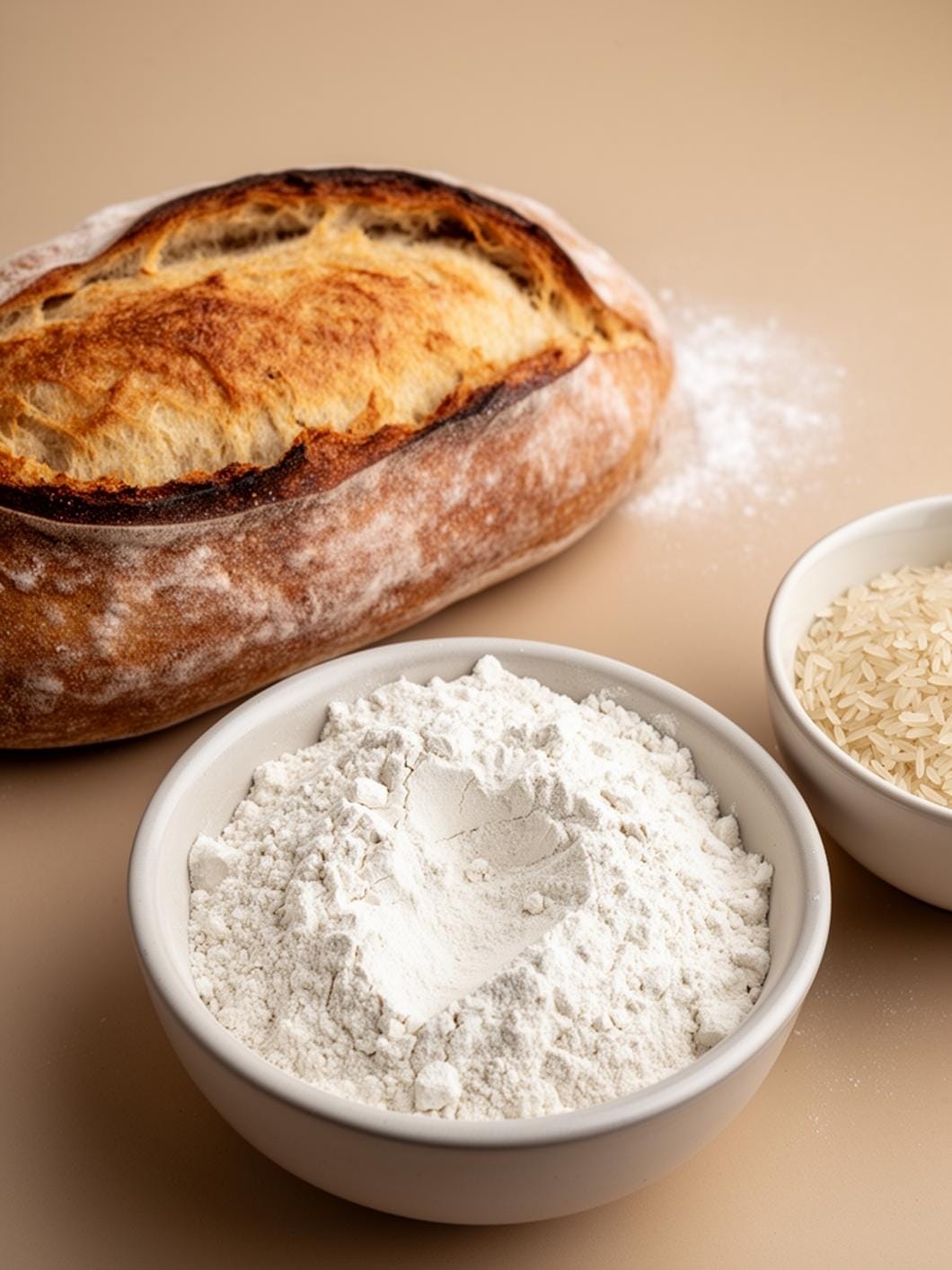
- 1 proofed sourdough loaf (ready for baking)
- All-purpose flour or rice flour (for dusting)
You’ll also need a sharp lame or a very sharp razor blade for scoring, and optionally, stencils. For dusting, all-purpose flour works perfectly well, but rice flour is often preferred by professional bakers because it doesn’t burn as easily and creates a starker contrast on the baked crust. You can find stencils specifically designed for bread scoring online, or get creative and make your own from parchment paper or thin cardboard. Just ensure any homemade stencil is food-safe and can withstand a little flour.
Time Needed From Start To Finish
The actual time spent on scoring your sourdough loaf is remarkably quick, especially once you get the hang of it.
- Preparation Time for Scoring: 5-10 minutes (this includes dusting, placing stencils, and making your cuts)
- Baking Time: Varies based on your sourdough recipe (typically 30-50 minutes)
- Total Time (Scoring & Baking): Approximately 35-60 minutes
This timing focuses purely on the scoring aspect and the subsequent baking, assuming your sourdough loaf is already proofed and ready to go into the oven. The scoring itself is a fast, precise action that adds minimal time to your overall baking process but delivers maximum visual impact.
How To Make It Step By Step With Visual Cues
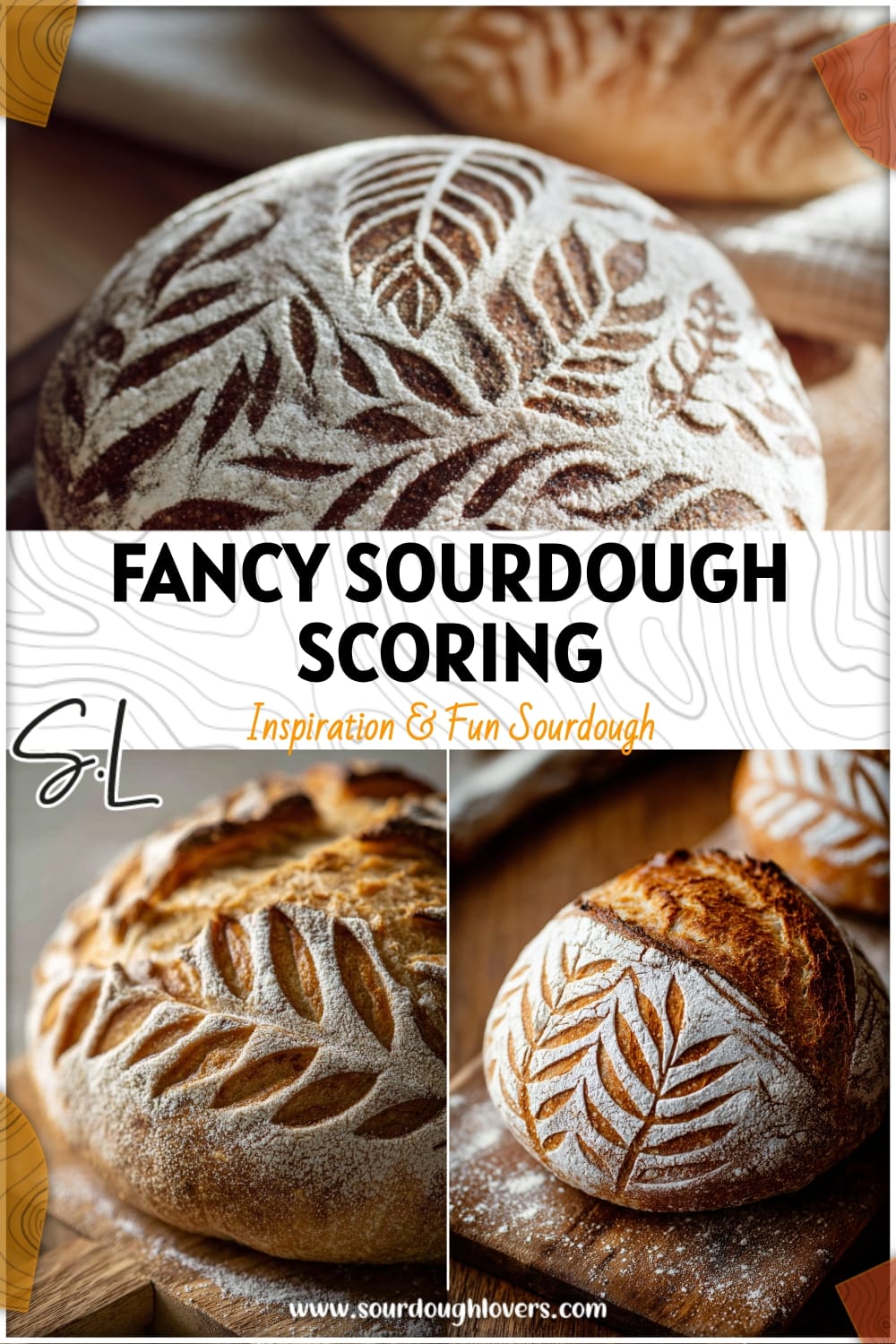
Creating beautiful scoring patterns is a delicate art that requires a steady hand and a sharp tool. Follow these steps to transform your proofed sourdough into a masterpiece.
- Prepare Your Loaf for Scoring: Once your sourdough loaf has completed its final proof and is ready to bake, gently turn it out onto a piece of parchment paper or directly onto your baking surface (like a Dutch oven or baking stone). Ensure the surface is stable and you have good lighting.
- Dust the Surface Lightly: Using a fine-mesh sieve, lightly dust the top surface of your sourdough loaf with all-purpose flour or rice flour. This not only helps the scoring stand out but also prevents your lame from sticking and provides a beautiful contrast once baked. Aim for an even, thin layer.
- Position Your Stencil (Optional): If using a stencil, carefully place it on top of the floured dough. Gently press it down so it adheres slightly to the flour. You can then dust a contrasting flour (like cocoa powder for a dark design on a light flour base, or more rice flour for a bolder effect) over the stencil, or simply use the stencil as a guide for your cuts.
- Make Your Primary Cuts (Ear Creation): Hold your lame or razor blade at a shallow angle (about 30-45 degrees) to the dough surface. Make one or two deep, confident cuts across the top of the loaf. These are typically the deepest cuts, allowing the dough to expand and create the coveted “ear” on your bread. Aim for a depth of about 1/2 to 3/4 inch.
- Add Decorative Scoring: For decorative patterns, hold your lame more vertically (around 90 degrees) to the dough. Make shallower cuts, about 1/4 inch deep. For intricate designs, use short, precise strokes. Think about symmetry, repeating patterns, or freehand designs like leaves, wheat stalks, or geometric shapes. If using a stencil as a guide, carefully trace the stencil design with your lame.
- Remove Stencil Carefully (If Used): If you used a stencil, gently lift it straight up and away from the dough to avoid smudging your design.
- Transfer to Oven: Carefully transfer your scored loaf into your preheated oven or Dutch oven. The heat will cause the cuts to open up beautifully, revealing your artistry.
- Bake According to Your Recipe: Bake your sourdough as per your specific recipe instructions. As it bakes, watch your scoring patterns bloom and transform into stunning visual elements.
Easy Variations And Serving Ideas That Fit Real Life
The beauty of sourdough scoring is how easily you can vary the patterns and how it enhances almost any serving occasion. For a simple family dinner, a classic ear with a few decorative slashes is elegant. If you’re bringing bread to a potluck or party, more intricate stencil designs or freehand art can be a real showstopper.
- Geometric Patterns: Experiment with simple crosses, grids, or parallel lines. These are easy for beginners and always look sophisticated.
- Nature-Inspired Designs: Think about creating leaf patterns, wheat stalks, or even a sunburst. These can be done freehand or with stencils.
- Lettering or Initials: For a personalized touch, use a stencil or freehand to score initials or a short word onto the loaf. This is great for gifts or special occasions.
- Dusting Variations: Instead of just flour, try dusting with a mix of flour and cocoa powder for a two-tone effect, or even a light sprinkle of poppy seeds or sesame seeds before scoring for added texture.
- Serving Suggestions: A beautifully scored loaf is best served simply. Offer it with good quality olive oil for dipping, a pat of artisanal butter, or alongside a hearty soup or stew. It also makes an incredible base for open-faced sandwiches or avocado toast, where its visual appeal can truly shine.
Common Slip-Ups And How To Avoid Them
Even experienced bakers can sometimes encounter issues with scoring. Knowing these common pitfalls can help you achieve perfect results every time.
- Dull Lame/Razor Blade: This is the most frequent mistake. A dull blade will drag and tear the dough instead of making a clean cut, resulting in messy, undefined patterns. Always use a brand-new, very sharp razor blade or a specialized bread lame. Replace blades frequently.
- Not Enough Flour Dusting: Insufficient flour on the surface means your cuts won’t stand out as much, and the blade might stick. A light, even dusting provides contrast and helps the blade glide smoothly.
- Incorrect Blade Angle: For the primary “ear” cuts, holding the blade too vertically will result in a flat opening rather than a pronounced ear. A shallow angle (30-45 degrees) is crucial for creating that beautiful lift. For decorative cuts, a more vertical angle is appropriate for shallower, precise lines.
- Hesitant Cuts: Slow, hesitant cuts are more likely to tear the dough. Be confident and make quick, decisive strokes. Practice on scrap dough or even a piece of clay if you’re nervous.
- Over-Proofed Dough: If your dough is significantly over-proofed, it will be very fragile and difficult to score cleanly. The cuts might collapse or spread too much. Ensure your dough is at the optimal proofing stage – it should be jiggly but still have some structure.
- Under-Proofed Dough: Conversely, under-proofed dough will be too tight and resistant to scoring. Your cuts won’t open up as much during baking, and the ear might not form well.
- Over-Handling the Dough: After the final proof, the dough is delicate. Too much handling or pressing down too hard when placing stencils can deflate it, leading to a dense loaf and poor oven spring. Be gentle and work quickly.
How To Store It And Make It Ahead Without Ruining Texture
Scoring is an immediate pre-bake step, so you can’t really “make it ahead” in terms of the scoring itself. However, you can prepare your sourdough loaf up to the point of final proofing and then score it right before baking.
- Storing the Unbaked, Proofed Loaf: If your dough is fully proofed but you’re not ready to bake, you can retard its proofing by placing it in the refrigerator (in its banneton or proofing basket, covered) for several hours or even overnight. Score it immediately upon taking it out of the fridge, just before baking. This cold dough is often easier to score cleanly.
FAQs
- Can I make these ahead? Yes—prep ahead, refrigerate, then serve when ready.
- How long do leftovers last? Store covered in the fridge for 3–4 days for best texture.
- Can I adjust sweetness? Yes—add more or less sweetener to taste.
- Can I change the fruit? Yes—swap strawberries for blueberries, raspberries, or sliced banana.