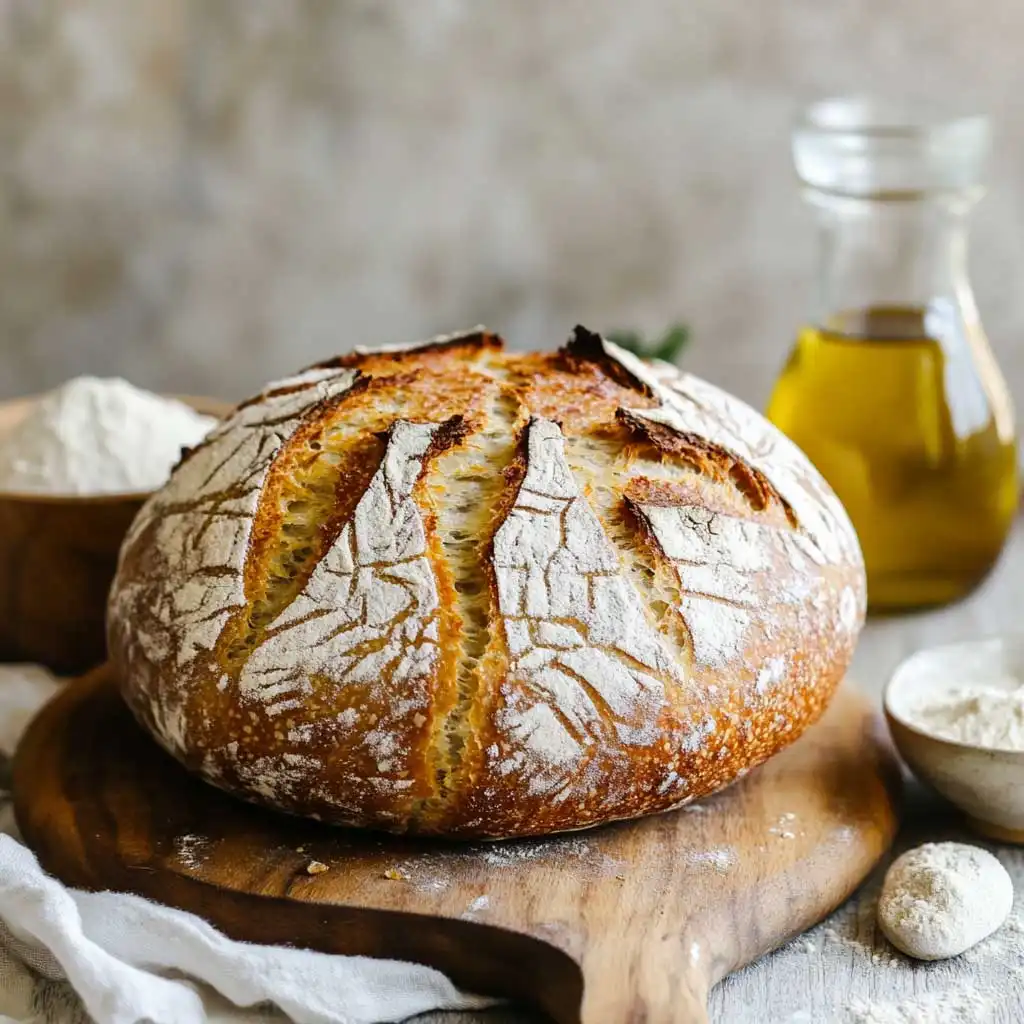

Sourdough bread has a rustic charm, and part of that appeal comes from the beautiful designs scored into its crust.
While it might look intimidating, creating stunning patterns on your loaves is a skill anyone can master, even if you’re just starting your sourdough journey. These techniques are designed for beginners, focusing on simple yet elegant cuts that transform a plain loaf into a work of art.
Whether you’re aiming for a fancy presentation for a dinner party or a festive centerpiece for Thanksgiving, learning a few basic scoring patterns will elevate your homemade bread. This guide will walk you through easy steps to achieve impressive results, making your sourdough not just delicious, but visually captivating too.
Table of Contents
- What You’ll Love About This Quick And Easy Recipe
- Everything You Need To Make This Recipe Without Stress
- Time Needed From Start To Finish
- How To Make It Step By Step With Visual Cues
- Easy Variations And Serving Ideas That Fit Real Life
- Common Slip-Ups And How To Avoid Them
- How To Store It And Make It Ahead Without Ruining Texture

Sourdough Scoring Techniques for Beginners
- Total Time: 6-7 minutes
- Yield: 1 loaf 1x
Description
This guide provides simple yet elegant scoring techniques for sourdough bread, perfect for beginners. Learn how to create beautiful patterns and achieve a desirable “ear” on your loaves, transforming them into visually captivating works of art for any occasion.
Ingredients
Instructions
1. Prepare Your Loaf: Gently transfer your proofed sourdough loaf from its proofing basket (banneton) onto a piece of parchment paper or directly onto your preheated Dutch oven or baking surface. Handle it carefully to avoid deflating it.
2. Choose Your Blade: Ensure your bread lame or razor blade is extremely sharp. A dull blade will drag and tear the dough, rather than making a clean cut. Hold the blade at a shallow angle, almost parallel to the surface of the dough, typically between 15 to 30 degrees. This angle helps create a flap of dough that will lift and form an “ear” as the bread bakes.
3. Basic Ear Score: For a classic “ear,” make one long, curved slash across the top of the loaf. Start about an inch or two from one end, curve it gently, and finish about an inch or two from the other end. Aim for a depth of about 1/4 to 1/2 inch. This single, deep cut is the most common and effective for achieving good oven spring.
4. Simple Crosshatch Pattern: For a decorative effect, make several parallel cuts across the top of the loaf, about 1/4 inch deep and spaced an inch apart. Then, make another set of parallel cuts perpendicular to the first, creating a grid or diamond pattern. These cuts should be shallower than the main ear score, if you’re also doing one.
5. Wheat Stalk Design: To create a wheat stalk, make a single, slightly curved main slash down the center of the loaf, about 1/4 inch deep. Then, make several small, short, diagonal slashes branching off from the main line, alternating sides, to mimic the grains on a wheat stalk. These should be very shallow.
6. Leaf Pattern: For a leaf, make a central, slightly curved score down the middle of the loaf. Then, on either side of this central line, make several short, curved slashes that meet the central line, resembling leaf veins. Keep these cuts relatively shallow.
7. Flour Dusting (Optional): Before scoring, you can lightly dust your loaf with rice flour or all-purpose flour. This creates a beautiful contrast once the bread bakes and the scored lines reveal the darker crust underneath.
8. Bake Immediately: Once scored, place your loaf into your preheated oven or Dutch oven as quickly as possible. The scoring needs to be done right before baking to maximize oven spring and prevent the dough from losing its shape.
- Prep Time: 5 minutes
- Cook Time: 0 minutes
- Category: baking
- Method: scoring
- Cuisine: european
Nutrition
- Serving Size: 1 slice
Keywords: sourdough, scoring, bread, baking, beginners, techniques, artisan, homemade, crust, oven spring
What You’ll Love About This Quick And Easy Recipe
This guide is perfect for anyone who wants to add a touch of artistry to their homemade sourdough without needing years of practice. It works because it breaks down complex-looking designs into simple, repeatable steps, focusing on fundamental cuts that build confidence. This isn’t about advanced artistic expression, but rather about practical techniques that yield beautiful results every time. It’s ideal for new sourdough bakers who have mastered the basics of baking a loaf and are now ready to explore the aesthetic side. You’ll love how quickly you can transform a simple dough into something special, making it perfect for impressing guests at a casual brunch, a family dinner, or as a striking centerpiece for holidays like Thanksgiving. The focus is on achievable beauty, ensuring your bread looks as good as it tastes.
Everything You Need To Make This Recipe Without Stress
The beauty of bread scoring is that it requires very few specialized tools. Most of what you need you likely already have in your kitchen. The key is a sharp blade and a steady hand, along with your prepared sourdough loaf.
INGREDIENTS:

- 1 prepared sourdough loaf, proofed and ready for baking
For the scoring process itself, you’ll need a very sharp blade. A dedicated bread lame (pronounced “lahm”) is the traditional tool, offering excellent control and a clean cut. These often come with replaceable razor blades, ensuring sharpness. If you don’t have a lame, a very sharp razor blade (a new one, please, not one from your shaving kit!) or even a super-sharp paring knife can work in a pinch. The sharper the blade, the cleaner and more effective your score will be, which is crucial for the dough to expand properly in the oven.
Time Needed From Start To Finish
- Preparation Time: 5 minutes (gathering tools, deciding on a design)
- Scoring Time: 1-2 minutes per loaf
- Total Time: 6-7 minutes (before baking)
This timing assumes your sourdough loaf has already completed its bulk fermentation and final proofing and is ready to go into the oven. The scoring itself is a very fast step, but it’s a critical one that impacts the final appearance and oven spring of your bread.
How To Make It Step By Step With Visual Cues
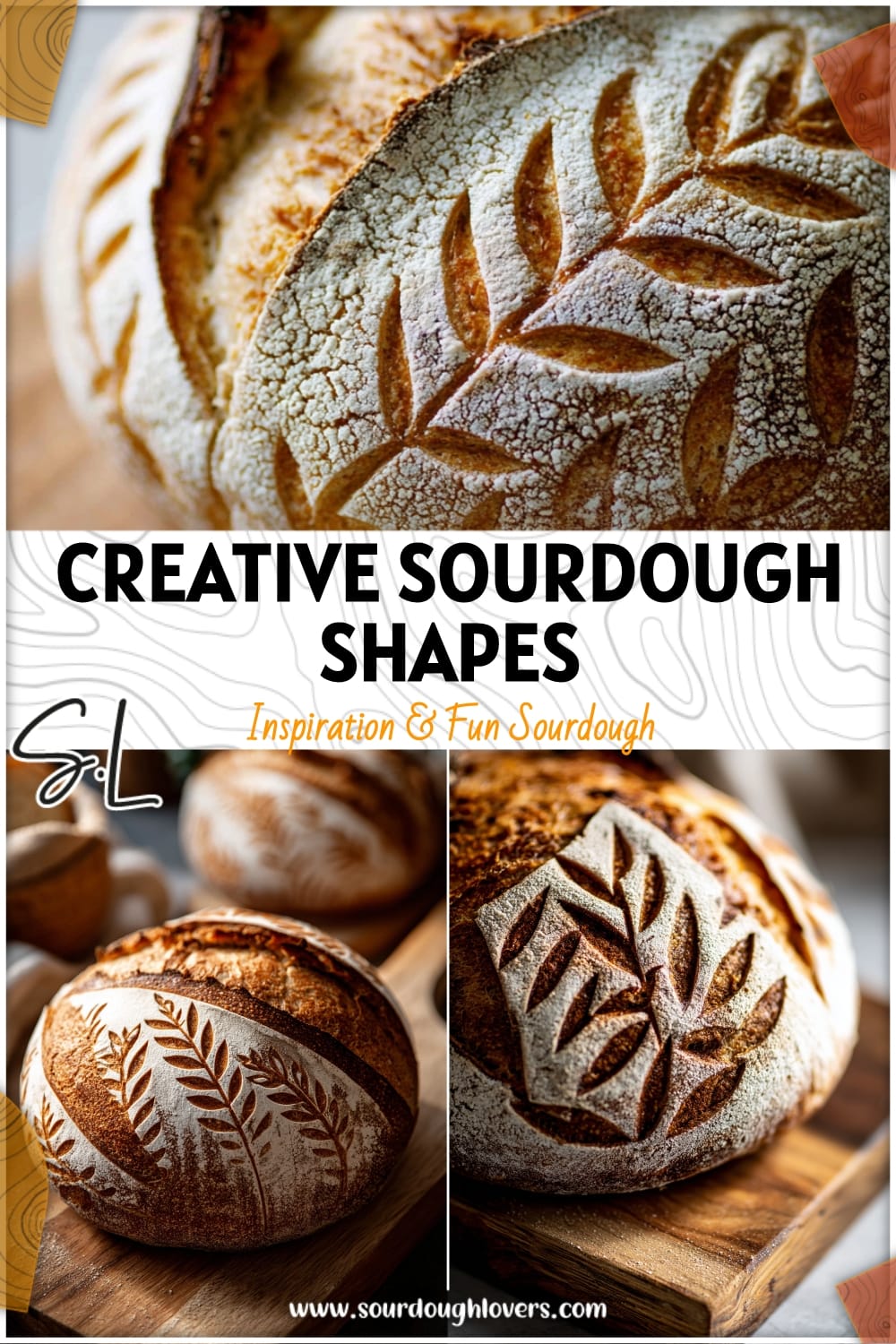
Scoring your sourdough is the final step before it goes into the hot oven. A good score allows the bread to expand predictably and beautifully, creating those desirable “ears” and patterns.
- Prepare Your Loaf: Gently transfer your proofed sourdough loaf from its proofing basket (banneton) onto a piece of parchment paper or directly onto your preheated Dutch oven or baking surface. Handle it carefully to avoid deflating it.
- Choose Your Blade: Ensure your bread lame or razor blade is extremely sharp. A dull blade will drag and tear the dough, rather than making a clean cut. Hold the blade at a shallow angle, almost parallel to the surface of the dough, typically between 15 to 30 degrees. This angle helps create a flap of dough that will lift and form an “ear” as the bread bakes.
- Basic Ear Score: For a classic “ear,” make one long, curved slash across the top of the loaf. Start about an inch or two from one end, curve it gently, and finish about an inch or two from the other end. Aim for a depth of about 1/4 to 1/2 inch. This single, deep cut is the most common and effective for achieving good oven spring.
- Simple Crosshatch Pattern: For a decorative effect, make several parallel cuts across the top of the loaf, about 1/4 inch deep and spaced an inch apart. Then, make another set of parallel cuts perpendicular to the first, creating a grid or diamond pattern. These cuts should be shallower than the main ear score, if you’re also doing one.
- Wheat Stalk Design: To create a wheat stalk, make a single, slightly curved main slash down the center of the loaf, about 1/4 inch deep. Then, make several small, short, diagonal slashes branching off from the main line, alternating sides, to mimic the grains on a wheat stalk. These should be very shallow.
- Leaf Pattern: For a leaf, make a central, slightly curved score down the middle of the loaf. Then, on either side of this central line, make several short, curved slashes that meet the central line, resembling leaf veins. Keep these cuts relatively shallow.
- Flour Dusting (Optional): Before scoring, you can lightly dust your loaf with rice flour or all-purpose flour. This creates a beautiful contrast once the bread bakes and the scored lines reveal the darker crust underneath.
- Bake Immediately: Once scored, place your loaf into your preheated oven or Dutch oven as quickly as possible. The scoring needs to be done right before baking to maximize oven spring and prevent the dough from losing its shape.
Easy Variations And Serving Ideas That Fit Real Life
Once you’ve mastered the basic scoring techniques, you can start combining them or experimenting with your own designs. For a festive Thanksgiving centerpiece, a large, single curved ear score with a few small leaf or wheat stalk designs around it can look incredibly elegant. For everyday enjoyment, a simple crosshatch or a single deep slash is perfectly sufficient.
- Kid-Friendly Designs: For a fun twist, you can try simple shapes like a smiley face (two small circles for eyes, one curved line for a mouth) or even a very basic initial. These are best done with very shallow cuts.
- Combining Patterns: Don’t be afraid to combine a deep “ear” score with shallower decorative cuts. The deep cut will guide the main expansion, while the shallow cuts will hold their decorative pattern.
- Serving Suggestions: Sourdough with beautiful scoring is a showstopper on its own. Serve it simply with good quality butter, olive oil for dipping, or alongside a hearty soup or stew. For Thanksgiving, it’s perfect for a bread basket, perhaps with a flavored butter like honey-cinnamon or herb butter.
- Optional Toppings: While not directly related to scoring, a sprinkle of flaky sea salt, sesame seeds, or poppy seeds on the crust *before* scoring can add another layer of texture and visual appeal.
Common Slip-Ups And How To Avoid Them
Even experienced bakers can make mistakes when scoring, but many common issues are easily preventable with a little awareness.
- Dull Blade: This is the most frequent culprit for messy scores. A dull blade will drag, tear, and pull the dough, leading to an uneven expansion and a less attractive crust. Always use a brand new razor blade or a very sharp lame. Replace blades frequently.
- Incorrect Angle: Holding the blade too upright (90 degrees) will often result in a flat, wide opening rather than a pronounced “ear.” A shallow angle (15-30 degrees) is key for creating that desirable flap of dough that lifts and bakes into an ear.
- Not Deep Enough (for structural scores): If your main score (like the ear score) isn’t deep enough, the dough might burst elsewhere in the oven, creating uncontrolled cracks. Aim for 1/4 to 1/2 inch deep for primary scores. Decorative scores can be shallower.
- Too Deep (for decorative scores): Conversely, making decorative cuts too deep can cause the dough to spread excessively and lose the intended pattern. Keep these cuts to about 1/8 inch deep.
- Hesitation: A confident, swift cut is better than a slow, hesitant one. Hesitation can lead to jagged lines. Practice on a piece of scrap dough if you’re feeling nervous, or just go for it!
- Over-Proofed Dough: If your dough is significantly over-proofed, it will be very delicate and difficult to score cleanly. It might deflate easily when touched. Ensure your dough is proofed just right – still springy but not too fragile.
- Not Scoring Immediately Before Baking: Scoring too far in advance allows the dough to start healing or losing its tension, which can reduce the effectiveness of the score during oven spring. Score just before the loaf goes into the hot oven.
How To Store It And Make It Ahead Without Ruining Texture
Scoring is an immediate pre-bake step, so you can’t “make it ahead” in the traditional sense. However, you can prepare your sourdough loaf up to the point of proofing, then score and bake it fresh.
- **Storing the Baked

FAQs
- Can I make these ahead? Yes—prep ahead, refrigerate, then serve when ready.
- How long do leftovers last? Store covered in the fridge for 3–4 days for best texture.
- Can I adjust sweetness? Yes—add more or less sweetener to taste.
- Can I change the fruit? Yes—swap strawberries for blueberries, raspberries, or sliced banana.