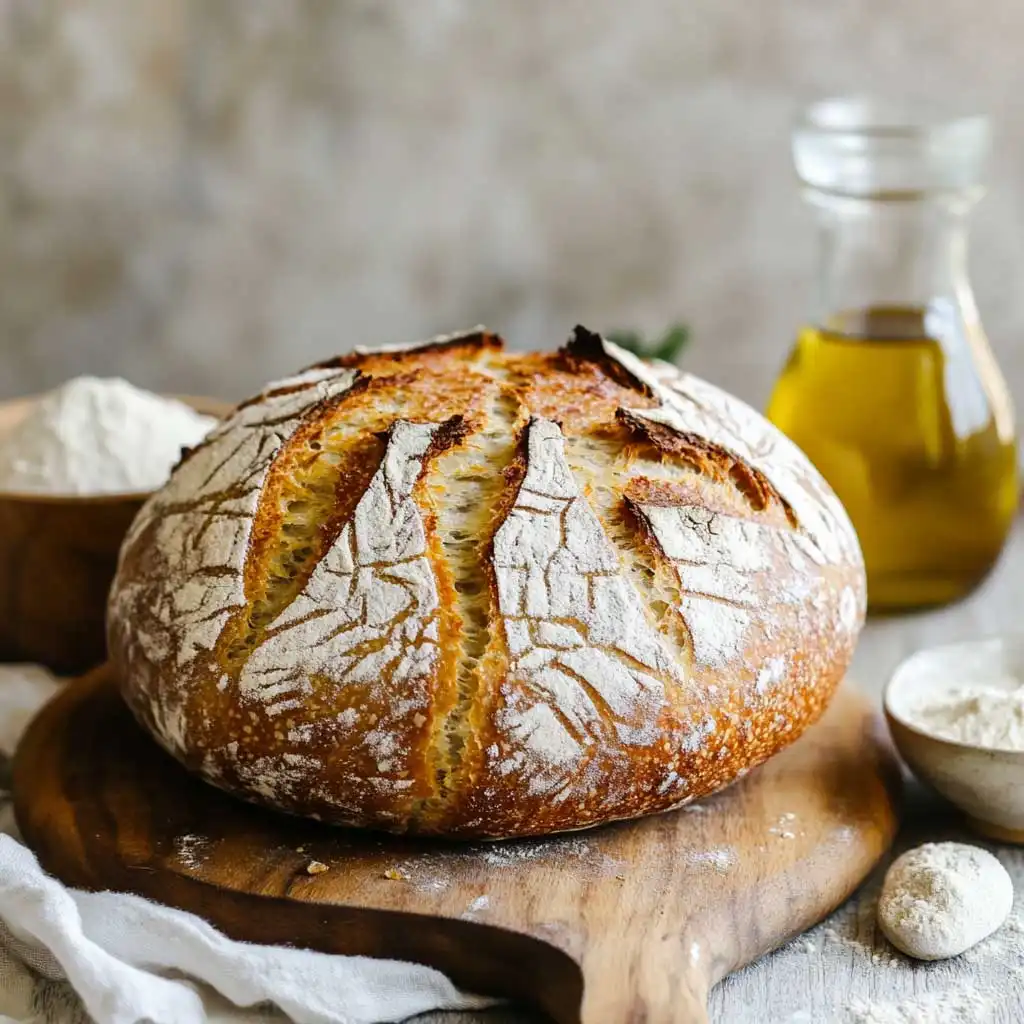

Baking a beautiful, crusty loaf of sourdough bread might seem like a daunting task reserved for seasoned bakers, but I’m here to tell you it doesn’t have to be! This recipe for Crispy Crust Dutch Oven Sourdough Bread is designed for home cooks who want to achieve that artisan bakery quality with minimal fuss.
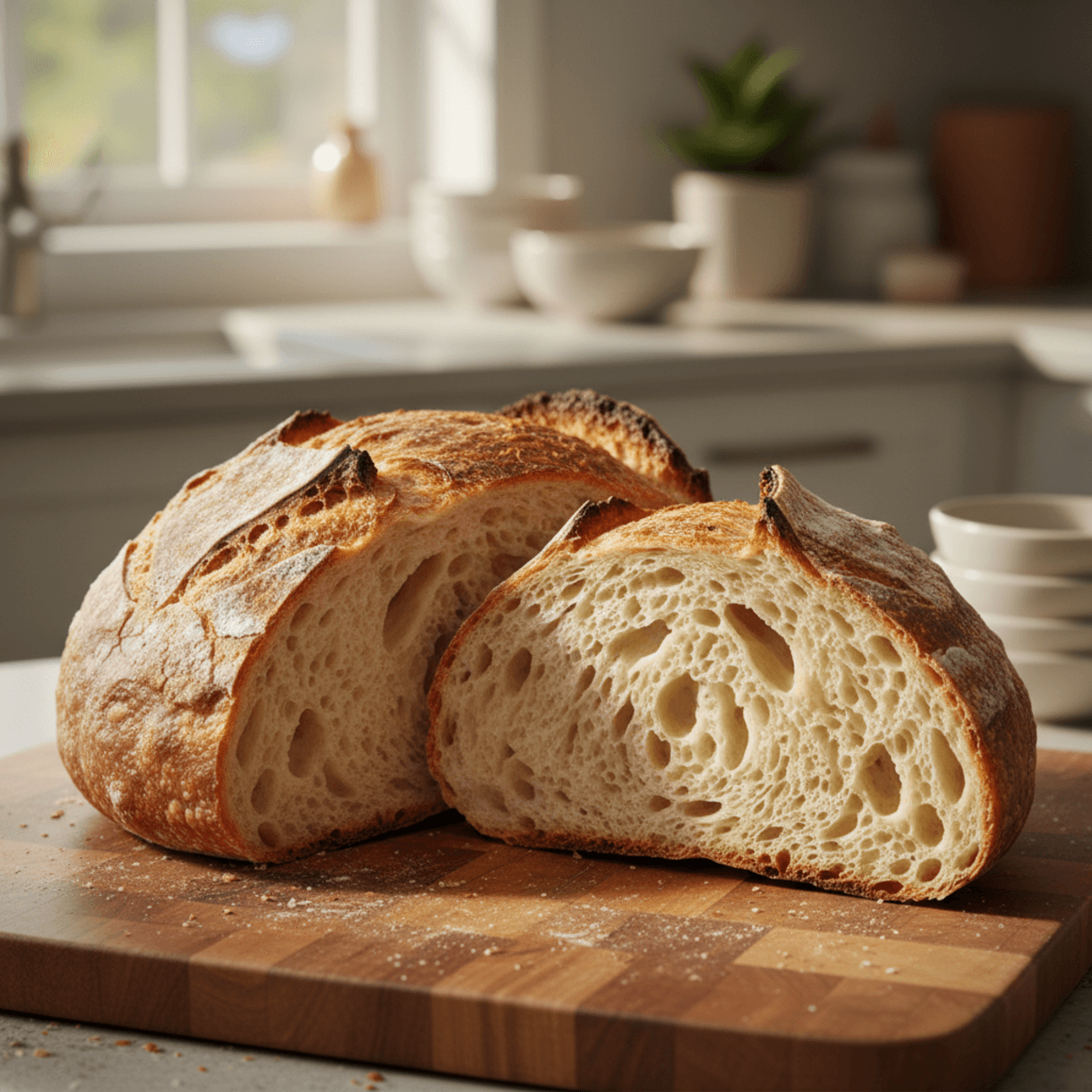
Forget complicated kneading schedules and intricate techniques. This overnight no-knead method lets time do most of the work, resulting in a deeply flavored loaf with an incredibly crispy crust and a wonderfully chewy interior. It’s perfect for anyone looking to enjoy homemade sourdough without spending hours in the kitchen.
Table of Contents
- What You’ll Love About This Quick And Easy Recipe
- Everything You Need To Make This Recipe Without Stress
- Time Needed From Start To Finish
- How To Make It Step By Step With Visual Cues
- Easy Variations And Serving Ideas That Fit Real Life
- Common Slip-Ups And How To Avoid Them
- How To Store It And Make It Ahead Without Ruining Texture
Crispy Crust Dutch Oven Sourdough Bread
- Total Time: 13-19 hours (mostly hands-off)
- Yield: 1 loaf 1x
Description
This recipe for Crispy Crust Dutch Oven Sourdough Bread is designed for home cooks who want to achieve artisan bakery quality with minimal fuss. This overnight no-knead method lets time do most of the work, resulting in a deeply flavored loaf with an incredibly crispy crust and a wonderfully chewy interior.
Ingredients
Instructions
1. Combine the Dry Ingredients: In a large mixing bowl, whisk together the all-purpose flour, salt, and instant yeast until well combined. This ensures even distribution of the yeast throughout the dough.
2. Add Warm Water and Mix: Pour the warm water into the dry ingredients. Using a wooden spoon or a spatula, mix until a shaggy, sticky dough forms. There’s no need to knead; just make sure all the flour is incorporated and there are no dry patches. The dough will be very wet, and that’s exactly what you want.
3. First Rise (Overnight Fermentation): Lightly grease a clean large bowl with olive oil. Transfer the dough to the greased bowl, turning it once to coat. Cover the bowl tightly with plastic wrap. Place the bowl in the refrigerator for at least 12 hours, and up to 18 hours. This slow, cold fermentation is key to developing flavor and texture.
4. Prepare for Baking: About 30 minutes before you’re ready to bake, place your Dutch oven with its lid into your cold oven. Preheat the oven to 450F (230C). Heating the Dutch oven ensures a super crispy crust.
5. Shape and Score the Dough: While the oven preheats, gently remove the dough from the refrigerator. Lightly flour your work surface. Carefully scrape the dough out onto the floured surface. It will be loose and sticky. Gently fold the edges of the dough towards the center a few times to create a round shape. Avoid overworking the dough. Dust a piece of parchment paper with a little flour or cornmeal and carefully transfer the shaped dough onto it. If desired, use a sharp knife or a bread lame to score the top of the dough with a simple cross or a single slash. This helps the bread expand evenly.
6. Bake the Loaf: Once the oven is preheated, carefully remove the hot Dutch oven. Lift the dough by the parchment paper and gently lower it into the hot Dutch oven. Cover with the lid and bake for 30 minutes.
7. Finish Baking for a Crispy Crust: After 30 minutes, remove the lid from the Dutch oven. Continue to bake for another 15-20 minutes, or until the crust is deeply golden brown and sounds hollow when tapped on the bottom.
8. Cool Completely: Carefully remove the bread from the Dutch oven and transfer it to a wire rack to cool completely before slicing. This is crucial for the texture and flavor to fully develop. Slicing too early can result in a gummy interior.
- Prep Time: 10 minutes
- Cook Time: 45-50 minutes
- Category: bread
- Method: baking
- Cuisine: american
Nutrition
- Serving Size: 1 slice
Keywords: sourdough, bread, dutch oven, no-knead, homemade, crusty, easy, overnight, baking, artisan
What You’ll Love About This Quick And Easy Recipe
This recipe is a game-changer for anyone who loves fresh, homemade bread but doesn’t have endless hours to dedicate to baking. It’s perfect for busy weeknights, lazy weekends, or impressing guests with a seemingly complex creation that was actually incredibly simple. The “no-knead” aspect means your hands stay clean and your muscles get a break, while the overnight fermentation develops complex flavors that are usually only found in professional bakeries. The Dutch oven creates a steamy environment that gives the crust its signature crispness and beautiful golden-brown color. This recipe is ideal for beginner bakers and seasoned pros alike, offering a reliable path to a perfect loaf every time. Serve it alongside soups, stews, or simply with a good quality butter and a sprinkle of sea salt. It’s also fantastic for sandwiches or as a base for bruschetta.
Everything You Need To Make This Recipe Without Stress
Making this delicious sourdough bread requires just a few basic ingredients, most of which you likely already have in your pantry. The beauty of this recipe lies in its simplicity and the quality of the few components. There are no fancy flours or hard-to-find ingredients needed, just the essentials to create a truly wonderful loaf.
INGREDIENTS:
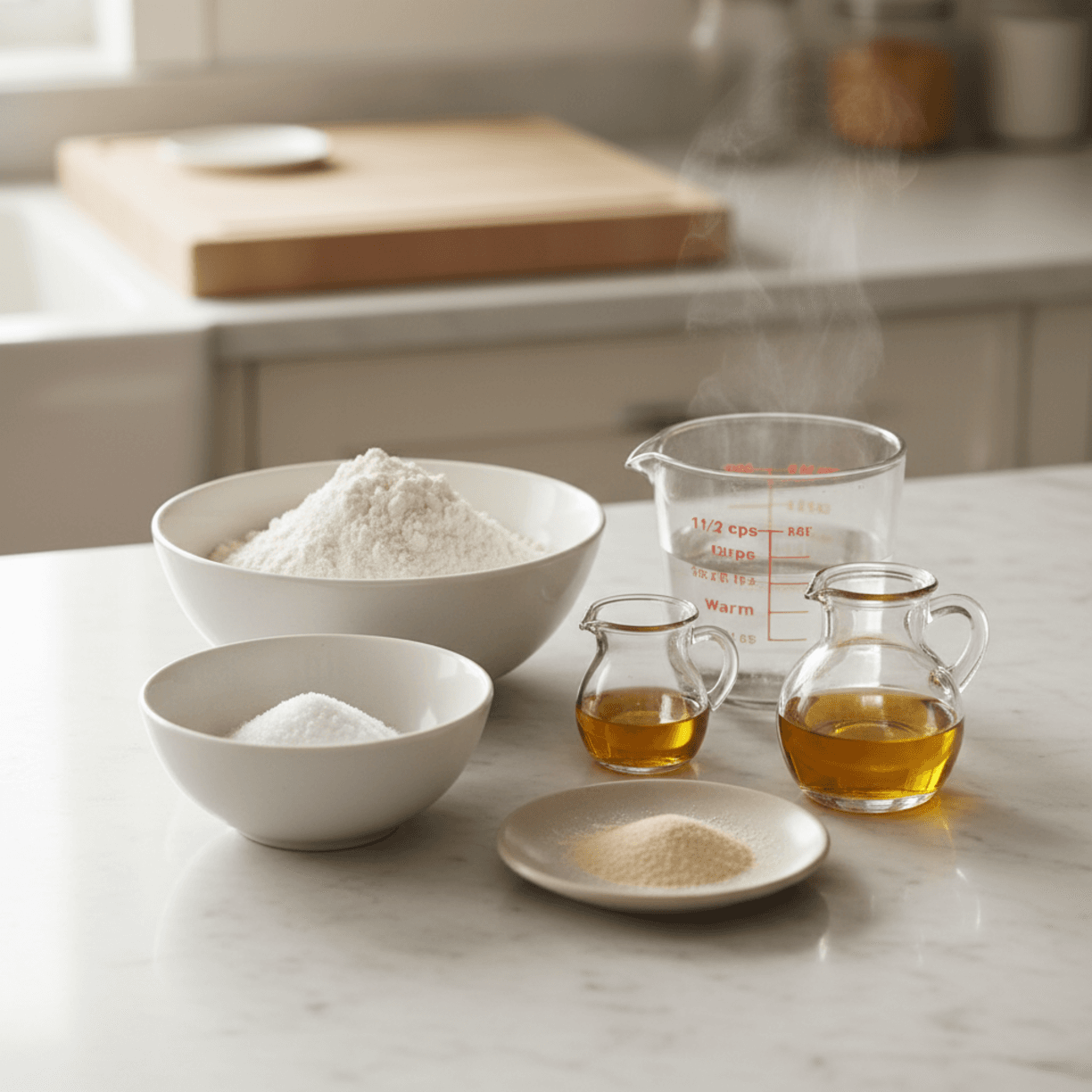
- 3 cups all-purpose flour
- 1 ½ teaspoons salt
- ½ teaspoon instant yeast
- 1 ½ cups warm water (around 105-115°F)
- 1 tablespoon olive oil (for coating the bowl)
- Extra flour or cornmeal for dusting
For the all-purpose flour, any standard brand will work beautifully. If you prefer, you can substitute up to half of the all-purpose flour with bread flour for a slightly chewier crumb, but it’s not necessary for a fantastic result. When it comes to salt, fine sea salt or kosher salt are excellent choices. Just be sure to use instant yeast, as active dry yeast would require proofing beforehand, adding an extra step to this otherwise effortless recipe. The warm water is crucial for activating the yeast, so a thermometer can be helpful, though it should feel comfortably warm to the touch, not hot.
Time Needed From Start To Finish
While this recipe does involve an overnight rest, the active hands-on time is incredibly minimal, making it a perfect fit for a busy schedule.
- Prep Time: 10 minutes (for mixing ingredients)
- Resting Time: 12-18 hours (overnight, for fermentation)
- Preheat Time: 30 minutes (for Dutch oven)
- Bake Time: 45-50 minutes
- Total Time: Approximately 13-19 hours (mostly hands-off)
How To Make It Step By Step With Visual Cues
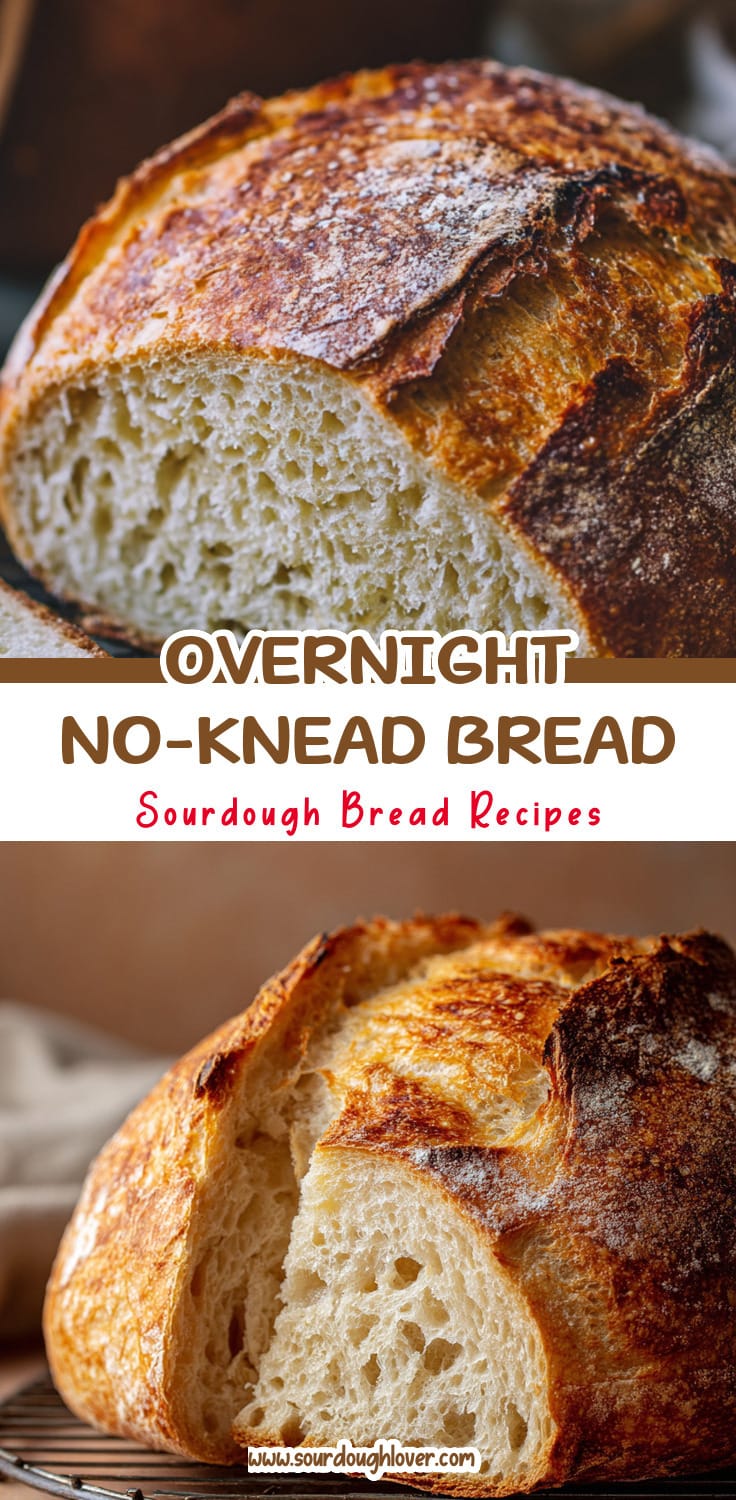
Creating this crispy crust sourdough is straightforward. Follow these steps for a perfect loaf.
- Combine the Dry Ingredients: In a large mixing bowl, whisk together the all-purpose flour, salt, and instant yeast until well combined. This ensures even distribution of the yeast throughout the dough.
- Add Warm Water and Mix: Pour the warm water into the dry ingredients. Using a wooden spoon or a spatula, mix until a shaggy, sticky dough forms. There’s no need to knead; just make sure all the flour is incorporated and there are no dry patches. The dough will be very wet, and that’s exactly what you want.
- First Rise (Overnight Fermentation): Lightly grease a clean large bowl with olive oil. Transfer the dough to the greased bowl, turning it once to coat. Cover the bowl tightly with plastic wrap. Place the bowl in the refrigerator for at least 12 hours, and up to 18 hours. This slow, cold fermentation is key to developing flavor and texture.
- Prepare for Baking: About 30 minutes before you’re ready to bake, place your Dutch oven with its lid into your cold oven. Preheat the oven to 450°F (230°C). Heating the Dutch oven ensures a super crispy crust.
- Shape and Score the Dough: While the oven preheats, gently remove the dough from the refrigerator. Lightly flour your work surface. Carefully scrape the dough out onto the floured surface. It will be loose and sticky. Gently fold the edges of the dough towards the center a few times to create a round shape. Avoid overworking the dough. Dust a piece of parchment paper with a little flour or cornmeal and carefully transfer the shaped dough onto it. If desired, use a sharp knife or a bread lame to score the top of the dough with a simple cross or a single slash. This helps the bread expand evenly.
- Bake the Loaf: Once the oven is preheated, carefully remove the hot Dutch oven. Lift the dough by the parchment paper and gently lower it into the hot Dutch oven. Cover with the lid and bake for 30 minutes.
- Finish Baking for a Crispy Crust: After 30 minutes, remove the lid from the Dutch oven. Continue to bake for another 15-20 minutes, or until the crust is deeply golden brown and sounds hollow when tapped on the bottom.
- Cool Completely: Carefully remove the bread from the Dutch oven and transfer it to a wire rack to cool completely before slicing. This is crucial for the texture and flavor to fully develop. Slicing too early can result in a gummy interior.
Easy Variations And Serving Ideas That Fit Real Life
This basic crispy crust sourdough recipe is a fantastic canvas for various flavors and serving styles. For a savory twist, try adding 1/2 cup of shredded cheddar cheese and 2 tablespoons of chopped fresh chives or rosemary to the dough when you add the water. This makes a wonderful accompaniment to soups or stews. If you enjoy a hint of sweetness, a tablespoon of honey or maple syrup can be added to the water, though it’s not traditional for sourdough.
For serving, this bread shines in many ways. It’s perfect for a simple breakfast with butter and jam, or toasted and topped with avocado and an egg. For lunch, it makes incredible sandwiches – think gourmet grilled cheese or a hearty deli sandwich. At dinner, serve thick slices alongside a robust pasta dish, a comforting chili, or a fresh green salad. For a party or buffet, slice the cooled bread and arrange it with a platter of olive oil for dipping, balsamic glaze, and a selection of cheeses and cured meats. Kids often love tearing into a warm loaf; you can make it extra appealing by serving it with a side of their favorite spread, like hummus or cream cheese.
Common Slip-Ups And How To Avoid Them
Even with a simple recipe, a few common mistakes can impact the final result. Being aware of these can help you achieve a perfect loaf every time.
One frequent issue is not letting the dough rest long enough during the overnight fermentation. Rushing this step means the yeast won’t have enough time to develop complex flavors and the dough won’t rise properly. Always aim for at least 12 hours, and up to 18, for the best results.
Another common pitfall is overworking the dough when shaping it. This no-knead recipe relies on gentle handling. If you knead or handle the dough too aggressively before baking, you can deflate the air bubbles that create its open, airy crumb. Be gentle and use a light touch.
Not preheating the Dutch oven adequately is another mistake. The super-hot Dutch oven is what gives the bread its incredible crispy crust and helps it achieve a good “oven spring.” Make sure your Dutch oven is in the oven for the entire preheating time, usually 30 minutes, before you add the dough.
Finally, slicing the bread before it has fully cooled is a common error. While it’s tempting to cut into a warm loaf, doing so can compress the crumb and make it gummy. The internal structure of the bread is still setting as it cools, so patience is key for the best texture. Always let it cool completely on a wire rack for at least an hour, preferably longer.
How To Store It And Make It Ahead Without Ruining Texture
Proper storage is key to keeping your homemade sourdough fresh and delicious. Once your Crispy Crust Dutch Oven Sourdough Bread has cooled completely, store it at room temperature. The best way to store a whole loaf is in a paper bag, which allows the crust to remain crispy while preventing the interior from drying out too quickly. Alternatively, you can wrap it loosely in a clean kitchen towel. Avoid storing it in plastic wrap or an airtight container, as this will soften the crust. Stored this way, a whole loaf will stay fresh for 2
FAQs
- Can I make these ahead? Yes—prep ahead, refrigerate, then serve when ready.
- How long do leftovers last? Store covered in the fridge for 3–4 days for best texture.
- Can I adjust sweetness? Yes—add more or less sweetener to taste.
- Can I change the fruit? Yes—swap strawberries for blueberries, raspberries, or sliced banana.