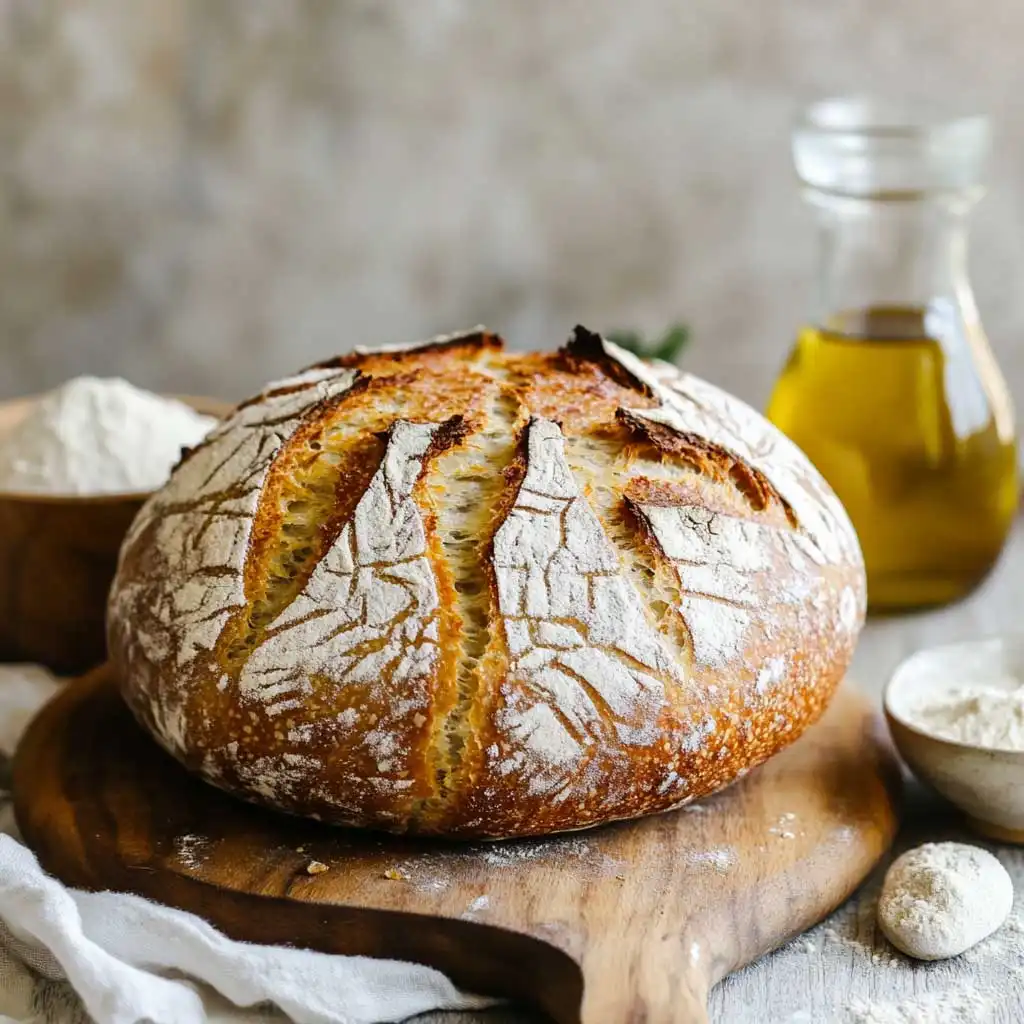

Learning to bake sourdough bread at home might seem daunting, but it’s a wonderfully rewarding experience that anyone can master.
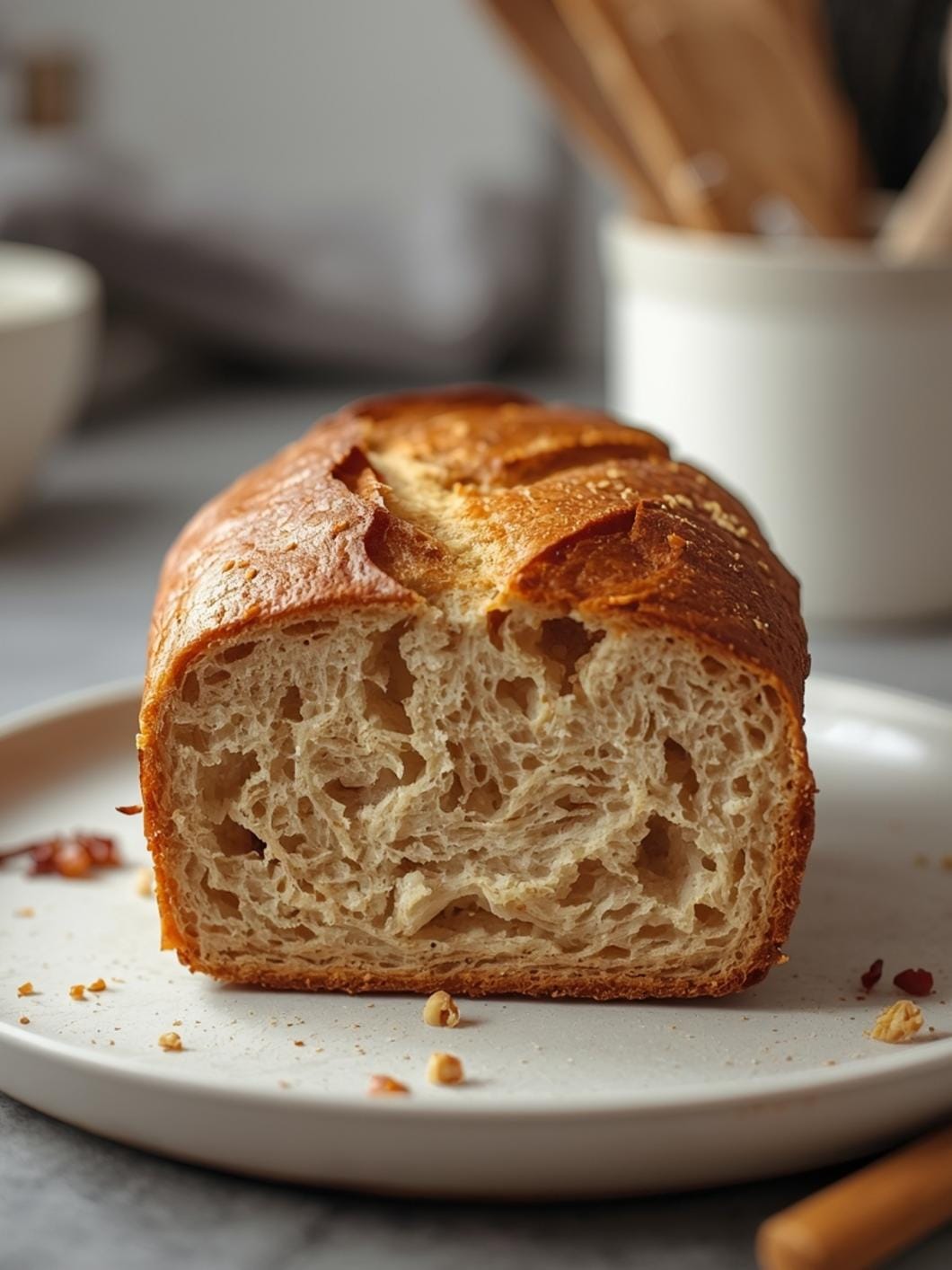
This guide is designed specifically for beginners, breaking down the process into simple, manageable steps. You’ll be surprised at how easily you can create a beautiful, crusty loaf right in your own kitchen.
Forget complicated techniques and endless waiting; this recipe focuses on making sourdough accessible and enjoyable. We’ll walk you through everything you need to know to bake a delicious homemade sourdough bread loaf from scratch, ensuring a successful bake every time.

Beginner’s Sourdough Bread
- Total Time: 10-24 hours
- Yield: 1 loaf 1x
Description
This beginner-friendly guide makes baking a beautiful, crusty sourdough loaf at home simple and rewarding. Learn to create delicious homemade sourdough bread from scratch with clear, actionable steps, perfect for any skill level.
Ingredients
Instructions
1. Activate Your Starter and Mix the Dough: The night before or early in the morning, ensure your sourdough starter is active and bubbly. In a large bowl, combine the active sourdough starter with the warm water. Stir until the starter is mostly dissolved. Add the bread flour and salt to the bowl. Mix with a wooden spoon or your hands until no dry flour remains and a shaggy dough forms. Cover the bowl with a damp cloth or plastic wrap and let it rest for 30 minutes. This resting period, called autolyse, allows the flour to fully hydrate.
2. Perform the First Stretch and Fold: After the autolyse, wet your hands slightly. Grab a portion of the dough from one side, gently stretch it upwards, and fold it over to the opposite side of the bowl. Rotate the bowl a quarter turn and repeat this process three more times, completing one full set of stretch and folds. This helps develop gluten. Cover the bowl again.
3. Continue Developing the Dough with More Folds: Repeat the stretch and fold process three more times, performing a set every 30 minutes for the next 1.5 hours. After the fourth set, the dough should feel more elastic and cohesive. Cover the bowl and let the dough rest at room temperature for 4-6 hours, or until it has visibly increased in size by about 30-50% and looks bubbly. This is the bulk fermentation stage. Alternatively, you can place it in the refrigerator for 12-18 hours for a slower, colder bulk fermentation, which often develops more flavor.
4. Shape Your Loaf: Gently turn the dough out onto a lightly floured surface. Avoid deflating it too much. Shape the dough into a round or oval loaf. For a round loaf, gently pull the edges of the dough towards the center, creating tension on the surface. For an oval, gently roll and tuck the dough to form an elongated shape. The goal is to create a taut surface.
5. Prepare for Final Proofing: Lightly flour a proofing basket (banneton) or a bowl lined with a floured kitchen towel. Carefully transfer the shaped dough, seam-side up, into the prepared basket. Cover the basket with a plastic bag or plastic wrap to prevent drying.
6. Final Proof and Preheat Your Oven: Allow the dough to proof at room temperature for 1-3 hours, or until it feels puffy and springs back slowly when gently poked. For a deeper flavor and easier handling, you can also cold proof the dough in the refrigerator for 8-12 hours (or overnight). About 45 minutes before baking, place a Dutch oven with its lid into your oven and preheat to 450 F (230 C).
7. Score and Bake Your Sourdough: Carefully remove the hot Dutch oven from the oven. Gently invert the dough from the proofing basket into the hot Dutch oven. Using a sharp knife or a bread lame, score the top of the dough with a design of your choice (a simple cross or a single slash works well). This allows the bread to expand properly. Cover the Dutch oven with its lid and bake for 30 minutes.
8. Finish Baking and Cool: After 30 minutes, remove the lid from the Dutch oven. Reduce the oven temperature to 400 F (200 C) and continue baking for another 10-15 minutes, or until the crust is deeply golden brown and the internal temperature reaches 200-210 F (93-99 C). Carefully remove the bread from the Dutch oven and transfer it to a wire rack to cool completely before slicing. This is crucial for the crumb to set properly.
- Prep Time: 15 minutes
- Cook Time: 40-45 minutes
- Category: bread
- Method: baking
- Cuisine: american
Nutrition
- Serving Size: 12 slices
Keywords: sourdough, bread, baking, homemade, starter, crusty, easy, beginner, yeast-free, artisan
What You’ll Love About This Quick And Easy Recipe
This recipe is a true game-changer for anyone who has dreamed of baking sourdough but felt intimidated by the process. What you’ll adore most is its simplicity and the incredible flavor it delivers with minimal fuss. It’s perfect for busy weeknights when you want to impress without spending hours in the kitchen, or for a relaxed weekend baking project. This guide is specifically designed for beginners, meaning we skip the overly technical jargon and focus on clear, actionable steps. You’ll find yourself confidently mixing, shaping, and baking a gorgeous loaf in no time. Serve it warm with butter for breakfast, alongside a hearty soup for lunch, or as a delightful accompaniment to any dinner. It’s a versatile bread that elevates any meal and makes your home smell absolutely incredible.
Everything You Need To Make This Recipe Without Stress
Gathering your ingredients before you begin is the first step to a stress-free baking experience. This recipe uses common pantry staples, making it easy to get started without a special trip to the store. We focus on quality ingredients that are readily available to ensure your sourdough loaf turns out perfectly every time.
INGREDIENTS:
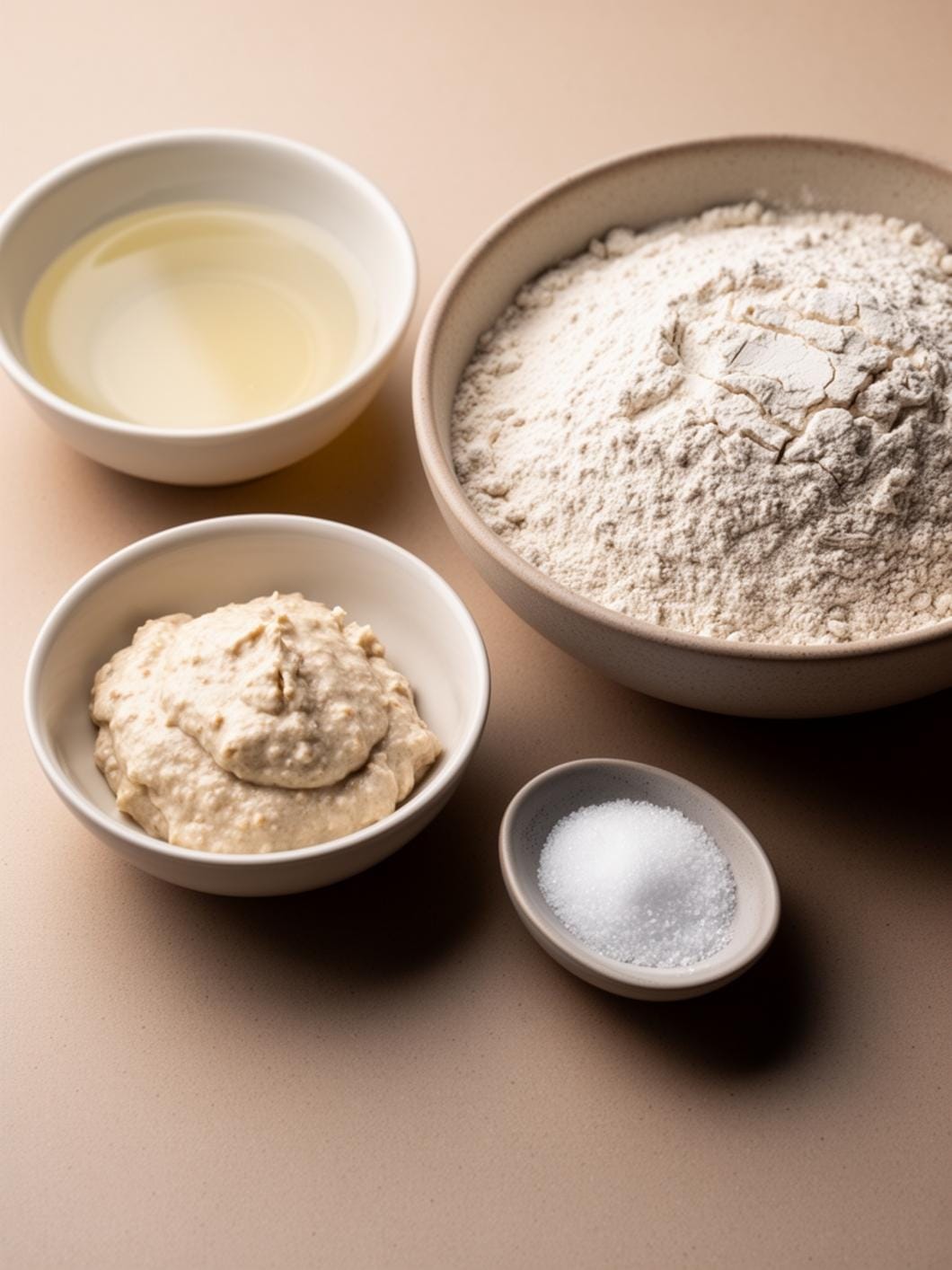
- 150 grams active sourdough starter
- 300 grams warm water (around 90-95°F / 32-35°C)
- 500 grams bread flour
- 10 grams fine sea salt
When it comes to substitutions, bread flour is ideal for its higher protein content, which gives sourdough its characteristic chewiness. However, if you only have all-purpose flour on hand, you can certainly use it, though the texture might be slightly less robust. For salt, fine sea salt is preferred as it dissolves easily and distributes evenly, but table salt or kosher salt can be used in the same quantity. Ensure your sourdough starter is active and bubbly; this is crucial for a good rise. If you don’t have an active starter, you’ll need to feed it several hours before you plan to bake.
Time Needed From Start To Finish
Understanding the timeline for sourdough baking can help you plan your day effectively. While the actual hands-on time for this recipe is quite minimal, sourdough does require periods of waiting for the dough to ferment and rise.
- Prep Time: 15 minutes (mixing ingredients, initial stretch and folds)
- Bulk Fermentation Time: 6-8 hours (or overnight in the fridge for 12-18 hours)
- Shaping and Final Proofing Time: 30 minutes active, 1-3 hours resting (or overnight in the fridge)
- Bake Time: 40-45 minutes
- Total Time (Active): Approximately 45 minutes
- Total Time (Including Resting/Proofing): 10-24 hours depending on fermentation method
This breakdown shows that while the entire process spans many hours, your active involvement is quite brief, making it a perfect project to fit into a busy schedule with a bit of planning.
How To Make It Step By Step With Visual Cues

Creating your first homemade sourdough bread loaf is an exciting journey. Follow these clear steps to ensure a delicious outcome.
- Activate Your Starter and Mix the Dough: The night before or early in the morning, ensure your sourdough starter is active and bubbly. In a large bowl, combine the active sourdough starter with the warm water. Stir until the starter is mostly dissolved. Add the bread flour and salt to the bowl. Mix with a wooden spoon or your hands until no dry flour remains and a shaggy dough forms. Cover the bowl with a damp cloth or plastic wrap and let it rest for 30 minutes. This resting period, called autolyse, allows the flour to fully hydrate.
- Perform the First Stretch and Fold: After the autolyse, wet your hands slightly. Grab a portion of the dough from one side, gently stretch it upwards, and fold it over to the opposite side of the bowl. Rotate the bowl a quarter turn and repeat this process three more times, completing one full set of stretch and folds. This helps develop gluten. Cover the bowl again.
- Continue Developing the Dough with More Folds: Repeat the stretch and fold process three more times, performing a set every 30 minutes for the next 1.5 hours. After the fourth set, the dough should feel more elastic and cohesive. Cover the bowl and let the dough rest at room temperature for 4-6 hours, or until it has visibly increased in size by about 30-50% and looks bubbly. This is the bulk fermentation stage. Alternatively, you can place it in the refrigerator for 12-18 hours for a slower, colder bulk fermentation, which often develops more flavor.
- Shape Your Loaf: Gently turn the dough out onto a lightly floured surface. Avoid deflating it too much. Shape the dough into a round or oval loaf. For a round loaf, gently pull the edges of the dough towards the center, creating tension on the surface. For an oval, gently roll and tuck the dough to form an elongated shape. The goal is to create a taut surface.
- Prepare for Final Proofing: Lightly flour a proofing basket (banneton) or a bowl lined with a floured kitchen towel. Carefully transfer the shaped dough, seam-side up, into the prepared basket. Cover the basket with a plastic bag or plastic wrap to prevent drying.
- Final Proof and Preheat Your Oven: Allow the dough to proof at room temperature for 1-3 hours, or until it feels puffy and springs back slowly when gently poked. For a deeper flavor and easier handling, you can also cold proof the dough in the refrigerator for 8-12 hours (or overnight). About 45 minutes before baking, place a Dutch oven with its lid into your oven and preheat to 450°F (230°C).
- Score and Bake Your Sourdough: Carefully remove the hot Dutch oven from the oven. Gently invert the dough from the proofing basket into the hot Dutch oven. Using a sharp knife or a bread lame, score the top of the dough with a design of your choice (a simple cross or a single slash works well). This allows the bread to expand properly. Cover the Dutch oven with its lid and bake for 30 minutes.
- Finish Baking and Cool: After 30 minutes, remove the lid from the Dutch oven. Reduce the oven temperature to 400°F (200°C) and continue baking for another 10-15 minutes, or until the crust is deeply golden brown and the internal temperature reaches 200-210°F (93-99°C). Carefully remove the bread from the Dutch oven and transfer it to a wire rack to cool completely before slicing. This is crucial for the crumb to set properly.
Easy Variations And Serving Ideas That Fit Real Life
Once you master the basic sourdough loaf, a world of delicious variations opens up. For a savory twist, try adding 1/2 cup of shredded cheddar cheese and 1/4 cup of chopped jalapeños to the dough during the first stretch and fold. This makes an incredible sandwich bread or a flavorful accompaniment to chili. Another popular option is to incorporate herbs; dried rosemary or thyme (1-2 tablespoons) mixed into the flour adds a wonderful aroma and taste. For a slightly sweeter, richer loaf, you could add 1/4 cup of dried cranberries and a handful of chopped walnuts.
When it comes to serving, the possibilities are endless. This homemade sourdough is fantastic simply toasted with butter and jam for breakfast. It pairs beautifully with a hearty bowl of soup or stew, perfect for dipping. For an appetizer, slice it, toast it lightly, and top with bruschetta, avocado, or a simple olive tapenade. It also makes an excellent base for open-faced sandwiches. Kids often love it sliced thin with a smear of cream cheese or peanut butter. Don’t forget the classic pairing with olive oil and balsamic vinegar for a simple yet elegant snack.
Common Slip-Ups And How To Avoid Them
Even experienced bakers encounter challenges, and sourdough is no exception. Here are some common beginner mistakes and how to steer clear of them.
- Using an Inactive Starter: The most frequent issue is a starter that isn’t robust enough. An active starter should be bubbly, have a pleasant sour smell, and double in size a few hours after feeding. If yours isn’t, feed it consistently for a few days until it shows these signs of vitality before baking.
- Under-Proofing or Over-Proofing: This is a delicate balance. Under-proofed dough results in a dense, gummy crumb and a loaf that doesn’t rise well. Over-proofed dough will spread out
FAQs
- Can I make these ahead? Yes—prep ahead, refrigerate, then serve when ready.
- How long do leftovers last? Store covered in the fridge for 3–4 days for best texture.
- Can I adjust sweetness? Yes—add more or less sweetener to taste.
- Can I change the fruit? Yes—swap strawberries for blueberries, raspberries, or sliced banana.