
Crafting homemade pizza can feel like a weekend project, but with this easy sourdough pizza dough recipe, you can bring that delicious, chewy crust to your family table any night of the week. This recipe simplifies the process, leveraging the unique flavor of your sourdough starter to create a truly exceptional base for your favorite toppings.

Forget complicated techniques or long fermentation schedules. This guide focuses on a straightforward approach that ensures a fantastic result every time, even if you’re new to working with sourdough. Get ready to enjoy pizzeria-quality pizza right from your own kitchen, made with love and your trusty starter.

Easy Sourdough Pizza Dough
- Total Time: 4-6 hours (plus cook time)
- Yield: 2 medium pizzas 1x
Description
This easy sourdough pizza dough recipe uses active sourdough starter to create a delicious, chewy crust for homemade pizza. It’s a straightforward approach for a fantastic result every time, perfect for busy weeknights or fun family dinners.
Ingredients
Instructions
1. 1. Combine Starter and Water: In a large mixing bowl, combine the active sourdough starter with the warm water. Use a whisk or a fork to mix until the starter is mostly dissolved and the mixture is cloudy.
2. 2. Add Flour and Salt: Add the flour and salt to the bowl. Mix with a wooden spoon or your hands until a shaggy dough forms and no dry streaks of flour remain.
3. 3. Initial Rest (Autolyse): Cover the bowl with a clean kitchen towel or plastic wrap and let the dough rest for 20-30 minutes. This resting period allows the flour to fully hydrate, making the dough easier to work with and improving its elasticity.
4. 4. Incorporate Olive Oil and Knead: After the rest, add the tablespoon of olive oil to the dough. Knead the dough in the bowl or on a lightly floured surface for about 5-7 minutes. The dough will start sticky but will become smoother and more elastic as you knead.
5. 5. Bulk Fermentation: Lightly grease a clean bowl with olive oil. Transfer the kneaded dough to the greased bowl, turning it once to coat all sides. Cover the bowl tightly with plastic wrap or a lid. Let the dough rise at room temperature (around 70-75 F / 21-24 C) for 4-6 hours, or until it has visibly increased in size by about 50-75% and looks bubbly. Alternatively, you can refrigerate it overnight for 8-12 hours for a slower, more flavorful fermentation.
6. 6. Divide and Shape: Gently turn the dough out onto a lightly floured surface. Avoid deflating it too much. Divide the dough into two equal portions for two medium pizzas. Gently shape each portion into a round ball by tucking the edges underneath.
7. 7. Final Rest: Place the dough balls on a lightly floured baking sheet, cover them loosely with plastic wrap or a clean towel, and let them rest at room temperature for 30 minutes. This allows the gluten to relax, making the dough easier to stretch.
8. 8. Stretch and Bake: Preheat your oven to its highest setting (usually 475-500 F / 245-260 C) with a pizza stone or steel inside for at least 30-60 minutes. Gently stretch each dough ball into your desired pizza shape and thickness. Add your favorite toppings and bake on the preheated stone or steel for 8-15 minutes, or until the crust is golden brown and the cheese is bubbly.
- Prep Time: 15 minutes
- Cook Time: 8-15 minutes
- Category: main dish
- Method: baking
- Cuisine: italian
Nutrition
- Serving Size: 1/2 pizza
Keywords: sourdough, pizza, dough, homemade, easy, baking, starter, italian, dinner, family
What You’ll Love About This Quick And Easy Recipe
This recipe is a game-changer for anyone who loves homemade pizza but wants to streamline the process. It’s perfect for busy weeknights when you still crave something special, or for a fun family dinner where everyone can get involved in topping their own pies. The use of sourdough starter not only adds an incredible depth of flavor and a slightly tangy note that you won’t get from commercial yeast, but it also contributes to a wonderfully airy and chewy crust. This isn’t just a recipe; it’s an invitation to create lasting memories around the dinner table, offering a healthier and more satisfying alternative to takeout. It works because it balances the unique qualities of sourdough with a practical, accessible method, making it suitable for both sourdough novices and seasoned bakers looking for a quicker pizza dough solution.
Everything You Need To Make This Recipe Without Stress
Gathering your ingredients before you begin will make the entire process smooth and enjoyable. You’ll find that most of these items are pantry staples, especially if you already maintain a sourdough starter. The quality of your ingredients, particularly the flour, can make a noticeable difference in the final texture and flavor of your pizza crust.
INGREDIENTS:
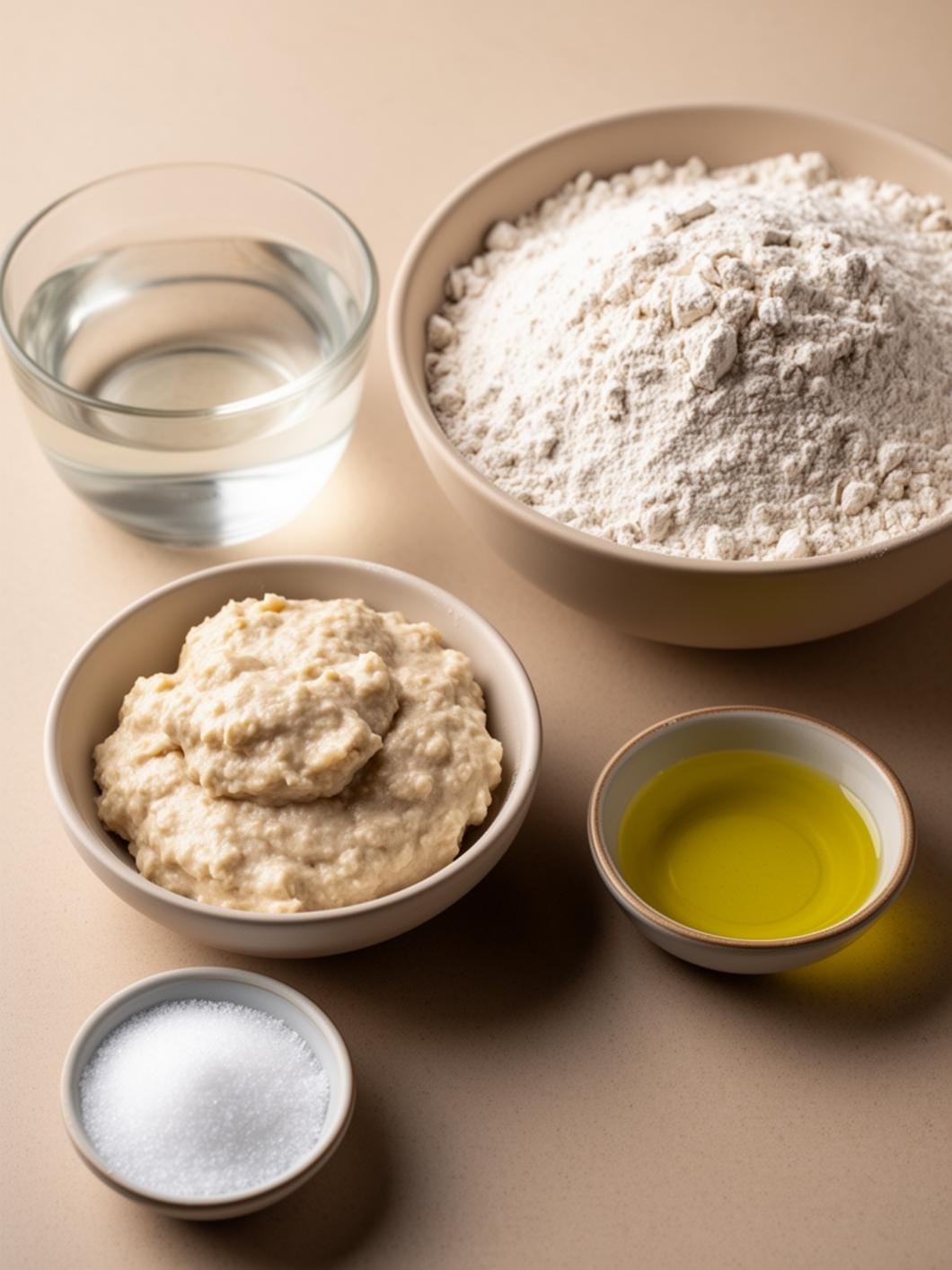
- 100 grams active sourdough starter (fed and bubbly)
- 250 grams warm water (around 90-100°F / 32-38°C)
- 400 grams all-purpose flour or bread flour
- 8 grams fine sea salt
- 1 tablespoon olive oil, plus more for greasing
When selecting your flour, either all-purpose or bread flour will work beautifully. Bread flour will yield a chewier crust due to its higher protein content, while all-purpose flour will give you a slightly softer texture. If you don’t have fine sea salt, regular table salt can be used, but you might want to slightly reduce the amount as it can be saltier by volume. For the olive oil, any good quality extra virgin olive oil will enhance the flavor of the dough. If you prefer a milder flavor, a light olive oil or even a neutral oil like avocado oil could be substituted for greasing the bowl, though the tablespoon in the dough itself adds a nice richness.
Time Needed From Start To Finish
Understanding the timeline for this sourdough pizza dough recipe will help you plan your meal effectively. While there’s some hands-on time, the bulk of the process involves waiting for the dough to develop its flavor and texture.
- Active Prep Time: 15 minutes
- Bulk Fermentation/Rise Time: 4-6 hours (or overnight in the refrigerator for 8-12 hours)
- Shaping and Resting Time: 30 minutes
- Total Time (Day Of): Approximately 45 minutes active, plus 30 minutes resting before baking. If using the overnight method, total time is spread over two days.
This timeline allows for the sourdough starter to work its magic, developing complex flavors and a beautiful rise without requiring constant attention. The longer fermentation option in the refrigerator is excellent for meal planning, allowing you to prepare the dough a day in advance.
How To Make It Step By Step With Visual Cues

Creating this sourdough pizza dough is a rewarding process, and following these steps will ensure a perfect result. Pay attention to the feel of the dough as you work; it’s a great indicator of its development.
- Combine Starter and Water: In a large mixing bowl, combine the active sourdough starter with the warm water. Use a whisk or a fork to mix until the starter is mostly dissolved and the mixture is cloudy. This ensures the starter is evenly distributed throughout the dough.
- Add Flour and Salt: Add the flour and salt to the bowl. Mix with a wooden spoon or your hands until a shaggy dough forms and no dry streaks of flour remain. It will look rough and sticky at this stage, which is perfectly normal.
- Initial Rest (Autolyse): Cover the bowl with a clean kitchen towel or plastic wrap and let the dough rest for 20-30 minutes. This resting period, known as autolyse, allows the flour to fully hydrate, making the dough easier to work with and improving its elasticity.
- Incorporate Olive Oil and Knead: After the rest, add the tablespoon of olive oil to the dough. Knead the dough in the bowl or on a lightly floured surface for about 5-7 minutes. The dough will start sticky but will become smoother and more elastic as you knead. You’re looking for a dough that is still soft but can hold its shape.
- Bulk Fermentation: Lightly grease a clean bowl with olive oil. Transfer the kneaded dough to the greased bowl, turning it once to coat all sides. Cover the bowl tightly with plastic wrap or a lid. Let the dough rise at room temperature (around 70-75°F / 21-24°C) for 4-6 hours, or until it has visibly increased in size by about 50-75% and looks bubbly. Alternatively, you can refrigerate it overnight for 8-12 hours for a slower, more flavorful fermentation.
- Divide and Shape: Gently turn the dough out onto a lightly floured surface. Avoid deflating it too much. Divide the dough into two equal portions for two medium pizzas. Gently shape each portion into a round ball by tucking the edges underneath.
- Final Rest: Place the dough balls on a lightly floured baking sheet, cover them loosely with plastic wrap or a clean towel, and let them rest at room temperature for 30 minutes. This allows the gluten to relax, making the dough easier to stretch.
- Stretch and Bake: Preheat your oven to its highest setting (usually 475-500°F / 245-260°C) with a pizza stone or steel inside for at least 30-60 minutes. Gently stretch each dough ball into your desired pizza shape and thickness. Add your favorite toppings and bake on the preheated stone or steel for 8-15 minutes, or until the crust is golden brown and the cheese is bubbly.
Easy Variations And Serving Ideas That Fit Real Life
This sourdough pizza dough is incredibly versatile, making it perfect for a variety of meals and preferences.
For a fun family night, set up a “pizza bar” where everyone can customize their own pie. Offer classic toppings like pepperoni, mushrooms, and bell peppers, but also include some unique options like caramelized onions, goat cheese, or fresh basil. For the kids, mini pizzas are always a hit. Simply divide the dough into smaller portions (4-6 instead of 2) and let them stretch their own personal crusts. You can even pre-bake the crusts for a few minutes before the party starts, making the assembly even quicker.
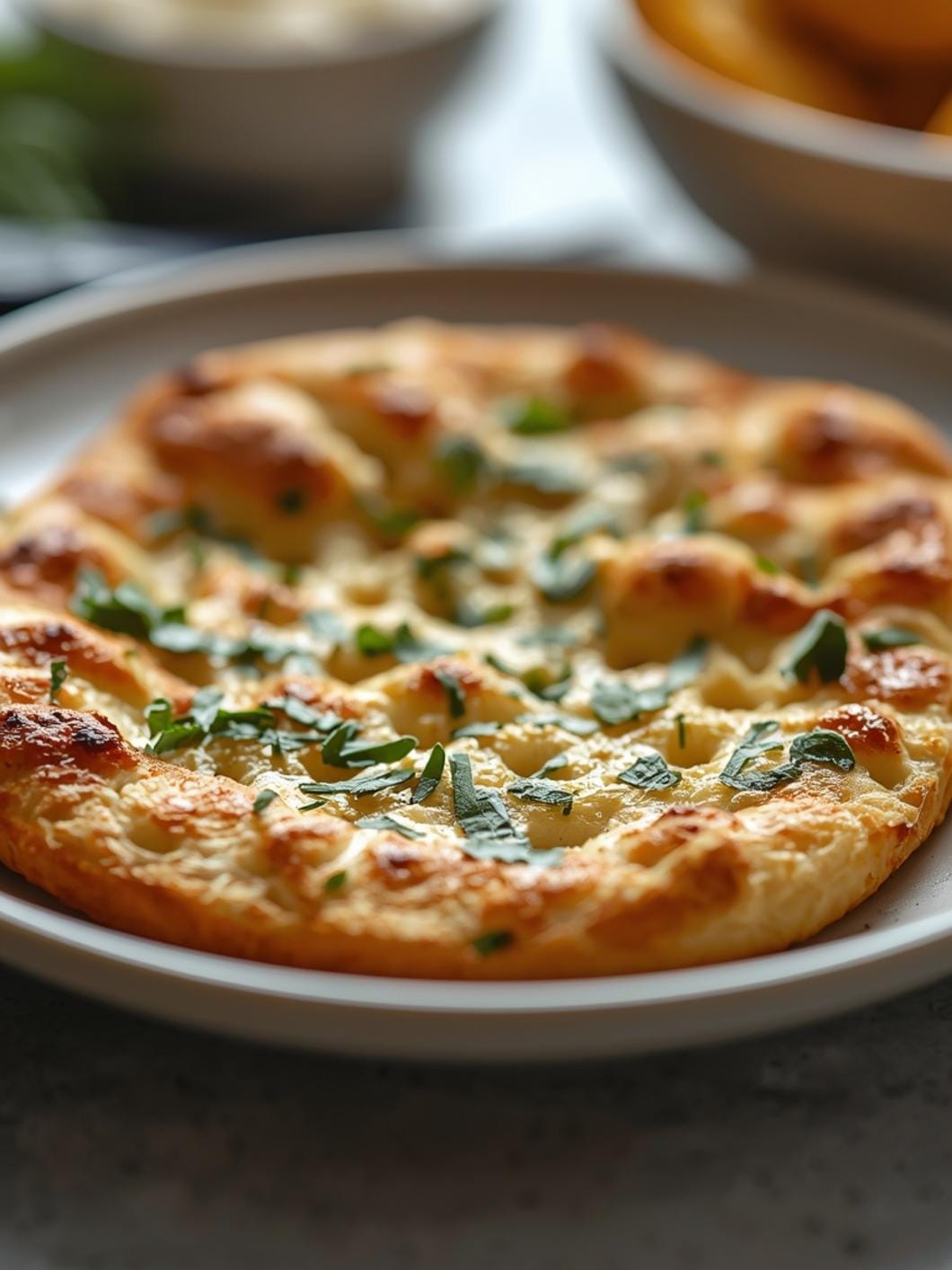
Beyond traditional pizza, this dough can be transformed into delicious calzones or strombolis. Just fill one half of the stretched dough with your desired fillings, fold the other half over, seal the edges, and bake. It’s also fantastic for making garlic knots; simply cut the dough into strips, tie them into knots, brush with garlic butter, and bake until golden. Serve your pizzas with a fresh green salad tossed in a light vinaigrette to balance the richness. A side of warm marinara sauce for dipping crusts is always a crowd-pleaser. For an appetizer, you can make a simple focaccia by pressing the dough into a baking sheet, dimpling it with your fingers, drizzling with olive oil, sprinkling with flaky sea salt and rosemary, then baking until golden.
Common Slip-Ups And How To Avoid Them
Even experienced bakers can encounter minor issues, but knowing what to look out for can save your pizza night.
One common mistake is using an inactive sourdough starter. If your starter isn’t fed and bubbly, it won’t have the strength to properly leaven the dough, resulting in a dense, flat crust. Always make sure your starter has been fed 4-12 hours before you plan to use it and is actively bubbling and has doubled in size. Another frequent problem is overworking the dough when stretching. If the dough springs back too much, it means the gluten needs to relax. Give it another 10-15 minutes of rest, covered, before trying to stretch it again. This allows the gluten strands to loosen up, making the dough more pliable.
Not preheating your oven and pizza stone (or steel) sufficiently is another common pitfall. A hot baking surface is crucial for achieving a crispy crust. If the oven isn’t hot enough, the crust will be soggy and pale. Always preheat for at least 30-60 minutes, or even longer for a pizza stone, to

FAQs
- Can I make these ahead? Yes—prep ahead, refrigerate, then serve when ready.
- How long do leftovers last? Store covered in the fridge for 3–4 days for best texture.
- Can I adjust sweetness? Yes—add more or less sweetener to taste.
- Can I change the fruit? Yes—swap strawberries for blueberries, raspberries, or sliced banana.