
There’s nothing quite like the aroma of freshly baked bread filling your kitchen, especially when it’s as effortless as this no-knead rosemary loaf.
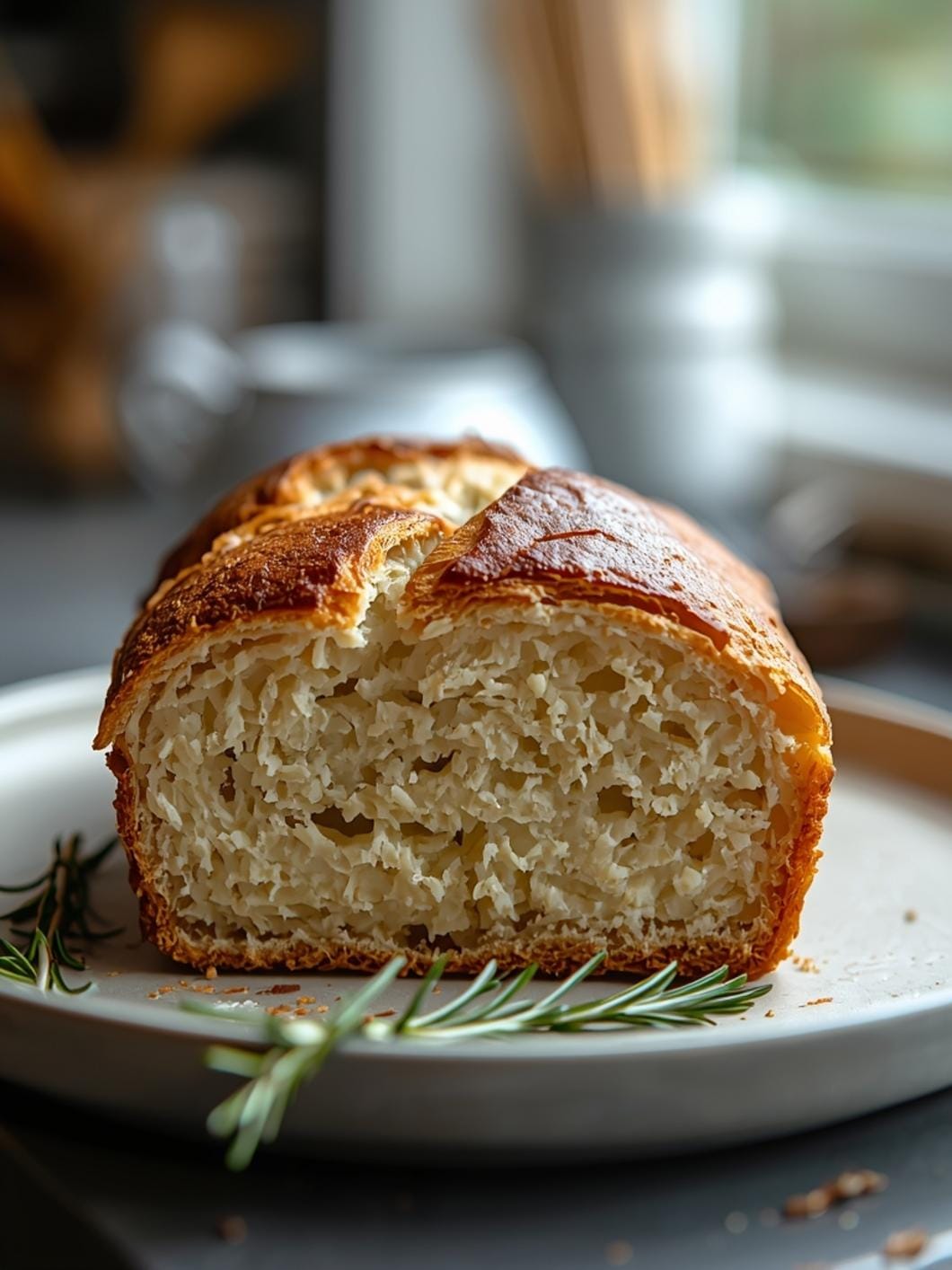
This recipe is designed for maximum flavor with minimal fuss, making homemade bread an achievable dream even on your busiest days. Forget complicated techniques and endless kneading; we’re keeping it simple, delicious, and incredibly satisfying.
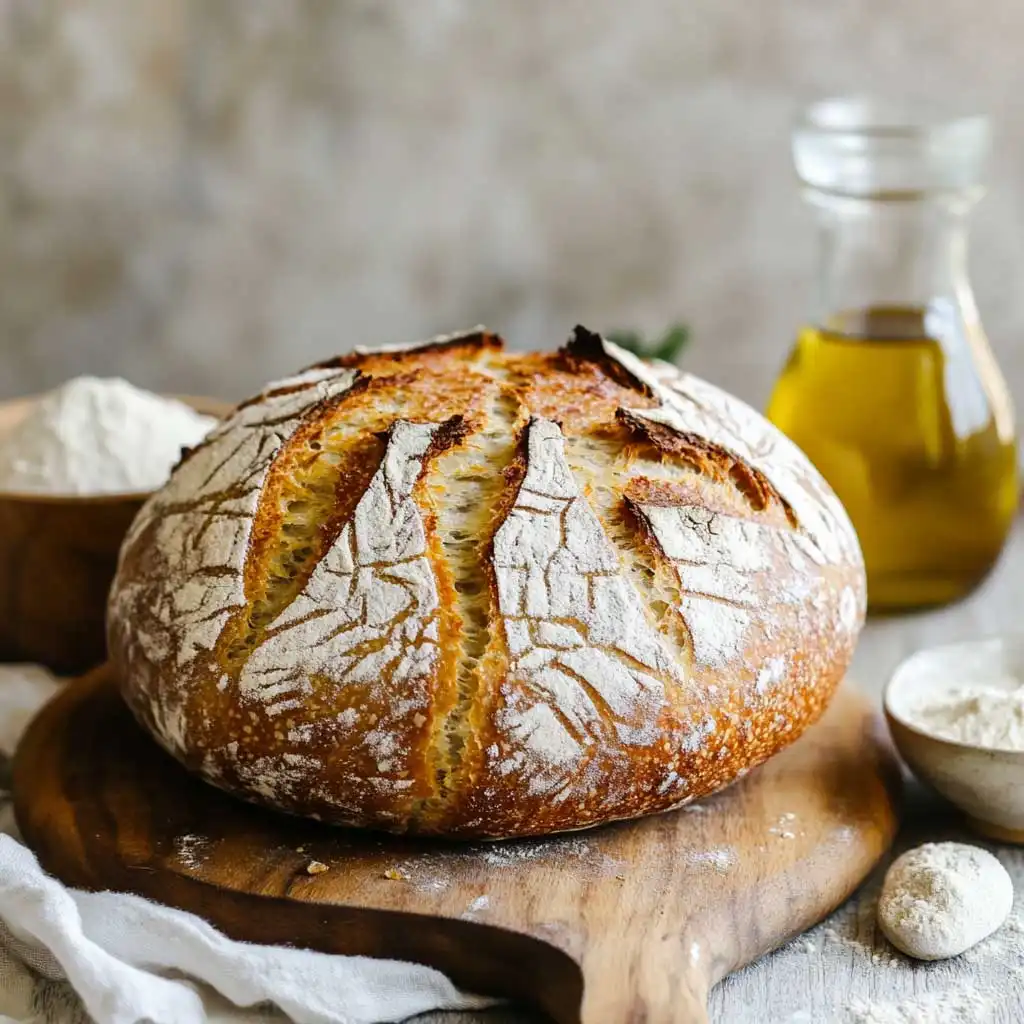
This easy no-knead rosemary bread is perfect for both beginner bakers and seasoned pros looking for a reliable, hands-off method. It delivers a beautiful crust and a tender, aromatic crumb every time, making it an instant family favorite. Get ready to impress yourself and your loved ones with this wonderfully fragrant and rustic bread.
Table of Contents
- What You’ll Love About This Quick And Easy Recipe
- Everything You Need To Make This Recipe Without Stress
- Time Needed From Start To Finish
- How To Make It Step By Step With Visual Cues
- Easy Variations And Serving Ideas That Fit Real Life
- Common Slip-Ups And How To Avoid Them
- How To Store It And Make It Ahead Without Ruining Texture

No-Knead Rosemary Loaf
- Total Time: 13-19 hours (mostly hands-off)
- Yield: 1 loaf 1x
Description
This easy no-knead rosemary bread is perfect for both beginner bakers and seasoned pros looking for a reliable, hands-off method. It delivers a beautiful crust and a tender, aromatic crumb every time, making it an instant family favorite. Get ready to impress yourself and your loved ones with this wonderfully fragrant and rustic bread.
Ingredients
Instructions
1. Combine Dry Ingredients: In a large mixing bowl, whisk together the all-purpose flour, salt, and yeast until well combined. This ensures even distribution of the yeast and salt throughout the dough.
2. Add Wet Ingredients and Rosemary: Pour the warm water and chopped fresh rosemary into the dry ingredients. Stir with a wooden spoon or a sturdy spatula until a shaggy, sticky dough forms. Don’t overmix; just ensure all the flour is hydrated.
3. First Rise (Overnight Proof): Lightly grease another large bowl with olive oil. Transfer the dough to the greased bowl, turning it once to coat. Cover the bowl tightly with plastic wrap or a clean kitchen towel. Let it rest at room temperature (around 68-72 F) for 12-18 hours, or overnight. The dough should double in size, become bubbly, and have a slightly boozy smell.
4. Prepare for Baking: About 30 minutes before you plan to bake, place a 6-quart Dutch oven (with its lid) into your oven. Preheat the oven to 450 F (230 C). Allowing the Dutch oven to preheat fully is crucial for achieving a crispy crust.
5. Shape the Dough: While the oven preheats, gently scrape the dough out onto a lightly floured surface. Fold the edges of the dough towards the center a few times to create a round shape. Avoid excessive handling; you want to keep as much air in the dough as possible.
6. Bake the Loaf: Carefully remove the hot Dutch oven from the oven. Drizzle 1 tablespoon of olive oil into the bottom of the hot pot. Gently transfer the dough seam-side up into the Dutch oven. Cover with the lid and bake for 30 minutes.
7. Final Bake for Crust: After 30 minutes, remove the lid from the Dutch oven. Continue to bake for another 10-20 minutes, or until the crust is deeply golden brown and sounds hollow when tapped.
8. Cool Completely: Carefully remove the bread from the Dutch oven and transfer it to a wire rack to cool completely before slicing. This step is essential for the internal structure to set and for the crust to remain crisp.
- Prep Time: 10-15 minutes
- Cook Time: 40-50 minutes
- Category: bread
- Method: baking
- Cuisine: american
Nutrition
- Serving Size: 1 slice
Keywords: no-knead, rosemary, bread, easy, homemade, rustic, baking, dutch oven, savory, herbs
What You’ll Love About This Quick And Easy Recipe
This no-knead rosemary bread recipe is a true kitchen hero because it takes all the intimidation out of baking. You’ll love how straightforward the process is – literally mixing a few ingredients, letting time do most of the work, and then baking. It’s perfect for anyone who wants to enjoy the incredible taste of homemade bread without dedicating hours to kneading and proofing. This recipe is ideal for busy parents, new bakers, or anyone who appreciates a delicious, rustic loaf with minimal effort. Serve it warm with dinner, alongside a hearty soup, or simply with some good olive oil for dipping. It’s also fantastic for a weekend brunch or as an impressive addition to any potluck or gathering.
Everything You Need To Make This Recipe Without Stress
Gathering your ingredients for this no-knead rosemary bread is incredibly simple, and you likely have most of them in your pantry already. The beauty of this recipe lies in its simplicity, requiring just a few basic items to create something truly special. There are no fancy flours or hard-to-find ingredients here, just everyday staples that come together to form a flavorful loaf.
INGREDIENTS:
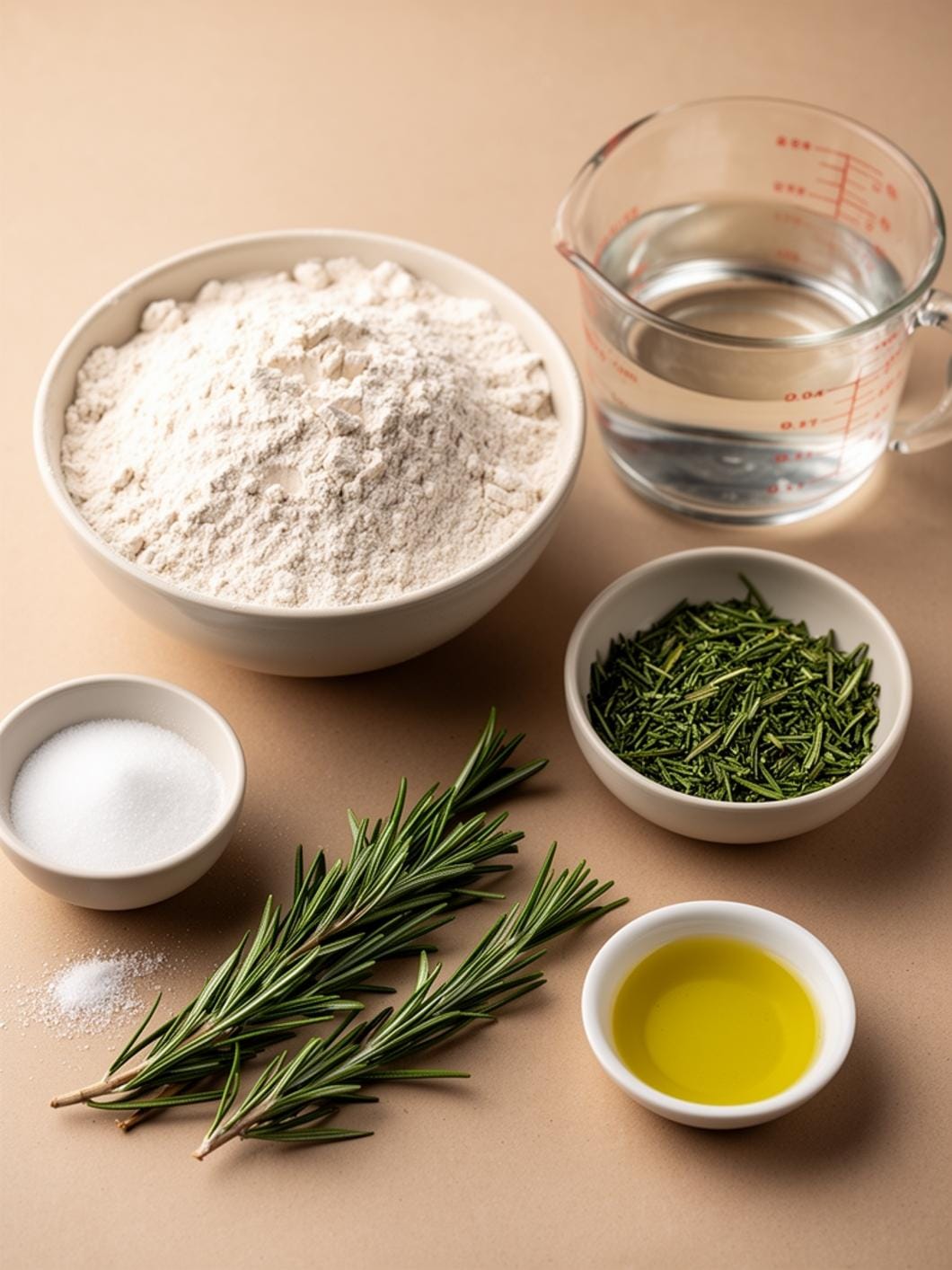
- 3 cups all-purpose flour
- 1 ½ teaspoons salt
- ½ teaspoon instant or active dry yeast
- 1 ½ cups warm water (about 105-115°F)
- 2 tablespoons fresh rosemary, finely chopped
- 1 tablespoon olive oil, plus extra for greasing
For the flour, standard all-purpose flour works perfectly. You don’t need to seek out bread flour unless you prefer a chewier texture, but it’s not necessary for a great result. When it comes to yeast, both instant and active dry yeast will work, as the long fermentation time allows either type to activate effectively. If using active dry yeast, you might want to proof it in a small amount of the warm water with a pinch of sugar for 5-10 minutes before adding to the dry ingredients, just to ensure it’s alive, though it’s often not strictly necessary with this method. Fresh rosemary is highly recommended for its vibrant flavor, but in a pinch, you can use 1 tablespoon of dried rosemary, crushed slightly to release its oils.
Time Needed From Start To Finish
One of the most appealing aspects of this no-knead bread is how little active time it requires, despite the longer overall process. The magic happens during the resting period, where the yeast slowly develops the dough’s flavor and texture.
- Prep Time: 10-15 minutes
- Resting/Proofing Time: 12-18 hours (or overnight)
- Bake Time: 40-50 minutes
- Total Time: Approximately 13-19 hours (mostly hands-off)
While the total time seems long, remember that most of it is inactive, allowing you to go about your day while the dough works its magic. The actual “work” involved is less than 30 minutes spread across two days, making it incredibly practical for busy schedules.
How To Make It Step By Step With Visual Cues

Making this no-knead rosemary bread is a straightforward process that yields impressive results. Follow these steps for a perfectly baked loaf every time.
- Combine Dry Ingredients: In a large mixing bowl, whisk together the all-purpose flour, salt, and yeast until well combined. This ensures even distribution of the yeast and salt throughout the dough.
- Add Wet Ingredients and Rosemary: Pour the warm water and chopped fresh rosemary into the dry ingredients. Stir with a wooden spoon or a sturdy spatula until a shaggy, sticky dough forms. Don’t overmix; just ensure all the flour is hydrated.
- First Rise (Overnight Proof): Lightly grease another large bowl with olive oil. Transfer the dough to the greased bowl, turning it once to coat. Cover the bowl tightly with plastic wrap or a clean kitchen towel. Let it rest at room temperature (around 68-72°F) for 12-18 hours, or overnight. The dough should double in size, become bubbly, and have a slightly boozy smell.
- Prepare for Baking: About 30 minutes before you plan to bake, place a 6-quart Dutch oven (with its lid) into your oven. Preheat the oven to 450°F (230°C). Allowing the Dutch oven to preheat fully is crucial for achieving a crispy crust.
- Shape the Dough: While the oven preheats, gently scrape the dough out onto a lightly floured surface. Fold the edges of the dough towards the center a few times to create a round shape. Avoid excessive handling; you want to keep as much air in the dough as possible.
- Bake the Loaf: Carefully remove the hot Dutch oven from the oven. Drizzle 1 tablespoon of olive oil into the bottom of the hot pot. Gently transfer the dough seam-side up into the Dutch oven. Cover with the lid and bake for 30 minutes.
- Final Bake for Crust: After 30 minutes, remove the lid from the Dutch oven. Continue to bake for another 10-20 minutes, or until the crust is deeply golden brown and sounds hollow when tapped.
- Cool Completely: Carefully remove the bread from the Dutch oven and transfer it to a wire rack to cool completely before slicing. This step is essential for the internal structure to set and for the crust to remain crisp.
Easy Variations And Serving Ideas That Fit Real Life
This no-knead rosemary bread is wonderfully versatile, making it easy to adapt for different tastes and occasions. Here are some simple variations and serving suggestions to make it even more enjoyable.
For a different flavor profile, consider adding other herbs. Thyme, oregano, or a mix of Italian herbs would be delicious. You could also incorporate a half cup of grated Parmesan cheese into the dough along with the rosemary for a savory, cheesy twist. For a touch of sweetness and texture, a quarter cup of dried cranberries or chopped walnuts could be folded in during the initial mixing stage. If you like a bit of heat, a pinch of red pepper flakes would add a subtle kick.
This bread is fantastic served warm with a pat of butter, but its rustic charm makes it perfect for dipping in good quality olive oil with a sprinkle of flaky sea salt. It’s an excellent accompaniment to almost any meal, from hearty stews and chili to light salads and grilled chicken. For a quick appetizer, slice it, toast it lightly, and top with bruschetta, tapenade, or a simple tomato and basil mixture. Kids often love tearing off pieces of warm bread, especially if you offer it with a side of hummus or a mild cheese spread. For a party or buffet, arrange slices on a board with various dips and spreads for an inviting display.
Common Slip-Ups And How To Avoid Them
Even with a simple recipe like no-knead bread, a few common mistakes can impact the final result. Knowing what to watch out for will help ensure your loaf turns out perfectly every time.
One frequent slip-up is using water that is too hot or too cold. Water that’s too hot can kill the yeast, preventing the dough from rising, while water that’s too cold will slow down the yeast activity significantly. Aim for warm water, between 105-115°F (40-46°C), which feels comfortably warm to the touch but not scalding. An instant-read thermometer is a great tool for accuracy.
Another common issue is over-handling the dough after the first rise. The beauty of no-knead bread is the air pockets created during the long fermentation. When you transfer the dough to your floured surface, be gentle. Fold it just enough to create a round shape, but avoid pressing out all the precious air. Too much manipulation will result in a denser loaf.
Finally, not allowing the Dutch oven to preheat thoroughly is a mistake that can lead to a less crispy crust. The intense heat from the preheated pot creates an initial burst of steam and helps the crust set quickly, giving it that desirable crunch. Make sure your oven and Dutch oven are at the full 450°F before you carefully place the dough inside. Also, resist the urge to peek during the first covered baking phase, as this releases steam and heat, which are crucial for the bread’s structure.
How To Store It And Make It Ahead Without Ruining Texture
Proper storage is key to keeping your homemade rosemary bread fresh and delicious. Because it doesn’t contain preservatives, it won’t last as long as store-bought bread, but

FAQs
- Can I make these ahead? Yes—prep ahead, refrigerate, then serve when ready.
- How long do leftovers last? Store covered in the fridge for 3–4 days for best texture.
- Can I adjust sweetness? Yes—add more or less sweetener to taste.
- Can I change the fruit? Yes—swap strawberries for blueberries, raspberries, or sliced banana.