
Making delicious, chewy bagels at home might sound like a daunting task, but with this easy sourdough discard recipe, it’s surprisingly simple and incredibly rewarding.
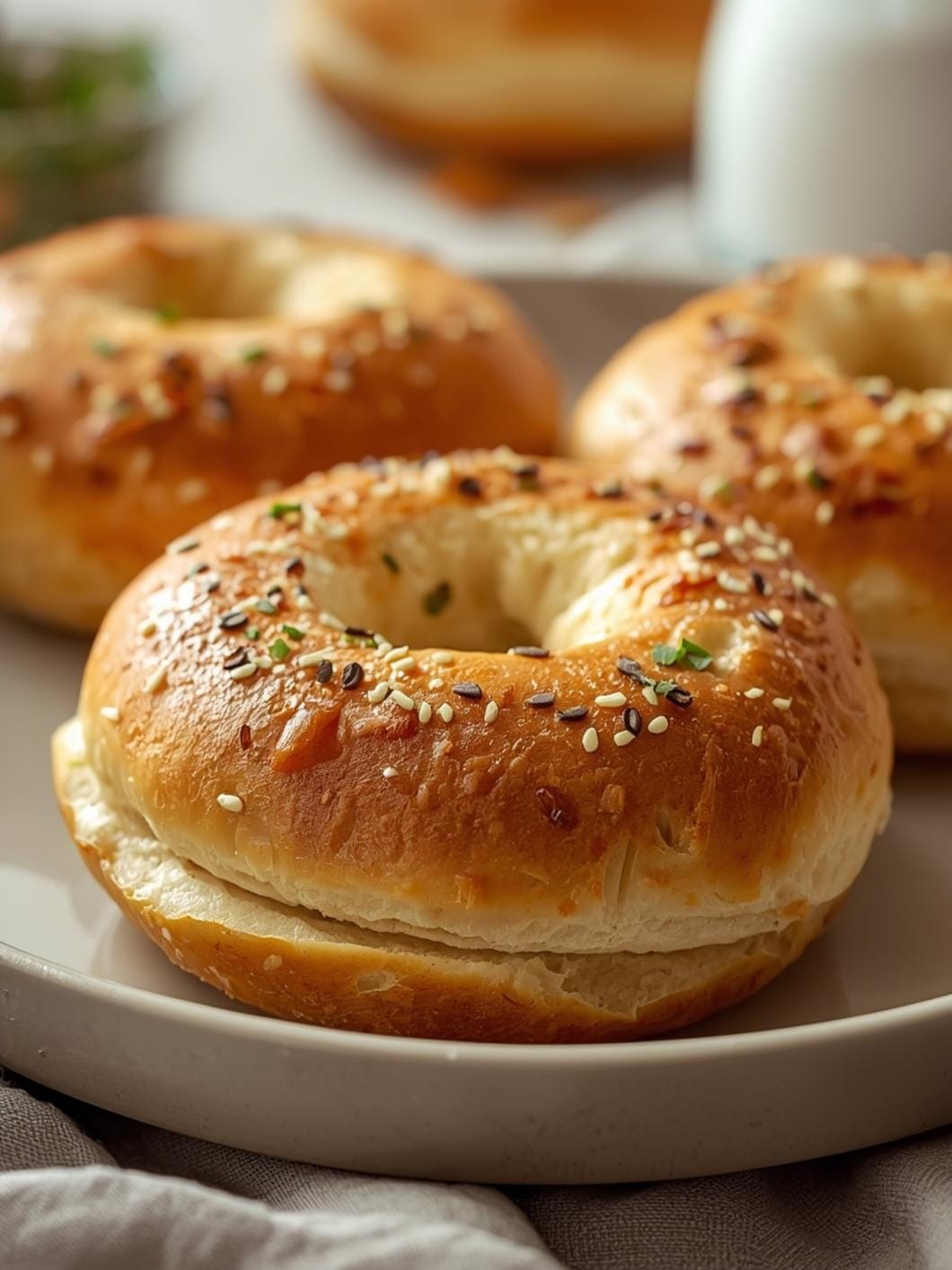
You don’t need any commercial yeast, just your active sourdough discard, a few basic pantry staples, and a little patience. This recipe transforms that leftover discard into something truly special, perfect for breakfast, lunch, or a satisfying snack.
Get ready to impress yourself and your family with these homemade sourdough bagels. They boast that classic chewy texture and a subtle tangy flavor that only sourdough can deliver. Plus, the overnight rise means most of the work happens while you sleep, leaving you with fresh, warm bagels in the morning.
Table of Contents
- What You’ll Love About This Quick And Easy Recipe
- Everything You Need To Make This Recipe Without Stress
- Time Needed From Start To Finish
- How To Make It Step By Step With Visual Cues
- Easy Variations And Serving Ideas That Fit Real Life
- Common Slip-Ups And How To Avoid Them
- How To Store It And Make It Ahead Without Ruining Texture
- Questions People Always Ask Before Making This Recipe

Easy Sourdough Discard Bagels
- Total Time: 8.5 to 12.5 hours
- Yield: 8-10 bagels 1x
Description
Make delicious, chewy sourdough bagels at home with this easy recipe using unfed sourdough discard. No commercial yeast needed, just basic pantry staples and an overnight rise for a classic tangy flavor and perfect texture. Ideal for breakfast, lunch, or a satisfying snack.
Ingredients
Instructions
1. Combine the Wet Ingredients: In a large mixing bowl, whisk together the unfed sourdough discard, warm water, granulated sugar (or honey), and salt until well combined. The mixture might look a little bubbly from the discard, which is perfectly normal.
2. Add the Flour and Form the Dough: Gradually add the all-purpose flour to the wet ingredients, mixing with a wooden spoon or your hands until a shaggy dough forms. Once the dough comes together, turn it out onto a lightly floured surface.
3. Knead the Dough: Knead the dough for about 8-10 minutes until it becomes smooth and elastic. It should spring back slowly when you poke it. If the dough is too sticky, add a little more flour, one tablespoon at a time.
4. First Rise (Overnight Fermentation): Place the kneaded dough in a lightly oiled bowl, turning it once to coat. Cover the bowl tightly with plastic wrap or a damp kitchen towel and refrigerate for 8-12 hours (or overnight). This slow, cold fermentation is essential for flavor development.
5. Shape the Bagels: The next morning, remove the dough from the refrigerator. Divide the dough into 8-10 equal pieces. Roll each piece into a smooth ball, then poke a hole in the center with your thumb. Gently stretch the hole to about 1-1.5 inches in diameter, creating the classic bagel shape. Place the shaped bagels on a parchment-lined baking sheet.
6. Boil the Bagels: Preheat your oven to 425 F (220 C). Bring a large pot of water to a rolling boil and add the baking soda. Carefully drop 2-3 bagels into the boiling water at a time. Boil for 30-60 seconds per side. This boiling step is crucial for the chewy texture and shiny crust.
7. Add Toppings and Bake: Using a slotted spoon, remove the boiled bagels from the water, letting excess water drain. Place them back on the parchment-lined baking sheet. If desired, sprinkle with your chosen toppings. Bake for 18-22 minutes, or until golden brown and cooked through.
8. Cool and Enjoy: Transfer the baked bagels to a wire rack to cool completely before slicing and serving. This allows the internal structure to set properly.
- Prep Time: 20 minutes
- Cook Time: 25-30 minutes
- Category: bread
- Method: baking
- Cuisine: american
Nutrition
- Serving Size: 1 bagel
Keywords: sourdough, bagels, discard, bread, baking, breakfast, snack, chewy, homemade, easy
What You’ll Love About This Quick And Easy Recipe
This sourdough bagel recipe is a game-changer for anyone who keeps a sourdough starter and finds themselves with an abundance of discard. It’s perfect for home bakers who want to minimize waste and maximize flavor. You’ll love the satisfaction of creating bakery-quality bagels right in your own kitchen, without the fuss of commercial yeast. This recipe is also incredibly forgiving, making it ideal for beginners who are new to sourdough baking. It’s a fantastic option for weekend breakfasts, brunches, or even meal prepping a week’s worth of delicious and wholesome bread. The slightly tangy flavor pairs beautifully with both sweet and savory toppings, making it a versatile addition to any meal.
Everything You Need To Make This Recipe Without Stress
Gathering your ingredients before you start baking will make the entire process smooth and enjoyable. This recipe uses common pantry items, making it accessible for most home cooks.
INGREDIENTS:

- 1 cup (240g) unfed sourdough discard (100% hydration)
- 1 cup (240ml) warm water (around 90-100°F / 32-38°C)
- 1 tablespoon granulated sugar or honey
- 1 teaspoon salt
- 4 cups (480g) all-purpose flour, plus more for dusting
- 1 tablespoon baking soda (for boiling)
- Optional toppings: sesame seeds, poppy seeds, everything bagel seasoning, coarse salt
For the flour, all-purpose works wonderfully, but you can also experiment with bread flour for an even chewier texture. If you don’t have granulated sugar, honey or maple syrup can be used as a sweetener for the dough. The baking soda is crucial for the boiling step, as it helps create that signature chewy crust and glossy finish. Feel free to get creative with your toppings; anything from plain to savory or sweet can work.
Time Needed From Start To Finish
While the active hands-on time for these bagels is relatively short, the overnight fermentation is key to developing their flavor and texture.
- Prep Time: 20 minutes (mixing dough, shaping bagels)
- Resting/Overnight Fermentation Time: 8-12 hours
- Boiling and Baking Time: 25-30 minutes
- Total Time: Approximately 8.5 to 12.5 hours (including overnight rest)
How To Make It Step By Step With Visual Cues

Follow these clear steps to achieve perfectly chewy sourdough bagels. The process is straightforward, and each stage contributes to the final delicious result.
- Combine the Wet Ingredients: In a large mixing bowl, whisk together the unfed sourdough discard, warm water, granulated sugar (or honey), and salt until well combined. The mixture might look a little bubbly from the discard, which is perfectly normal.
- Add the Flour and Form the Dough: Gradually add the all-purpose flour to the wet ingredients, mixing with a wooden spoon or your hands until a shaggy dough forms. Once the dough comes together, turn it out onto a lightly floured surface.
- Knead the Dough: Knead the dough for about 8-10 minutes until it becomes smooth and elastic. It should spring back slowly when you poke it. If the dough is too sticky, add a little more flour, one tablespoon at a time.
- First Rise (Overnight Fermentation): Place the kneaded dough in a lightly oiled bowl, turning it once to coat. Cover the bowl tightly with plastic wrap or a damp kitchen towel and refrigerate for 8-12 hours (or overnight). This slow, cold fermentation is essential for flavor development.
- Shape the Bagels: The next morning, remove the dough from the refrigerator. Divide the dough into 8-10 equal pieces. Roll each piece into a smooth ball, then poke a hole in the center with your thumb. Gently stretch the hole to about 1-1.5 inches in diameter, creating the classic bagel shape. Place the shaped bagels on a parchment-lined baking sheet.
- Boil the Bagels: Preheat your oven to 425°F (220°C). Bring a large pot of water to a rolling boil and add the baking soda. Carefully drop 2-3 bagels into the boiling water at a time. Boil for 30-60 seconds per side. This boiling step is crucial for the chewy texture and shiny crust.
- Add Toppings and Bake: Using a slotted spoon, remove the boiled bagels from the water, letting excess water drain. Place them back on the parchment-lined baking sheet. If desired, sprinkle with your chosen toppings. Bake for 18-22 minutes, or until golden brown and cooked through.
- Cool and Enjoy: Transfer the baked bagels to a wire rack to cool completely before slicing and serving. This allows the internal structure to set properly.
Easy Variations And Serving Ideas That Fit Real Life
These sourdough bagels are incredibly versatile and can be customized to suit any taste or occasion. For a kid-friendly option, skip the savory toppings and serve them plain with cream cheese, jam, or even a smear of peanut butter and banana slices. For a sweet treat, try adding a sprinkle of cinnamon sugar to the dough or as a topping before baking.
For a savory twist, mix finely chopped dried onions, garlic powder, and a pinch of salt into the dough before the first rise, or simply use everything bagel seasoning as a topping. You can also incorporate cheese into the dough or sprinkle it on top during the last few minutes of baking for a cheesy bagel. These bagels are fantastic for a weekend brunch spread, served alongside scrambled eggs, bacon, and fresh fruit. They also make an excellent base for breakfast sandwiches or open-faced lunch sandwiches. Don’t forget the classic lox and cream cheese for a truly indulgent experience!
Common Slip-Ups And How To Avoid Them
Even experienced bakers can encounter small challenges, but knowing what to look out for can help you achieve perfect bagels every time.
One common mistake is not kneading the dough enough. Under-kneaded dough will result in dense, tough bagels instead of light and chewy ones. Make sure to knead for the full 8-10 minutes until the dough is smooth and elastic. Another slip-up is over-boiling the bagels. Boiling for too long can make them too chewy or even gummy. Stick to the recommended 30-60 seconds per side for the best texture.
Not letting the bagels cool completely before slicing can also affect their texture. The internal structure needs time to set, so patience is key! Lastly, using discard that isn’t active enough can lead to less rise and flavor. While this recipe uses discard, it still benefits from discard that has some life left in it, even if it’s past its peak for feeding. If your discard has been in the fridge for weeks without a refresh, it might be too sluggish.
How To Store It And Make It Ahead Without Ruining Texture
These homemade sourdough bagels are best enjoyed fresh, but you can certainly store them to savor later. Once completely cooled, place them in an airtight container or a large zip-top bag at room temperature for up to 2-3 days. For longer storage, bagels freeze beautifully. Slice them first, then place them in a freezer-safe bag or container, separating layers with parchment paper if stacking. They will keep well in the freezer for up to 3 months.
To enjoy frozen bagels, simply pop a slice directly into the toaster from the freezer. If reheating a whole bagel, you can thaw it at room temperature or warm it in a moderate oven (around 350°F / 175°C) for about 5-10 minutes until warmed through and slightly crispy. Making the dough ahead is built into this recipe with the overnight cold fermentation, which is ideal for busy schedules. You can also shape the bagels and refrigerate them on a parchment-lined baking sheet, covered, for a few hours before boiling and baking if you want to spread out the active prep time.
Questions People Always Ask Before Making This Recipe
Can I use active sourdough starter instead of discard?
Yes, you can! If you use active starter, the fermentation might be slightly more vigorous, but the recipe will still work perfectly.What if my dough is too sticky or too dry?
If your dough is too sticky during kneading, add a tablespoon of flour at a time until it’s manageable. If it’s too dry, add a teaspoon of water at a time. Humidity and flour absorption can vary.Do I really need to boil the bagels?
FAQs
- Can I make these ahead? Yes—prep ahead, refrigerate, then serve when ready.
- How long do leftovers last? Store covered in the fridge for 3–4 days for best texture.
- Can I adjust sweetness? Yes—add more or less sweetener to taste.
- Can I change the fruit? Yes—swap strawberries for blueberries, raspberries, or sliced banana.