
Making delicious homemade bread might seem daunting, but this easy sourdough bread recipe is designed specifically for beginners.
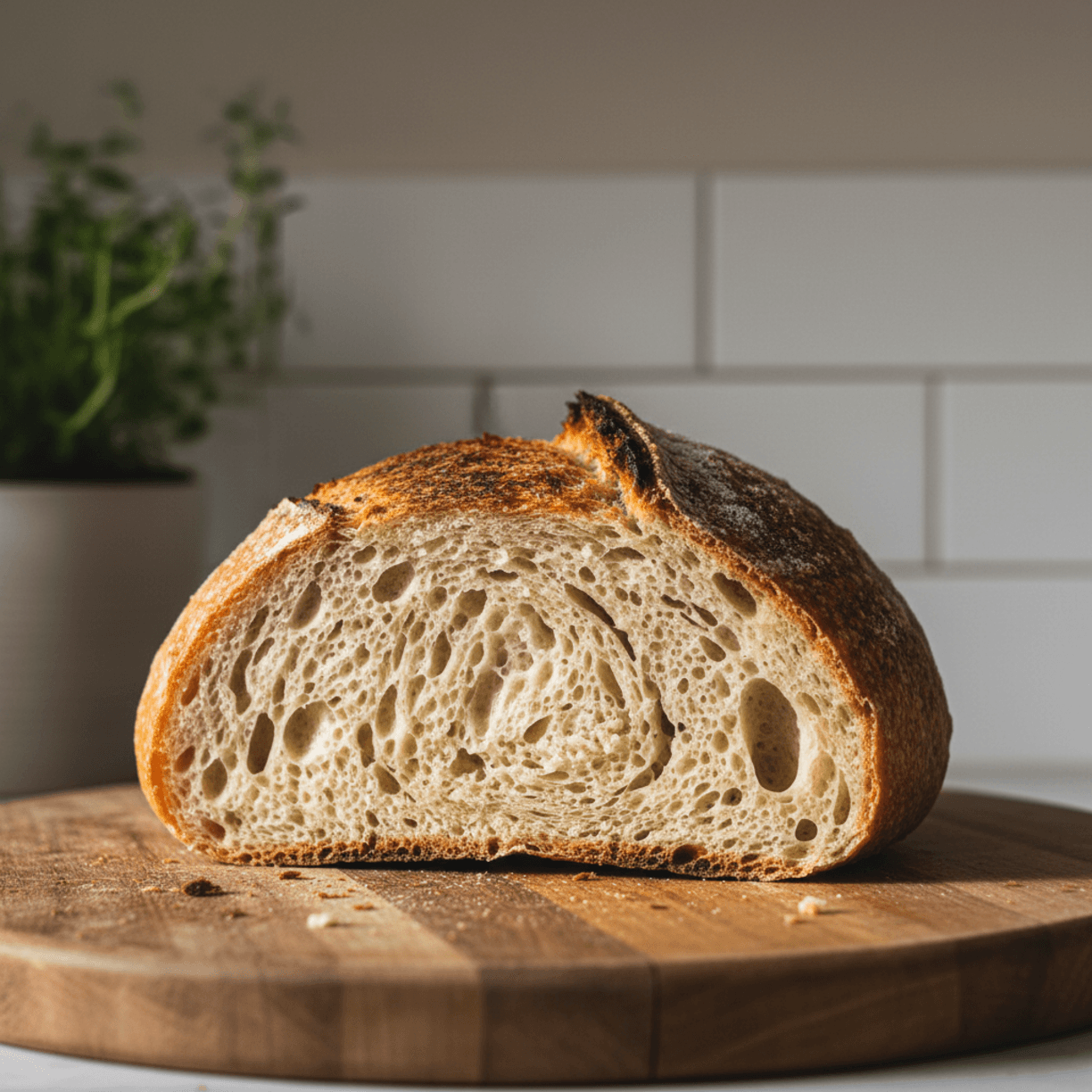
We’re taking all the stress out of the process, using a simple no-knead method that relies on active dry yeast to achieve that wonderful artisan texture and flavor without the fuss of a traditional sourdough starter.
You’ll be amazed at how straightforward it is to create a beautiful, crusty loaf right in your own kitchen. This recipe is perfect for anyone new to bread baking, offering a rewarding experience with minimal effort and fantastic results every time.
No-Knead Sourdough-Style Bread for Beginners
- Total Time: 3 hours 30 minutes to 4 hours 30 minutes
- Yield: 1 loaf 1x
Description
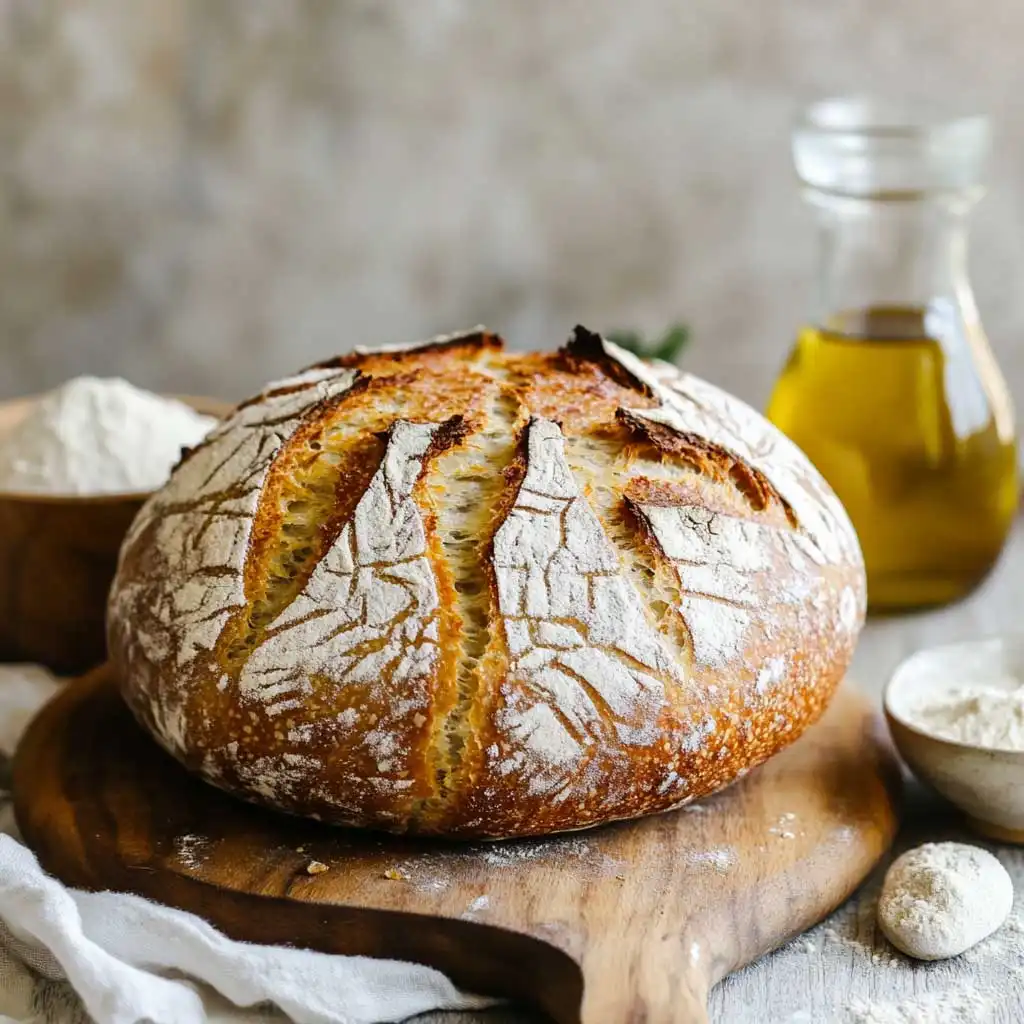
This easy no-knead sourdough-style bread recipe is perfect for beginners, using active dry yeast to create a delicious artisan loaf with minimal effort. It’s a stress-free approach to home baking, resulting in a beautiful, crusty bread with a chewy interior.
Ingredients
Instructions
1. 1. Combine Dry Ingredients: In a large mixing bowl, whisk together the all-purpose flour, active dry yeast, and salt until they are well combined. This ensures the yeast and salt are evenly distributed throughout the flour, which is crucial for a consistent rise.
2. 2. Add Warm Water: Pour the warm water into the bowl with the dry ingredients. Using a wooden spoon or a sturdy spatula, mix everything together until a shaggy, sticky dough forms. There’s no need to knead; just ensure all the flour is incorporated and there are no dry patches. The dough will look quite wet and uneven at this stage, which is perfectly normal.
3. 3. First Rise (Bulk Fermentation): Cover the bowl tightly with plastic wrap or a clean kitchen towel. Place the bowl in a warm spot in your kitchen, away from drafts. Let the dough rise for 2 to 3 hours, or until it has roughly doubled in size and has a bubbly surface. The longer it rises within this timeframe, the more flavor it will develop.
4. 4. Preheat Oven and Dutch Oven: About 30 minutes before the end of the first rise, place your Dutch oven with its lid into your oven. Preheat the oven to 450 F (232 C). Heating the Dutch oven ensures a super-hot surface for the dough, creating that amazing crust.
5. 5. Shape the Dough and Second Rise: Once the dough has risen, gently scrape it out onto a lightly floured surface. With floured hands, gently fold the edges of the dough towards the center a few times to form a round ball. Avoid overworking the dough. Place the shaped dough onto a piece of parchment paper. This makes transferring it to the hot Dutch oven much easier. Cover the dough loosely with plastic wrap or a kitchen towel and let it rest for another 30 minutes while the oven finishes preheating.
6. 6. Bake the Loaf: Carefully remove the hot Dutch oven from the oven (use oven mitts!). Lift the dough by the parchment paper and gently lower it into the hot Dutch oven. Score the top of the dough with a sharp knife or a bread lame (optional, but creates a nice aesthetic and helps with expansion). Place the lid back on the Dutch oven and return it to the oven. Bake for 30 minutes with the lid on.
7. 7. Finish Baking: After 30 minutes, carefully remove the lid from the Dutch oven. Reduce the oven temperature to 400 F (200 C) and continue to bake for another 15-20 minutes, or until the crust is deeply golden brown and sounds hollow when tapped on the bottom.
8. 8. Cool Completely: Once baked, carefully remove the bread from the Dutch oven and transfer it to a wire rack to cool completely before slicing. This step is crucial for the internal structure to set and for the crust to remain crisp. Slicing too early can result in a gummy texture.
- Prep Time: 10 minutes
- Cook Time: 45-50 minutes
- Category: bread
- Method: baking
- Cuisine: american
Nutrition
- Serving Size: 1 slice
Keywords: no-knead, sourdough-style, beginner-friendly, artisan bread, homemade bread, yeast bread, crusty bread, easy bread, dutch oven, simple baking
What You’ll Love About This Quick And Easy Recipe
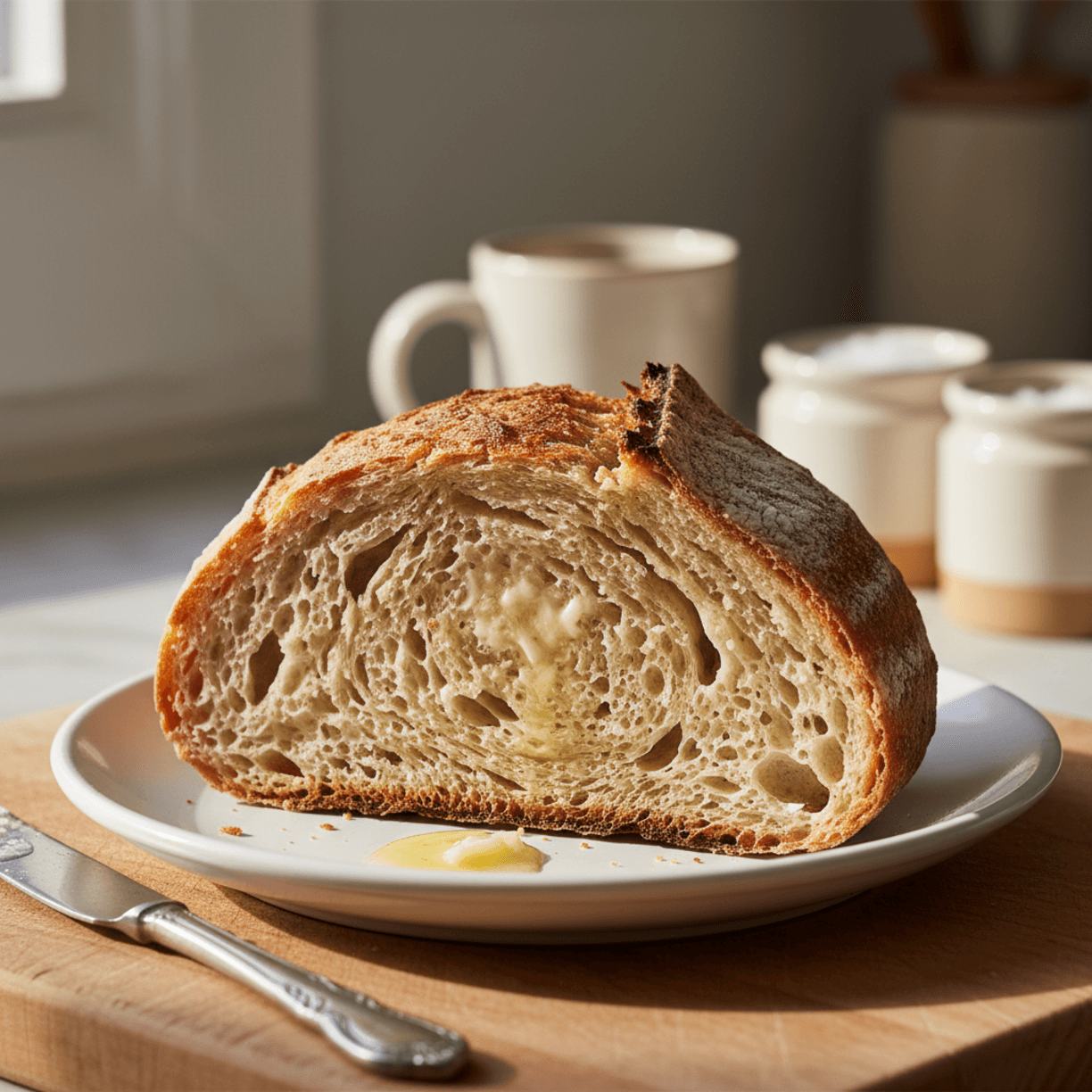
This recipe is a game-changer for anyone who has ever dreamed of baking their own artisan bread but felt intimidated by complex techniques. What you’ll absolutely adore about this method is its sheer simplicity. It’s a “no-stress” approach because it eliminates the need for extensive kneading, which can be a barrier for many new bakers. Instead of hours of developing gluten by hand, we let time and a touch of active dry yeast do the hard work for us. This means you get that coveted chewy interior and crisp crust with surprisingly little hands-on effort. It’s perfect for busy weeknights when you want fresh bread but don’t have all day, or for a lazy weekend morning when you want to impress without breaking a sweat. This recipe is designed for beginners, making it an ideal entry point into the satisfying world of home baking. Serve it with dinner, alongside a hearty soup, or simply toasted with butter for a truly comforting experience.
Everything You Need To Make This Recipe Without Stress
Gathering your ingredients for this easy sourdough-style bread is incredibly simple. You won’t need any special equipment beyond a good mixing bowl and a Dutch oven, which helps create that perfect steamy environment for a crusty loaf. The beauty of this recipe lies in its minimal ingredient list, focusing on pantry staples you likely already have on hand.
INGREDIENTS:
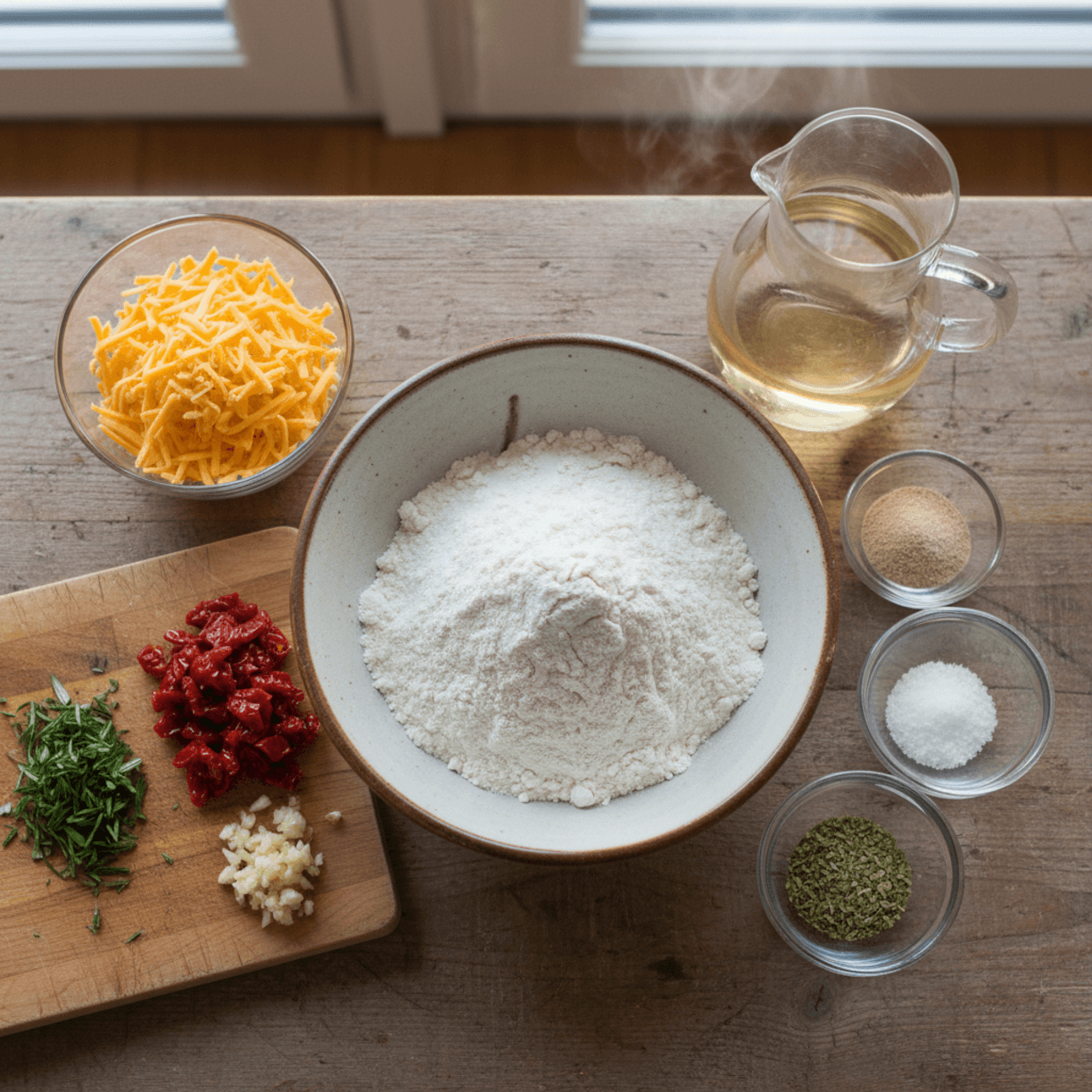
- 3 cups all-purpose flour
- 1 ½ teaspoons active dry yeast
- 1 ½ teaspoons salt
- 1 ½ cups warm water (105-115°F)
After you’ve gathered these basic items, you’re pretty much ready to go. For the flour, a standard all-purpose flour works wonderfully, but if you want to experiment, a bread flour can give you a slightly chewier crumb. Just be aware that bread flour absorbs a bit more liquid, so you might need to add an extra tablespoon or two of water if your dough feels too stiff. When it comes to salt, regular table salt or fine sea salt are both excellent choices. Avoid coarse salts unless you crush them first, as they won’t dissolve properly. The active dry yeast is key here; make sure it’s fresh and not expired, as this is what gives our “sourdough” its lift and airy texture without a traditional starter. If you only have instant yeast, you can use the same amount, and you won’t need to proof it in water first; just mix it directly with the dry ingredients.
Time Needed From Start To Finish
This recipe is designed for maximum flavor with minimal active time, making it incredibly beginner-friendly. While there’s some waiting involved for the dough to rise, your hands-on work is very quick.
- Prep Time: 10 minutes
- Proofing Time: 2-3 hours (first rise) + 30 minutes (second rise)
- Cook Time: 45-50 minutes
- Total Time: Approximately 3 hours 30 minutes to 4 hours 30 minutes
The majority of this time is inactive, allowing the yeast to work its magic and develop flavor. This makes it a perfect project to start in the morning and have fresh bread ready for dinner, or to prepare the dough before running errands.
How To Make It Step By Step With Visual Cues
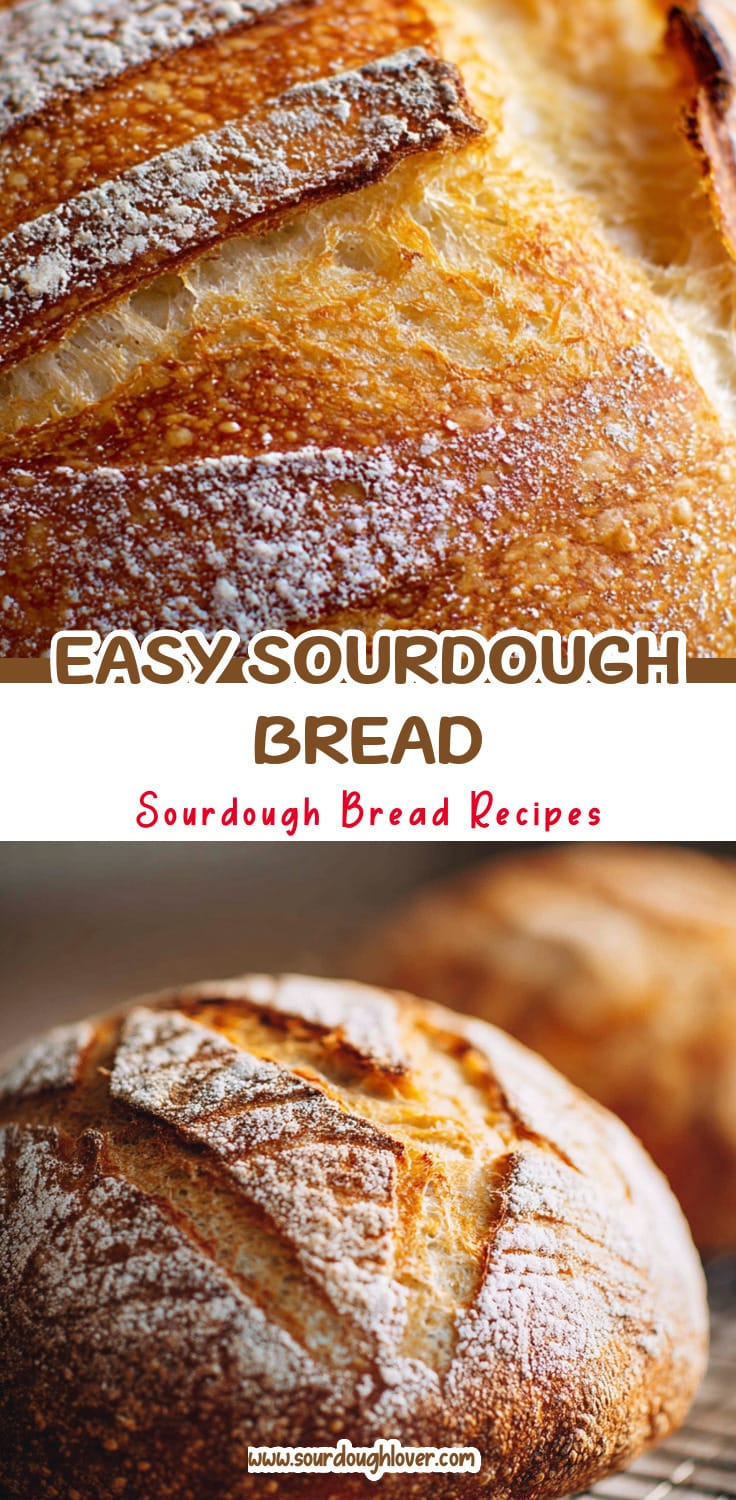
Creating this easy sourdough-style bread is a straightforward process. Follow these steps carefully, and you’ll have a beautiful loaf in no time.
- Combine Dry Ingredients: In a large mixing bowl, whisk together the all-purpose flour, active dry yeast, and salt until they are well combined. This ensures the yeast and salt are evenly distributed throughout the flour, which is crucial for a consistent rise.
- Add Warm Water: Pour the warm water into the bowl with the dry ingredients. Using a wooden spoon or a sturdy spatula, mix everything together until a shaggy, sticky dough forms. There’s no need to knead; just ensure all the flour is incorporated and there are no dry patches. The dough will look quite wet and uneven at this stage, which is perfectly normal.
- First Rise (Bulk Fermentation): Cover the bowl tightly with plastic wrap or a clean kitchen towel. Place the bowl in a warm spot in your kitchen, away from drafts. Let the dough rise for 2 to 3 hours, or until it has roughly doubled in size and has a bubbly surface. The longer it rises within this timeframe, the more flavor it will develop.
- Preheat Oven and Dutch Oven: About 30 minutes before the end of the first rise, place your Dutch oven with its lid into your oven. Preheat the oven to 450°F (232°C). Heating the Dutch oven ensures a super-hot surface for the dough, creating that amazing crust.
- Shape the Dough and Second Rise: Once the dough has risen, gently scrape it out onto a lightly floured surface. With floured hands, gently fold the edges of the dough towards the center a few times to form a round ball. Avoid overworking the dough. Place the shaped dough onto a piece of parchment paper. This makes transferring it to the hot Dutch oven much easier. Cover the dough loosely with plastic wrap or a kitchen towel and let it rest for another 30 minutes while the oven finishes preheating.
- Bake the Loaf: Carefully remove the hot Dutch oven from the oven (use oven mitts!). Lift the dough by the parchment paper and gently lower it into the hot Dutch oven. Score the top of the dough with a sharp knife or a bread lame (optional, but creates a nice aesthetic and helps with expansion). Place the lid back on the Dutch oven and return it to the oven. Bake for 30 minutes with the lid on.
- Finish Baking: After 30 minutes, carefully remove the lid from the Dutch oven. Reduce the oven temperature to 400°F (200°C) and continue to bake for another 15-20 minutes, or until the crust is deeply golden brown and sounds hollow when tapped on the bottom.
- Cool Completely: Once baked, carefully remove the bread from the Dutch oven and transfer it to a wire rack to cool completely before slicing. This step is crucial for the internal structure to set and for the crust to remain crisp. Slicing too early can result in a gummy texture.
Easy Variations And Serving Ideas That Fit Real Life
This “no-stress” sourdough-style bread is incredibly versatile, making it a fantastic base for various flavors and serving occasions. You can easily adapt it to suit your family’s preferences or whatever you have on hand.
For a savory twist, try adding 1/2 cup of shredded sharp cheddar cheese and 2 tablespoons of chopped fresh rosemary to the dough during step 2. This makes a wonderful accompaniment to soups or stews. Another great option is to incorporate 1/4 cup of chopped sun-dried tomatoes and 2 tablespoons of dried oregano for a Mediterranean-inspired loaf. If you love garlic, mix in 2-3 cloves of minced garlic with the water before adding it to the dry ingredients.
When it comes to serving, this bread shines in many roles. For a simple family dinner, serve thick slices with a pat of butter, or alongside a comforting bowl of chili or pasta. It’s fantastic for making gourmet sandwiches – think turkey and provolone or a classic BLT. For a party or buffet, slice it thinly and serve with a platter of cheeses, olives, and cured meats. You can also toast slices and top them with avocado, a fried egg, or bruschetta for a delicious breakfast or appetizer. Don’t forget to try dipping it in good quality olive oil with a sprinkle of sea salt and black pepper – a true crowd-pleaser!
Common Slip-Ups And How To Avoid Them
Even with a beginner-friendly recipe, a few common mistakes can happen. Knowing what to watch out for will help you achieve perfect results every time.
One frequent slip-up is not using warm enough (or too hot) water for the yeast. Water that’s too cold won’t activate the yeast, leading to a flat loaf. Water that’s too hot will kill the yeast, with the same disappointing result. Aim for water between 105-115°F (40-46°C), which feels comfortably warm to the touch, like bathwater. An instant-read thermometer is your best friend here.
Another common issue is overworking the dough during the shaping stage. This no-knead recipe relies on gentle handling. If you knead it too much when forming the ball, you can deflate all the air bubbles that the yeast worked so hard to create, resulting in a dense, heavy bread. Just a few gentle
FAQs
- Can I make these ahead? Yes—prep ahead, refrigerate, then serve when ready.
- How long do leftovers last? Store covered in the fridge for 3–4 days for best texture.
- Can I adjust sweetness? Yes—add more or less sweetener to taste.
- Can I change the fruit? Yes—swap strawberries for blueberries, raspberries, or sliced banana.