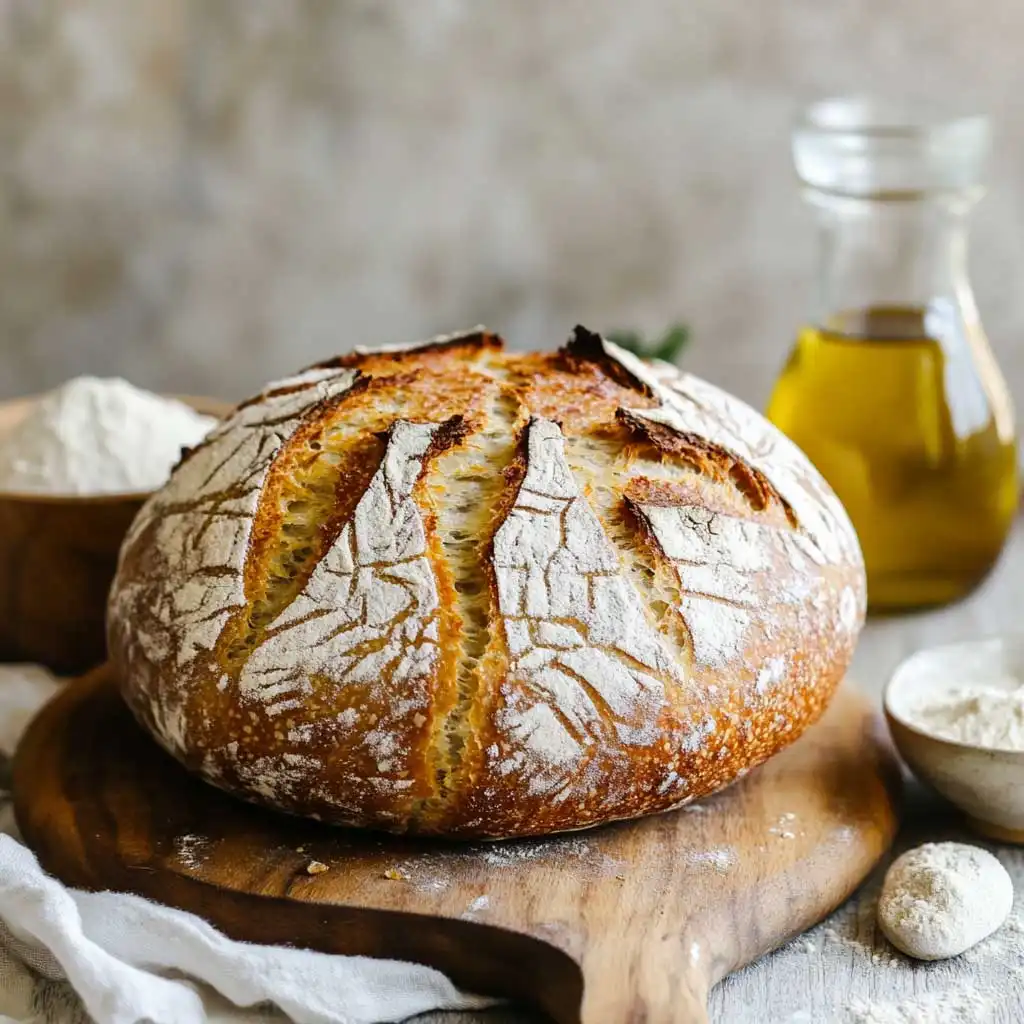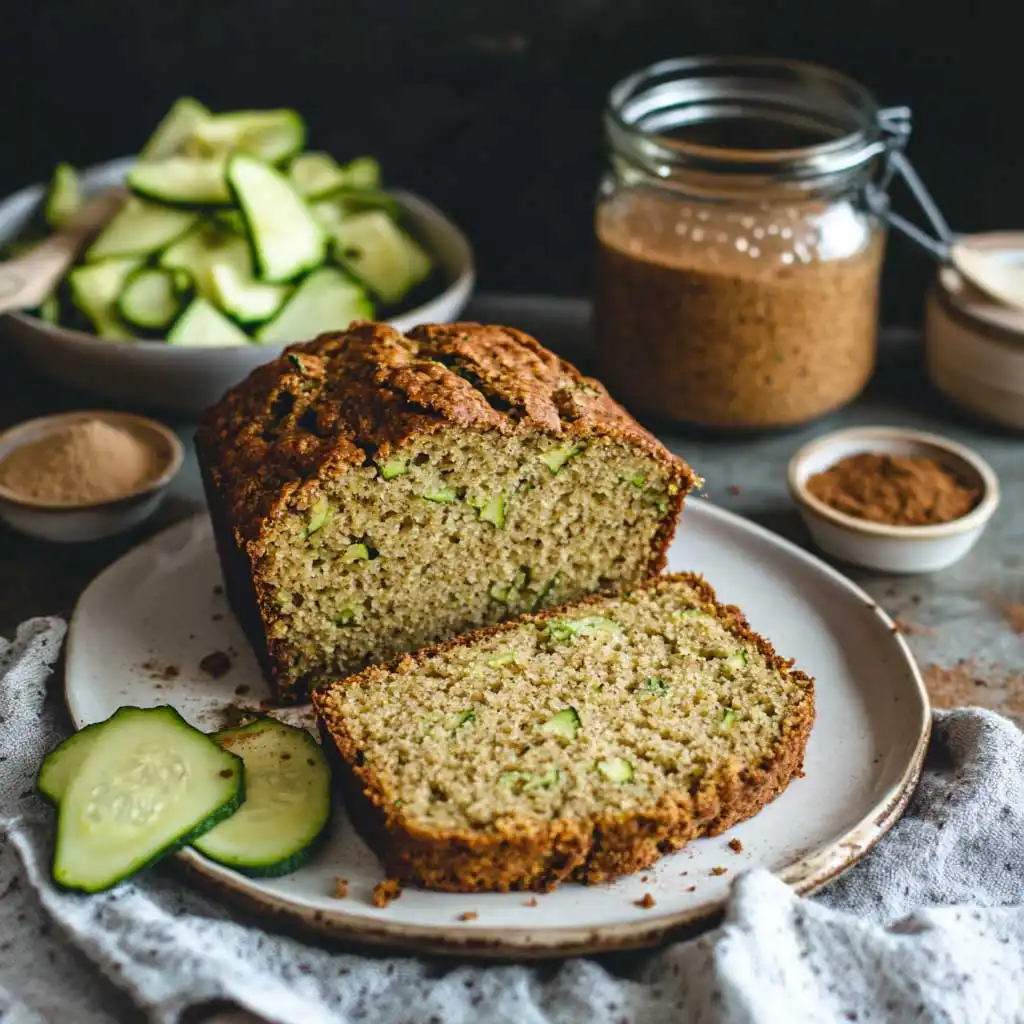

Bake a delicious Sourdough Everyday Sandwich Loaf with this simple recipe, perfect for beginners and experienced bakers alike looking for an easy Sourdough Loaf Pan recipe. This guide will help you achieve a perfectly baked Sourdough Bread In Loaf Pan every time.
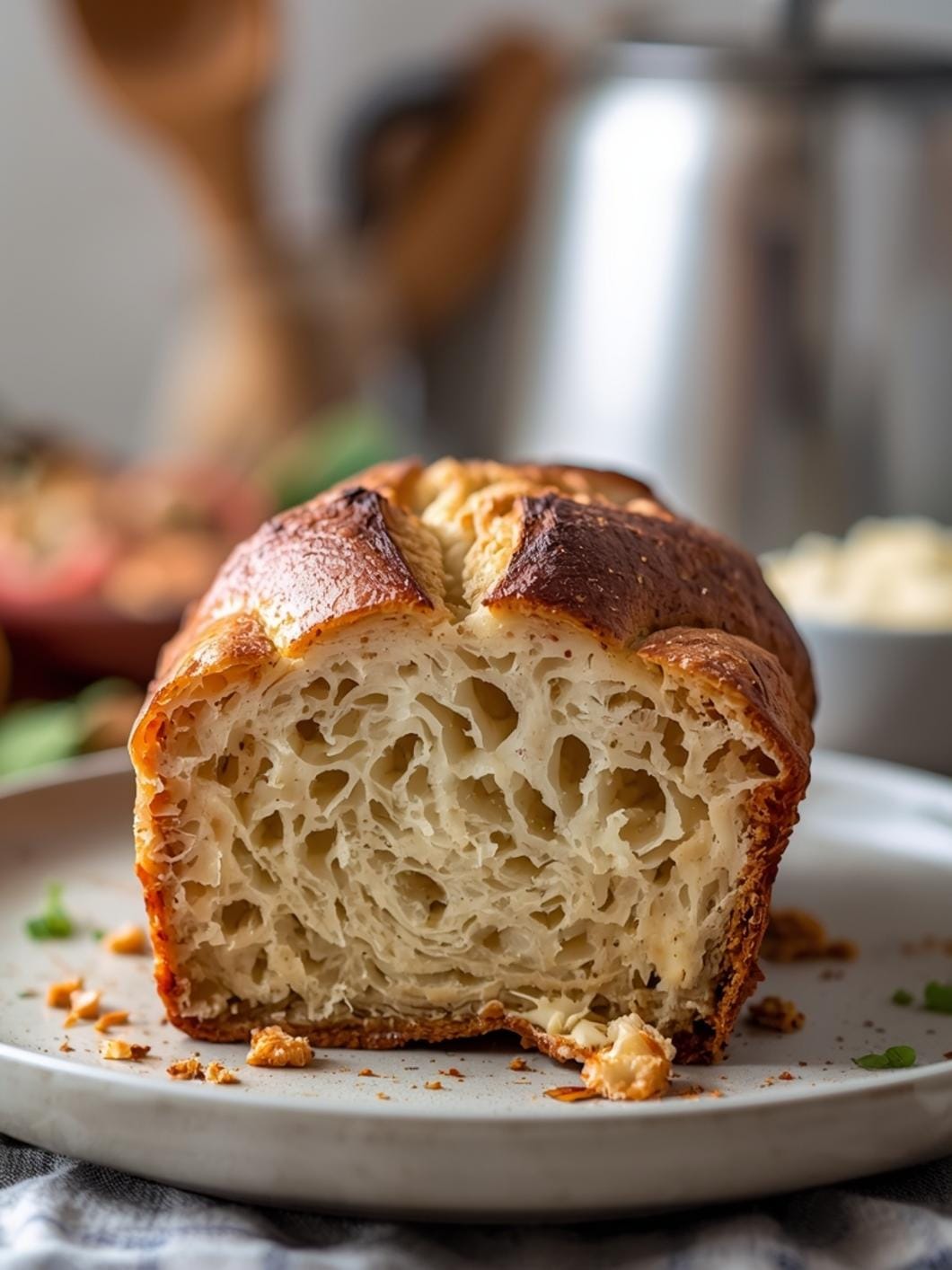
Discover the details for creating a wonderful, soft, and slightly tangy sourdough loaf that’s ideal for all your sandwich needs. This recipe focuses on simplicity and reliability, ensuring a fantastic result without complex techniques.

Sourdough Everyday Sandwich Loaf
- Total Time: 7-12 hours
- Yield: 1 loaf 1x
Description
Bake a delicious Sourdough Everyday Sandwich Loaf with this simple recipe, perfect for beginners and experienced bakers alike looking for an easy Sourdough Loaf Pan recipe. This guide will help you achieve a perfectly baked Sourdough Bread In Loaf Pan every time. Discover the details for creating a wonderful, soft, and slightly tangy sourdough loaf that’s ideal for all your sandwich needs. This recipe focuses on simplicity and reliability, ensuring a fantastic result without complex techniques.
Ingredients
Instructions
1. Combine and Mix the Dough: In a large bowl, combine the active sourdough starter, warm water, and salt. Stir until the starter is mostly dissolved. Add the bread flour and mix with a Danish dough whisk or a sturdy spoon until no dry flour remains and a shaggy dough forms. Cover the bowl with a damp kitchen towel or plastic wrap and let it rest for 30 minutes (this is called autolyse, which helps the flour hydrate).
2. Perform Stretch and Folds: After the rest, uncover the dough. With wet hands, gently grab a portion of the dough from one side, stretch it upwards, and fold it over itself towards the center. Rotate the bowl a quarter turn and repeat this process three more times, completing one set of “stretch and folds.” Cover the bowl and let it rest for 30 minutes. Repeat this set of stretch and folds 3-4 more times, every 30 minutes, for a total of 4-5 sets. The dough will become smoother and more elastic with each set.
3. Bulk Fermentation (First Rise): After the last set of stretch and folds, cover the bowl and let the dough rise at room temperature (around 70-75 F / 21-24 C) for 4-6 hours. The dough should visibly increase in volume by about 50-75% and appear bubbly. You should see small bubbles on the surface.
4. Shape the Dough for the Loaf Pan: Lightly grease a standard 9×5-inch loaf pan with olive oil. Gently turn the dough out onto a lightly floured surface. Gently pat it into a rough rectangle. Fold the top third of the rectangle down to the center, then fold the bottom third up over the top. Gently roll the dough into a log shape, sealing the seam along the bottom. Place the shaped dough seam-side down into the prepared loaf pan.
5. Final Proof (Second Rise): Cover the loaf pan loosely with plastic wrap or a damp towel. Let the dough proof at room temperature for 2-4 hours, or until it has risen to about 1 inch above the rim of the loaf pan. Alternatively, you can cold proof it in the refrigerator overnight (8-12 hours) for a deeper flavor development. If cold proofing, let it sit at room temperature for 30-60 minutes before baking.
6. Preheat Oven and Bake: Preheat your oven to 425 F (220 C) with a rack in the center. Once preheated, place the loaf pan in the oven. Bake for 20 minutes, then reduce the oven temperature to 375 F (190 C) and continue baking for another 20-25 minutes, or until the crust is golden brown and the internal temperature reaches 200-210 F (93-99 C). If the top is browning too quickly, you can loosely tent it with aluminum foil.
7. Cool Completely: Carefully remove the bread from the loaf pan immediately after baking and place it on a wire rack to cool completely. This is a critical step! Do not slice into hot bread, as it will be gummy and compromise the texture. Let it cool for at least 1-2 hours before slicing.
- Prep Time: 15 minutes
- Cook Time: 40-45 minutes
- Category: bread
- Method: baking
- Cuisine: american
Nutrition
- Serving Size: 1 slice
Keywords: sourdough, sandwich, loaf, bread, easy, homemade, baking, starter, everyday, simple
What You’ll Love About This Quick And Easy Recipe
This recipe for Easy Sourdough Bread in a Loaf Pan is a game-changer for anyone who loves the flavor of sourdough but wants a straightforward approach to baking it at home. It’s designed specifically for a loaf pan, which means less fuss with shaping and a consistent, familiar form perfect for slicing. This method is ideal for beginner bakers who might be intimidated by free-form sourdough loaves, as it provides structure and support throughout the baking process. Experienced bakers will also appreciate its simplicity and the reliable results it delivers. This bread is fantastic for everyday use, whether you’re making school lunch sandwiches, a hearty grilled cheese, or simply enjoying a slice with butter and jam. Its mild sourdough tang and soft crumb make it incredibly versatile and universally appealing. Serve it warm from the oven for breakfast, as a side with dinner, or as the star of your lunchbox.
Everything You Need To Make This Recipe Without Stress
Gathering your ingredients before you start baking makes the whole process smoother and more enjoyable. This recipe uses common pantry staples, ensuring you won’t need to hunt for obscure items. The key to a great sourdough loaf is a healthy, active sourdough starter, so make sure yours is fed and bubbly before you begin.
INGREDIENTS:
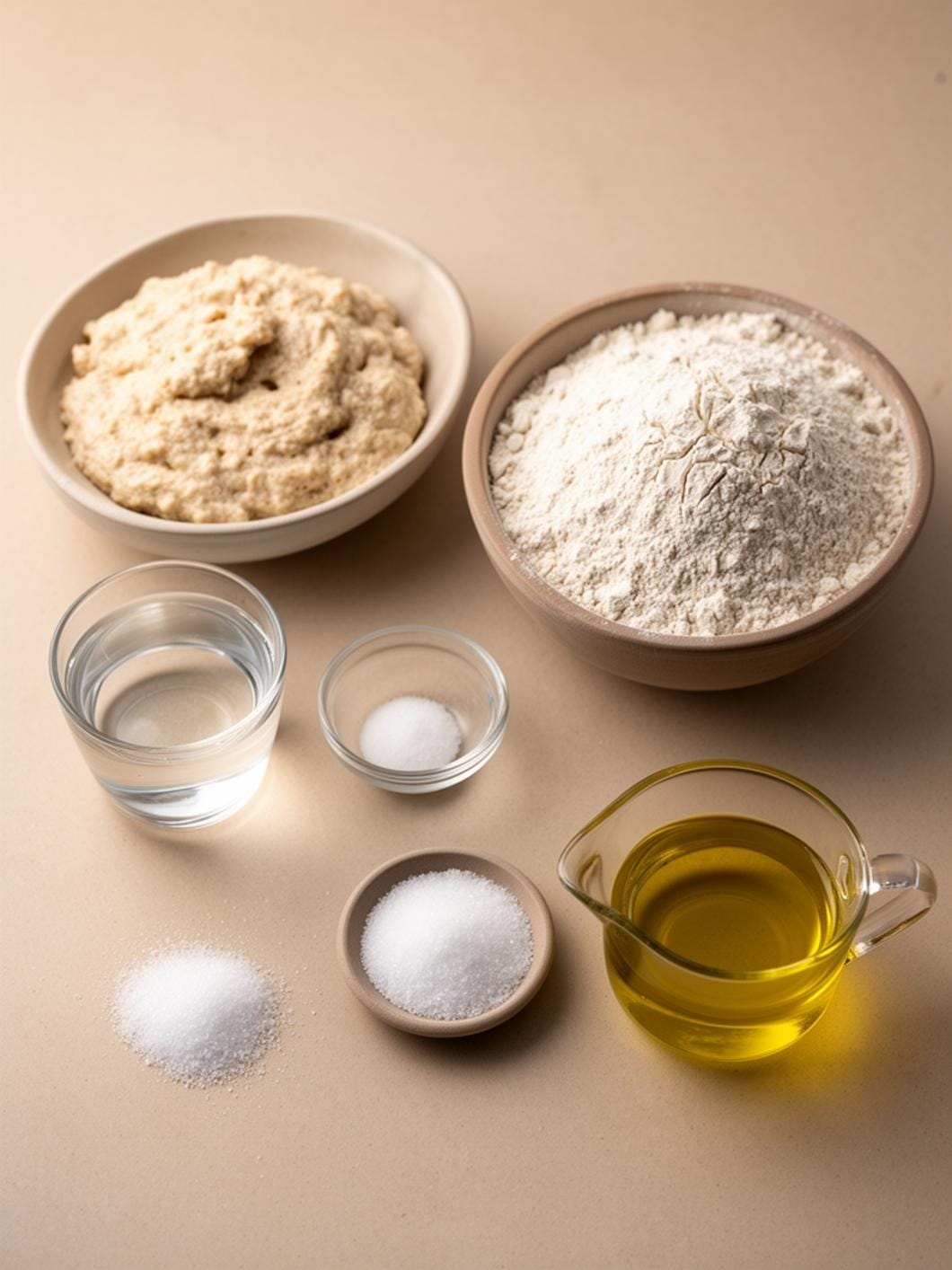
- 150 grams active sourdough starter
- 300 grams warm water (around 90-95°F / 32-35°C)
- 10 grams fine sea salt
- 500 grams bread flour
- 1 tablespoon olive oil (for greasing the pan)
For substitutions, if you don’t have bread flour, all-purpose flour can be used, though the texture might be slightly less chewy. Just be aware that all-purpose flour absorbs liquid differently, so you might need to adjust the water slightly. For the salt, table salt can be used, but fine sea salt dissolves more evenly and provides a cleaner flavor. Ensure your sourdough starter is active and bubbly, as this is crucial for the bread’s rise and flavor. If your starter isn’t quite ready, give it another feeding and wait until it’s at its peak activity.
Time Needed From Start To Finish
Baking sourdough can often seem like an all-day affair, but this loaf pan recipe streamlines the process significantly, making it more accessible for busy schedules. While there are waiting periods for the dough to rise, the active hands-on time is minimal.
- Prep Time: 15 minutes (mixing ingredients, initial knead)
- Bulk Fermentation (First Rise): 4-6 hours (depending on ambient temperature and starter activity)
- Shape and Final Proof: 2-4 hours (in the loaf pan)
- Bake Time: 40-45 minutes
- Cooling Time: 1-2 hours (crucial for texture)
- Total Time: Approximately 7-12 hours (mostly passive waiting)
While the total time includes several hours of rising, your active involvement is limited to a few short bursts. This makes it a perfect project to start in the morning and have fresh bread by dinner, or even prepare the dough in the evening for baking the next day.
How To Make It Step By Step With Visual Cues

Creating this delicious sourdough loaf is a rewarding process, and following these steps carefully will lead to a perfect result. Pay attention to the dough’s feel and appearance at each stage.
- Combine and Mix the Dough: In a large bowl, combine the active sourdough starter, warm water, and salt. Stir until the starter is mostly dissolved. Add the bread flour and mix with a Danish dough whisk or a sturdy spoon until no dry flour remains and a shaggy dough forms. Cover the bowl with a damp kitchen towel or plastic wrap and let it rest for 30 minutes (this is called autolyse, which helps the flour hydrate).
- Perform Stretch and Folds: After the rest, uncover the dough. With wet hands, gently grab a portion of the dough from one side, stretch it upwards, and fold it over itself towards the center. Rotate the bowl a quarter turn and repeat this process three more times, completing one set of “stretch and folds.” Cover the bowl and let it rest for 30 minutes. Repeat this set of stretch and folds 3-4 more times, every 30 minutes, for a total of 4-5 sets. The dough will become smoother and more elastic with each set.
- Bulk Fermentation (First Rise): After the last set of stretch and folds, cover the bowl and let the dough rise at room temperature (around 70-75°F / 21-24°C) for 4-6 hours. The dough should visibly increase in volume by about 50-75% and appear bubbly. You should see small bubbles on the surface.
- Shape the Dough for the Loaf Pan: Lightly grease a standard 9×5-inch loaf pan with olive oil. Gently turn the dough out onto a lightly floured surface. Gently pat it into a rough rectangle. Fold the top third of the rectangle down to the center, then fold the bottom third up over the top. Gently roll the dough into a log shape, sealing the seam along the bottom. Place the shaped dough seam-side down into the prepared loaf pan.
- Final Proof (Second Rise): Cover the loaf pan loosely with plastic wrap or a damp towel. Let the dough proof at room temperature for 2-4 hours, or until it has risen to about 1 inch above the rim of the loaf pan. Alternatively, you can cold proof it in the refrigerator overnight (8-12 hours) for a deeper flavor development. If cold proofing, let it sit at room temperature for 30-60 minutes before baking.
- Preheat Oven and Bake: Preheat your oven to 425°F (220°C) with a rack in the center. Once preheated, place the loaf pan in the oven. Bake for 20 minutes, then reduce the oven temperature to 375°F (190°C) and continue baking for another 20-25 minutes, or until the crust is golden brown and the internal temperature reaches 200-210°F (93-99°C). If the top is browning too quickly, you can loosely tent it with aluminum foil.
- Cool Completely: Carefully remove the bread from the loaf pan immediately after baking and place it on a wire rack to cool completely. This is a critical step! Do not slice into hot bread, as it will be gummy and compromise the texture. Let it cool for at least 1-2 hours before slicing.
Easy Variations And Serving Ideas That Fit Real Life
This everyday sourdough loaf is incredibly versatile and can be adapted to suit various tastes and occasions. Here are some simple variations and serving suggestions:
- Herb and Garlic Loaf: Before the final proof, gently knead in 2-3 cloves of minced garlic and 2 tablespoons of fresh chopped rosemary or dried Italian herbs. This adds a wonderful aromatic flavor.
- Cheese Sourdough: Incorporate 1/2 cup of shredded cheddar, Gruyère, or Parmesan cheese during the final stretch and fold, or gently fold it in before shaping. The cheese will melt into pockets of deliciousness.
- Whole Wheat Blend: Substitute 100-150 grams of the bread flour with whole wheat flour for a nuttier flavor and denser crumb. You might need a tiny bit more water as whole wheat flour absorbs more liquid.
- Seeds and Grains: For added texture and nutrition, mix in 1/4 cup of sunflower seeds, pumpkin seeds, or rolled oats during the initial mixing stage. You can also sprinkle some on top before baking.
- Serving Ideas: This bread is perfect for classic sandwiches like turkey and provolone or a simple ham and cheese. It makes incredible toast for breakfast, especially with avocado and a fried egg. Use thicker slices for a hearty grilled cheese or a satisfying French toast. It’s also fantastic alongside a bowl of soup or stew, or simply enjoyed with a good quality olive oil for dipping. For a party, slice it thinly and serve with a cheese board and charcuterie.
Common Slip-Ups And How To Avoid Them
Even with a straightforward recipe, baking sourdough can have its quirks. Here are some common issues and how to steer clear of them:
- Under-proofed Dough: If your bread is dense, has a tight crumb, and doesn’t rise much in the oven (often called “gummy”), it’s likely under-proofed. This means the yeast in your starter didn’t have enough time to create sufficient gas. To avoid this,
FAQs
- Can I make these ahead? Yes—prep ahead, refrigerate, then serve when ready.
- How long do leftovers last? Store covered in the fridge for 3–4 days for best texture.
- Can I adjust sweetness? Yes—add more or less sweetener to taste.
- Can I change the fruit? Yes—swap strawberries for blueberries, raspberries, or sliced banana.