
Craving the comforting aroma and tangy taste of fresh sourdough bread but find yourself short on time? You’re not alone! Many home bakers dream of that perfect loaf but are intimidated by the multi-day process often associated with traditional sourdough.
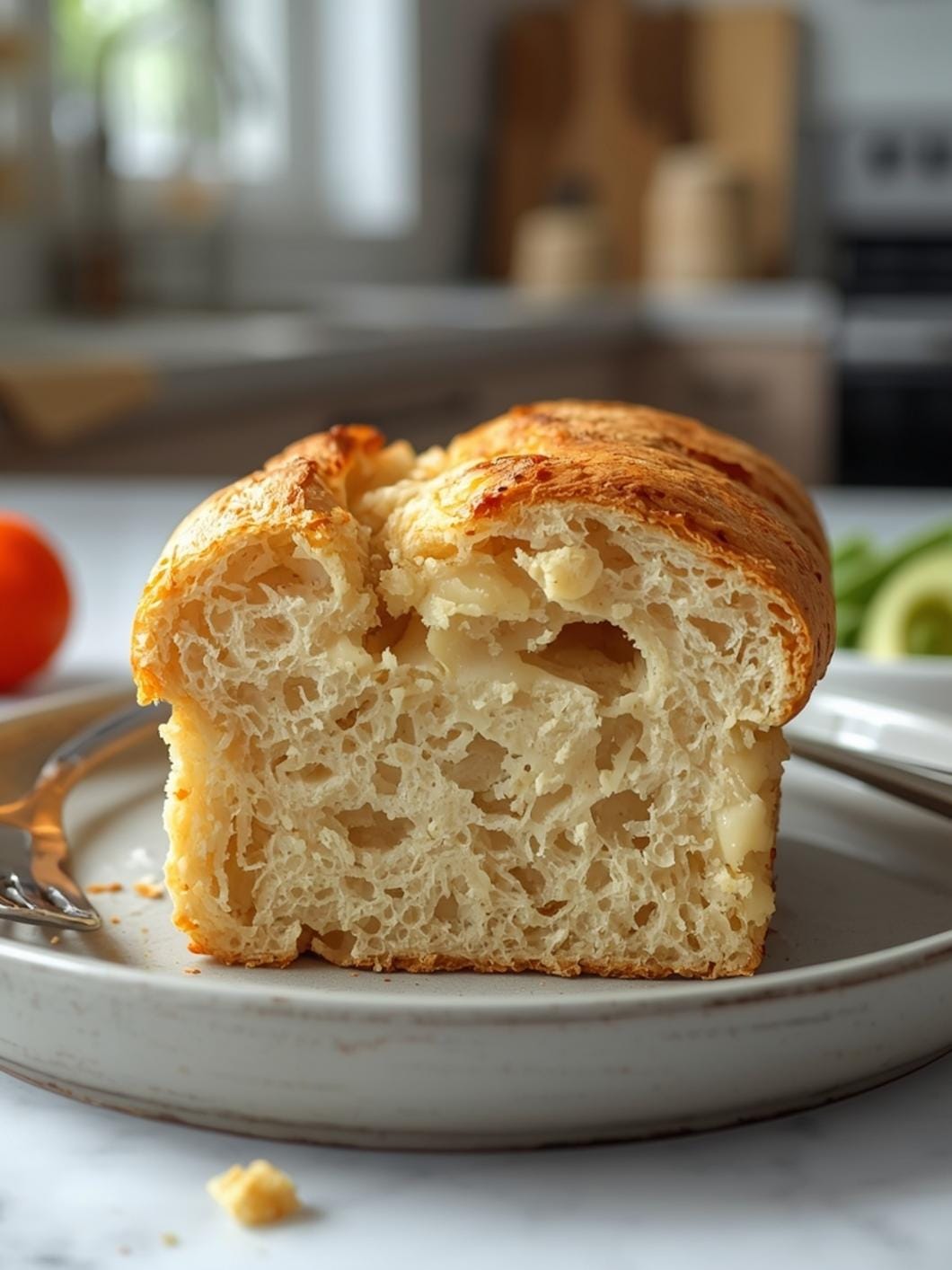
This recipe is designed specifically for busy individuals and families who want to enjoy homemade sourdough without the extensive commitment. We’re talking about a method that allows you to mix, proof, and bake a delicious loaf all in the same day, making it an incredibly satisfying and achievable baking project for any day of the week.

Quick and Easy Same-Day Sourdough Bread
- Total Time: 7-10 hours
- Yield: 1 loaf 1x
Description
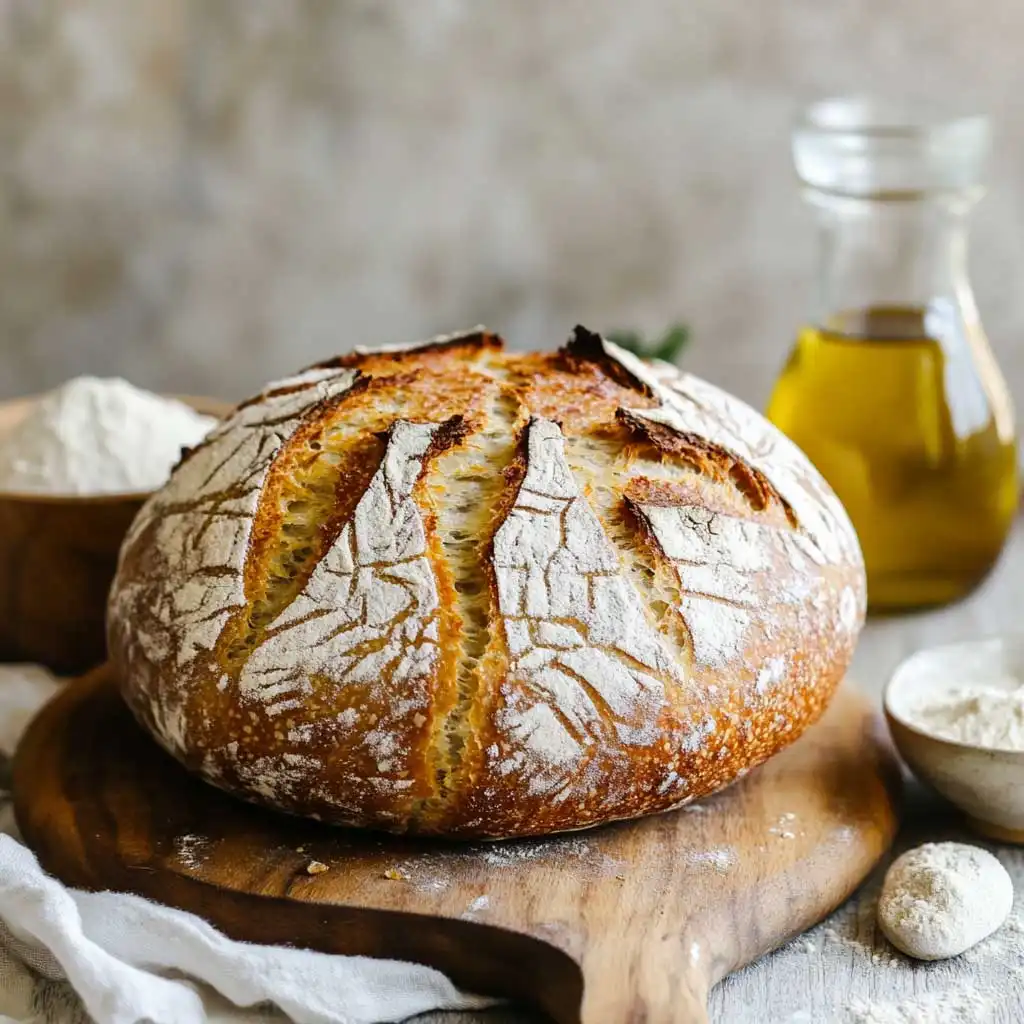
This recipe offers a simplified, same-day method for baking delicious sourdough bread, perfect for busy individuals and beginners. It focuses on efficiency, allowing you to enjoy fresh, tangy, and chewy sourdough without the multi-day commitment of traditional methods. Ideal for a weekend project or even a weeknight bake, this versatile bread is great with soups, sandwiches, or simply with butter and jam.
Ingredients
Instructions
1. Combine Starter and Water: In a large mixing bowl, gently whisk together your active sourdough starter and warm water until the starter is mostly dissolved. The mixture should look milky and slightly frothy.
2. Add Flour and Salt: Add the bread flour and salt to the bowl. Mix with a sturdy spoon or your hands until no dry streaks of flour remain. It will be a shaggy, somewhat stiff dough. Cover the bowl with a damp cloth or plastic wrap and let it rest for 30 minutes (this is called autolyse, which helps the flour hydrate).
3. Perform Stretch and Folds: After the rest, lightly oil your hands. Perform a series of “stretch and folds” directly in the bowl. Grab a portion of the dough from one side, stretch it up, and fold it over to the center. Rotate the bowl a quarter turn and repeat. Do this 4-6 times around the bowl. Cover and let rest for 30 minutes. Repeat this stretch and fold process 3-4 more times over the next 2-3 hours. The dough will become smoother and more elastic with each set.
4. Bulk Fermentation (First Rise): After your final set of stretch and folds, cover the bowl and let the dough rise at room temperature until it has visibly increased in volume by about 50-75% and looks bubbly. This could take anywhere from 2 to 4 hours, depending on the warmth of your kitchen and the strength of your starter. You’ll know it’s ready when it looks puffy and jiggly.
5. Shape the Loaf: Gently turn the dough out onto a lightly floured surface. Avoid deflating it too much. Gently shape it into a round or oval. If you’re using a banneton (proofing basket), lightly flour it. Place the shaped dough seam-side up into the banneton. If you don’t have a banneton, you can use a bowl lined with a floured tea towel.
6. Final Proof (Second Rise): Cover the banneton or bowl with plastic wrap and let the dough proof at room temperature for 30-60 minutes. While it’s proofing, preheat your oven to 450 F (232 C) with a Dutch oven inside for at least 30 minutes. The dough should look slightly puffy, but not overly risen.
7. Score and Bake: Carefully remove the hot Dutch oven from the oven. Gently invert the dough from the banneton into the hot Dutch oven. Score the top of the dough with a sharp knife or bread lame (a single, deep cut is common). Cover the Dutch oven and bake for 30 minutes.
8. Finish Baking: Remove the lid from the Dutch oven and continue baking for another 10-20 minutes, or until the crust is deeply golden brown and the internal temperature reaches 200-210 F (93-99 C).
9. Cool Completely: Carefully remove the bread from the Dutch oven and place it on a wire rack to cool completely for at least 1-2 hours before slicing. This step is crucial for the crumb structure and flavor to fully develop.
- Prep Time: 15-20 minutes
- Cook Time: 40-50 minutes
- Category: bread
- Method: baking
- Cuisine: american
Nutrition
- Serving Size: 1 slice
Keywords: sourdough, bread, same-day, quick, easy, homemade, baking, starter, loaves, artisan
What You’ll Love About This Quick And Easy Recipe
This “bake same day” sourdough recipe is a game-changer for anyone who loves the flavor of sourdough but doesn’t have days to dedicate to the process. It’s perfect for beginners who might feel overwhelmed by longer fermentation schedules, as it simplifies the steps without sacrificing that distinctive tangy taste and chewy texture. You’ll love how quickly you can go from mixing ingredients to pulling a warm, fragrant loaf from your oven. This recipe is ideal for a weekend baking project that won’t eat up your entire day, or even for a weeknight if you start it in the morning. It’s fantastic served alongside a hearty soup, as a base for open-faced sandwiches, or simply slathered with butter and jam for breakfast. It’s truly a versatile bread that fits seamlessly into family meals and casual gatherings, offering that homemade touch without the fuss.
Everything You Need To Make This Recipe Without Stress
Making delicious sourdough doesn’t require a pantry full of obscure ingredients. This recipe focuses on simplicity, using common items you likely already have or can easily find at any grocery store. We’ll keep things straightforward, ensuring your baking experience is enjoyable and stress-free.
INGREDIENTS:
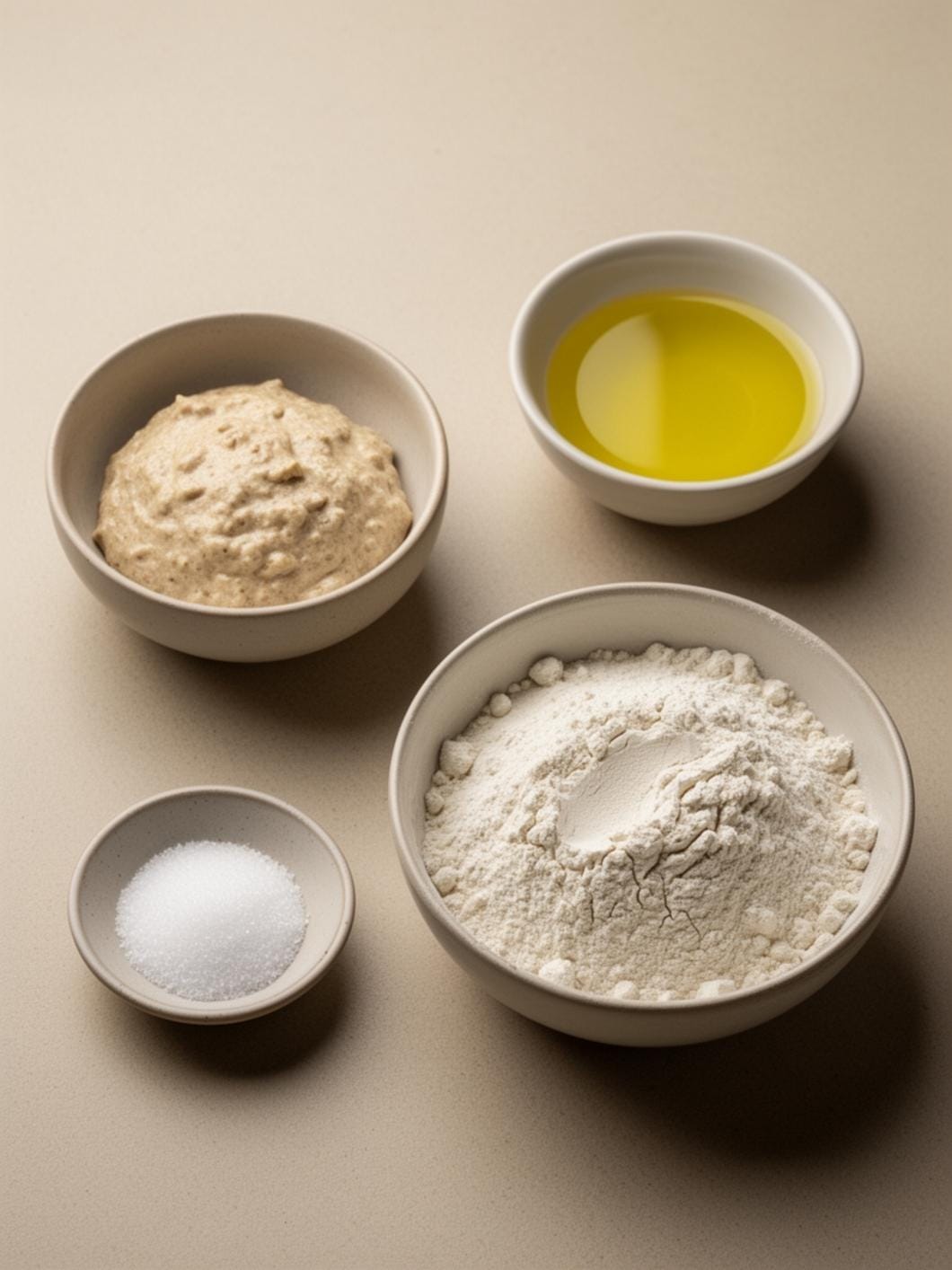
- 100 grams active sourdough starter (fed and bubbly)
- 350 grams warm water (around 90-95°F or 32-35°C)
- 500 grams unbleached bread flour
- 10 grams fine sea salt
- 1 tablespoon olive oil (for the bowl)
For the flour, while bread flour is recommended for its higher protein content which contributes to a chewier crumb, you can absolutely use unbleached all-purpose flour in a pinch. The texture might be slightly softer, but it will still yield a delicious loaf. When it comes to salt, fine sea salt or kosher salt are preferred for their even distribution and flavor, but regular table salt can be used if that’s what you have on hand. Just be mindful that table salt can be saltier by volume, so you might want to slightly reduce the amount. Ensure your sourdough starter is active and bubbly; this is crucial for a successful same-day bake. If your starter isn’t quite ready, give it a feed a few hours before you plan to start baking.
Time Needed From Start To Finish
One of the biggest advantages of this recipe is its efficiency, allowing you to enjoy fresh sourdough without the typical multi-day wait. Here’s a realistic breakdown of the time commitment:
- Prep Time: 15-20 minutes (includes mixing ingredients and initial folds)
- Bulk Fermentation (Proofing): 4-6 hours (depending on your starter’s activity and ambient temperature)
- Shaping & Final Proof: 30-60 minutes
- Bake Time: 40-50 minutes
- Cooling Time: 1-2 hours (essential for proper texture and flavor)
Total Time: Approximately 7-10 hours, from mixing to a sliceable loaf. While this might seem like a full day, most of it is hands-off proofing time, making it very manageable for a single-day baking project.
How To Make It Step By Step With Visual Cues
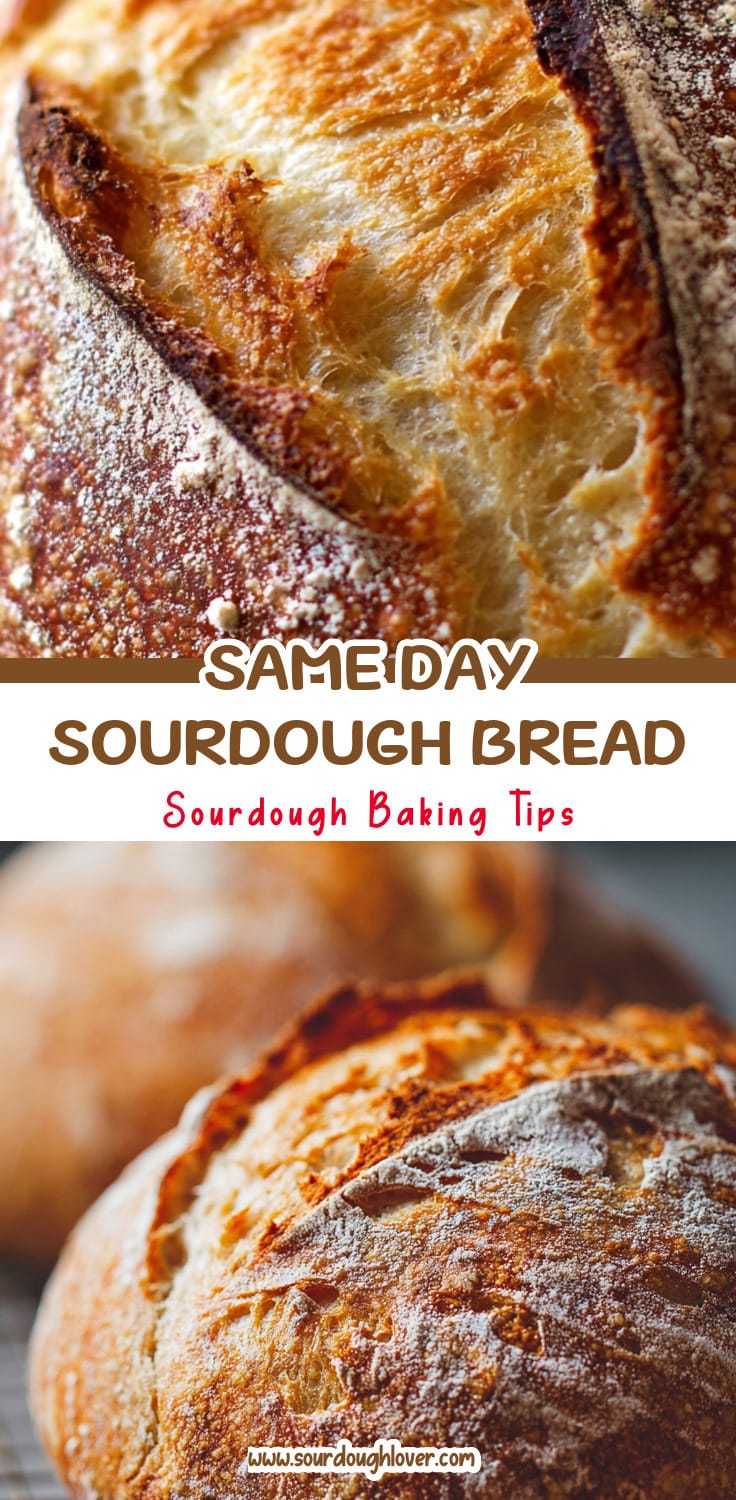
Baking sourdough can feel intimidating, but breaking it down into simple steps makes it much more approachable. Follow these instructions carefully for a delicious same-day loaf.
- Combine Starter and Water: In a large mixing bowl, gently whisk together your active sourdough starter and warm water until the starter is mostly dissolved. The mixture should look milky and slightly frothy.
- Add Flour and Salt: Add the bread flour and salt to the bowl. Mix with a sturdy spoon or your hands until no dry streaks of flour remain. It will be a shaggy, somewhat stiff dough. Cover the bowl with a damp cloth or plastic wrap and let it rest for 30 minutes (this is called autolyse, which helps the flour hydrate).
- Perform Stretch and Folds: After the rest, lightly oil your hands. Perform a series of “stretch and folds” directly in the bowl. Grab a portion of the dough from one side, stretch it up, and fold it over to the center. Rotate the bowl a quarter turn and repeat. Do this 4-6 times around the bowl. Cover and let rest for 30 minutes. Repeat this stretch and fold process 3-4 more times over the next 2-3 hours. The dough will become smoother and more elastic with each set.
- Bulk Fermentation (First Rise): After your final set of stretch and folds, cover the bowl and let the dough rise at room temperature until it has visibly increased in volume by about 50-75% and looks bubbly. This could take anywhere from 2 to 4 hours, depending on the warmth of your kitchen and the strength of your starter. You’ll know it’s ready when it looks puffy and jiggly.
- Shape the Loaf: Gently turn the dough out onto a lightly floured surface. Avoid deflating it too much. Gently shape it into a round or oval. If you’re using a banneton (proofing basket), lightly flour it. Place the shaped dough seam-side up into the banneton. If you don’t have a banneton, you can use a bowl lined with a floured tea towel.
- Final Proof (Second Rise): Cover the banneton or bowl with plastic wrap and let the dough proof at room temperature for 30-60 minutes. While it’s proofing, preheat your oven to 450°F (232°C) with a Dutch oven inside for at least 30 minutes. The dough should look slightly puffy, but not overly risen.
- Score and Bake: Carefully remove the hot Dutch oven from the oven. Gently invert the dough from the banneton into the hot Dutch oven. Score the top of the dough with a sharp knife or bread lame (a single, deep cut is common). Cover the Dutch oven and bake for 30 minutes.
- Finish Baking: Remove the lid from the Dutch oven and continue baking for another 10-20 minutes, or until the crust is deeply golden brown and the internal temperature reaches 200-210°F (93-99°C).
- Cool Completely: Carefully remove the bread from the Dutch oven and place it on a wire rack to cool completely for at least 1-2 hours before slicing. This step is crucial for the crumb structure and flavor to fully develop.
Easy Variations And Serving Ideas That Fit Real Life
This same-day sourdough recipe is a fantastic base for all sorts of culinary adventures. Once you master the basic loaf, feel free to experiment with additions and serving suggestions that cater to your family’s tastes and everyday needs.
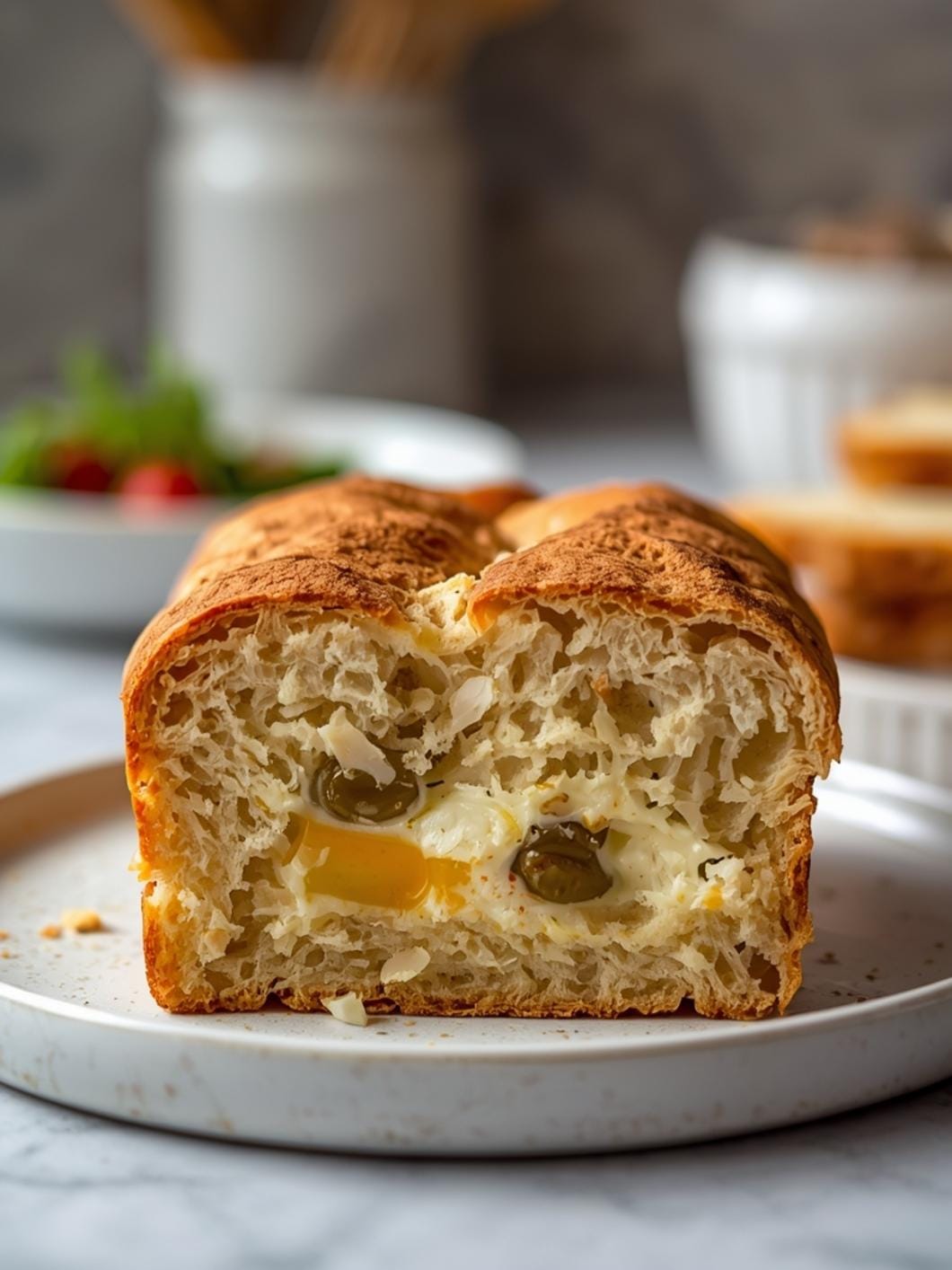
For a savory twist, try incorporating a handful of shredded cheese (cheddar or Gruyère work well) and a tablespoon of dried herbs like rosemary or oregano during the first stretch and fold session. This makes an incredible accompaniment to dinner or a flavorful base for grilled cheese sandwiches. If you prefer a slightly sweeter profile, you could add a tablespoon of honey or maple syrup to the water and starter mixture, though this will slightly alter the classic sourdough tang.
This bread is incredibly versatile for serving. For breakfast, toast slices and top with avocado, a fried egg, or your favorite jam. At lunch, it makes sturdy sandwiches or can be torn into pieces for a rustic bread salad. For dinner, it’s the perfect companion to hearty stews, chili, or pasta dishes, ideal for soaking up every last drop of sauce. Don’t forget the simple pleasure of fresh sourdough with good quality butter and a sprinkle of flaky sea salt – a true classic! Kids often love sourdough toast sticks for dipping into soup or a soft-boiled egg. You can also make mini pizzas on slices of leftover sourdough for a quick and fun meal.
Common Slip-Ups And How To Avoid Them
Even with a simplified recipe, baking sourdough can present a few common challenges. Knowing what to look out for can help you achieve a perfect loaf every time.
One frequent issue is an inactive starter. If your starter isn’t bubbly and active after a recent feeding, it won’t have the strength to properly leaven your dough, resulting in a dense loaf. Always ensure your starter is at its peak activity before you begin mixing. Another common mistake is under-proofing. If your dough doesn’t rise enough during bulk fermentation or the final proof, your bread will be heavy and lack those signature open holes. Look for visual cues: the dough should be visibly larger, jiggly, and feel light. Conversely, over-proofing

FAQs
- Can I make these ahead? Yes—prep ahead, refrigerate, then serve when ready.
- How long do leftovers last? Store covered in the fridge for 3–4 days for best texture.
- Can I adjust sweetness? Yes—add more or less sweetener to taste.
- Can I change the fruit? Yes—swap strawberries for blueberries, raspberries, or sliced banana.