
Craving those perfectly craggy, tender English muffins but don’t want to deal with a lengthy baking project? This recipe for sourdough discard English muffins is your new best friend. It’s a fantastic way to use up that bubbly discard sitting in your fridge, transforming it into something truly delicious without any complicated steps.
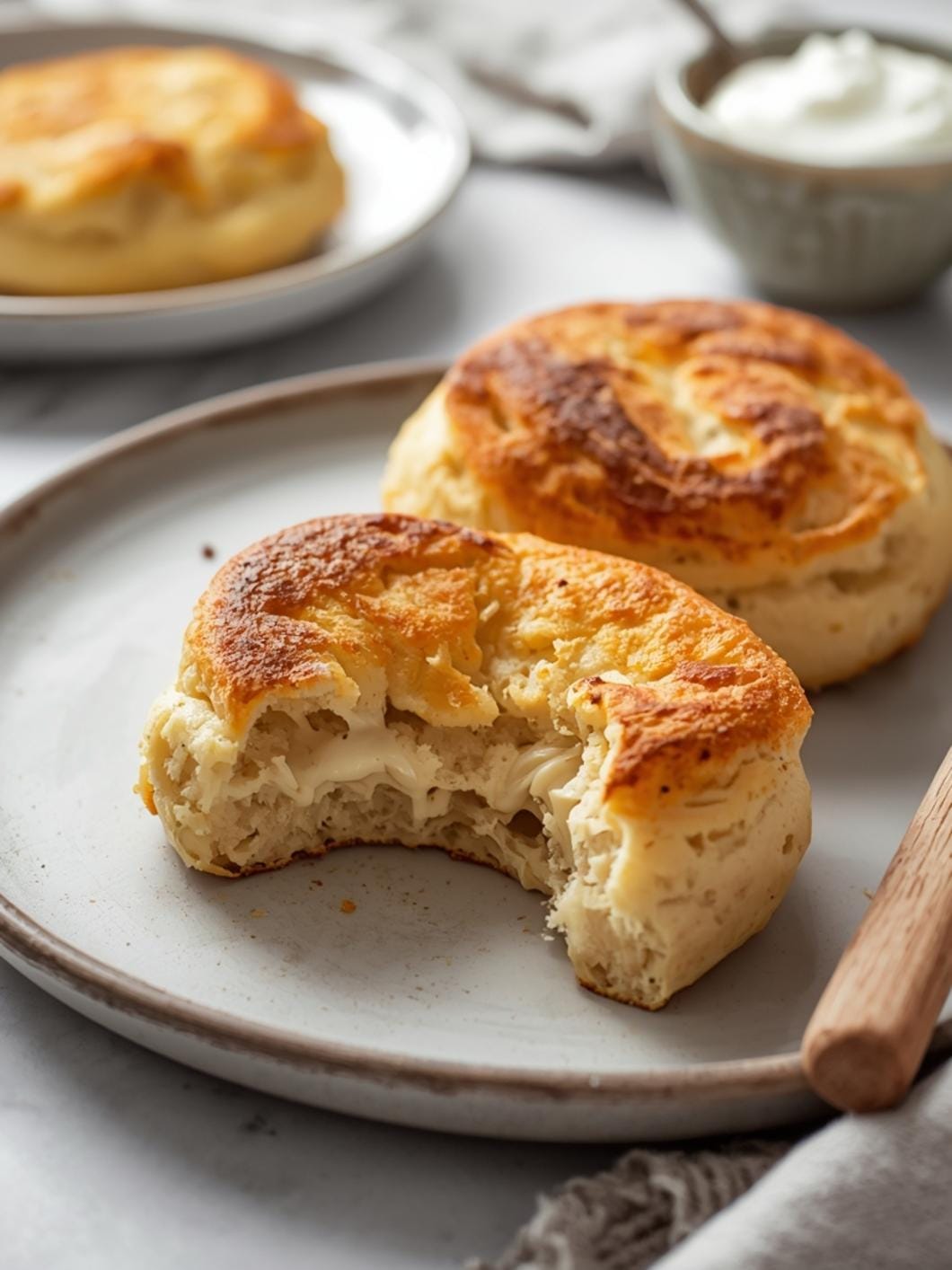
This no-knead approach means less mess and effort, making it ideal for busy mornings or a relaxed weekend brunch. Get ready to enjoy homemade English muffins that are far superior to anything you’d buy at the store, with minimal fuss.
Table of Contents
- What You’ll Love About This Quick And Easy Recipe
- Everything You Need To Make This Recipe Without Stress
- Time Needed From Start To Finish
- How To Make It Step By Step With Visual Cues
- Easy Variations And Serving Ideas That Fit Real Life
- Common Slip-Ups And How To Avoid Them
- How To Store It And Make It Ahead Without Ruining Texture

Sourdough Discard English Muffins (No-Knead)
- Total Time: 2 hours 35 minutes - 4 hours 45 minutes
- Yield: 10-12 English muffins 1x
Description
Craving those perfectly craggy, tender English muffins but don’t want to deal with a lengthy baking project? This recipe for sourdough discard English muffins is your new best friend. It’s a fantastic way to use up that bubbly discard sitting in your fridge, transforming it into something truly delicious without any complicated steps. This no-knead approach means less mess and effort, making it ideal for busy mornings or a relaxed weekend brunch. Get ready to enjoy homemade English muffins that are far superior to anything you’d buy at the store, with minimal fuss.
Ingredients
Instructions
1. 1. Combine Wet Ingredients and Discard: In a large mixing bowl, whisk together the warm milk, sourdough discard, sugar, and salt until well combined. The mixture might look a little lumpy from the discard, which is perfectly fine.
2. 2. Add Yeast and Flour: Sprinkle the instant yeast over the wet ingredients, then gradually add the all-purpose flour, mixing with a wooden spoon or a sturdy spatula until a shaggy, sticky dough forms. Avoid overmixing; just ensure all the flour is incorporated.
3. 3. Incorporate Melted Butter: Pour the melted butter over the dough and mix until it’s fully absorbed. The dough will still be sticky, but the butter helps to enrich it and add flavor.
4. 4. First Rise: Cover the bowl with plastic wrap or a clean kitchen towel and let it rise in a warm place for 2-4 hours, or until doubled in size. The dough should look bubbly and airy. If your kitchen is cool, this might take longer.
5. 5. Shape the Muffins: Once risen, gently deflate the dough. Lightly flour a clean work surface and sprinkle it generously with cornmeal. Turn the dough out onto the cornmeal. Pat the dough gently into a rectangle about 3/4 to 1 inch thick. Use a 3-inch round cutter (or a wide-mouth jar rim) to cut out circles. Re-roll scraps gently and cut more muffins until all dough is used.
6. 6. Second Rise: Transfer the cut muffins to a baking sheet lined with parchment paper and dusted with cornmeal. Leave about an inch between each muffin. Cover loosely with plastic wrap or a kitchen towel and let them rise again for 30-60 minutes, or until visibly puffy.
7. 7. Cook on the Griddle: Heat a lightly greased griddle or a large cast-iron skillet over medium-low heat. The key is low and slow cooking to ensure they cook through without burning. Place a few muffins on the griddle, leaving space between them.
8. 8. Flip and Finish: Cook for 6-8 minutes per side, or until golden brown and cooked through. They should sound hollow when tapped. You might need to adjust the heat to prevent them from browning too quickly. Transfer cooked muffins to a wire rack to cool slightly before serving.
- Prep Time: 15 minutes
- Cook Time: 20-30 minutes
- Category: breakfast
- Method: griddle
- Cuisine: american
Nutrition
- Serving Size: 1 English muffin
Keywords: sourdough, english muffins, discard, no-knead, breakfast, brunch, easy, homemade, griddle, bread
What You’ll Love About This Quick And Easy Recipe
This recipe is a game-changer for anyone who keeps a sourdough starter and finds themselves with an abundance of discard. It’s designed for simplicity and maximum flavor, making it perfect for beginner bakers or seasoned pros looking for an easy win. You’ll love the satisfaction of creating these fluffy, chewy English muffins from scratch, without the usual time commitment of traditional bread making. They’re fantastic for a family breakfast, a special brunch, or even as a quick snack. The no-knead method means you can mix the dough in minutes, let it do its thing, and then cook up a batch of warm, golden muffins. Serve them split and toasted, slathered with butter and jam, or as the base for a delicious egg and cheese sandwich.
Everything You Need To Make This Recipe Without Stress
Gathering your ingredients before you start makes the whole process smoother and more enjoyable. This recipe uses common pantry staples alongside your sourdough discard, ensuring you won’t need to make a special trip to the store for obscure items. The beauty of this recipe lies in its simplicity and the readily available nature of its components.
INGREDIENTS:
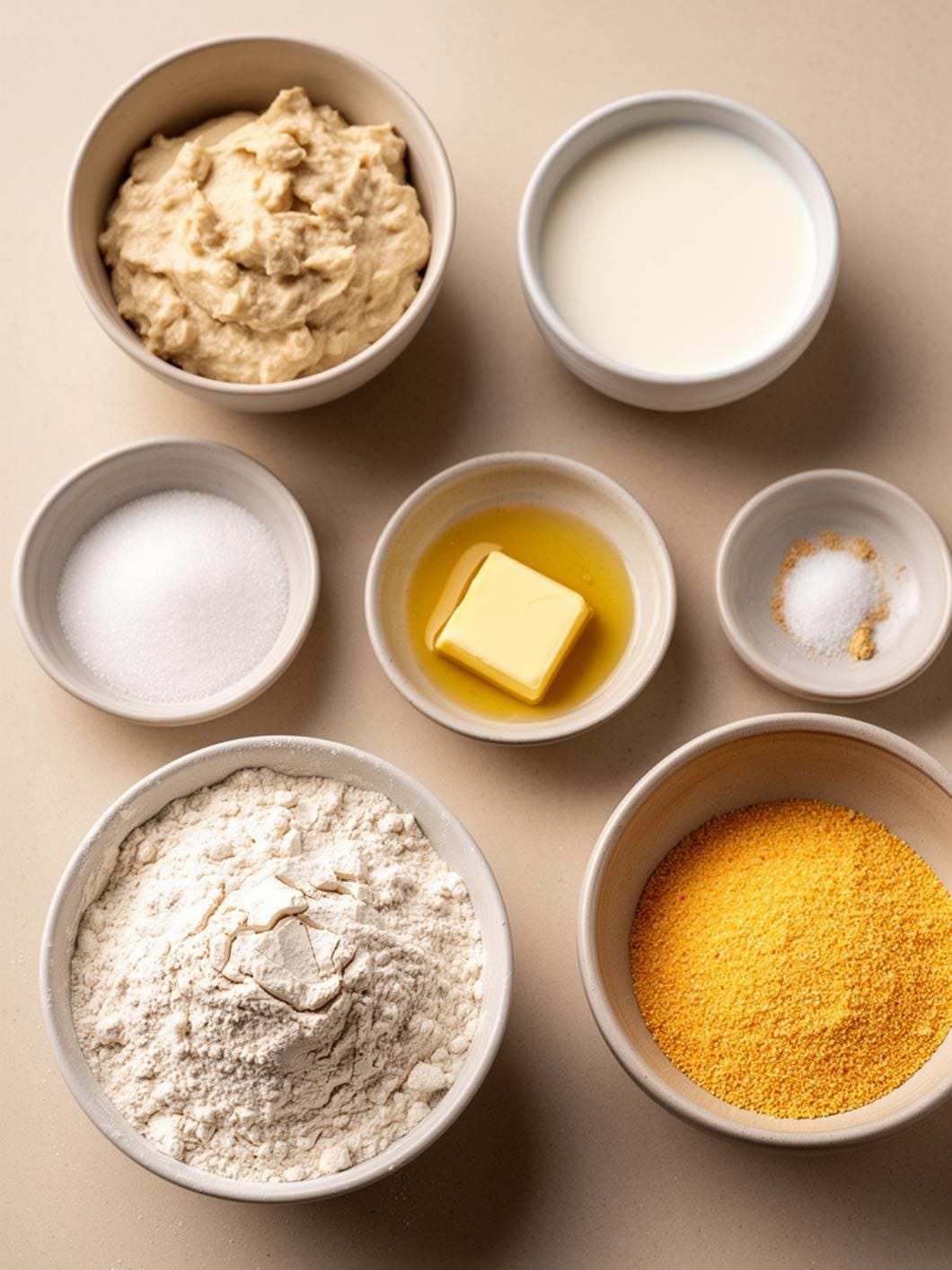
- 1 cup (240g) active sourdough discard (100% hydration)
- 1 cup (240ml) warm milk (about 100-110°F or 38-43°C)
- 1 tablespoon granulated sugar
- 1 teaspoon salt
- 1 teaspoon instant or active dry yeast
- 3 cups (360g) all-purpose flour, plus more for dusting
- 2 tablespoons unsalted butter, melted, plus more for greasing the pan
- Cornmeal, for dusting
For the warm milk, any type of dairy milk works well, whether it’s whole, 2%, or even skim. If you prefer a dairy-free option, unsweetened almond milk or oat milk can be substituted, though it might slightly alter the texture. When it comes to flour, all-purpose is perfect here, but you could experiment with a small portion of bread flour for a chewier muffin, or even a bit of whole wheat flour for added nuttiness, just be aware that whole wheat absorbs more liquid so you might need a tiny splash more milk. Instant yeast is convenient as it can be mixed directly with the dry ingredients, but active dry yeast works just as well; just be sure to proof it first in the warm milk with a pinch of sugar if you’re using active dry.
Time Needed From Start To Finish
One of the best features of this no-knead recipe is its manageable timeline, making it accessible even on busy days. While there’s some waiting involved for the dough to rise, the active hands-on time is surprisingly minimal.
- Prep Time: 15 minutes (this includes mixing the dough)
- Rise Time: 2-4 hours (depending on your kitchen temperature and discard activity)
- Cook Time: 20-30 minutes (cooking in batches)
- Total Time: 2 hours 35 minutes – 4 hours 45 minutes
The rise time is flexible, allowing you to fit it into your schedule. You can even let the dough rise in the refrigerator overnight for a slower fermentation and to bake them fresh in the morning.
How To Make It Step By Step With Visual Cues

Making these sourdough discard English muffins is a straightforward process. Follow these steps for perfectly fluffy, griddle-cooked delights.
- Combine Wet Ingredients and Discard: In a large mixing bowl, whisk together the warm milk, sourdough discard, sugar, and salt until well combined. The mixture might look a little lumpy from the discard, which is perfectly fine.
- Add Yeast and Flour: Sprinkle the instant yeast over the wet ingredients, then gradually add the all-purpose flour, mixing with a wooden spoon or a sturdy spatula until a shaggy, sticky dough forms. Avoid overmixing; just ensure all the flour is incorporated.
- Incorporate Melted Butter: Pour the melted butter over the dough and mix until it’s fully absorbed. The dough will still be sticky, but the butter helps to enrich it and add flavor.
- First Rise: Cover the bowl with plastic wrap or a clean kitchen towel and let it rise in a warm place for 2-4 hours, or until doubled in size. The dough should look bubbly and airy. If your kitchen is cool, this might take longer.
- Shape the Muffins: Once risen, gently deflate the dough. Lightly flour a clean work surface and sprinkle it generously with cornmeal. Turn the dough out onto the cornmeal. Pat the dough gently into a rectangle about 3/4 to 1 inch thick. Use a 3-inch round cutter (or a wide-mouth jar rim) to cut out circles. Re-roll scraps gently and cut more muffins until all dough is used.
- Second Rise: Transfer the cut muffins to a baking sheet lined with parchment paper and dusted with cornmeal. Leave about an inch between each muffin. Cover loosely with plastic wrap or a kitchen towel and let them rise again for 30-60 minutes, or until visibly puffy.
- Cook on the Griddle: Heat a lightly greased griddle or a large cast-iron skillet over medium-low heat. The key is low and slow cooking to ensure they cook through without burning. Place a few muffins on the griddle, leaving space between them.
- Flip and Finish: Cook for 6-8 minutes per side, or until golden brown and cooked through. They should sound hollow when tapped. You might need to adjust the heat to prevent them from browning too quickly. Transfer cooked muffins to a wire rack to cool slightly before serving.
Easy Variations And Serving Ideas That Fit Real Life
These sourdough discard English muffins are incredibly versatile, making them a fantastic base for all sorts of delicious meals and snacks.
For a savory twist, you can mix in a tablespoon of dried herbs like chives or rosemary into the dough before the first rise. A sprinkle of everything bagel seasoning on top before cooking adds a wonderful texture and flavor. If you’re a cheese lover, a quarter cup of shredded sharp cheddar or Parmesan cheese folded into the dough would be delightful. For a sweeter option, try adding a teaspoon of cinnamon and a handful of raisins or dried cranberries to the dough.
Serving these muffins is where the real fun begins! Of course, they are classic toasted with butter and your favorite jam or marmalade. For a hearty breakfast, split them open and use them as the base for eggs Benedict or a simple fried egg and bacon sandwich. They also make excellent mini pizzas for a quick lunch or snack – just top with sauce, cheese, and your favorite toppings, then bake until bubbly. For kids, a smear of cream cheese and a few berries makes a fun and healthy treat. Don’t forget they’re also great for dipping into soups or stews instead of traditional bread.
Common Slip-Ups And How To Avoid Them
Even with a simple recipe, a few common mistakes can impact your results. Knowing what to look out for will help you achieve perfect English muffins every time.
One frequent issue is over-flouring the dough during shaping. Because this is a sticky, no-knead dough, the temptation is to add a lot of flour to make it easier to handle. However, too much extra flour will result in dry, dense muffins. Instead, rely on a generous dusting of cornmeal on your work surface and cutter, and handle the dough gently and as little as possible.
Another common pitfall is cooking the muffins too quickly on too high heat. This will lead to burnt outsides and raw, doughy insides. English muffins need to cook slowly over medium-low heat to allow the heat to penetrate and cook them through evenly. Be patient and resist the urge to crank up the heat. If they are browning too fast, reduce the heat.
Finally, not allowing enough rise time can result in dense, flat muffins. Sourdough discard, even with added yeast, needs time to develop its airy texture. Ensure your kitchen is warm enough during the rise, and be patient. If your kitchen is cool, find a warmer spot, like near a sunny window or in a slightly warm (but turned off) oven. Don’t rush the process, as proper rising is key to those signature nooks and crannies.
How To Store It And Make It Ahead Without Ruining Texture
Proper storage ensures your homemade English muffins stay fresh and delicious, and there are great ways to prepare them in advance.
Once cooked, allow the English muffins to cool completely on a wire rack. Storing them while still warm can create condensation, leading to soggy muffins. For short-term storage, place
FAQs
- Can I make these ahead? Yes—prep ahead, refrigerate, then serve when ready.
- How long do leftovers last? Store covered in the fridge for 3–4 days for best texture.
- Can I adjust sweetness? Yes—add more or less sweetener to taste.
- Can I change the fruit? Yes—swap strawberries for blueberries, raspberries, or sliced banana.