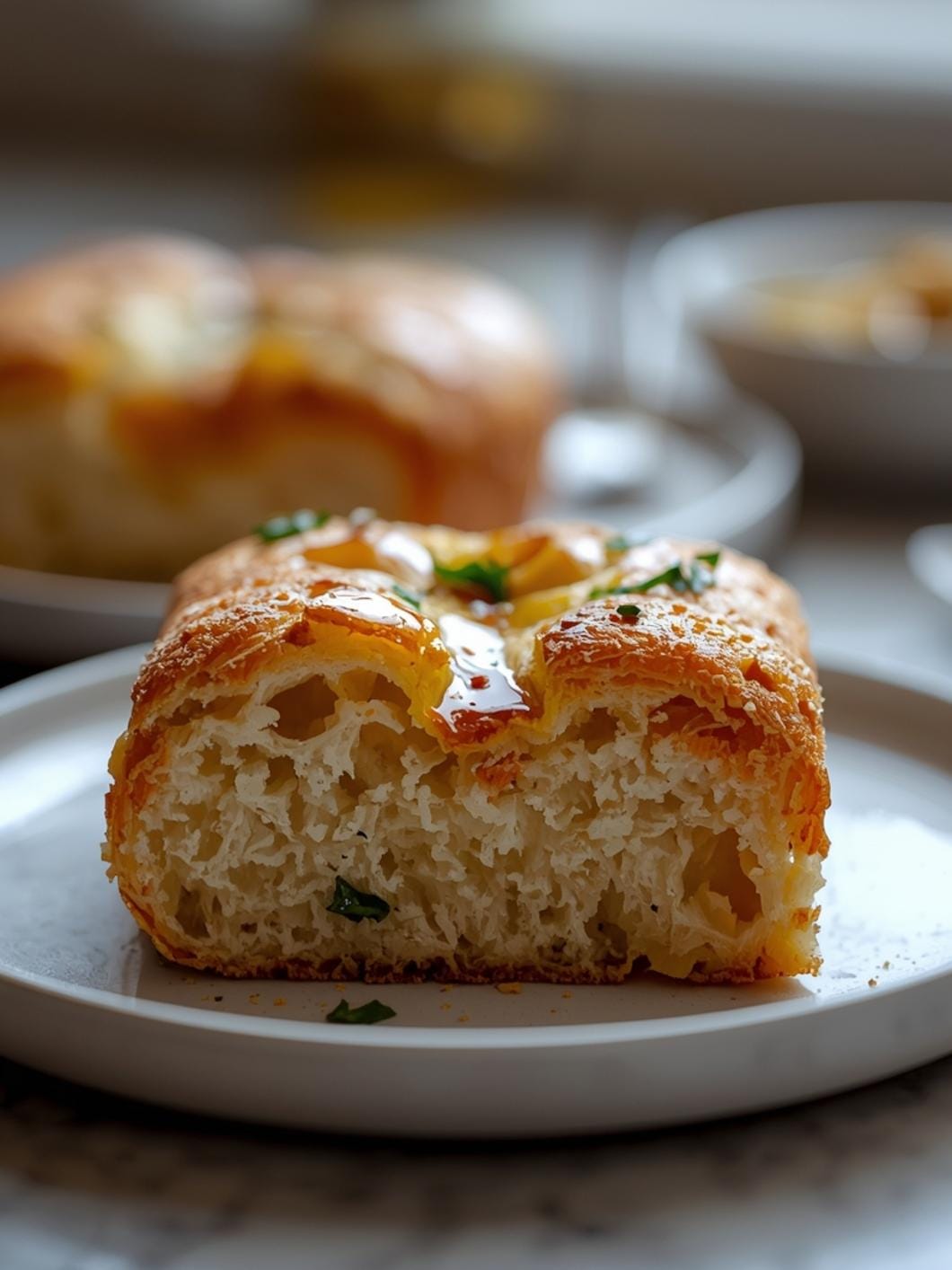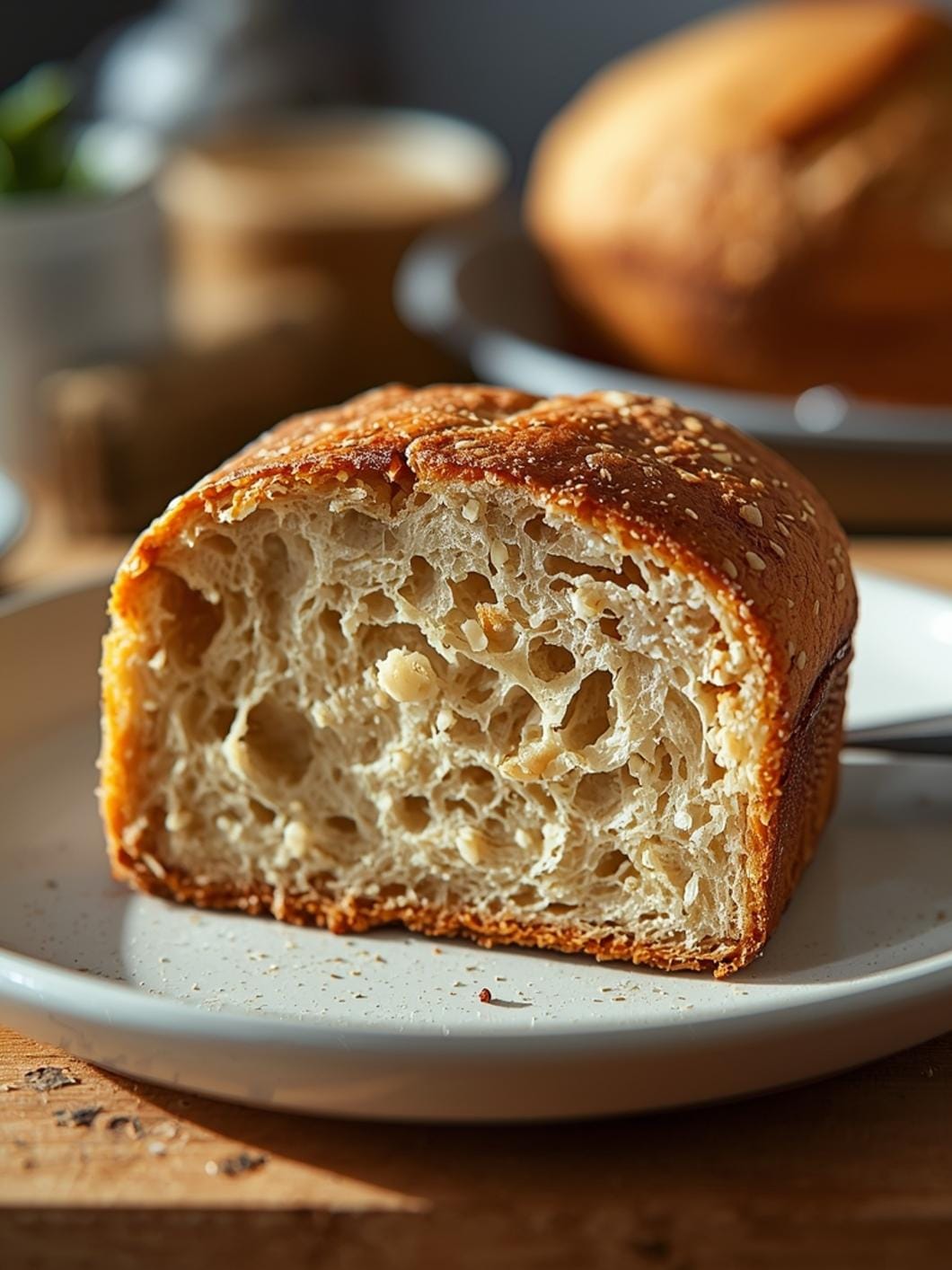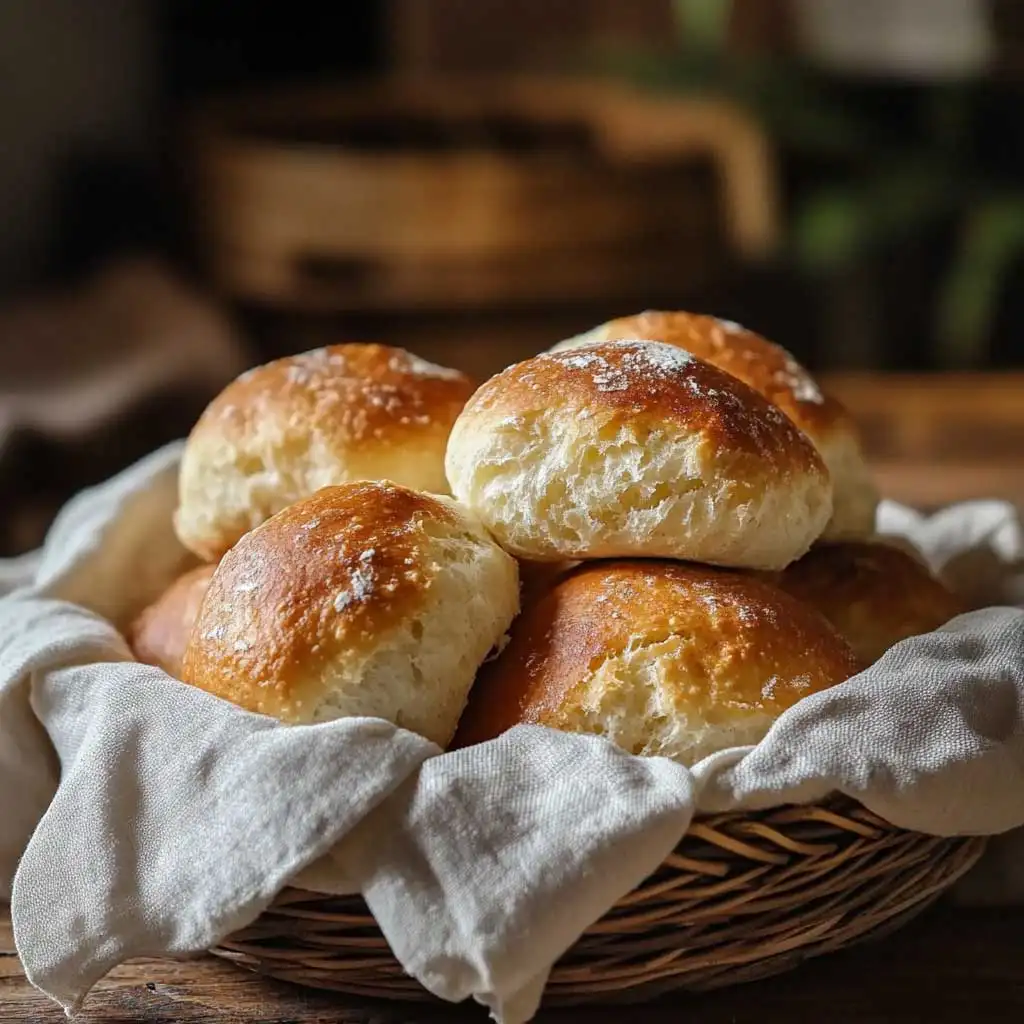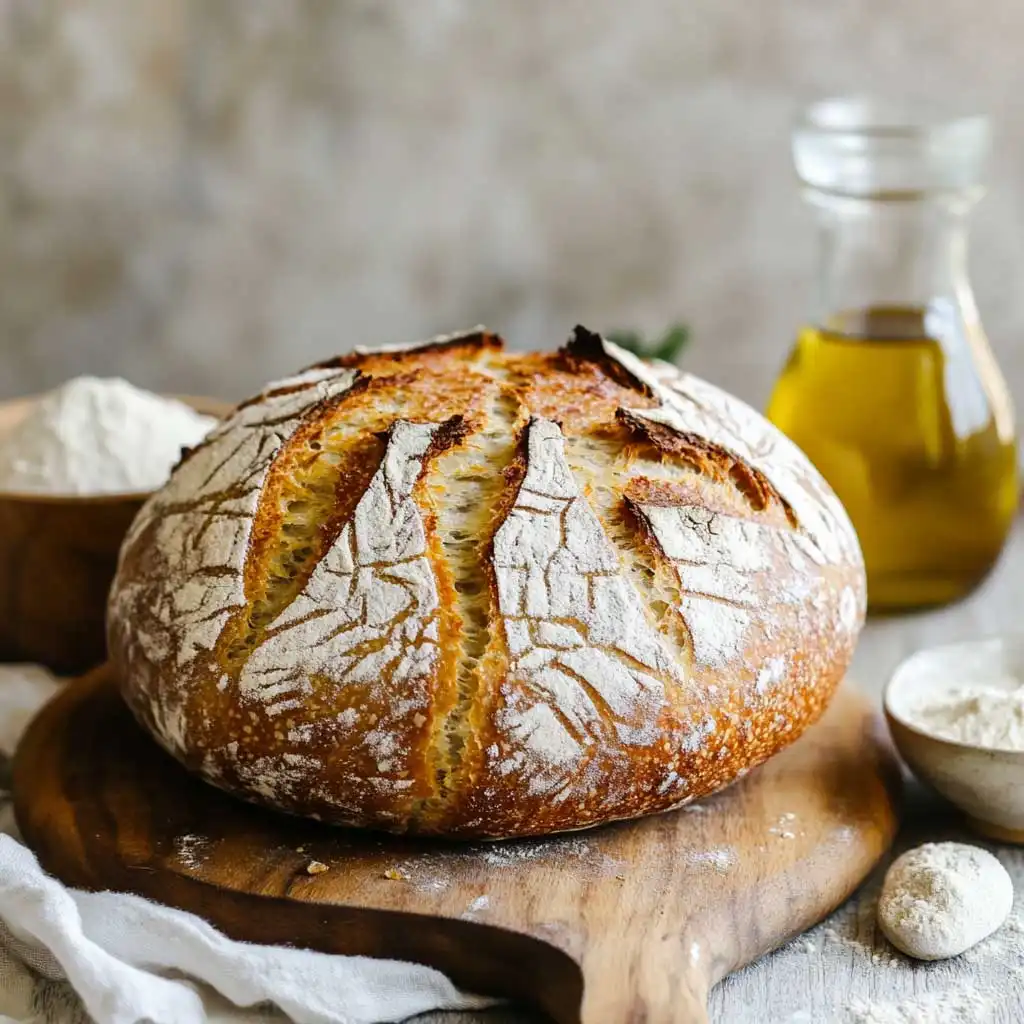

If you’re looking for a simple, satisfying way to use up that active sourdough starter, look no further! This easy sourdough discard flatbread recipe, cooked right in your cast iron skillet, is a game-changer for quick meals and delicious fresh bread. It’s incredibly straightforward, turning what might otherwise be discarded into a flavorful, versatile flatbread that the whole family will love.
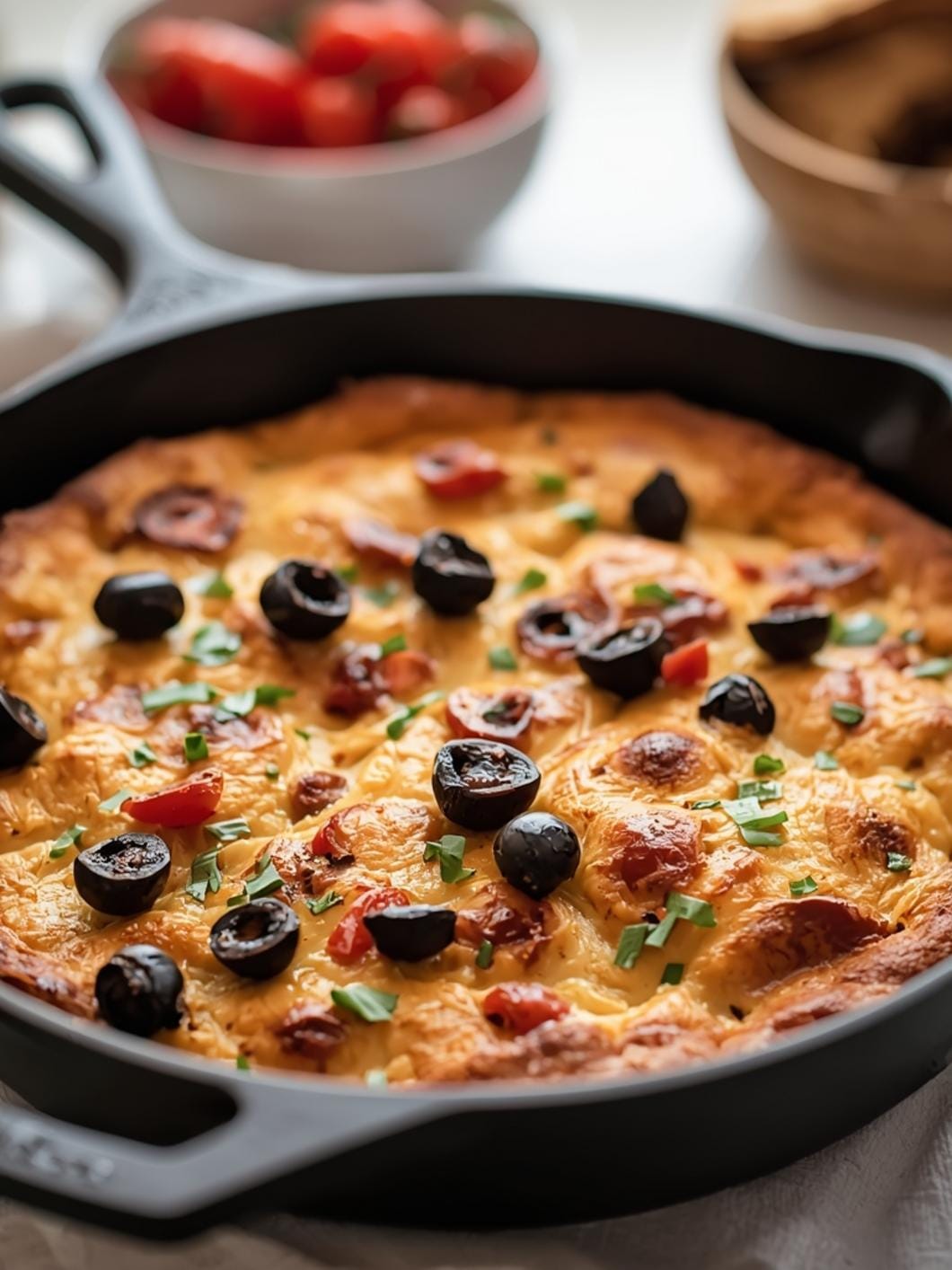
This recipe is designed for maximum flavor with minimal fuss, making it perfect for busy weeknights or a relaxed weekend lunch. You’ll be amazed at how quickly you can go from mixing a few ingredients to enjoying warm, homemade flatbread.
Table of Contents
- What You’ll Love About This Quick And Easy Recipe
- Everything You Need To Make This Recipe Without Stress
- Time Needed From Start To Finish
- How To Make It Step By Step With Visual Cues
- Easy Variations And Serving Ideas That Fit Real Life
- Common Slip-Ups And How To Avoid Them
- How To Store It And Make It Ahead Without Ruining Texture
- Questions People Always Ask Before Making This Recipe

Easy Sourdough Discard Flatbread (Cast Iron Skillet)
- Total Time: 25-30 minutes
- Yield: 4-6 flatbreads 1x
Description
This easy sourdough discard flatbread recipe, cooked right in your cast iron skillet, is a game-changer for quick meals and delicious fresh bread. It’s incredibly straightforward, turning what might otherwise be discarded into a flavorful, versatile flatbread that the whole family will love. This recipe is designed for maximum flavor with minimal fuss, making it perfect for busy weeknights or a relaxed weekend lunch.
Ingredients
Instructions
1. Combine the Dry Ingredients: In a medium-sized mixing bowl, whisk together the all-purpose flour, baking soda, and salt. Make sure there are no lumps and everything is evenly distributed.
2. Add Wet Ingredients to the Discard: In a separate bowl, combine your active sourdough discard, 2 tablespoons of olive oil, and water (or milk). Stir until well combined.
3. Mix the Dough: Pour the wet ingredient mixture into the dry ingredients. Stir with a spoon or spatula until a shaggy dough forms. It doesn’t need to be perfectly smooth at this stage.
4. Knead Briefly: Turn the dough out onto a lightly floured surface. Knead for just 2-3 minutes until the dough comes together and is mostly smooth. Avoid over-kneading, as this can make the flatbread tough.
5. Divide and Shape: Divide the dough into 4-6 equal portions, depending on how large you want your flatbreads. Roll each portion into a ball, then flatten it with your hands or a rolling pin into a circle about 1/4 inch thick. Don’t worry if they’re not perfectly round!
6. Heat the Skillet: Place a cast iron skillet over medium-high heat. Add a tablespoon of olive oil to the hot skillet, ensuring it coats the bottom.
7. Cook the Flatbreads: Carefully place one or two flatbreads into the hot skillet, making sure not to overcrowd it. Cook for 2-4 minutes per side, until golden brown spots appear and the flatbread is puffed up and cooked through. Repeat with the remaining dough, adding more oil as needed.
8. Serve Warm: Transfer the cooked flatbreads to a plate and serve immediately. They are best enjoyed fresh off the skillet.
- Prep Time: 10 minutes
- Cook Time: 15-20 minutes
- Category: bread
- Method: pan frying
- Cuisine: american
Nutrition
- Serving Size: 1 flatbread
Keywords: sourdough, discard, flatbread, cast iron, quick bread, easy, skillet, homemade, savory, bread
What You’ll Love About This Quick And Easy Recipe
This recipe is a dream come true for anyone with an active sourdough starter looking for practical ways to use their discard. It’s incredibly forgiving, making it perfect for beginner bakers or those who want to enjoy the benefits of sourdough without the long proofing times. The cast iron skillet is key here, providing a beautifully crisp exterior and a tender, chewy interior that’s hard to resist. It’s an ideal recipe for a quick lunch, a side dish with dinner, or even a base for mini pizzas. Families will appreciate how fast it comes together, offering a wholesome alternative to store-bought bread without a huge time commitment.
Everything You Need To Make This Recipe Without Stress
Gathering your ingredients for this flatbread is simple, and you likely have most of them on hand already. We’re focusing on basic pantry staples combined with your sourdough discard to create something truly delicious.
INGREDIENTS:
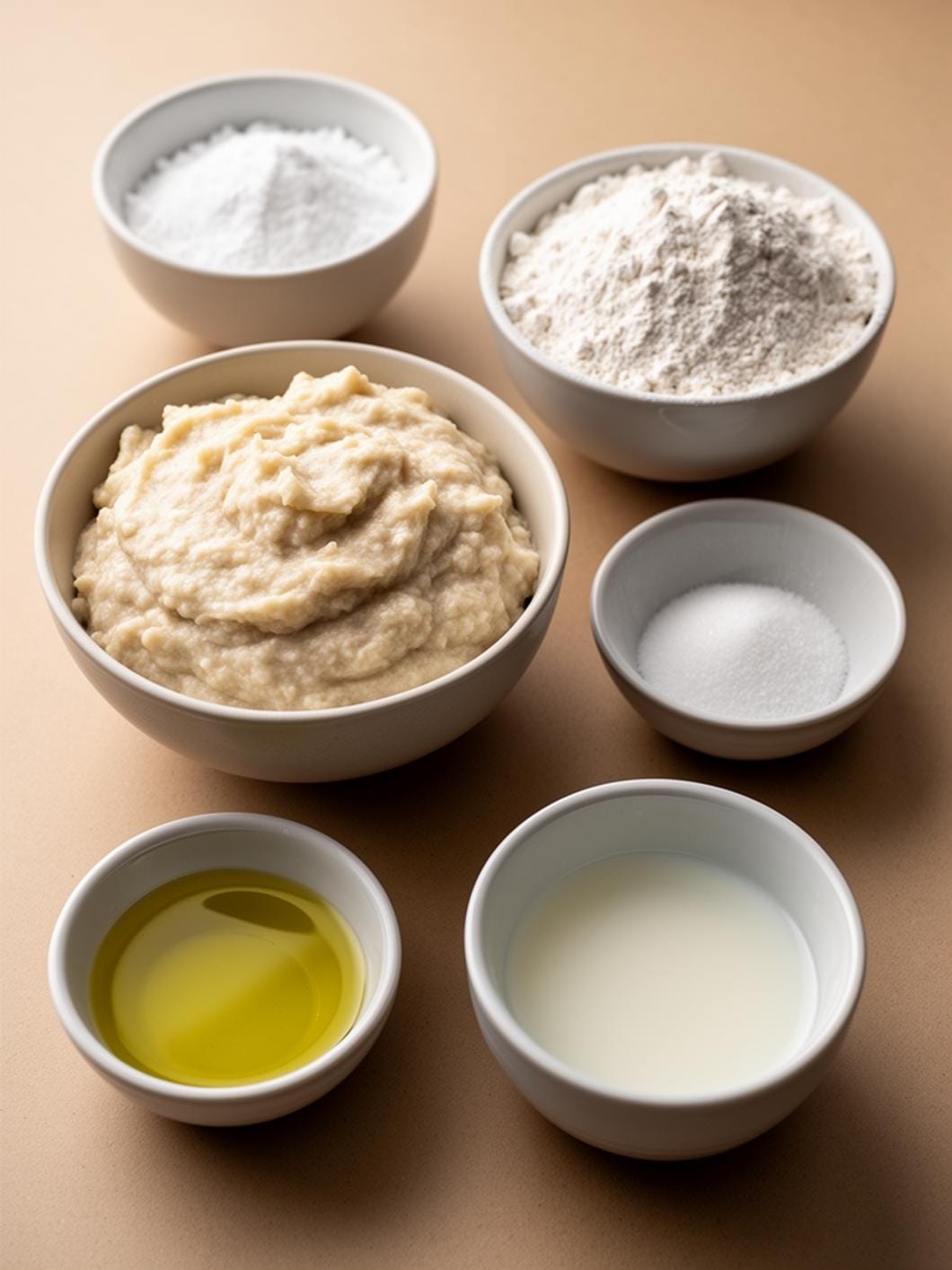
- 1 cup active sourdough discard (100% hydration, unfed)
- 1 cup all-purpose flour
- 1/2 teaspoon baking soda
- 1/2 teaspoon salt
- 2 tablespoons olive oil, plus more for cooking
- 1/4 cup water (or milk, for a richer flavor)
For the sourdough discard, ensure it’s active but unfed, meaning it’s been sitting at room temperature for a few hours since its last feeding, or has been in the fridge for a few days. All-purpose flour works perfectly here, but you can experiment with a small amount of whole wheat flour for added texture if you like. The olive oil adds flavor and helps with the texture, but any neutral oil will work in a pinch. If you don’t have baking soda, you can omit it, but the flatbread will be slightly less fluffy.
Time Needed From Start To Finish
This recipe is genuinely quick, making it a fantastic option for when you need fresh bread fast.
- Prep time: 10 minutes
- Cook time: 15-20 minutes
- Total time: 25-30 minutes
How To Make It Step By Step With Visual Cues
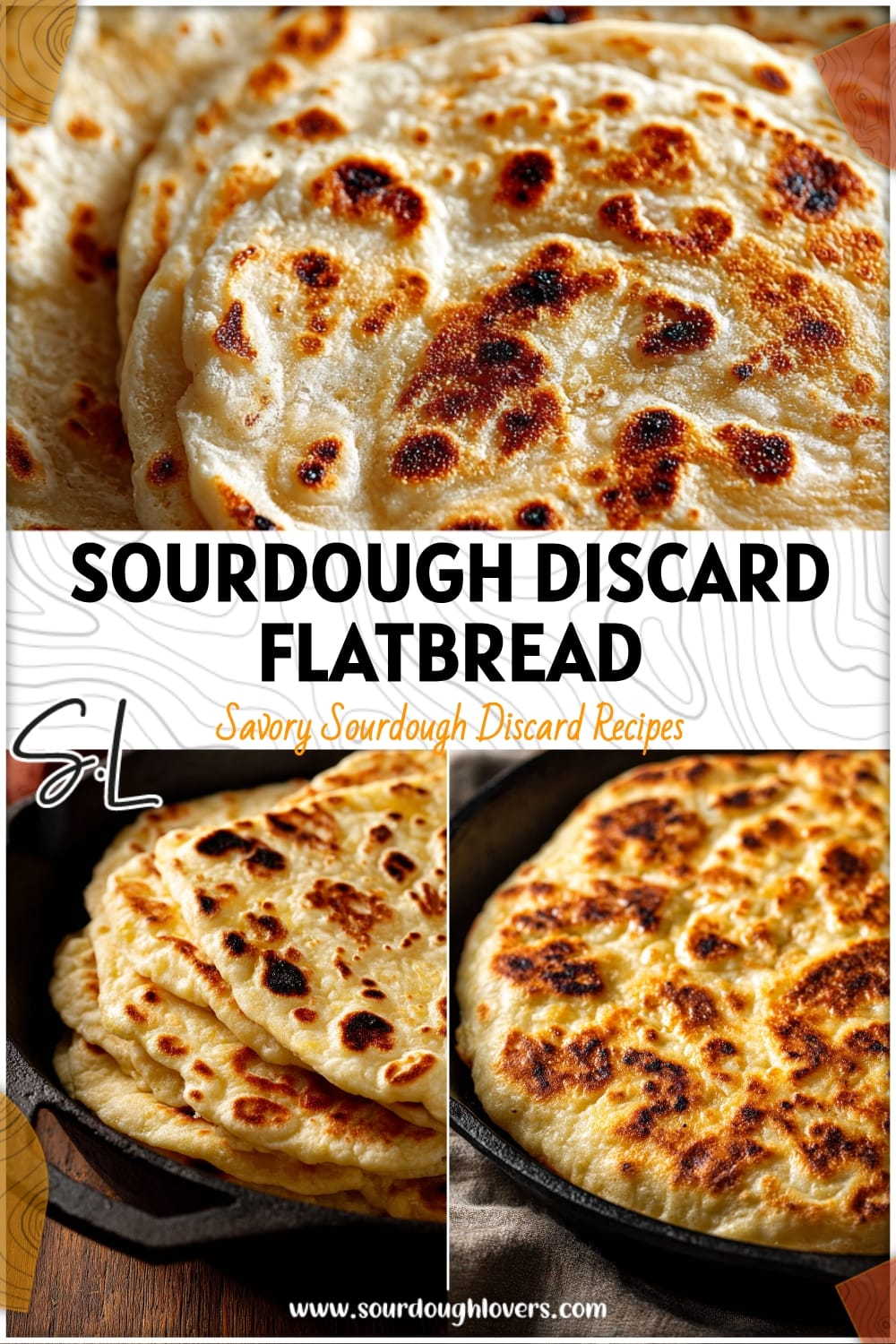
Making this sourdough discard flatbread is a straightforward process. Follow these steps for perfect results every time.
- Combine the Dry Ingredients: In a medium-sized mixing bowl, whisk together the all-purpose flour, baking soda, and salt. Make sure there are no lumps and everything is evenly distributed.
- Add Wet Ingredients to the Discard: In a separate bowl, combine your active sourdough discard, 2 tablespoons of olive oil, and water (or milk). Stir until well combined.
- Mix the Dough: Pour the wet ingredient mixture into the dry ingredients. Stir with a spoon or spatula until a shaggy dough forms. It doesn’t need to be perfectly smooth at this stage.
- Knead Briefly: Turn the dough out onto a lightly floured surface. Knead for just 2-3 minutes until the dough comes together and is mostly smooth. Avoid over-kneading, as this can make the flatbread tough.
- Divide and Shape: Divide the dough into 4-6 equal portions, depending on how large you want your flatbreads. Roll each portion into a ball, then flatten it with your hands or a rolling pin into a circle about 1/4 inch thick. Don’t worry if they’re not perfectly round!
- Heat the Skillet: Place a cast iron skillet over medium-high heat. Add a tablespoon of olive oil to the hot skillet, ensuring it coats the bottom.
- Cook the Flatbreads: Carefully place one or two flatbreads into the hot skillet, making sure not to overcrowd it. Cook for 2-4 minutes per side, until golden brown spots appear and the flatbread is puffed up and cooked through. Repeat with the remaining dough, adding more oil as needed.
- Serve Warm: Transfer the cooked flatbreads to a plate and serve immediately. They are best enjoyed fresh off the skillet.
Easy Variations And Serving Ideas That Fit Real Life
This sourdough discard flatbread is incredibly versatile, making it a perfect canvas for various flavors and meals. For a kid-friendly twist, sprinkle a little garlic powder and grated Parmesan cheese on the dough before cooking, or serve with a side of marinara sauce for dipping. You can also make smaller, bite-sized flatbreads for appetizers.
To enhance the flavor, consider adding dried herbs like oregano or rosemary to the dough mixture. For a savory option, mix in finely chopped green onions or a pinch of red pepper flakes. These flatbreads are fantastic served alongside soups and stews, used as a base for open-faced sandwiches, or as a dipper for hummus, baba ghanoush, or your favorite dip. They also make an excellent quick pizza base; just top with sauce, cheese, and your favorite toppings, then bake until bubbly.
Common Slip-Ups And How To Avoid Them
Even simple recipes can have a few common pitfalls. Here’s how to ensure your sourdough discard flatbread turns out perfectly every time:
- Over-kneading the Dough: Kneading the dough for too long can develop too much gluten, resulting in tough, chewy flatbreads. A brief 2-3 minute knead is all that’s needed to bring the dough together.
- Not Heating the Skillet Enough: A hot skillet is crucial for achieving that beautiful golden-brown crust and a quick, even cook. If your skillet isn’t hot enough, the flatbreads will absorb too much oil and become greasy, or they’ll cook slowly and dry out.
- Overcrowding the Skillet: Cooking too many flatbreads at once can lower the skillet’s temperature and lead to uneven cooking. Cook them in batches, giving each flatbread enough space.
- Not Oiling the Skillet Properly: Ensure there’s enough oil to lightly coat the bottom of the skillet for each batch. This prevents sticking and helps with browning.
- Using Cold Discard: While not a deal-breaker, using sourdough discard straight from the fridge might make the dough a little stiffer and harder to work with. Let it come to room temperature for about 30 minutes if you have time.
How To Store It And Make It Ahead Without Ruining Texture
These sourdough discard flatbreads are best enjoyed fresh and warm, right off the skillet. However, if you have leftovers or want to prepare them slightly ahead of time, here’s how:
- Storing Cooked Flatbreads: Allow any leftover flatbreads to cool completely. Store them in an airtight container or a resealable bag at room temperature for up to 2 days. For longer storage, you can refrigerate them for up to 4-5 days.
- Reheating: To reheat, place the flatbreads back in a dry cast iron skillet over medium heat for 1-2 minutes per side until warmed through and slightly crispy. You can also warm them in a toaster oven or microwave, though the microwave might make them a bit softer.
- Make-Ahead Dough: You can prepare the dough up to 24 hours in advance. After kneading, place the dough in a lightly oiled bowl, cover it tightly with plastic wrap, and refrigerate. When you’re ready to cook, let the dough sit at room temperature for about 30 minutes before dividing and shaping.
Questions People Always Ask Before Making This Recipe
Got questions? Here are some common inquiries about making sourdough discard flatbread.
- Can I use fed sourdough starter instead of discard? While you technically could, this recipe is specifically designed for unfed discard. Using fed starter might change the texture and flavor slightly, as it will have more leavening power.
- What kind of cast iron skillet is best? Any well-seasoned cast iron skillet will work great. A 10-inch or 12-inch skillet is ideal for cooking 1-2 flatbreads at a time.
- Can I make this recipe gluten-free? You can experiment with a 1:1 gluten-free flour blend, but the texture might be different. Look for blends that contain xanthan gum for best results.
- Do I have to use olive oil? No, you can use any neutral-flavored oil like avocado oil, grapeseed oil, or vegetable oil. Olive oil adds a nice flavor, though.
- My flatbreads aren’t puffing up. What went wrong? This could be due to a few factors: your baking soda might be old, your skillet

FAQs
- Can I make these ahead? Yes—prep ahead, refrigerate, then serve when ready.
- How long do leftovers last? Store covered in the fridge for 3–4 days for best texture.
- Can I adjust sweetness? Yes—add more or less sweetener to taste.
- Can I change the fruit? Yes—swap strawberries for blueberries, raspberries, or sliced banana.