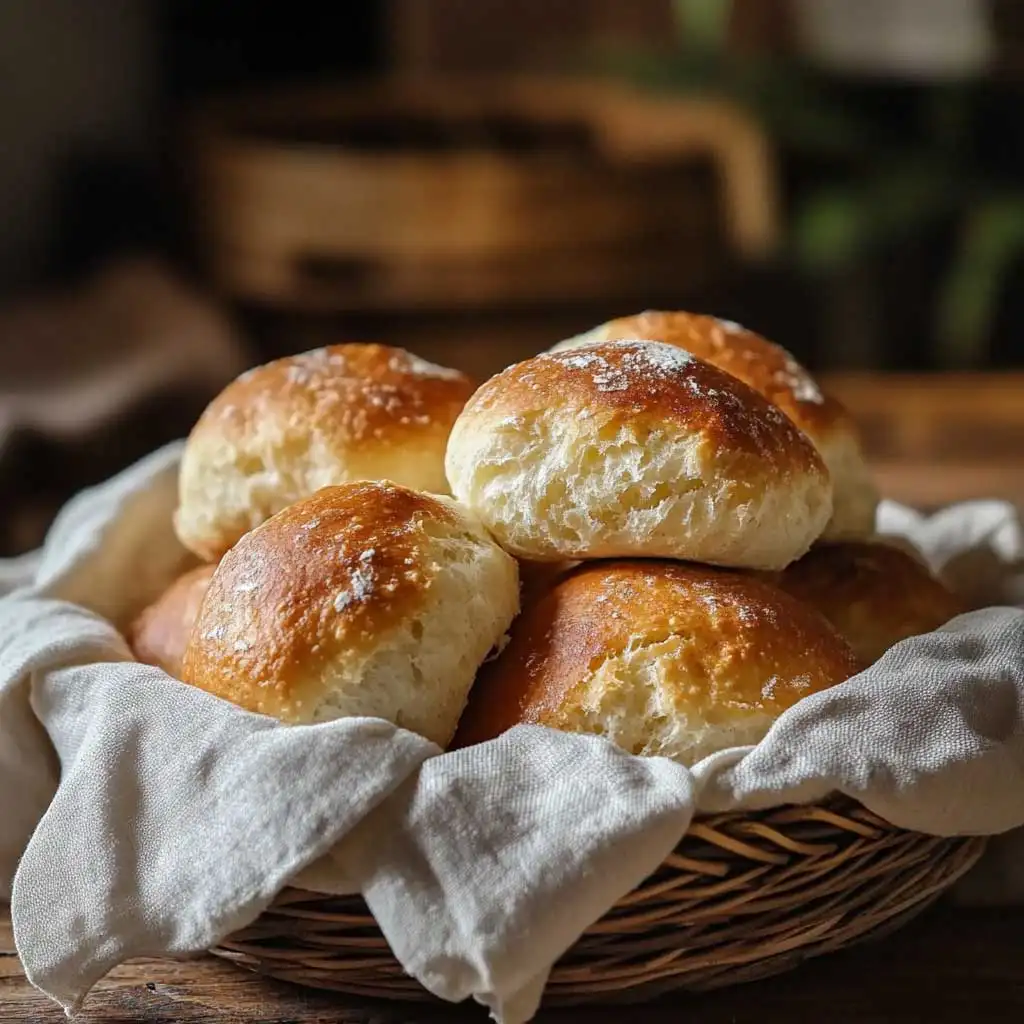

Transform your burger nights with a simple, yet incredibly satisfying, addition: homemade sourdough discard hamburger buns.
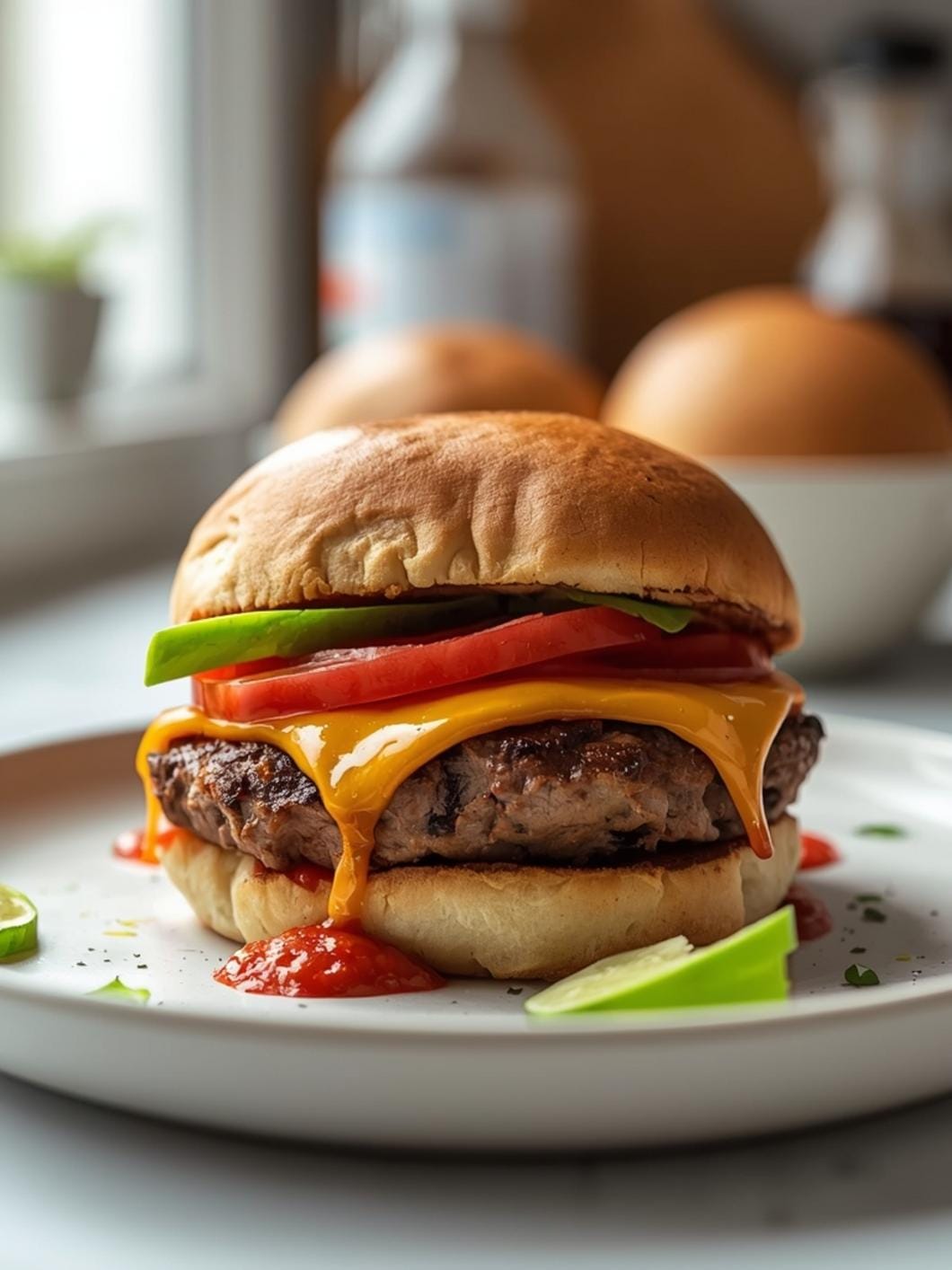
This recipe is a game-changer for anyone looking to elevate their backyard barbecue or weeknight dinner with soft, flavorful buns that are a step above anything you can buy at the store. Plus, it’s an ingenious way to use up that extra sourdough starter discard that often accumulates in your fridge.
These buns are designed to be easy and approachable, even for those new to baking with sourdough discard. You’ll be amazed at how quickly you can create bakery-quality buns that perfectly cradle your favorite burgers, pulled pork, or even a simple deli meat sandwich. Get ready to impress your family and friends with minimal effort and maximum flavor.

Sourdough Discard Hamburger Buns
- Total Time: 2 hours 45 minutes to 3 hours 38 minutes
- Yield: 8 buns 1x
Description
Elevate your burger nights with homemade sourdough discard hamburger buns. This recipe uses unfed sourdough discard to create soft, flavorful buns with a slight tang, perfect for burgers, pulled pork, or sandwiches. It’s an easy and approachable recipe, even for beginner bakers, and a great way to use up extra discard.
Ingredients
Instructions
1. Activate the Yeast and Combine Wet Ingredients: In a large mixing bowl, combine the warm milk, granulated sugar, and active dry yeast. Stir gently and let it sit for 5-10 minutes until the mixture becomes foamy. This indicates the yeast is active. Then, add the sourdough discard, lightly beaten egg, and melted butter to the foamy mixture. Whisk everything together until well combined.
2. Mix in Dry Ingredients to Form a Dough: Gradually add the all-purpose flour and salt to the wet ingredients. Start by adding about half the flour and mix with a wooden spoon or spatula until a shaggy dough forms. Continue adding the remaining flour, mixing until the dough comes together and pulls away from the sides of the bowl. It might still be a bit sticky, which is perfectly normal.
3. Knead the Dough Until Smooth and Elastic: Turn the dough out onto a lightly floured surface. Knead the dough for 8-10 minutes. At first, it will be sticky, but as you knead, it will become smoother and more elastic. You’ll know it’s ready when it passes the “windowpane test” – you can stretch a small piece of dough thin enough to see light through it without tearing.
4. First Rise (Bulk Fermentation): Lightly grease a clean large bowl with olive oil. Place the kneaded dough into the bowl, turning it once to coat all sides with oil. Cover the bowl tightly with plastic wrap or a clean kitchen towel. Let the dough rise in a warm place for 1.5 to 2 hours, or until it has doubled in size. The dough should look visibly puffy and airy.
5. Shape the Buns and Prepare for Second Rise: Gently punch down the risen dough to release the air. Turn it out onto a lightly floured surface and divide it into 8 equal pieces. Roll each piece into a tight, smooth ball. Place the shaped buns on a baking sheet lined with parchment paper, leaving about 2-3 inches between each bun. Gently flatten each bun slightly with the palm of your hand.
6. Second Rise (Proofing): Cover the baking sheet loosely with plastic wrap or a clean kitchen towel. Let the buns rise in a warm place for another 30-45 minutes, or until they look noticeably puffy and have increased in size by about 50%. While they are rising, preheat your oven to 375 F (190 C).
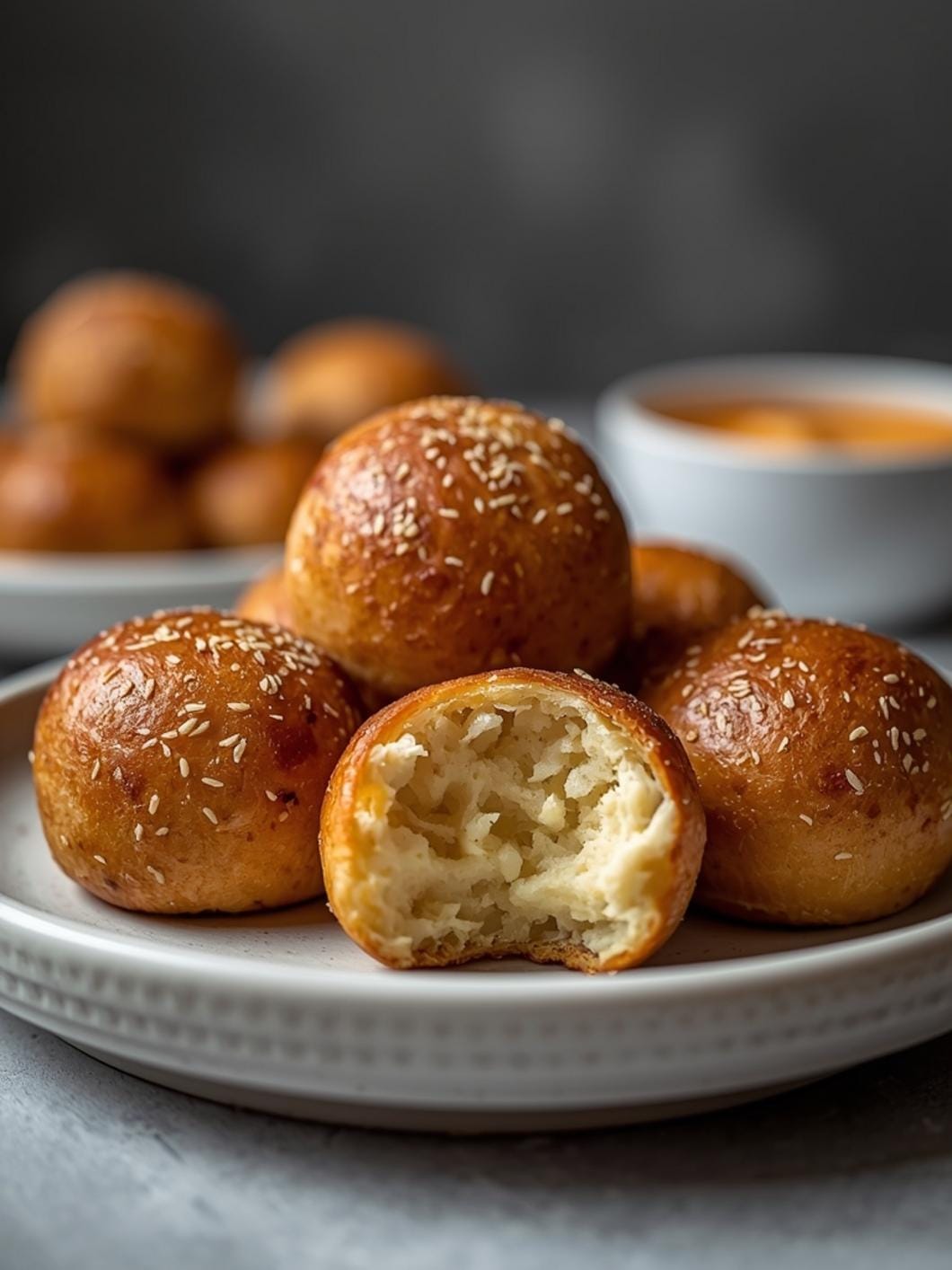
7. Egg Wash and Bake: Just before baking, gently brush the tops of the risen buns with the egg wash (egg yolk mixed with water). This will give them a beautiful golden-brown color and a slight sheen. If desired, sprinkle sesame seeds over the tops. Bake for 15-18 minutes, or until the buns are golden brown and sound hollow when tapped on the bottom.
8. Cool Before Serving: Once baked, transfer the buns to a wire rack to cool completely. Allowing them to cool ensures they set properly and prevents them from becoming gummy inside. Serve warm or at room temperature.
- Prep Time: 20 minutes
- Cook Time: 15-18 minutes
- Category: main dish
- Method: baking
- Cuisine: american
Nutrition
- Serving Size: 1 bun
Keywords: sourdough, discard, hamburger buns, bread, baking, homemade, easy, sandwich, burger, yeast
What You’ll Love About This Quick And Easy Recipe
This recipe is a true kitchen hero for several reasons, making it perfect for busy families and beginner bakers alike. First and foremost, it’s an excellent solution for utilizing sourdough discard, turning what might otherwise be waste into something delicious and practical. You don’t need an active, bubbly starter for this recipe; the discard provides a wonderful depth of flavor and a slight tang that elevates the humble hamburger bun without requiring the long fermentation times of traditional sourdough baking. This means you get that signature sourdough taste without the extensive commitment.
It’s also incredibly beginner-friendly. The steps are straightforward, and the ingredients are common pantry staples, making it accessible for anyone who wants to try their hand at baking bread without feeling overwhelmed. The resulting buns are wonderfully soft and slightly chewy, with a tender crumb that holds up beautifully to juicy burger patties and all your favorite toppings. This recipe is perfect for upgrading your regular burger night, making a special meal feel even more homemade, or preparing for a casual gathering where fresh, warm buns will undoubtedly be a hit. It’s a practical and rewarding baking project that delivers fantastic results every time.
Everything You Need To Make This Recipe Without Stress
Gathering your ingredients before you begin ensures a smooth and enjoyable baking process. Most of these items are likely already in your pantry or easily found at any grocery store. The key is the sourdough discard, which adds a unique flavor dimension to these buns.
INGREDIENTS:
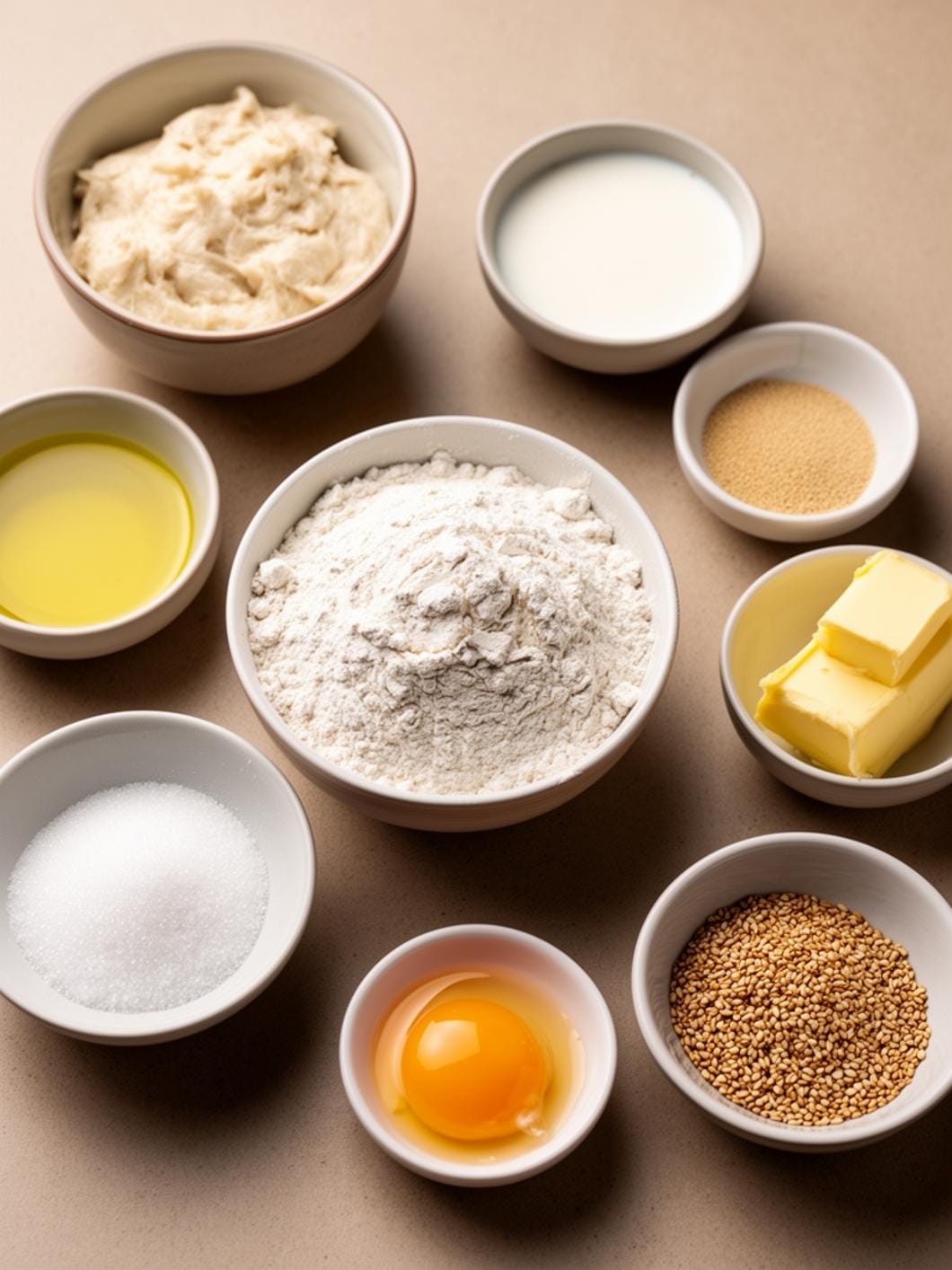
- 1 cup active sourdough discard (unfed, straight from the fridge is fine)
- 1/2 cup warm milk (around 105-115°F)
- 1/4 cup granulated sugar
- 1 large egg, lightly beaten
- 1/4 cup unsalted butter, melted and cooled slightly
- 3 cups all-purpose flour, plus more for dusting
- 1 teaspoon active dry yeast
- 1 teaspoon salt
- 1 tablespoon olive oil (for greasing the bowl)
- 1 egg yolk, mixed with 1 tablespoon water (for egg wash)
- Sesame seeds (optional, for topping)
For simple substitutions, you can use dairy-free milk alternatives like almond or oat milk, though the fat content might slightly alter the texture. If you don’t have unsalted butter, salted butter can be used, but you might want to reduce the added salt by a pinch. Bread flour can be used instead of all-purpose flour for a slightly chewier bun, but all-purpose works perfectly well for a soft texture. Ensure your yeast is fresh for optimal rising.
Time Needed From Start To Finish
This recipe is designed to be manageable within a reasonable timeframe, allowing you to enjoy fresh, homemade buns without dedicating an entire day to baking. The beauty of using sourdough discard in this context is that it cuts down on the traditional sourdough proofing times, making it much quicker than a full sourdough bread recipe.
- Prep Time: 20 minutes
- Rise Time: 1.5 to 2 hours (depending on room temperature)
- Cook Time: 15-18 minutes
- Total Time: Approximately 2 hours 45 minutes to 3 hours 38 minutes
While the total time includes rising, much of that is hands-off, allowing you to attend to other tasks. The active preparation and baking are relatively quick, making these buns a feasible project for a weekend afternoon or even a slightly longer weeknight cooking session.
How To Make It Step By Step With Visual Cues

Creating these soft and flavorful sourdough discard hamburger buns is a straightforward process. Follow these steps carefully, and you’ll have delicious homemade buns ready for your next meal.
- Activate the Yeast and Combine Wet Ingredients: In a large mixing bowl, combine the warm milk, granulated sugar, and active dry yeast. Stir gently and let it sit for 5-10 minutes until the mixture becomes foamy. This indicates the yeast is active. Then, add the sourdough discard, lightly beaten egg, and melted butter to the foamy mixture. Whisk everything together until well combined.
- Mix in Dry Ingredients to Form a Dough: Gradually add the all-purpose flour and salt to the wet ingredients. Start by adding about half the flour and mix with a wooden spoon or spatula until a shaggy dough forms. Continue adding the remaining flour, mixing until the dough comes together and pulls away from the sides of the bowl. It might still be a bit sticky, which is perfectly normal.
- Knead the Dough Until Smooth and Elastic: Turn the dough out onto a lightly floured surface. Knead the dough for 8-10 minutes. At first, it will be sticky, but as you knead, it will become smoother and more elastic. You’ll know it’s ready when it passes the “windowpane test” – you can stretch a small piece of dough thin enough to see light through it without tearing.
- First Rise (Bulk Fermentation): Lightly grease a clean large bowl with olive oil. Place the kneaded dough into the bowl, turning it once to coat all sides with oil. Cover the bowl tightly with plastic wrap or a clean kitchen towel. Let the dough rise in a warm place for 1.5 to 2 hours, or until it has doubled in size. The dough should look visibly puffy and airy.
- Shape the Buns and Prepare for Second Rise: Gently punch down the risen dough to release the air. Turn it out onto a lightly floured surface and divide it into 8 equal pieces. Roll each piece into a tight, smooth ball. Place the shaped buns on a baking sheet lined with parchment paper, leaving about 2-3 inches between each bun. Gently flatten each bun slightly with the palm of your hand.
- Second Rise (Proofing): Cover the baking sheet loosely with plastic wrap or a clean kitchen towel. Let the buns rise in a warm place for another 30-45 minutes, or until they look noticeably puffy and have increased in size by about 50%. While they are rising, preheat your oven to 375°F (190°C).
- Egg Wash and Bake: Just before baking, gently brush the tops of the risen buns with the egg wash (egg yolk mixed with water). This will give them a beautiful golden-brown color and a slight sheen. If desired, sprinkle sesame seeds over the tops. Bake for 15-18 minutes, or until the buns are golden brown and sound hollow when tapped on the bottom.
- Cool Before Serving: Once baked, transfer the buns to a wire rack to cool completely. Allowing them to cool ensures they set properly and prevents them from becoming gummy inside. Serve warm or at room temperature.
Easy Variations And Serving Ideas That Fit Real Life
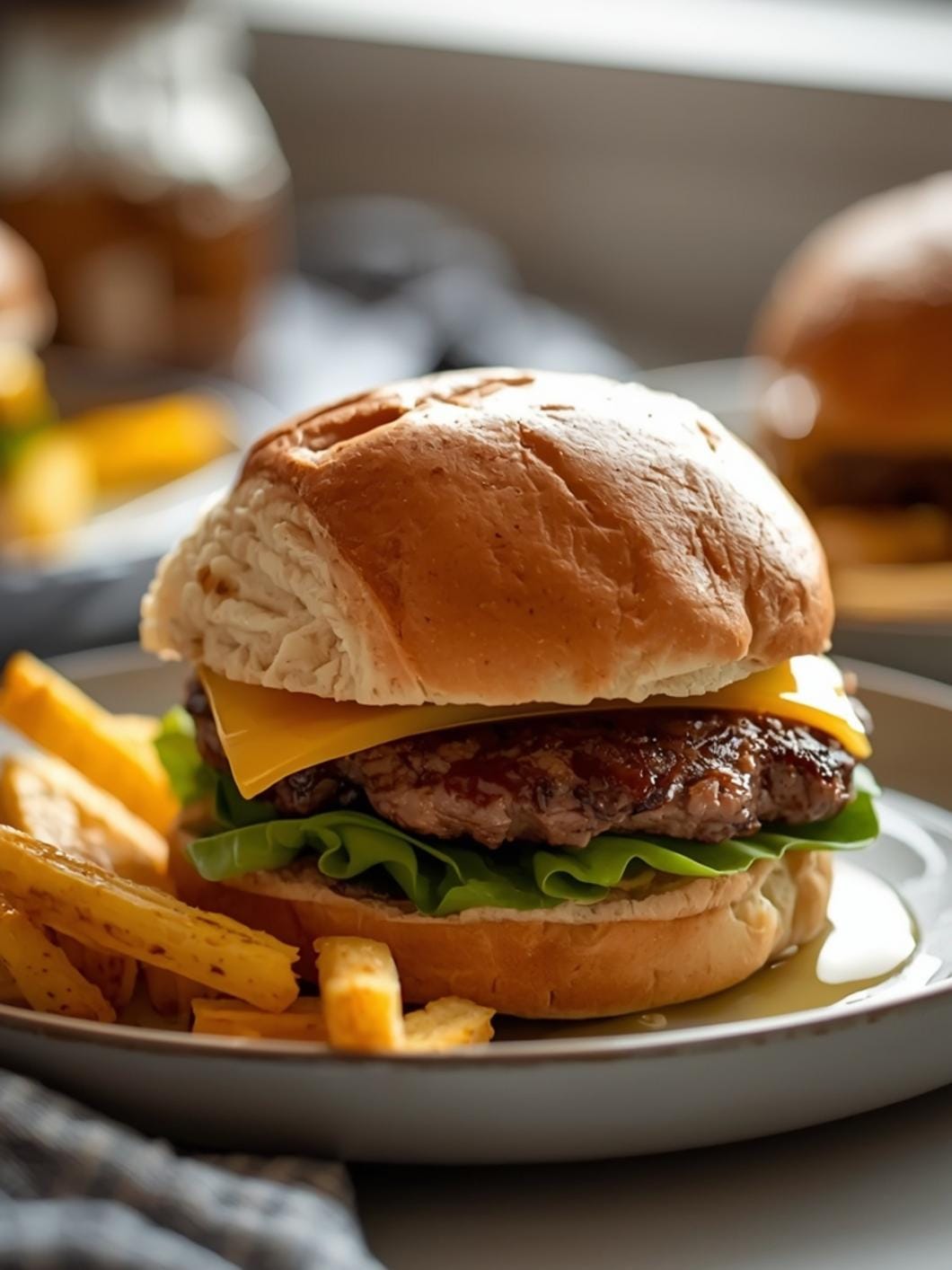
These sourdough discard hamburger buns are incredibly versatile and can be adapted to suit various tastes and occasions. For a kid-friendly twist, you can skip the sesame seeds and instead brush them with a little melted butter right after baking for an extra soft crust. They’re also fantastic as slider buns; simply divide the dough into 12-16 smaller pieces before shaping.
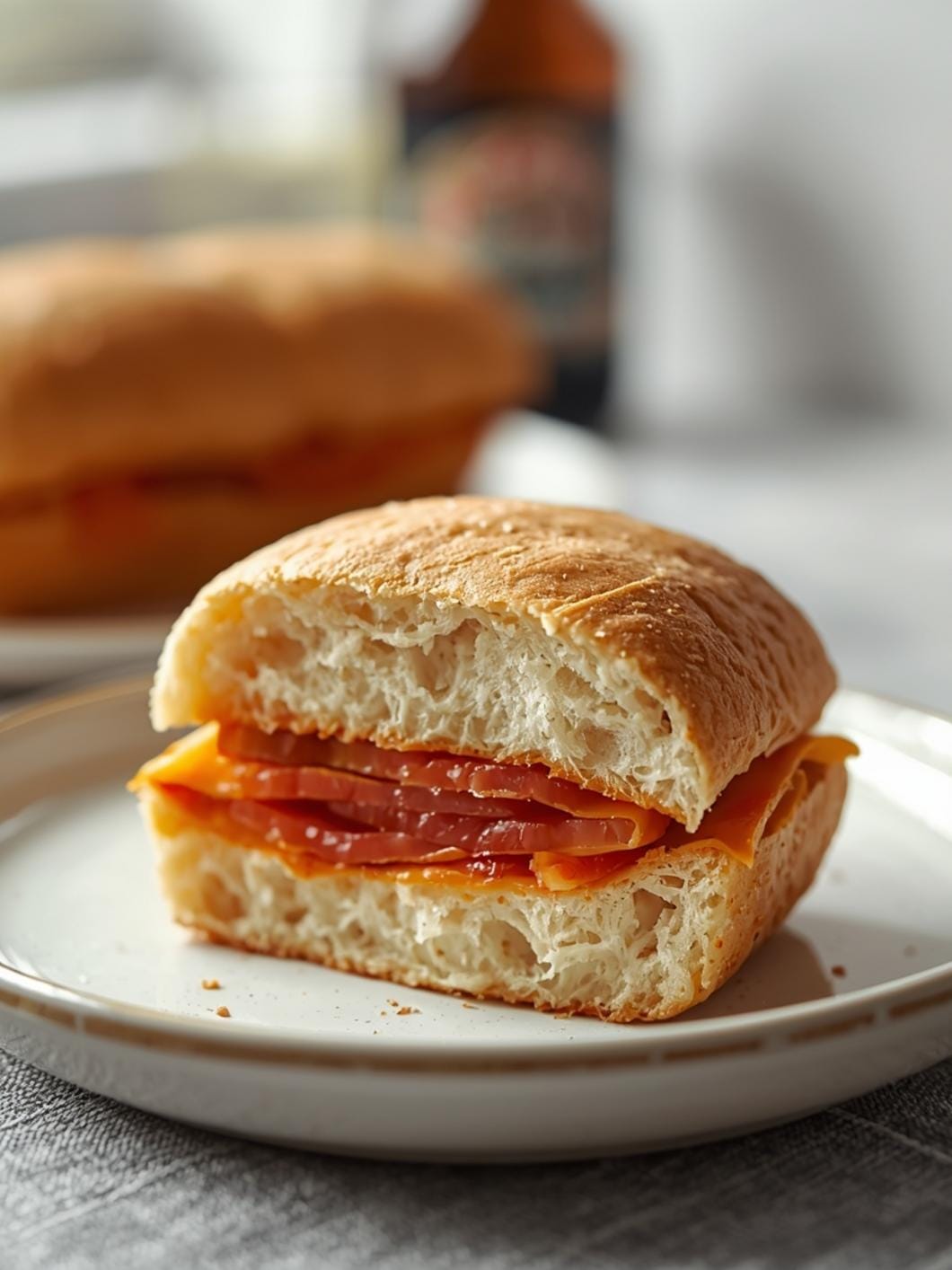
Beyond burgers, these buns make excellent sandwiches for school lunches or picnics. Fill them with sliced turkey and cheese, chicken salad, or even a simple peanut butter and jelly for an elevated everyday meal. For a party or buffet, consider making mini pulled pork sliders or serving them alongside a hearty chili. You can also experiment with different toppings: poppy seeds, everything bagel seasoning, or even a sprinkle of grated Parmesan cheese before baking can add an interesting savory note. For a slightly sweeter bun, you could increase the sugar by another tablespoon, making them suitable for breakfast sandwiches with egg and bacon.
Common Slip-Ups And How To Avoid Them
Even with a straightforward recipe, a few common pitfalls can occur. Being aware of them will help ensure your buns turn out perfectly every time.
One frequent mistake is using milk that is too hot, which can kill the yeast and prevent your dough from rising. Always aim for a temperature between 105-115°F (40-46°C); it should feel warm to the touch, not hot. If your yeast doesn’t foam after 5-10 minutes, your yeast might be old, or the liquid was too hot/cold, and it’s best to start over with fresh yeast.
Another common issue is over-flouring the dough during kneading. While you need some flour to prevent sticking, adding too much can result in dry, dense buns. Resist the urge to keep adding flour if the dough is still a little sticky; continue kneading, and it will become
FAQs
- Can I make these ahead? Yes—prep ahead, refrigerate, then serve when ready.
- How long do leftovers last? Store covered in the fridge for 3–4 days for best texture.
- Can I adjust sweetness? Yes—add more or less sweetener to taste.
- Can I change the fruit? Yes—swap strawberries for blueberries, raspberries, or sliced banana.