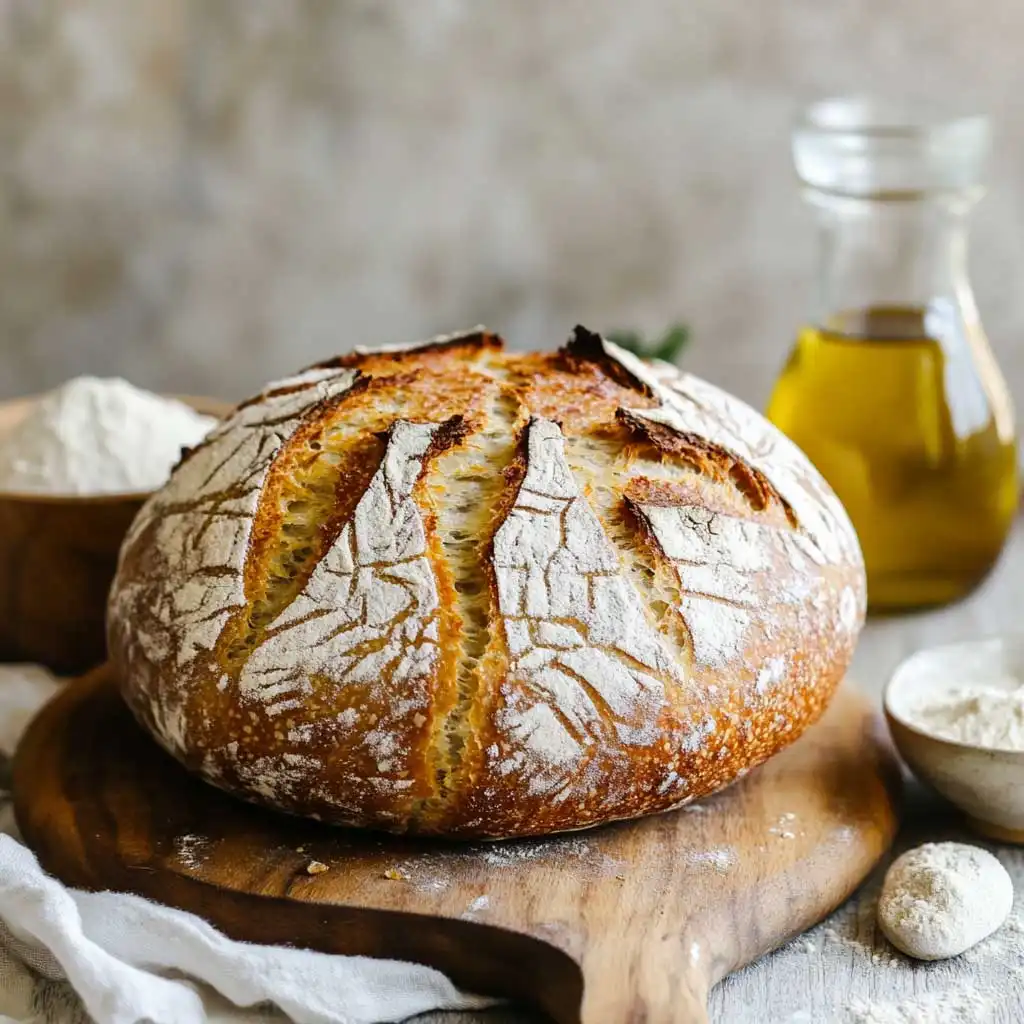

Baking your own bread might seem intimidating, but with this easy sourdough discard sandwich bread recipe, you’ll be making delicious loaves in no time.
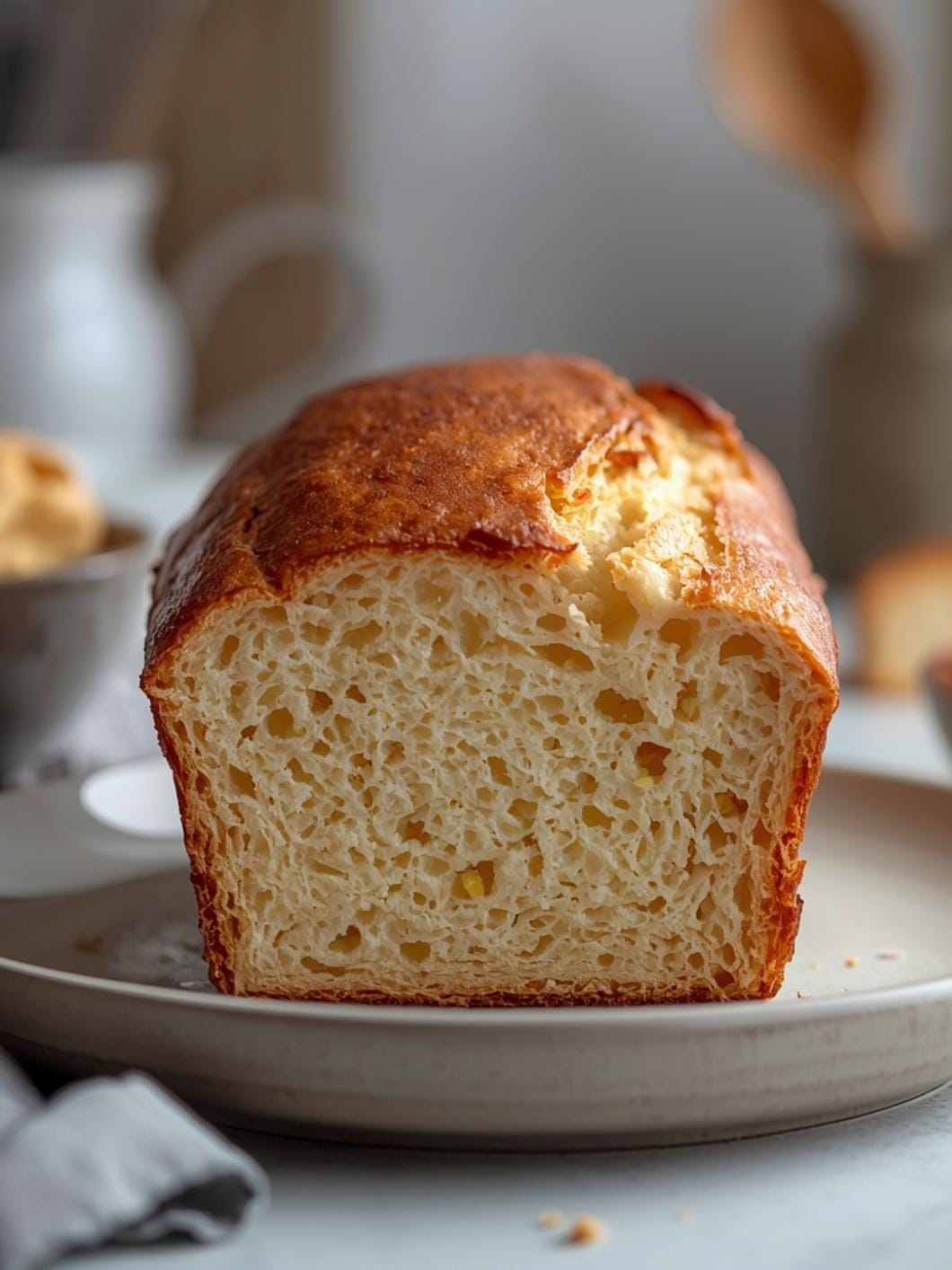
This recipe is specifically designed for using up that sourdough discard, turning what might otherwise go to waste into a fantastic, flavorful bread perfect for everyday meals.
Whether you’re new to the world of sourdough or a seasoned pro looking for a simple way to utilize discard, this recipe offers a straightforward path to a soft, tender, and incredibly tasty sandwich loaf that your whole family will adore.

Easy Sourdough Discard Sandwich Bread
- Total Time: 3 hours 30 minutes to 4 hours 45 minutes
- Yield: 1 loaf 1x
Description
This easy sourdough discard sandwich bread recipe turns unfed sourdough discard into a soft, tender, and flavorful loaf perfect for sandwiches and everyday meals. It’s beginner-friendly, reduces food waste, and requires minimal hands-on time, making it a versatile and delicious addition to any kitchen.
Ingredients
Instructions
1. Activate the Yeast: In a large mixing bowl, combine the warm water, granulated sugar, and active dry yeast. Stir gently and let it sit for 5-10 minutes until the mixture becomes foamy. This foaminess indicates that your yeast is active and ready to work.
2. Combine Wet Ingredients: Add the sourdough discard, salt, and 2 tablespoons of olive oil to the foamy yeast mixture. Stir everything together until well combined. The mixture will look a bit cloudy and slightly textured from the discard.
3. Mix in the Flour: Gradually add the all-purpose flour, about a cup at a time, mixing with a wooden spoon or a sturdy spatula until a shaggy dough forms. Once it becomes too stiff to stir, turn the dough out onto a lightly floured surface.
4. Knead the Dough: Knead the dough for 8-10 minutes until it becomes smooth, elastic, and no longer sticky. If the dough is too sticky, add a tiny bit more flour, a tablespoon at a time. You should be able to gently stretch a small piece of dough without it tearing immediately (the windowpane test).
5. First Rise: Lightly grease a clean large bowl with olive oil. Place the kneaded dough in the bowl, turning it once to coat the top. Cover the bowl with plastic wrap or a clean kitchen towel and let it rise in a warm place for 2-3 hours, or until it has doubled in size. The dough should look puffy and feel soft to the touch.
6. Shape the Loaf: Gently punch down the risen dough to release the air. Turn it out onto a lightly floured surface and shape it into a rectangular loaf that fits your standard 9×5-inch loaf pan. You can do this by gently flattening the dough into a rectangle, then rolling it up tightly from one of the longer sides, pinching the seam closed.
7. Second Rise: Place the shaped loaf into a lightly greased 9×5-inch loaf pan. Cover the pan loosely with plastic wrap or a kitchen towel and let it rise again in a warm place for 45-60 minutes, or until it has nearly doubled in size and looks puffy over the rim of the pan.
8. Bake the Bread: Preheat your oven to 375 F (190 C) during the last 15 minutes of the second rise. Once the oven is preheated, remove the cover from the loaf pan and bake for 30-35 minutes, or until the crust is golden brown and the internal temperature reaches 200-210 F (93-99 C) when measured with an instant-read thermometer.
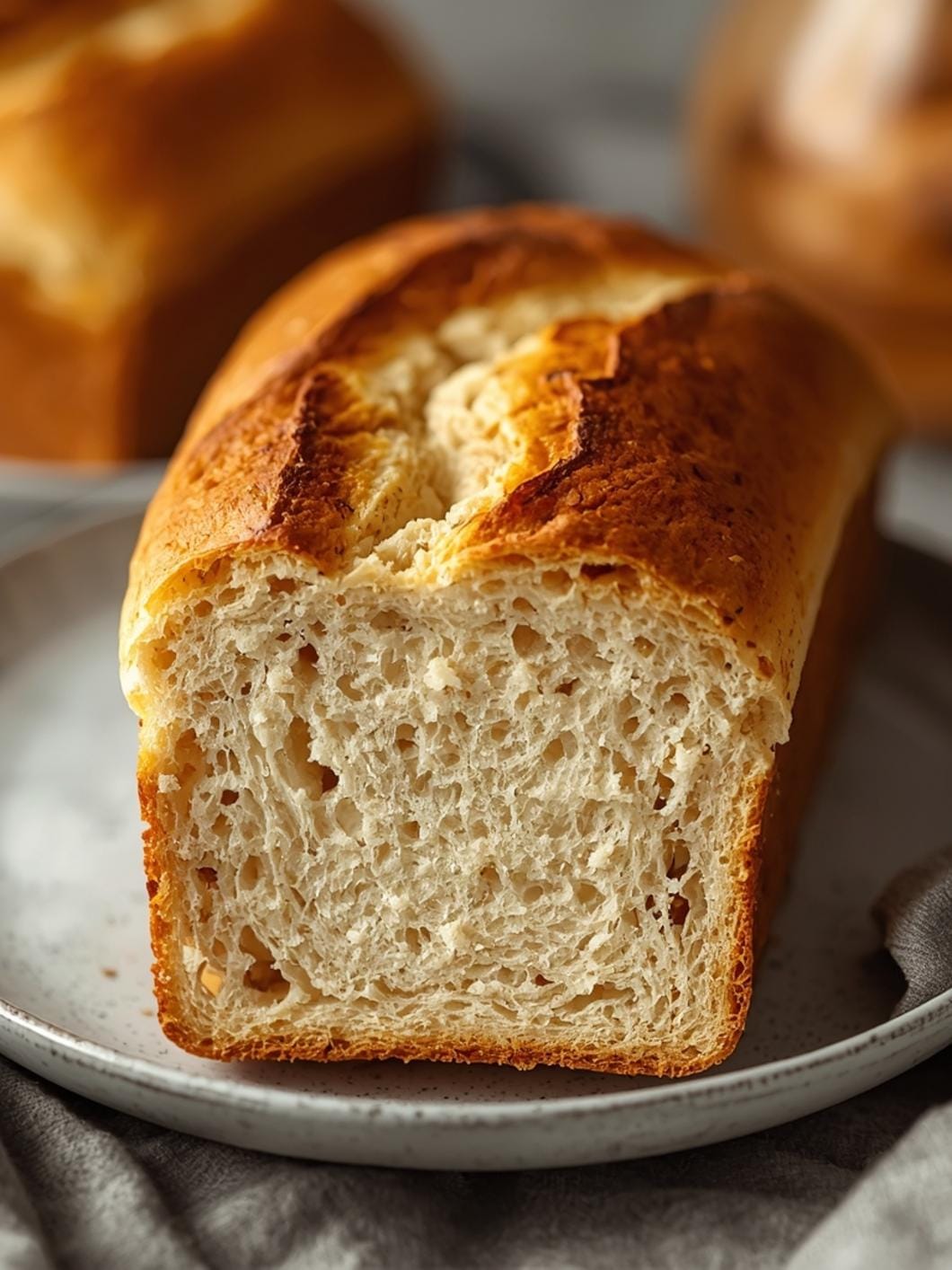
9. Cool Completely: Once baked, remove the bread from the oven and immediately turn it out onto a wire rack to cool completely before slicing. This step is crucial for achieving the best texture and preventing a gummy loaf.
- Prep Time: 15 minutes
- Cook Time: 30-35 minutes
- Category: bread
- Method: baking
- Cuisine: american
Nutrition
- Serving Size: 1 slice
Keywords: sourdough, discard, bread, sandwich, baking, homemade, easy, yeast, loaves, comfort food
What You’ll Love About This Quick And Easy Recipe
This sourdough discard sandwich bread recipe is a true kitchen hero for many reasons. First and foremost, it’s incredibly beginner-friendly. You don’t need advanced baking skills or special equipment to achieve a beautiful, delicious loaf. It’s also a fantastic way to reduce food waste by giving your sourdough discard a purposeful and tasty new life. This recipe is perfect for busy weeknights or lazy weekends, as the active hands-on time is minimal, allowing the dough to do most of the work. The resulting bread is wonderfully versatile, making it ideal for everything from classic peanut butter and jelly sandwiches for the kids to gourmet grilled cheese for the adults, or simply toasted and slathered with butter and jam for breakfast. It’s a reliable recipe that consistently delivers a soft crumb and a delightful, subtle tang that elevates any meal.
Everything You Need To Make This Recipe Without Stress
Gathering your ingredients before you start baking is a great way to ensure a smooth and stress-free process. This recipe uses common pantry staples, making it easy to whip up a fresh loaf whenever the craving strikes.
INGREDIENTS:
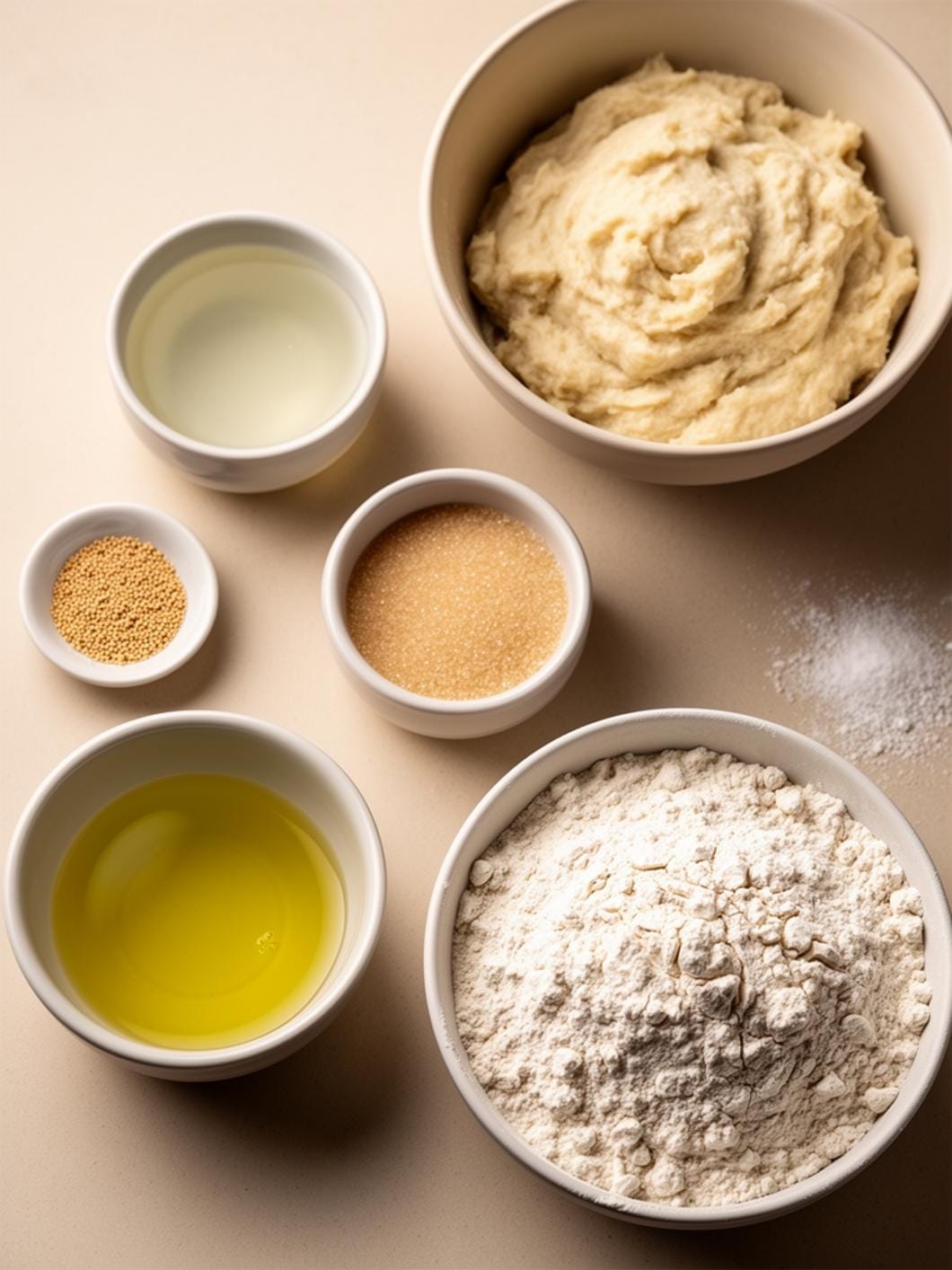
- 1 cup active sourdough discard (unfed, at room temperature)
- 1 cup warm water (around 105-115°F)
- 2 tablespoons granulated sugar
- 1 ½ teaspoons active dry yeast
- 1 ½ teaspoons salt
- 2 tablespoons olive oil (plus more for greasing the bowl)
- 3 ½ to 4 cups all-purpose flour (plus more for dusting)
For the flour, all-purpose flour works perfectly for this recipe, providing a tender crumb. If you want a slightly chewier texture, you could substitute up to half of the all-purpose flour with bread flour. When it comes to olive oil, a standard extra virgin olive oil is great, but any neutral-flavored oil like vegetable or canola oil would also work in a pinch. Just ensure your sourdough discard is at room temperature for the best results, as this helps with the dough’s activity.
Time Needed From Start To Finish
This recipe is designed to be manageable even on a busy schedule, with most of the time dedicated to passive rising.
- Prep Time: 15 minutes
- Rise Time: 2-3 hours (first rise) + 45-60 minutes (second rise)
- Bake Time: 30-35 minutes
- Total Time: Approximately 3 hours 30 minutes to 4 hours 45 minutes (including rising and baking)
How To Make It Step By Step With Visual Cues
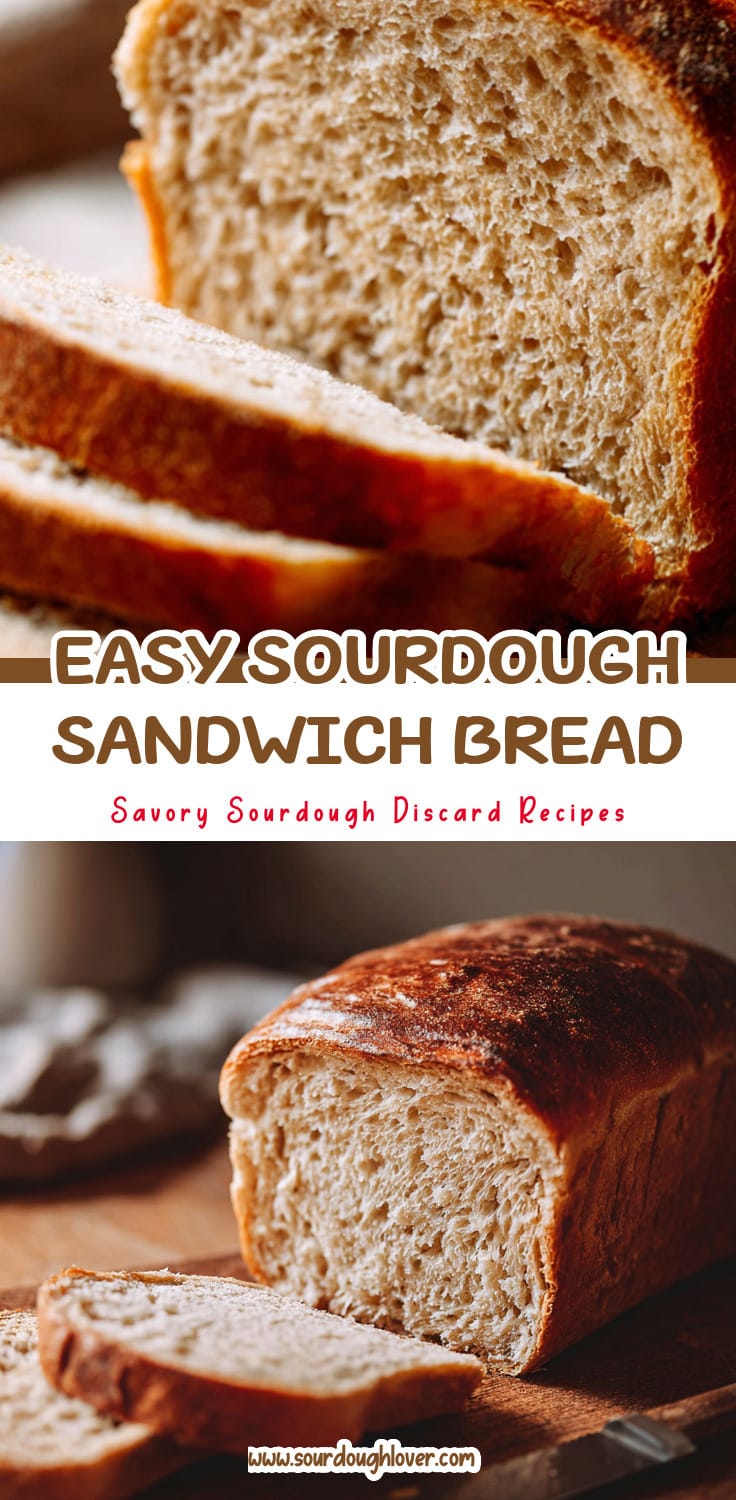
Follow these simple steps to create a delicious sourdough discard sandwich bread loaf. Pay attention to the dough’s texture and appearance at each stage for the best results.
- Activate the Yeast: In a large mixing bowl, combine the warm water, granulated sugar, and active dry yeast. Stir gently and let it sit for 5-10 minutes until the mixture becomes foamy. This foaminess indicates that your yeast is active and ready to work.
- Combine Wet Ingredients: Add the sourdough discard, salt, and 2 tablespoons of olive oil to the foamy yeast mixture. Stir everything together until well combined. The mixture will look a bit cloudy and slightly textured from the discard.
- Mix in the Flour: Gradually add the all-purpose flour, about a cup at a time, mixing with a wooden spoon or a sturdy spatula until a shaggy dough forms. Once it becomes too stiff to stir, turn the dough out onto a lightly floured surface.
- Knead the Dough: Knead the dough for 8-10 minutes until it becomes smooth, elastic, and no longer sticky. If the dough is too sticky, add a tiny bit more flour, a tablespoon at a time. You should be able to gently stretch a small piece of dough without it tearing immediately (the windowpane test).
- First Rise: Lightly grease a clean large bowl with olive oil. Place the kneaded dough in the bowl, turning it once to coat the top. Cover the bowl with plastic wrap or a clean kitchen towel and let it rise in a warm place for 2-3 hours, or until it has doubled in size. The dough should look puffy and feel soft to the touch.
- Shape the Loaf: Gently punch down the risen dough to release the air. Turn it out onto a lightly floured surface and shape it into a rectangular loaf that fits your standard 9×5-inch loaf pan. You can do this by gently flattening the dough into a rectangle, then rolling it up tightly from one of the longer sides, pinching the seam closed.
- Second Rise: Place the shaped loaf into a lightly greased 9×5-inch loaf pan. Cover the pan loosely with plastic wrap or a kitchen towel and let it rise again in a warm place for 45-60 minutes, or until it has nearly doubled in size and looks puffy over the rim of the pan.
- Bake the Bread: Preheat your oven to 375°F (190°C) during the last 15 minutes of the second rise. Once the oven is preheated, remove the cover from the loaf pan and bake for 30-35 minutes, or until the crust is golden brown and the internal temperature reaches 200-210°F (93-99°C) when measured with an instant-read thermometer.
- Cool Completely: Once baked, remove the bread from the oven and immediately turn it out onto a wire rack to cool completely before slicing. This step is crucial for achieving the best texture and preventing a gummy loaf.
Easy Variations And Serving Ideas That Fit Real Life
This sourdough discard sandwich bread is fantastic on its own, but it’s also a wonderful canvas for creativity. For a savory twist, try adding 1/2 cup of shredded cheddar cheese and 2 tablespoons of chopped fresh chives or dried dill to the dough during the kneading stage. You could also incorporate 1/4 cup of toasted sesame seeds or poppy seeds into the dough, or sprinkle them on top before the second rise for added texture and flavor. For a slightly sweeter bread, increase the sugar to 3 tablespoons and add 1/2 teaspoon of cinnamon.
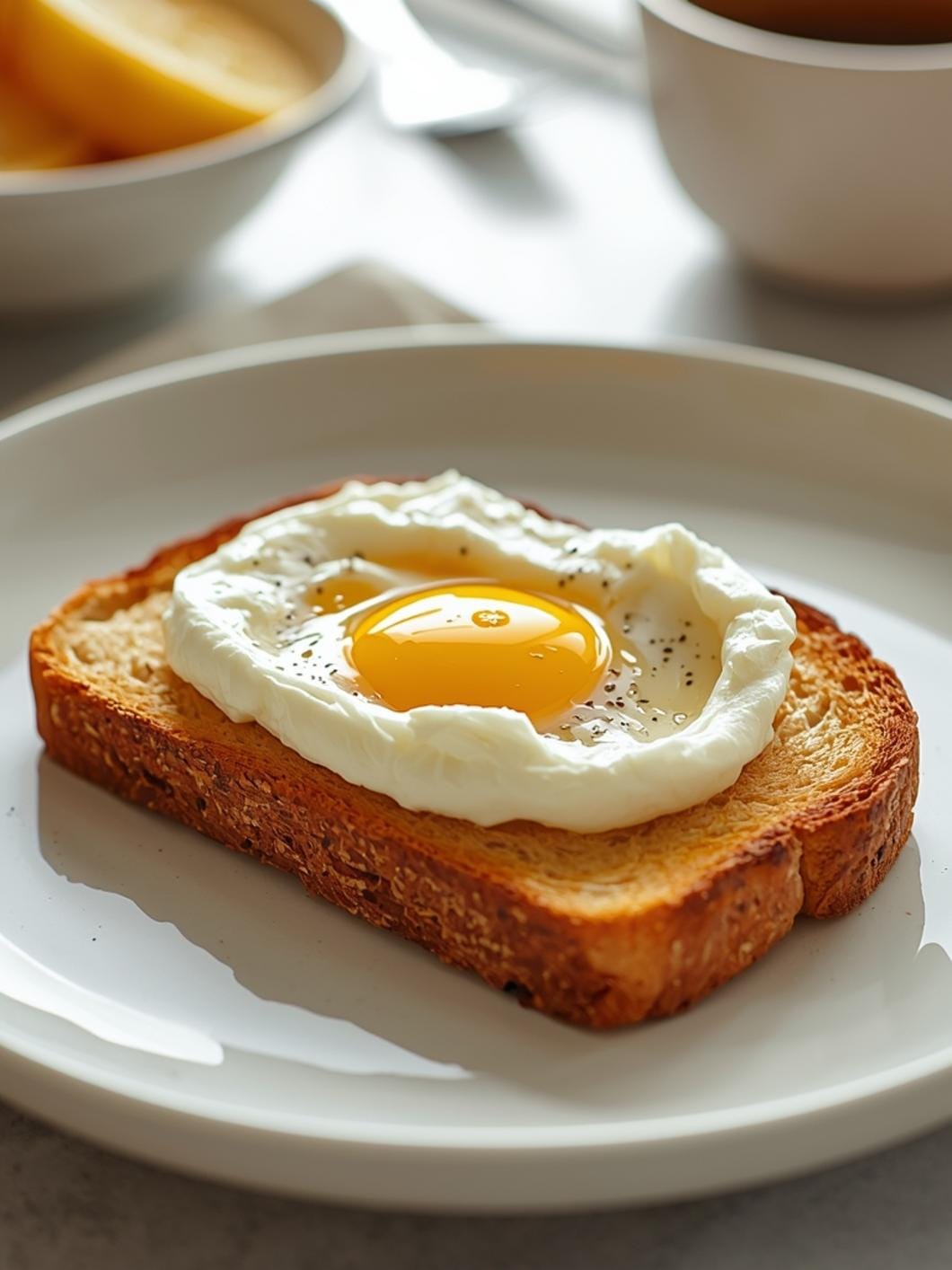
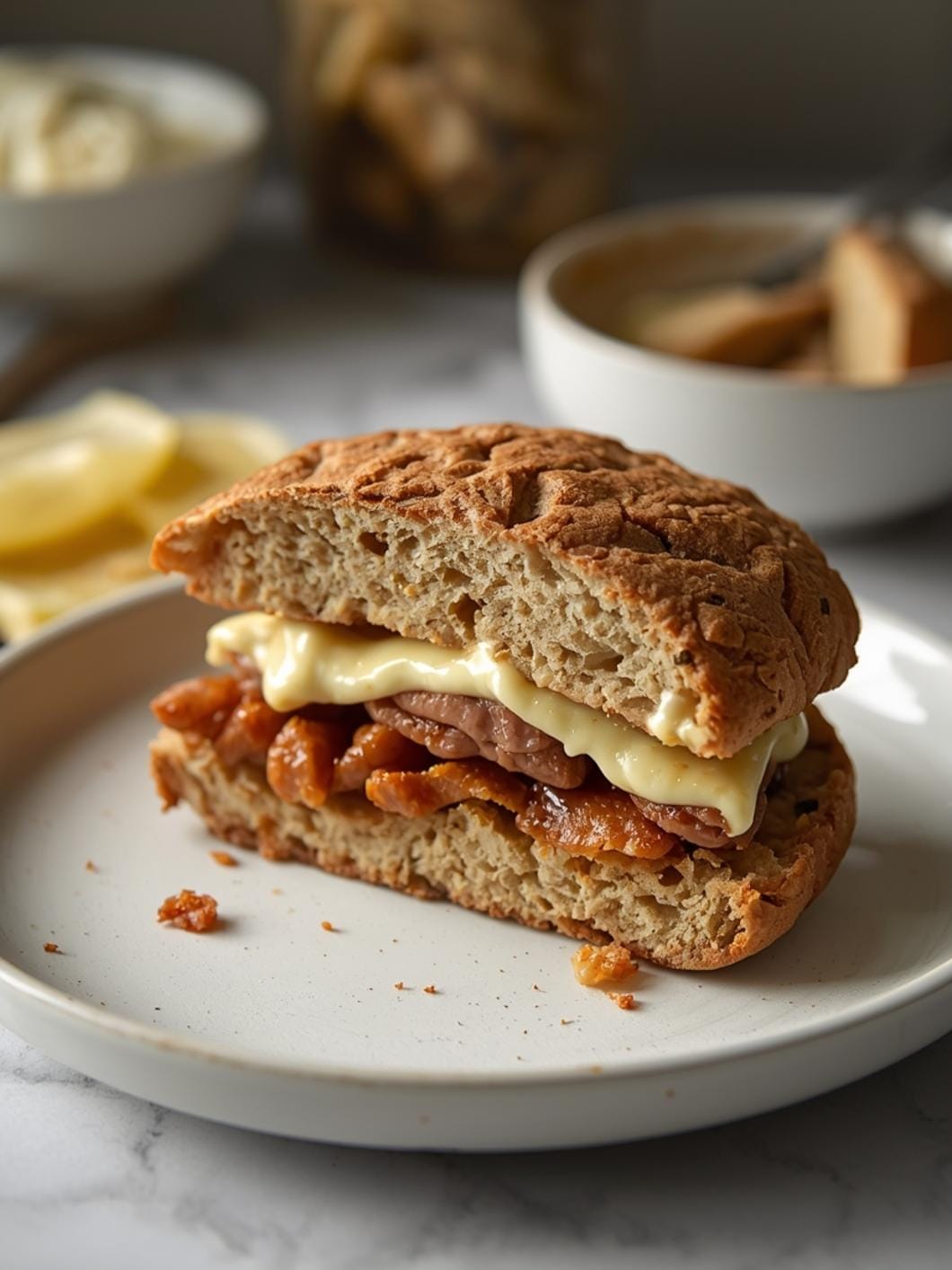
This bread is incredibly versatile for serving. It makes the ultimate grilled cheese sandwich, with its sturdy yet soft crumb holding up perfectly to melted cheese. It’s also ideal for classic deli sandwiches, avocado toast, or simply toasted with butter and your favorite jam or honey. For a fun family meal, use slices to make mini pizzas or open-faced melts. Kids often love dipping slices into warm tomato soup or using them to scoop up hearty stews. Don’t forget to try it as the base for French toast – the subtle tang from the sourdough discard adds an extra layer of flavor!
Common Slip-Ups And How To Avoid Them
Even simple recipes can have small pitfalls. Being aware of these common mistakes can help you achieve a perfect loaf every time.
- Using cold discard: Sourdough discard works best when it’s at room temperature. If your discard is straight from the fridge, let it sit out for an hour or two before starting the recipe. Cold discard can slow down the yeast activity.
- Water that’s too hot or too cold: Yeast is sensitive to temperature. Water that’s too hot will kill the yeast, and water that’s too cold won’t activate it properly. Aim for water between 105-115°F (40-46°C). If you don’t have a thermometer, it should feel comfortably warm, like a baby’s bath.
- Not kneading enough: Under-kneading can result in a dense, crumbly loaf. Kneading develops the gluten, which gives the bread its structure and elasticity. Knead until the dough is smooth and elastic, usually 8-10 minutes.
- Over-flouring the dough: Adding too much flour can make the bread dry and tough. Only add extra flour sparingly during kneading if the dough is excessively sticky.
- Not letting it rise enough (or letting it rise too much): Proper rising is key. The first rise should double the dough, and the second rise should see it nearly double again. If it doesn’t rise enough, the bread will be dense. If it over-proofs, it can collapse in the oven. Look for visual cues like doubling in size and a puffy appearance.
- Slicing before it cools: This is a very common mistake! Slicing hot bread can lead to a gummy texture inside. The bread continues to cook and set as it cools, so patience is a virtue here. Let it cool completely
FAQs
- Can I make these ahead? Yes—prep ahead, refrigerate, then serve when ready.
- How long do leftovers last? Store covered in the fridge for 3–4 days for best texture.
- Can I adjust sweetness? Yes—add more or less sweetener to taste.
- Can I change the fruit? Yes—swap strawberries for blueberries, raspberries, or sliced banana.