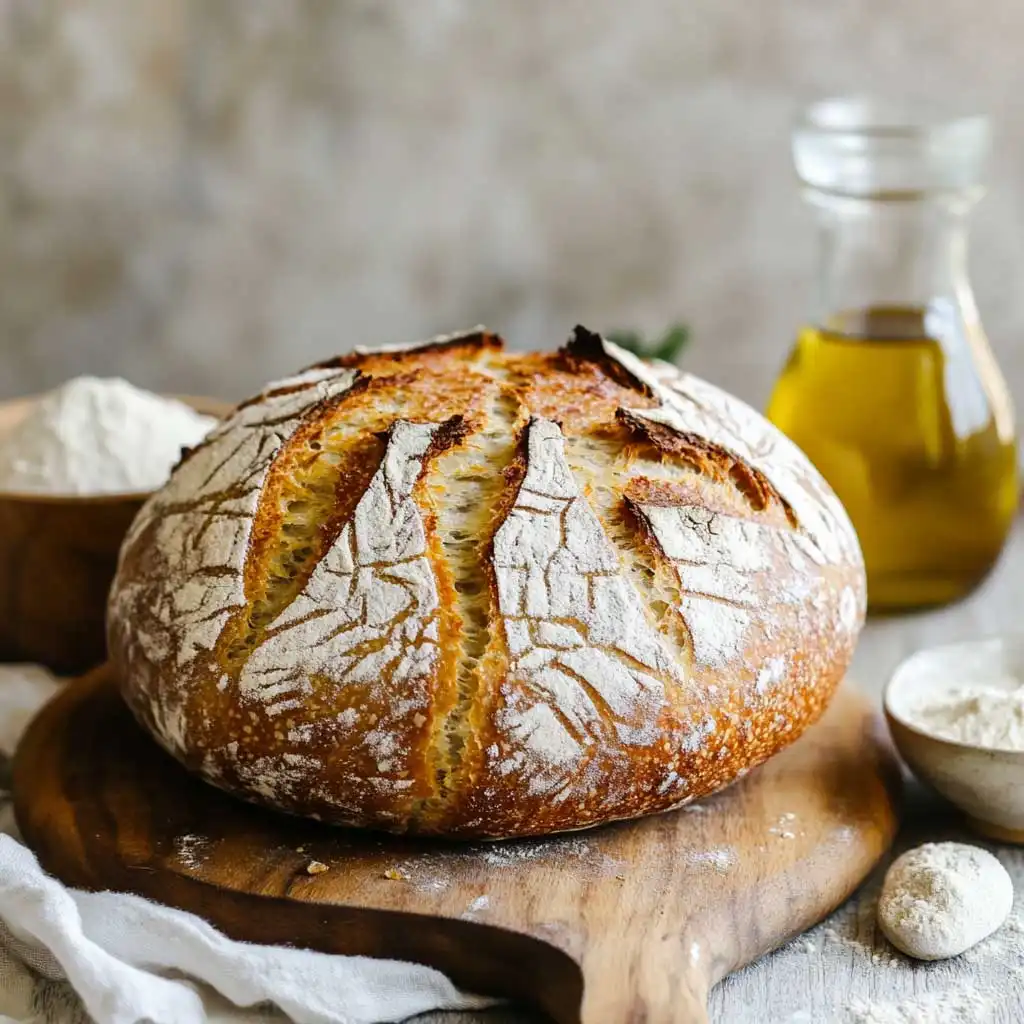

If you’ve been looking for a simple way to use up your sourdough discard, this easy sourdough discard sandwich loaf recipe is exactly what you need.
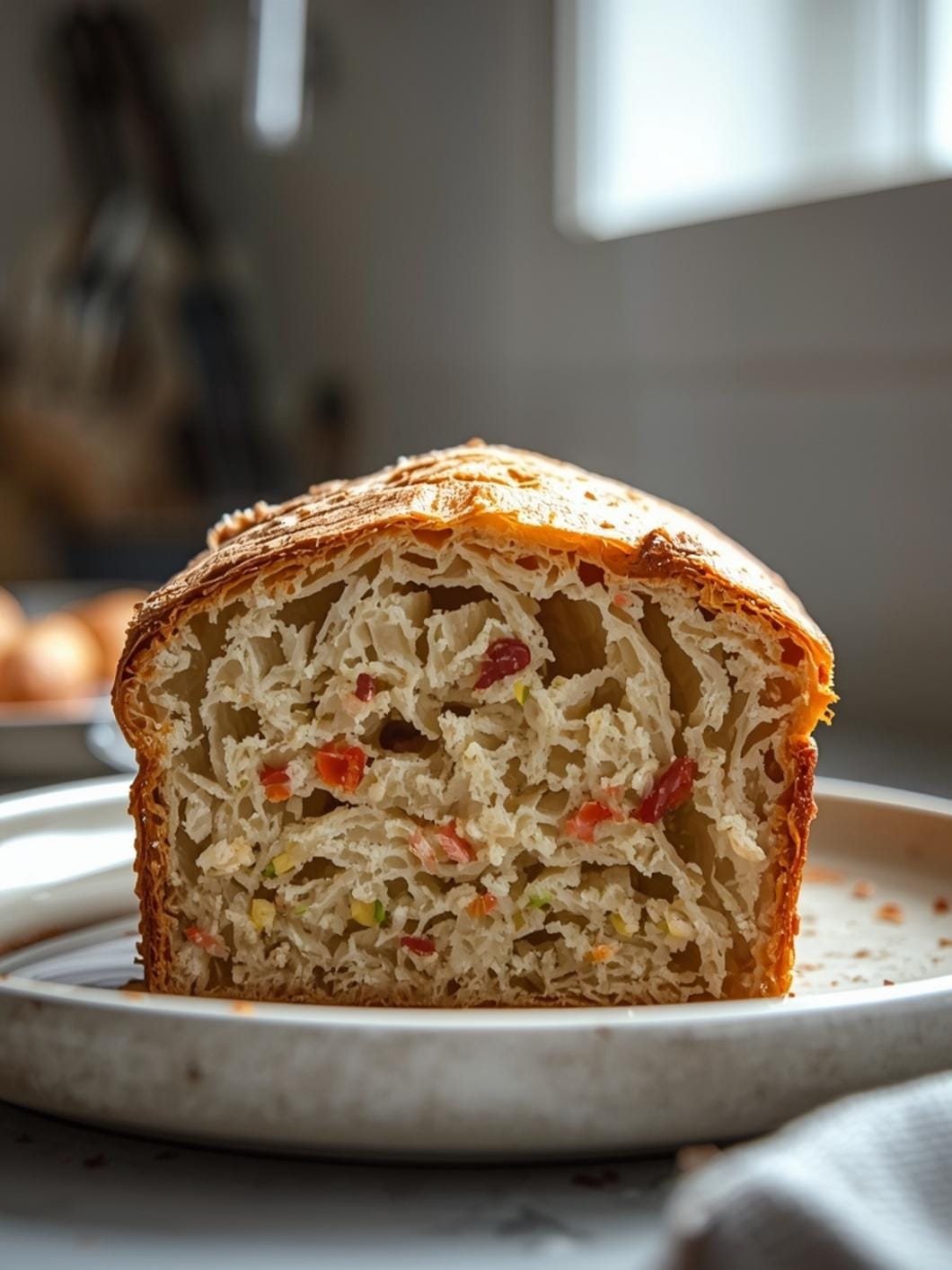
It’s perfect for beginner bakers and anyone who loves the subtle tang of sourdough without the fuss of a long fermentation process. This recipe delivers a soft, flavorful loaf that’s ideal for all your sandwich-making needs or simply toasted with butter.
This recipe focuses on practicality and delicious results, turning that often-forgotten discard into a staple for your kitchen. Get ready to bake a beautiful, homemade loaf that your whole family will enjoy, making everyday meals a little more special.

Easy Sourdough Discard Sandwich Loaf
- Total Time: 2 hours 45 minutes - 3 hours 45 minutes
- Yield: 1 loaf 1x
Description
This easy sourdough discard sandwich loaf recipe is perfect for beginner bakers and anyone who loves the subtle tang of sourdough without the fuss of a long fermentation process. It delivers a soft, flavorful loaf that’s ideal for all your sandwich-making needs or simply toasted with butter. This recipe focuses on practicality and delicious results, turning that often-forgotten discard into a staple for your kitchen.
Ingredients
Instructions
1. Activate the Yeast: In a large mixing bowl, combine the warm water, granulated sugar, and active dry yeast. Stir gently and let it sit for about 5-10 minutes until the mixture becomes foamy. This foaminess indicates that your yeast is active and ready to work. If it doesn’t foam, your yeast might be old or the water temperature was off, and it’s best to start over.
2. Combine Wet Ingredients: Once the yeast is active, add the sourdough discard, olive oil, and salt to the bowl. Stir everything together until well combined. The mixture will look a bit milky and slightly thick from the discard.
3. Add Flour Gradually: Begin adding the all-purpose flour, one cup at a time, mixing after each addition. Start with 3 1/2 cups of flour. Once the dough becomes too stiff to stir with a spoon, turn it out onto a lightly floured surface.
4. Knead the Dough: Knead the dough for 8-10 minutes. At first, it might be a bit sticky, but as you knead, it will become smoother and more elastic. If the dough is too sticky, add the remaining 1/2 cup of flour, a tablespoon at a time, until it’s manageable but still soft. You’re looking for a dough that springs back slightly when poked.
5. First Rise (Bulk Fermentation): Lightly grease a clean large bowl with olive oil. Place the kneaded dough in the bowl, turning it once to coat all sides. Cover the bowl with plastic wrap or a clean kitchen towel and let it rise in a warm place for 60-90 minutes, or until it has roughly doubled in size. A good visual cue is that it will look puffy and soft.
6. Shape the Loaf: Gently punch down the risen dough to release the air. Turn it out onto a lightly floured surface. Flatten the dough into a rectangle, then roll it up tightly into a log shape. Pinch the seams closed to create a smooth top.
7. Second Rise (Proofing): Lightly grease a 9×5-inch loaf pan. Place the shaped dough seam-side down into the prepared loaf pan. Cover the pan loosely with plastic wrap or a clean kitchen towel and let it rise again in a warm place for another 30-45 minutes, or until it has risen about 1 inch above the rim of the pan. It should look noticeably larger and very puffy.
8. Bake the Bread: Preheat your oven to 375 F (190 C). Once the oven is preheated and the loaf has risen sufficiently, remove the cover and bake for 30-35 minutes, or until the crust is golden brown and the internal temperature reaches 200-210 F (93-99 C) when measured with an instant-read thermometer.
9. Cool Completely: Once baked, immediately remove the loaf from the pan and place it on a wire rack to cool completely. This step is crucial for the texture of the bread. Slicing too early can result in a gummy interior. Allow it to cool for at least 30-60 minutes before slicing and serving.
- Prep Time: 15-20 minutes
- Cook Time: 30-35 minutes
- Category: bread
- Method: baking
- Cuisine: american
Nutrition
- Serving Size: 1 slice
Keywords: sourdough, discard, sandwich, loaf, bread, easy, beginner, homemade, baking, comfort food
What You’ll Love About This Quick And Easy Recipe
This sourdough discard sandwich loaf recipe is a true kitchen hero for several reasons. First, it’s incredibly beginner-friendly, designed for those who might be new to baking or sourdough in general. You don’t need to be an expert to achieve a fantastic result. It’s a brilliant way to utilize sourdough discard, preventing waste and adding a wonderful depth of flavor to your bread that you just can’t get from store-bought loaves. The subtle tang from the discard elevates the taste, making it more interesting than a standard white bread.
This recipe works because it’s streamlined and efficient, focusing on simple steps and readily available ingredients. It’s perfect for busy weeknights when you want fresh bread but don’t have hours to dedicate to a complex baking project. Families will adore this loaf for its soft texture and versatile nature – it holds up beautifully to all kinds of sandwich fillings, from classic deli meats to creamy peanut butter and jelly. Serve it for breakfast as toast, pack it in lunchboxes, or use it for dinner alongside a hearty soup. It’s a reliable, delicious bread that fits seamlessly into everyday life.
Everything You Need To Make This Recipe Without Stress
Gathering your ingredients before you start baking makes the whole process smoother and more enjoyable. This recipe uses common pantry staples, ensuring you won’t need to make a special trip to the store for obscure items. The star of the show, of course, is your sourdough discard, which brings a unique flavor profile without requiring active sourdough starter.
INGREDIENTS:
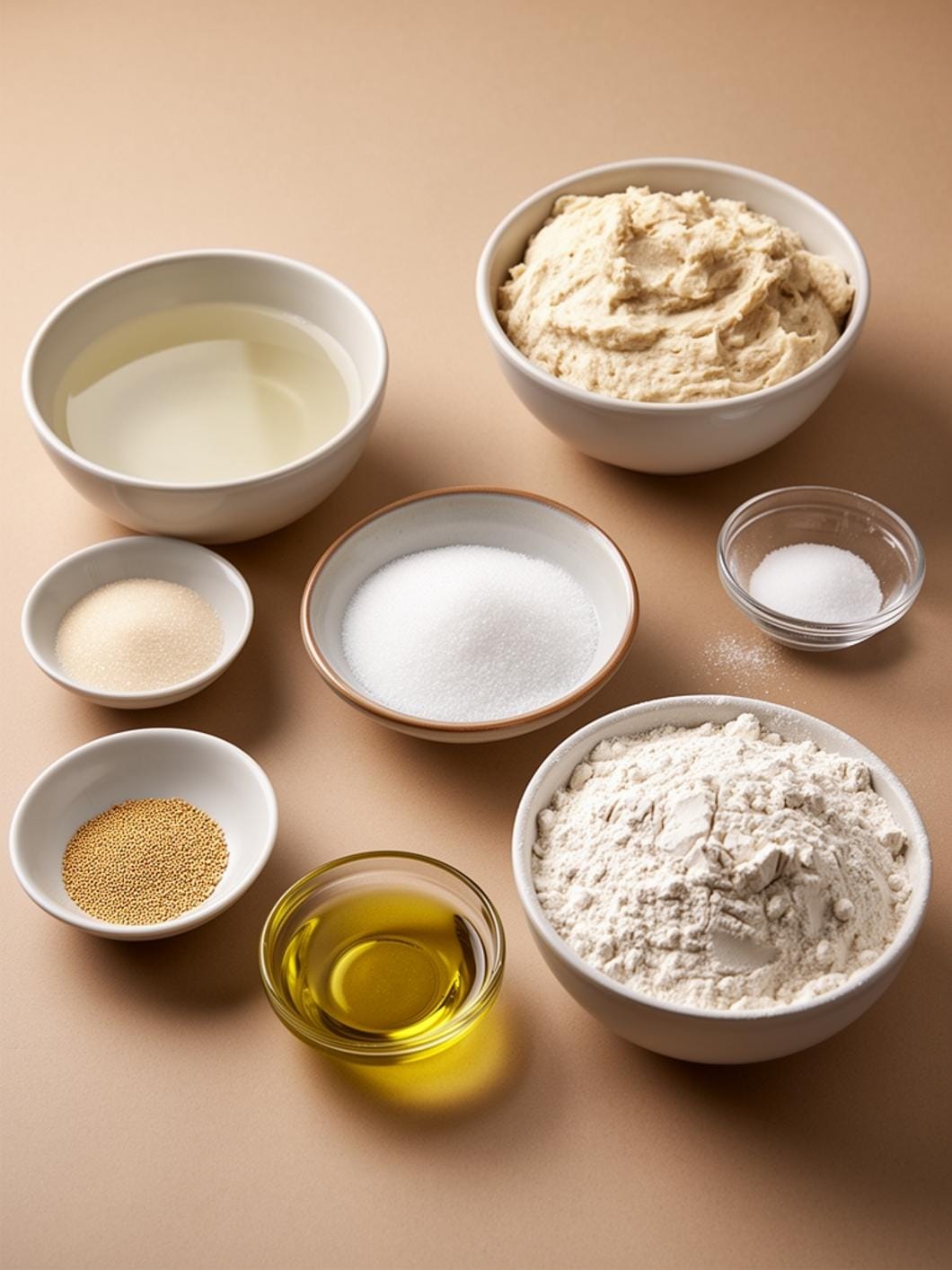
- 1 cup (240g) unfed sourdough discard (100% hydration, straight from the fridge)
- 1 cup (240ml) warm water (about 100-110°F)
- 2 tablespoons granulated sugar
- 1 ½ teaspoons active dry yeast
- 3 tablespoons olive oil, plus more for greasing
- 1 ½ teaspoons salt
- 3 ½ – 4 cups (420-480g) all-purpose flour
For the sourdough discard, it’s best to use unfed discard that has been stored in the refrigerator. This gives the bread its signature tang without the need for a long proofing time. If you don’t have olive oil, any neutral-flavored oil like vegetable or canola oil will work just as well. When it comes to flour, all-purpose flour is perfect for this recipe, but you could experiment with a small amount of bread flour for a chewier texture if you prefer. Just be mindful that different flours absorb liquid differently, so you might need to adjust the amount slightly.
Time Needed From Start To Finish
One of the best aspects of this sourdough discard sandwich loaf is its relatively quick turnaround time, especially compared to traditional sourdough recipes. You won’t be waiting around for days for this bread to be ready.
- Preparation time: 15-20 minutes
- Rising time: 60-90 minutes (this can vary based on your kitchen’s temperature)
- Baking time: 30-35 minutes
- Cooling time: 30-60 minutes (crucial for proper slicing and texture)
Total estimated time: Approximately 2 hours 45 minutes to 3 hours 45 minutes, including cooling. While the total time might seem a bit longer, much of it is inactive waiting for the dough to rise and the bread to cool, allowing you to multitask or simply relax.
How To Make It Step By Step With Visual Cues

Baking this sourdough discard sandwich loaf is a straightforward process. Follow these steps carefully, and you’ll have a beautiful, delicious loaf in no time. Paying attention to the visual cues will help ensure success, even if you’re a beginner.
- Activate the Yeast: In a large mixing bowl, combine the warm water, granulated sugar, and active dry yeast. Stir gently and let it sit for about 5-10 minutes until the mixture becomes foamy. This foaminess indicates that your yeast is active and ready to work. If it doesn’t foam, your yeast might be old or the water temperature was off, and it’s best to start over.
- Combine Wet Ingredients: Once the yeast is active, add the sourdough discard, olive oil, and salt to the bowl. Stir everything together until well combined. The mixture will look a bit milky and slightly thick from the discard.
- Add Flour Gradually: Begin adding the all-purpose flour, one cup at a time, mixing after each addition. Start with 3 ½ cups of flour. Once the dough becomes too stiff to stir with a spoon, turn it out onto a lightly floured surface.
- Knead the Dough: Knead the dough for 8-10 minutes. At first, it might be a bit sticky, but as you knead, it will become smoother and more elastic. If the dough is too sticky, add the remaining ½ cup of flour, a tablespoon at a time, until it’s manageable but still soft. You’re looking for a dough that springs back slightly when poked.
- First Rise (Bulk Fermentation): Lightly grease a clean large bowl with olive oil. Place the kneaded dough in the bowl, turning it once to coat all sides. Cover the bowl with plastic wrap or a clean kitchen towel and let it rise in a warm place for 60-90 minutes, or until it has roughly doubled in size. A good visual cue is that it will look puffy and soft.
- Shape the Loaf: Gently punch down the risen dough to release the air. Turn it out onto a lightly floured surface. Flatten the dough into a rectangle, then roll it up tightly into a log shape. Pinch the seams closed to create a smooth top.
- Second Rise (Proofing): Lightly grease a 9×5-inch loaf pan. Place the shaped dough seam-side down into the prepared loaf pan. Cover the pan loosely with plastic wrap or a clean kitchen towel and let it rise again in a warm place for another 30-45 minutes, or until it has risen about 1 inch above the rim of the pan. It should look noticeably larger and very puffy.
- Bake the Bread: Preheat your oven to 375°F (190°C). Once the oven is preheated and the loaf has risen sufficiently, remove the cover and bake for 30-35 minutes, or until the crust is golden brown and the internal temperature reaches 200-210°F (93-99°C) when measured with an instant-read thermometer.
- Cool Completely: Once baked, immediately remove the loaf from the pan and place it on a wire rack to cool completely. This step is crucial for the texture of the bread. Slicing too early can result in a gummy interior. Allow it to cool for at least 30-60 minutes before slicing and serving.
Easy Variations And Serving Ideas That Fit Real Life
This sourdough discard sandwich loaf is wonderfully versatile, making it easy to adapt to different tastes and occasions. Here are some practical ideas to keep things fresh and exciting.
For a kid-friendly twist, you can add a tablespoon or two of honey to the dough for a slightly sweeter loaf, which pairs perfectly with jam or chocolate spread. You could also sprinkle some sesame seeds or poppy seeds on top of the loaf before baking for a fun visual and a bit of extra texture that kids often enjoy.
If you’re looking to enhance the flavor profile, consider adding 1/2 cup of grated Parmesan cheese or a tablespoon of dried herbs like oregano or Italian seasoning to the dough along with the flour. This makes for a fantastic savory loaf that’s great with soups or as garlic bread. For a more rustic feel, you can mix in 1/4 cup of rolled oats or a handful of sunflower seeds during the kneading process.
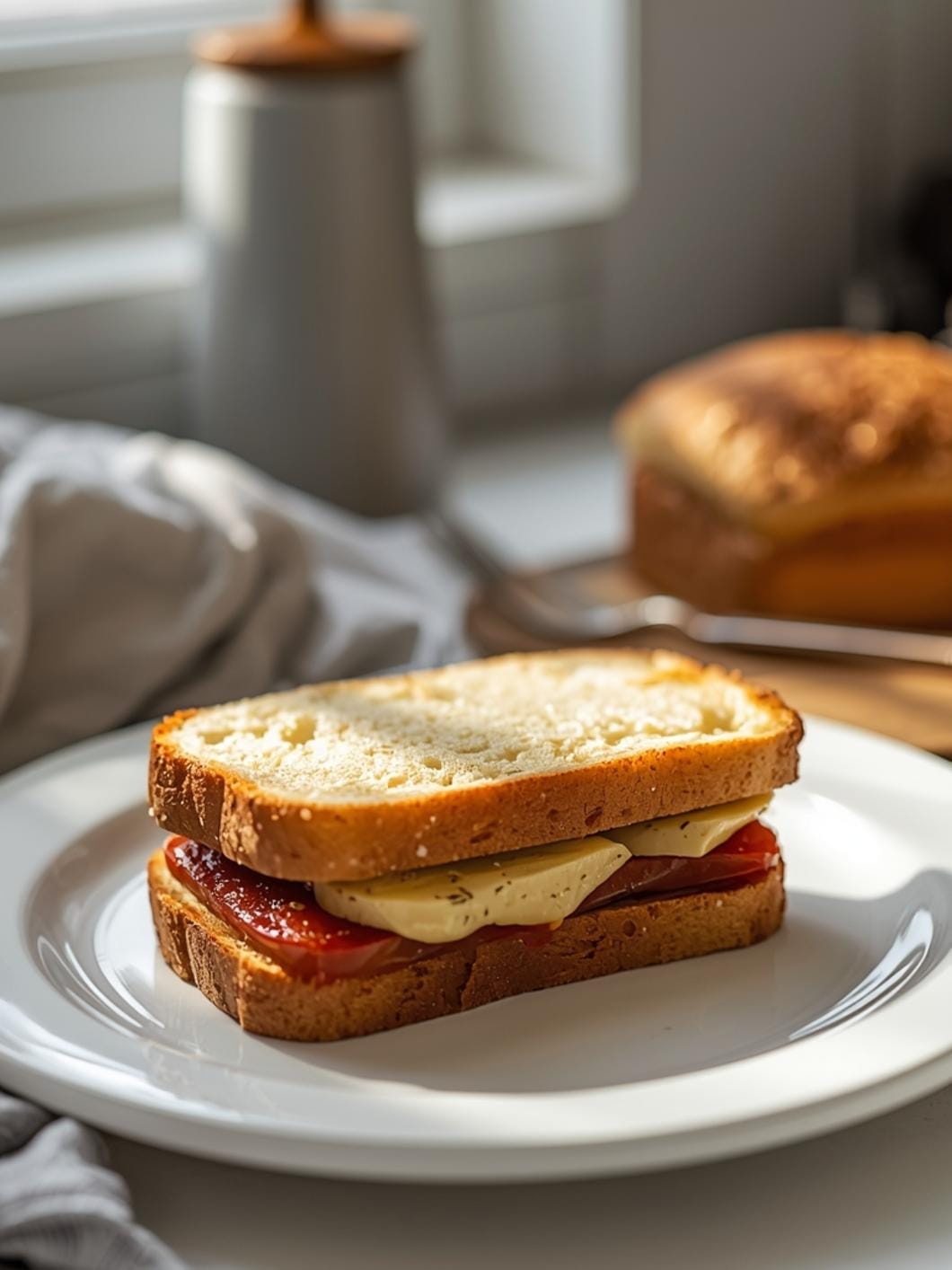
This bread is a staple for everyday meals. Use thick slices for classic sandwiches – think turkey and provolone, ham and Swiss, or a hearty BLT. It also makes incredible toast for breakfast, especially when slathered with butter, avocado, or your favorite fruit preserves. For a simple dinner side, slice it, brush with garlic butter, and toast it lightly. You can also cube stale pieces for homemade croutons for salads.
For a party or buffet setting, slice the loaf thinly and serve it alongside a cheese board, with various dips like hummus or spinach dip, or as a base for small open-faced appetizers. Top with cream cheese and smoked salmon, or bruschetta toppings for an elegant touch. The subtle sourdough flavor complements a wide
FAQs
- Can I make these ahead? Yes—prep ahead, refrigerate, then serve when ready.
- How long do leftovers last? Store covered in the fridge for 3–4 days for best texture.
- Can I adjust sweetness? Yes—add more or less sweetener to taste.
- Can I change the fruit? Yes—swap strawberries for blueberries, raspberries, or sliced banana.