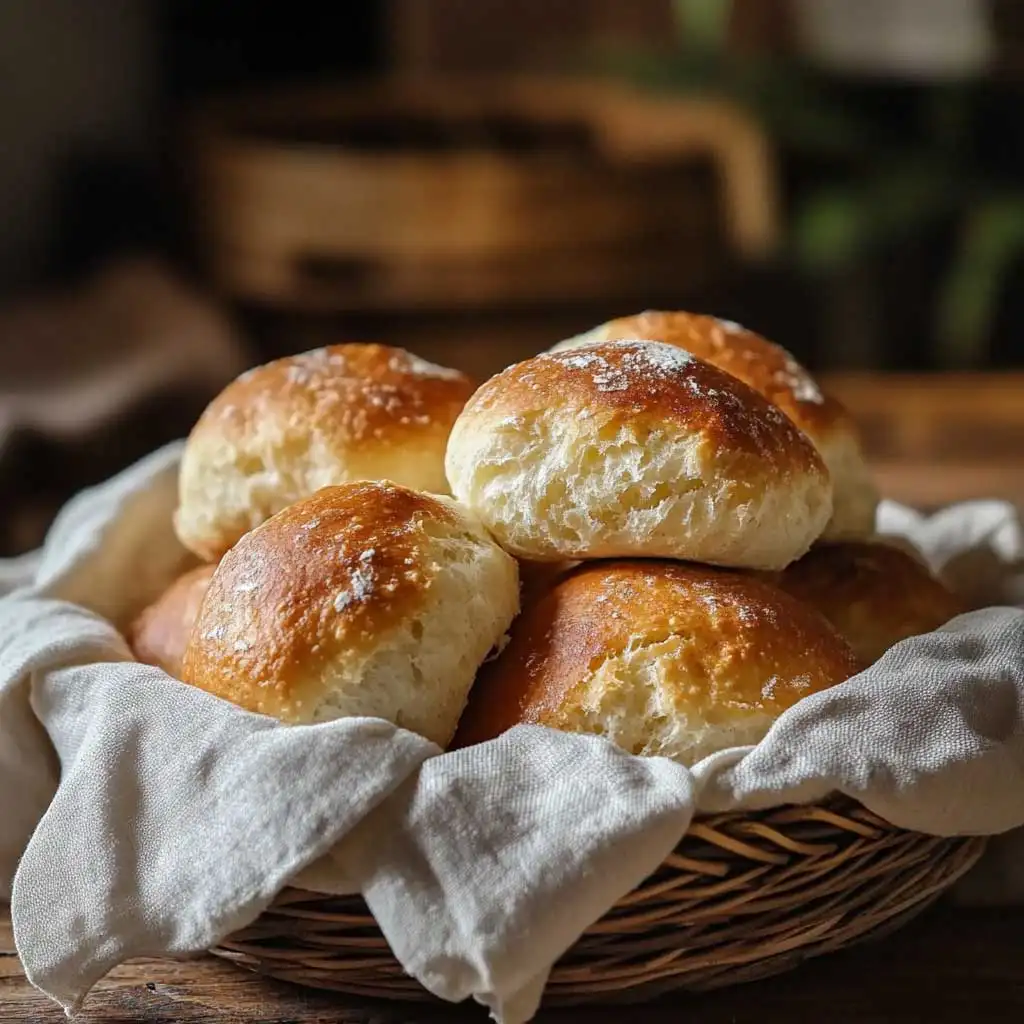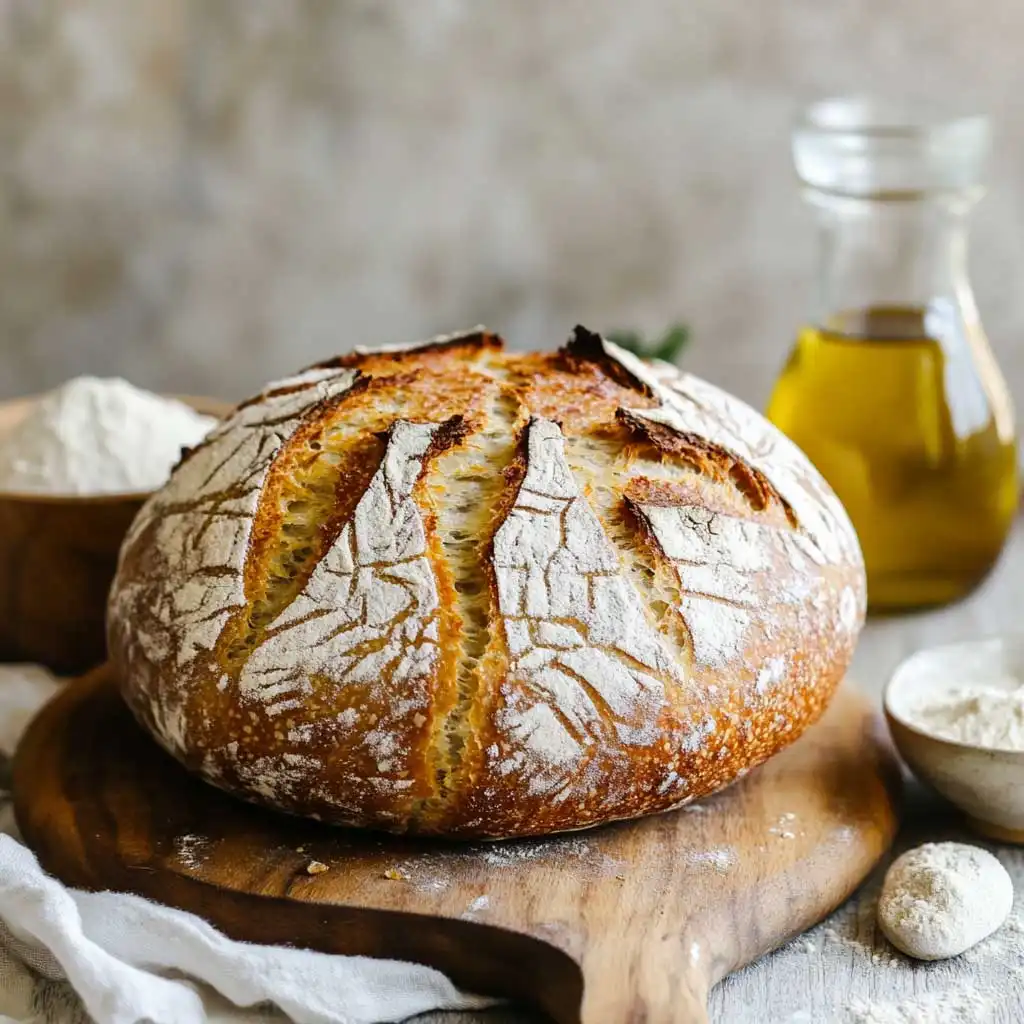

There’s something truly magical about a warm, airy focaccia bread, especially when it’s infused with the subtle tang of sourdough.
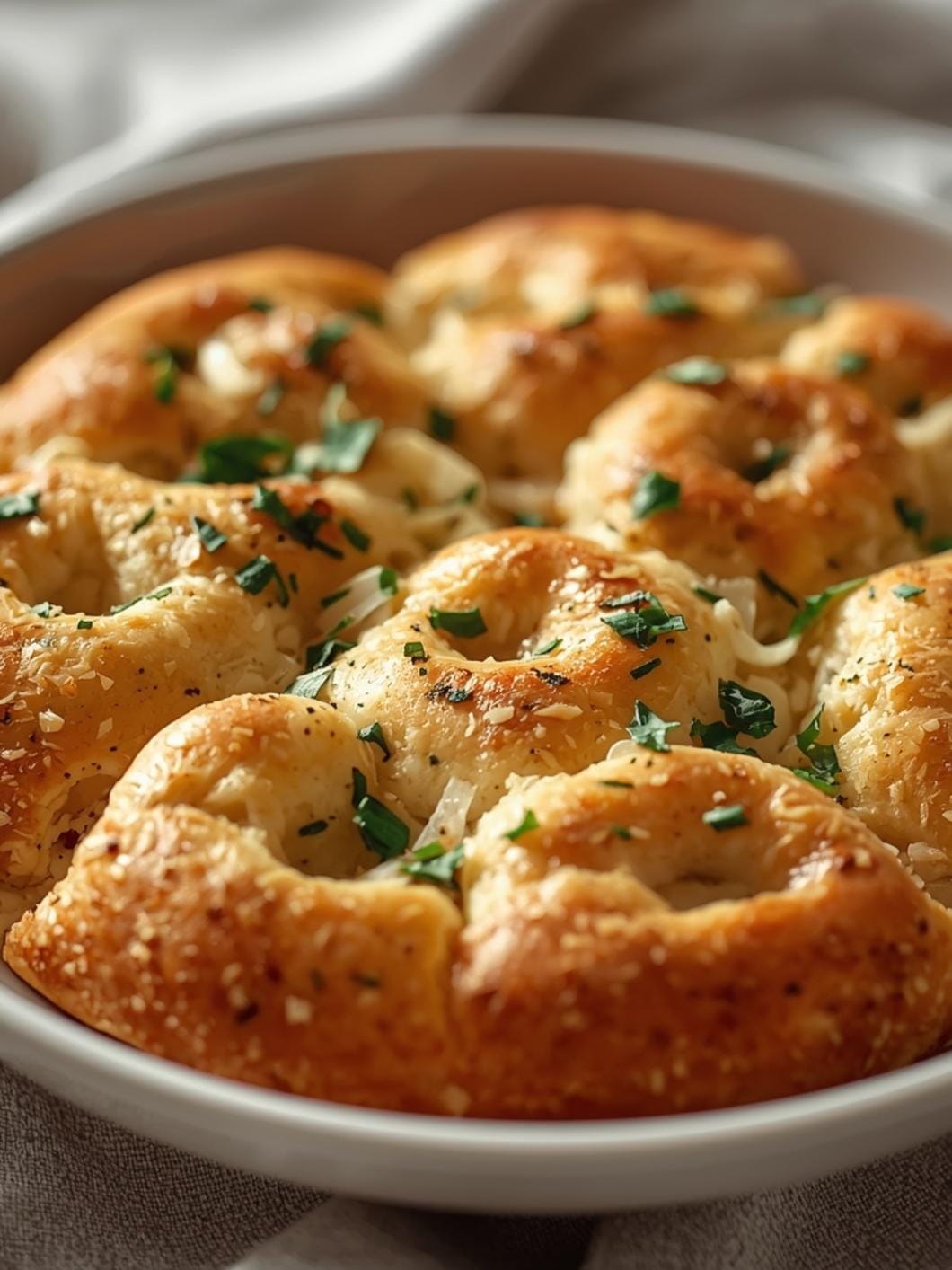
This recipe delivers all the delightful texture and crispy crust you crave, without the fuss often associated with traditional sourdough baking. It’s designed to be straightforward and rewarding, even for those new to the world of sourdough.
Get ready to impress your family and friends with a homemade bread that tastes like it came from a gourmet bakery. This easy sourdough focaccia is perfect for sharing, dipping, or simply enjoying on its own as a satisfying snack. Let’s dive into how you can create this amazing bread in your own kitchen.
Table of Contents
- What You’ll Love About This Quick And Easy Recipe
- Everything You Need To Make This Recipe Without Stress
- Time Needed From Start To Finish
- How To Make It Step By Step With Visual Cues
- Easy Variations And Serving Ideas That Fit Real Life
- Common Slip-Ups And How To Avoid Them
- How To Store It And Make It Ahead Without Ruining Texture

Easy Sourdough Focaccia
- Total Time: 4 hours 40 minutes to 6 hours 45 minutes
- Yield: 1 (9x13 inch) focaccia 1x
Description
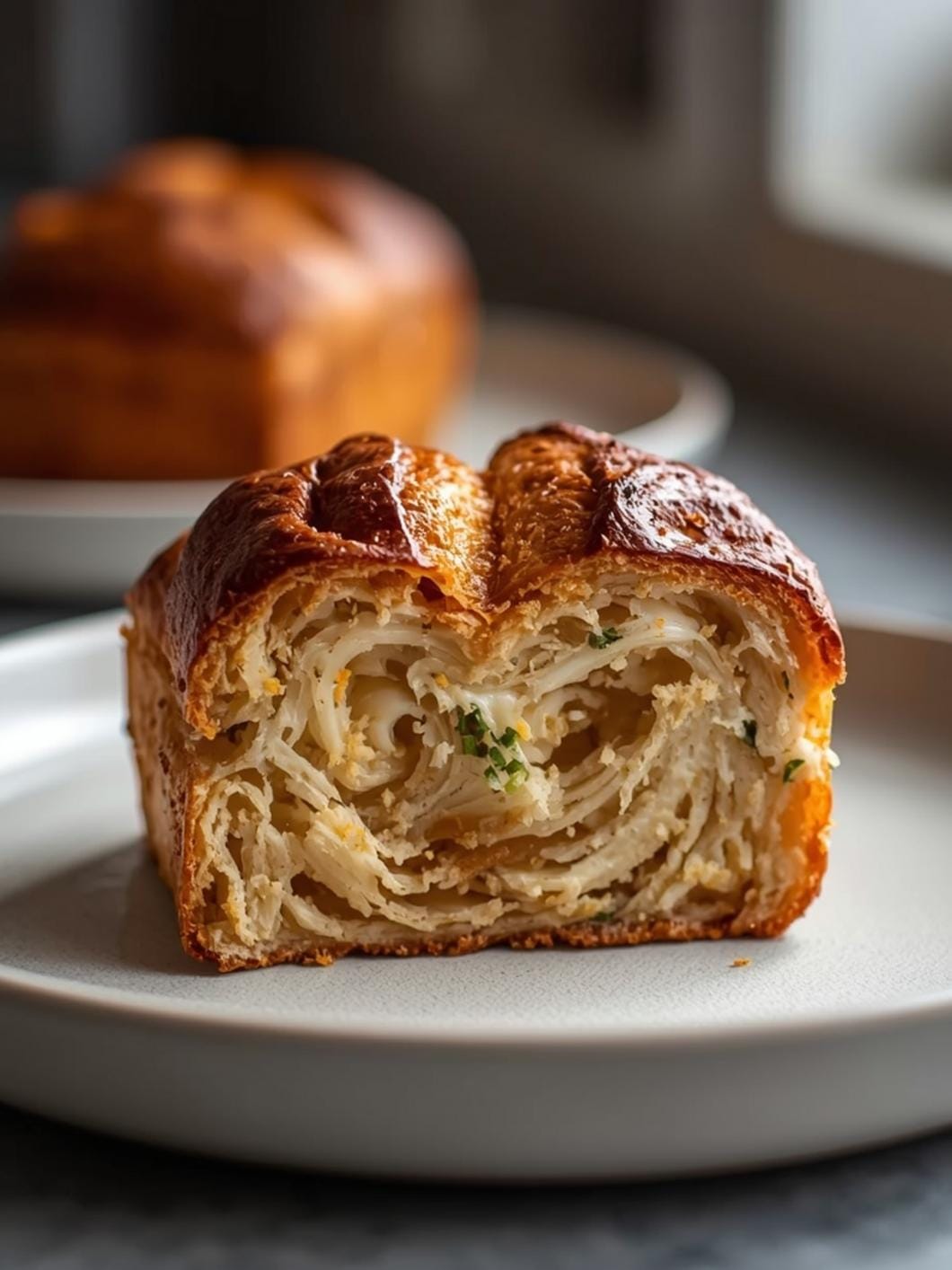
This recipe creates a warm, airy sourdough focaccia with a crispy crust and a subtle tang. It’s designed to be straightforward and rewarding, perfect for sharing, dipping, or enjoying as a snack. The recipe is forgiving and yields a wonderfully airy interior with large holes and a golden, olive oil-kissed crispy crust, making it suitable for beginners and seasoned bakers alike.
Ingredients
Instructions
1. Combine the Wet Ingredients: In a large mixing bowl, gently whisk together your active sourdough starter and the warm water until the starter is mostly dissolved. The mixture should look milky and slightly bubbly.
2. Add Dry Ingredients and Mix: Stir in the all-purpose flour and fine sea salt until just combined. The dough will be shaggy and sticky. Cover the bowl with a clean kitchen towel or plastic wrap and let it rest for 30 minutes. This resting period, known as autolyse, helps the flour absorb the water and develop gluten.
3. Perform the First Stretch and Fold: After the rest, drizzle about 1 tablespoon of olive oil over the dough. With wet hands, grab a section of the dough from the edge, stretch it upwards, and fold it over to the center. Rotate the bowl a quarter turn and repeat this process 3-4 more times until the dough feels slightly smoother and more elastic. Cover and let it rest for another 30 minutes.
4. Repeat Stretch and Folds: Repeat the stretch and fold process two more times, with 30-minute rests in between each set. After the third set, the dough should be noticeably smoother, more cohesive, and have some visible air bubbles.
5. Bulk Fermentation: Drizzle a little olive oil into a clean, large bowl or a 9×13 inch baking pan. Transfer the dough to the oiled bowl/pan, turning it once to coat. Cover tightly with plastic wrap and let it rise at room temperature for 4-6 hours, or until it has almost doubled in size and is very bubbly. Alternatively, you can refrigerate it overnight for a slower, colder proof.
6. Dimple and Top the Dough: Preheat your oven to 425 F (220 C). If using a bowl for the bulk fermentation, gently transfer the risen dough to a well-oiled 9×13 inch baking pan. Drizzle generously with olive oil (about 2-3 tablespoons). Using your fingertips, gently dimple the entire surface of the dough, pressing almost all the way down to the bottom of the pan. Sprinkle with dried rosemary (if using) and a generous amount of flaky sea salt.
7. Bake to Golden Perfection: Place the focaccia in the preheated oven and bake for 25-30 minutes, or until the top is golden brown and the edges are crispy. The internal temperature should register around 200-210 F (93-99 C) if you have a thermometer.
8. Cool and Serve: Once baked, carefully remove the focaccia from the oven. Let it cool in the pan for a few minutes before transferring it to a wire rack to cool completely. Slicing it while still warm is perfectly fine, but allowing it to cool slightly helps set the texture.
- Prep Time: 15 minutes
- Cook Time: 25-30 minutes
- Category: bread
- Method: baking
- Cuisine: italian
Nutrition
- Serving Size: 8-12 servings
Keywords: sourdough, focaccia, bread, easy, homemade, italian, baking, appetizer, snack, vegetarian
What You’ll Love About This Quick And Easy Recipe
This sourdough focaccia recipe is an absolute game-changer for anyone who loves the flavor of sourdough but might be intimidated by complex bread-making processes. It’s perfect for busy weeknights when you want something special without spending hours in the kitchen, or for a relaxed weekend baking project. The beauty of this recipe lies in its simplicity and the incredible results it yields: a wonderfully airy interior with those signature large holes, and a golden, olive oil-kissed crispy crust. It’s a fantastic choice for a casual family dinner, a potluck contribution, or as an elegant appetizer for guests. The minimal hands-on time makes it accessible for beginners, while the exceptional taste will satisfy even seasoned bakers.
Everything You Need To Make This Recipe Without Stress
Gathering your ingredients for this sourdough focaccia is a breeze. Most items are likely already in your pantry, making this a spontaneous baking adventure. The key is a good quality sourdough starter, which provides that distinctive flavor and helps with the airy texture. Don’t worry if your starter isn’t super active; this recipe is forgiving.
INGREDIENTS:
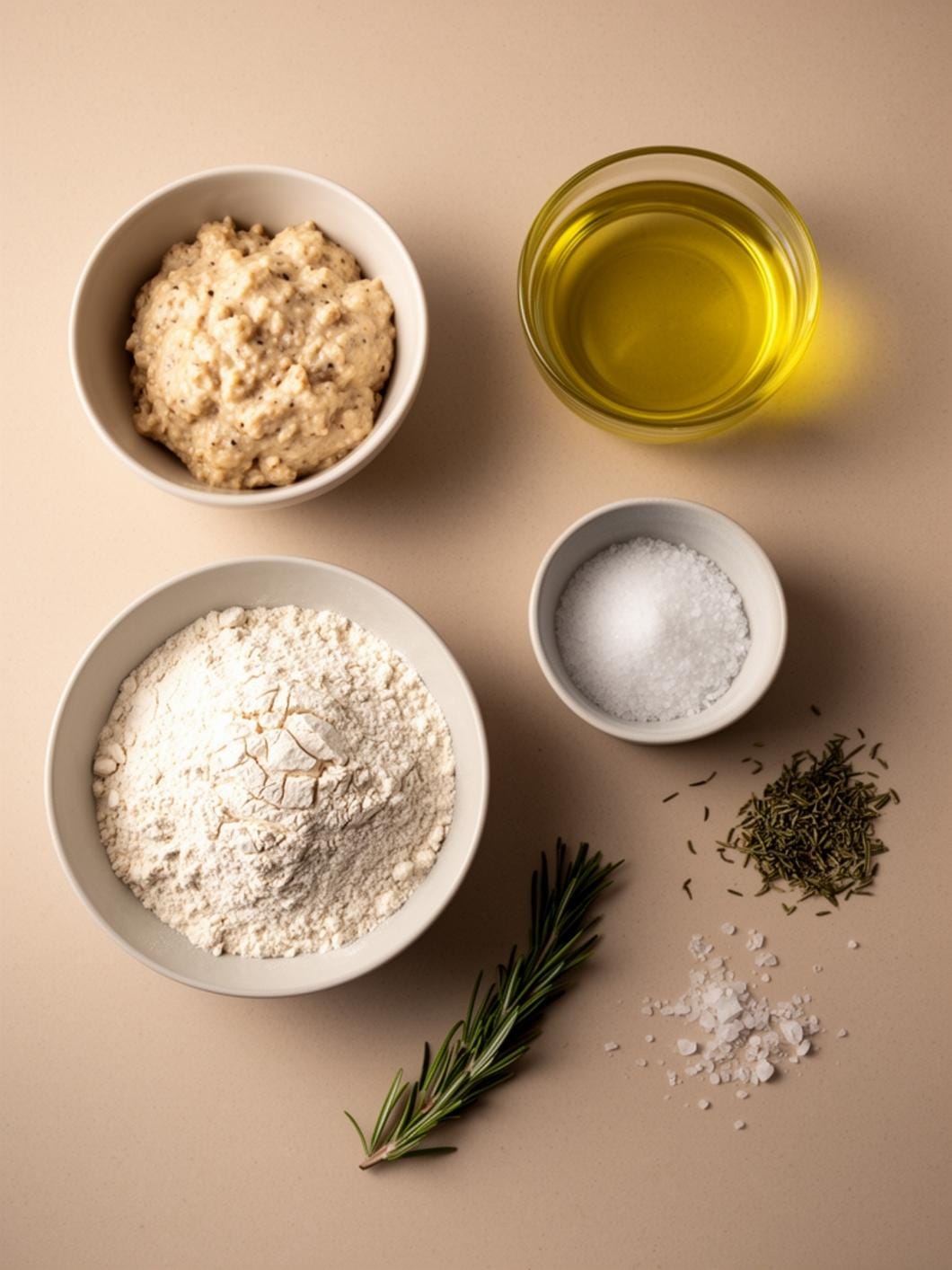
- 1 cup active sourdough starter
- 1 ½ cups warm water (about 95-105°F)
- 4 cups all-purpose flour
- 2 teaspoons fine sea salt
- ¼ cup olive oil, plus more for drizzling
- 1 teaspoon dried rosemary (optional)
- Flaky sea salt, for sprinkling
For the flour, all-purpose works beautifully here, providing a tender crumb. If you prefer a slightly chewier texture, you can substitute up to half of the all-purpose flour with bread flour. When it comes to olive oil, using a good quality extra virgin olive oil will significantly enhance the flavor of your focaccia, especially since it’s used generously. Feel free to experiment with different herbs if rosemary isn’t your favorite; dried oregano or a mix of Italian herbs would also be delicious.
Time Needed From Start To Finish
- Prep Time: 15 minutes (active mixing)
- Rise Time: 4-6 hours (or overnight in the fridge)
- Bake Time: 25-30 minutes
- Total Time: Approximately 4 hours 40 minutes to 6 hours 45 minutes (depending on rise time)
While the total time might seem long, remember that most of it is passive waiting for the dough to do its magic. You can easily fit this into a busy day by preparing the dough in the morning and baking it in the evening, or even letting it cold proof in the refrigerator overnight for baking the next day.
How To Make It Step By Step With Visual Cues

Creating this delicious sourdough focaccia is a rewarding process. Follow these steps for a perfect loaf every time.
- Combine the Wet Ingredients: In a large mixing bowl, gently whisk together your active sourdough starter and the warm water until the starter is mostly dissolved. The mixture should look milky and slightly bubbly.
- Add Dry Ingredients and Mix: Stir in the all-purpose flour and fine sea salt until just combined. The dough will be shaggy and sticky – resist the urge to add more flour. Cover the bowl with a clean kitchen towel or plastic wrap and let it rest for 30 minutes. This resting period, known as autolyse, helps the flour absorb the water and develop gluten.
- Perform the First Stretch and Fold: After the rest, drizzle about 1 tablespoon of olive oil over the dough. With wet hands, grab a section of the dough from the edge, stretch it upwards, and fold it over to the center. Rotate the bowl a quarter turn and repeat this process 3-4 more times until the dough feels slightly smoother and more elastic. Cover and let it rest for another 30 minutes.
- Repeat Stretch and Folds: Repeat the stretch and fold process two more times, with 30-minute rests in between each set. After the third set, the dough should be noticeably smoother, more cohesive, and have some visible air bubbles.
- Bulk Fermentation: Drizzle a little olive oil into a clean, large bowl or a 9×13 inch baking pan. Transfer the dough to the oiled bowl/pan, turning it once to coat. Cover tightly with plastic wrap and let it rise at room temperature for 4-6 hours, or until it has almost doubled in size and is very bubbly. Alternatively, you can refrigerate it overnight for a slower, colder proof.
- Dimple and Top the Dough: Preheat your oven to 425°F (220°C). If using a bowl for the bulk fermentation, gently transfer the risen dough to a well-oiled 9×13 inch baking pan. Drizzle generously with olive oil (about 2-3 tablespoons). Using your fingertips, gently dimple the entire surface of the dough, pressing almost all the way down to the bottom of the pan. Sprinkle with dried rosemary (if using) and a generous amount of flaky sea salt.
- Bake to Golden Perfection: Place the focaccia in the preheated oven and bake for 25-30 minutes, or until the top is golden brown and the edges are crispy. The internal temperature should register around 200-210°F (93-99°C) if you have a thermometer.
- Cool and Serve: Once baked, carefully remove the focaccia from the oven. Let it cool in the pan for a few minutes before transferring it to a wire rack to cool completely. Slicing it while still warm is perfectly fine, but allowing it to cool slightly helps set the texture.
Easy Variations And Serving Ideas That Fit Real Life
This sourdough focaccia is incredibly versatile and can be adapted to suit any meal or occasion. For a kid-friendly twist, try adding a sprinkle of grated Parmesan cheese or a few cherry tomato halves before baking. If you want to elevate it for a party or buffet, consider adding thinly sliced red onion, olives, or sun-dried tomatoes to the top before dimpling. A drizzle of balsamic glaze after baking also adds a lovely touch.
- Dipping: Serve warm with a good quality olive oil, balsamic vinegar, or a homemade pesto.
- Sandwiches: Slice it horizontally for unique and flavorful sandwich bread. It’s fantastic with deli meats, cheese, or grilled vegetables.
- Soup Companion: It’s the perfect accompaniment to a hearty bowl of soup or stew, ideal for soaking up every last drop.
- Appetizer: Cut into small squares or strips and serve alongside a charcuterie board.
- Garlic Bread: Brush with garlic butter after baking for an incredible garlic focaccia.
Common Slip-Ups And How To Avoid Them
Even with a simple recipe, a few common mistakes can impact your focaccia. Knowing what to watch out for can help you achieve perfect results every time.
- Adding Too Much Flour: The dough will be very wet and sticky, especially in the initial stages. Resist the urge to add more flour than specified, as this will result in a dense, dry focaccia instead of the desired airy texture. Embrace the stickiness!
- Not Enough Rise Time: Sourdough fermentation takes time. If your kitchen is cool, the dough will need longer to rise. Don’t rush it; look for visual cues like doubling in size and plenty of bubbles rather than strictly adhering to a time limit. Under-proofed dough will be dense.
- Over-Handling the Dough: After the bulk fermentation, handle the dough gently. You want to preserve all those wonderful air bubbles that have developed, which contribute to the focaccia’s signature airy crumb.
- Not Enough Olive Oil: Focaccia loves olive oil! Be generous when oiling the pan and drizzling over the top before baking. This contributes to the crispy crust and rich flavor.
- Baking at Too Low a Temperature: A hot oven is crucial for focaccia to get that beautiful golden crust and airy interior quickly. Ensure your oven is fully preheated to the specified temperature.
How To Store It And Make It Ahead Without Ruining Texture
This sourdough focaccia is best enjoyed fresh, warm from the oven. However, if you have leftovers or want to get a head start, here’s how to manage it:
- Storage: Store cooled focaccia at room temperature in an airtight container or wrapped tightly in plastic wrap for up to 2-3 days. It tends
FAQs
- Can I make these ahead? Yes—prep ahead, refrigerate, then serve when ready.
- How long do leftovers last? Store covered in the fridge for 3–4 days for best texture.
- Can I adjust sweetness? Yes—add more or less sweetener to taste.
- Can I change the fruit? Yes—swap strawberries for blueberries, raspberries, or sliced banana.