
Baking delicious sourdough bread doesn’t have to be a complicated, multi-day affair.
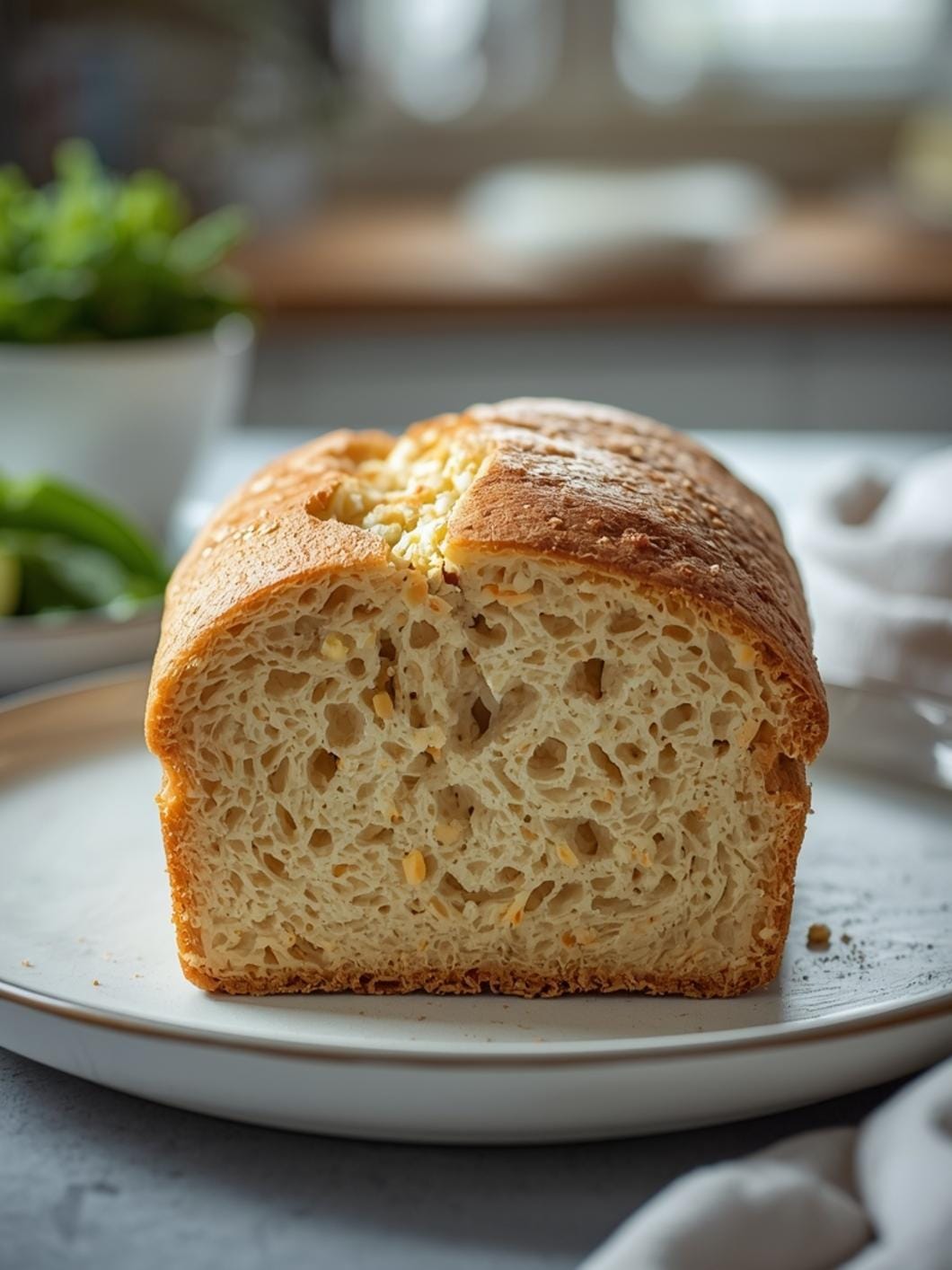
This overnight recipe for a classic sandwich loaf is designed for busy home bakers who crave that tangy, chewy goodness without all the fuss. It’s perfect for anyone looking to incorporate the wonderful flavor of sourdough into their daily meals with minimal hands-on time.
Imagine waking up to the aroma of freshly baked bread, ready to be sliced for breakfast toast or packed into lunchboxes. This recipe simplifies the process, allowing the dough to develop its characteristic sourdough flavor and texture while you sleep, making it an ideal choice for everyday baking.

Overnight Sourdough Sandwich Bread
- Total Time: 12-18 hours (45-60 minutes active)
- Yield: 1 loaf 1x
Description
Bake a delicious, tangy sourdough sandwich loaf with minimal hands-on time using this overnight recipe. Perfect for busy home bakers, this bread is soft, sturdy, and ideal for sandwiches, toast, or alongside meals.
Ingredients
Instructions
1. Prepare the Dough in the Evening: In a large mixing bowl, combine the active sourdough starter, warm water, granulated sugar (or honey), and salt. Stir well until the starter is mostly dissolved. Gradually add the flour, mixing with a wooden spoon or your hands until a shaggy dough forms and no dry streaks of flour remain.
2. Initial Knead and Rest: Turn the dough out onto a lightly floured surface. Knead for about 5-7 minutes until the dough starts to come together and feels a bit smoother. It doesn’t need to be perfectly smooth at this stage. Lightly grease your mixing bowl with olive oil, place the dough back in, turn it once to coat, and cover the bowl tightly with plastic wrap or a damp kitchen towel.
3. Overnight Bulk Fermentation: Let the dough rest at cool room temperature (around 68-72 F) for 8-12 hours, or until it has visibly increased in size (usually doubled) and looks bubbly. If your kitchen is warmer, it might be ready sooner; if cooler, it might take longer. This is the “overnight” part!
4. Shape the Loaf in the Morning: Gently turn the risen dough out onto a lightly floured surface. Gently deflate it and shape it into a rectangular loaf that will fit snugly into your loaf pan. You can do this by gently patting it into a rectangle, then folding the longer sides into the middle, and then rolling it up tightly from one short end to the other. Pinch the seam closed.
5. Second Proof (Final Rise): Lightly grease a 9×5-inch loaf pan with olive oil. Place the shaped dough seam-side down into the prepared pan. Cover the pan loosely with plastic wrap or a clean kitchen towel. Let it rise in a warm spot for another 2-4 hours, or until the dough has risen about 1 inch above the rim of the pan and looks puffy. You can gently poke it with a floured finger; if the indentation springs back slowly, it’s ready.
6. Preheat Oven and Bake: About 30 minutes before baking, preheat your oven to 400 F (200 C). Once preheated, place the loaf pan in the center of the oven. Bake for 35-45 minutes, or until the crust is deeply golden brown and the internal temperature reaches 200-210 F (93-99 C) when checked with an instant-read thermometer.
7. Cool Completely: Once baked, immediately remove the bread from the loaf pan and place it on a wire rack to cool completely. This is a crucial step! Resist the urge to slice into it while hot, as it will be gummy and dense. Allow it to cool for at least 1-2 hours for the best texture and flavor.
- Prep Time: 30-35 minutes
- Cook Time: 35-45 minutes
- Category: bread
- Method: baking
- Cuisine: american
Nutrition
- Serving Size: 1 slice
Keywords: sourdough, bread, sandwich, overnight, easy, homemade, baking, loaf
What You’ll Love About This Quick And Easy Recipe
This easy sourdough sandwich bread recipe is a game-changer for several reasons. First and foremost, its overnight fermentation means most of the work happens while you’re not actively in the kitchen. You’ll spend about 15-20 minutes in the evening mixing the dough, and then a similar amount of time the next morning shaping and baking. This makes it incredibly practical for weeknight prep or weekend baking without sacrificing your entire day. It’s perfect for families who go through a lot of bread, providing a wholesome, homemade alternative to store-bought loaves. The gentle tang of sourdough paired with a soft, yet sturdy crust makes it ideal for everything from classic deli sandwiches to avocado toast, or simply served with butter and jam. This recipe is designed for those who appreciate the benefits of sourdough—better digestibility and incredible flavor—but need a streamlined approach that fits into a busy schedule.
Everything You Need To Make This Recipe Without Stress
Gathering your ingredients before you begin will make the baking process smooth and enjoyable. This recipe uses common pantry staples, with the star being your active sourdough starter. If you don’t have one, you can often get a small amount from a friend, a local bakery, or even purchase one online. Make sure your starter is active and bubbly, meaning it has been fed recently and is at its peak of activity, which is crucial for a good rise.
INGREDIENTS:
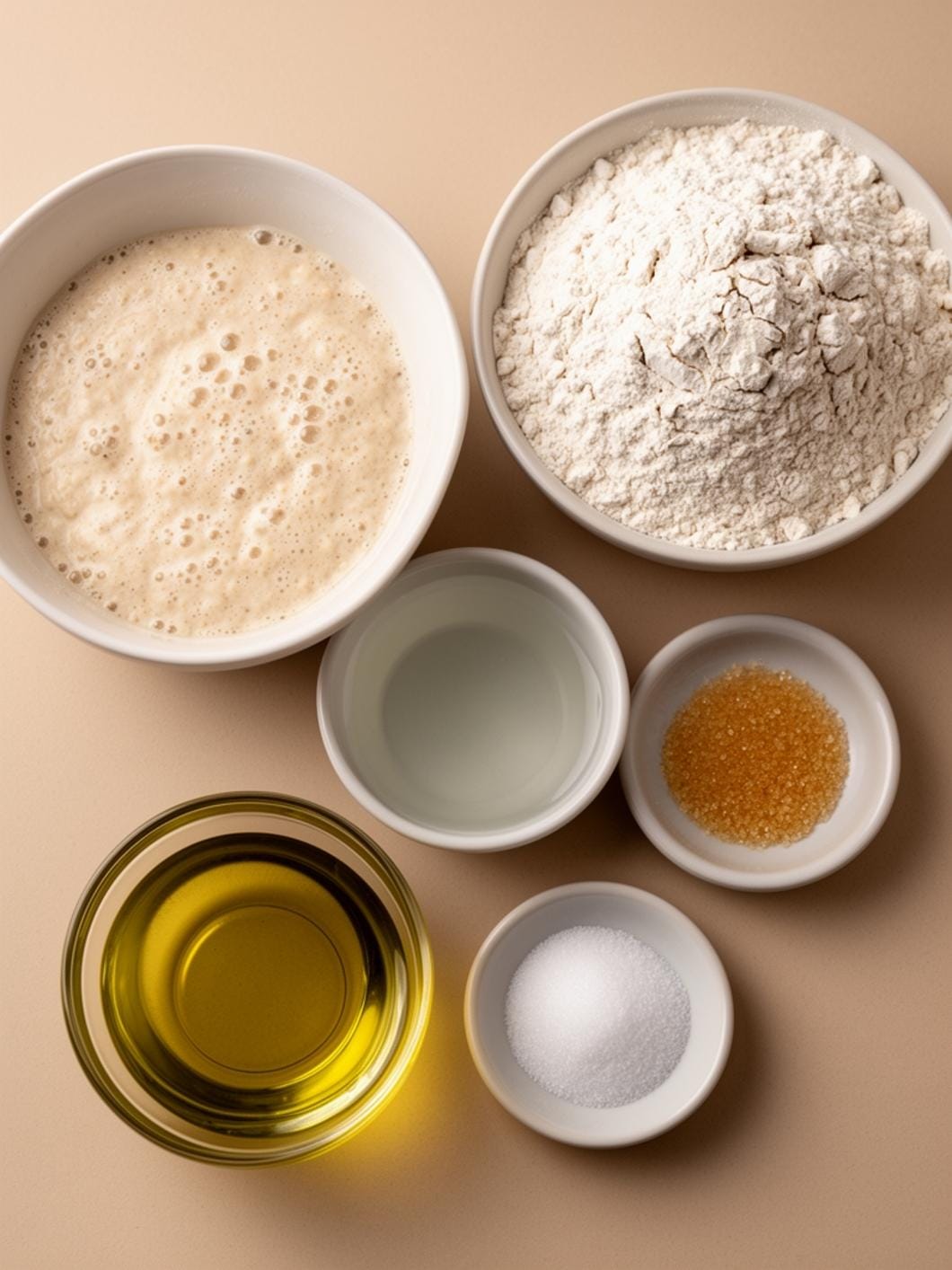
- 1 cup active sourdough starter (fed and bubbly)
- 1 ½ cups warm water (around 95-105°F)
- 1 tablespoon granulated sugar (or honey)
- 1 ½ teaspoons salt
- 4 cups all-purpose flour (or bread flour)
- 2 tablespoons olive oil (plus extra for greasing)
For the flour, while all-purpose works well for a soft crumb, bread flour will give you a slightly chewier texture and a bit more structure. Feel free to use whichever you have on hand. The sugar or honey is there to give the yeast in your starter a little boost and contribute to a lovely golden-brown crust. Olive oil adds tenderness and a subtle richness to the loaf. If you don’t have olive oil, any neutral-flavored oil like vegetable or canola oil will work just as well.
Time Needed From Start To Finish
This recipe is structured to maximize passive time and minimize active effort, making it truly overnight-friendly.
- Active Prep Time: 15-20 minutes (for mixing dough and initial knead in the evening)
- Overnight Bulk Fermentation: 8-12 hours (passive, while you sleep)
- Morning Prep Time: 10-15 minutes (for shaping and final proof setup)
- Final Proof Time: 2-4 hours (passive, depending on room temperature)
- Bake Time: 35-45 minutes
- Cooling Time: 1-2 hours (essential for best texture)
- Total Realistic Time Commitment: Approximately 12-18 hours, with only about 45-60 minutes of active hands-on work spread across two days.
How To Make It Step By Step With Visual Cues

Following these steps will guide you to a perfectly baked sourdough sandwich loaf. Remember, baking is also about observation, so pay attention to how your dough feels and looks.
- Prepare the Dough in the Evening: In a large mixing bowl, combine the active sourdough starter, warm water, granulated sugar (or honey), and salt. Stir well until the starter is mostly dissolved. Gradually add the flour, mixing with a wooden spoon or your hands until a shaggy dough forms and no dry streaks of flour remain.
- Initial Knead and Rest: Turn the dough out onto a lightly floured surface. Knead for about 5-7 minutes until the dough starts to come together and feels a bit smoother. It doesn’t need to be perfectly smooth at this stage. Lightly grease your mixing bowl with olive oil, place the dough back in, turn it once to coat, and cover the bowl tightly with plastic wrap or a damp kitchen towel.
- Overnight Bulk Fermentation: Let the dough rest at cool room temperature (around 68-72°F) for 8-12 hours, or until it has visibly increased in size (usually doubled) and looks bubbly. If your kitchen is warmer, it might be ready sooner; if cooler, it might take longer. This is the “overnight” part!
- Shape the Loaf in the Morning: Gently turn the risen dough out onto a lightly floured surface. Gently deflate it and shape it into a rectangular loaf that will fit snugly into your loaf pan. You can do this by gently patting it into a rectangle, then folding the longer sides into the middle, and then rolling it up tightly from one short end to the other. Pinch the seam closed.
- Second Proof (Final Rise): Lightly grease a 9×5-inch loaf pan with olive oil. Place the shaped dough seam-side down into the prepared pan. Cover the pan loosely with plastic wrap or a clean kitchen towel. Let it rise in a warm spot for another 2-4 hours, or until the dough has risen about 1 inch above the rim of the pan and looks puffy. You can gently poke it with a floured finger; if the indentation springs back slowly, it’s ready.
- Preheat Oven and Bake: About 30 minutes before baking, preheat your oven to 400°F (200°C). Once preheated, place the loaf pan in the center of the oven. Bake for 35-45 minutes, or until the crust is deeply golden brown and the internal temperature reaches 200-210°F (93-99°C) when checked with an instant-read thermometer.
- Cool Completely: Once baked, immediately remove the bread from the loaf pan and place it on a wire rack to cool completely. This is a crucial step! Resist the urge to slice into it while hot, as it will be gummy and dense. Allow it to cool for at least 1-2 hours for the best texture and flavor.
Easy Variations And Serving Ideas That Fit Real Life
This basic sourdough sandwich bread is incredibly versatile, making it easy to adapt for different tastes and occasions. For a little extra flavor and texture, you can try adding a handful of seeds like sesame, poppy, or sunflower seeds to the dough during the initial mixing stage. For a slightly sweeter loaf, increase the sugar to 2 tablespoons or add a touch of honey. If you’re looking for a richer crumb, you can replace a quarter cup of the water with milk.
This bread is fantastic for everyday meals. Use thick slices for hearty sandwiches with your favorite deli meats and cheeses, or make a classic BLT. It also makes incredible toast for breakfast, especially with a smear of butter and jam, or topped with avocado and a sprinkle of everything bagel seasoning. For a quick and satisfying dinner, serve it alongside a warm bowl of soup or a fresh salad. Kids often love this bread toasted with a little butter and cinnamon sugar, or as the base for mini pizzas. You can even cube stale bread to make homemade croutons for salads or French toast casserole.
Common Slip-Ups And How To Avoid Them
Even with a straightforward recipe, a few common mistakes can impact your results. Being aware of them can help you bake a perfect loaf every time.
- Using an Inactive Starter: This is perhaps the most common issue. If your sourdough starter isn’t active and bubbly (meaning it hasn’t been fed recently and isn’t at its peak), your bread won’t rise properly. Always feed your starter 4-12 hours before you plan to use it and ensure it’s lively and full of bubbles before mixing.
- Not Enough Kneading (Initial Mix): While this isn’t a heavily kneaded dough, the initial 5-7 minutes of kneading helps develop some gluten structure. If your dough feels too shaggy or doesn’t come together at all, it might need a minute or two more of gentle kneading.
- Over-Proofing or Under-Proofing: The bulk fermentation and final proofing times are estimates. The actual time depends on your kitchen temperature and the strength of your starter. Over-proofed dough will collapse in the oven, leading to a dense crumb. Under-proofed dough will be very dense and have large, irregular holes. Learn to judge by sight and feel: the dough should be visibly puffy and pass the “poke test” (an indentation springs back slowly).
- **Slic

FAQs
- Can I make these ahead? Yes—prep ahead, refrigerate, then serve when ready.
- How long do leftovers last? Store covered in the fridge for 3–4 days for best texture.
- Can I adjust sweetness? Yes—add more or less sweetener to taste.
- Can I change the fruit? Yes—swap strawberries for blueberries, raspberries, or sliced banana.