
Baking your own sourdough sandwich bread might sound intimidating, but this recipe is designed to be incredibly approachable for home bakers of all skill levels. Imagine the aroma filling your kitchen and the satisfaction of slicing into a warm, soft loaf perfect for your family’s favorite sandwiches.

This easy sourdough sandwich bread is a game-changer for everyday meals. It delivers that signature tangy sourdough flavor with a wonderfully soft crumb, making it ideal for everything from classic deli meat sandwiches to grilled cheese or even just a slice with butter. Get ready to make a homemade loaf that will quickly become a beloved staple in your kitchen.
Table of Contents
- What You’ll Love About This Quick And Easy Recipe
- Everything You Need To Make This Recipe Without Stress
- Time Needed From Start To Finish
- How To Make It Step By Step With Visual Cues
- Easy Variations And Serving Ideas That Fit Real Life
- Common Slip-Ups And How To Avoid Them
- How To Store It And Make It Ahead Without Ruining Texture

Easy Sourdough Sandwich Bread
- Total Time: 5-7 hours
- Yield: 1 loaf 1x
Description
This recipe makes an incredibly approachable sourdough sandwich bread with a wonderfully soft crumb and signature tangy flavor, perfect for everyday meals. It’s designed for home bakers of all skill levels, balancing authentic sourdough taste with a straightforward process.
Ingredients
Instructions
1. In a large mixing bowl, gently mix your active sourdough starter with the warm water until the starter is mostly dissolved. The mixture will look milky and slightly frothy.
2. To the wet mixture, add the all-purpose flour, fine sea salt, and granulated sugar. Mix with a wooden spoon or your hands until a shaggy dough forms and all the flour is hydrated. It doesn’t need to be perfectly smooth at this stage.
3. Turn the shaggy dough out onto a lightly floured surface. Add the softened unsalted butter to the dough. Knead the dough for about 8-10 minutes until it becomes smooth, elastic, and passes the “windowpane test” (you can stretch a small piece thin enough to see light through it without tearing).
4. Place the kneaded dough into a lightly oiled bowl, turning it once to coat. Cover the bowl with plastic wrap or a damp kitchen towel and let it rise in a warm spot for 3-4 hours, or until it has doubled in size. The dough should look puffy and have some visible bubbles.
5. Gently turn the risen dough out onto a lightly floured surface. Gently deflate it and shape it into a tight log or oblong shape that will fit comfortably into your loaf pan. The goal is to create surface tension on the dough for a good rise.
6. Place the shaped dough into a greased 9×5-inch loaf pan. Cover the pan loosely with plastic wrap or a damp towel and let it rise again for 1-2 hours, or until it has nearly doubled in size and looks puffy. It should pass the “poke test” – when gently poked with a floured finger, the indentation should spring back slowly.
7. While the dough is on its second rise, preheat your oven to 375 F (190 C). Once the dough is ready, place the loaf pan in the preheated oven and bake for 35-40 minutes, or until the crust is golden brown and the internal temperature reaches 200-210 F (93-99 C) with an instant-read thermometer.
8. Remove the bread from the oven and immediately transfer it from the loaf pan to a wire rack to cool completely before slicing. This is crucial for the texture; slicing hot bread can make it gummy.
- Prep Time: 20 minutes
- Cook Time: 35-40 minutes
- Category: bread
- Method: baking
- Cuisine: american
Nutrition
- Serving Size: 1 slice
Keywords: sourdough, sandwich bread, homemade bread, easy sourdough, tangy bread, soft bread, baking, comfort food, family meal, lunchbox
What You’ll Love About This Quick And Easy Recipe
This particular sourdough sandwich bread recipe shines because it balances authentic sourdough flavor with a straightforward process. It’s perfect for anyone looking to incorporate homemade bread into their weekly routine without feeling overwhelmed by complex techniques or a multi-day commitment. This loaf is designed for busy families who appreciate real food and want to avoid store-bought additives. You can serve it at breakfast with jam, pack it in lunchboxes, or use it as the foundation for a hearty dinner sandwich. It’s a versatile, comforting bread that truly elevates everyday meals and is guaranteed to impress with minimal fuss.
Everything You Need To Make This Recipe Without Stress
Gathering your ingredients before you begin ensures a smooth baking process. This recipe uses common pantry staples, making it easy to whip up a fresh loaf whenever the craving strikes.
INGREDIENTS:
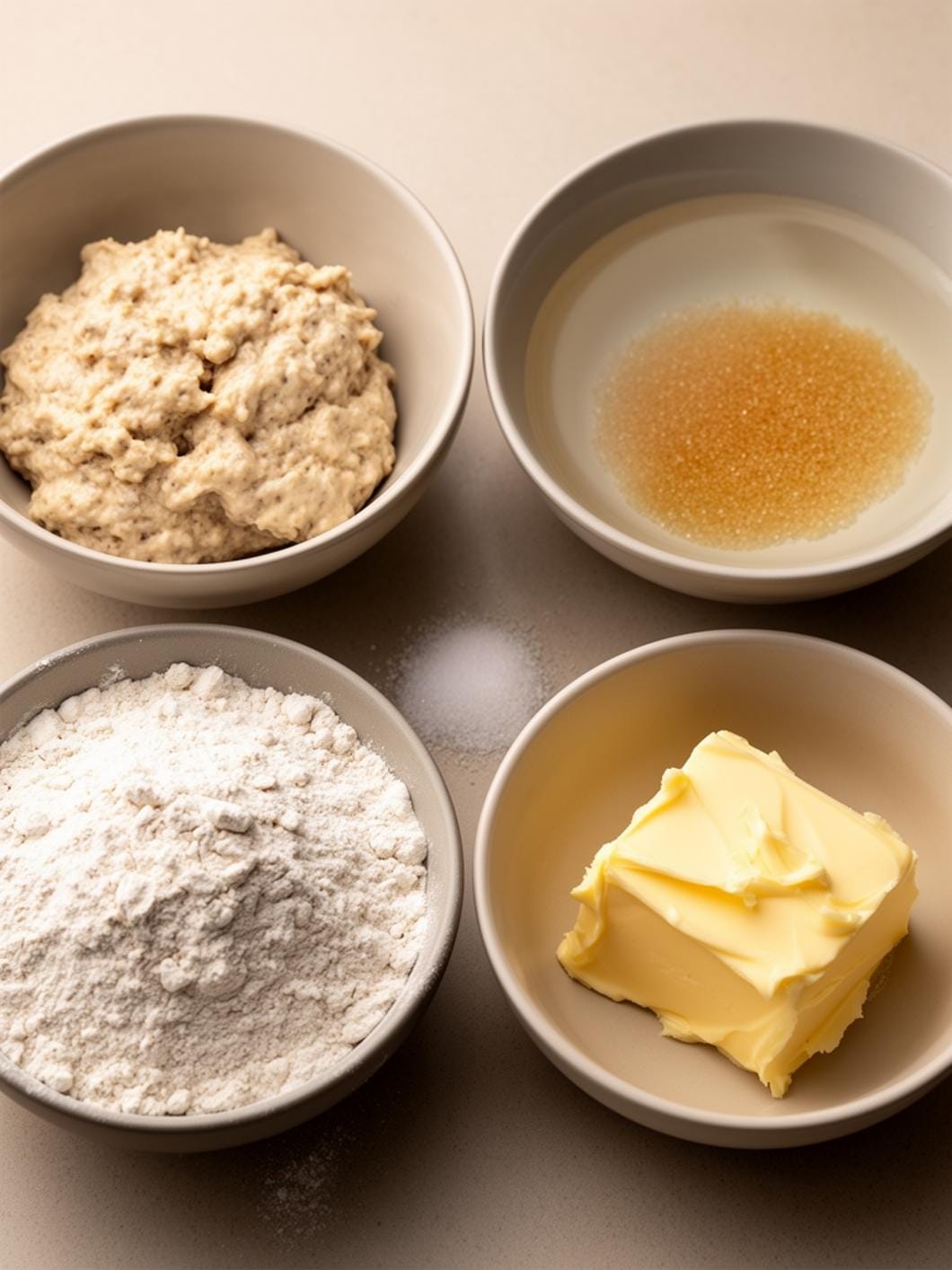
- 150 grams active sourdough starter (fed and bubbly)
- 300 grams warm water (around 90-95°F / 32-35°C)
- 500 grams all-purpose flour
- 10 grams fine sea salt
- 20 grams granulated sugar
- 30 grams unsalted butter, softened
For the flour, all-purpose works beautifully for a soft sandwich loaf. If you prefer a slightly chewier texture, you can substitute up to 100 grams of the all-purpose flour with bread flour. When it comes to salt, fine sea salt or kosher salt are excellent choices; avoid table salt as it can be too potent. The sugar helps to feed the yeast in the starter and contributes to a lovely golden crust, but you can reduce it slightly if you prefer a less sweet bread. Make sure your butter is truly softened to room temperature, as this will help it incorporate smoothly into the dough.
Time Needed From Start To Finish
This recipe is designed for a relatively quick turnaround for sourdough, allowing you to enjoy fresh bread without an all-day commitment.
- Prep Time: 20 minutes (includes mixing the dough)
- Bulk Fermentation: 3-4 hours (first rise)
- Proofing: 1-2 hours (second rise)
- Bake Time: 35-40 minutes
- Total Time: Approximately 5-7 hours (mostly hands-off waiting time)
While the total time might seem long, most of it is passive waiting for the dough to rise. Your active involvement is minimal, making it a very manageable project even on a busy day.
How To Make It Step By Step With Visual Cues

Follow these simple steps to create your perfect sourdough sandwich loaf. The key is gentle handling and allowing the dough to do its work.
- Combine Wet Ingredients: In a large mixing bowl, gently mix your active sourdough starter with the warm water until the starter is mostly dissolved. The mixture will look milky and slightly frothy.
- Add Dry Ingredients: To the wet mixture, add the all-purpose flour, fine sea salt, and granulated sugar. Mix with a wooden spoon or your hands until a shaggy dough forms and all the flour is hydrated. It doesn’t need to be perfectly smooth at this stage.
- Incorporate Butter and Knead: Turn the shaggy dough out onto a lightly floured surface. Add the softened unsalted butter to the dough. Knead the dough for about 8-10 minutes until it becomes smooth, elastic, and passes the “windowpane test” (you can stretch a small piece thin enough to see light through it without tearing).
- First Rise (Bulk Fermentation): Place the kneaded dough into a lightly oiled bowl, turning it once to coat. Cover the bowl with plastic wrap or a damp kitchen towel and let it rise in a warm spot for 3-4 hours, or until it has doubled in size. The dough should look puffy and have some visible bubbles.
- Shape the Loaf: Gently turn the risen dough out onto a lightly floured surface. Gently deflate it and shape it into a tight log or oblong shape that will fit comfortably into your loaf pan. The goal is to create surface tension on the dough for a good rise.
- Second Rise (Proofing): Place the shaped dough into a greased 9×5-inch loaf pan. Cover the pan loosely with plastic wrap or a damp towel and let it rise again for 1-2 hours, or until it has nearly doubled in size and looks puffy. It should pass the “poke test” – when gently poked with a floured finger, the indentation should spring back slowly.
- Preheat Oven and Bake: While the dough is on its second rise, preheat your oven to 375°F (190°C). Once the dough is ready, place the loaf pan in the preheated oven and bake for 35-40 minutes, or until the crust is golden brown and the internal temperature reaches 200-210°F (93-99°C) with an instant-read thermometer.
- Cool Completely: Remove the bread from the oven and immediately transfer it from the loaf pan to a wire rack to cool completely before slicing. This is crucial for the texture; slicing hot bread can make it gummy.
Easy Variations And Serving Ideas That Fit Real Life
This basic sourdough sandwich bread is incredibly versatile and can be adapted to suit various tastes and occasions.
- Herb Infusion: For an aromatic twist, knead in 1-2 tablespoons of dried herbs like rosemary, thyme, or oregano during the last few minutes of kneading. This makes a fantastic savory bread for dinner.
- Cheesy Goodness: Add 1/2 cup of shredded cheddar or Gruyere cheese during the kneading process for a delicious cheesy loaf perfect for grilled cheese or alongside soup.
- Whole Wheat Blend: If you want to increase the fiber, substitute 50-100 grams of the all-purpose flour with whole wheat flour. This will result in a slightly denser loaf with a nuttier flavor.
- Sweet Swirl: Before the second rise, roll out the dough into a rectangle, spread a thin layer of cinnamon sugar (mixed with a little melted butter), then roll it up tightly into a log. This creates a delightful cinnamon swirl bread for breakfast or a snack.
- Classic Sandwiches: The soft crumb is perfect for turkey and provolone, ham and Swiss, or even a simple peanut butter and jelly.
- Toast: Slice it thick and toast it for breakfast with butter and jam, or avocado and a fried egg.
- Croutons: If you have any leftover bread, cut it into cubes, toss with olive oil and seasonings, and bake until crispy for homemade croutons.
- Garlic Bread: Slice the loaf, spread with garlic butter, and bake until golden for a delicious side with pasta dishes.
- Bread Pudding: Stale slices make an excellent base for a comforting bread pudding.
Common Slip-Ups And How To Avoid Them
Even experienced bakers can encounter small challenges. Here are some common issues and how to prevent them for a perfect loaf every time.
- Dense or Gummy Bread: This often happens if the dough isn’t kneaded enough, if it’s over-proofed, or if it’s sliced before cooling completely. Ensure you knead until the dough is elastic and passes the windowpane test. Watch your proofing times carefully, and always let the bread cool fully on a wire rack.
- No Rise: A lack of rise usually points to an inactive sourdough starter. Make sure your starter is fed and bubbly, showing signs of activity (doubling in size after feeding) before you begin. Also, ensure your water isn’t too hot, as it can kill the yeast in the starter.
- Crumbly or Dry Bread: This can be due to too much flour or not enough hydration. Measure your ingredients accurately, especially the flour, preferably by weight. If your dough feels too dry during kneading, you can add a tiny bit more water, a teaspoon at a time, until it reaches the right consistency.
- Uneven Crust: Sometimes the top browns too quickly. If this happens, you can loosely tent the loaf with aluminum foil during the last 10-15 minutes of baking to prevent over-browning while the interior finishes cooking.
- Sticking to the Pan: Always grease your loaf pan thoroughly, or line it with parchment paper, especially if you’ve had sticking issues in the past.
How To Store It And Make It Ahead Without Ruining Texture
Proper storage is key to keeping your homemade sourdough sandwich bread fresh and

FAQs
- Can I make these ahead? Yes—prep ahead, refrigerate, then serve when ready.
- How long do leftovers last? Store covered in the fridge for 3–4 days for best texture.
- Can I adjust sweetness? Yes—add more or less sweetener to taste.
- Can I change the fruit? Yes—swap strawberries for blueberries, raspberries, or sliced banana.