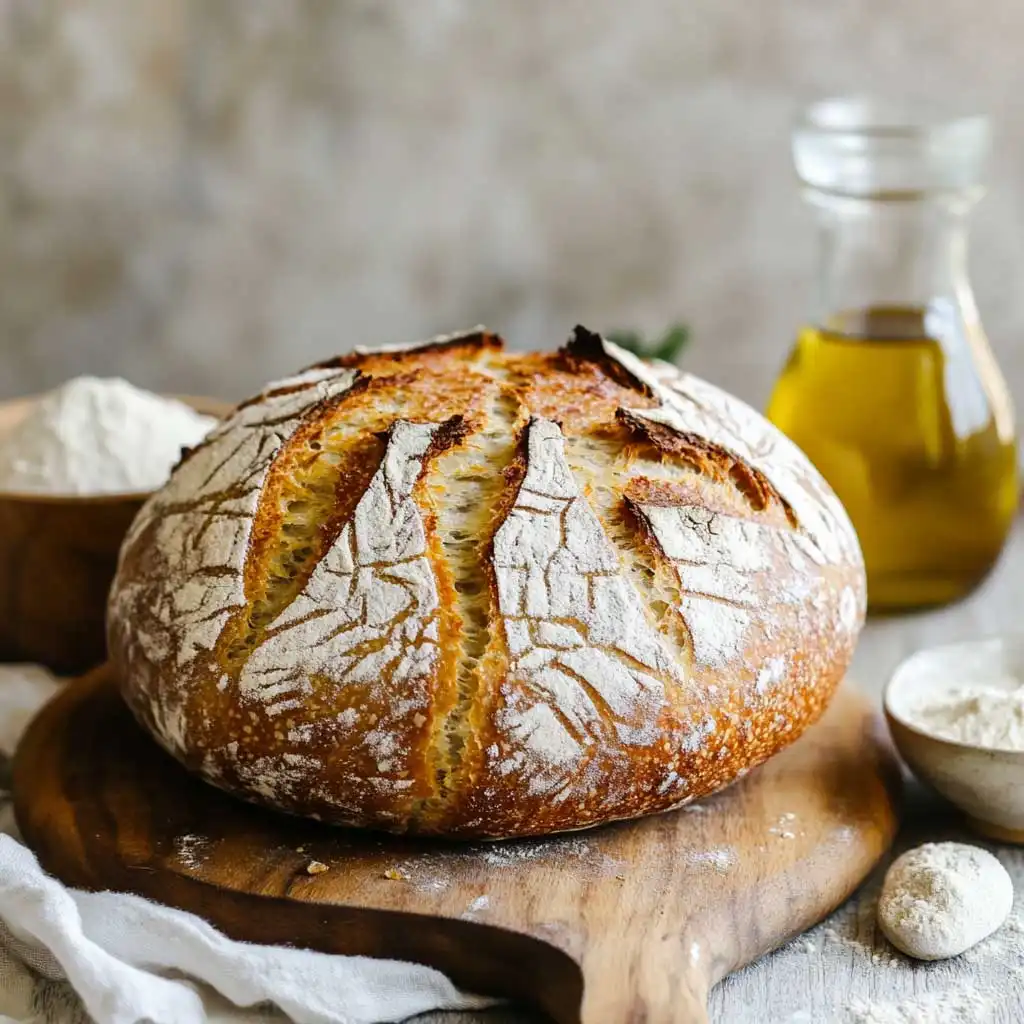

Elevate your homemade sourdough with beautiful, artistic touches! Scoring isn’t just for looks; it helps control how your bread expands in the oven, ensuring a gorgeous, even rise. But let’s be honest, the real fun is turning a simple loaf into a work of art.
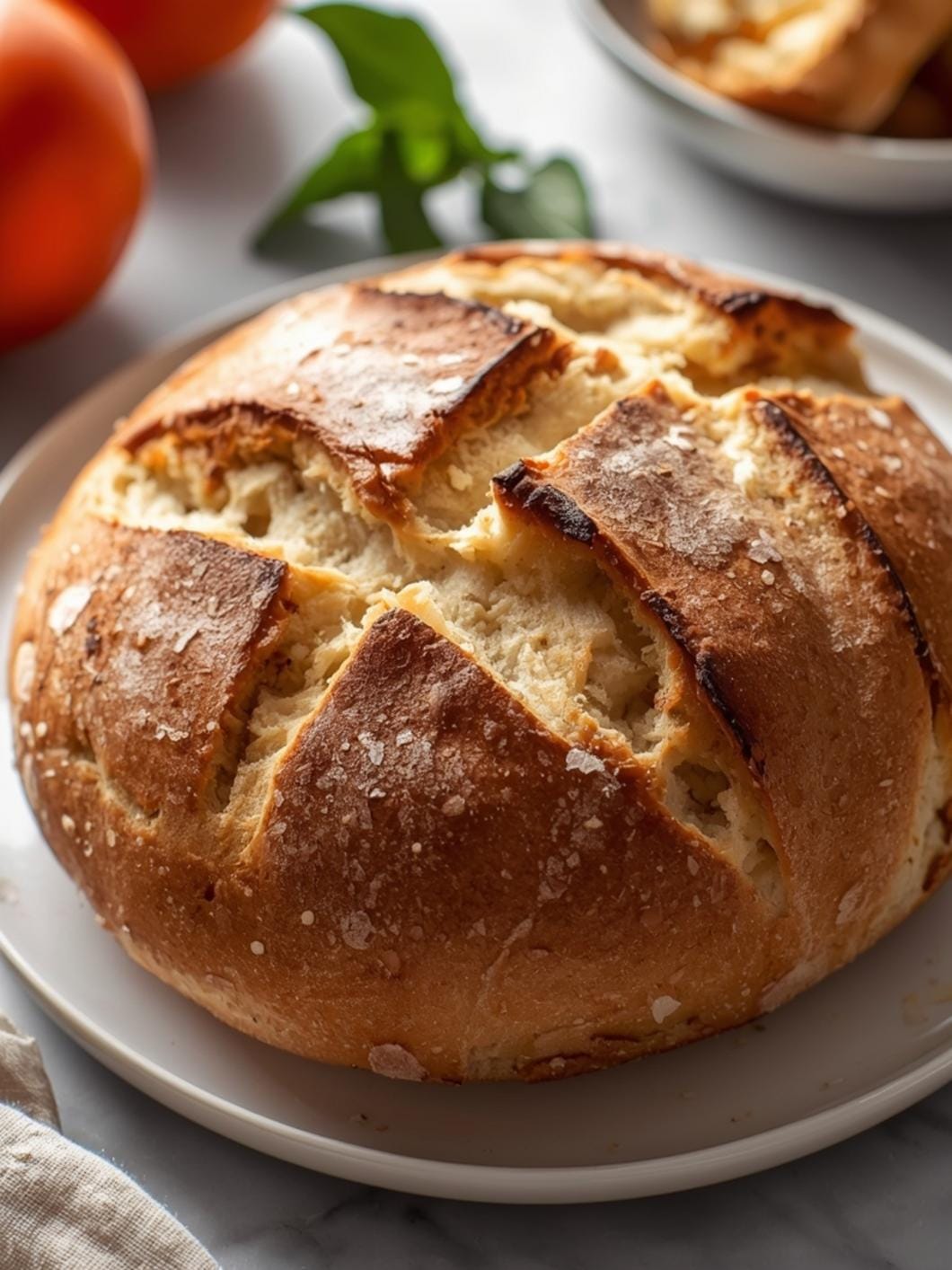
This guide focuses on easy, beginner-friendly scoring patterns that will make your bread look like it came from a professional bakery, without needing any advanced skills. Get ready to impress everyone with your stunning sourdough creations!
Table of Contents
- What You’ll Love About This Quick And Easy Recipe
- Everything You Need To Make This Recipe Without Stress
- Time Needed From Start To Finish
- How To Make It Step By Step With Visual Cues
- Easy Variations And Serving Ideas That Fit Real Life
- Common Slip-Ups And How To Avoid Them
- How To Store It And Make It Ahead Without Ruining Texture
- Questions People Always Ask Before Making This Recipe

Sourdough Scoring Techniques: Easy Patterns for Beautiful Loaves
- Total Time: 1-5 minutes
- Yield: 1 loaf
Description
Elevate your homemade sourdough with beautiful, artistic touches! Scoring isn’t just for looks; it helps control how your bread expands in the oven, ensuring a gorgeous, even rise. But let’s be honest, the real fun is turning a simple loaf into a work of art. This guide focuses on easy, beginner-friendly scoring patterns that will make your bread look like it came from a professional bakery, without needing any advanced skills. Get ready to impress everyone with your stunning sourdough creations!
Ingredients
Instructions
1. Prepare Your Blade: Ensure your lame or razor blade is extremely sharp. A dull blade will drag and tear the dough, rather than making a clean cut. If using a razor blade without a handle, hold it firmly between your thumb and forefinger.
2. Angle Your Cuts: For most decorative scores, you want to hold your blade at about a 30-45 degree angle to the surface of the dough, not straight up and down (90 degrees). This angle helps create a “flap” that will open beautifully during baking. For ear-like designs, a very shallow angle (almost parallel to the dough) works best.
3. The Classic “Ear” Score: This is a popular and beautiful score. Make one long, curved cut across the top of your loaf, from one end to the other. Hold the blade at a very shallow angle (almost horizontal) to the dough. This encourages a dramatic “ear” to form as the bread expands.
4. Simple Crosshatch Pattern: For an easy yet elegant look, make two diagonal cuts across the top of your loaf, forming an “X.” Then, make two more diagonal cuts in the opposite direction, creating a diamond or square pattern. Hold the blade at a 45-degree angle for these cuts.
5. Wheat Stalk Design: This is a lovely, rustic pattern. Make one long, slightly curved cut down the center of your loaf. Then, make several short, shallow cuts branching off from the main line, alternating sides, to resemble wheat grains. Keep these smaller cuts shallow and at a slight angle.
6. Leaf Pattern: Similar to the wheat stalk, but with a different feel. Make a central, slightly curved cut. Then, make several short, curved cuts coming off the main line, all pointing in the same direction, like the veins of a leaf.
7. Geometric Box Score: Make a square or rectangular cut around the perimeter of the top of your loaf. Then, make several parallel cuts inside this shape, either straight or slightly curved. This creates a neat, organized look.
8. Depth Matters: For decorative cuts, aim for a depth of about 1/4 to 1/2 inch. The main expansion score (like the “ear” cut) can be slightly deeper, up to 1/2 to 3/4 inch, to really encourage oven spring.
- Prep Time: 1-5 minutes
- Cook Time: N/A
- Category: baking
- Method: scoring
- Cuisine: bread
Nutrition
- Serving Size: 1 slice
Keywords: sourdough, scoring, bread, baking, artisan, homemade, patterns, loaves, technique, decorative
What You’ll Love About This Quick And Easy Recipe
This guide is perfect for anyone who bakes sourdough at home and wants to add a touch of visual flair to their loaves. Whether you’re a seasoned baker looking for new inspiration or a beginner trying to understand the basics of scoring, these ideas are designed to be simple, effective, and fun. You’ll love how easily you can transform a plain loaf into something truly special, making your bread not just delicious, but also a feast for the eyes. It’s ideal for everyday baking, bringing to a potluck, or simply enjoying a beautiful loaf with your family.
Everything You Need To Make This Recipe Without Stress
The best part about sourdough scoring is that you don’t need a pantry full of ingredients or fancy equipment. The key tools are likely already in your kitchen or easily accessible.
INGREDIENTS:
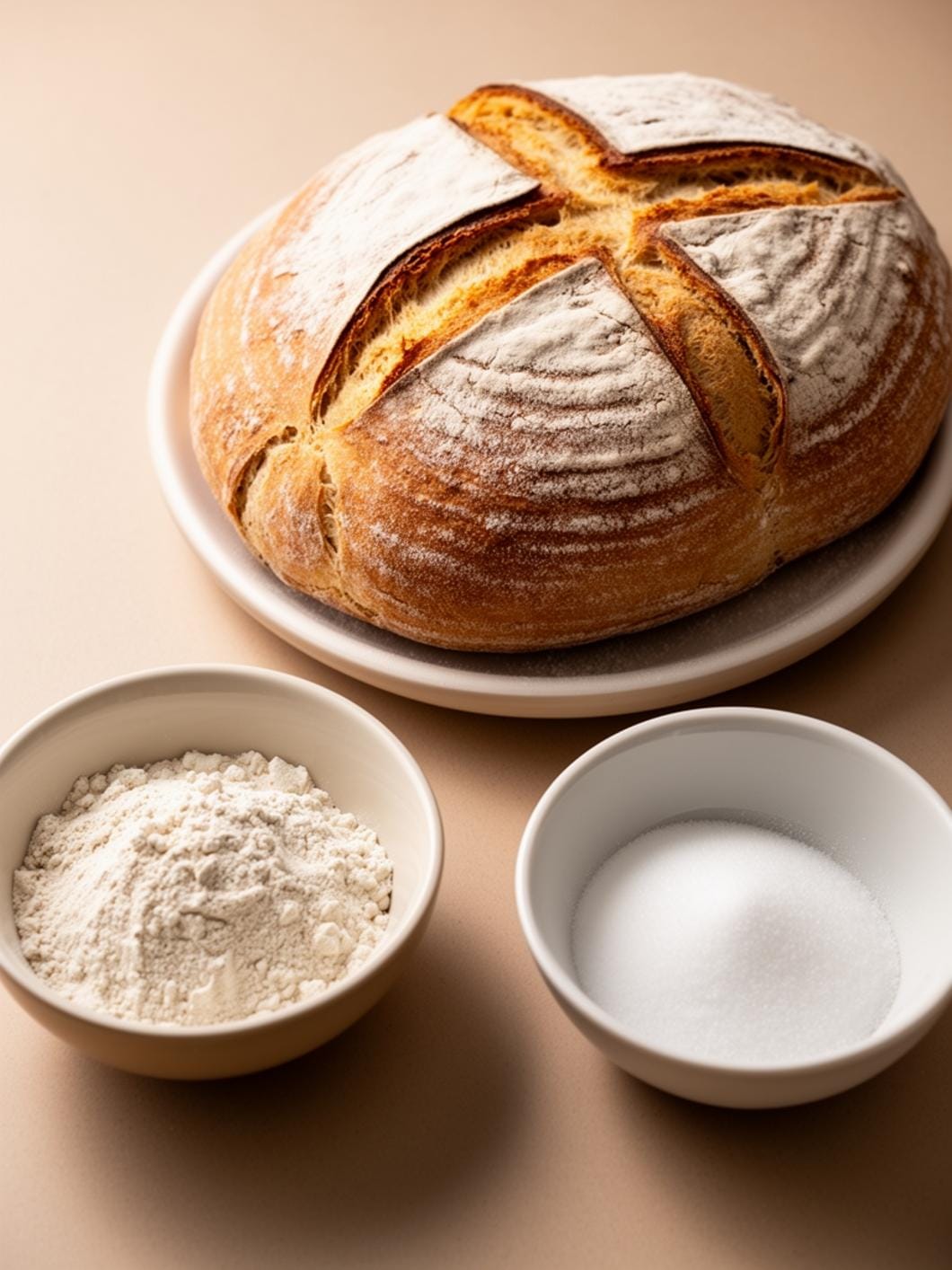
- Your prepared sourdough loaf (proofed and ready for scoring)
For scoring, you will need a very sharp blade. The most common tool is a *lame* (pronounced “lahm”), which is a small handle holding a razor blade. However, you can also use a very sharp paring knife or even a single-edged razor blade held carefully. The sharpness is crucial for clean cuts.
Time Needed From Start To Finish
Scoring your sourdough loaf is a very quick process that happens just before it goes into the oven. Prep time: 1-5 minutes (depending on the complexity of your chosen design) Cook time: N/A (this guide is about scoring, not baking) Total time: 1-5 minutes
How To Make It Step By Step With Visual Cues
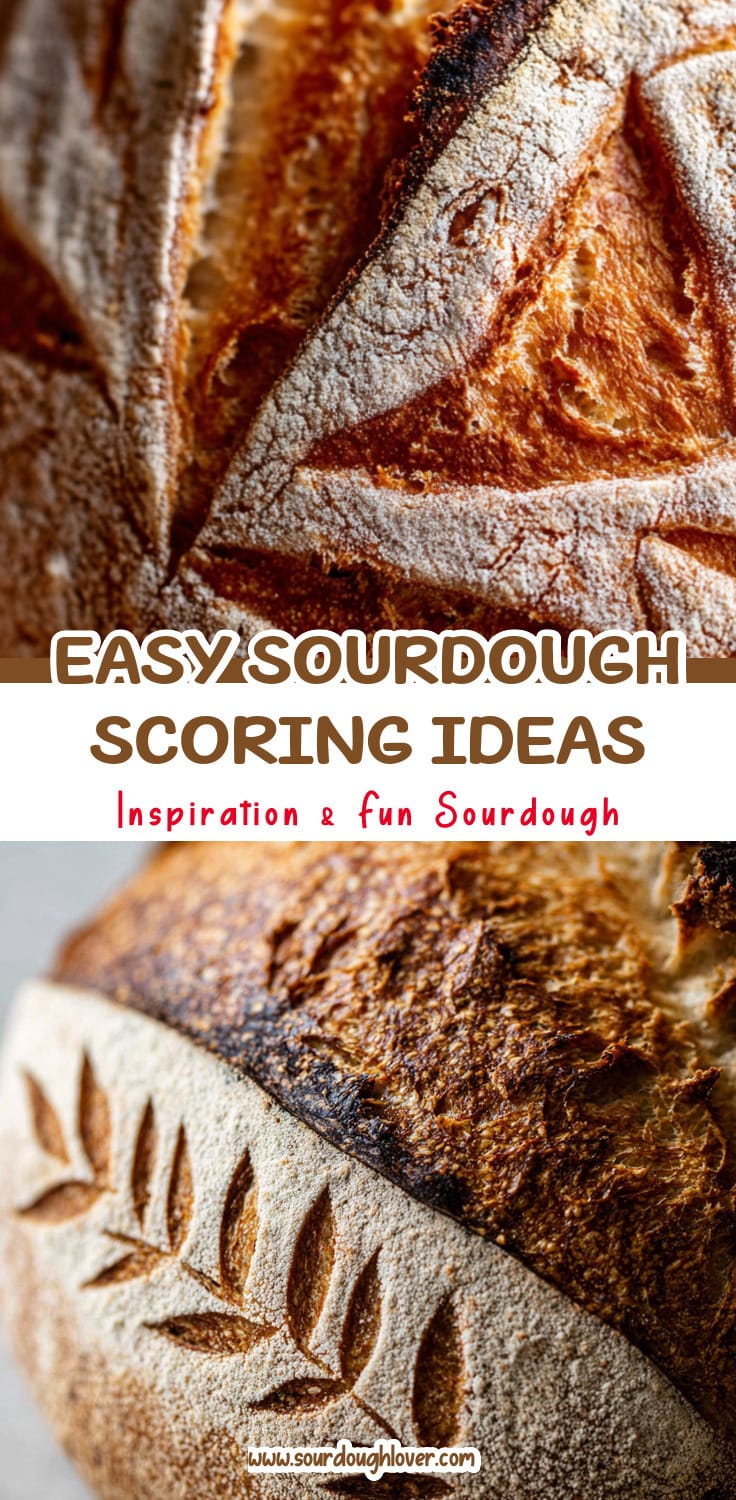
Scoring sourdough is all about making deliberate, quick cuts on the surface of your dough. Here are some easy patterns to try, along with tips for success. Remember, practice makes perfect!
- Prepare Your Blade: Ensure your lame or razor blade is extremely sharp. A dull blade will drag and tear the dough, rather than making a clean cut. If using a razor blade without a handle, hold it firmly between your thumb and forefinger.
- Angle Your Cuts: For most decorative scores, you want to hold your blade at about a 30-45 degree angle to the surface of the dough, not straight up and down (90 degrees). This angle helps create a “flap” that will open beautifully during baking. For ear-like designs, a very shallow angle (almost parallel to the dough) works best.
- The Classic “Ear” Score: This is a popular and beautiful score. Make one long, curved cut across the top of your loaf, from one end to the other. Hold the blade at a very shallow angle (almost horizontal) to the dough. This encourages a dramatic “ear” to form as the bread expands.
- Simple Crosshatch Pattern: For an easy yet elegant look, make two diagonal cuts across the top of your loaf, forming an “X.” Then, make two more diagonal cuts in the opposite direction, creating a diamond or square pattern. Hold the blade at a 45-degree angle for these cuts.
- Wheat Stalk Design: This is a lovely, rustic pattern. Make one long, slightly curved cut down the center of your loaf. Then, make several short, shallow cuts branching off from the main line, alternating sides, to resemble wheat grains. Keep these smaller cuts shallow and at a slight angle.
- Leaf Pattern: Similar to the wheat stalk, but with a different feel. Make a central, slightly curved cut. Then, make several short, curved cuts coming off the main line, all pointing in the same direction, like the veins of a leaf.
- Geometric Box Score: Make a square or rectangular cut around the perimeter of the top of your loaf. Then, make several parallel cuts inside this shape, either straight or slightly curved. This creates a neat, organized look.
- Depth Matters: For decorative cuts, aim for a depth of about 1/4 to 1/2 inch. The main expansion score (like the “ear” cut) can be slightly deeper, up to 1/2 to 3/4 inch, to really encourage oven spring.
Easy Variations And Serving Ideas That Fit Real Life
Scoring is all about personal expression! Once you’ve mastered the basic patterns, feel free to experiment and combine them.
- Combine Patterns: Try a classic ear score along one side, and then add a series of smaller, shallower decorative cuts on the other side or in the center.
- Stencils (Indirect Scoring): While not direct scoring, you can use stencils to dust flour or cocoa powder onto your loaf before scoring, creating a contrasting background for your cuts.
- Personalized Touches: If you’re feeling adventurous, you can try to freehand simple shapes like hearts, stars, or initials. Just remember to keep your cuts clean and decisive.
- Serving Your Beautiful Loaf: A gorgeously scored sourdough loaf is a centerpiece in itself! Serve it simply with good quality butter, olive oil for dipping, or alongside a hearty soup or stew. It also makes an incredible base for open-faced sandwiches or avocado toast.
Common Slip-Ups And How To Avoid Them
Even experienced bakers can make mistakes with scoring. Here are some common issues and how to sidestep them for perfect results:
- Dull Blade: This is the most frequent culprit for messy scores. A dull blade will drag through the dough, creating jagged, uneven cuts that don’t open cleanly. Always use a brand-new razor blade or a very sharp, thin knife.
- Hesitant Cuts: Don’t be shy! Quick, confident cuts are essential for clean lines. If you hesitate or make multiple passes, the dough will tear.
- Wrong Angle: Holding the blade straight up and down (90 degrees) often results in cuts that don’t open as dramatically or create that desirable “ear.” Experiment with angles between 30-45 degrees for most decorative cuts and a very shallow angle for a prominent ear.
- Too Deep or Too Shallow: Cuts that are too shallow might not open much, while cuts that are too deep can cause the loaf to spread rather than rise upwards. Aim for 1/4 to 1/2 inch for decorative cuts and up to 3/4 inch for your main expansion score.
- Over-Proofed Dough: If your dough is significantly over-proofed, it can be very delicate and difficult to score cleanly. It might deflate when touched. Ensure your dough is properly proofed – it should be jiggly but still have some resistance when gently poked.
- Under-Proofed Dough: Under-proofed dough is very tight and resistant. Scoring it can be challenging, and the cuts might not open well in the oven.
How To Store It And Make It Ahead Without Ruining Texture
Scoring is a last-minute step before baking, so there’s no “making it ahead” for the scoring itself. However, you can prepare your sourdough dough in advance and proof it in the refrigerator (cold proofing). This not only develops flavor but also makes the dough firmer and easier to score when it’s cold.
- Cold Proofing for Easier Scoring: If you plan to cold proof your dough, you’ll take it directly from the refrigerator, score it, and then transfer it to your preheated Dutch oven or baking surface. The cold dough holds its shape better and allows for cleaner cuts.
- Storing Baked Sourdough: Once your beautifully scored sourdough is baked, let it cool completely on a wire rack before storing. Store it at room temperature, cut-side down, in a bread box or a paper bag for up to 2-3 days. For longer storage, slice the cooled bread and freeze it in an airtight bag for up to 3 months. Thaw slices as needed or toast directly from frozen.
Questions People Always Ask Before Making This Recipe
Q: Do I really need a lame, or can I use a knife? A: A lame is ideal because it holds a very thin, sharp razor blade, which makes the cleanest cuts. However, a very sharp paring knife with a thin blade can work in a pinch. The key is extreme sharpness to avoid tearing the dough.
Q: What angle should I hold the blade at? A: For most decorative cuts, aim for a 30-45 degree angle relative to the dough surface. For a dramatic “ear,” hold the blade at a very shallow angle, almost parallel to the dough.
Q: How deep should my cuts be? A: Decorative cuts are usually 1/4 to 1/2 inch deep. Your main expansion score (like the long ear cut) can be slightly deeper, up to 1
FAQs
- Can I make these ahead? Yes—prep ahead, refrigerate, then serve when ready.
- How long do leftovers last? Store covered in the fridge for 3–4 days for best texture.
- Can I adjust sweetness? Yes—add more or less sweetener to taste.
- Can I change the fruit? Yes—swap strawberries for blueberries, raspberries, or sliced banana.