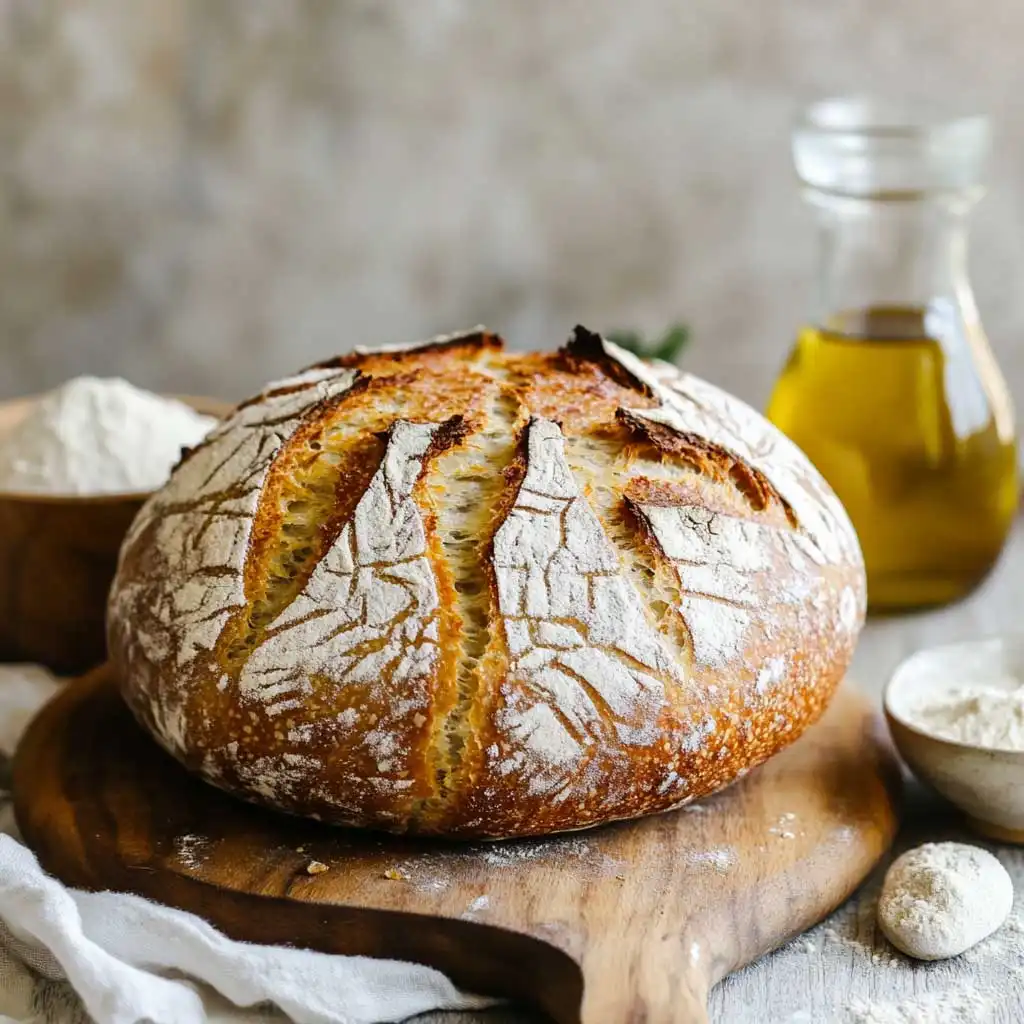

The first snow of winter always brings a quiet joy—the kind that makes you want to turn on the oven and fill the kitchen with warmth. On one of those peaceful mornings, I found myself preparing a loaf of sourdough, watching delicate snowflakes swirl outside the window. The world felt still, and as the dough rested on the counter, the idea for a snowflake-inspired loaf took shape. There’s something magical about transforming a simple round of bread into a work of seasonal art, and Easy Sourdough Scoring Patterns became my creative outlet for the day.

The aroma that filled the kitchen was familiar and comforting: the nutty scent of fermented dough, the faint tang of the sourdough starter, the promise of golden crust cracking in the oven. As I reached for my lame, I realized how much joy the act of scoring gives me. These Easy Sourdough Scoring Patterns create more than just texture and expansion—they create stories on the surface of bread. That morning, as the snow continued to fall, I traced the gentle arms of a snowflake across the floured dough, each cut like a small gesture of winter’s beauty.
It may sound intricate, but that’s the fun of it—each loaf tells its own story. The more I practiced, the clearer it became that Easy Sourdough Scoring Patterns are less about perfection and more about expressing the cozy essence of the season. Anyone with a bit of patience, a steady hand, and a warm kitchen can craft their own snowflake loaf and bring a touch of handmade wonder to their table.
Print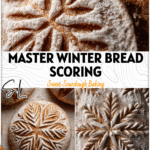
Easy Sourdough Scoring Patterns for a Winter Snowflake Loaf
- Total Time: 5 hours 30 minutes
- Yield: 1 loaf 1x
Description
Create a festive winter sourdough loaf with a beautiful snowflake scoring pattern. This recipe guides you through preparing your starter, mixing and fermenting the dough, and scoring a stunning design that blooms in the oven.
Ingredients
Instructions
1. Feed your sourdough starter 6–8 hours before baking until bubbly and doubled in size.
2. Combine bread flour and water, mix to hydrate, and autolyse for 30 minutes.
3. Add starter and sea salt, then perform stretch-and-folds every 30–45 minutes during a 3–4 hour bulk fermentation.
4. Pre-shape the dough into a round, rest for 15 minutes, then shape tightly and place seam-side up in a floured banneton.
5. Chill the proofed dough in the refrigerator for 15–20 minutes and dust the top lightly with flour.
6. Mark guiding lines with a blunt tool for a six-point snowflake, then score rays and branches with a lame at a 30-45° angle.
7. Preheat a Dutch oven to 475°F for at least 30 minutes, transfer the dough on parchment, and bake covered for 20–25 minutes.
8. Uncover and bake for an additional 20 minutes until the crust is golden and the pattern is defined, then cool completely on a wire rack.
- Prep Time: 45 minutes
- Cook Time: 45 minutes
- Category: bread
- Method: baking
- Cuisine: american
Nutrition
- Serving Size: 10 servings
Keywords: sourdough, scoring patterns, snowflake loaf, winter bread, bread art, easy sourdough, festive loaf
The Comfort of Baking on a Cold Day
Winter gatherings are best celebrated with food that feels both homey and special, and a loaf adorned with sourdough scoring snowflake designs captures that feeling perfectly. When the fresh bread emerged from the oven with its frost-like motif, family members gathered around in admiration, marveling that such a design came from simple cuts in dough. The rustic beauty—the floured ridges, the gentle cracks, the symmetrical pattern—instantly turned an everyday loaf into a centerpiece.
Baking, at its heart, is about sharing. Bringing a sourdough scoring snowflake design loaf to the table is an easy way to spark conversation and warmth. Guests often ask, “How did you make it look so festive?” The secret, I assure them, is practice and confidence—not artistry. These designs truly are attainable for anyone, especially beginners experimenting with a sourdough starter discard recipe or their first freshly fed starter.
The beauty of snowflake scoring lies in its versatility. You can adapt patterns based on preference—simple lines for a rustic look or intricate bursts for elegance. This kind of seasonal bread art invites the maker to slow down and pay attention, to turn an ordinary bake into an extraordinary gesture of love and welcome. By learning a few Easy Sourdough Scoring Patterns, every home baker can create breads that not only taste delightful but also embody the joy and stillness of winter itself.
Setting the Stage for Your Winter Snowflake Loaf
Ingredients and Sourdough Basics
Before creating your magical winter snowflake loaf, gathering the right ingredients and preparing a healthy starter will set the tone for success. A balanced dough gives both strength for clean sourdough scoring patterns and tenderness for that soft, airy crumb.
| Ingredient | Amount | Purpose / Notes |
|---|---|---|
| Bread flour | 500 g | Provides structure and elasticity |
| Water (room temperature) | 350 g | Hydration for an open crumb |
| Active sourdough starter | 100 g | Acts as natural leavening |
| Sea salt | 10 g | Enhances flavor and strengthens gluten |
| Olive oil or melted butter (optional) | 1 tbsp | Adds richness and a tender crust |
| Honey or malt syrup (optional) | 1 tsp | A hint of sweetness and crust color |
These ratios create around a 70% hydration dough—high enough for a tender crumb but still easy to handle. The result is a rustic, beautifully risen loaf that will support defined Easy Sourdough Scoring Patterns.
- Feed your starter: 6–8 hours before baking, refresh your sourdough starter with equal parts flour and water by weight. Watch for bubbles and a doubled size—it should smell slightly sweet and tangy.
- Mix the dough: Combine flour and water first, allow to autolyse for 30 minutes, then fold in starter and salt. This rest improves gluten formation.
- Bulk fermentation: Let the dough rise for 3–4 hours, gently performing a few stretch-and-folds every 30–45 minutes. This builds tension for better scoring visibility.
- Pre-shape and shape: Form it into a tight round, rest briefly, then shape for the final proof to create a smooth canvas for your pattern.
Feeding and caring for your starter regularly makes every bake more reliable. The right foundation allows the artistry of Easy Sourdough Scoring Patterns to truly shine once the dough meets the blade.
Tools to Shape and Score with Confidence
Every artisan loaf begins with dependable tools. You don’t need an elaborate setup, but a few basics make all the difference in crafting intricate sourdough scoring patterns.
- Lame or razor blade: The main decorating instrument for precision and control. A curved blade glides easily for smooth, crisp lines.
- Bench scraper: Keeps handling clean and the work surface tidy.
- Banneton basket: Offers structure while proofing and creates subtle spirals that complement snowflake scoring designs.
- Parchment paper: Simplifies transfer from basket to Dutch oven without disturbing the design.
- Dutch oven: Provides steam for dramatic crust expansion—perfect for highlighting Easy Sourdough Scoring Patterns.
Safety and handling tips: score firm dough for cleaner results, keep your lame dry, move confidently, and replace blades often. With these essentials ready, your workspace becomes a cozy winter workshop where simplicity meets creativity.
Turning Dough into Winter-Inspired Bread Art
How to Dust, Mark, and Guide Your Pattern
Creating your winter snowflake sourdough design begins long before the blade meets the surface. Prepared dough, symmetry, and confident cutting help every loaf bloom beautifully.
- Prepare the dough surface: Transfer proofed dough onto parchment. Chill slightly for cleaner cuts. Dust with rice flour to highlight your sourdough scoring snowflake design.
- Visual guidance: Lightly trace guiding lines as shown below to ensure balance.
| Snowflake Section | Description | Approx. Length of Cut |
|---|---|---|
| Center Star | Small “+” cut in the middle | ½ inch |
| Main Arms | Six lines radiating from center | 2 inches |
| Side Branches | Short diagonals off each arm | 1 inch |
| Accent Dots | Optional decorative shallow cuts | Small |
Edge strategy: Make outer slashes deeper for better lift. Pause before cutting to visualize your final snowflake pattern—precision follows patience.
Scoring Techniques for Crisp, Beautiful Results
- Blade position: Hold your blade at a 30-degree angle for decorative slashes. Sweep each cut in one motion to avoid tearing.
- Pressure: Main arms should be ¼ inch deep; smaller branches half that. Practice helps define clean Easy Sourdough Scoring Patterns.
- Timing: Score immediately after removing dough from the fridge for the cleanest cuts.
- Baking: Bake covered in a preheated Dutch oven at 475°F (245°C) for 20–25 minutes, then uncover to brown for 20 more.
| Issue | Possible Cause | Fix |
|---|---|---|
| Dough tears | Blade dull or dough warm | Use fresh razor and chill dough briefly |
| Uneven design | Inconsistent depth | Score with steady, equal pressure |
| Pale crust | Insufficient heat or steam | Preheat longer or bake covered longer |
| Faint snowflake lines | Too shallow or over-proofed | Score slightly deeper and chill dough |
Bonus tip: Lightly mist dough before baking for enhanced contrast between golden cuts and white floured ridges. Cool completely before slicing so your sourdough scoring snowflake design remains crisp.
Baking this loaf is a creative ritual. Each scored arm unfurls like a snowflake in the oven, transforming dough into edible artistry. With patience and care, Easy Sourdough Scoring Patterns let your bread carry the quiet wonder of winter.
Bringing It All Together — Tips, FAQs, and Final Thoughts
FAQ
Can I make the snowflake scoring pattern if my dough is sticky?
Yes. Dust generously with rice flour and chill for 20 minutes before scoring to firm up the surface.
How deep should I score for a clear design?
Main arms about ¼ inch, small branches ⅛ inch. Consistent depth gives even blooming.
Can I bake without a Dutch oven?
Yes. Use a tray of hot water at the oven’s base with a stone or sheet pan for steam. Your sourdough scoring patterns will still open beautifully.
How can I reuse my sourdough starter discard?
Incorporate it into pancakes, waffles, crackers, or muffins to reduce waste and add tangy flavor.
How do I store leftover winter snowflake sourdough?
Cool fully, wrap in linen, and store at room temperature. Freeze sliced portions for longer storage.
The Joy of Sharing Your Winter Loaf
Every loaf of sourdough carries a story—the patience it required to ferment, the aroma that filled the air, and the anticipation as it baked. When your winter snowflake sourdough emerges, it’s warmth and artistry combined.
Displaying your simple pretty sourdough scoring loaf or gifting one wrapped in parchment evokes delight. These sourdough snowflake patterns express creativity and care in every slice.
Winter baking is about connection as much as craft. Sharing photos, recipes, or personal twists on Easy Sourdough Scoring Patterns invites others to discover their own seasonal artistry. Every loaf proves how beauty can bloom from simple, attentive baking.
Conclusion
Mastering Easy Sourdough Scoring Patterns for a Winter Snowflake Loaf is about combining comfort and creativity. With a few tools, an active starter, and patience, any baker can craft an elegant loaf that embodies winter’s quiet charm.
From snowy-morning inspiration to the golden crust, each step holds joy. These designs celebrate what makes sourdough special: transforming humble ingredients into moments worth sharing.
As the season unfolds, let your kitchen glow with warmth and purpose. Each loaf, etched with sourdough scoring snowflake designs, becomes a reminder that the simplest acts—cutting, baking, and breaking bread—can reflect the beauty of the season.