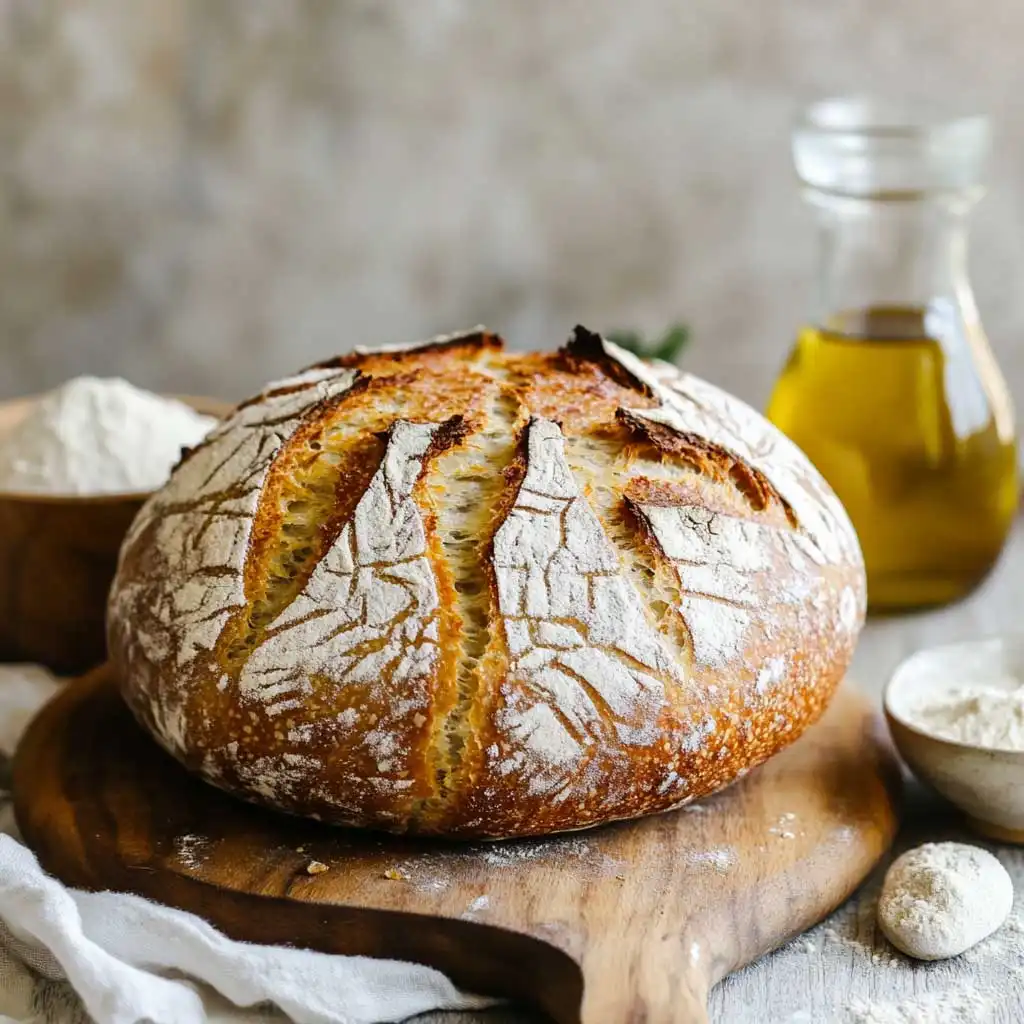

Elevate your homemade sourdough with these simple sourdough scoring patterns that add a touch of artistry to every loaf. Discover the details.
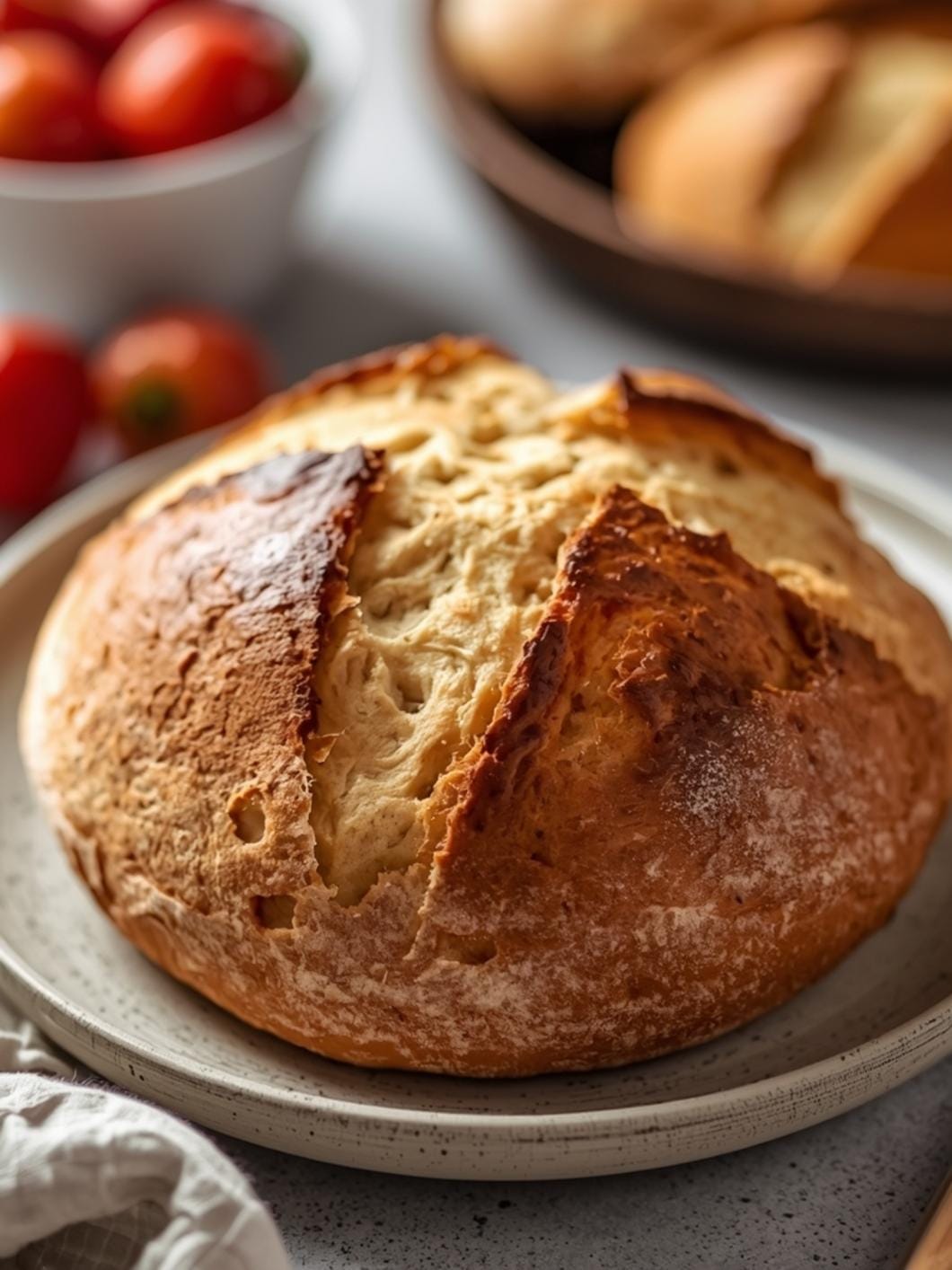
Scoring your sourdough isn’t just about making it look pretty; it also serves a crucial function in how your bread bakes, allowing for proper expansion and preventing uncontrolled cracks.
This guide will walk you through easy, beautiful scoring designs that even beginners can master, transforming your rustic loaves into works of art. Get ready to impress yourself and your family with stunning bread every time!
Table of Contents
- What You’ll Love About This Quick And Easy Recipe
- Everything You Need To Make This Recipe Without Stress
- Time Needed From Start To Finish
- How To Make It Step By Step With Visual Cues
- Easy Variations And Serving Ideas That Fit Real Life
- Common Slip-Ups And How To Avoid Them
- How To Store It And Make It Ahead Without Ruining Texture

Sourdough Scoring Patterns
- Total Time: 3-8 minutes
- Yield: 1 loaf
Description
Elevate your homemade sourdough with these simple scoring patterns that add a touch of artistry to every loaf. Scoring isn’t just about making it look pretty; it also serves a crucial function in how your bread bakes, allowing for proper expansion and preventing uncontrolled cracks. This guide will walk you through easy, beautiful scoring designs that even beginners can master, transforming your rustic loaves into works of art.
Ingredients
Instructions
1. Prepare Your Loaf: Ensure your sourdough loaf is well-proofed and chilled (if you proofed it in the refrigerator). A cold dough is firmer and easier to score cleanly. Lightly dust the top of your loaf with rice flour or all-purpose flour using a small sieve or your fingers. This helps the scores stand out and prevents the lame from sticking.
2. Hold Your Lame Correctly: For most cuts, hold your lame or razor blade at a shallow angle, about 30 to 45 degrees, almost parallel to the surface of the dough. This angle creates a “flap” or “ear” that will open beautifully during baking. For deeper, more structural cuts, you might hold the blade more perpendicularly (90 degrees).
3. The Simple Cross or Plus Sign: For a classic look, make one long, confident cut down the center of the loaf. Then, make another cut perpendicular to the first, crossing it in the middle. These cuts should be about 1/2 to 3/4 inch deep. This pattern allows for excellent oven spring and a rustic appearance.
4. The Basic Square or Grid: Make two parallel cuts running lengthwise down the loaf, spaced about 1-2 inches apart. Then, make two or three parallel cuts perpendicular to the first set, creating a grid pattern. These cuts should also be about 1/2 inch deep. This is a simple way to get a lot of surface area for expansion.
5. The Wheat Stalk (Ears of Wheat): Make one long, shallow cut (about 1/4 inch deep) down the center of the loaf. Then, make a series of short, diagonal cuts branching off from the main line, alternating sides, to resemble wheat stalks. These smaller cuts should be very shallow, mostly for decoration.
6. The Leaf Pattern: Make a single, slightly curved cut down the center of the loaf. Then, make several short, curved cuts branching off from the main line, angling them outwards to mimic the veins of a leaf. Keep these decorative cuts shallow.
7. The Swirl or Spiral: Start at the center of your loaf and make a continuous, shallow cut (about 1/4 inch deep) in a spiral pattern, working your way outwards to the edge. This creates a beautiful, dynamic design.
8. Be Confident and Quick: Make your scores with a swift, decisive motion. Hesitation can cause the blade to drag and tear the dough. Don’t be afraid to apply a little pressure for the deeper, structural cuts.
- Prep Time: 2-5 minutes
- Cook Time: 0 minutes
- Category: baking
- Method: scoring
- Cuisine: european
Nutrition
- Serving Size: 1 slice
Keywords: sourdough, scoring, bread, baking, artisan, homemade, patterns, technique, loaves, crust
What You’ll Love About This Quick And Easy Recipe
This approach to sourdough scoring is perfect for anyone who wants to add a professional touch to their homemade bread without needing advanced artistic skills. It’s ideal for home bakers who have mastered the basics of sourdough and are now looking to refine their presentation. You’ll love how these simple patterns can dramatically enhance the visual appeal of your loaves, making them perfect for sharing, gifting, or simply enjoying at your own table. This isn’t about altering your sourdough recipe, but rather about perfecting the final, crucial step before baking. It’s a fantastic way to personalize each loaf and make every bake feel special.
Everything You Need To Make This Recipe Without Stress
To create beautiful sourdough scoring patterns, you don’t need a lot of specialized equipment. The key is having the right tool for precise cuts and a well-prepared dough.
INGREDIENTS:
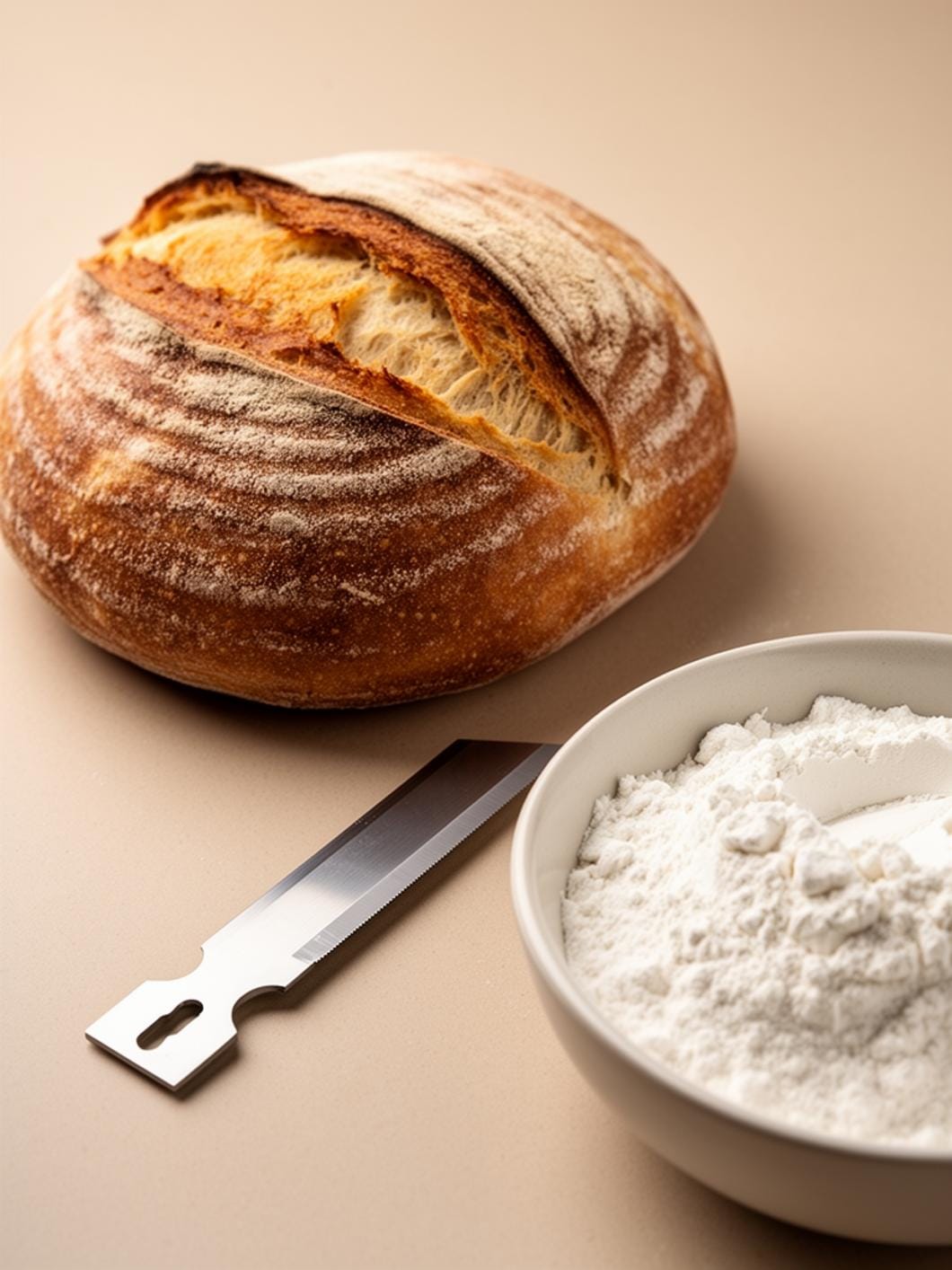
- Your prepared sourdough loaf (proofed and ready for scoring)
- A sharp lame or razor blade
- Optional: Rice flour or all-purpose flour for dusting
When it comes to your scoring tool, a dedicated bread lame is highly recommended. These tools are designed with a handle to safely hold a razor blade at the perfect angle for scoring dough. If you don’t have a lame, a very sharp, new razor blade held carefully between your fingers will also work. Avoid using a dull knife, as it will drag the dough rather than making a clean cut, which can deflate your loaf. Dusting your loaf with a little rice flour before scoring can help the patterns stand out more clearly after baking, creating a beautiful contrast.
Time Needed From Start To Finish
The actual act of scoring your sourdough loaf is quite quick once you get the hang of it. The time estimates below assume your sourdough is already proofed and ready for this final step before baking.
- Preparation Time: 2-5 minutes (for dusting and preparing your scoring tool)
- Scoring Time: 1-3 minutes (depending on the complexity of the pattern)
- Total Time: 3-8 minutes (before baking)
This process is a small but impactful part of your overall sourdough baking journey, adding minimal time but significant aesthetic value.
How To Make It Step By Step With Visual Cues
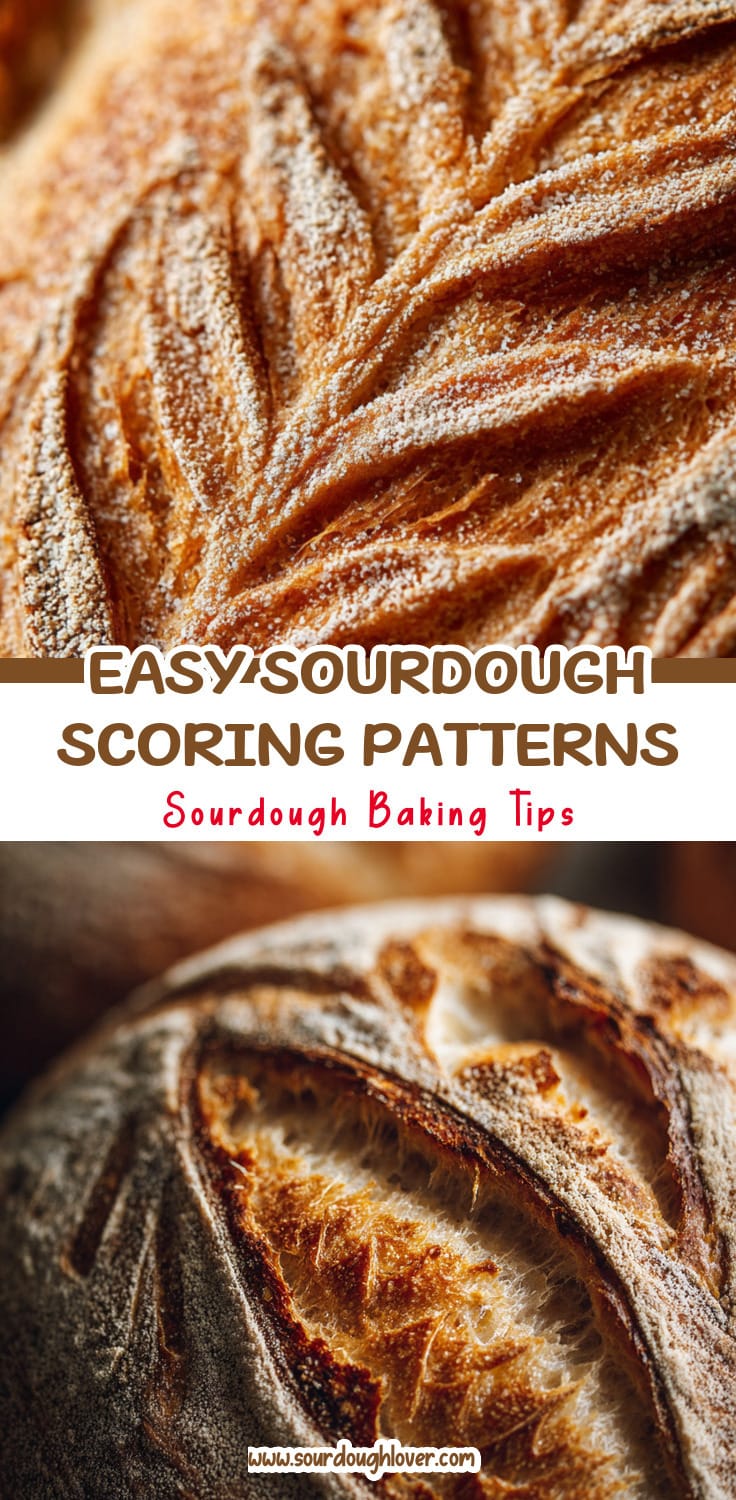
Achieving beautiful sourdough scoring patterns is all about technique and confidence. Here’s how to create some popular and easy designs. Remember, practice makes perfect, and even imperfect scores result in delicious bread!
- Prepare Your Loaf: Ensure your sourdough loaf is well-proofed and chilled (if you proofed it in the refrigerator). A cold dough is firmer and easier to score cleanly. Lightly dust the top of your loaf with rice flour or all-purpose flour using a small sieve or your fingers. This helps the scores stand out and prevents the lame from sticking.
- Hold Your Lame Correctly: For most cuts, hold your lame or razor blade at a shallow angle, about 30 to 45 degrees, almost parallel to the surface of the dough. This angle creates a “flap” or “ear” that will open beautifully during baking. For deeper, more structural cuts, you might hold the blade more perpendicularly (90 degrees).
- The Simple Cross or Plus Sign: For a classic look, make one long, confident cut down the center of the loaf. Then, make another cut perpendicular to the first, crossing it in the middle. These cuts should be about 1/2 to 3/4 inch deep. This pattern allows for excellent oven spring and a rustic appearance.
- The Basic Square or Grid: Make two parallel cuts running lengthwise down the loaf, spaced about 1-2 inches apart. Then, make two or three parallel cuts perpendicular to the first set, creating a grid pattern. These cuts should also be about 1/2 inch deep. This is a simple way to get a lot of surface area for expansion.
- The Wheat Stalk (Ears of Wheat): Make one long, shallow cut (about 1/4 inch deep) down the center of the loaf. Then, make a series of short, diagonal cuts branching off from the main line, alternating sides, to resemble wheat stalks. These smaller cuts should be very shallow, mostly for decoration.
- The Leaf Pattern: Make a single, slightly curved cut down the center of the loaf. Then, make several short, curved cuts branching off from the main line, angling them outwards to mimic the veins of a leaf. Keep these decorative cuts shallow.
- The Swirl or Spiral: Start at the center of your loaf and make a continuous, shallow cut (about 1/4 inch deep) in a spiral pattern, working your way outwards to the edge. This creates a beautiful, dynamic design.
- Be Confident and Quick: Make your scores with a swift, decisive motion. Hesitation can cause the blade to drag and tear the dough. Don’t be afraid to apply a little pressure for the deeper, structural cuts.
Easy Variations And Serving Ideas That Fit Real Life
Scoring patterns are all about personalizing your bread, and there are endless ways to get creative. Once your beautifully scored bread is baked, the serving possibilities are just as varied.
For variations in scoring, consider combining patterns. You could do a central deep cut for structure and then add shallow decorative cuts around it, like a simple border of small slashes or a series of dots made by just the tip of your lame. You can also experiment with different depths and angles; deeper cuts tend to open up more dramatically, while shallow cuts are purely for aesthetic detail. For a unique effect, try dusting your loaf with cocoa powder or activated charcoal powder (sparingly!) before scoring to create dark lines that contrast with the lighter crust.
When it comes to serving your stunning sourdough, the options are delicious and versatile. This bread is fantastic simply sliced and served with good quality butter, olive oil for dipping, or a sprinkle of flaky sea salt. It makes an excellent base for open-faced sandwiches, avocado toast, or bruschetta. Pair it with a hearty soup or stew for a comforting meal, or use it to mop up sauces from pasta dishes. For a crowd, a platter of sliced sourdough alongside a cheese board, charcuterie, and various dips (like hummus or a spinach artichoke dip) is always a hit. Don’t forget the classic pairing of sourdough with a fresh, vibrant salad. The beautiful scoring will make your bread a centerpiece, no matter how you serve it.
Common Slip-Ups And How To Avoid Them
Even experienced bakers can encounter challenges with sourdough scoring. Knowing what to watch out for can help you achieve perfect results every time.
One common slip-up is using a dull blade. A dull lame or razor will drag through the dough, tearing it rather than making a clean cut. This can lead to a deflated loaf and an uneven crust. Always use a brand-new, sharp razor blade for scoring. If your lame has interchangeable blades, change it frequently.
Another mistake is scoring too slowly or hesitantly. This can cause the dough to stick to the blade and tear, or the cuts might not be deep enough to allow for proper expansion. Be confident and make swift, decisive cuts. Think of it like drawing a line – you want a smooth, continuous motion.
Not scoring deep enough for structural cuts is also a frequent issue. If your main scores (like the central slash) are too shallow, the crust won’t open up properly, and the bread might burst in an uncontrolled way elsewhere, leading to a less attractive loaf. Aim for about 1/2 to 3/4 inch deep for structural cuts. Decorative cuts can be shallower.
Conversely, scoring too deeply can sometimes cause the loaf to spread out too much rather than rising upwards, especially if the dough is on the wetter side. It’s a balance that you’ll learn with practice.
Finally, scoring a warm or over-proofed dough can be tricky. Warm dough is softer and more prone to deflating when handled. Over-proofed dough is also very fragile. Scoring a cold, well-proofed dough (often straight from the refrigerator) provides the best surface for clean, precise cuts and helps maintain the loaf’s structure. If your dough is warm, try to work quickly and gently.
How To Store It And Make It Ahead Without Ruining Texture
Scoring is the final step before baking, so there isn’t a “make-ahead” aspect to the scoring itself. However, proper storage of your baked, beautifully scored sourdough is key to enjoying its texture and flavor for days.
Once your sourdough is baked and has cooled completely on a wire rack (this is crucial to prevent a soggy bottom), you have several storage options. For short-term storage (1-2 days), simply store the whole loaf cut-side down on a clean cutting board, or wrap it loosely in a clean

FAQs
- Can I make these ahead? Yes—prep ahead, refrigerate, then serve when ready.
- How long do leftovers last? Store covered in the fridge for 3–4 days for best texture.
- Can I adjust sweetness? Yes—add more or less sweetener to taste.
- Can I change the fruit? Yes—swap strawberries for blueberries, raspberries, or sliced banana.