
Learning to score sourdough can feel intimidating, but it’s a fantastic way to add a personal touch to your homemade bread.
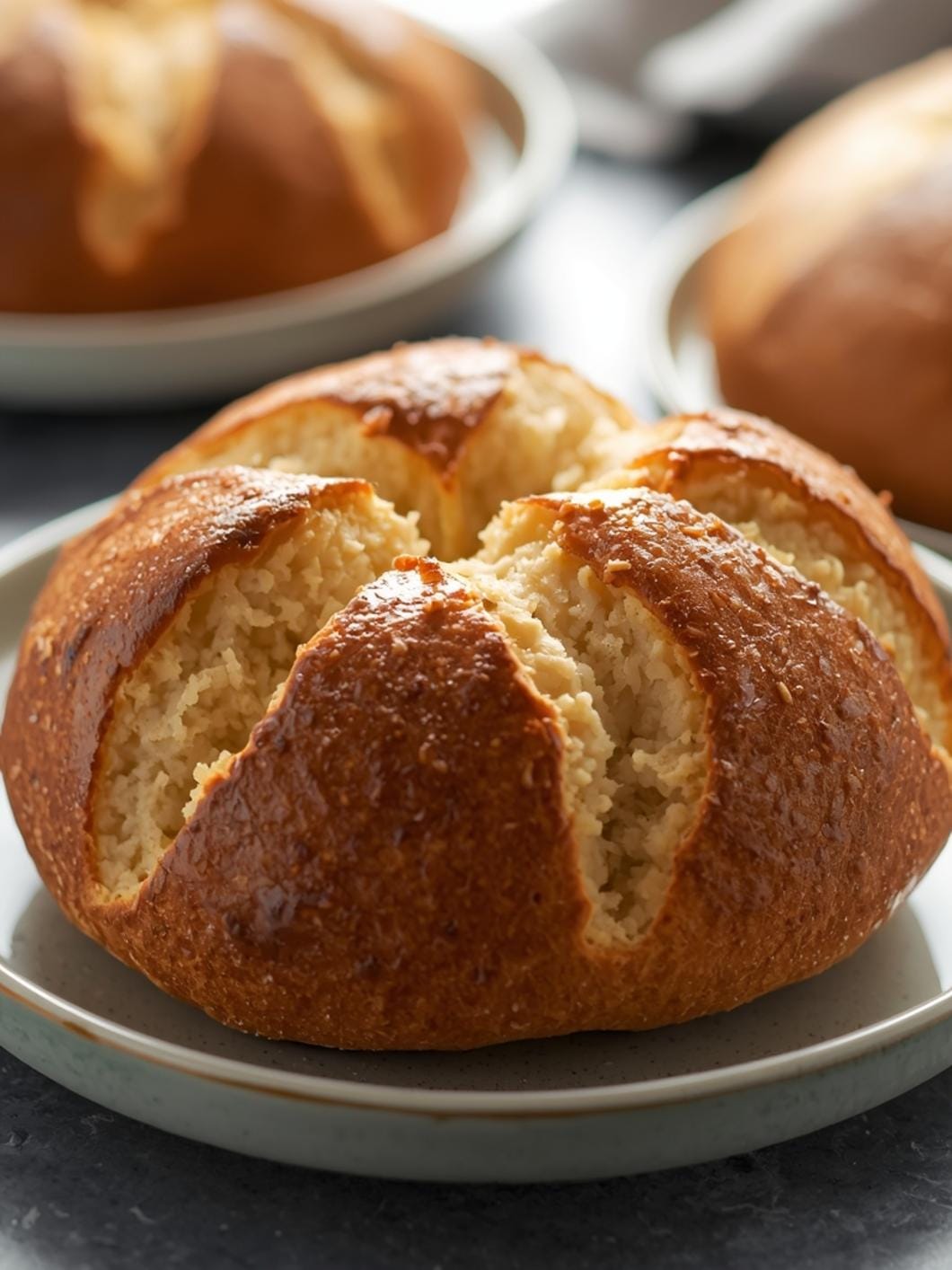
This guide focuses on simple, beginner-friendly designs that will make your loaves look professional without requiring advanced artistic skills. We’ll explore easy techniques to elevate your bread’s appearance and help you achieve that beautiful, rustic look you’ve been dreaming of.
Whether you’re new to sourdough baking or just looking for some fresh ideas to spruce up your loaves, these easy scoring patterns are perfect. They’re designed to be straightforward, ensuring you get stunning results every time with minimal fuss. Get ready to transform your bread from plain to picturesque!
Table of Contents
- What You’ll Love About This Quick And Easy Recipe
- Everything You Need To Make This Recipe Without Stress
- Time Needed From Start To Finish
- How To Make It Step By Step With Visual Cues
- Easy Variations And Serving Ideas That Fit Real Life
- Common Slip-Ups And How To Avoid Them
- How To Store It And Make It Ahead Without Ruining Texture

Easy Sourdough Scoring Patterns for Beginners
- Total Time: 1-2 minutes
- Yield: 1 loaf 1x
Description
Learn simple, beginner-friendly sourdough scoring designs to elevate your homemade bread’s appearance. This guide focuses on quick techniques to achieve a professional, rustic look with minimal fuss, perfect for new bakers or those seeking fresh ideas.
Ingredients
Instructions
1. Prepare Your Loaf for Scoring: Once your sourdough loaf has completed its final proof and is ready to bake, gently transfer it from its proofing basket (banneton) onto a piece of parchment paper or directly into your preheated Dutch oven. Ensure the seam side is down, and the smooth, taut surface is facing up.
2. Lightly Dust the Surface: Using a fine-mesh sieve, lightly dust the top surface of your loaf with a thin, even layer of rice flour or all-purpose flour. This step helps your score marks stand out and prevents your lame from sticking to the dough.
3. Hold Your Lame Correctly: A bread lame (pronounced “lahm”) is a special razor blade holder used for scoring. Hold it firmly at a shallow angle, typically around 30-45 degrees to the surface of the dough. A shallower angle helps create a pronounced “ear,” while a steeper angle creates a more open cut.
4. Execute a Simple Cross Score: For a classic and easy design, make a single, confident cut across the top of the loaf from one side to the other. Then, make a second cut perpendicular to the first, forming a cross or “X” shape. Ensure these cuts are about 1/2 to 3/4 inch deep.
5. Try a Simple Box Score: Another easy design involves making four straight cuts to form a square or box on the top of your loaf. Start with two parallel cuts, then add two more parallel cuts perpendicular to the first two, creating a neat grid. These cuts should also be about 1/2 inch deep.
6. Consider a Single Straight Cut: The simplest of all designs is a single, confident slash down the center of your loaf. This is excellent for beginners and still allows for a beautiful ear and controlled expansion. Aim for a depth of about 1/2 to 3/4 inch.
7. Bake Immediately After Scoring: Once you’ve made your desired score marks, place your loaf into the preheated oven as quickly as possible. The scoring helps the dough expand in a controlled manner during the initial “oven spring,” and delaying baking can cause the cuts to lose their definition.
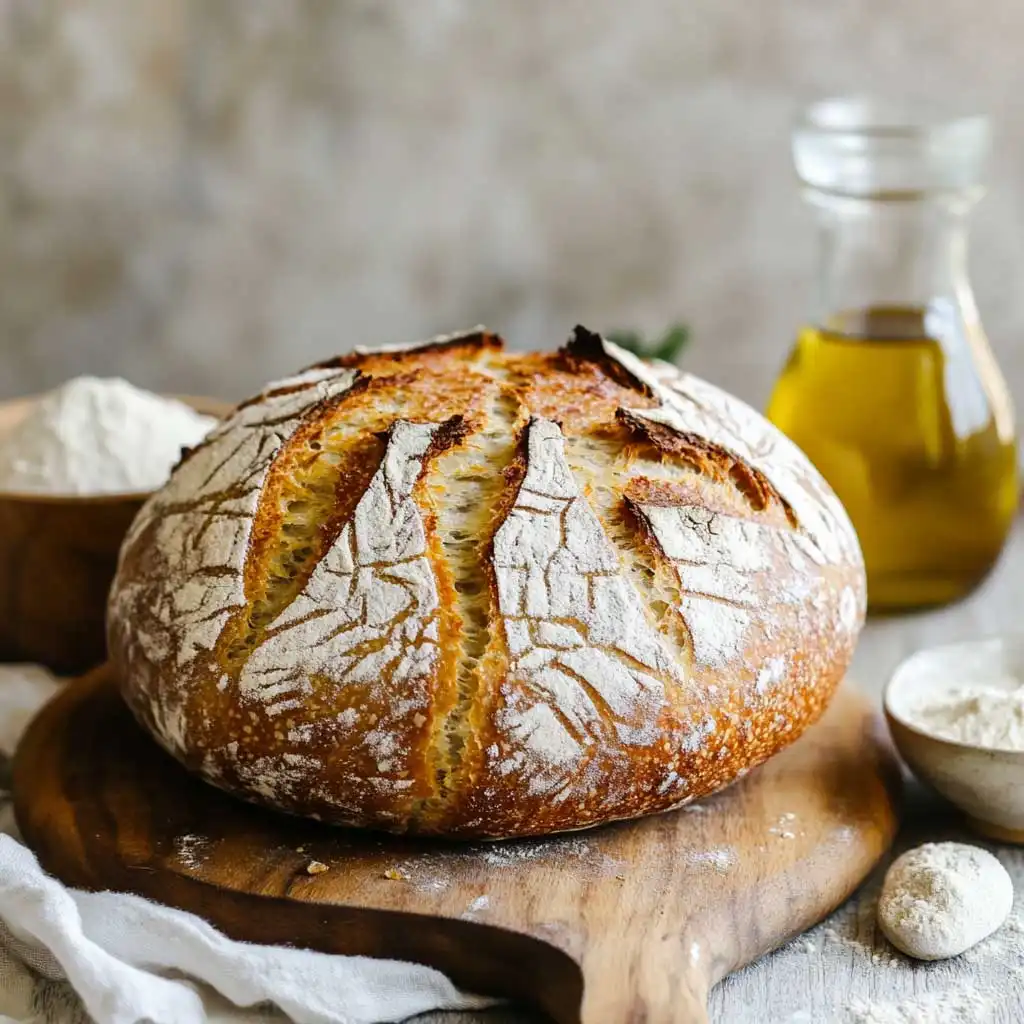
8. Observe the Oven Spring: As your bread bakes, watch how the scored areas open up. The flour dusting will highlight the cuts, creating a beautiful contrast and revealing your simple, yet effective, design.
- Prep Time: 1-2 minutes
- Cook Time: 45-65 minutes
- Category: baking
- Method: baking
- Cuisine: european
Nutrition
- Serving Size: 10-12 slices
Keywords: sourdough, scoring, bread, baking, beginner, patterns, rustic, homemade, easy, design
What You’ll Love About This Quick And Easy Recipe
This guide is perfect for anyone who wants to add a touch of artistry to their sourdough baking without the pressure of complex designs. You’ll love how quickly you can master these simple scoring techniques, making your homemade bread even more impressive. It’s ideal for new bakers looking to build confidence, or seasoned bakers who want to add some easy visual appeal to their regular bakes. These designs are family-friendly, too, as they often create a beautiful crust that everyone will enjoy. You can use these techniques for your weekly bake, for a special brunch, or when bringing a loaf to a potluck – they always impress! The beauty of these simple scores is that they enhance the bread’s natural rise and crust development, making your loaves not just look good, but often bake even better.
Everything You Need To Make This Recipe Without Stress
To achieve beautiful sourdough scoring, you don’t need a pantry full of ingredients, but rather a few essential tools that make the process smooth and enjoyable. The key is having the right instrument for scoring, along with a well-prepared loaf.
INGREDIENTS:
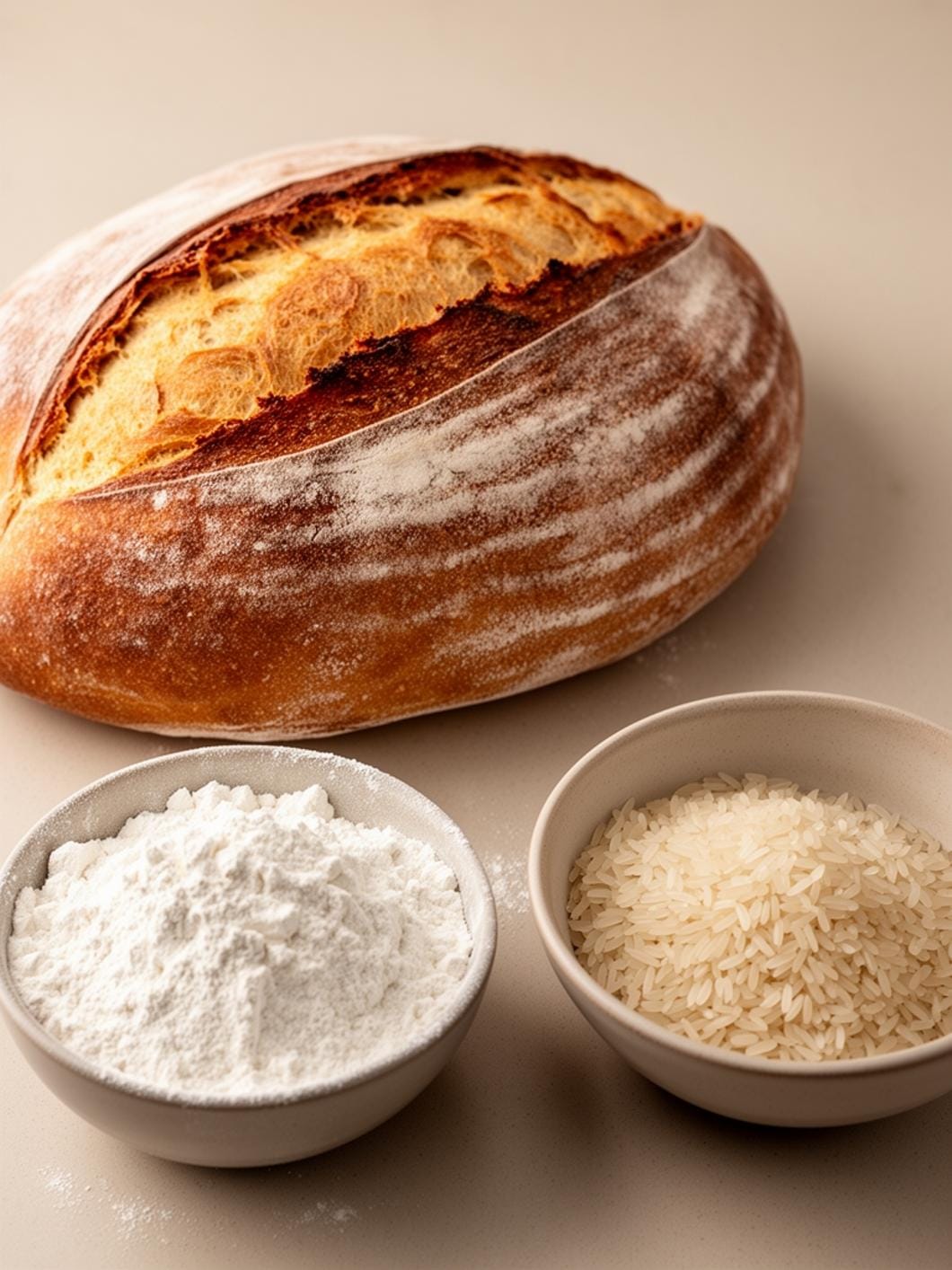
- 1 prepared sourdough loaf (proofed and ready for baking)
- Rice flour or all-purpose flour (for dusting)
For the prepared sourdough loaf, this means your dough has gone through its bulk fermentation and final proofing stages and is shaped and ready to be transferred to your Dutch oven or baking stone. The type of sourdough dough doesn’t matter as much as its readiness for baking. For dusting, rice flour is often preferred because it creates a beautiful contrast and helps prevent sticking without absorbing too much moisture. However, regular all-purpose flour will also work perfectly fine if that’s what you have on hand. The goal of dusting is to provide a light canvas for your score marks to show up clearly and to prevent your lame from dragging.
Time Needed From Start To Finish
The actual scoring process itself is incredibly quick, usually taking only a minute or two per loaf. The most time-consuming part of sourdough baking is the fermentation and proofing stages, which are not covered here. This guide focuses solely on the scoring aspect.
- Prep Time for Scoring: 1-2 minutes per loaf
- Cook Time: (This varies based on your sourdough recipe, typically 30-45 minutes covered, 15-20 minutes uncovered)
- Total Time for Scoring: 1-2 minutes
This means you can easily incorporate these simple scoring designs into your existing baking routine without adding significant time to your overall process. It’s a quick step that yields impressive visual rewards.
How To Make It Step By Step With Visual Cues
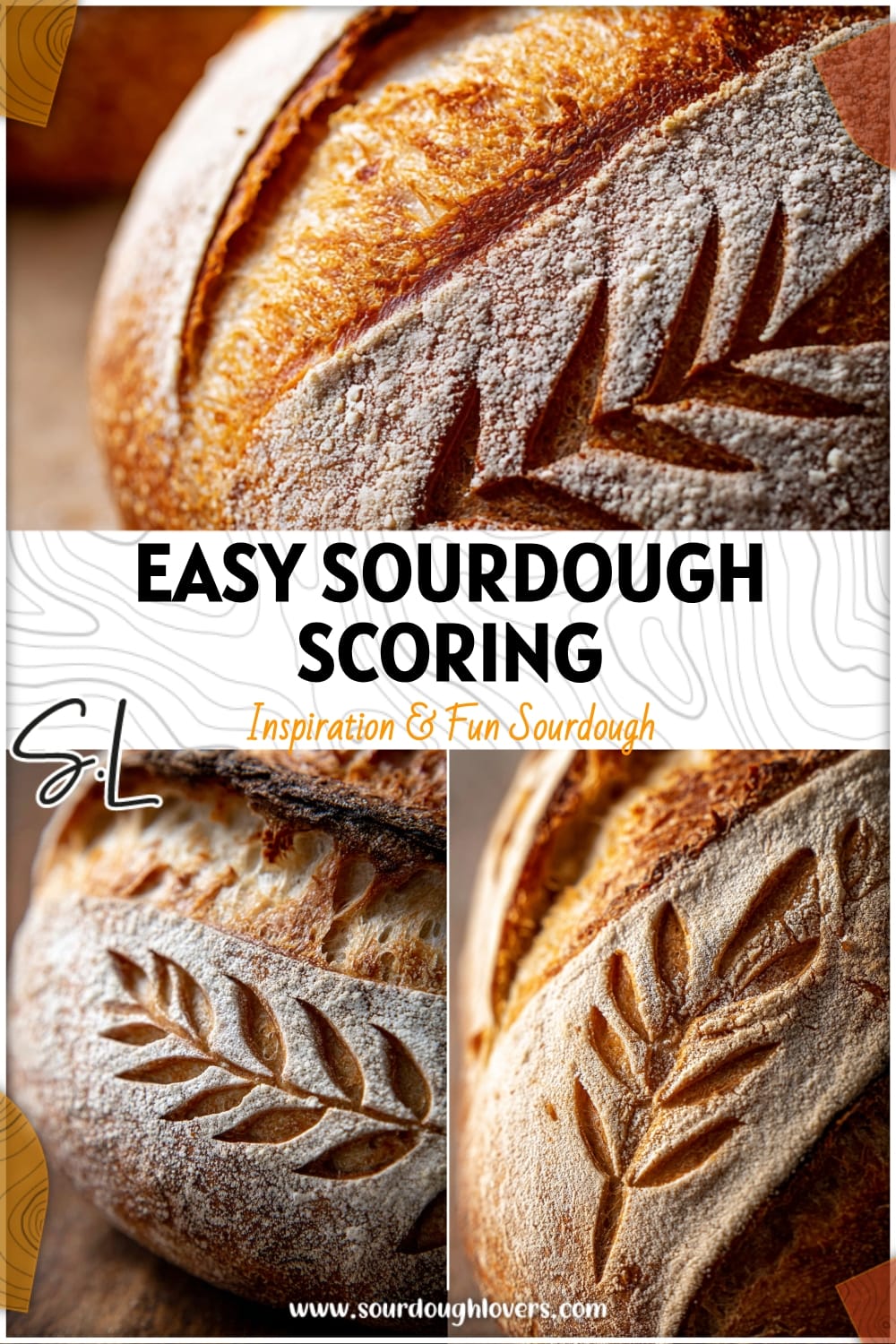
Scoring your sourdough is a crucial step that not only adds beauty but also helps control the expansion of your loaf during baking, creating that desirable “ear.” Here’s how to achieve simple, elegant designs with ease.
- Prepare Your Loaf for Scoring: Once your sourdough loaf has completed its final proof and is ready to bake, gently transfer it from its proofing basket (banneton) onto a piece of parchment paper or directly into your preheated Dutch oven. Ensure the seam side is down, and the smooth, taut surface is facing up.
- Lightly Dust the Surface: Using a fine-mesh sieve, lightly dust the top surface of your loaf with a thin, even layer of rice flour or all-purpose flour. This step helps your score marks stand out and prevents your lame from sticking to the dough.
- Hold Your Lame Correctly: A bread lame (pronounced “lahm”) is a special razor blade holder used for scoring. Hold it firmly at a shallow angle, typically around 30-45 degrees to the surface of the dough. A shallower angle helps create a pronounced “ear,” while a steeper angle creates a more open cut.
- Execute a Simple Cross Score: For a classic and easy design, make a single, confident cut across the top of the loaf from one side to the other. Then, make a second cut perpendicular to the first, forming a cross or “X” shape. Ensure these cuts are about 1/2 to 3/4 inch deep.
- Try a Simple Box Score: Another easy design involves making four straight cuts to form a square or box on the top of your loaf. Start with two parallel cuts, then add two more parallel cuts perpendicular to the first two, creating a neat grid. These cuts should also be about 1/2 inch deep.
- Consider a Single Straight Cut: The simplest of all designs is a single, confident slash down the center of your loaf. This is excellent for beginners and still allows for a beautiful ear and controlled expansion. Aim for a depth of about 1/2 to 3/4 inch.
- Bake Immediately After Scoring: Once you’ve made your desired score marks, place your loaf into the preheated oven as quickly as possible. The scoring helps the dough expand in a controlled manner during the initial “oven spring,” and delaying baking can cause the cuts to lose their definition.
- Observe the Oven Spring: As your bread bakes, watch how the scored areas open up. The flour dusting will highlight the cuts, creating a beautiful contrast and revealing your simple, yet effective, design.
Easy Variations And Serving Ideas That Fit Real Life
Once you’ve mastered the basic scoring patterns, you can easily adapt them for different looks and serving occasions. These simple variations are perfect for adding a personal touch without adding complexity.
For a slightly more intricate look without much effort, try combining a single long slash with a few smaller, decorative cuts. For example, make a central slash, then add two or three smaller, curved slashes on either side. These small, shallow cuts don’t need to be deep; they are purely for aesthetic appeal. Another fun idea is to use a cookie cutter (lightly floured) to gently press an outline onto the dough before scoring. This creates a guide for your cuts, allowing you to trace around a star, heart, or leaf shape for a charming design.
When it comes to serving, beautifully scored sourdough is a showstopper on its own. It’s perfect for a weekend brunch alongside scrambled eggs, avocado, and a fresh fruit salad. For dinner, serve thick slices with a hearty stew or soup. It’s also fantastic as an appetizer with a simple olive oil dip, balsamic vinegar, or a spread of herbed butter. For a party or buffet, arrange slices on a large wooden board with an assortment of cheeses, cured meats, and fresh grapes. The impressive appearance of your scored loaf will make it a centerpiece. Don’t forget that sourdough also makes incredible toast, so any leftover slices can be enjoyed the next morning with your favorite toppings.
Common Slip-Ups And How To Avoid Them
Even with simple scoring, a few common mistakes can occur. Knowing what to look out for will help you achieve perfect results every time.
One frequent slip-up is not using a sharp enough blade. A dull blade will drag and tear the dough, leading to messy, undefined cuts rather than clean, crisp lines. Always use a fresh razor blade in your lame for each scoring session. If you don’t have a lame, a sharp utility knife or even a very sharp kitchen knife can work in a pinch, but a lame provides the best control.
Another common issue is scoring too shallowly or too deeply. Cuts that are too shallow won’t allow the bread to expand properly, potentially leading to a dense crumb or a burst crust in an uncontrolled spot. Cuts that are too deep can cause the loaf to spread out too much, resulting in a flatter loaf. For most simple designs, aim for a depth of about 1/2 to 3/4 inch. Practice on a small piece of scrap dough if you’re unsure about the depth.
Hesitation during scoring is also a mistake. A slow, tentative cut can drag the dough and create an uneven line. The key is to be confident and make quick, decisive strokes. Think of it like drawing a line – a swift, continuous motion is better than several small, choppy ones.
Finally, forgetting to dust the loaf can make scoring difficult. Without a light dusting of flour, the lame can stick to the moist dough, pulling it rather than cutting cleanly. A thin layer of rice flour or all-purpose flour provides the necessary lubrication and visual contrast. Make sure the dusting is light; too much flour can create a gummy texture on the crust.
How To Store It And Make It Ahead Without Ruining Texture
While scoring itself isn’t a make-ahead step, the sourdough loaf you score can be prepared in advance up to the final proofing stage. Once your loaf is scored, it should be baked immediately
FAQs
- Can I make these ahead? Yes—prep ahead, refrigerate, then serve when ready.
- How long do leftovers last? Store covered in the fridge for 3–4 days for best texture.
- Can I adjust sweetness? Yes—add more or less sweetener to taste.
- Can I change the fruit? Yes—swap strawberries for blueberries, raspberries, or sliced banana.