
Keeping a sourdough starter happy and healthy is one of the most rewarding parts of home baking.

It might seem a little intimidating at first, but feeding your starter is a simple, essential step that ensures you’ll always have a vibrant, active culture ready for your next loaf of bread, pizza dough, or even pancakes.
This guide breaks down the process into easy-to-follow steps, making it perfect for beginners and seasoned bakers alike. You’ll learn exactly what your starter needs to thrive, ensuring it stays bubbly and strong, ready to bring that signature sourdough tang to all your culinary creations.
Table of Contents
- What You’ll Love About This Quick And Easy Recipe
- Everything You Need To Make This Recipe Without Stress
- Time Needed From Start To Finish
- How To Make It Step By Step With Visual Cues
- Easy Variations And Serving Ideas That Fit Real Life
- Common Slip-Ups And How To Avoid Them
- How To Store It And Make It Ahead Without Ruining Texture
- Questions People Always Ask Before Making This Recipe

How to Feed Sourdough Starter
- Total Time: 4-12 hours
- Yield: 1 active sourdough starter
Description
This guide breaks down the process of feeding sourdough starter into easy-to-follow steps, making it perfect for beginners and seasoned bakers alike. You’ll learn exactly what your starter needs to thrive, ensuring it stays bubbly and strong, ready to bring that signature sourdough tang to all your culinary creations.
Ingredients
Instructions
1. Prepare Your Workspace and Jar: Gather your sourdough starter, flour, and filtered water. Make sure your starter jar is clean. If you’re due for a full jar cleaning, now is a good time to transfer a small amount of starter to a clean jar before feeding.
2. Assess Your Starter: Look at your starter. Does it have any liquid (hooch) on top? This is normal and indicates it’s hungry. Pour off most of the hooch, or stir it in if it’s just a small amount.
3. Measure Out Your Starter: For a typical feeding, you’ll want to use a ratio of 1:1:1 (starter:flour:water by weight). For example, if you want to maintain 100 grams of starter, you’ll take 50 grams of your existing starter and discard the rest (or use it for discard recipes). Then you’ll feed it with 50 grams of flour and 50 grams of water. This ensures you’re not constantly growing an enormous amount of starter.
4. Add Flour: To the measured starter in your jar, add the measured amount of unbleached all-purpose or bread flour. Gently sprinkle it over the starter.
5. Add Water: Pour in the measured amount of room-temperature filtered water.
6. Mix Thoroughly: Using a spoon or a small spatula, mix the flour, water, and starter together until there are no dry spots of flour remaining. The mixture should be smooth and have the consistency of a thick pancake batter. Scrape down the sides of the jar to keep it tidy.
7. Mark the Level: Place a rubber band or use a marker on the outside of the jar to indicate the current level of your freshly fed starter. This will help you visually track its rise and fall as it becomes active.
8. Cover and Wait: Loosely cover the jar with its lid or a piece of plastic wrap. Do not seal it tightly, as the starter needs to breathe and expand. Leave it at room temperature (around 70-75 F or 21-24 C) for 4-12 hours until it doubles in size, becomes bubbly, and passes the float test (a small spoonful floats in water). Once active, you can use it for baking or place it in the refrigerator until its next feeding.
- Prep Time: 5 minutes
- Cook Time: 0 minutes
- Category: baking
- Method: feeding
- Cuisine: american
Nutrition
- Serving Size: 1 starter
Keywords: sourdough, starter, feeding, baking, bread, maintenance, fermentation, active, hooch, flour
What You’ll Love About This Quick And Easy Recipe
This guide is designed for anyone who has a sourdough starter and wants to keep it alive and active without any fuss. Whether you’re a complete beginner who just received your first starter or you’ve been baking for years and just need a refresher, this step-by-step approach makes the feeding process incredibly straightforward. It’s perfect for a regular maintenance routine, ensuring your starter is always at its peak performance for baking day. You’ll love how simple it is to integrate into your weekly schedule, guaranteeing a consistent supply of delicious, naturally leavened goods for your family.
Everything You Need To Make This Recipe Without Stress
Maintaining a sourdough starter requires just a few basic items you likely already have in your kitchen. The key is consistency and using the right ingredients to keep your starter happy and bubbly.
INGREDIENTS:
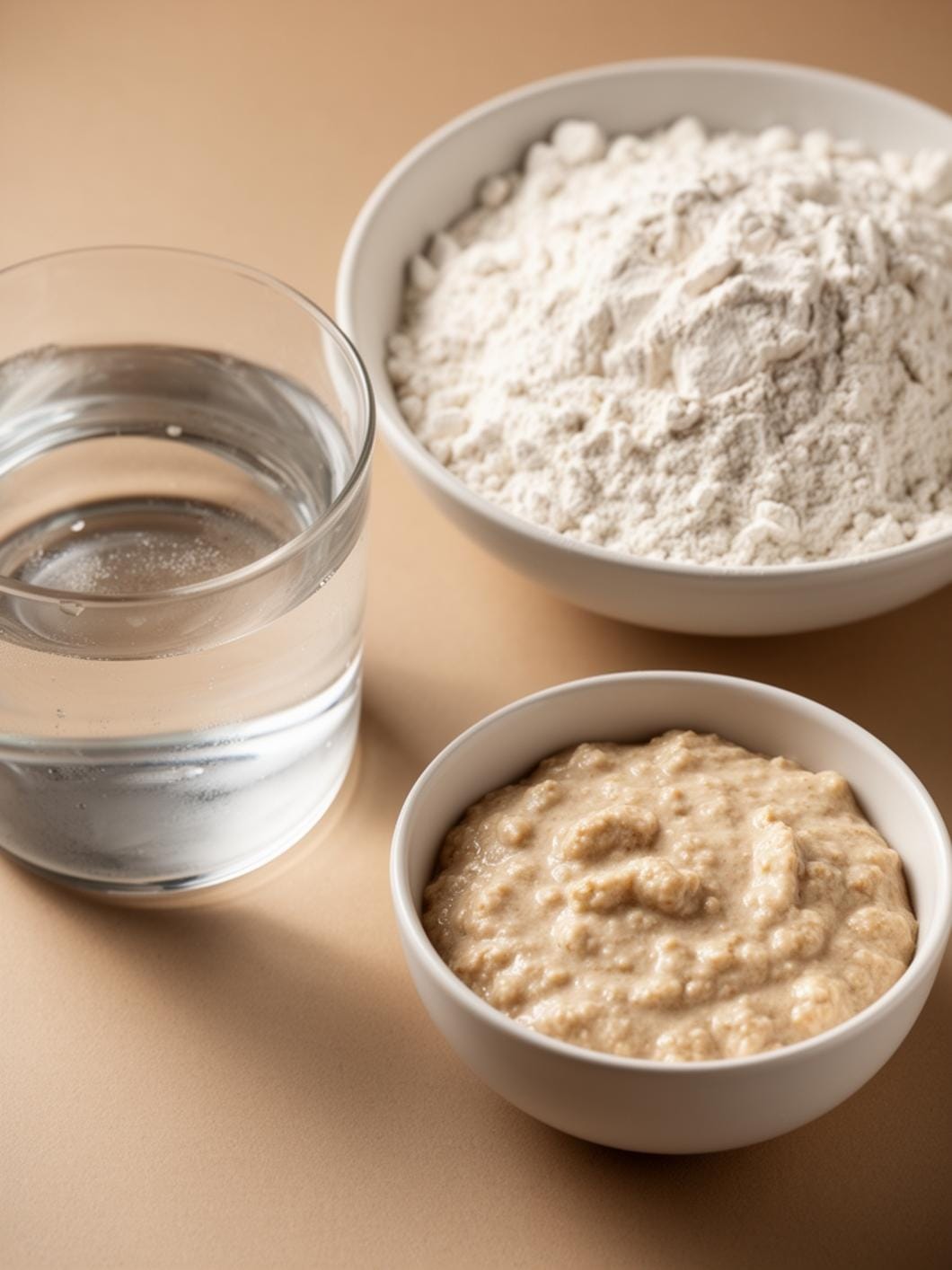
- Sourdough starter
- Unbleached all-purpose flour or bread flour
- Filtered water (room temperature)
You can use either unbleached all-purpose flour or bread flour for feeding your starter. Unbleached flour is often preferred as it hasn’t been chemically treated, which some believe can be detrimental to the starter’s delicate ecosystem. Filtered water is also recommended over tap water, especially if your tap water is heavily chlorinated, as chlorine can inhibit the yeast and bacteria in your starter. If you don’t have filtered water, you can leave tap water out on the counter overnight to allow the chlorine to dissipate.
Time Needed From Start To Finish
The actual hands-on time for feeding your sourdough starter is incredibly quick, usually just a few minutes. The “total time” refers more to the starter’s activity after feeding rather than your personal involvement.
Prep time: 5 minutes Active feeding time: 2-3 minutes Total time (for starter to become active): 4-12 hours (depending on temperature and starter health)
How To Make It Step By Step With Visual Cues

Feeding your sourdough starter is a simple routine that will become second nature once you do it a few times. Here’s how to do it effectively:
- Prepare Your Workspace and Jar: Gather your sourdough starter, flour, and filtered water. Make sure your starter jar is clean. If you’re due for a full jar cleaning, now is a good time to transfer a small amount of starter to a clean jar before feeding.
- Assess Your Starter: Look at your starter. Does it have any liquid (hooch) on top? This is normal and indicates it’s hungry. Pour off most of the hooch, or stir it in if it’s just a small amount.
- Measure Out Your Starter: For a typical feeding, you’ll want to use a ratio of 1:1:1 (starter:flour:water by weight). For example, if you want to maintain 100 grams of starter, you’ll take 50 grams of your existing starter and discard the rest (or use it for discard recipes). Then you’ll feed it with 50 grams of flour and 50 grams of water. This ensures you’re not constantly growing an enormous amount of starter.
- Add Flour: To the measured starter in your jar, add the measured amount of unbleached all-purpose or bread flour. Gently sprinkle it over the starter.
- Add Water: Pour in the measured amount of room-temperature filtered water.
- Mix Thoroughly: Using a spoon or a small spatula, mix the flour, water, and starter together until there are no dry spots of flour remaining. The mixture should be smooth and have the consistency of a thick pancake batter. Scrape down the sides of the jar to keep it tidy.
- Mark the Level: Place a rubber band or use a marker on the outside of the jar to indicate the current level of your freshly fed starter. This will help you visually track its rise and fall as it becomes active.
- Cover and Wait: Loosely cover the jar with its lid or a piece of plastic wrap. Do not seal it tightly, as the starter needs to breathe and expand. Leave it at room temperature (around 70-75°F or 21-24°C) for 4-12 hours until it doubles in size, becomes bubbly, and passes the float test (a small spoonful floats in water). Once active, you can use it for baking or place it in the refrigerator until its next feeding.
Easy Variations And Serving Ideas That Fit Real Life
While feeding your starter doesn’t have “variations” in the traditional recipe sense, there are different approaches to maintaining it based on your baking frequency. If you bake daily, you’ll feed it daily and keep it at room temperature. If you bake weekly or less often, refrigerating your starter between feedings is ideal. This slows down its metabolism, meaning you only need to feed it once a week or even every two weeks.
The “serving idea” for a fed starter is, of course, baking! Once your starter is active and bubbly, it’s ready to be incorporated into a wide array of recipes. Think about making a classic sourdough loaf, crispy sourdough pizza crust, fluffy sourdough pancakes for a weekend breakfast, or even sourdough discard crackers for a healthy snack. The possibilities are endless once your starter is healthy and ready to go.
Common Slip-Ups And How To Avoid Them
Even with a simple process like feeding a sourdough starter, a few common mistakes can hinder its health. Knowing what to watch for can save you a lot of frustration.
- Using Chlorinated Water: Chlorine in tap water can kill the beneficial bacteria and yeast in your starter. Always use filtered water, or if not available, leave tap water out overnight to allow the chlorine to evaporate.
- Too Much Discard, Not Enough Feed: If you’re constantly discarding too much starter and not feeding it enough, you might end up with a weak starter. Aim for a balanced ratio (like 1:1:1) to ensure the starter has enough “food” to thrive.
- Feeding Too Infrequently: A starter left at room temperature needs daily feeding. If you forget or can’t feed it daily, store it in the refrigerator. A neglected starter will become sluggish and may develop mold.
- Sealing the Jar Too Tightly: Sourdough starters produce gases as they ferment. A tightly sealed jar can build up pressure and potentially explode. Always use a loose-fitting lid or cover with plastic wrap that isn’t airtight.
- Inconsistent Feeding Ratios: While not an exact science, drastically changing your feeding ratios (e.g., adding a tiny bit of flour to a lot of starter) can throw off its balance. Stick to a consistent ratio, especially when starting out.
- Ignoring the “Hooch”: A layer of dark liquid (hooch) on top of your starter means it’s very hungry. While a little clear hooch is fine to stir in, dark hooch indicates a very hungry starter that needs attention. Pour off dark hooch before feeding.
How To Store It And Make It Ahead Without Ruining Texture
Proper storage is crucial for maintaining a healthy sourdough starter, especially if you don’t bake every day.
- Room Temperature Storage (Daily Use): If you bake frequently (daily or every other day), keep your starter on the counter at room temperature. Feed it once every 12-24 hours. This keeps it consistently active and ready for baking.
- Refrigerator Storage (Infrequent Use): For bakers who use their starter once a week or less, storing it in the refrigerator is the best option. After feeding, let your starter sit at room temperature for 1-2 hours to kickstart fermentation, then place it in the fridge. This slows down its activity considerably, meaning you only need to feed it once a week or even every two weeks.
- Reviving from the Fridge: When you’re ready to bake after refrigerating your starter, take it out, let it come to room temperature, discard most of it, and feed it as usual. You might need to feed it twice, 12 hours apart, to get it fully active and bubbly again before using it in a recipe.
- Long-Term Storage (Drying): For very long-term storage or if you’re going on an extended vacation, you can dry your sourdough starter. Spread a thin layer of active starter onto parchment paper and let it air dry until brittle. Once completely dry, break it into pieces and store it in an airtight container. To revive, rehydrate with water and feed as usual.
Questions People Always Ask Before Making This Recipe
What is hooch?

FAQs
- Can I make these ahead? Yes—prep ahead, refrigerate, then serve when ready.
- How long do leftovers last? Store covered in the fridge for 3–4 days for best texture.
- Can I adjust sweetness? Yes—add more or less sweetener to taste.
- Can I change the fruit? Yes—swap strawberries for blueberries, raspberries, or sliced banana.