
Have you ever pulled a beautiful loaf of sourdough out of the oven, only to slice into it and find a dense, heavy crumb instead of the light, airy texture you were hoping for? It’s a common frustration for many home bakers, and it can be disheartening when you’ve put so much effort into your bread.
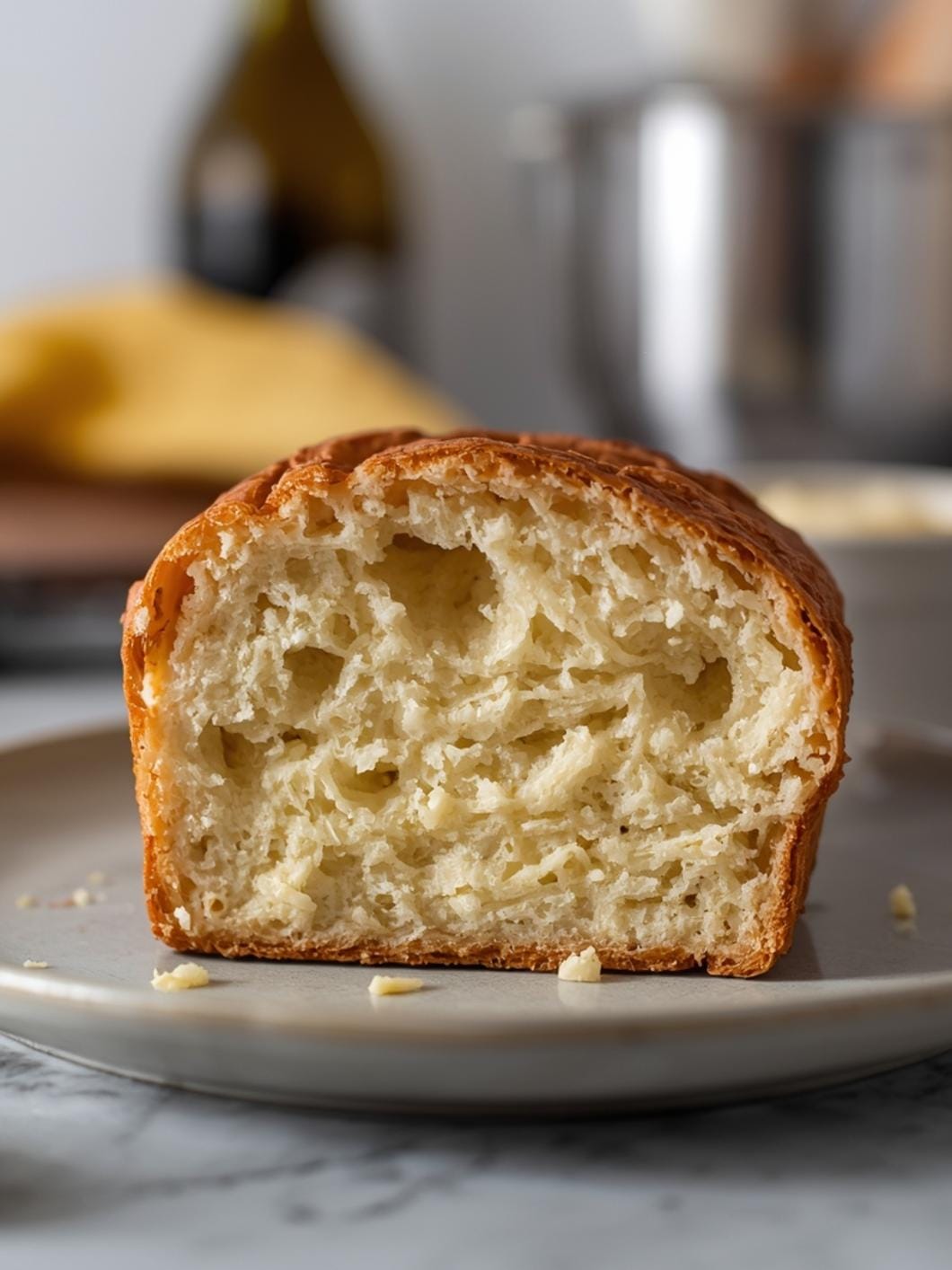
But don’t worry, achieving that perfect open, bubbly crumb is entirely within reach! This guide will walk you through the essential tips and techniques to prevent a dense sourdough and consistently produce loaves with a wonderfully light and tender interior.

Achieving an Open, Airy Sourdough Crumb
- Total Time: 12 hours
- Yield: 1 loaf
Description
This guide provides essential tips and techniques to prevent dense sourdough and consistently produce loaves with a wonderfully light and tender interior. It focuses on understanding and optimizing each stage of the sourdough baking process, from starter activity to baking, to achieve an open, bubbly crumb.
Ingredients
Instructions
1. 1. Ensure Your Sourdough Starter is Super Active: Before mixing dough, check your starter. It should be bubbly, smell pleasantly yeasty and slightly sour, and reliably double or triple in size within a few hours of feeding. A weak starter won’t produce enough gas to create an open crumb. You can test its readiness by placing a small dollop in water; if it floats, it’s ready.
2. 2. Hydrate Your Flour Properly: Ensure your flour fully absorbs the water during the autolyse phase (mixing flour and water only, then resting). This allows gluten to start developing without the interference of salt or starter, leading to a more extensible and less dense dough. Look for the dough to feel smoother and more pliable after this rest.
3. 3. Develop Strong Gluten Structure: This is critical. Strong gluten traps the gases produced by fermentation, creating those desirable air pockets. Use techniques like stretch and folds or coil folds during bulk fermentation. Aim for the dough to become increasingly smooth, elastic, and able to pass the “windowpane test” – where you can stretch a small piece thin enough to see light through it without tearing. If it tears easily, it needs more development.
4. 4. Manage Bulk Fermentation (First Rise) Effectively: Don’t rely solely on a clock. Instead, observe your dough. It should increase in volume by 30-50% (depending on the recipe and desired crumb), feel gassy and jiggly, and show visible bubbles on the surface. Over-fermentation can lead to a dense, gummy crumb, while under-fermentation results in a tight, heavy crumb. Learn to recognize these cues.
5. 5. Shape Your Loaf with Tension: Proper shaping creates surface tension, which helps the loaf hold its structure and rise upwards in the oven. Avoid over-handling or degassing the dough too much during shaping. Aim for a tight skin on the outside of your dough ball or batard. This tension is what allows the loaf to expand beautifully.
6. 6. Proof Your Dough Correctly (Second Rise): This final rise, often done in a banneton in the fridge, is crucial. Again, don’t just follow the time. A perfectly proofed dough will spring back slowly when gently poked with a floured finger, leaving a slight indentation. If it springs back quickly, it’s under-proofed (dense). If it doesn’t spring back at all, it’s over-proofed (can collapse).
7. 7. Bake with Steam and High Heat: High heat and steam in the initial phase of baking are essential for a good oven spring and a crispy crust. The steam keeps the crust soft, allowing the dough to expand fully before the crust sets. Use a Dutch oven or a baking stone with a pan of water for steam.
- Prep Time: 15 minutes
- Cook Time: 40 minutes
- Category: bread
- Method: baking
- Cuisine: american
Nutrition
- Serving Size: 1 slice
Keywords: sourdough, bread, baking, crumb, airy, light, technique, starter, gluten, fermentation
What You’ll Love About This Quick And Easy Recipe
This guide isn’t about a single recipe, but rather a collection of crucial insights that will transform your sourdough baking. You’ll love that these tips are practical, easy to implement, and don’t require any fancy equipment or advanced degrees in baking science. This information is perfect for anyone who has experienced the disappointment of a dense sourdough loaf and is ready to understand *why* it happens and *how* to fix it. Whether you’re a beginner just starting your sourdough journey or an experienced baker looking to refine your technique, these principles will help you achieve consistently lighter, more flavorful bread. You can apply these insights to virtually any sourdough recipe you’re currently using, making your next bake a success.
Everything You Need To Make This Recipe Without Stress
Since we’re focusing on improving technique rather than a specific ingredient-based recipe, there isn’t a traditional “ingredients list” in the usual sense. Instead, think of this section as the foundational elements you need to consider for any sourdough bread you bake. The “ingredients” here are more about understanding your starter and the basic components of sourdough.
INGREDIENTS:
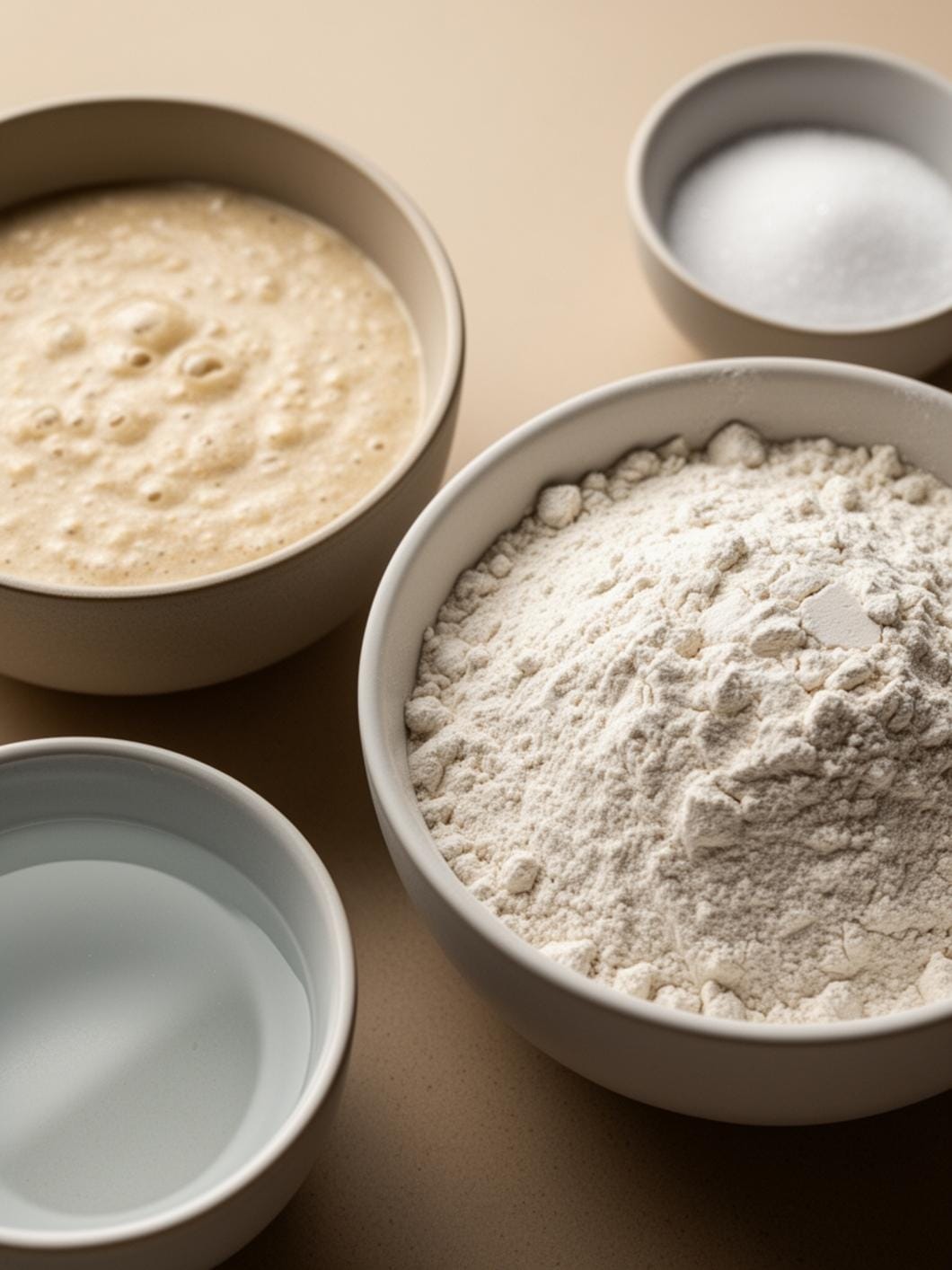
- Active sourdough starter
- All-purpose or bread flour
- Water
- Salt
When it comes to your sourdough starter, ensuring it’s active and robust is paramount. A weak starter is often a primary culprit behind dense bread. You’ll want a starter that has been fed regularly and consistently doubles or triples in size within 4-8 hours after feeding, showing plenty of bubbles. For flour, while many recipes specify bread flour for its higher protein content, don’t underestimate the impact of good quality all-purpose flour. The key is consistency. As for water, filtered water is often recommended to avoid any chlorine that might negatively impact your starter’s activity. Salt is crucial not just for flavor but also for controlling fermentation and strengthening the gluten structure.
Time Needed From Start To Finish
Improving your sourdough texture isn’t about adding extra time to your baking process, but rather optimizing the time you already spend. The “time” involved here is more about observation and understanding the stages of sourdough development.
Preparation Time: This varies depending on your current recipe, but generally, the active hands-on time for mixing and shaping remains similar. The key is being mindful during these stages. Fermentation Time: This is where the biggest impact lies. While bulk fermentation and proofing times are usually specified in recipes, learning to read your dough’s cues rather than strictly adhering to a clock is vital. This might mean extending or shortening these phases based on your environment and starter activity. Baking Time: This typically remains consistent with your chosen recipe, usually around 30-45 minutes for a standard loaf.
The overall “time” investment is more about learning and adapting your existing schedule to better suit your dough’s needs, rather than adding significant extra hours to your baking routine.
How To Make It Step By Step With Visual Cues

Achieving a light, airy crumb in your sourdough is less about a single “fix” and more about understanding and executing several key steps correctly. Here’s a breakdown of how to approach your sourdough baking process to avoid density.
- Ensure Your Sourdough Starter is Super Active: Before you even think about mixing dough, check your starter. It should be bubbly, smell pleasantly yeasty and slightly sour, and reliably double or triple in size within a few hours of feeding. A weak starter won’t produce enough gas to create an open crumb. You can test its readiness by placing a small dollop in water; if it floats, it’s ready.
- Hydrate Your Flour Properly: Sourdough often benefits from higher hydration, but simply adding more water isn’t always the answer. Ensure your flour fully absorbs the water during the autolyse phase (mixing flour and water only, then resting). This allows gluten to start developing without the interference of salt or starter, leading to a more extensible and less dense dough. Look for the dough to feel smoother and more pliable after this rest.
- Develop Strong Gluten Structure: This is critical. Strong gluten traps the gases produced by fermentation, creating those desirable air pockets. Use techniques like stretch and folds or coil folds during bulk fermentation. Aim for the dough to become increasingly smooth, elastic, and able to pass the “windowpane test” – where you can stretch a small piece thin enough to see light through it without tearing. If it tears easily, it needs more development.
- Manage Bulk Fermentation (First Rise) Effectively: This is arguably the most important stage. Don’t rely solely on a clock. Instead, observe your dough. It should increase in volume by 30-50% (depending on the recipe and desired crumb), feel gassy and jiggly, and show visible bubbles on the surface. Over-fermentation can lead to a dense, gummy crumb, while under-fermentation results in a tight, heavy crumb. Learn to recognize these cues.
- Shape Your Loaf with Tension: Proper shaping creates surface tension, which helps the loaf hold its structure and rise upwards in the oven. Avoid over-handling or degassing the dough too much during shaping. Aim for a tight skin on the outside of your dough ball or batard. This tension is what allows the loaf to expand beautifully.
- Proof Your Dough Correctly (Second Rise): This final rise, often done in a banneton in the fridge, is crucial. Again, don’t just follow the time. A perfectly proofed dough will spring back slowly when gently poked with a floured finger, leaving a slight indentation. If it springs back quickly, it’s under-proofed (dense). If it doesn’t spring back at all, it’s over-proofed (can collapse).
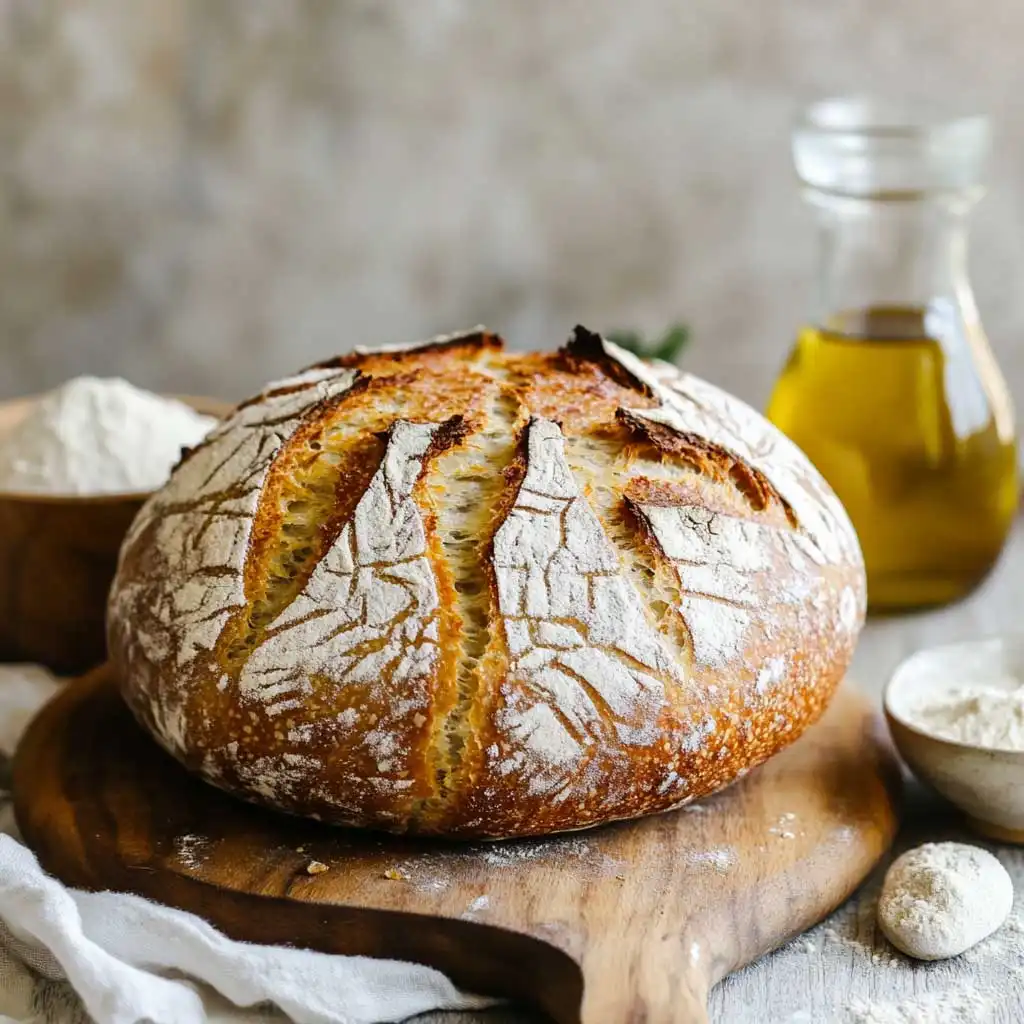
- Bake with Steam and High Heat: High heat and steam in the initial phase of baking are essential for a good oven spring and a crispy crust. The steam keeps the crust soft, allowing the dough to expand fully before the crust sets. Use a Dutch oven or a baking stone with a pan of water for steam.
Easy Variations And Serving Ideas That Fit Real Life
While we’re focusing on technique, a well-baked, airy sourdough loaf is incredibly versatile. Once you’ve mastered the light crumb, the serving possibilities are endless and can easily fit into a busy family’s routine.
For a quick breakfast or snack, slice your airy sourdough and toast it. Top with avocado and a sprinkle of everything bagel seasoning, or a simple spread of butter and jam. Kids often love it simply toasted with a little cream cheese or peanut butter.
For lunch, your improved sourdough makes the perfect base for open-faced sandwiches. Think turkey and cheese melts, or a fresh caprese with sliced tomatoes, mozzarella, and basil. It also pairs wonderfully with a hearty soup or a crisp salad, soaking up all the delicious flavors without becoming soggy.
When serving for dinner, a basket of freshly sliced sourdough is always a hit. Offer it with a good quality olive oil for dipping, perhaps infused with garlic or herbs. It’s also fantastic alongside pasta dishes, chili, or any stew where you want to sop up the savory juices. For a more sophisticated touch, make bruschetta with diced tomatoes, garlic, and basil.
You can also incorporate your sourdough into other dishes. Use day-old bread to make croutons for salads, or breadcrumbs for coating chicken or fish. For a sweet treat, try making a simple bread pudding. The light texture will absorb the custard beautifully.
Common Slip-Ups And How To Avoid Them
Even with the best intentions, it’s easy to fall into common traps that lead to dense sourdough. Recognizing these pitfalls can help you steer clear of them.
One of the most frequent mistakes is using a weak or underfed starter. If your starter isn’t robust and actively bubbling, it simply won’t produce enough gas to lift your dough. To avoid this, always feed your starter consistently and ensure it’s at its peak activity (doubled or tripled in size, floats in water) before mixing your dough.
Another common issue is under-developing the gluten. If your dough feels shaggy, tears easily, or doesn’t stretch well, it means the gluten network isn’t strong enough to trap gases. The solution is to be patient with your stretch and folds or coil folds. Don’t rush this process. Keep working the dough until it feels smooth, elastic, and passes the windowpane test.
Incorrect bulk fermentation is a major culprit. Many beginners rely too heavily on the clock rather than observing the dough. If you under-ferment, your crumb will be tight and dense because not enough gas has been produced. If you over-ferment, the gluten structure can break down, leading to a gummy or collapsed crumb. Learn to read your dough: look for a

FAQs
- Can I make these ahead? Yes—prep ahead, refrigerate, then serve when ready.
- How long do leftovers last? Store covered in the fridge for 3–4 days for best texture.
- Can I adjust sweetness? Yes—add more or less sweetener to taste.
- Can I change the fruit? Yes—swap strawberries for blueberries, raspberries, or sliced banana.