
A strong, active sourdough starter is the backbone of delicious homemade bread, but sometimes even the most dedicated bakers find their starter looking a little sluggish.

If your sourdough starter isn’t bubbling with life, don’t despair! A weak starter is a common issue, and with a few simple adjustments, you can revive it and get it back to its robust, active self.
This guide will walk you through straightforward, effective tips to troubleshoot and strengthen your sourdough starter, ensuring it’s ready to leaven your next loaf with vigor. Say goodbye to flat bread and hello to a thriving, bubbly starter that performs beautifully every time.
Table of Contents
- What You’ll Love About This Quick And Easy Recipe
- Everything You Need To Make This Recipe Without Stress
- Time Needed From Start To Finish
- How To Make It Step By Step With Visual Cues
- Easy Variations And Serving Ideas That Fit Real Life
- Common Slip-Ups And How To Avoid Them
- How To Store It And Make It Ahead Without Ruining Texture

How to Revive a Weak Sourdough Starter
- Total Time: 1-2 days
- Yield: 1 active sourdough starter
Description
This guide provides straightforward, effective tips to troubleshoot and strengthen a sluggish sourdough starter, ensuring it’s ready to leaven your next loaf with vigor. It focuses on consistent feeding and observation to bring a weak starter back to life.
Ingredients
Instructions
1. Assess Your Starter’s Current State: Before you begin, take a good look at your starter. Does it smell sour but not yeasty? Is it flat with no bubbles? Is there a layer of dark liquid (hooch) on top? These are all signs of a hungry, weak starter. If there’s mold, it’s best to discard it and start fresh. If there’s just hooch, gently pour it off or stir it in.
2. Perform a Small Refresh: Instead of feeding your entire starter, take a small amount (about 1-2 tablespoons) and transfer it to a clean jar. This helps concentrate the existing yeast and bacteria without over-diluting them. Discard the rest of the old, weak starter, or use it in discard recipes.
3. Feed with Equal Parts Flour and Water: To the small amount of starter in the clean jar, add equal parts (by weight) of fresh flour and room-temperature filtered water. For example, if you have 20 grams of starter, add 20 grams of flour and 20 grams of water. For a boost, use a mix of 80% all-purpose flour and 20% whole wheat flour.
4. Mix Thoroughly and Observe: Stir the mixture well with a spoon or spatula until there are no dry spots of flour. The consistency should be like a thick pancake batter. Scrape down the sides of the jar to keep it clean. Cover the jar loosely with a lid, plastic wrap, or a damp kitchen towel to allow air exchange but prevent it from drying out.
5. Find a Warm Spot: Place your fed starter in a warm location, ideally between 75-80 F (24-27 C). A warm spot encourages yeast activity. This could be near a sunny window (but not in direct, scorching sun), on top of your refrigerator, or in an oven with just the light on (make sure it doesn’t get too hot).
6. Repeat the Feeding Process: After 4-12 hours, observe your starter. Is it showing bubbles? Has it risen? If it’s showing signs of activity but hasn’t doubled or isn’t consistently bubbly, repeat step 3 and 4. Continue feeding every 4-12 hours (depending on its activity level) until it consistently doubles in size within 4-6 hours after feeding. This might take 1-2 days of consistent care.
7. Maintain Your Active Starter: Once your starter is consistently doubling and bubbly within 4-6 hours, it’s considered active and ready for baking. You can then resume your regular feeding schedule (daily if kept at room temperature, or once a week if stored in the refrigerator).
- Prep Time: 5-10 minutes per feeding
- Cook Time: 0 minutes
- Category: baking
- Method: fermentation
- Cuisine: american
Nutrition
- Serving Size: 1 starter
Keywords: sourdough, starter, revive, baking, bread, fermentation, yeast, flour, water, troubleshooting
What You’ll Love About This Quick And Easy Recipe
This guide is perfect for anyone who has ventured into the world of sourdough baking and encountered the common hurdle of a less-than-lively starter. You’ll love how practical and easy these tips are to implement, requiring no special equipment or advanced techniques. It’s designed for home bakers of all skill levels, especially beginners who might feel intimidated by a dormant starter. This isn’t about making a new starter from scratch, but rather about nurturing the one you already have. You can apply these strategies anytime your starter seems sluggish, whether it’s after a period of neglect, inconsistent feeding, or simply when it’s not performing as expected before a baking session.
Everything You Need To Make This Recipe Without Stress
Getting your sourdough starter back on track doesn’t require a long list of fancy ingredients. In fact, you likely have everything you need in your pantry already. The key is consistency and using the right foundational ingredients to feed your starter.
INGREDIENTS:
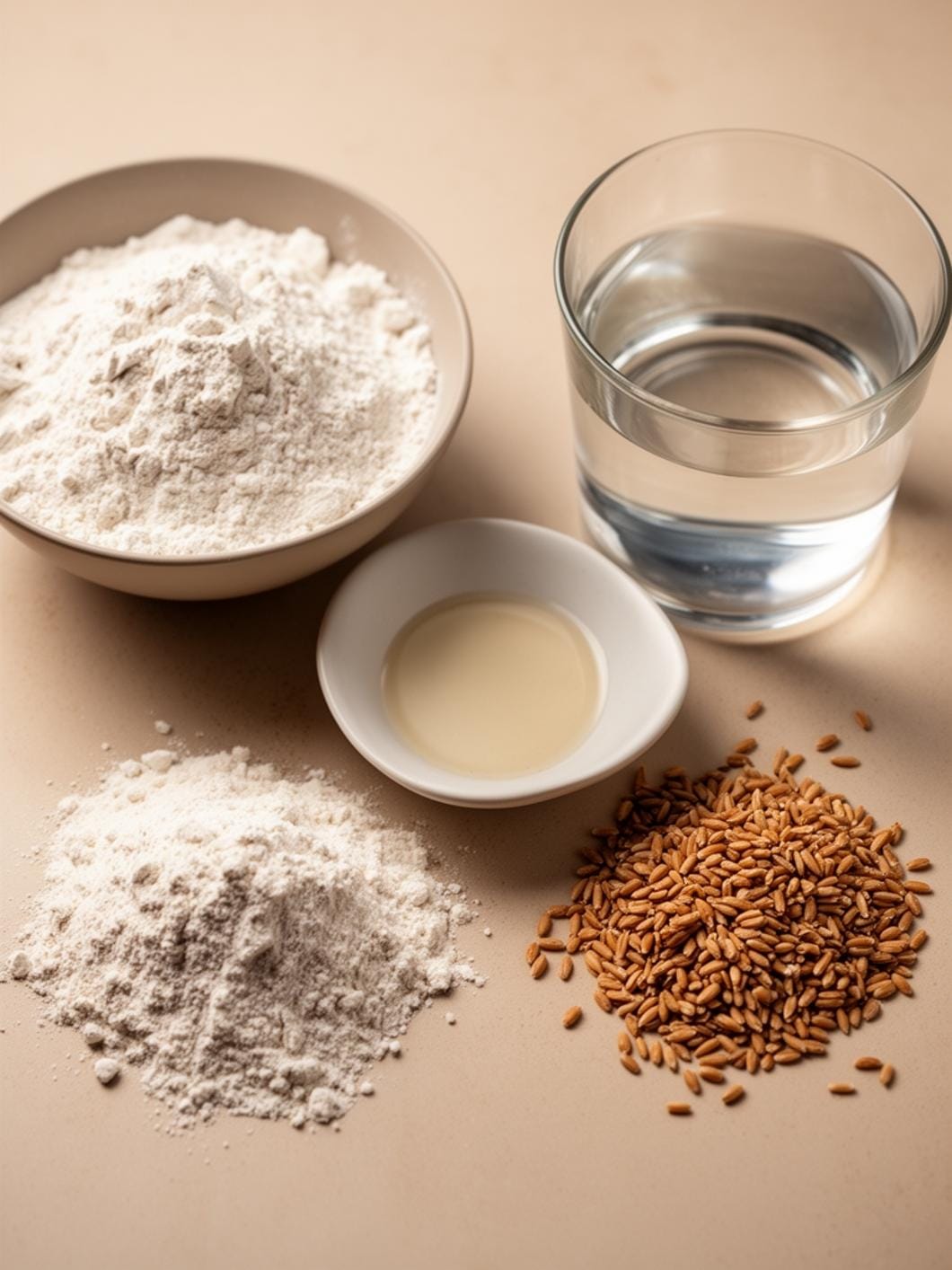
- All-purpose flour
- Whole wheat flour (optional, but recommended for a boost)
- Filtered water (room temperature)
- Your weak sourdough starter
When it comes to flour, a good quality unbleached all-purpose flour is usually sufficient. However, incorporating a small amount of whole wheat flour can provide a significant boost to your starter’s activity. Whole wheat flour contains more nutrients and natural yeasts, which can help kickstart a sluggish starter. For water, filtered water is always preferred over tap water, as chlorine in tap water can inhibit yeast activity. If you don’t have filtered water, you can let tap water sit out uncovered for a few hours to allow the chlorine to dissipate.
Time Needed From Start To Finish
Reviving a weak sourdough starter isn’t an instant fix, but it’s also not a lengthy process once you know what to do. The active “prep” time for each feeding is minimal, usually just 5-10 minutes. However, you’ll need to allow several hours (or even a day or two) for the starter to show signs of renewed activity between feedings.
- Active Prep Time: 5-10 minutes per feeding
- Waiting Time for Activity: 4-12 hours between feedings (depending on room temperature and starter’s initial state)
- Total Time to Revive: 1-2 days of consistent feeding
This isn’t a recipe with a strict “cook time” but rather a process of observation and consistent care.
How To Make It Step By Step With Visual Cues

Bringing your sourdough starter back to life is a straightforward process of consistent feeding and observation. Follow these steps to encourage a bubbly, active starter.
- Assess Your Starter’s Current State: Before you begin, take a good look at your starter. Does it smell sour but not yeasty? Is it flat with no bubbles? Is there a layer of dark liquid (hooch) on top? These are all signs of a hungry, weak starter. If there’s mold, it’s best to discard it and start fresh. If there’s just hooch, gently pour it off or stir it in.
- Perform a Small Refresh: Instead of feeding your entire starter, take a small amount (about 1-2 tablespoons) and transfer it to a clean jar. This helps concentrate the existing yeast and bacteria without over-diluting them. Discard the rest of the old, weak starter, or use it in discard recipes.
- Feed with Equal Parts Flour and Water: To the small amount of starter in the clean jar, add equal parts (by weight) of fresh flour and room-temperature filtered water. For example, if you have 20 grams of starter, add 20 grams of flour and 20 grams of water. For a boost, use a mix of 80% all-purpose flour and 20% whole wheat flour.
- Mix Thoroughly and Observe: Stir the mixture well with a spoon or spatula until there are no dry spots of flour. The consistency should be like a thick pancake batter. Scrape down the sides of the jar to keep it clean. Cover the jar loosely with a lid, plastic wrap, or a damp kitchen towel to allow air exchange but prevent it from drying out.
- Find a Warm Spot: Place your fed starter in a warm location, ideally between 75-80°F (24-27°C). A warm spot encourages yeast activity. This could be near a sunny window (but not in direct, scorching sun), on top of your refrigerator, or in an oven with just the light on (make sure it doesn’t get too hot).
- Repeat the Feeding Process: After 4-12 hours, observe your starter. Is it showing bubbles? Has it risen? If it’s showing signs of activity but hasn’t doubled or isn’t consistently bubbly, repeat step 3 and 4. Continue feeding every 4-12 hours (depending on its activity level) until it consistently doubles in size within 4-6 hours after feeding. This might take 1-2 days of consistent care.
- Maintain Your Active Starter: Once your starter is consistently doubling and bubbly within 4-6 hours, it’s considered active and ready for baking. You can then resume your regular feeding schedule (daily if kept at room temperature, or once a week if stored in the refrigerator).
Easy Variations And Serving Ideas That Fit Real Life
While this guide focuses on reviving your starter, the ultimate “serving idea” is, of course, delicious sourdough bread! Once your starter is active, the possibilities are endless.
- Everyday Sourdough Loaf: The most classic use for an active starter is a beautiful, crusty loaf of sourdough bread.
- Sourdough Discard Recipes: While you’re reviving your starter, you’ll likely have some discard. Don’t let it go to waste! Use it for pancakes, waffles, crackers, or even savory quick breads. These are great kid-friendly options too.
- Enriched Sourdough Bakes: Once your starter is strong, try enriching your dough with milk, butter, or eggs for softer, richer breads like brioche or cinnamon rolls.
- Pizza Dough: A strong sourdough starter makes an incredibly flavorful and chewy pizza crust.
- Focaccia: A bubbly starter is perfect for airy, olive oil-rich focaccia.
The best way to “serve” your revived starter is to bake with it! The more you bake, the more you understand its rhythms and needs.
Common Slip-Ups And How To Avoid Them
Even experienced bakers can encounter issues with their sourdough starter. Here are some common mistakes and how to prevent them:
- Not Feeding Consistently Enough: A weak starter is often a hungry starter. If you’re trying to revive it, consistent feeding (every 4-12 hours) is crucial. Don’t wait until it’s completely flat and smelly.
- Using Too Much Starter: When reviving, using a small amount of starter relative to the fresh flour and water is key. Too much old, weak starter can overwhelm the new food and slow down the revival process.
- Using Cold Water or Flour: Temperature plays a huge role. Cold water and flour will slow down fermentation. Always use room-temperature or slightly warm water (around 75-80°F) for feeding.
- Not Storing in a Warm Enough Environment: Just like with cold ingredients, a cold room will make your starter sluggish. Find a consistently warm spot to encourage activity.
- Using Chlorinated Water: Chlorine can kill the beneficial microbes in your starter. Always use filtered water or let tap water sit out for several hours before using.
- Not Mixing Thoroughly: Dry pockets of flour can harbor unwanted bacteria or simply not get properly hydrated, leading to inconsistent feeding. Mix until smooth and no dry flour remains.
- Giving Up Too Soon: Reviving a very weak starter can take a few days of consistent feeding. Be patient and observe for signs of life. Don’t discard it unless you see clear mold.
How To Store It And Make It Ahead Without Ruining Texture
Once your sourdough starter is robust and active, proper storage is essential to maintain its health.
- Room Temperature Storage (Daily Baking): If you bake frequently (daily or every other day), you can keep your active starter on the countertop. Feed it once or twice a day with equal parts (by weight) starter, flour, and water. This ensures it’s always ready to use.
- Refrigerator Storage (Weekly Baking): For less frequent baking (once

FAQs
- Can I make these ahead? Yes—prep ahead, refrigerate, then serve when ready.
- How long do leftovers last? Store covered in the fridge for 3–4 days for best texture.
- Can I adjust sweetness? Yes—add more or less sweetener to taste.
- Can I change the fruit? Yes—swap strawberries for blueberries, raspberries, or sliced banana.