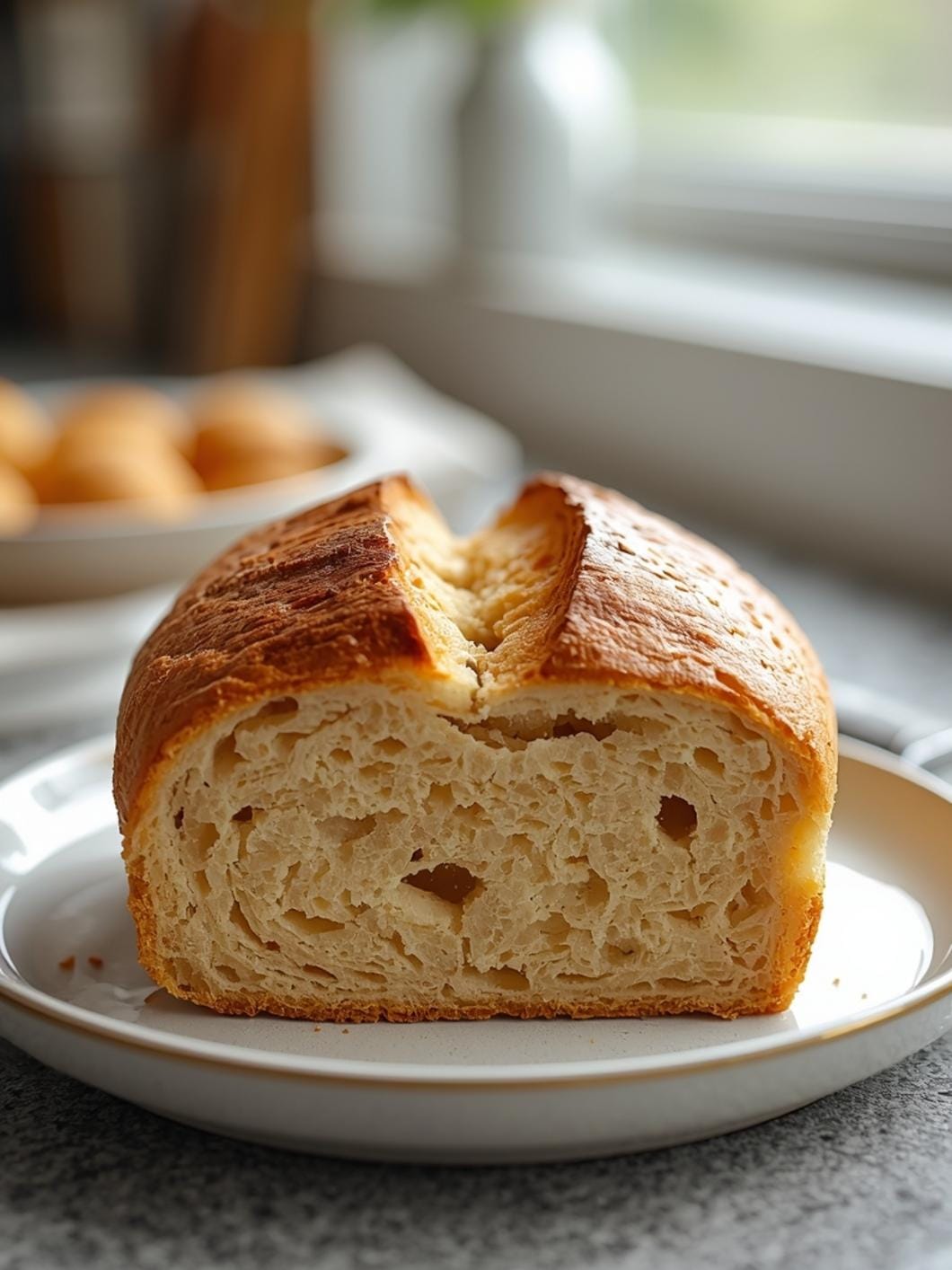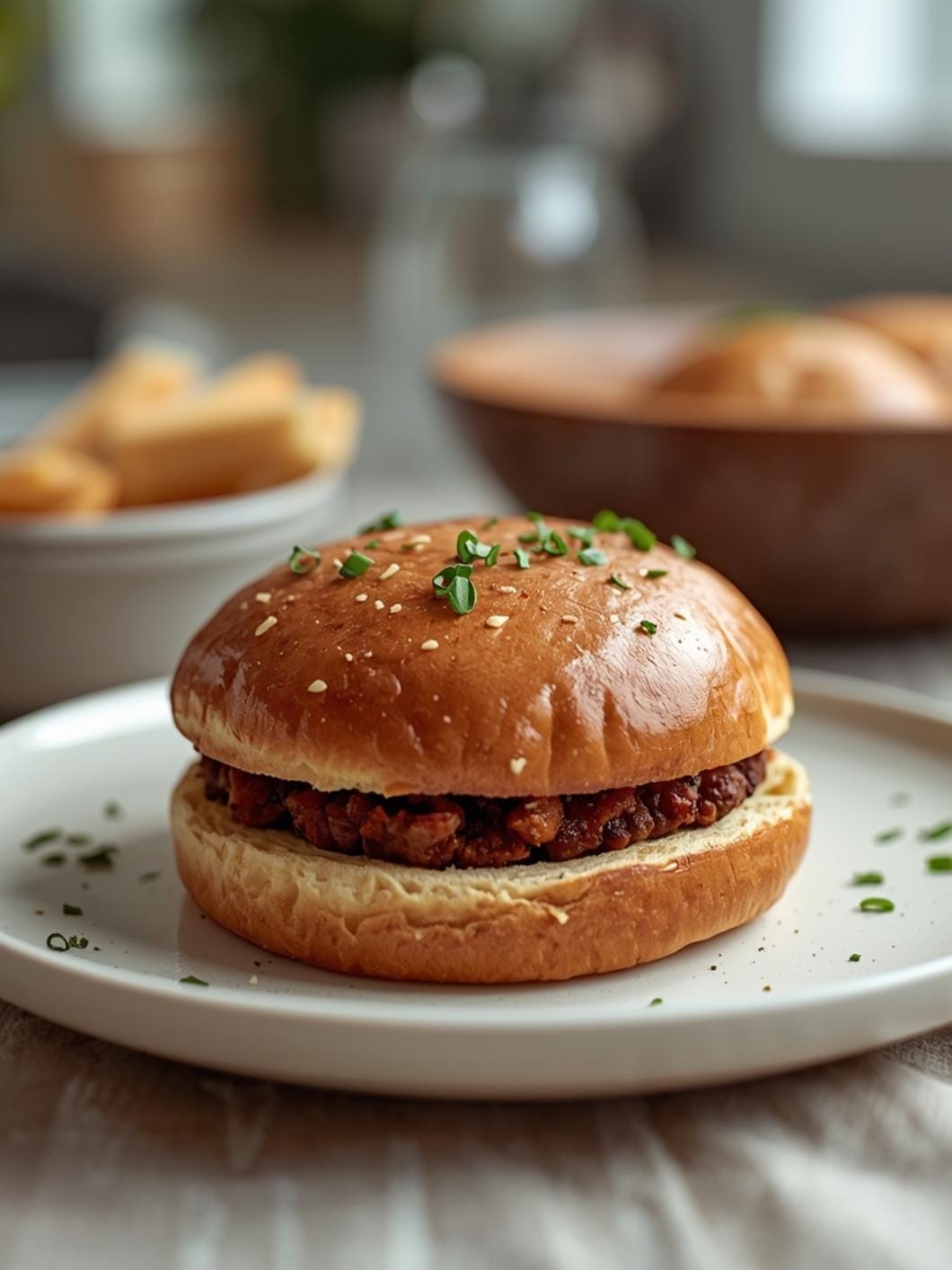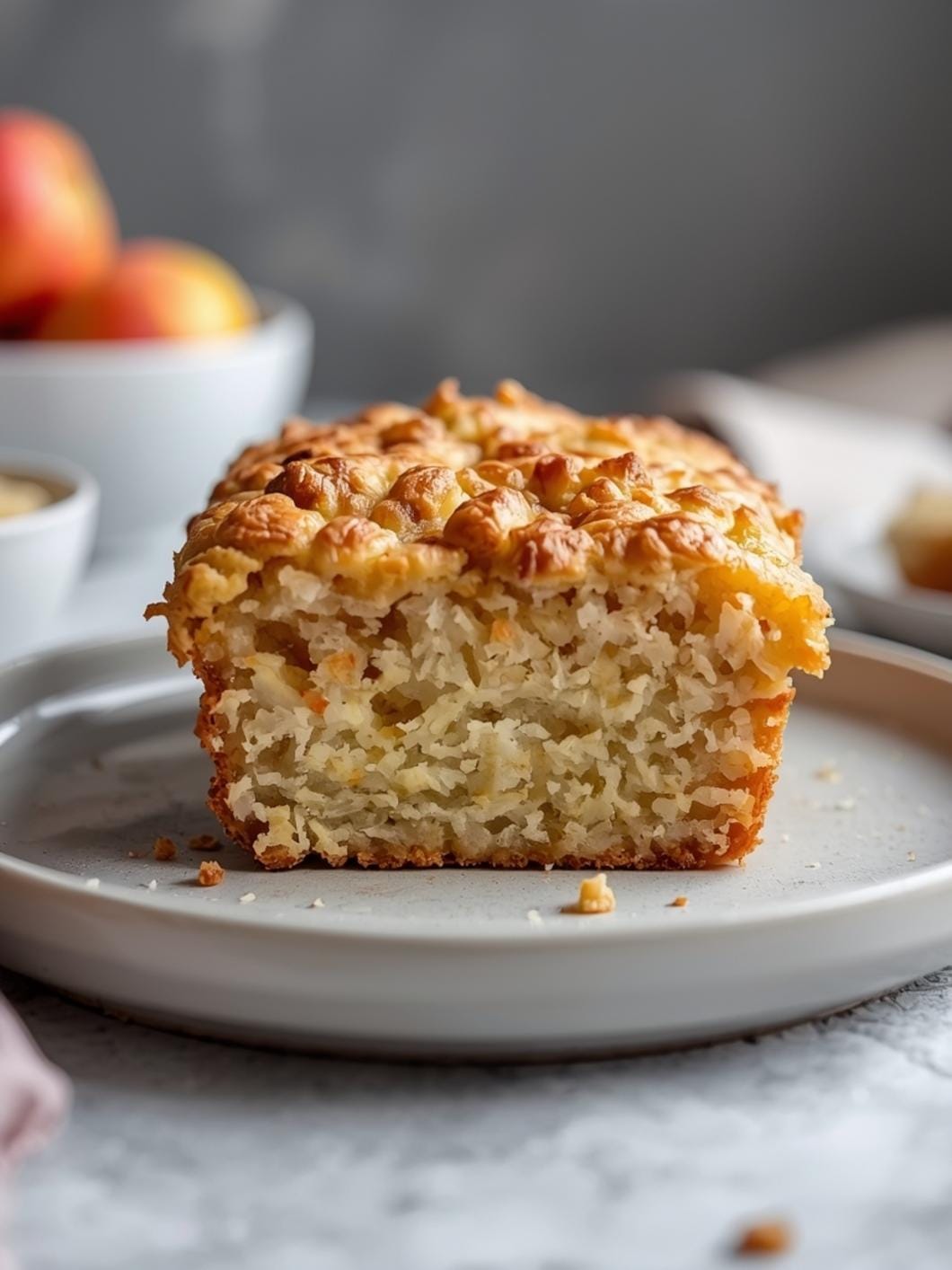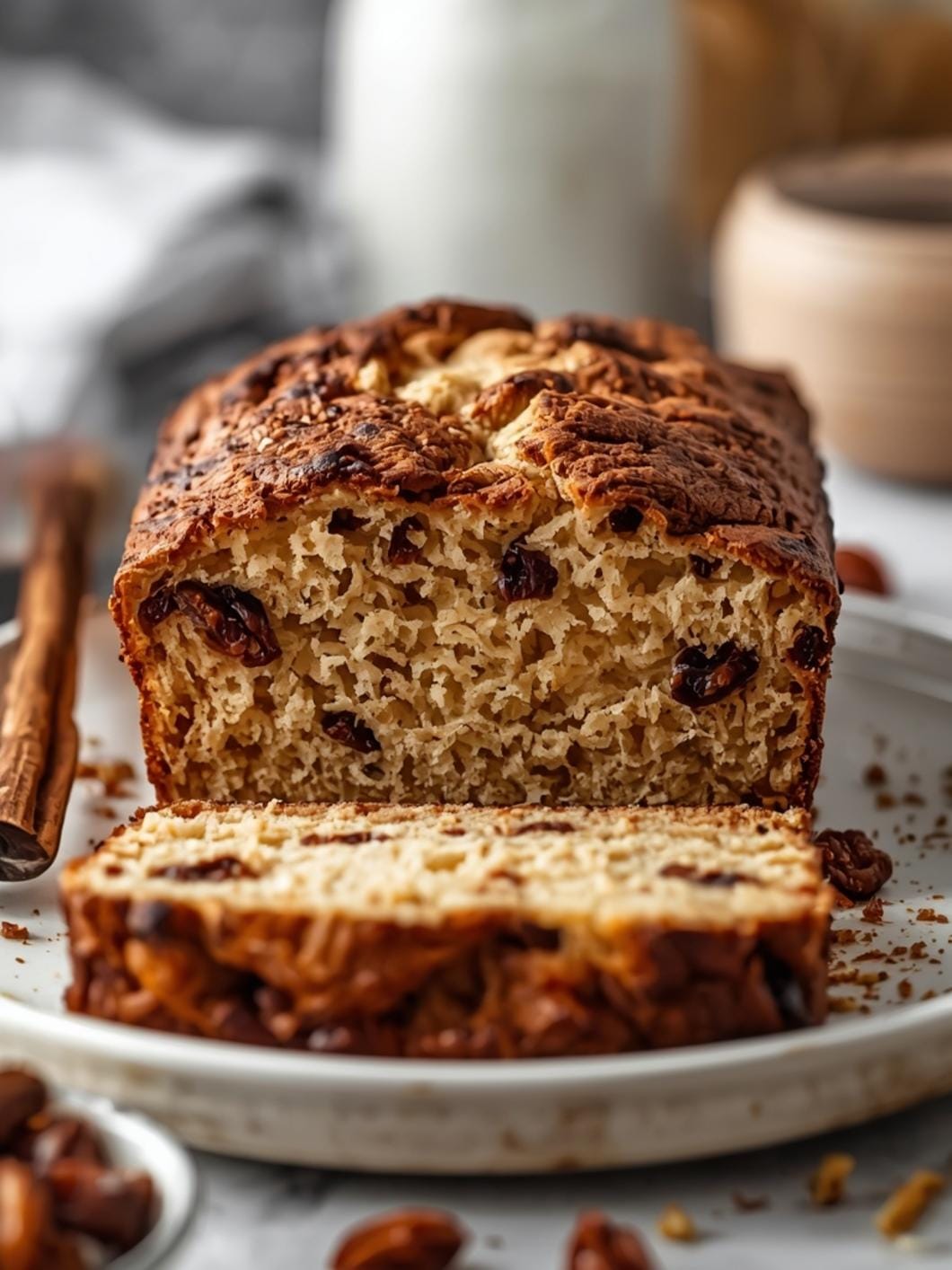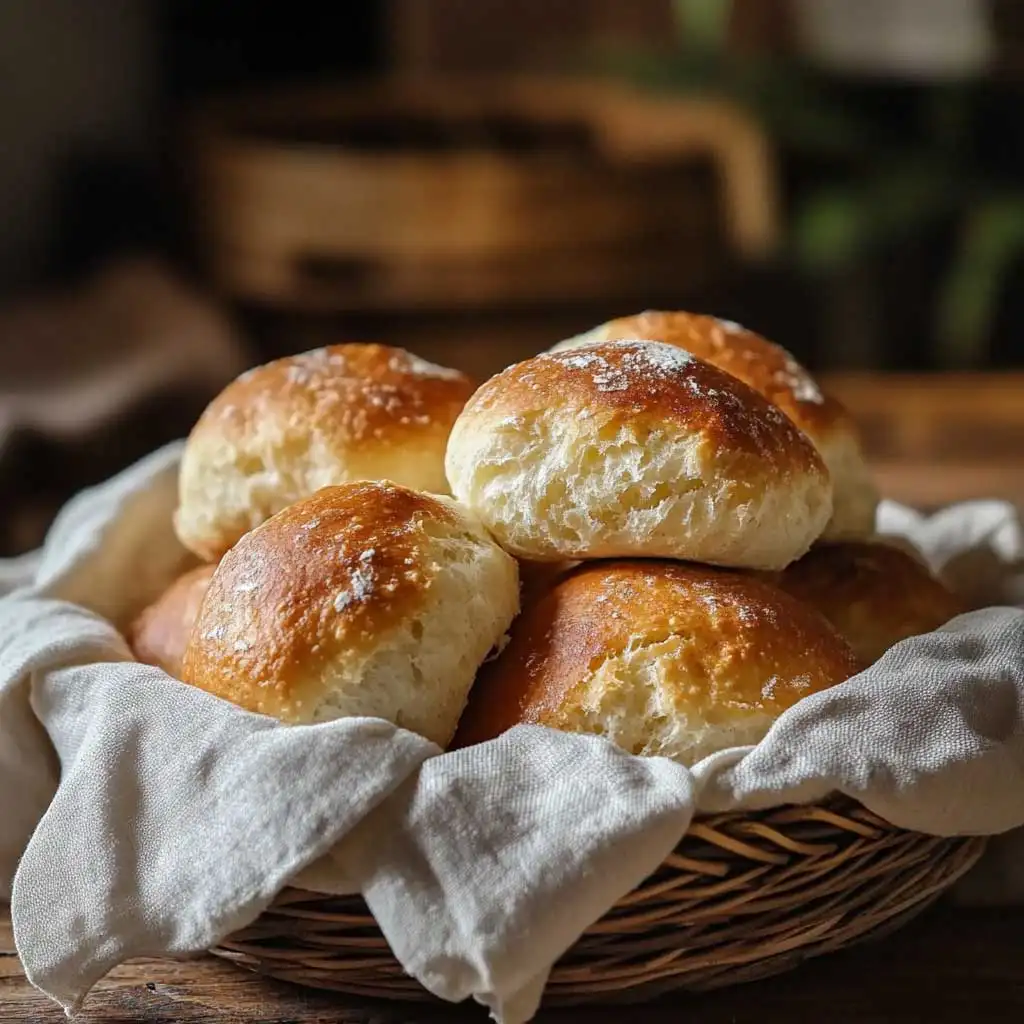

These fluffy sourdough dinner rolls are about to become your new favorite side dish.
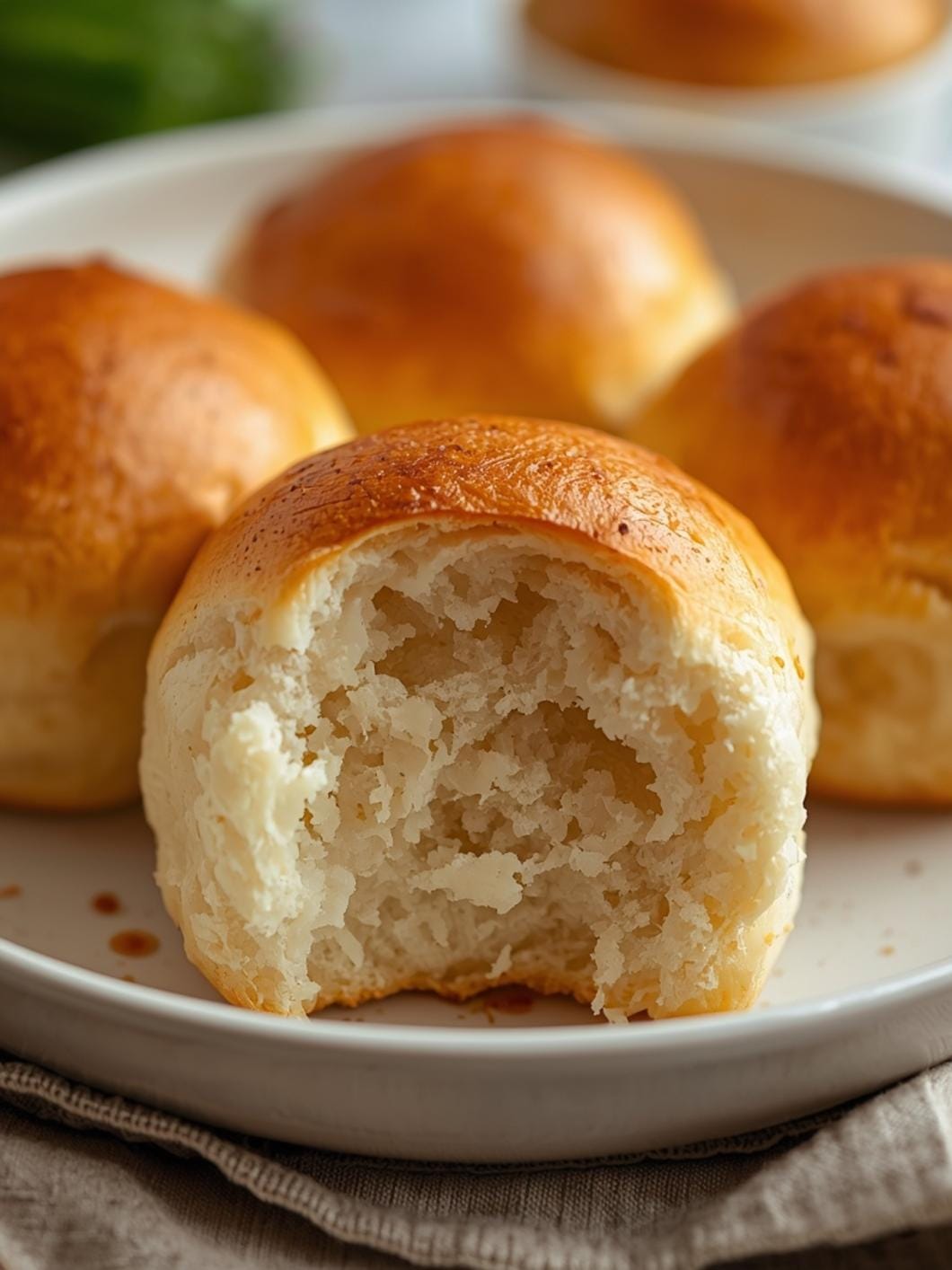
Imagine soft, tender rolls with that signature sourdough tang, perfect for soaking up gravy, accompanying a hearty soup, or simply enjoying with a pat of butter. This recipe makes them incredibly easy to achieve, even if you’re new to sourdough baking.
Forget complicated steps and long proofing times. This streamlined approach brings you delicious, pull-apart rolls that are sure to impress at any meal, from a weeknight dinner to a special gathering. Let’s get baking!
Table of Contents
- What You’ll Love About This Quick And Easy Recipe
- Everything You Need To Make This Recipe Without Stress
- Time Needed From Start To Finish
- How To Make It Step By Step With Visual Cues
- Easy Variations And Serving Ideas That Fit Real Life
- Common Slip-Ups And How To Avoid Them
- How To Store It And Make It Ahead Without Ruining Texture

Fluffy Sourdough Dinner Rolls
- Total Time: 2 hours 45 minutes to 3 hours 30 minutes
- Yield: 12-16 rolls 1x
Description
These fluffy sourdough dinner rolls are about to become your new favorite side dish. Imagine soft, tender rolls with that signature sourdough tang, perfect for soaking up gravy, accompanying a hearty soup, or simply enjoying with a pat of butter. This recipe makes them incredibly easy to achieve, even if you’re new to sourdough baking. Forget complicated steps and long proofing times. This streamlined approach brings you delicious, pull-apart rolls that are sure to impress at any meal, from a weeknight dinner to a special gathering. Let’s get baking!
Ingredients
Instructions
1. 1. Combine Wet Ingredients: In a large mixing bowl, whisk together the active sourdough starter, warm milk, granulated sugar, melted butter, and lightly beaten egg. Ensure the milk isn’t too hot, or it could harm your starter. The mixture should look milky and slightly frothy from the starter.
2. 2. Add Dry Ingredients: Gradually add the salt and 3 1/2 cups of all-purpose flour to the wet ingredients. If using, whisk in the baking soda with the first addition of flour. Mix with a wooden spoon or your hands until a shaggy dough forms.
3. 3. Knead the Dough: Turn the dough out onto a lightly floured surface. Knead for 5-7 minutes until the dough is smooth, elastic, and no longer sticky. Add more flour, one tablespoon at a time, if the dough is too sticky, but be careful not to add too much, as this can make the rolls tough. The dough should feel soft and pliable.
4. 4. First Rise (Bulk Fermentation): Lightly grease a clean bowl with a little oil. Place the dough in the bowl, turning it once to coat. Cover the bowl with plastic wrap or a clean kitchen towel and let it rise in a warm place for 1.5 to 2 hours, or until doubled in size. You’ll know it’s ready when it looks puffy and springs back slowly when gently poked.
5. 5. Shape the Rolls: Gently punch down the risen dough to release the air. Turn it out onto a lightly floured surface and divide it into 12-16 equal pieces. Shape each piece into a smooth, round ball by pulling the edges under and pinching them at the bottom.
6. 6. Second Rise (Proofing): Arrange the shaped rolls in a greased 9×13-inch baking dish, leaving a little space between them. Cover the dish loosely with plastic wrap or a kitchen towel and let them rise again in a warm place for 30-45 minutes, or until visibly puffy and almost touching. They should look noticeably larger and feel light.
7. 7. Bake the Rolls: Preheat your oven to 375 F (190 C). Once preheated, remove the cover from the rolls and bake for 18-22 minutes, or until golden brown on top and cooked through. The internal temperature should reach about 200 F (93 C).
8. 8. Serve Warm: Remove the rolls from the oven. For an extra touch of deliciousness, brush the tops with a little melted butter while they are still warm. Serve immediately and enjoy!
- Prep Time: 20 minutes
- Cook Time: 18-22 minutes
- Category: bread
- Method: baking
- Cuisine: american
Nutrition
- Serving Size: 1 roll
Keywords: sourdough, dinner rolls, bread, fluffy, easy, homemade, side dish, baking, yeast, comfort food
What You’ll Love About This Quick And Easy Recipe
This recipe is a game-changer for anyone looking to incorporate the wonderful flavor of sourdough into their meals without a huge time commitment. It’s perfect for busy parents, beginner bakers, or anyone who appreciates a delicious homemade touch with minimal fuss. You’ll love how straightforward the process is, yielding incredibly soft and fluffy rolls every time. These rolls are ideal for serving alongside roasts, stews, holiday dinners, or even as a delightful addition to a brunch spread. Their mild sourdough flavor makes them versatile enough to pair with almost anything, and their pull-apart nature makes them fun for the whole family to enjoy.
Everything You Need To Make This Recipe Without Stress
Gathering your ingredients before you start baking is a great way to ensure a smooth and stress-free experience. This recipe uses common pantry staples alongside your active sourdough starter, making it accessible and easy to prepare.
INGREDIENTS:
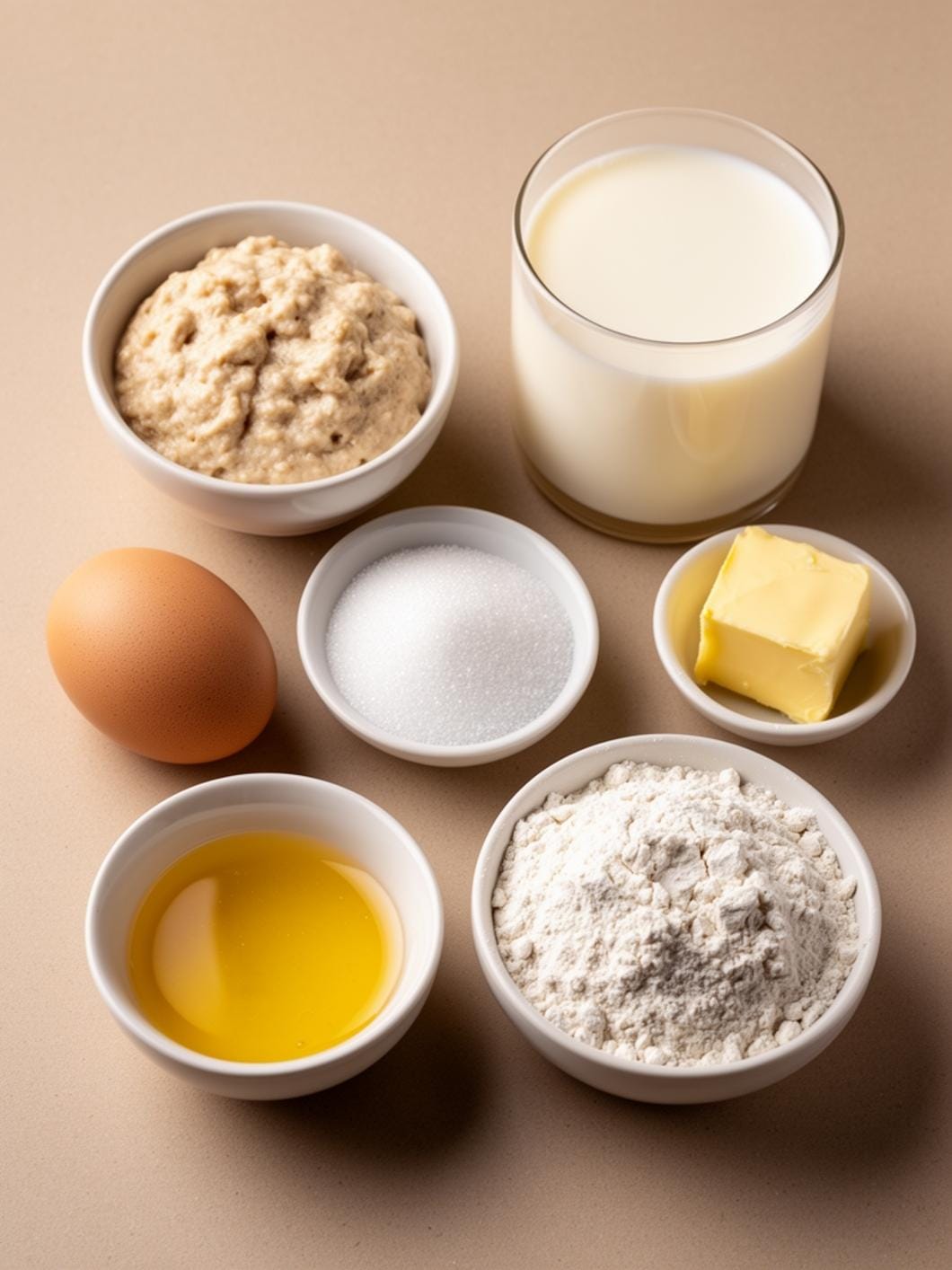
- 1 cup active sourdough starter (fed and bubbly)
- 1 cup warm milk (about 100-110°F)
- 1/4 cup granulated sugar
- 1/4 cup unsalted butter, melted
- 1 large egg, lightly beaten
- 1 teaspoon salt
- 3 1/2 to 4 cups all-purpose flour, plus more for dusting
- 1 teaspoon baking soda (optional, for extra fluffiness)
- Melted butter for brushing (optional, for serving)
For the milk, whole milk will give you the richest results, but 2% milk works perfectly fine too. If you don’t have unsalted butter, you can use salted butter and reduce the added salt in the recipe by half a teaspoon. The baking soda is an optional addition that can give your rolls an extra boost of fluffiness, especially if your starter isn’t super vigorous. Make sure your sourdough starter is active and bubbly; this is key to the success of these rolls.
Time Needed From Start To Finish
This recipe is designed to be relatively quick for a sourdough bake, allowing you to enjoy fresh rolls without an all-day commitment.
- Prep time: 20 minutes
- Rise time: 1.5 to 2 hours (first rise), 30-45 minutes (second rise)
- Cook time: 18-22 minutes
- Total time: Approximately 2 hours 45 minutes to 3 hours 30 minutes (including rise times)
While there are a couple of rising periods, the active hands-on time is quite minimal, making this a very manageable recipe for a busy day.
How To Make It Step By Step With Visual Cues

Making these sourdough dinner rolls is a straightforward process. Follow these steps for perfectly fluffy results every time.
- Combine Wet Ingredients: In a large mixing bowl, whisk together the active sourdough starter, warm milk, granulated sugar, melted butter, and lightly beaten egg. Ensure the milk isn’t too hot, or it could harm your starter. The mixture should look milky and slightly frothy from the starter.
- Add Dry Ingredients: Gradually add the salt and 3 1/2 cups of all-purpose flour to the wet ingredients. If using, whisk in the baking soda with the first addition of flour. Mix with a wooden spoon or your hands until a shaggy dough forms.
- Knead the Dough: Turn the dough out onto a lightly floured surface. Knead for 5-7 minutes until the dough is smooth, elastic, and no longer sticky. Add more flour, one tablespoon at a time, if the dough is too sticky, but be careful not to add too much, as this can make the rolls tough. The dough should feel soft and pliable.
- First Rise (Bulk Fermentation): Lightly grease a clean bowl with a little oil. Place the dough in the bowl, turning it once to coat. Cover the bowl with plastic wrap or a clean kitchen towel and let it rise in a warm place for 1.5 to 2 hours, or until doubled in size. You’ll know it’s ready when it looks puffy and springs back slowly when gently poked.
- Shape the Rolls: Gently punch down the risen dough to release the air. Turn it out onto a lightly floured surface and divide it into 12-16 equal pieces. Shape each piece into a smooth, round ball by pulling the edges under and pinching them at the bottom.
- Second Rise (Proofing): Arrange the shaped rolls in a greased 9×13-inch baking dish, leaving a little space between them. Cover the dish loosely with plastic wrap or a kitchen towel and let them rise again in a warm place for 30-45 minutes, or until visibly puffy and almost touching. They should look noticeably larger and feel light.
- Bake the Rolls: Preheat your oven to 375°F (190°C). Once preheated, remove the cover from the rolls and bake for 18-22 minutes, or until golden brown on top and cooked through. The internal temperature should reach about 200°F (93°C).
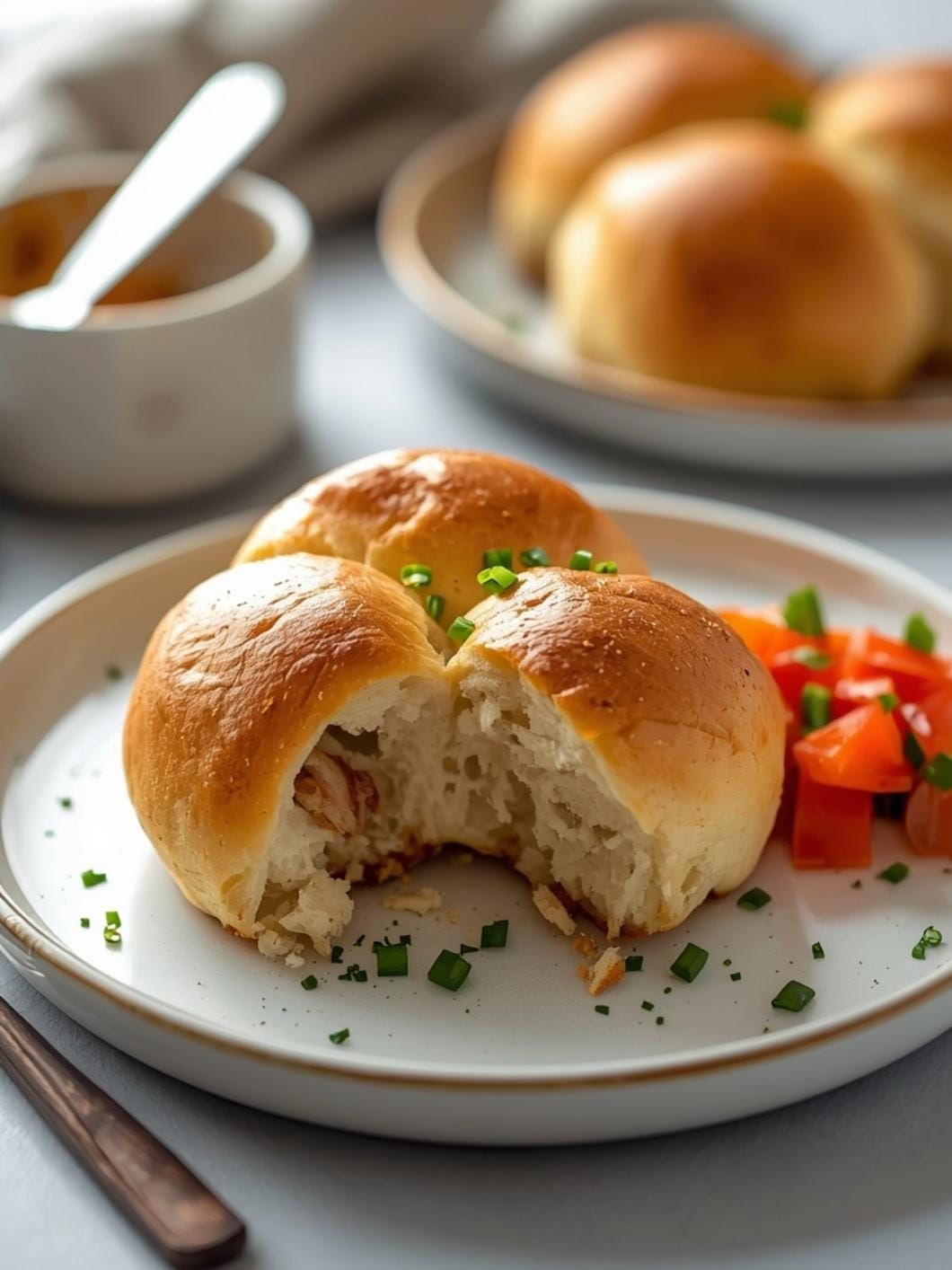
- Serve Warm: Remove the rolls from the oven. For an extra touch of deliciousness, brush the tops with a little melted butter while they are still warm. Serve immediately and enjoy!
Easy Variations And Serving Ideas That Fit Real Life
These fluffy sourdough dinner rolls are fantastic on their own, but they’re also incredibly versatile. For a kid-friendly twist, you can add a sprinkle of garlic powder and dried parsley to the dough for a savory garlic bread roll, or even a little cinnamon sugar for a sweeter breakfast-style bun. You can also make them into smaller “pull-apart” sliders by dividing the dough into 24 pieces instead of 12-16, perfect for mini sandwiches or party buffets.
Consider serving these rolls with a variety of dips like a homemade herb butter, a creamy honey butter, or even a simple olive oil and balsamic vinegar blend. They are the ultimate accompaniment to a hearty beef stew, a comforting chicken noodle soup, or a classic roasted chicken. For a holiday meal, they’ll be a welcome addition to the bread basket, perfect for sopping up gravy. Don’t be afraid to experiment with different toppings before baking, like a sprinkle of sesame seeds, poppy seeds, or flaky sea salt for added texture and flavor.
Common Slip-Ups And How To Avoid Them
Even experienced bakers can make small mistakes, but knowing what to look out for can save your rolls!
- Using an inactive starter: If your sourdough starter isn’t fed and bubbly, your rolls won’t rise properly. Always check your starter’s activity before you begin. It should have visible bubbles and pass the float test (a small spoonful should float in water).
- Over-flouring the dough: Adding too much flour during kneading can lead to dense, tough rolls. Add flour gradually and stop as soon as the dough is smooth and no longer excessively sticky. A slightly tacky dough is often ideal.
- Not letting the dough rise enough: Rushing the rising process will result in smaller, denser rolls. Allow the dough to double in size for the first rise and become visibly puffy for the second. A warm, draft-free spot is best for rising.
- Over-baking the rolls: Baking for too long can dry out the rolls, making them hard. Keep an eye on them towards the end of the baking time. They should be golden brown, not dark brown. A quick temperature check with an instant-read thermometer (200°F) can confirm doneness.
- Not greasing the pan: Forgetting to grease your baking dish can cause the rolls to stick, making them difficult to remove and potentially tearing them. Always ensure your dish is well-greased.
How To Store It And Make It Ahead Without Ruining Texture
These sourdough dinner rolls are best enjoyed fresh and warm from the oven. However, if you have leftovers or want to get a head start, here’s how to manage them:
Storage: Store leftover rolls in an airtight container or a large zip-top bag at room temperature for up to 2-3 days. To keep them softer for longer, you can wrap them individually in plastic wrap before placing them in the container.
Reheating: To reheat, place rolls on a baking sheet and warm in a preheated oven at 300°F (150°C) for 5-10 minutes, or until heated through. You can also microwave individual rolls for 15-30 seconds, but be careful not to over-microwave, as this can make them chewy. Brushing with a little water before reheating can
FAQs
- Can I make these ahead? Yes—prep ahead, refrigerate, then serve when ready.
- How long do leftovers last? Store covered in the fridge for 3–4 days for best texture.
- Can I adjust sweetness? Yes—add more or less sweetener to taste.
- Can I change the fruit? Yes—swap strawberries for blueberries, raspberries, or sliced banana.