
Having a delicious loaf of homemade sourdough bread ready to enjoy at a moment’s notice is a true kitchen luxury.
Whether you’re a seasoned sourdough baker or just getting started, knowing how to properly preserve your creations means you can always have that wonderful tangy flavor on hand. Freezing sourdough is a fantastic way to extend its freshness, ensuring that none of your hard work goes to waste and that you’re always prepared for a delicious meal or snack.
This guide will walk you through the simple, effective steps to freeze your sourdough bread, maintaining its texture and flavor. You’ll learn the best techniques to keep your sweet sourdough loaves or any other beautifully designed bread recipes tasting as fresh as the day they were baked, ready for whenever a craving strikes or guests arrive.
Table of Contents
- What You’ll Love About This Quick And Easy Recipe
- Everything You Need To Make This Recipe Without Stress
- Time Needed From Start To Finish
- How To Make It Step By Step With Visual Cues
- Easy Variations And Serving Ideas That Fit Real Life
- Common Slip-Ups And How To Avoid Them
- How To Store It And Make It Ahead Without Ruining Texture

How to Freeze Sourdough Bread
- Total Time: 2-4 hours
- Yield: 1 loaf
Description
Learn the simple and effective steps to freeze your homemade sourdough bread, preserving its texture and flavor for up to three months. This guide covers proper cooling, wrapping techniques, and thawing methods to ensure your bread tastes as fresh as the day it was baked, perfect for meal prepping or unexpected guests.
Ingredients
Instructions
1. Ensure Complete Cooling: After baking, allow your sourdough loaf to cool completely on a wire rack at room temperature. This is perhaps the most critical step. If you wrap warm bread, condensation will form inside the wrapping, leading to ice crystals and a soggy texture when thawed. The bread should feel completely cool to the touch, both inside and out, which typically takes 2-4 hours.
2. Slice or Keep Whole: Decide if you want to freeze the loaf whole or in slices. Freezing slices is convenient for single servings, as you can grab just what you need. If slicing, use a serrated knife to cut the cooled loaf into your desired thickness.
3. Wrap Tightly with Plastic Wrap: For a whole loaf, wrap it very tightly in a layer of plastic wrap. Ensure there are no air gaps, pressing the wrap against the bread’s surface. If freezing slices, stack them and wrap the stack tightly, or wrap individual slices for ultimate convenience. This initial layer prevents moisture loss.
4. Add a Layer of Aluminum Foil: Next, wrap the plastic-wrapped bread (whole or sliced) in a layer of heavy-duty aluminum foil. The foil provides an additional barrier against freezer burn and helps protect the bread from absorbing freezer odors. Make sure it’s sealed tightly around the plastic.
5. Place in a Freezer-Safe Bag: For maximum protection, place the foil-wrapped bread into a large freezer-safe bag. Squeeze out as much air as possible before sealing the bag. This triple layer of protection is key to maintaining quality over time.
6. Label and Freeze: Use a permanent marker to label the bag with the date you froze the bread. This helps you keep track of its freshness. Place the bread in the coldest part of your freezer. Sourdough bread can be stored this way for up to 3 months for optimal quality.
- Prep Time: 5-10 minutes
- Cook Time: 0 minutes
- Category: main dish
- Method: freezing
- Cuisine: american
Nutrition
- Serving Size: 1 slice
Keywords: sourdough, bread, freezing, storage, homemade, baking, preservation, meal prep, kitchen tips, food waste
What You’ll Love About This Quick And Easy Recipe
This method for freezing sourdough bread is a game-changer for anyone who bakes regularly or simply loves having fresh bread available. It’s perfect for busy families who want to enjoy homemade quality without the daily baking commitment. You’ll love that it drastically reduces food waste, allowing you to bake larger batches and store the excess for later. This approach is ideal for meal prepping, ensuring you always have a flavorful base for sandwiches, toast, or alongside your favorite dinner. It’s also fantastic for those moments when unexpected guests drop by, as you can quickly thaw and warm a loaf, presenting it as if it just came out of the oven. This technique works wonderfully for a variety of sourdough bread flavors and designs, from rustic boules to sweet sourdough loaves, making it a versatile skill for any home baker.
Everything You Need To Make This Recipe Without Stress
Freezing sourdough bread doesn’t require any special equipment, just a few common kitchen items to ensure your bread stays protected and fresh. The key is to prevent freezer burn and maintain the bread’s internal moisture and texture.
INGREDIENTS:
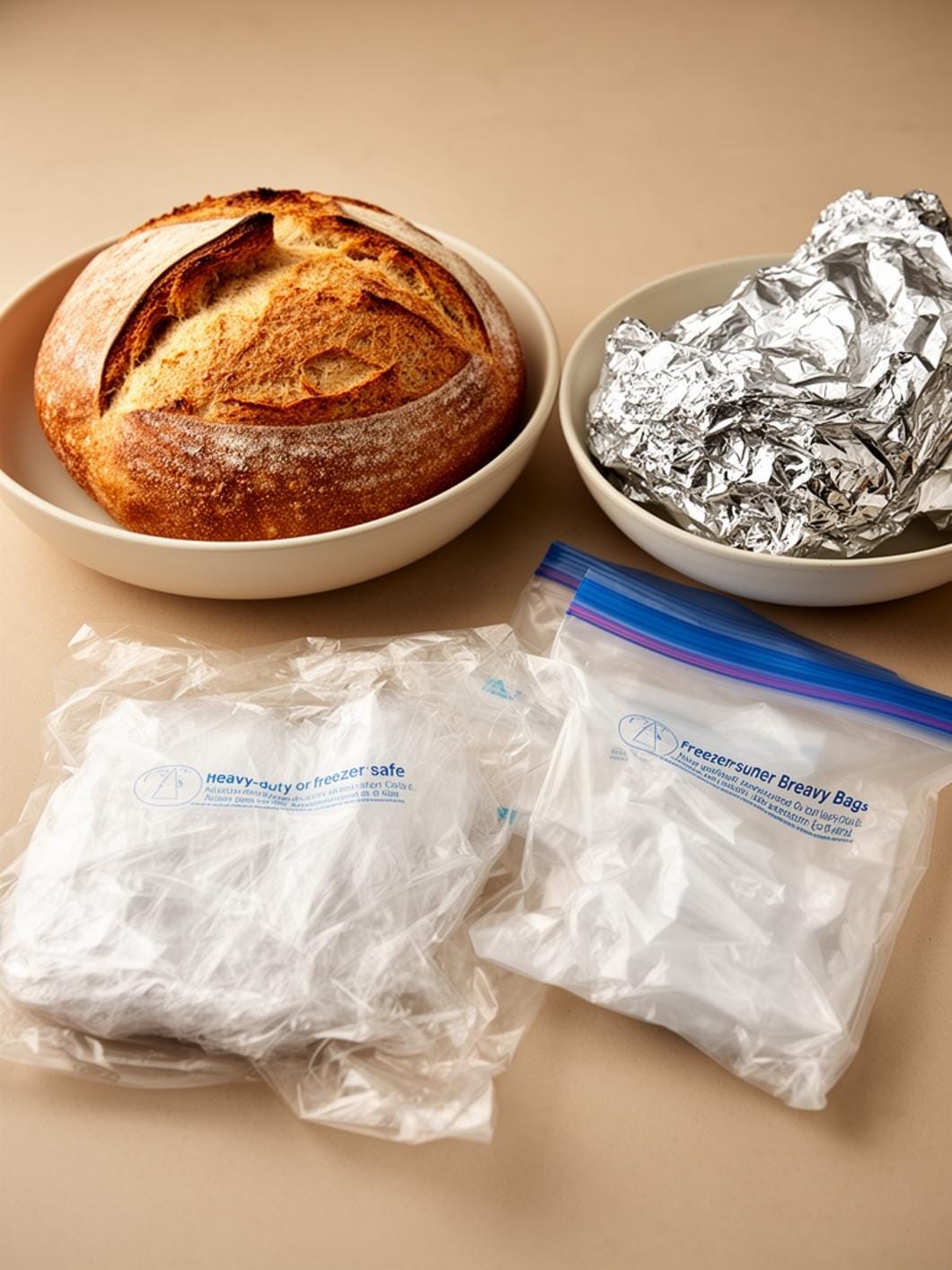
- Freshly baked sourdough bread, completely cooled
- Plastic wrap (heavy-duty or freezer-safe)
- Aluminum foil (heavy-duty)
- Freezer-safe bags (gallon-sized or larger, depending on loaf size)
For simple substitutions, if you don’t have heavy-duty plastic wrap, regular plastic wrap can work but you might want to double-layer it for extra protection. Similarly, if you’re out of heavy-duty aluminum foil, regular foil can be used, but ensure it’s tightly sealed and perhaps use two layers. The goal is to create an airtight barrier around the bread. While specific brands aren’t necessary, opting for quality freezer bags designed to prevent freezer burn will yield the best results.
Time Needed From Start To Finish
The actual hands-on time for preparing your sourdough bread for freezing is incredibly minimal, usually taking just a few minutes per loaf. The most crucial “time” factor is ensuring your bread is completely cooled before wrapping, which can take several hours after baking, depending on the size of the loaf.
- Prep Time: 5-10 minutes per loaf (for wrapping)
- Cooling Time: 2-4 hours (after baking, before wrapping)
- Total Time: 2-4 hours (mostly passive cooling time)
This timing ensures that no moisture is trapped inside the wrapping, which could lead to ice crystals and compromise the bread’s texture. Once wrapped, the bread can be frozen immediately.
How To Make It Step By Step With Visual Cues
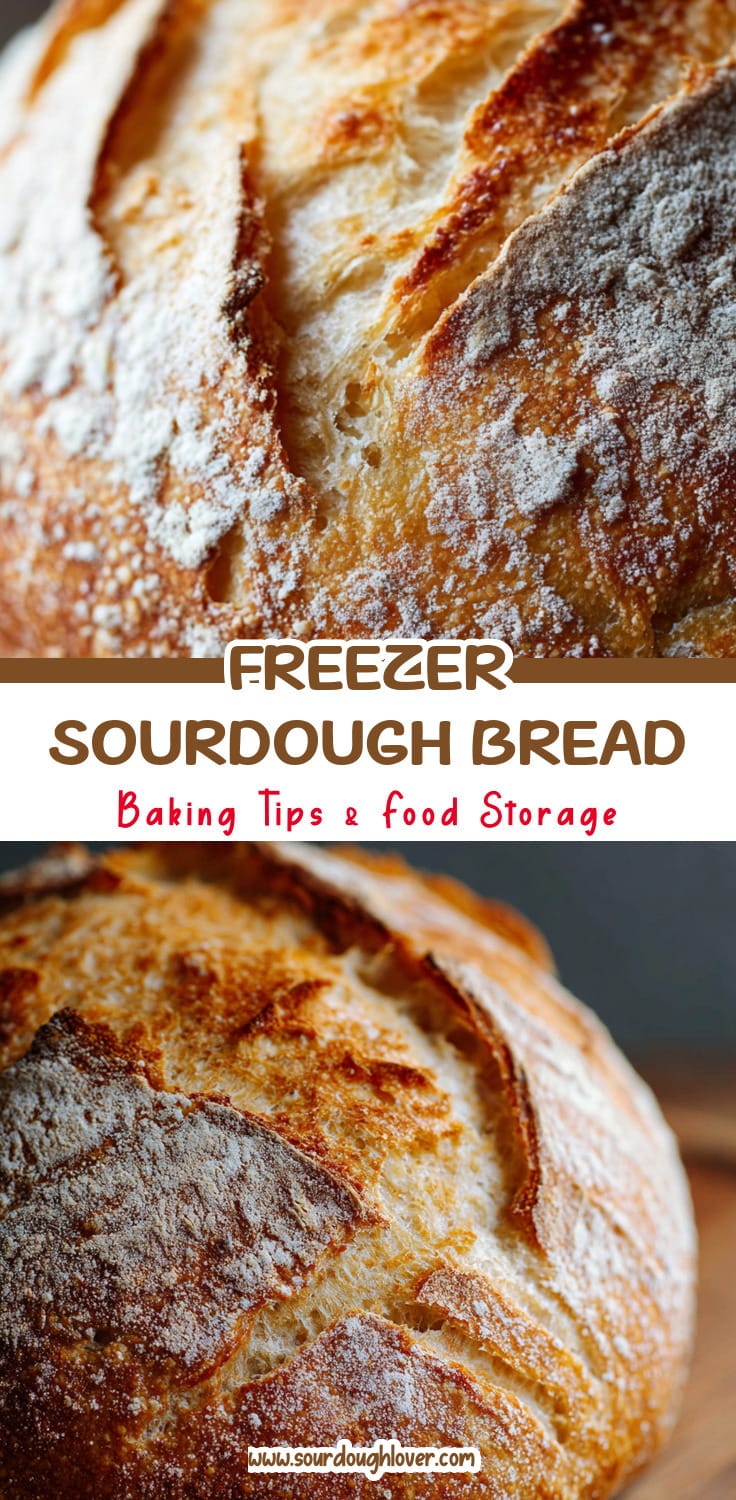
Freezing sourdough bread effectively is a straightforward process that focuses on protecting the bread from moisture loss and freezer burn. Follow these steps for best results, ensuring your bread thaws beautifully.
- Ensure Complete Cooling: After baking, allow your sourdough loaf to cool completely on a wire rack at room temperature. This is perhaps the most critical step. If you wrap warm bread, condensation will form inside the wrapping, leading to ice crystals and a soggy texture when thawed. The bread should feel completely cool to the touch, both inside and out, which typically takes 2-4 hours.
- Slice or Keep Whole: Decide if you want to freeze the loaf whole or in slices. Freezing slices is convenient for single servings, as you can grab just what you need. If slicing, use a serrated knife to cut the cooled loaf into your desired thickness.
- Wrap Tightly with Plastic Wrap: For a whole loaf, wrap it very tightly in a layer of plastic wrap. Ensure there are no air gaps, pressing the wrap against the bread’s surface. If freezing slices, stack them and wrap the stack tightly, or wrap individual slices for ultimate convenience. This initial layer prevents moisture loss.
- Add a Layer of Aluminum Foil: Next, wrap the plastic-wrapped bread (whole or sliced) in a layer of heavy-duty aluminum foil. The foil provides an additional barrier against freezer burn and helps protect the bread from absorbing freezer odors. Make sure it’s sealed tightly around the plastic.
- Place in a Freezer-Safe Bag: For maximum protection, place the foil-wrapped bread into a large freezer-safe bag. Squeeze out as much air as possible before sealing the bag. This triple layer of protection is key to maintaining quality over time.
- Label and Freeze: Use a permanent marker to label the bag with the date you froze the bread. This helps you keep track of its freshness. Place the bread in the coldest part of your freezer. Sourdough bread can be stored this way for up to 3 months for optimal quality.
Easy Variations And Serving Ideas That Fit Real Life
Having frozen sourdough on hand opens up a world of quick and delicious possibilities for any meal or snack.
- Quick Toast: Slices of frozen sourdough can go directly into the toaster or toaster oven. They’ll toast up beautifully, giving you fresh, crispy toast in minutes for breakfast or a quick snack.
- Garlic Bread: Thaw a whole or half loaf, then slice it horizontally. Spread with garlic butter, sprinkle with herbs, and bake until golden and fragrant. This is a fantastic side for pasta night.
- Croutons or Breadcrumbs: If you find a loaf has been in the freezer a bit longer, or if you prefer, you can use it to make homemade croutons or breadcrumbs. Thaw slightly, cube the bread, toss with olive oil and seasonings, then bake until crisp. For breadcrumbs, process the thawed bread in a food processor.
- Sandwich Base: A thawed and lightly warmed slice of sourdough makes an incredible base for any sandwich, elevating a simple lunch into something special.
- Bruschetta: Thaw and slice the bread, then lightly toast. Top with fresh tomatoes, basil, garlic, and a drizzle of balsamic glaze for an elegant appetizer.
- Sweet Sourdough Loaves: If you’ve frozen a sweet sourdough loaf, it’s perfect for a special breakfast or dessert. Thaw, warm gently, and serve with butter, jam, or a dusting of powdered sugar.
- Soup Dippers: A warm, crusty piece of sourdough is the ultimate companion to a hearty bowl of soup or stew. Simply thaw and warm in the oven.
Common Slip-Ups And How To Avoid Them
While freezing sourdough is generally simple, a few common mistakes can impact the quality of your thawed bread. Knowing these can help you avoid disappointment.
- Freezing Warm Bread: This is the most frequent error. As mentioned, wrapping warm bread traps steam, which turns into ice crystals in the freezer. These crystals damage the bread’s cellular structure, leading to a soggy, chewy texture when thawed. Always ensure your bread is completely cool before wrapping.
- Insufficient Wrapping: Not wrapping the bread tightly enough or using only one layer of protection can lead to freezer burn. Freezer burn occurs when air comes into contact with the food, causing dehydration and a dry, tough texture. Use at least two layers (plastic wrap and foil) and ideally a freezer bag as well, ensuring all air is squeezed out.
- Freezing Stale Bread: While freezing extends freshness, it doesn’t magically revive stale bread. Freeze your sourdough when it’s at its peak freshness, ideally within 1-2 days of baking. Freezing already stale bread will result in stale thawed bread.
- Thawing at Room Temperature Uncovered: While thawing at room temperature is fine, leaving the bread uncovered can cause it to dry out, especially the crust. It’s best to thaw it while still wrapped or in a bag to retain moisture.
- Refreezing Thawed Bread: Once thawed, sourdough bread should not be refrozen. The repeated freezing and thawing process severely degrades the bread’s texture and flavor. Only thaw what you plan to consume.
- Storing for Too Long: While sourdough can last for months in the freezer, its quality will gradually decline. For the best taste and texture, aim to consume frozen sourdough within 3 months. Beyond that, it might still be edible but could be drier or less flavorful.
How To Store It And Make It Ahead Without Ruining Texture
Proper storage and thawing are key to enjoying your frozen sourdough as if it were freshly baked.
Once your sourdough is triple-wrapped (plastic, foil, freezer bag) and labeled, it can be stored in the freezer for up to 3 months. For optimal quality, try to place it in a spot where it won’t be crushed or exposed to frequent temperature

FAQs
- Can I make these ahead? Yes—prep ahead, refrigerate, then serve when ready.
- How long do leftovers last? Store covered in the fridge for 3–4 days for best texture.
- Can I adjust sweetness? Yes—add more or less sweetener to taste.
- Can I change the fruit? Yes—swap strawberries for blueberries, raspberries, or sliced banana.