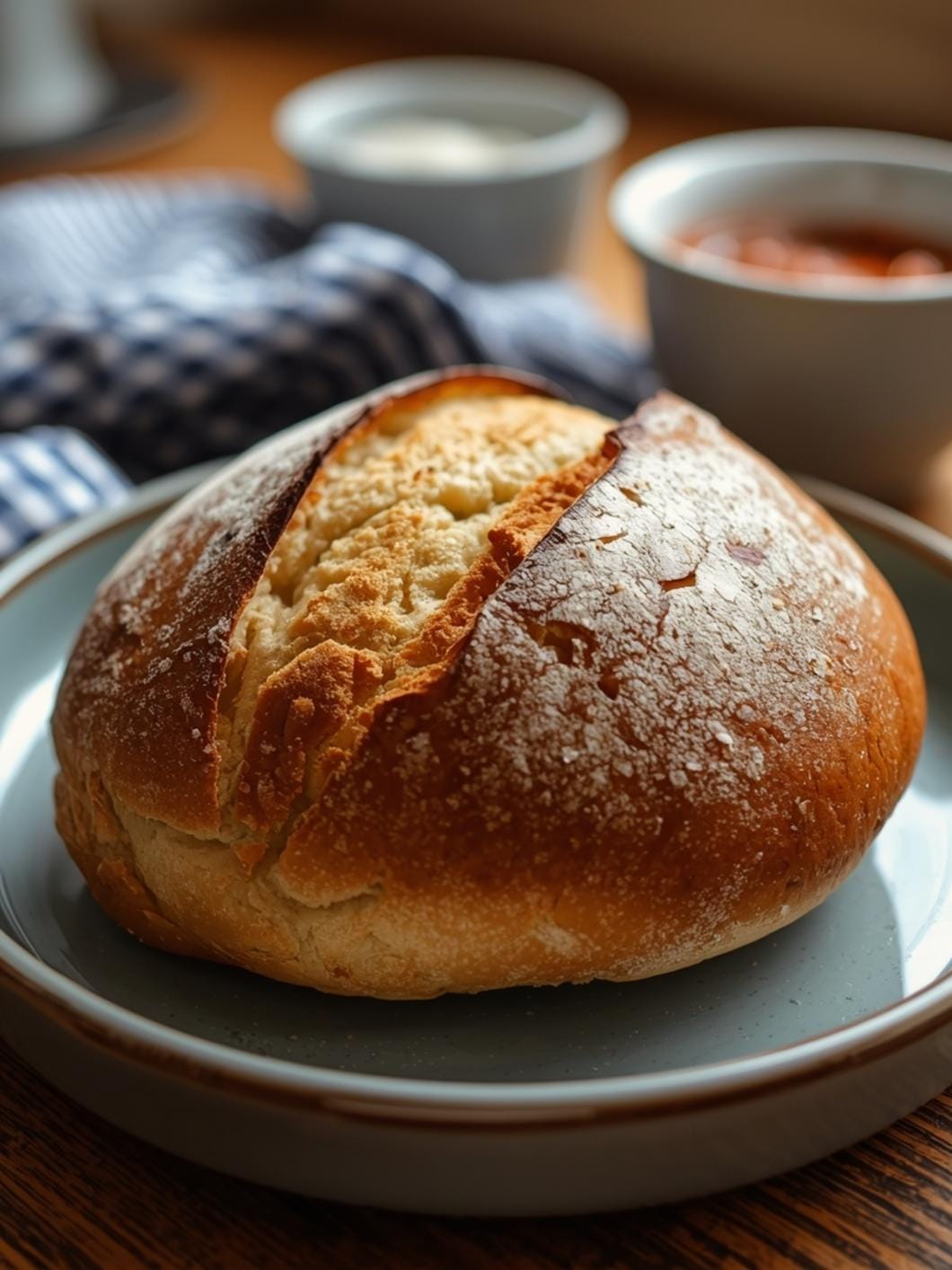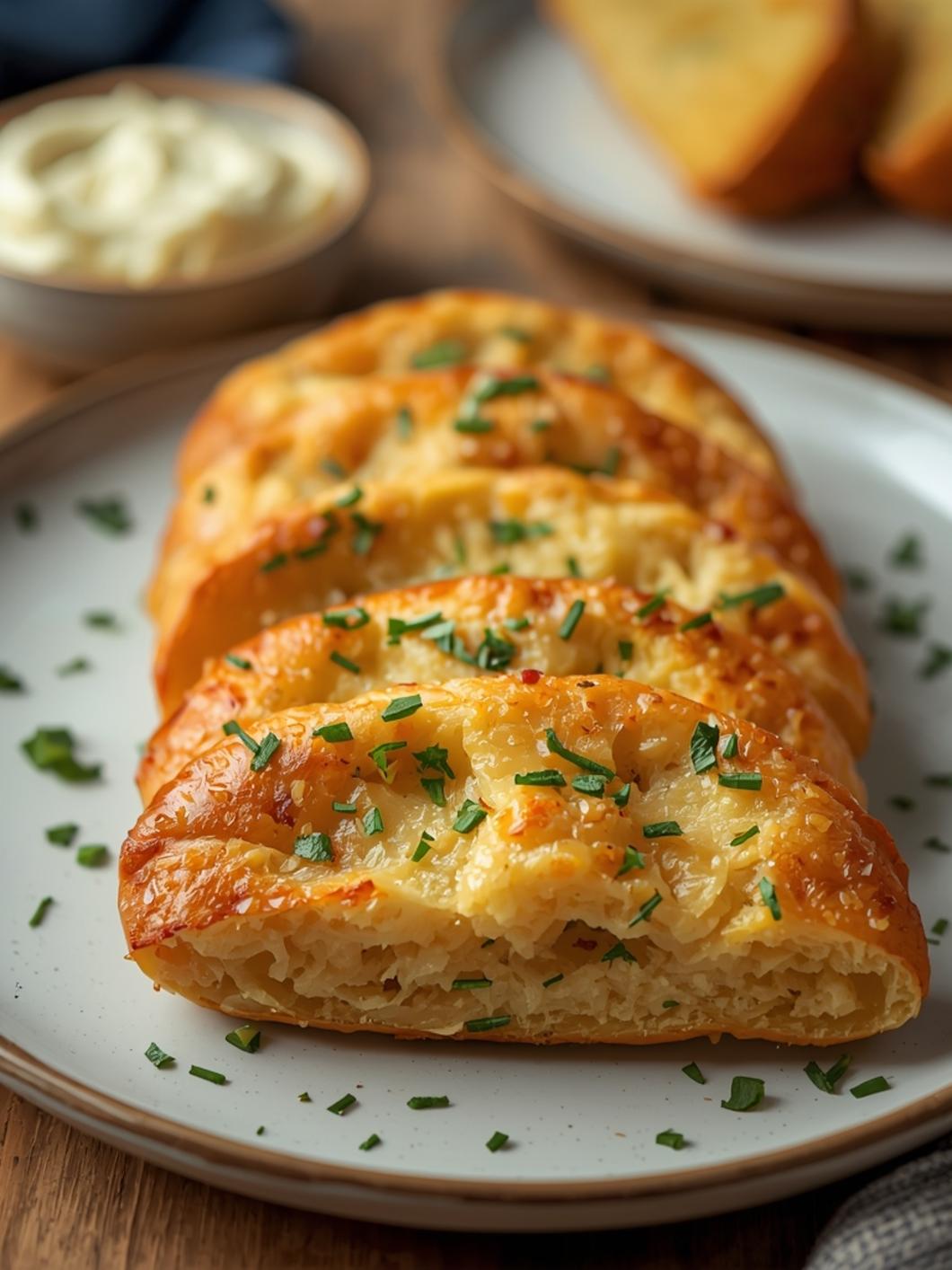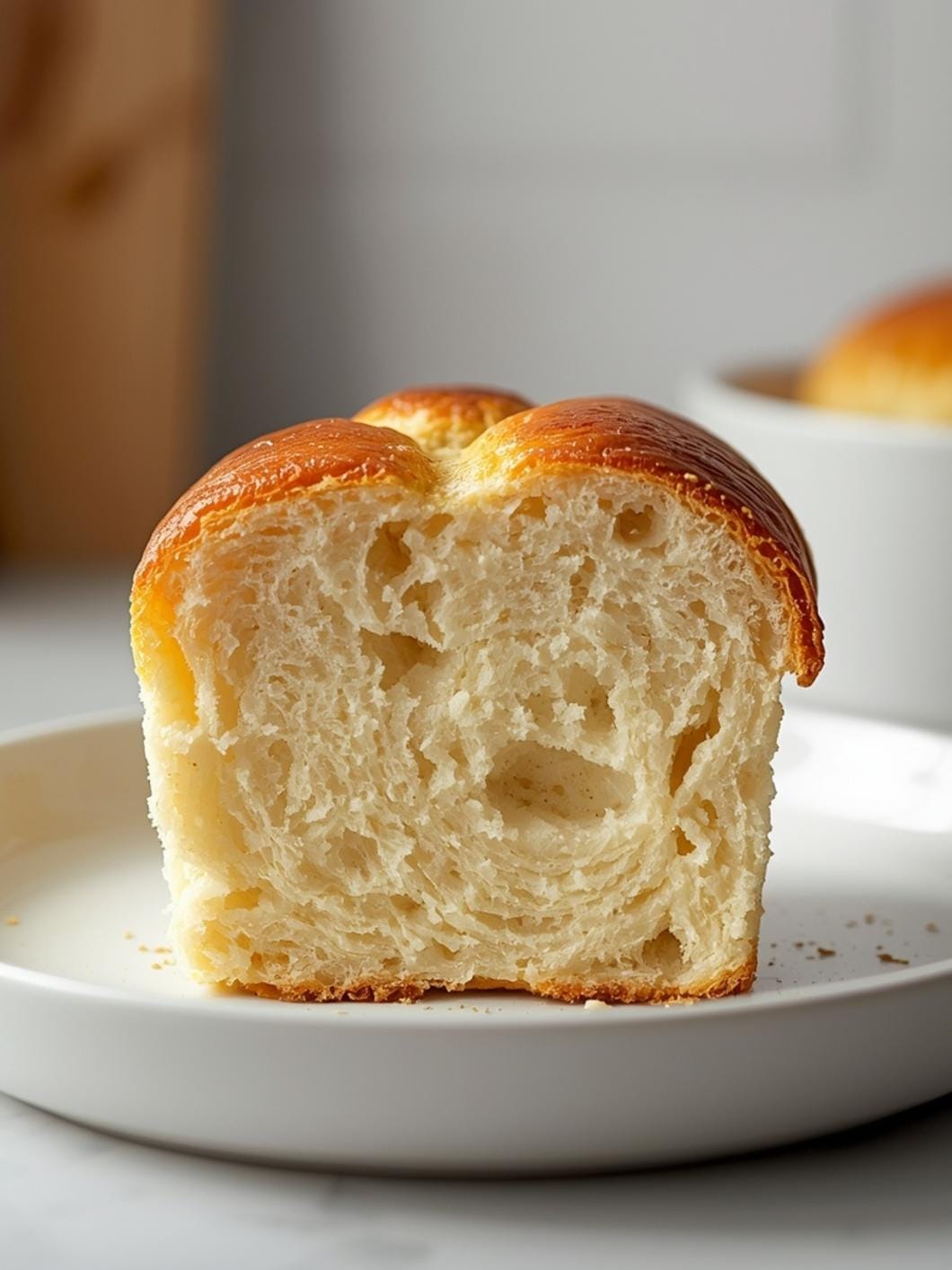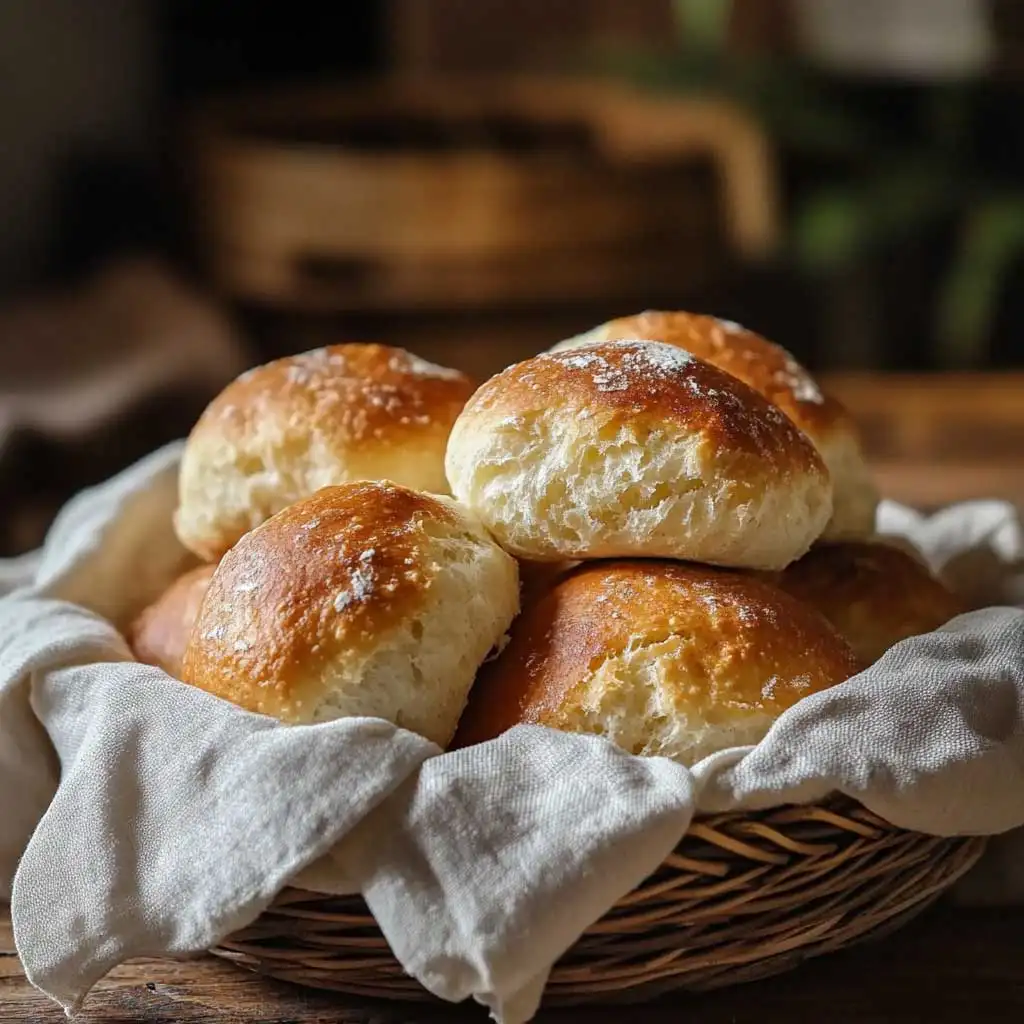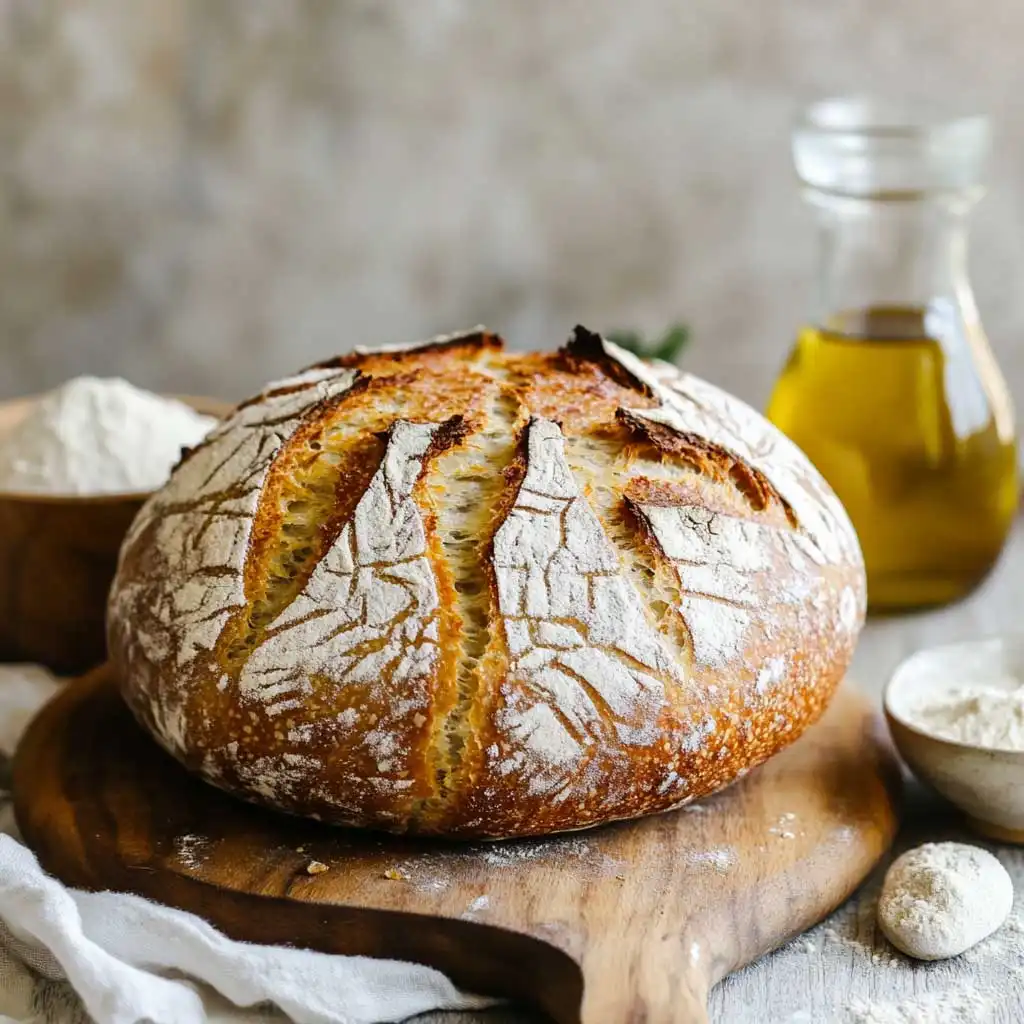

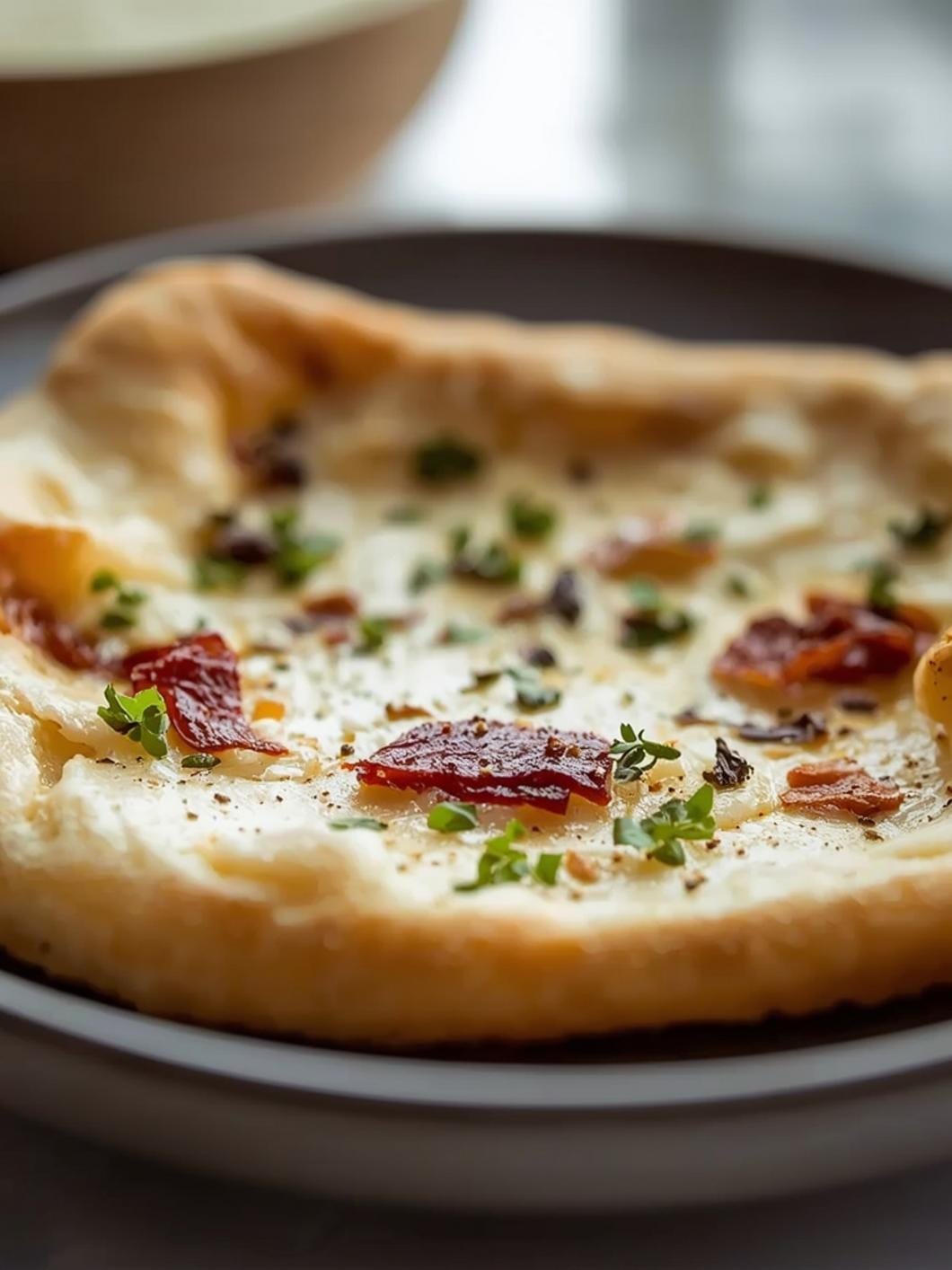
Craving a delicious, versatile bread that fits into your gluten-free and vegan lifestyle? Look no further than this incredibly easy gluten-free sourdough flatbread. It’s the perfect addition to any family dinner, offering a soft, chewy texture and a subtle tang that complements a wide array of dishes.
This recipe is designed for simplicity and speed, making it an ideal choice for busy weeknights when you want something homemade but don’t have hours to spend in the kitchen. Get ready to impress your family and friends with a flatbread that’s both flavorful and friendly to various dietary needs.
Table of Contents
- What You’ll Love About This Quick And Easy Recipe
- Everything You Need To Make This Recipe Without Stress
- Time Needed From Start To Finish
- How To Make It Step By Step With Visual Cues
- Easy Variations And Serving Ideas That Fit Real Life
- Common Slip-Ups And How To Avoid Them
- How To Store It And Make Ahead Without Ruining Texture

Easy Gluten-Free Sourdough Flatbread (Vegan)
- Total Time: 25-30 minutes
- Yield: 6-8 flatbreads 1x
Description
This incredibly easy gluten-free sourdough flatbread is perfect for any family dinner, offering a soft, chewy texture and a subtle tang that complements a wide array of dishes. It’s designed for simplicity and speed, making it an ideal choice for busy weeknights and is suitable for gluten-free and vegan diets.
Ingredients
Instructions
1. In a large mixing bowl, gently whisk together the active gluten-free sourdough starter, warm water, 1 tablespoon of olive oil, and maple syrup (or agave nectar). Ensure the mixture is well combined and slightly frothy.
2. Gradually add the gluten-free all-purpose flour blend, salt, and baking powder to the wet ingredients. Mix with a spoon or spatula until a shaggy dough forms. It will be softer and stickier than traditional wheat dough.
3. Turn the dough out onto a lightly floured surface (using gluten-free flour). Knead gently for about 2-3 minutes. This isn’t a traditional knead; you’re just bringing the dough together to form a cohesive ball. Avoid overworking it, as gluten-free dough can become tough.
4. Divide the dough into 6-8 equal portions. On your lightly floured surface, gently roll or pat each portion into a thin, round or oval flatbread, about 1/4 inch thick. Don’t worry about perfect shapes; rustic is charming!
5. Heat a large non-stick skillet or cast-iron pan over medium-high heat. Add a small drizzle of olive oil to the pan, just enough to lightly coat the bottom.
6. Place one flatbread in the hot pan. Cook for 2-3 minutes per side, or until golden brown spots appear and the flatbread puffs up slightly. You might see some small bubbles forming on the surface. Repeat with the remaining dough, adding more olive oil to the pan as needed between flatbreads.
7. Transfer the cooked flatbreads to a plate and serve immediately. They are best enjoyed warm and fresh from the pan.
- Prep Time: 15 minutes
- Cook Time: 10-15 minutes
- Category: bread
- Method: pan-fried
- Cuisine: american
Nutrition
- Serving Size: 1 flatbread
Keywords: sourdough, gluten-free, vegan, flatbread, easy, quick, dairy-free, plant-based, appetizer, side dish
What You’ll Love About This Quick And Easy Recipe
This gluten-free sourdough flatbread recipe is a true lifesaver for anyone navigating dietary restrictions without sacrificing flavor or convenience. It’s perfect for families because it’s quick to prepare, meaning less time in the kitchen and more time enjoying meals together. The flatbread itself is incredibly versatile, acting as a blank canvas for countless meal possibilities. You can serve it as a side dish with stews and curries, use it as a base for mini pizzas, or even turn it into wraps for lunch. It’s specifically designed for those who need gluten-free and vegan options, ensuring everyone at the table can enjoy a delicious, homemade bread without compromise. This recipe is ideal for weeknight dinners, casual weekend lunches, or even as an appetizer when entertaining.
Everything You Need To Make This Recipe Without Stress
Gathering your ingredients beforehand makes the cooking process smooth and enjoyable. This recipe uses readily available gluten-free and vegan staples, so you won’t need to hunt for obscure items. The key is using a well-established gluten-free sourdough starter, which provides both the leavening and that signature tangy flavor.
INGREDIENTS:
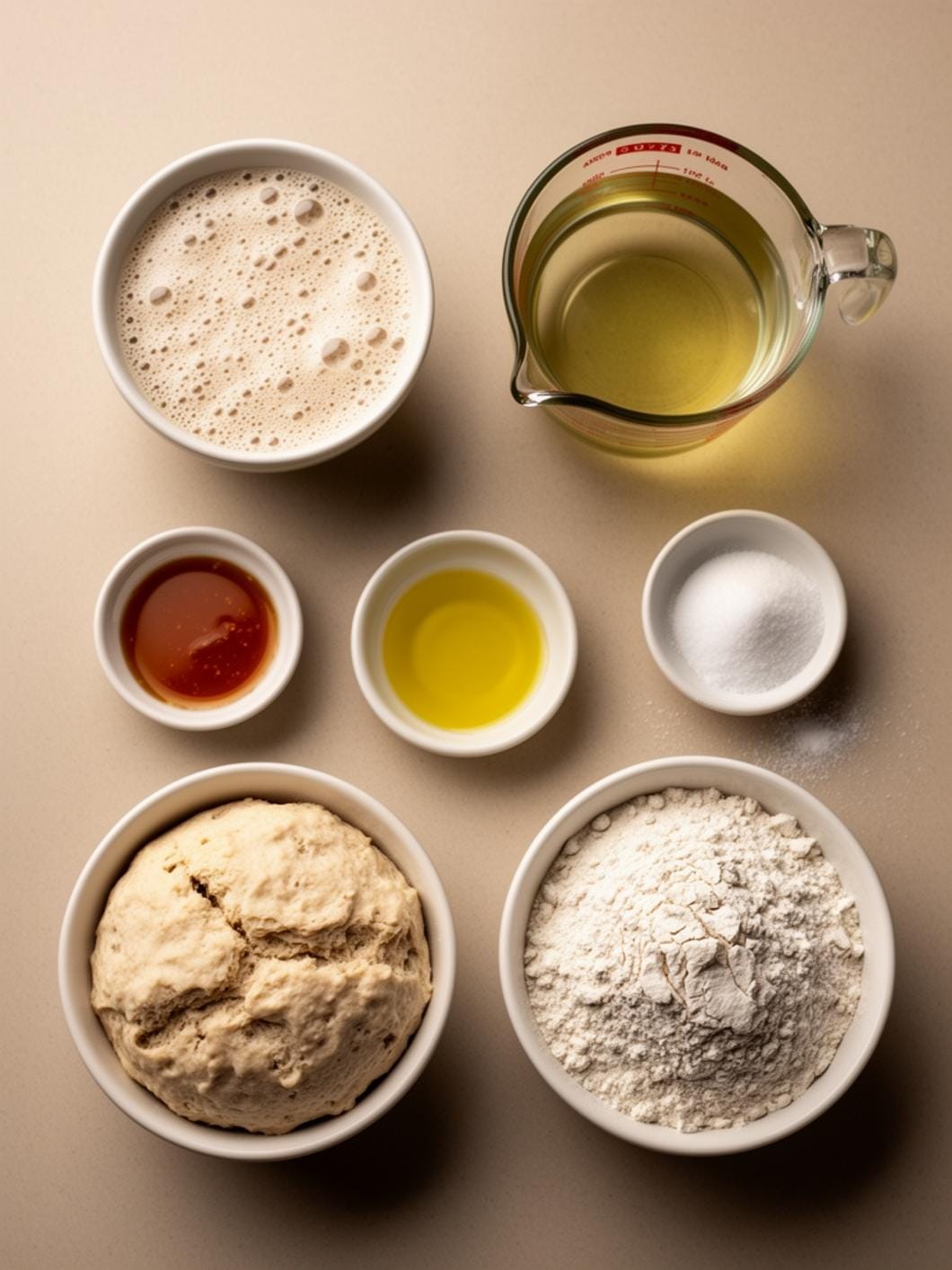
- 1 cup active gluten-free sourdough starter (fed and bubbly)
- 1 cup warm water (around 105-115°F)
- 1 tablespoon olive oil, plus more for cooking
- 1 teaspoon maple syrup or agave nectar
- 1 teaspoon salt
- 2 cups gluten-free all-purpose flour blend (one that contains xanthan gum)
- 1 teaspoon baking powder
When it comes to your gluten-free flour blend, ensure it’s specifically formulated for baking and contains xanthan gum, as this helps with the structure and elasticity that gluten typically provides. If your blend doesn’t include xanthan gum, you might want to add about 1/2 teaspoon separately. For the sourdough starter, “active” means it has been fed within the last 4-12 hours and is showing signs of bubbles and growth. You can use any type of gluten-free sourdough starter you prefer, whether it’s made from rice flour, sorghum flour, or a blend. The maple syrup or agave nectar isn’t just for sweetness; it helps activate the yeast in the starter and contributes to browning. Feel free to use a good quality extra virgin olive oil for both the dough and for cooking the flatbreads to enhance the flavor.
Time Needed From Start To Finish
One of the best aspects of this gluten-free sourdough flatbread is how quickly it comes together. It’s perfect for those evenings when you need a fresh bread option without a long wait.
- Preparation Time: 15 minutes
- Cooking Time: 10-15 minutes
- Total Time: 25-30 minutes
This timing assumes you have an active sourdough starter ready to go. The quick cooking time makes it feasible to whip up a batch as your main course is finishing up, ensuring warm, fresh flatbread for your meal.
How To Make It Step By Step With Visual Cues
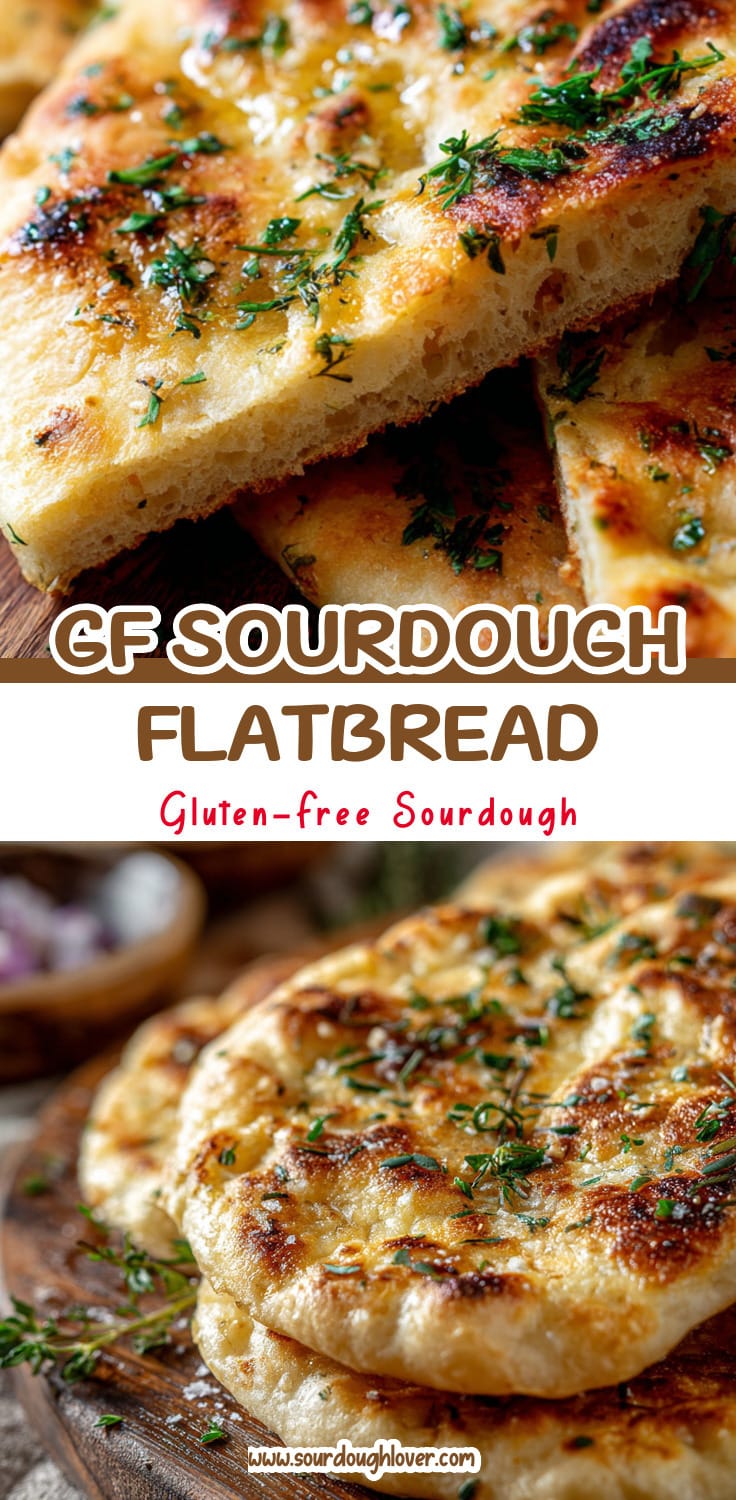
Creating these delicious gluten-free sourdough flatbreads is straightforward. Follow these steps for perfect results every time.
- Combine Wet Ingredients: In a large mixing bowl, gently whisk together the active gluten-free sourdough starter, warm water, 1 tablespoon of olive oil, and maple syrup (or agave nectar). Ensure the mixture is well combined and slightly frothy.
- Add Dry Ingredients: Gradually add the gluten-free all-purpose flour blend, salt, and baking powder to the wet ingredients. Mix with a spoon or spatula until a shaggy dough forms. It will be softer and stickier than traditional wheat dough.
- Knead Briefly: Turn the dough out onto a lightly floured surface (using gluten-free flour). Knead gently for about 2-3 minutes. This isn’t a traditional knead; you’re just bringing the dough together to form a cohesive ball. Avoid overworking it, as gluten-free dough can become tough.
- Divide and Shape: Divide the dough into 6-8 equal portions. On your lightly floured surface, gently roll or pat each portion into a thin, round or oval flatbread, about 1/4 inch thick. Don’t worry about perfect shapes; rustic is charming!
- Heat the Pan: Heat a large non-stick skillet or cast-iron pan over medium-high heat. Add a small drizzle of olive oil to the pan, just enough to lightly coat the bottom.
- Cook the Flatbreads: Place one flatbread in the hot pan. Cook for 2-3 minutes per side, or until golden brown spots appear and the flatbread puffs up slightly. You might see some small bubbles forming on the surface. Repeat with the remaining dough, adding more olive oil to the pan as needed between flatbreads.
- Serve Warm: Transfer the cooked flatbreads to a plate and serve immediately. They are best enjoyed warm and fresh from the pan.
Easy Variations And Serving Ideas That Fit Real Life
This gluten-free sourdough flatbread is incredibly versatile, making it a fantastic addition to any meal. Here are some simple ideas to customize and serve it:
- Garlic Herb Flatbread: Before cooking, brush the rolled-out dough with a little olive oil and sprinkle with minced garlic, dried oregano, and a pinch of red pepper flakes.
- Cheesy Delight (Dairy-Free): For a vegan cheesy option, sprinkle some dairy-free shredded mozzarella or cheddar alternative over the flatbread during the last minute of cooking in the pan. Cover briefly to help it melt.
- Kid-Friendly Mini Pizzas: After cooking, let the flatbreads cool slightly. Top with a spoonful of tomato sauce, dairy-free cheese, and your kids’ favorite toppings (like sliced bell peppers or olives), then pop them under the broiler for a minute or two until the cheese is bubbly.
- Dipping Dream: Serve warm flatbreads with a side of hummus, baba ghanoush, or a simple olive oil and balsamic vinegar dip.
- Wrap It Up: Use the flatbreads as a base for healthy wraps. Fill them with grilled vegetables, falafel, or your favorite plant-based protein and fresh greens.
- Soup and Stew Companion: This flatbread is perfect for soaking up the delicious broths of lentil soup, chili, or a hearty vegetable stew.
- Breakfast Treat: Spread with a little vegan cream cheese and jam for a quick and satisfying breakfast.
Common Slip-Ups And How To Avoid Them
Even with a simple recipe, a few common mistakes can impact the final result. Knowing what to watch out for will help you achieve perfect flatbreads every time.
- Using an Inactive Starter: If your sourdough starter isn’t active and bubbly, your flatbreads won’t puff up or have that characteristic sourdough tang. Always ensure your starter has been fed and is showing signs of life before beginning.
- Overworking the Dough: Gluten-free doughs don’t have the same elastic properties as wheat doughs. Over-kneading can make them tough or crumbly. A brief, gentle knead to bring the ingredients together is all that’s needed.
- Rolling Too Thick or Too Thin: If the flatbreads are too thick, they might not cook through evenly or become too dense. If they are too thin, they can become crispy like a cracker rather than soft and chewy. Aim for about 1/4 inch thickness.
- Not Enough Heat in the Pan: A hot pan is crucial for getting those lovely golden brown spots and for the flatbread to puff up. If the pan isn’t hot enough, the flatbread will dry out before it cooks properly. Let your skillet preheat for a few minutes before adding the first flatbread.
- Overcrowding the Pan: Cooking too many flatbreads at once can lower the pan’s temperature and lead to uneven cooking. Cook them in batches, usually one or two at a time, depending on the size of your pan.
- Forgetting the Oil: A little olive oil in the pan prevents sticking and helps create a beautiful golden crust. Don’t skip it, and add more between batches if the pan looks dry.
How To Store It And Make Ahead Without Ruining Texture
While these gluten-free sourdough flatbreads are best enjoyed fresh and warm, you can certainly store them or prepare them ahead of time with a few tips to maintain their delicious texture.
Storing Cooked Flatbreads: Once cooked, allow the flatbreads to cool completely. Stack them with a piece
FAQs
- Can I make these ahead? Yes—prep ahead, refrigerate, then serve when ready.
- How long do leftovers last? Store covered in the fridge for 3–4 days for best texture.
- Can I adjust sweetness? Yes—add more or less sweetener to taste.
- Can I change the fruit? Yes—swap strawberries for blueberries, raspberries, or sliced banana.