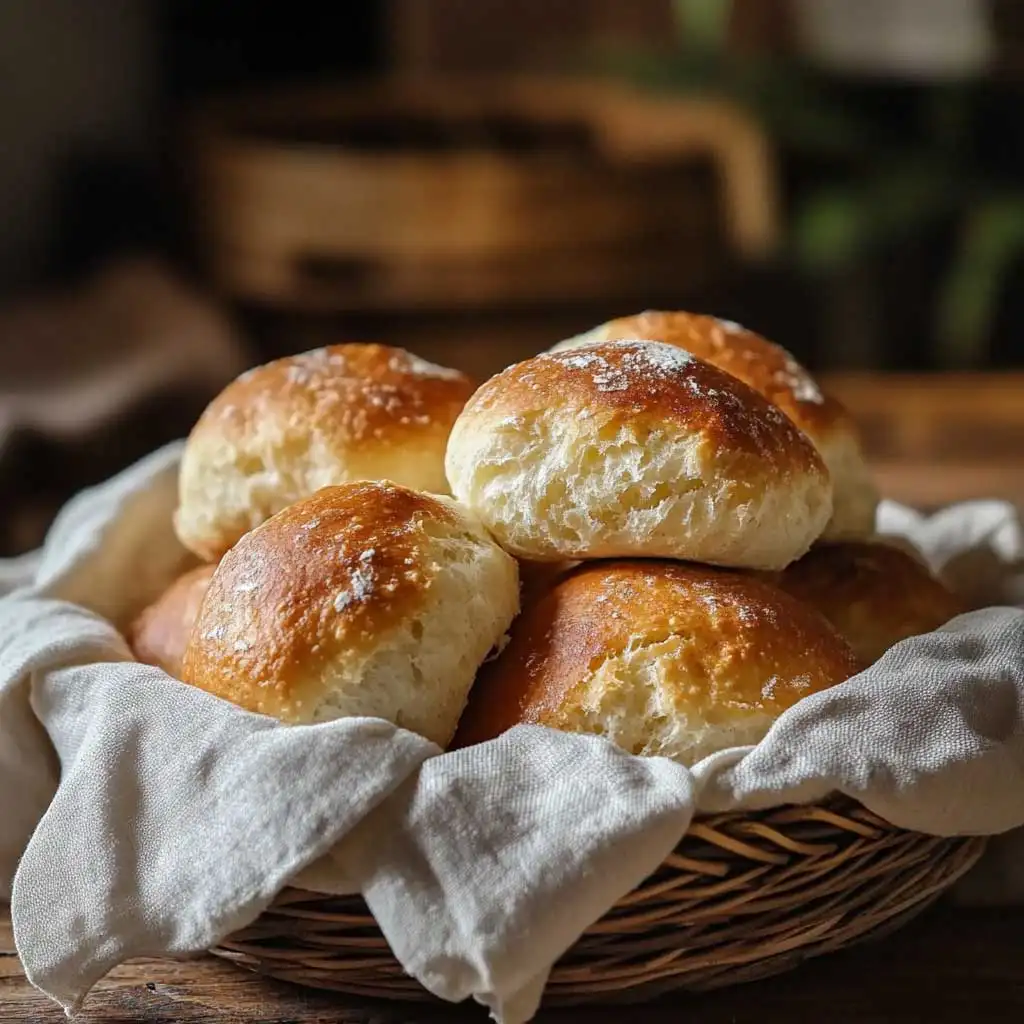

Craving a delicious sandwich but avoiding gluten? These gluten-free sourdough sandwich rolls are about to become your new best friend.
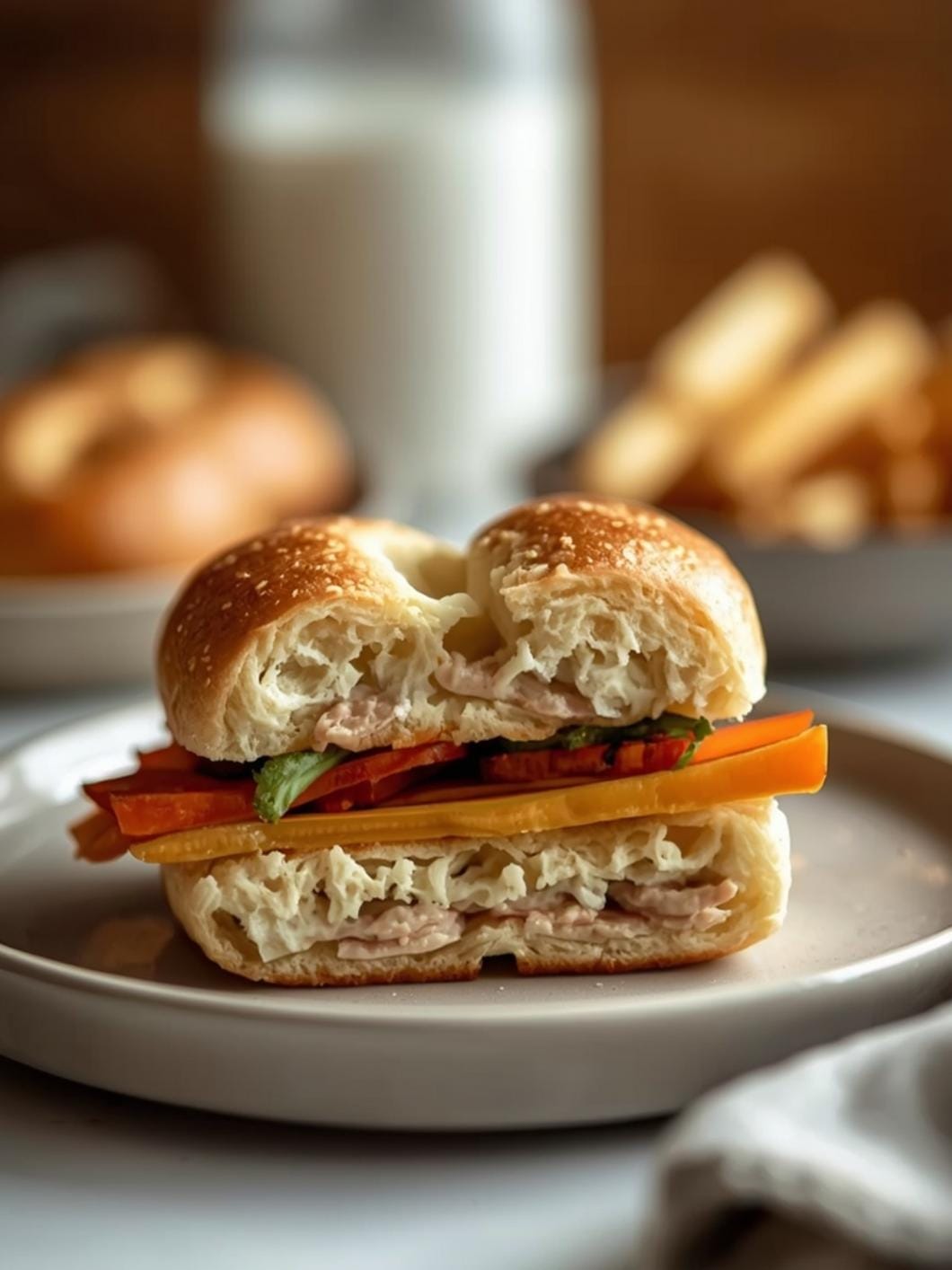
Forget crumbly, dry bread – this recipe delivers rolls that are wonderfully soft, delightfully chewy, and sturdy enough to hold all your favorite fillings without falling apart.
Whether you’re building a classic sub, a hearty hoagie, or just need a reliable gluten-free bun for your everyday meals, these rolls are a game-changer. They bring that distinctive sourdough tang and satisfying texture straight to your kitchen, making homemade gluten-free sandwiches a joy again.

Gluten-Free Sourdough Sandwich Rolls
- Total Time: 2 hours 40 minutes to 4 hours 45 minutes
- Yield: 6-8 rolls 1x
Description
Craving a delicious sandwich but avoiding gluten? These gluten-free sourdough sandwich rolls are about to become your new best friend. Forget crumbly, dry bread – this recipe delivers rolls that are wonderfully soft, delightfully chewy, and sturdy enough to hold all your favorite fillings without falling apart. Whether you’re building a classic sub, a hearty hoagie, or just need a reliable gluten-free bun for your everyday meals, these rolls are a game-changer. They bring that distinctive sourdough tang and satisfying texture straight to your kitchen, making homemade gluten-free sandwiches a joy again.
Ingredients
Instructions
1. 1. Combine Wet Ingredients: In a large mixing bowl, whisk together the active gluten-free sourdough starter, warm water, psyllium husk powder, olive oil, honey (or maple syrup), and salt until well combined. The mixture might look a bit thick or gelatinous due to the psyllium husk; this is normal. Let it sit for 5 minutes to allow the psyllium to absorb the liquid.
2. 2. Add Dry Ingredients: In a separate bowl, whisk together the gluten-free all-purpose flour blend and baking powder. Gradually add the dry ingredients to the wet ingredients, mixing with a sturdy spoon or a stand mixer with a paddle attachment until a shaggy dough forms.
3. 3. Knead the Dough: Turn the dough out onto a lightly floured gluten-free surface. Knead for 5-7 minutes until the dough is smooth and cohesive. Gluten-free dough won’t develop gluten like traditional dough, but kneading helps distribute ingredients and build structure. The dough should feel pliable but not sticky.
4. 4. First Rise (Bulk Fermentation): Lightly grease a clean bowl with olive oil. Place the dough in the bowl, turning it once to coat. Cover the bowl with plastic wrap or a damp kitchen towel and let it rise in a warm spot for 2-4 hours, or until it has visibly increased in size (about 50%). The exact time will depend on the activity of your starter and the warmth of your kitchen.
5. 5. Shape the Rolls: Gently punch down the risen dough to release air. Divide the dough into 6-8 equal portions. On a lightly floured surface, shape each portion into an oval or cylindrical roll, about 5-6 inches long, resembling a sub roll. Place the shaped rolls on a baking sheet lined with parchment paper, leaving some space between them.
6. 6. Second Rise (Proofing): Loosely cover the rolls with plastic wrap or a damp towel and let them proof for another 30-60 minutes, or until they look slightly puffy. While they are proofing, preheat your oven to 400 F (200 C).
7. 7. Bake the Rolls: If desired, lightly brush the tops of the rolls with a little olive oil or water and sprinkle with sesame or poppy seeds. Bake for 25-30 minutes, or until the rolls are golden brown and sound hollow when tapped on the bottom.
8. 8. Cool Completely: Transfer the baked rolls to a wire rack and let them cool completely before slicing and serving. This is crucial for the texture to set properly.
- Prep Time: 15 minutes
- Cook Time: 25-30 minutes
- Category: bread
- Method: baking
- Cuisine: american
Nutrition
- Serving Size: 1 roll
Keywords: gluten-free, sourdough, sandwich rolls, bread, baking, homemade, easy, chewy, soft, versatile
What You’ll Love About This Quick And Easy Recipe
This recipe is a true win for anyone navigating a gluten-free diet, especially those who miss the satisfying chew of traditional sandwich bread. It’s designed to be straightforward and accessible, even if you’re new to gluten-free baking. You’ll appreciate how these rolls strike the perfect balance between soft and substantial, providing an ideal foundation for everything from deli meats and cheeses to grilled vegetables or even a juicy burger. This isn’t just about avoiding gluten; it’s about enjoying a truly delicious and versatile bread that enhances your meal. It’s perfect for busy weeknights when you want a homemade touch without a lot of fuss, or for weekend lunches when you have a bit more time to savor the baking process. These rolls are also fantastic for meal prepping, allowing you to have ready-to-go sandwich bases throughout the week.
Everything You Need To Make This Recipe Without Stress
Gathering your ingredients before you start makes the baking process smooth and enjoyable. This recipe relies on readily available gluten-free staples, ensuring you won’t have to hunt for obscure items. The key to successful gluten-free baking often lies in the quality of your ingredients, so choose reliable brands for your gluten-free flour blend and sourdough starter.
INGREDIENTS:
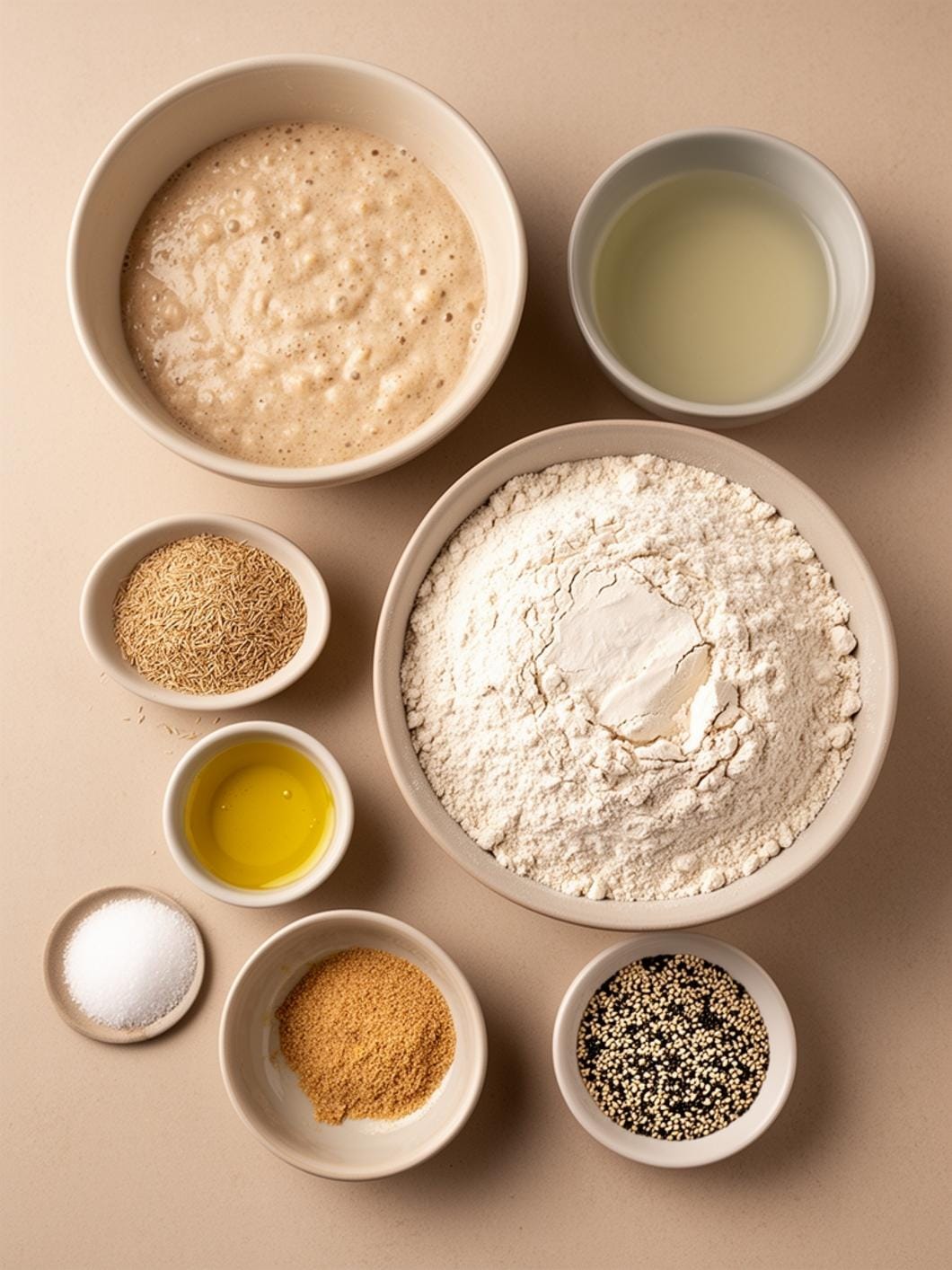
- 1 cup active gluten-free sourdough starter (fed and bubbly)
- 1 cup warm water (about 95-105°F)
- 1 tablespoon psyllium husk powder
- 2 tablespoons olive oil, plus more for greasing
- 1 teaspoon honey or maple syrup
- 1 teaspoon salt
- 2 cups gluten-free all-purpose flour blend (with xanthan gum)
- 1 teaspoon baking powder
- Optional: sesame seeds or poppy seeds for topping
When selecting your gluten-free all-purpose flour blend, look for one that specifically states it contains xanthan gum. This gum is crucial for providing structure and elasticity in gluten-free baking, mimicking the role of gluten. If your blend doesn’t include it, you’ll need to add about 1/2 teaspoon per cup of flour. For the sourdough starter, ensure it’s active and bubbly, meaning it has been fed recently and shows signs of fermentation. If you don’t have psyllium husk powder, you can often find it in health food stores or the baking aisle. It’s a fantastic binder and helps achieve that desirable chewy texture. For a touch of sweetness, honey or maple syrup both work beautifully; choose whichever you prefer or have on hand.
Time Needed From Start To Finish
This recipe is designed to be manageable, fitting into a busy schedule while still delivering fantastic results. The active prep time is quite minimal, but the dough does require some resting periods to develop flavor and texture.
- Prep Time: 15 minutes
- Resting Time: 2-4 hours (for bulk fermentation)
- Baking Time: 25-30 minutes
- Total Time: Approximately 2 hours 40 minutes to 4 hours 45 minutes (including resting)
While the total time might seem long due to the resting period, most of that is hands-off, allowing you to go about your day while the sourdough magic happens.
How To Make It Step By Step With Visual Cues

Creating these soft and chewy gluten-free sourdough rolls is a rewarding process. Follow these steps carefully for the best results, paying attention to the texture of the dough.
- Combine Wet Ingredients: In a large mixing bowl, whisk together the active gluten-free sourdough starter, warm water, psyllium husk powder, olive oil, honey (or maple syrup), and salt until well combined. The mixture might look a bit thick or gelatinous due to the psyllium husk; this is normal. Let it sit for 5 minutes to allow the psyllium to absorb the liquid.
- Add Dry Ingredients: In a separate bowl, whisk together the gluten-free all-purpose flour blend and baking powder. Gradually add the dry ingredients to the wet ingredients, mixing with a sturdy spoon or a stand mixer with a paddle attachment until a shaggy dough forms.
- Knead the Dough: Turn the dough out onto a lightly floured gluten-free surface. Knead for 5-7 minutes until the dough is smooth and cohesive. Gluten-free dough won’t develop gluten like traditional dough, but kneading helps distribute ingredients and build structure. The dough should feel pliable but not sticky.
- First Rise (Bulk Fermentation): Lightly grease a clean bowl with olive oil. Place the dough in the bowl, turning it once to coat. Cover the bowl with plastic wrap or a damp kitchen towel and let it rise in a warm spot for 2-4 hours, or until it has visibly increased in size (about 50%). The exact time will depend on the activity of your starter and the warmth of your kitchen.
- Shape the Rolls: Gently punch down the risen dough to release air. Divide the dough into 6-8 equal portions. On a lightly floured surface, shape each portion into an oval or cylindrical roll, about 5-6 inches long, resembling a sub roll. Place the shaped rolls on a baking sheet lined with parchment paper, leaving some space between them.
- Second Rise (Proofing): Loosely cover the rolls with plastic wrap or a damp towel and let them proof for another 30-60 minutes, or until they look slightly puffy. While they are proofing, preheat your oven to 400°F (200°C).
- Bake the Rolls: If desired, lightly brush the tops of the rolls with a little olive oil or water and sprinkle with sesame or poppy seeds. Bake for 25-30 minutes, or until the rolls are golden brown and sound hollow when tapped on the bottom.
- Cool Completely: Transfer the baked rolls to a wire rack and let them cool completely before slicing and serving. This is crucial for the texture to set properly.
Easy Variations And Serving Ideas That Fit Real Life
These gluten-free sourdough sandwich rolls are incredibly versatile, making them perfect for a variety of meals and preferences. For a quick weeknight dinner, fill them with your favorite deli meats, cheese, lettuce, and tomato for a classic sub. They’re also fantastic for a weekend brunch, piled high with scrambled eggs, bacon, and avocado.
To make them kid-friendly, consider smaller, slider-sized rolls that are easier for little hands to manage. Fill them with simple ingredients like turkey and mild cheddar, or even a smear of cream cheese and cucumber. For a fun twist, you can add dried herbs like oregano or Italian seasoning to the dough in step 2 for an herby roll, or a pinch of garlic powder for a savory kick.
These rolls are excellent for entertaining. Slice them horizontally and offer a build-your-own sandwich bar with an array of fillings: grilled chicken, roasted vegetables, various cheeses, and a selection of spreads like pesto, hummus, or a spicy aioli. They also make a wonderful accompaniment to soups and stews, perfect for soaking up every last drop. Don’t forget to try them toasted with butter for a simple, satisfying snack.
Common Slip-Ups And How To Avoid Them
Even experienced bakers can encounter small challenges, and gluten-free baking has its own unique considerations. Here are a few common pitfalls and how to steer clear of them for perfect rolls every time:
- Not using an active sourdough starter: A weak or inactive starter won’t provide enough lift, resulting in dense, flat rolls. Ensure your starter is fed and bubbly, ideally doubling in size within 4-8 hours, before you begin.
- Over-flouring the dough: Gluten-free dough can be a bit stickier than wheat dough, but resist the urge to add too much extra flour during kneading or shaping. Too much flour will make the rolls dry and crumbly. Use just enough to prevent sticking.
- Not letting the psyllium husk hydrate: The psyllium husk powder needs a few minutes to absorb liquid and form a gel. Skipping this step can lead to a less cohesive dough and a different texture in the final product.
- Under-proofing the rolls: Rushing the second rise (proofing) means the rolls won’t achieve their full volume and soft texture. Look for a visibly puffy appearance, not just a slight increase in size.
- Slicing before cooling: It’s tempting to cut into warm bread, but gluten-free rolls need to cool completely on a wire rack. This allows the internal structure to set and prevents a gummy texture. Patience is key!
- Ignoring oven temperature: An accurate
FAQs
- Can I make these ahead? Yes—prep ahead, refrigerate, then serve when ready.
- How long do leftovers last? Store covered in the fridge for 3–4 days for best texture.
- Can I adjust sweetness? Yes—add more or less sweetener to taste.
- Can I change the fruit? Yes—swap strawberries for blueberries, raspberries, or sliced banana.