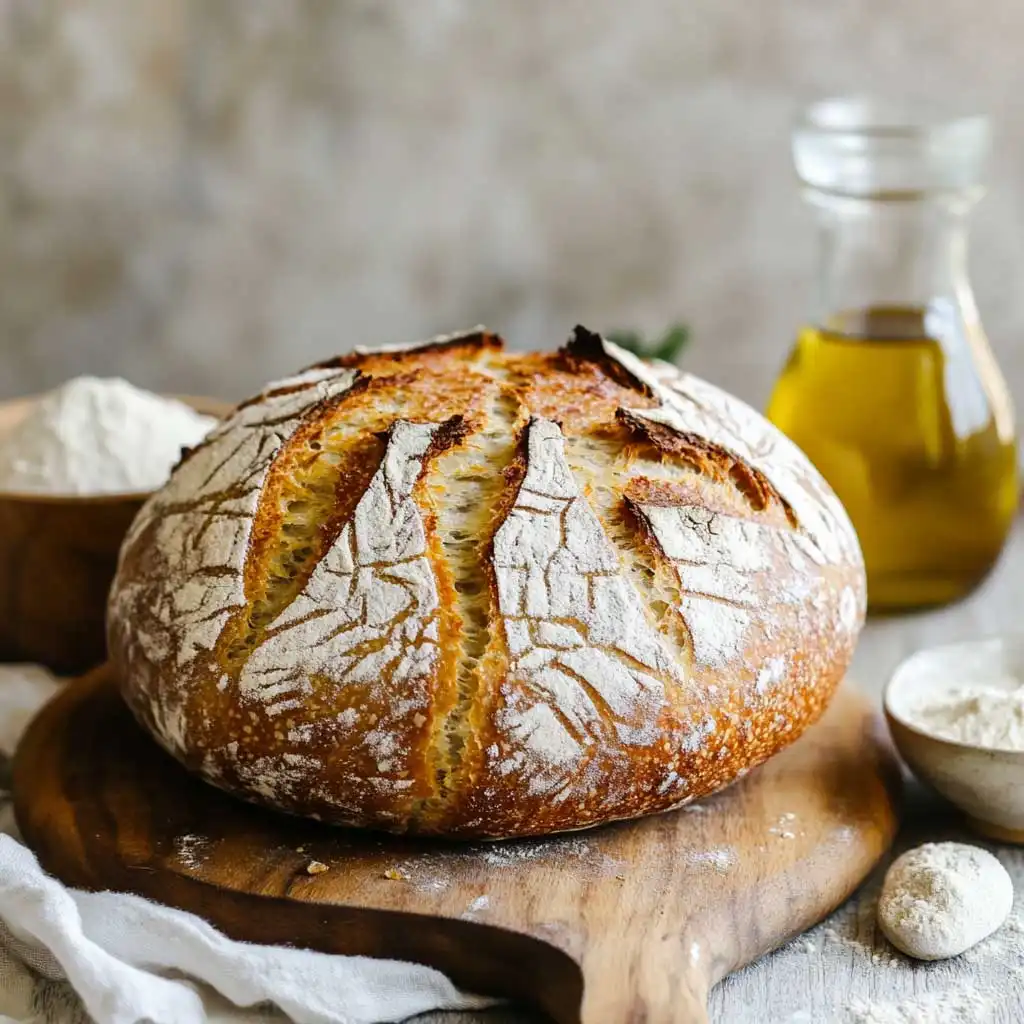

Baking a wholesome and delicious loaf of bread at home doesn’t have to be complicated, especially when you’re looking for something that fits a healthier lifestyle.

This low-sugar maple oat sourdough loaf is a fantastic way to enjoy homemade bread without the fuss of complex techniques or excessive sweeteners. It’s a simple, healthy bread recipe that delivers on flavor and texture.
Perfect for a satisfying breakfast or a hearty snack, this vegan bread recipe is a delightful addition to any meal. It brings together the comforting chewiness of oats with a subtle sweetness from maple, all within the wholesome framework of sourdough. Get ready to bake a loaf that your whole family will love, and discover just how easy it can be to create nourishing bread right in your own kitchen.

Low-Sugar Maple Oat Sourdough Loaf
- Total Time: 5-7 hours
- Yield: 1 loaf 1x
Description
Bake a wholesome and delicious low-sugar maple oat sourdough loaf at home. This simple, healthy vegan bread recipe delivers on flavor and texture, perfect for breakfast, snacks, or alongside meals. It’s an easy-to-make option for busy weeknights or relaxed weekend baking, focusing on nutritious ingredients and a straightforward process.
Ingredients
Instructions
1. 1. Combine Wet Ingredients: In a large mixing bowl, gently whisk together the active sourdough starter, warm water, maple syrup, and olive oil until well combined. The mixture should look slightly milky and uniform.
2. 2. Add Dry Ingredients: Stir in the salt and rolled oats. Gradually add the bread flour, about one cup at a time, mixing with a wooden spoon or your hands until a shaggy dough forms. It’s okay if it looks a bit rough at this stage.
3. 3. Knead the Dough: Turn the dough out onto a lightly floured surface. Knead for about 8-10 minutes until the dough becomes smooth, elastic, and less sticky. It should spring back slowly when you gently poke it. If it’s too sticky, add a tiny bit more flour, but be careful not to add too much.
4. 4. First Rise (Bulk Fermentation): Lightly grease a clean large bowl with olive oil. Place the dough in the bowl, turning it once to coat all sides. Cover the bowl with plastic wrap or a clean kitchen towel and let it rise in a warm spot for 4-6 hours, or until it has roughly doubled in size. You’ll know it’s ready when it looks puffy and has a few visible bubbles on the surface.
5. 5. Shape the Loaf: Gently punch down the risen dough to release the air. Turn it out onto a lightly floured surface and gently shape it into an oval or round loaf. You can do this by folding the edges towards the center and then flipping it over to create surface tension.
6. 6. Second Rise (Proofing): Place the shaped loaf onto a baking sheet lined with parchment paper or into a lightly floured proofing basket (banneton). Cover it loosely with plastic wrap or a kitchen towel and let it rise for another 30-60 minutes, or until it looks visibly puffy and slightly larger. Preheat your oven to 425 F (220 C) during the last 20 minutes of this rise.
7. 7. Bake the Bread: Once the oven is preheated, score the top of the loaf with a sharp knife or a bread lame (this helps control where the bread expands). Bake for 20 minutes, then reduce the oven temperature to 375 F (190 C) and continue baking for another 20-25 minutes, or until the crust is golden brown and the internal temperature reaches 200-210 F (93-99 C) when checked with a thermometer.
8. 8. Cool Completely: Transfer the baked loaf to a wire rack and let it cool completely before slicing. This is crucial for the texture and flavor to fully develop. Slicing too early can result in a gummy interior.
- Prep Time: 15 minutes
- Cook Time: 40-45 minutes
- Category: bread
- Method: baking
- Cuisine: american
Nutrition
- Serving Size: 1 slice
Keywords: sourdough, oat, maple, vegan, healthy, bread, homemade, low sugar, easy, baking
What You’ll Love About This Quick And Easy Recipe
This recipe is a true gem for anyone seeking a straightforward, healthy bread option that doesn’t compromise on taste. You’ll adore how effortlessly it comes together, making it ideal for busy weeknights or relaxed weekend baking sessions. It’s specifically designed for home bakers who appreciate simplicity and a focus on wholesome ingredients. This healthy sourdough loaf is perfect for families looking to incorporate more nutritious options into their diet, as well as those following a vegan lifestyle. Serve it warm with a pat of plant-based butter, alongside a bowl of soup, or as the base for your favorite open-faced sandwiches. Its subtle sweetness also makes it a wonderful companion to fruit spreads or a drizzle of extra maple syrup for breakfast.
Everything You Need To Make This Recipe Without Stress
Gathering your ingredients for this healthy sourdough loaf is a breeze. You’ll find most of these items are likely already in your pantry, making it a convenient choice for spontaneous baking. The beauty of this recipe lies in its simplicity and the readily available nature of its components.
INGREDIENTS:
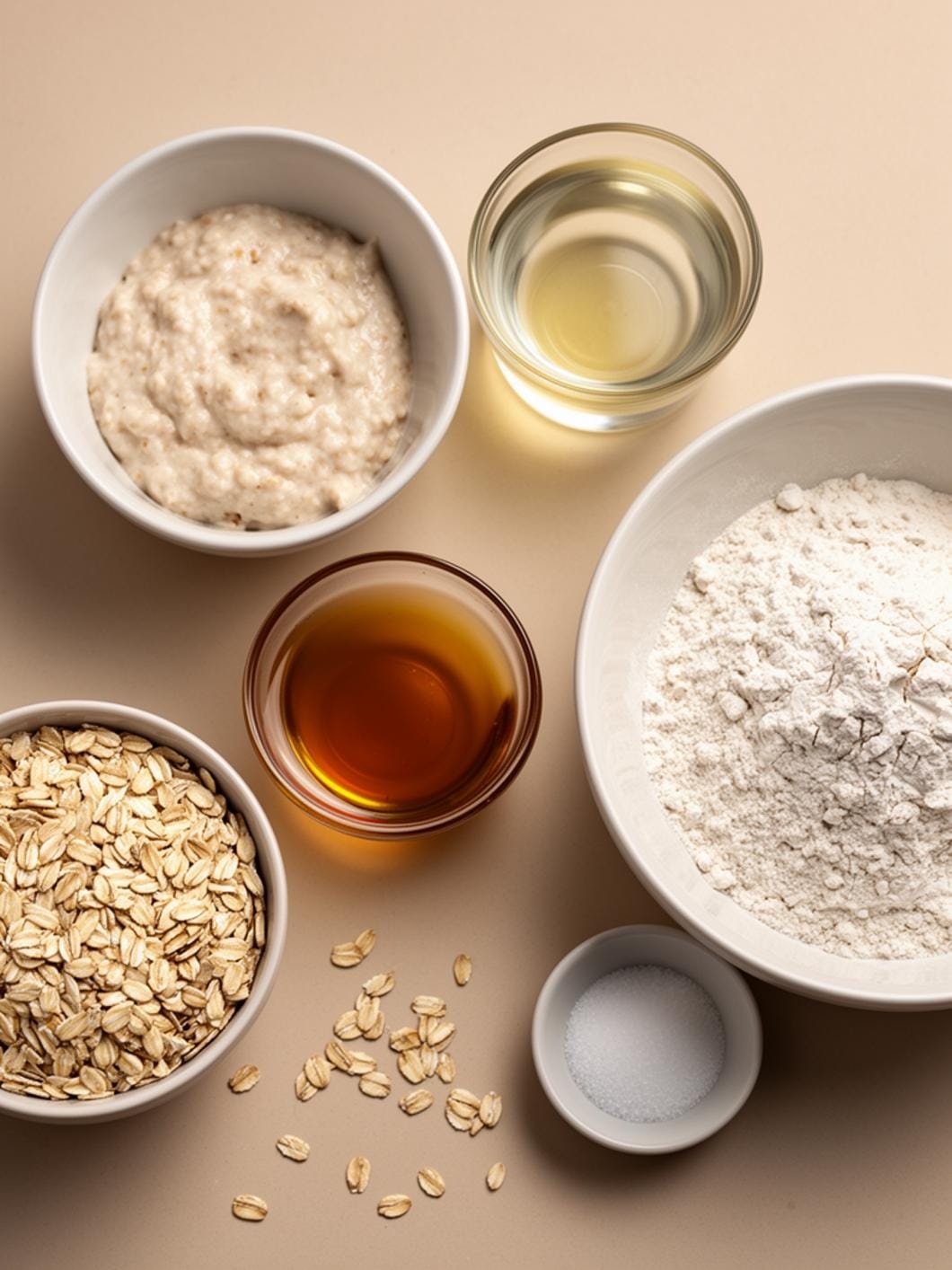
- 1 cup active sourdough starter (fed and bubbly)
- 1 ½ cups warm water (around 95-105°F)
- 1/4 cup pure maple syrup
- 2 tablespoons olive oil, plus extra for the bowl
- 1 teaspoon salt
- 1 cup rolled oats (old-fashioned, not instant)
- 3 cups bread flour, plus more for dusting
For substitutions, you can easily swap out the olive oil for another neutral-flavored oil like avocado or grapeseed oil. If you don’t have bread flour, all-purpose flour can work in a pinch, though the texture might be slightly less chewy. For a gluten-free option, ensure your rolled oats are certified gluten-free, and you’ll need to use a gluten-free bread flour blend specifically designed for yeast breads, which may require slight adjustments to water content. The maple syrup provides a gentle sweetness, but you could use agave nectar as an alternative if preferred.
Time Needed From Start To Finish
This recipe is designed to be approachable and relatively quick for a sourdough loaf, fitting into a busy schedule without feeling overwhelming. The active hands-on time is minimal, with most of the duration dedicated to the dough’s natural fermentation process.
- Prep Time: 15 minutes
- Rise Time: 4-6 hours (first rise), 30-60 minutes (second rise)
- Bake Time: 40-45 minutes
- Total Time: Approximately 5-7 hours (including rise times)
While the total time includes the waiting period for the dough to rise, the actual work you’ll be doing is quite short, making it a manageable project even on a weekday.
How To Make It Step By Step With Visual Cues
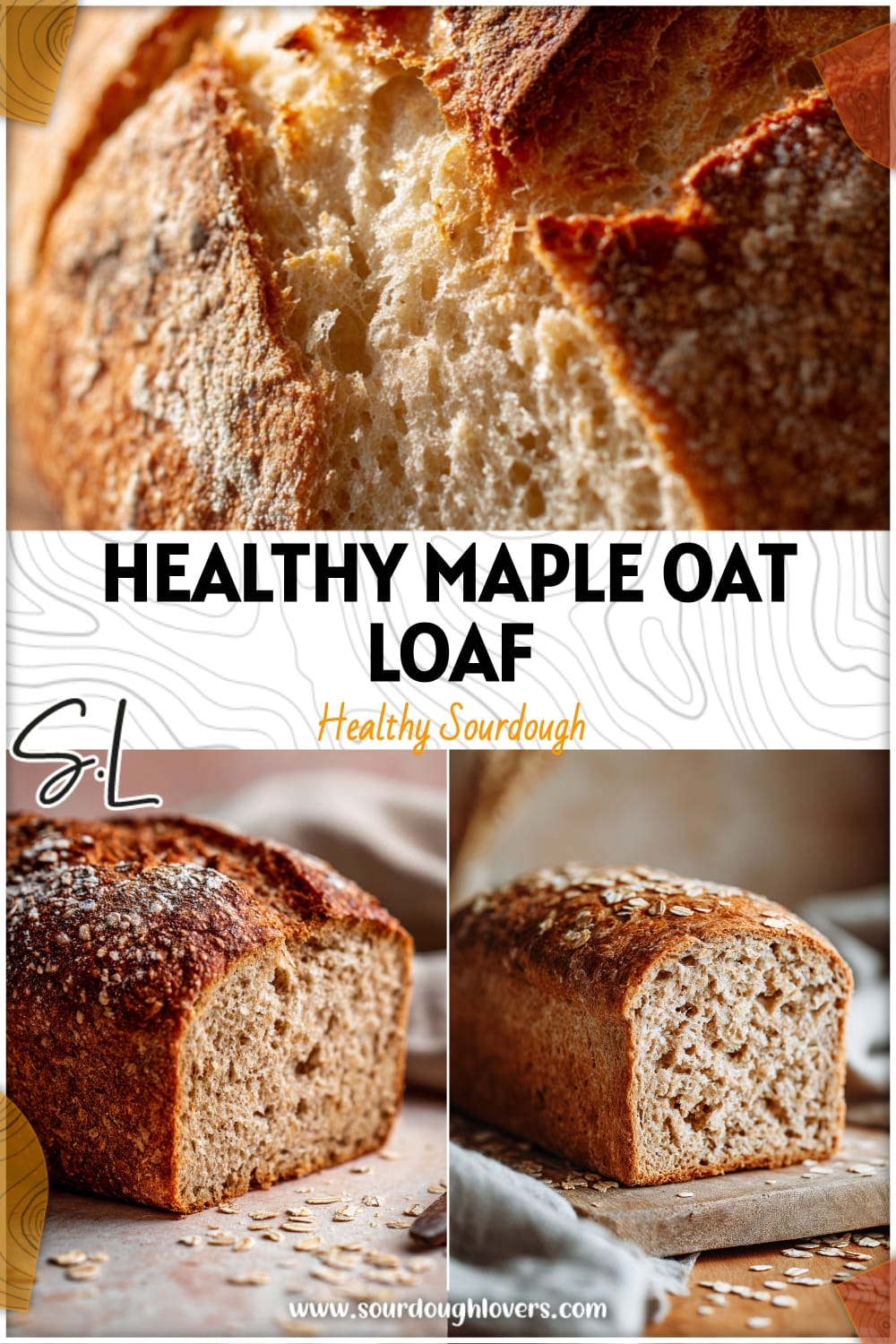
Creating this healthy sourdough loaf is a rewarding process, and these steps will guide you to a perfectly baked bread. Pay attention to the visual cues to ensure your dough is developing correctly.
- Combine Wet Ingredients: In a large mixing bowl, gently whisk together the active sourdough starter, warm water, maple syrup, and olive oil until well combined. The mixture should look slightly milky and uniform.
- Add Dry Ingredients: Stir in the salt and rolled oats. Gradually add the bread flour, about one cup at a time, mixing with a wooden spoon or your hands until a shaggy dough forms. It’s okay if it looks a bit rough at this stage.
- Knead the Dough: Turn the dough out onto a lightly floured surface. Knead for about 8-10 minutes until the dough becomes smooth, elastic, and less sticky. It should spring back slowly when you gently poke it. If it’s too sticky, add a tiny bit more flour, but be careful not to add too much.
- First Rise (Bulk Fermentation): Lightly grease a clean large bowl with olive oil. Place the dough in the bowl, turning it once to coat all sides. Cover the bowl with plastic wrap or a clean kitchen towel and let it rise in a warm spot for 4-6 hours, or until it has roughly doubled in size. You’ll know it’s ready when it looks puffy and has a few visible bubbles on the surface.
- Shape the Loaf: Gently punch down the risen dough to release the air. Turn it out onto a lightly floured surface and gently shape it into an oval or round loaf. You can do this by folding the edges towards the center and then flipping it over to create surface tension.
- Second Rise (Proofing): Place the shaped loaf onto a baking sheet lined with parchment paper or into a lightly floured proofing basket (banneton). Cover it loosely with plastic wrap or a kitchen towel and let it rise for another 30-60 minutes, or until it looks visibly puffy and slightly larger. Preheat your oven to 425°F (220°C) during the last 20 minutes of this rise.
- Bake the Bread: Once the oven is preheated, score the top of the loaf with a sharp knife or a bread lame (this helps control where the bread expands). Bake for 20 minutes, then reduce the oven temperature to 375°F (190°C) and continue baking for another 20-25 minutes, or until the crust is golden brown and the internal temperature reaches 200-210°F (93-99°C) when checked with a thermometer.
- Cool Completely: Transfer the baked loaf to a wire rack and let it cool completely before slicing. This is crucial for the texture and flavor to fully develop. Slicing too early can result in a gummy interior.
Easy Variations And Serving Ideas That Fit Real Life
This healthy sourdough loaf is incredibly versatile, making it easy to adapt to your family’s preferences and various meal times. For a fun twist, consider adding a handful of dried cranberries or chopped walnuts to the dough during the kneading stage for extra texture and flavor. If you’re looking to boost the nutritional content, a tablespoon of chia seeds or flax seeds can be incorporated with the dry ingredients.
When it comes to serving, this bread shines in many roles. For breakfast, toast slices and top with mashed avocado, a sprinkle of everything bagel seasoning, or a dollop of your favorite fruit jam. Kids often enjoy it simply with a spread of nut butter or dairy-free cream cheese. For a heartier snack, make mini open-faced sandwiches with sliced cucumber and a drizzle of olive oil, or serve alongside a warm bowl of lentil soup. This bread is also fantastic for dipping into olive oil with a balsamic glaze, making it perfect for a casual family dinner or a buffet-style gathering.
Common Slip-Ups And How To Avoid Them
Even experienced bakers can encounter small challenges, but with a few pointers, you can easily avoid common pitfalls when making this sourdough loaf.
- Under-proofing the Dough: If your dough doesn’t rise sufficiently during the first or second rise, your bread might turn out dense and heavy. Ensure your sourdough starter is active and bubbly before you begin, and allow ample time for the dough to rise in a warm, draft-free spot. The “poke test” is a good indicator: gently poke the dough with a floured finger; if the indentation slowly springs back, it’s ready. If it springs back immediately, it needs more time.
- Over-proofing the Dough: Conversely, over-proofed dough can lead to a loaf that collapses in the oven or has a very weak, open crumb structure. Keep an eye on the dough and don’t let it rise for too long, especially in a very warm environment.
- Slicing Too Soon: It’s tempting to cut into a warm, fragrant loaf, but slicing hot bread can result in a gummy texture. The internal structure of the bread is still setting as it cools. Always allow your loaf to cool completely on a wire rack for at least 1-2 hours before slicing to achieve the best texture and flavor.
- Not Enough Steam in the Oven: While this recipe doesn’t explicitly call for a Dutch oven, creating some steam in your oven during the initial baking phase can help achieve a crispier crust. You can do this by placing a shallow pan of hot water on the bottom rack of your oven when preheating, or by spritzing the oven walls with water a few times during the first 10 minutes of baking.
- **Inaccurate
FAQs
- Can I make these ahead? Yes—prep ahead, refrigerate, then serve when ready.
- How long do leftovers last? Store covered in the fridge for 3–4 days for best texture.
- Can I adjust sweetness? Yes—add more or less sweetener to taste.
- Can I change the fruit? Yes—swap strawberries for blueberries, raspberries, or sliced banana.