
If you’re looking for a delicious and healthy way to enjoy pizza, you’ve come to the right place.

This recipe for healthy sourdough pizza crust is a game-changer, transforming your dinner routine into something truly special. It’s perfect for those seeking a gluten-free option that doesn’t compromise on flavor or texture.
Get ready to craft a homemade pizza experience that’s both satisfying and good for you. This simple approach to sourdough pizza will quickly become a family favorite, proving that healthy eating can be incredibly tasty.
Table of Contents
- What You’ll Love About This Quick And Easy Recipe
- Everything You Need To Make This Recipe Without Stress
- Time Needed From Start To Finish
- How To Make It Step By Step With Visual Cues
- Easy Variations And Serving Ideas That Fit Real Life
- Common Slip-Ups And How To Avoid Them
- How To Store It And Make It Ahead Without Ruining Texture
- Questions People Always Ask Before Making This Recipe

Healthy Sourdough Pizza Crust (Gluten-Free)
- Total Time: 30-35 minutes
- Yield: 1 pizza crust 1x
Description
This recipe for healthy sourdough pizza crust is a game-changer, transforming your dinner routine into something truly special. It’s perfect for those seeking a gluten-free option that doesn’t compromise on flavor or texture. Get ready to craft a homemade pizza experience that’s both satisfying and good for you. This simple approach to sourdough pizza will quickly become a family favorite, proving that healthy eating can be incredibly tasty.
Ingredients
Instructions
1. 1. Combine Dry Ingredients: In a large mixing bowl, whisk together the gluten-free all-purpose flour blend, baking powder, and salt. Make sure there are no lumps to ensure an even texture in your crust.
2. 2. Add Wet Ingredients: Pour the active sourdough starter discard and 2 tablespoons of olive oil into the bowl with the dry ingredients. Use a sturdy spoon or spatula to mix everything together until a shaggy dough forms.
3. 3. Form the Dough: Gradually add warm water, one tablespoon at a time, mixing until the dough comes together into a cohesive ball. It should be soft but not overly sticky. You might not need all the water, or you might need a tiny bit more, depending on your flour blend and starter consistency.
4. 4. Rest the Dough: Cover the bowl with a clean kitchen towel or plastic wrap and let the dough rest at room temperature for 10-15 minutes. This short rest allows the gluten-free flour to hydrate fully, making the dough easier to handle.
5. 5. Preheat and Prepare: While the dough rests, preheat your oven to 425 F (220 C). Lightly grease a round pizza pan or a baking sheet with olive oil, or line it with parchment paper.
6. 6. Shape the Crust: Transfer the dough to your prepared pan. Using lightly oiled hands or a piece of parchment paper over the dough, gently press and stretch the dough into your desired pizza crust shape and thickness. Aim for an even thickness to ensure uniform cooking. You can make it thin and crispy or a bit thicker for a chewier bite.
7. 7. Pre-bake (Optional but Recommended): For a crispier crust, especially with gluten-free dough, pre-bake the crust for 5-7 minutes before adding toppings. This helps prevent a soggy bottom.
8. 8. Add Toppings and Bake: Remove the crust from the oven (if pre-baking). Add your favorite pizza sauce, cheese, and toppings. Return the pizza to the oven and bake for another 10-15 minutes, or until the crust is golden brown and the cheese is bubbly and melted.
- Prep Time: 15 minutes
- Cook Time: 15-20 minutes
- Category: main dish
- Method: baking
- Cuisine: american
Nutrition
- Serving Size: 1/8 of crust
Keywords: sourdough, pizza, gluten-free, healthy, crust, discard, easy, homemade, dinner, weeknight
What You’ll Love About This Quick And Easy Recipe
This recipe is a true winner for anyone who loves pizza but is looking for a healthier, gluten-free alternative. It’s perfect for busy weeknights when you want something satisfying without a lot of fuss, or for a fun weekend meal where everyone can customize their own toppings. The beauty of this sourdough pizza crust lies in its simplicity and fantastic flavor. It’s chewy, slightly tangy, and creates a wonderfully crisp base for all your favorite pizza additions. This recipe is designed for home cooks of all skill levels, especially those new to gluten-free baking or sourdough discard recipes. It’s a fantastic way to utilize your sourdough discard, reducing waste and creating something truly delicious. Serve it for a casual family dinner, a movie night, or even as a healthier option for entertaining friends.
Everything You Need To Make This Recipe Without Stress
Gathering your ingredients is the first step to a successful and stress-free pizza night. This recipe uses readily available items, making it easy to whip up a fantastic gluten-free sourdough pizza crust whenever the craving strikes.
INGREDIENTS:
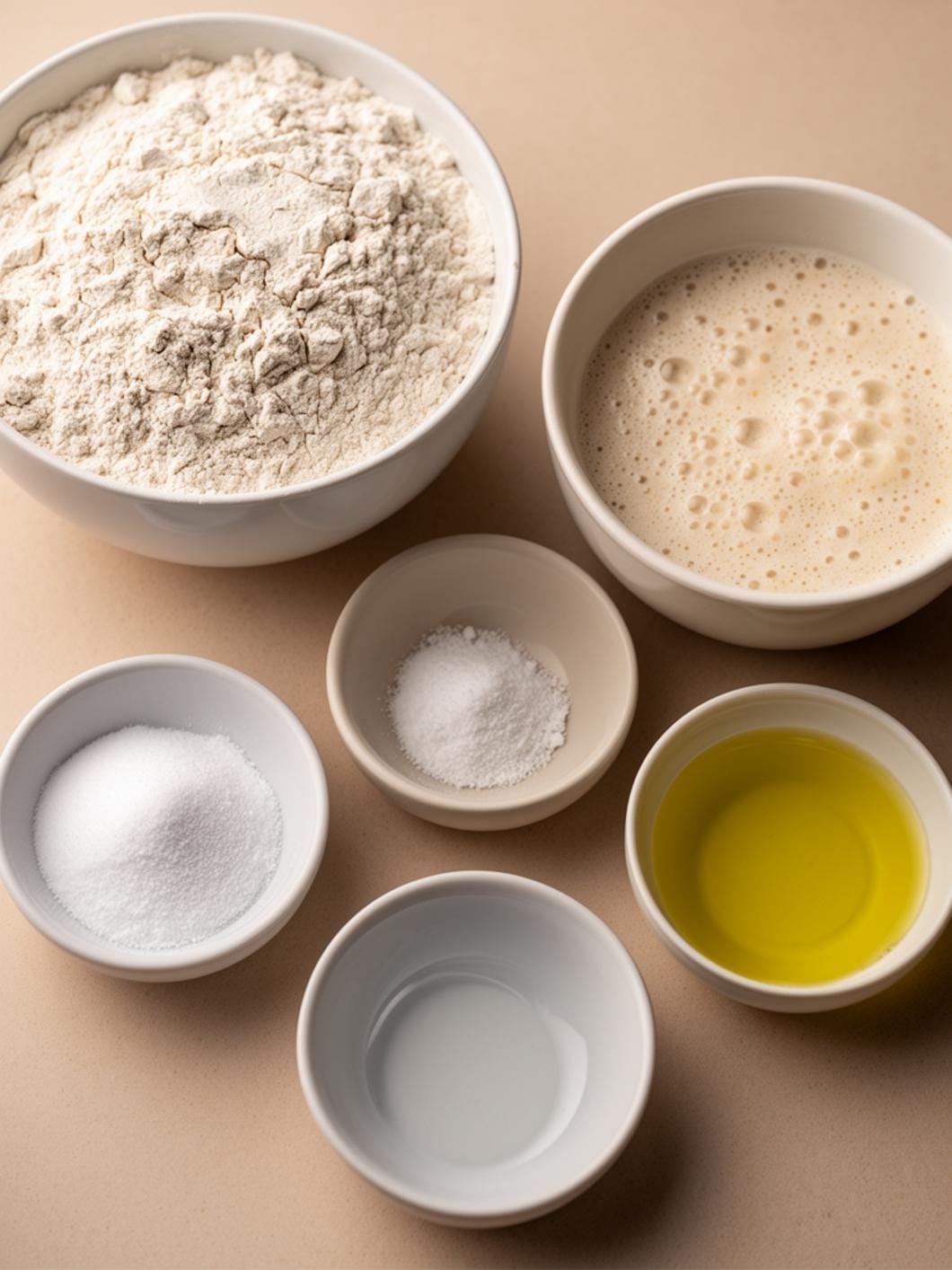
- 1 cup gluten-free all-purpose flour blend (with xanthan gum)
- 1 cup active sourdough starter discard
- 1 teaspoon baking powder
- 1/2 teaspoon salt
- 2 tablespoons olive oil, plus more for greasing
- 1/4 cup warm water (as needed)
When it comes to your gluten-free flour blend, choose one that specifically states it contains xanthan gum. This is crucial for the structure and elasticity of the crust. If your blend doesn’t include it, you’ll want to add about 1/2 teaspoon per cup of flour. For the sourdough starter discard, it should be unfed and at room temperature. Any type of olive oil will work well here, from extra virgin to light.
Time Needed From Start To Finish
This recipe is designed to be efficient, getting a delicious homemade pizza on your table without a long wait.
- Prep time: 15 minutes
- Cook time: 15-20 minutes
- Total time: 30-35 minutes
The prep time includes mixing the dough and allowing it a short rest. The cooking time will vary slightly depending on your oven and desired crispness.
How To Make It Step By Step With Visual Cues

Creating this healthy sourdough pizza crust is straightforward. Follow these steps for a perfectly chewy and delicious base for your pizza.
- Combine Dry Ingredients: In a large mixing bowl, whisk together the gluten-free all-purpose flour blend, baking powder, and salt. Make sure there are no lumps to ensure an even texture in your crust.
- Add Wet Ingredients: Pour the active sourdough starter discard and 2 tablespoons of olive oil into the bowl with the dry ingredients. Use a sturdy spoon or spatula to mix everything together until a shaggy dough forms.
- Form the Dough: Gradually add warm water, one tablespoon at a time, mixing until the dough comes together into a cohesive ball. It should be soft but not overly sticky. You might not need all the water, or you might need a tiny bit more, depending on your flour blend and starter consistency.
- Rest the Dough: Cover the bowl with a clean kitchen towel or plastic wrap and let the dough rest at room temperature for 10-15 minutes. This short rest allows the gluten-free flour to hydrate fully, making the dough easier to handle.
- Preheat and Prepare: While the dough rests, preheat your oven to 425°F (220°C). Lightly grease a round pizza pan or a baking sheet with olive oil, or line it with parchment paper.
- Shape the Crust: Transfer the dough to your prepared pan. Using lightly oiled hands or a piece of parchment paper over the dough, gently press and stretch the dough into your desired pizza crust shape and thickness. Aim for an even thickness to ensure uniform cooking. You can make it thin and crispy or a bit thicker for a chewier bite.
- Pre-bake (Optional but Recommended): For a crispier crust, especially with gluten-free dough, pre-bake the crust for 5-7 minutes before adding toppings. This helps prevent a soggy bottom.
- Add Toppings and Bake: Remove the crust from the oven (if pre-baking). Add your favorite pizza sauce, cheese, and toppings. Return the pizza to the oven and bake for another 10-15 minutes, or until the crust is golden brown and the cheese is bubbly and melted.
Easy Variations And Serving Ideas That Fit Real Life
This healthy sourdough pizza crust is incredibly versatile, making it perfect for a variety of meals and preferences. For a kid-friendly option, let them choose their own toppings! Simple marinara sauce, mozzarella, and pepperoni or ham are always a hit. You can also cut the crust into smaller, individual pizzas for a fun personal pizza night.
Consider making a “white pizza” by spreading a thin layer of ricotta cheese or a garlic-infused olive oil instead of tomato sauce. Top with fresh mozzarella, spinach, and a sprinkle of red pepper flakes. For a heartier meal, add cooked chicken, sausage, or even leftover roasted vegetables. This crust also makes a fantastic base for a breakfast pizza with scrambled eggs, bacon, and cheddar cheese. Serve your pizza with a fresh green salad for a complete and balanced meal. You can also offer a variety of dipping sauces on the side, like ranch, extra marinara, or a balsamic glaze.
Common Slip-Ups And How To Avoid Them
Even with a simple recipe, a few common mistakes can impact your final result. Being aware of these can help you achieve a perfect pizza crust every time.
One frequent issue is a soggy crust. This often happens with gluten-free doughs because they can retain more moisture. To avoid this, always pre-bake your crust for 5-7 minutes before adding any wet toppings like sauce. Also, don’t overload your pizza with too many wet ingredients.
Another common pitfall is dough that’s too sticky or too dry. The amount of water needed can vary slightly depending on your specific gluten-free flour blend and the hydration of your sourdough starter. Add the warm water gradually, one tablespoon at a time, until the dough forms a soft, workable ball. If it’s too sticky, add a tiny bit more flour; if it’s too dry and crumbly, add a touch more water.
Finally, uneven baking can occur if your oven isn’t fully preheated or if the crust isn’t spread evenly. Always ensure your oven reaches the target temperature before putting the pizza in. When shaping the dough, try to maintain a consistent thickness across the entire crust so it bakes uniformly.
How To Store It And Make It Ahead Without Ruining Texture
This healthy sourdough pizza crust is best enjoyed fresh from the oven, but you can certainly store leftovers or prepare parts of it ahead of time.
Storing Leftover Pizza: If you have leftover pizza, store it in an airtight container or wrapped tightly in foil in the refrigerator for up to 3-4 days. To reheat, place slices on a baking sheet in a 350°F (175°C) oven for 5-10 minutes, or until heated through and the crust is crisp again. You can also reheat slices in a toaster oven or air fryer for a crispier result. Avoid the microwave, as it tends to make the crust soggy.
Making the Dough Ahead: You can prepare the dough up to a day in advance. After step 4 (resting the dough), lightly oil the dough ball, place it in an airtight container, and refrigerate it for up to 24 hours. When you’re ready to make pizza, remove the dough from the fridge and let it come to room temperature for about 30 minutes before proceeding with step 6.
Freezing Pre-baked Crusts: For even quicker future meals, you can pre-bake the crust without toppings. After step 7, let the crust cool completely. Wrap it tightly in plastic wrap, then in aluminum foil, and freeze for up to 1 month. When ready to use, place the frozen crust directly on a preheated pizza stone or baking sheet, add your toppings, and bake at 425°F (220°C) for 15-20 minutes, or until heated through and toppings are cooked.
Questions People Always Ask Before Making This Recipe
Can I use regular all-purpose flour instead of gluten-free?
No, this recipe is specifically formulated for gluten-free flour blends. Using regular all-purpose flour would require significant adjustments to the liquid and potentially other ingredients, and the texture would be very different.
FAQs
- Can I make these ahead? Yes—prep ahead, refrigerate, then serve when ready.
- How long do leftovers last? Store covered in the fridge for 3–4 days for best texture.
- Can I adjust sweetness? Yes—add more or less sweetener to taste.
- Can I change the fruit? Yes—swap strawberries for blueberries, raspberries, or sliced banana.