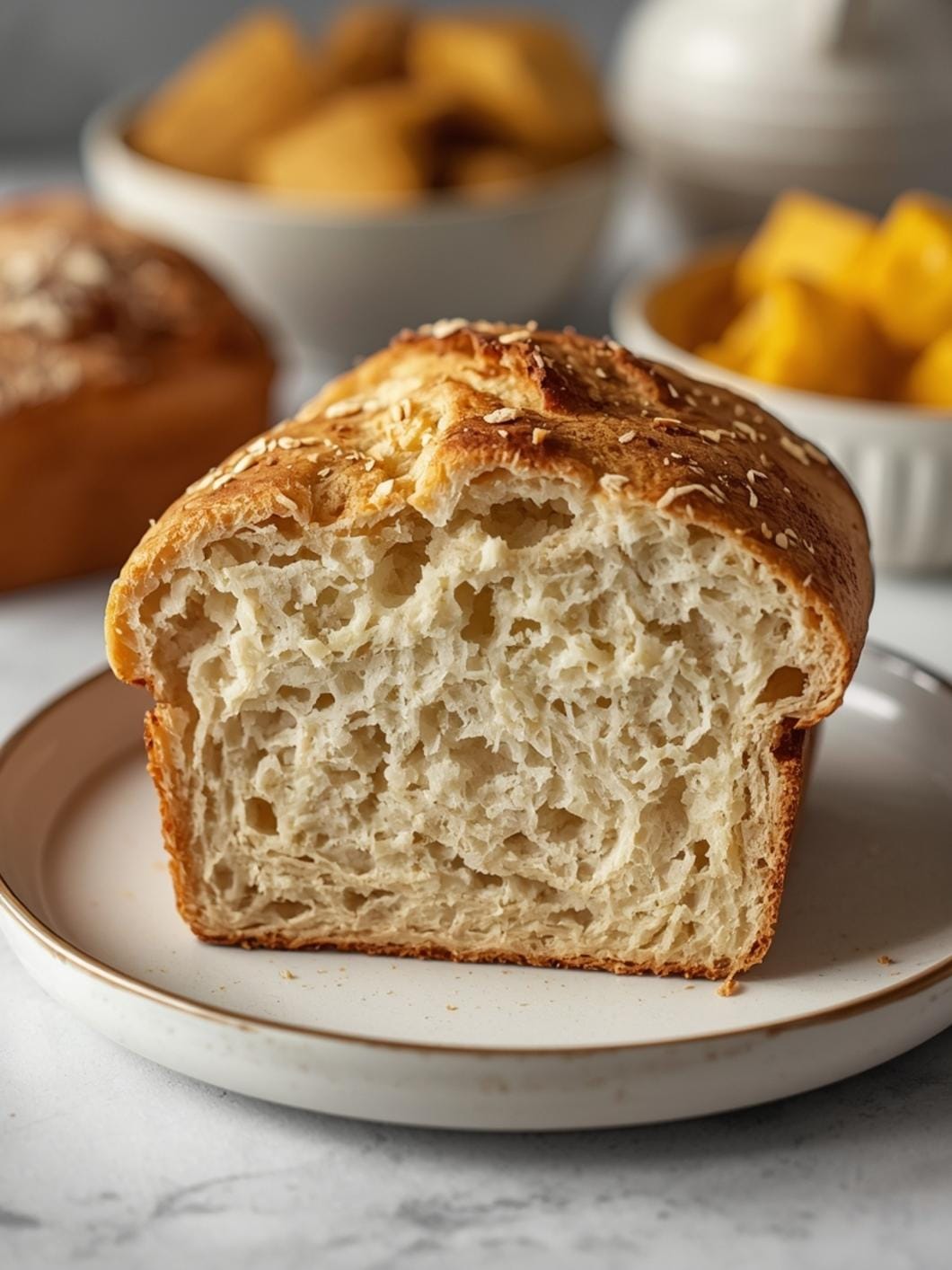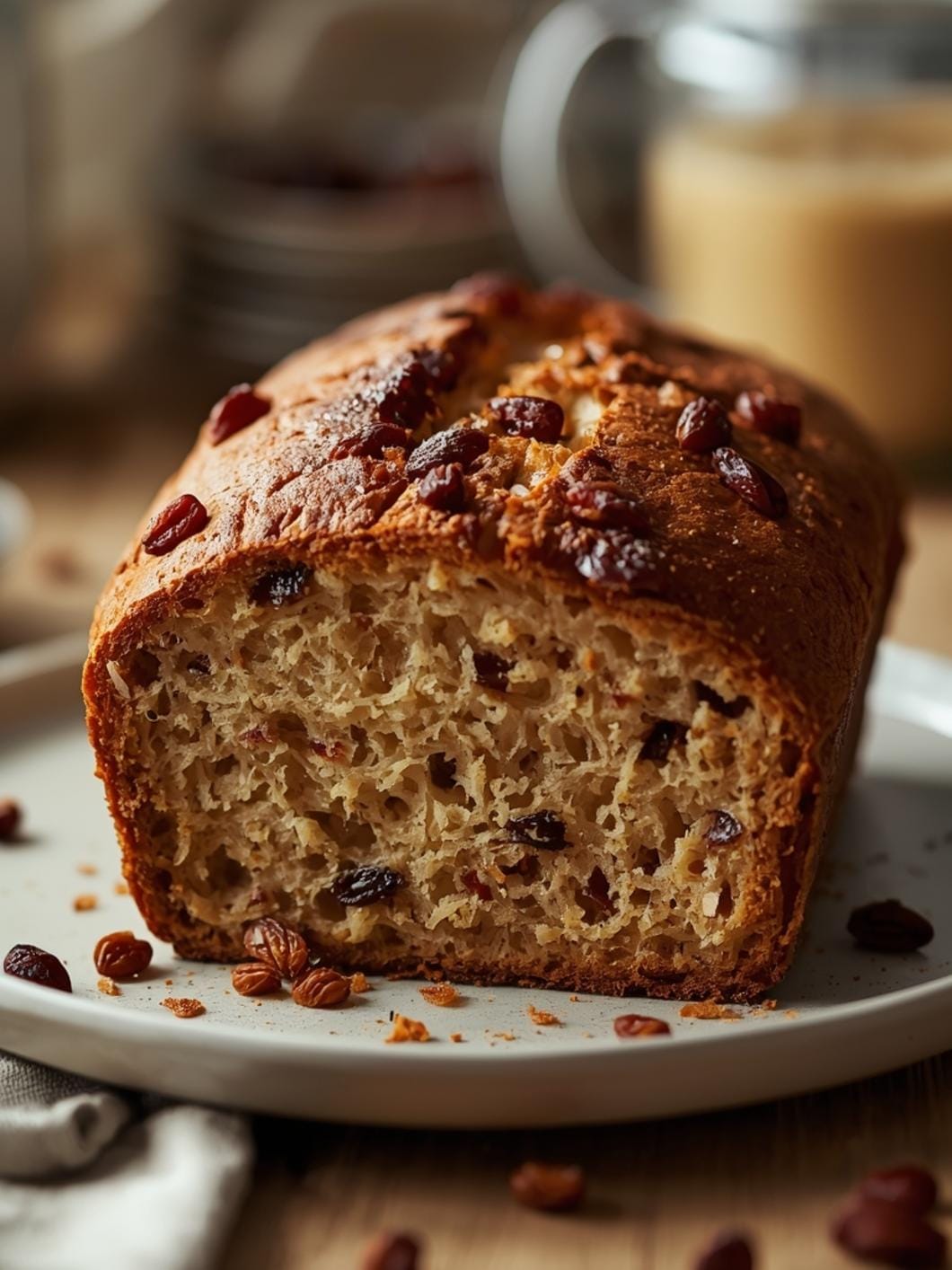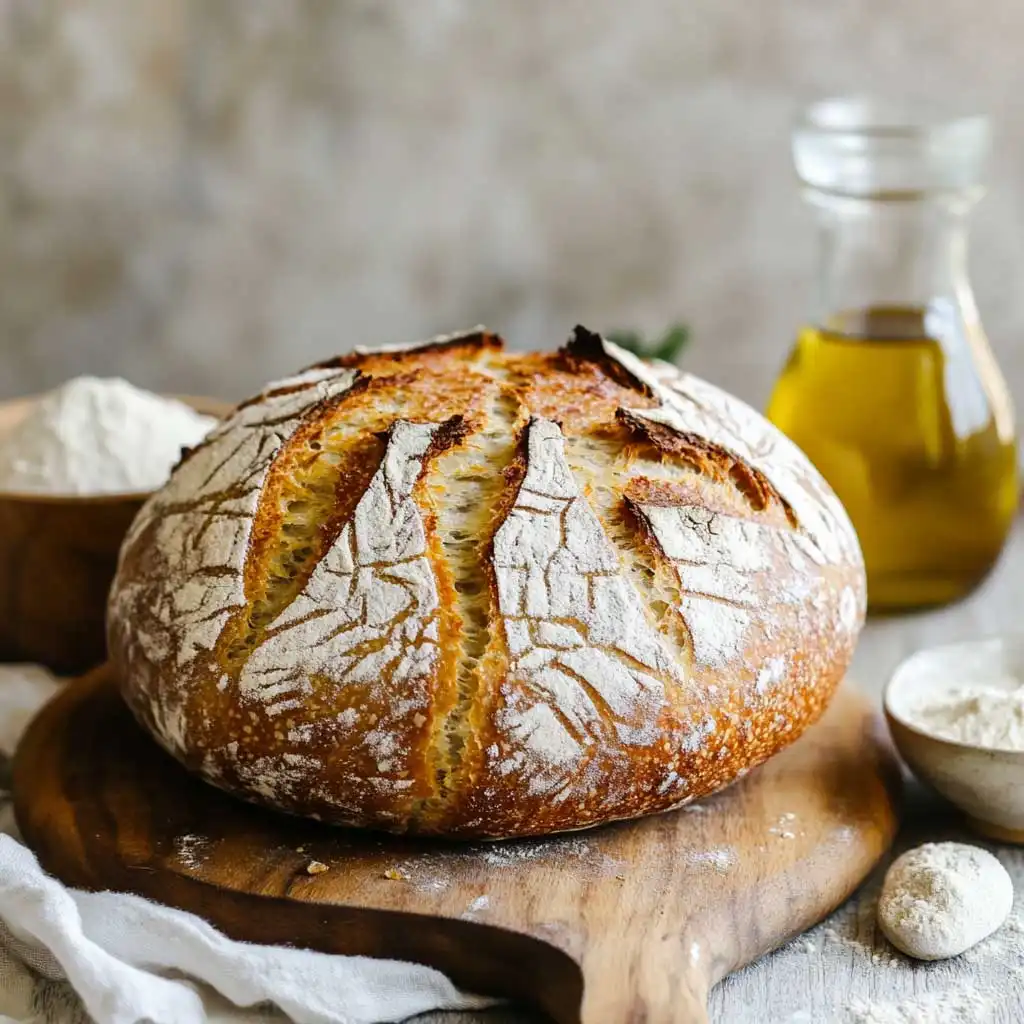

This healthy sourdough sandwich bread recipe is a game-changer for anyone looking to add more wholesome goodness to their daily meals without sacrificing flavor.

We’re talking about a delightful maple oat taste that elevates your average sandwich from good to absolutely fantastic. It’s a nutritious and delicious way to enjoy the benefits of sourdough with a touch of sweetness and hearty oats.
Perfect for busy weeknights or lazy weekend brunches, this bread is surprisingly simple to make. You’ll learn how to craft maple oat sourdough bread that’s not only good for you but also incredibly satisfying. Get ready to discover all the details that make this recipe a new family favorite.

Maple Oat Sourdough Sandwich Bread
- Total Time: 8-12 hours
- Yield: 1 loaf 1x
Description
This healthy sourdough sandwich bread recipe is a game-changer for anyone looking to add more wholesome goodness to their daily meals without sacrificing flavor. We’re talking about a delightful maple oat taste that elevates your average sandwich from good to absolutely fantastic. It’s a nutritious and delicious way to enjoy the benefits of sourdough with a touch of sweetness and hearty oats.
Ingredients
Instructions
1. Combine Wet Ingredients: In a large mixing bowl, gently whisk together your active sourdough starter, warm water, pure maple syrup, and olive oil until well combined. The mixture should look slightly milky and uniform.
2. Add Dry Ingredients: Stir in the salt and 1 cup of the rolled oats. Gradually add the bread flour, one cup at a time, mixing with a wooden spoon or your hands until a shaggy dough forms. It will be sticky at this stage, but don’t worry.
3. Knead the Dough: Turn the dough out onto a lightly floured surface. Knead for about 8-10 minutes until the dough becomes smooth, elastic, and less sticky. If you have a stand mixer, use the dough hook attachment for 6-8 minutes. The dough should pass the “windowpane test,” meaning you can stretch a small piece thin enough to see light through it without tearing.
4. First Rise (Bulk Fermentation): Lightly grease your mixing bowl with olive oil. Place the kneaded dough in the bowl, turning it once to coat. Cover the bowl with plastic wrap or a damp kitchen towel. Let it rise in a warm spot for 4-6 hours, or until it has doubled in size. Alternatively, for a deeper flavor, you can refrigerate it overnight for 8-12 hours.
5. Shape the Loaf: Gently punch down the risen dough to release the air. Turn it out onto a lightly floured surface. Shape it into a rectangular loaf that fits your standard 9×5-inch loaf pan. You can do this by gently flattening the dough into a rectangle, then folding the longer sides into the middle, and finally rolling it up tightly from one short end to the other. Pinch the seam closed.
6. Second Rise (Proofing): Lightly grease your loaf pan. Place the shaped dough seam-side down into the prepared pan. Lightly mist the top with water and sprinkle with additional rolled oats, if desired, gently pressing them into the dough. Cover the pan loosely with plastic wrap or a damp towel and let it rise in a warm spot for 1-2 hours, or until it has nearly doubled in size and looks puffy.
7. Bake the Bread: Preheat your oven to 375 F (190 C) during the last 20 minutes of the second rise. Once preheated, place the loaf pan in the oven and bake for 35-40 minutes, or until the crust is golden brown and the internal temperature reaches 200-210 F (93-99 C) with an instant-read thermometer.
8. Cool Completely: Remove the bread from the oven and immediately transfer it from the loaf pan to a wire rack. Let it cool completely for at least 1-2 hours before slicing. Slicing warm sourdough can result in a gummy texture.
- Prep Time: 20-25 minutes
- Cook Time: 35-40 minutes
- Category: bread
- Method: baking
- Cuisine: american
Nutrition
- Serving Size: 1 slice
Keywords: sourdough, bread, oat, maple, sandwich, healthy, homemade, baking, easy, breakfast
What You’ll Love About This Quick And Easy Recipe
This recipe is a true winner because it perfectly balances health, flavor, and ease of preparation. It’s designed for anyone who appreciates the unique tang of sourdough but wants a softer, more approachable loaf for everyday sandwiches and toast. The addition of maple and oats transforms a basic sourdough into something special, offering a subtle sweetness and a wonderful texture that appeals to both adults and children. It’s ideal for busy parents, health-conscious individuals, or anyone looking to upgrade their bread game without spending hours in the kitchen. Serve it at breakfast with a smear of butter, as the base for your favorite lunch sandwich, or even toasted alongside a hearty soup for dinner. Its versatility and delicious flavor make it a staple you’ll want to bake again and again.
Everything You Need To Make This Recipe Without Stress
Gathering your ingredients for this maple oat sourdough bread is straightforward, focusing on common pantry items. You won’t need any exotic flours or hard-to-find specialty items, making this a stress-free baking experience.
INGREDIENTS:
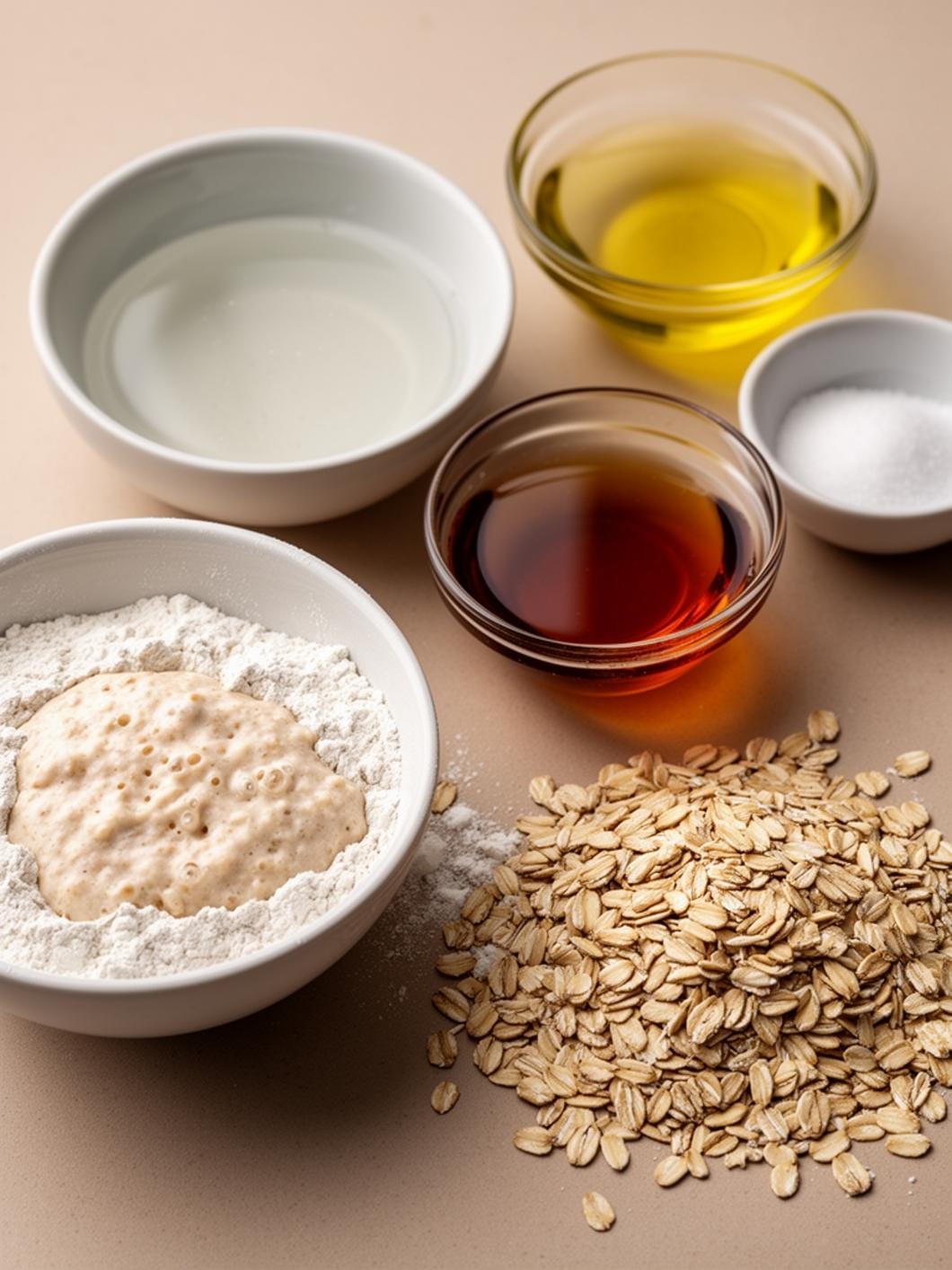
- 1 cup active sourdough starter, fed and bubbly
- 1 ½ cups warm water (about 95-105°F)
- ¼ cup pure maple syrup
- 2 tablespoons olive oil, plus more for greasing
- 1 ½ teaspoons salt
- 3 ½ cups bread flour, plus more for dusting
- 1 cup old-fashioned rolled oats, plus more for topping
When it comes to substitutions, you have a few practical options. If you don’t have bread flour, all-purpose flour can be used, though the texture might be slightly less chewy. For the maple syrup, honey can be a good alternative if you prefer, offering a different but equally pleasant sweetness. While olive oil is recommended for its flavor and health benefits, any neutral-flavored oil like canola or vegetable oil will work in a pinch. For the oats, quick oats can be used if old-fashioned rolled oats aren’t available, but they might absorb liquid differently, so watch your dough consistency. Always use an active, bubbly sourdough starter for the best rise and flavor; a sluggish starter will lead to a dense loaf.
Time Needed From Start To Finish
While sourdough often implies a lengthy process, this recipe is designed to be manageable within a reasonable timeframe for a homemade loaf, especially considering the fermentation.
- Active Prep Time: 20-25 minutes (mixing, kneading, shaping)
- First Rise (Bulk Fermentation): 4-6 hours (or overnight in the fridge for 8-12 hours)
- Second Rise (Proofing): 1-2 hours
- Bake Time: 35-40 minutes
- Cooling Time: 1-2 hours (essential for best texture)
Total Time (Active + Passive): Approximately 8-12 hours, depending on ambient temperature and whether you opt for an overnight cold proof. The hands-on time is minimal, making it a great project to fit into a busy day.
How To Make It Step By Step With Visual Cues

Creating this delicious maple oat sourdough sandwich bread is a rewarding process. Follow these steps for a perfect loaf every time.
- Combine Wet Ingredients: In a large mixing bowl, gently whisk together your active sourdough starter, warm water, pure maple syrup, and olive oil until well combined. The mixture should look slightly milky and uniform.
- Add Dry Ingredients: Stir in the salt and 1 cup of the rolled oats. Gradually add the bread flour, one cup at a time, mixing with a wooden spoon or your hands until a shaggy dough forms. It will be sticky at this stage, but don’t worry.
- Knead the Dough: Turn the dough out onto a lightly floured surface. Knead for about 8-10 minutes until the dough becomes smooth, elastic, and less sticky. If you have a stand mixer, use the dough hook attachment for 6-8 minutes. The dough should pass the “windowpane test,” meaning you can stretch a small piece thin enough to see light through it without tearing.
- First Rise (Bulk Fermentation): Lightly grease your mixing bowl with olive oil. Place the kneaded dough in the bowl, turning it once to coat. Cover the bowl with plastic wrap or a damp kitchen towel. Let it rise in a warm spot for 4-6 hours, or until it has doubled in size. Alternatively, for a deeper flavor, you can refrigerate it overnight for 8-12 hours.
- Shape the Loaf: Gently punch down the risen dough to release the air. Turn it out onto a lightly floured surface. Shape it into a rectangular loaf that fits your standard 9×5-inch loaf pan. You can do this by gently flattening the dough into a rectangle, then folding the longer sides into the middle, and finally rolling it up tightly from one short end to the other. Pinch the seam closed.
- Second Rise (Proofing): Lightly grease your loaf pan. Place the shaped dough seam-side down into the prepared pan. Lightly mist the top with water and sprinkle with additional rolled oats, if desired, gently pressing them into the dough. Cover the pan loosely with plastic wrap or a damp towel and let it rise in a warm spot for 1-2 hours, or until it has nearly doubled in size and looks puffy.
- Bake the Bread: Preheat your oven to 375°F (190°C) during the last 20 minutes of the second rise. Once preheated, place the loaf pan in the oven and bake for 35-40 minutes, or until the crust is golden brown and the internal temperature reaches 200-210°F (93-99°C) with an instant-read thermometer.
- Cool Completely: Remove the bread from the oven and immediately transfer it from the loaf pan to a wire rack. Let it cool completely for at least 1-2 hours before slicing. Slicing warm sourdough can result in a gummy texture.
Easy Variations And Serving Ideas That Fit Real Life
This maple oat sourdough bread is incredibly versatile, making it perfect for a variety of meals and preferences. For a subtle flavor twist, try adding a teaspoon of cinnamon or a pinch of nutmeg to the dry ingredients for a spiced maple oat loaf. You could also incorporate a handful of dried cranberries or chopped walnuts during the kneading stage for added texture and nutrition.
When it comes to serving, the possibilities are endless. This bread makes an exceptional base for classic sandwiches like turkey and cheddar, or a gourmet grilled cheese. For breakfast, toast slices and top with cream cheese and a drizzle of extra maple syrup, or avocado and a sprinkle of everything bagel seasoning. It’s also fantastic served alongside a hearty bowl of chili or a creamy tomato soup. For a kid-friendly option, cut slices into fun shapes with cookie cutters and serve with peanut butter and banana. At a party or buffet, it can be sliced thinly and served with a cheese board, or as crostini with various toppings. Don’t forget to try it simply toasted with butter and a sprinkle of flaky sea salt – pure perfection!
Common Slip-Ups And How To Avoid Them
Even experienced bakers can encounter small issues, but knowing what to watch for can save your loaf. One common mistake is using a sourdough starter that isn’t active enough. If your starter hasn’t been fed recently or isn’t bubbly and active, your bread won’t rise properly, leading to a dense loaf. Always ensure your starter is at its peak activity before beginning.
Another frequent problem is not kneading the dough enough. Under-kneading results in a weak gluten structure, which means the bread won’t hold its shape well and will have a crumbly texture. Knead until the dough is smooth and elastic, passing the windowpane test. Conversely, over-kneading can also be an issue, making the dough tough. Pay attention to the texture and stop when it’s just right.
Improper proofing is another pitfall. If the dough doesn’t rise enough during the first or second proof, the bread will be dense. If it over-proofs, it can collapse in the oven, resulting in a flat loaf. Learn to recognize when your dough has doubled in size and looks airy, but not deflated. Ambient temperature plays a huge role here; a warmer kitchen will speed up fermentation, while a cooler one will slow it down. Adjust your proofing times accordingly. Finally, slicing the bread too soon after baking can lead to a gummy interior. Always allow the bread to cool completely on a wire rack to let the internal structure set

FAQs
- Can I make these ahead? Yes—prep ahead, refrigerate, then serve when ready.
- How long do leftovers last? Store covered in the fridge for 3–4 days for best texture.
- Can I adjust sweetness? Yes—add more or less sweetener to taste.
- Can I change the fruit? Yes—swap strawberries for blueberries, raspberries, or sliced banana.